Inner Child Healing: Signs Your Inner Child Needs Attention (And How Tarot Helps)
Your inner child doesn’t stay a child. She grows up with you — carrying everything she couldn’t process.
When people talk about the “inner child,” it can sound abstract. But there’s nothing abstract about it. Your inner child is the part of your psyche that still holds your earliest experiences — the joy, the wonder, the curiosity, but also the fear, the shame, the confusion, the loneliness that you felt before you had the language or capacity to process it.
She’s still in there. And if she’s hurting, you’re feeling it — you just might not recognize it as childhood pain.
8 signs your inner child needs attention
These patterns don’t look like childhood wounds on the surface. They look like personality traits, relationship problems, or just “the way you are.” But they’re often your inner child running the show.
1. You can’t stop people-pleasing
You say yes when you mean no. You overextend yourself for others and feel resentful afterward. This often comes from a child who learned that love was conditional — that you had to earn it by being useful, agreeable, or invisible.
2. You overreact to small triggers
Someone cancels plans and you spiral. A tone of voice sends you into shutdown. The reaction is disproportionate because it’s not really about the present moment — it’s your inner child responding to an old wound.
3. You fear abandonment
You cling to relationships that aren’t healthy. You panic when someone pulls away. You’d rather stay in a bad situation than risk being alone. Your inner child learned that being left meant being unloved.
4. You can’t receive love or compliments
Someone says something kind and you deflect, minimize, or distrust it. If you were taught that you didn’t deserve good things, your inner child will reject them even when your adult self knows better.
5. You’re a perfectionist
Not the productive kind. The kind where anything less than flawless feels like a personal failure. Perfectionism often starts with a child who learned that mistakes meant punishment, rejection, or loss of love.
6. You struggle with boundaries
You don’t know where you end and others begin. You absorb other people’s emotions. You feel guilty for saying no. Boundaries require a sense of self — and if that self was overridden in childhood, boundaries feel impossible.
7. You have emotional outbursts that feel childlike
Crying over something small. Sudden rage that doesn’t match the situation. Shutting down and refusing to communicate. These aren’t “overreactions” — they’re your inner child taking over because the adult you hasn’t learned to hold that pain yet.
8. You feel like you have to earn your worth
Resting feels lazy. Doing nothing feels dangerous. Your value is tied to productivity, achievement, or how much you give to others. Somewhere, a child learned that just existing wasn’t enough.
Why tarot works for inner child healing
Tarot is visual. It speaks in images, symbols, and archetypes — exactly the language your inner child understands.
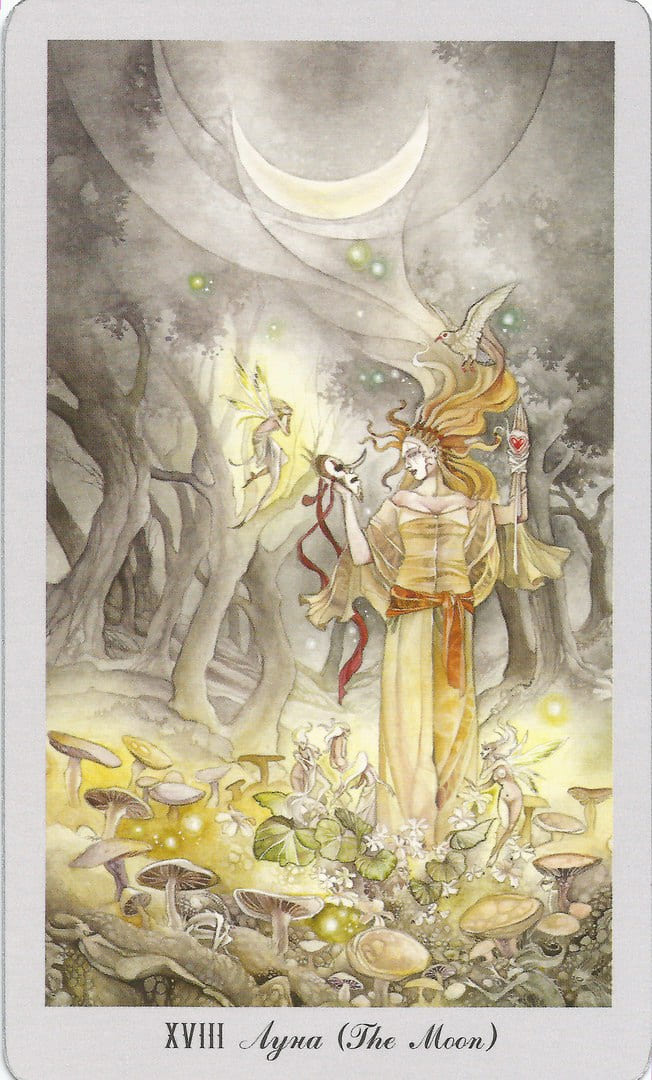
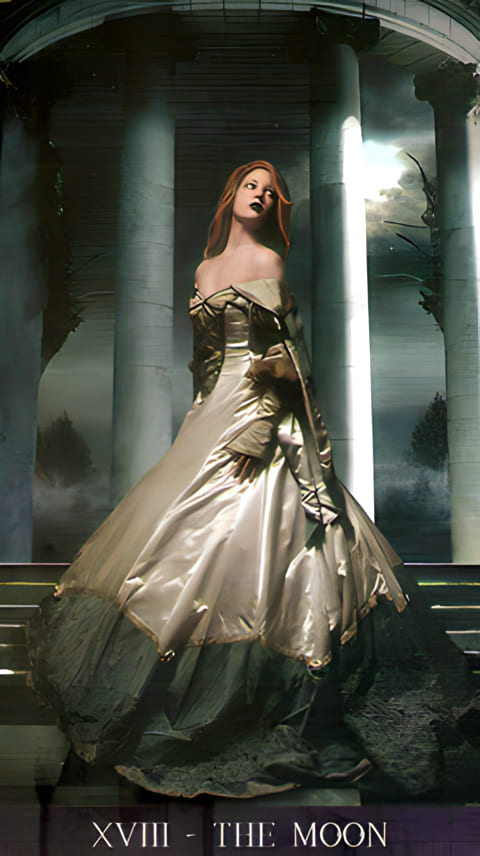
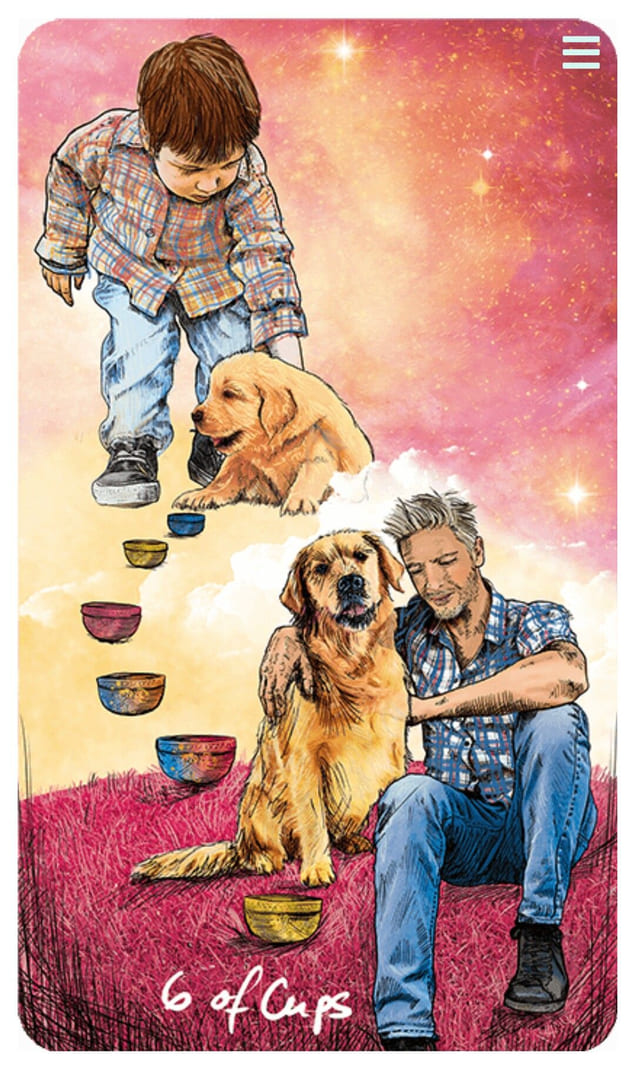
Your adult mind processes through logic and language. But your inner child lives in the world of feelings and pictures. When you see the Six of Cups and feel a pull in your chest — that’s your inner child recognizing something. When the Moon makes you anxious — that’s a child who learned to fear the unknown.
Tarot bypasses the adult filter and speaks directly to the part of you that needs healing.
The cards don’t heal you by themselves. But they show you where to look. They make the invisible visible. And once you can see a pattern clearly, you can start to change it.
The inner child cards in tarot
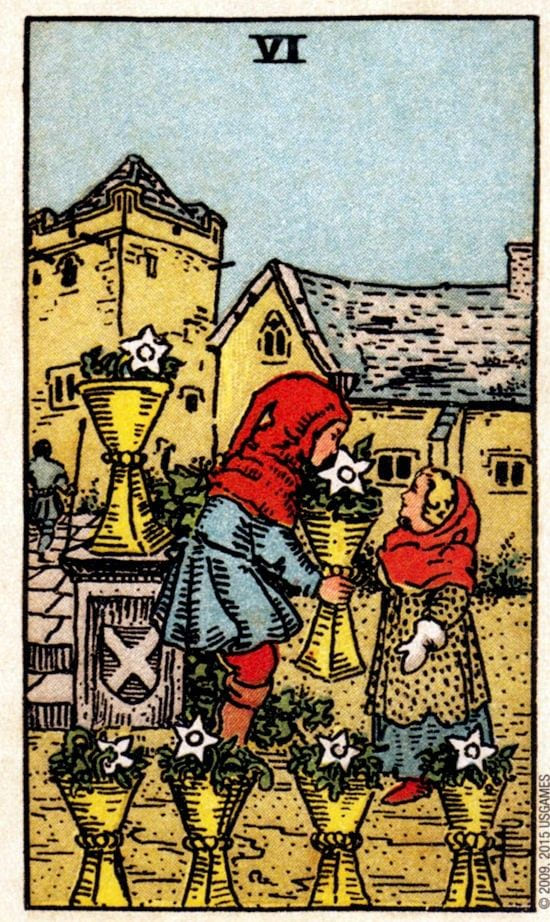
These cards most frequently represent inner child energy in readings:
Six of Cups — The quintessential inner child card. Nostalgia, childhood memories, innocence. When this card appears, your inner child is asking for attention. She wants to be remembered — not just the pain, but the joy too.
The Sun — The free, joyful inner child. The part of you that once knew how to play without guilt, laugh without restraint, and love without conditions. When the Sun appears in inner child work, it’s asking: when did you stop letting yourself be happy?
The Fool — Childlike trust, openness, willingness to leap. The Fool is the child before the world taught her to be afraid. In inner child work, the Fool often asks you to reconnect with that original courage.
The Star — The wounded child who still hopes. After the Tower has fallen, after everything has broken, the Star is the small voice that says: “Maybe it can get better.” In inner child healing, this card represents the tender hope that healing is possible.
Page of Cups — Emotional openness, vulnerability, creative play. The Pages are the most childlike court cards, and the Page of Cups embodies the emotional child — sensitive, imaginative, easily hurt but deeply caring.
The Moon — The frightened child. Fear of the dark, fear of the unknown, fear of what lurks in the shadows. When the Moon appears in inner child work, there’s something your younger self was afraid of that still hasn’t been addressed.
How to use tarot for inner child healing
Single card pull
Pull one card daily asking: “What does my inner child need from me today?”
This is the gentlest practice. It takes two minutes. But over weeks and months, it builds a relationship with the part of you that’s been waiting to be heard.
Journaling with cards
Pull a card, then write a letter to your inner child about what the card shows. Start with “Dear little [your name]…” and let whatever comes out come out.
Or flip it: let your inner child write to you. Pull a card and write from the perspective of your younger self, using the card as a prompt. This exercise can be surprisingly emotional.
Pairing with therapy
If you’re in therapy, bring your tarot insights to sessions. Cards can open doors that talk therapy takes months to reach. A therapist can help you process what the cards surface in a safe, supported way.
Cards that signal your inner child is speaking
During any reading — not just inner child work — certain card appearances suggest your inner child is active:
- Any reversed Page — The child within is blocked, suppressed, or hurting
- Five of Cups — Childhood grief that hasn’t been fully mourned
- Nine of Swords — Childhood anxiety patterns repeating in adulthood
- Four of Pentacles — Holding on too tightly because of early experiences of scarcity or instability
- The Emperor reversed — Issues with paternal authority or structure
- The Empress reversed — Issues with maternal nurturing or conditional love
If these cards keep appearing across multiple readings, your inner child is trying to get your attention. Listen.
This is gentle work. Treat it gently.
Inner child healing isn’t something you rush through. It’s not a weekend project. It’s a slow, tender process of reconnecting with the most vulnerable part of yourself.
Some practical reminders:
- Go at your child’s pace, not your adult’s. If something feels like too much, stop. Come back tomorrow.
- Physical comfort helps. Wrap yourself in a blanket. Hold a warm drink. Your inner child responds to physical safety.
- Not everything needs to be processed immediately. Some cards will reveal things you’re not ready to face yet. That’s okay. Note them and return when you’re ready.
- Professional support matters. If inner child work surfaces trauma, a therapist trained in inner child healing, IFS, or somatic experiencing can help you navigate it safely.
Your inner child has been waiting for someone to notice. That someone is you.
Frequently Asked Questions
What is the inner child in simple terms?
Your inner child is the part of you that still carries your childhood emotions, needs, and memories — both joyful and painful. It's not a literal child inside you, but a psychological concept describing how early experiences continue to shape your adult behavior, reactions, and relationships.
Can tarot actually help heal the inner child?
Tarot is a reflection tool, not a healing modality in itself. It helps by making unconscious patterns visible — showing you where your inner child is reacting instead of your adult self. The healing happens when you acknowledge what the cards reveal and take action, ideally alongside therapy or journaling.
What tarot card represents the inner child?
The Six of Cups is the primary inner child card — nostalgia, innocence, and childhood memories. The Sun represents the joyful, free inner child. The Fool represents childlike trust and openness. The Star can represent the wounded child hoping for healing.
How do I know if my inner child is wounded?
Common signs include people-pleasing, difficulty setting boundaries, overreacting to small triggers, fear of abandonment, perfectionism, difficulty receiving love, feeling like you have to earn your worth, and emotional outbursts that feel childlike rather than adult.