Inner Child Tarot Spread: A Gentle Way to Connect with Your Younger Self
Before you begin: a word about gentleness
This spread is different from other tarot spreads. It’s not about prediction. It’s not about strategy. It’s about meeting a part of yourself that has been waiting — possibly for a very long time — to be seen.
If you read the inner child healing guide and recognized yourself in those signs, this spread is your next step. It creates a structured space to sit with your inner child and listen to what she needs.
Two ground rules before we start:
- There are no wrong cards. Whatever appears is exactly what needs to appear.
- Your first reaction matters most. If a card makes you cry, shut down, or feel angry — that’s the information. Don’t intellectualize it away.
The Inner Child Connection spread (6 cards)
This spread is designed as a conversation between your adult self and your inner child. The left side represents your younger self. The right side represents the adult you. The center connects them.
Shuffle while asking: “Dear little one, what do you need me to know?”
[1]       [4]
   [3]
[2]       [5]
      [6]
Left column (Cards 1-2) = Your inner child Right column (Cards 4-5) = Your adult self Center (Cards 3, 6) = The bridge between child and adult
Position 1: Who your inner child is right now
The current state of your inner child.
Not who she was — who she is right now, in this moment. Is she hiding? Playing? Crying? Waiting? This card shows how your inner child exists within you today. If it’s a heavy card, she’s been carrying something for a long time.
Position 2: What she needs you to know
The message your inner child is trying to send.
This is the most important position. Whatever card appears here is what your younger self has been trying to tell you — through your reactions, your patterns, your triggers, your dreams. She’s been sending this message. Now you’re finally listening.
Position 3: The wound between you
What separated you from your inner child.
At some point, you disconnected from this part of yourself. Something happened that made it unsafe to stay connected to your childlike self — a trauma, a lesson, a message that told you to “grow up.” This card names that moment of disconnection.
Position 4: How your adult self responds
Your current relationship with your inner child.
Do you ignore her? Overprotect her? Resent her? Try to fix her? This card shows how your adult self relates to your inner child right now. It’s not always a kind picture, and that’s okay — awareness is the first step.
Position 5: What your adult self can offer
The strength, wisdom, or resource you have now that you didn’t have then.
You’re not the same person who experienced the original wound. You have tools, understanding, and resilience now that your younger self didn’t have. This card shows what you can bring to the healing relationship.
Position 6: The first step toward reunion
How to begin reconnecting with your inner child.
Not a grand gesture. Usually something small — an act of play, a moment of rest, a creative expression, permission to feel. This card suggests the one thing you can do this week to start rebuilding the connection.
How to read this spread
Create the right environment
Inner child work responds to physical safety. Before laying out cards:
- Choose a quiet, private space
- Have soft lighting or a candle
- Keep tissues within reach
- Wrap yourself in something comforting — a blanket, a familiar sweater
- Turn off your phone
This isn’t about ritual for ritual’s sake. Your nervous system needs to feel safe before your inner child will speak.
Read the left column first
Cards 1 and 2 are your inner child’s voice. Read them together. Ask yourself: what is she feeling? What has she been carrying? If you feel tears, let them come. If you feel nothing, that’s data too — numbness is a protective response.
Then the right column
Cards 4 and 5 show you — the adult. Are you showing up for your inner child, or have you been looking away? Card 4 might reveal uncomfortable truths about how you’ve been treating the most vulnerable part of yourself.
Card 5 is the gift. Even if the reading has been heavy so far, this card shows your strength. You have what you need to begin this healing.
Finally, the center
Card 3 (the wound) explains why you disconnected. Card 6 (the first step) shows how to start reconnecting. These two cards together tell the story of separation and reunion.
Cards that carry special meaning in this spread
In Position 1 (Inner child’s state):
- Ten of Swords — She’s exhausted. She’s been carrying too much for too long.
- Four of Cups — She’s shut down emotionally. She stopped asking for what she needs.
- The Sun — She’s still alive in there, still joyful. She just needs permission.
- Page of Cups — She’s reaching out. She’s ready to be seen.
In Position 2 (Her message):
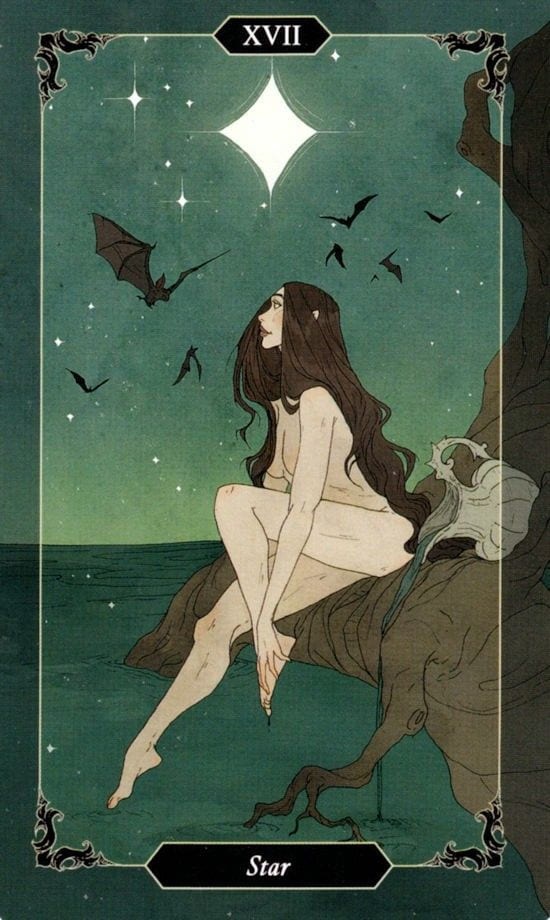
- The Star — “I still have hope. Please don’t give up on me.”
- Five of Cups — “Something was lost and I never got to grieve it.”
- Ace of Cups — “I need love. Simple, unconditional love.”
- The Hermit — “I need time alone. I need quiet to heal.”
In Position 6 (First step):
- The Empress — Nurture yourself physically. Cook something warm. Take care of your body.
- Ace of Wands — Play. Create something. Color, draw, dance — whatever your child self loved.
- Six of Cups — Revisit something from your childhood that brought you joy.
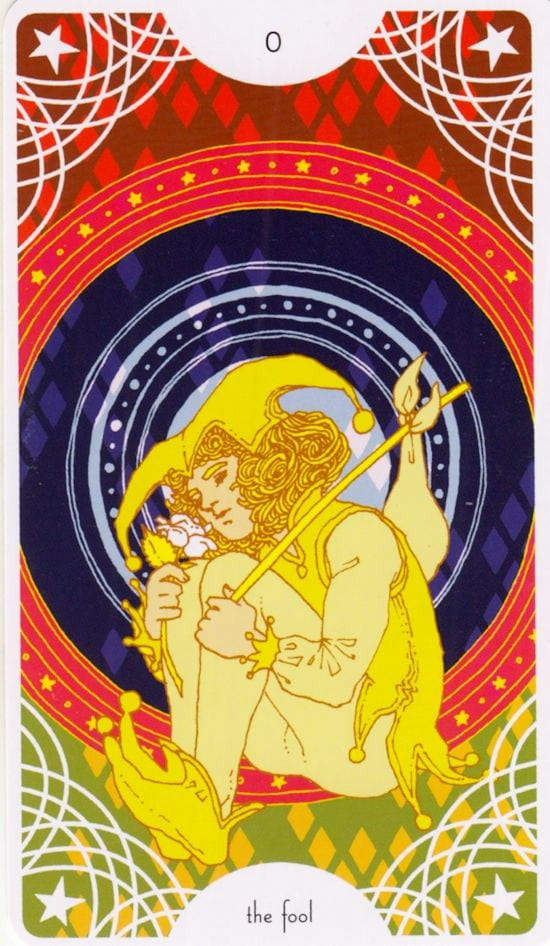
- The Fool — Try something new without worrying about being good at it.
After the reading
Write a letter to your inner child. Not about the reading — from the reading. Use the cards as your guide.
Start with: “Dear little [your name], I see you. I see that you…” and let the cards finish the sentence.
Don’t try to fix anything tonight. Just acknowledge. Just see. That’s often enough to begin.
If this reading opened something that feels bigger than journaling can hold, that’s normal. A therapist who specializes in inner child work, IFS (Internal Family Systems), or somatic therapy can help you navigate what comes up.
Your inner child doesn’t need you to be perfect. She just needs you to show up.
Frequently Asked Questions
How many cards are in an inner child tarot spread?
Inner child spreads typically range from 3 to 7 cards. This guide features a nurturing 6-card spread that's deep enough for real connection but gentle enough for emotionally sensitive work. For your very first time, a simple 3-card pull (child self, wound, healing) also works.
What is the best tarot card for inner child work?
The Six of Cups is the primary inner child card — it represents nostalgia, childhood innocence, and memories. The Sun represents the joyful child, the Fool represents childlike trust, and the Page of Cups embodies the sensitive, creative child. Any card that triggers a childhood memory is relevant.
Can inner child tarot spreads bring up difficult emotions?
Yes. Inner child work can surface grief, anger, sadness, or memories you've suppressed. Go slowly, have tissues nearby, and stop if it feels overwhelming. This is gentle work — there's no rush. A therapist can help you process anything that comes up.
How often should I do an inner child tarot spread?
Start with once a month. Between full spreads, do daily single-card pulls asking what your inner child needs. Inner child healing is gradual — weekly journal prompts with one card are more effective than frequent full spreads.