100 Shadow Work Journal Prompts for 2026: Transform Your Self-Awareness
Why journaling is the missing half of shadow work
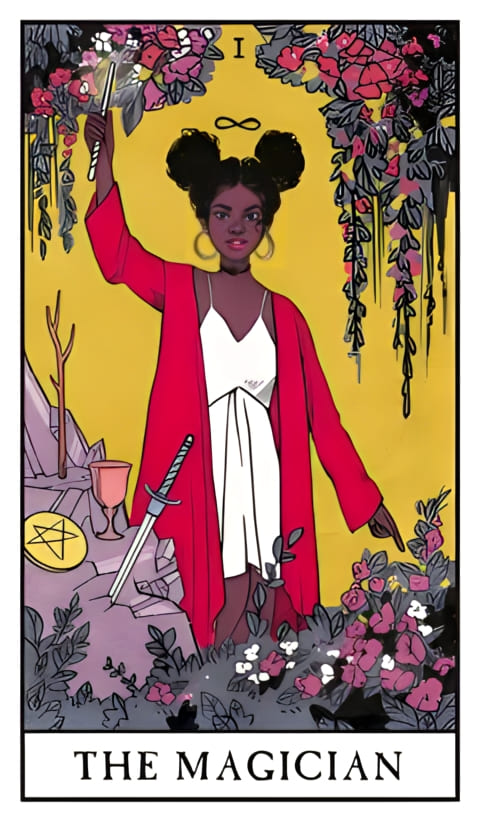
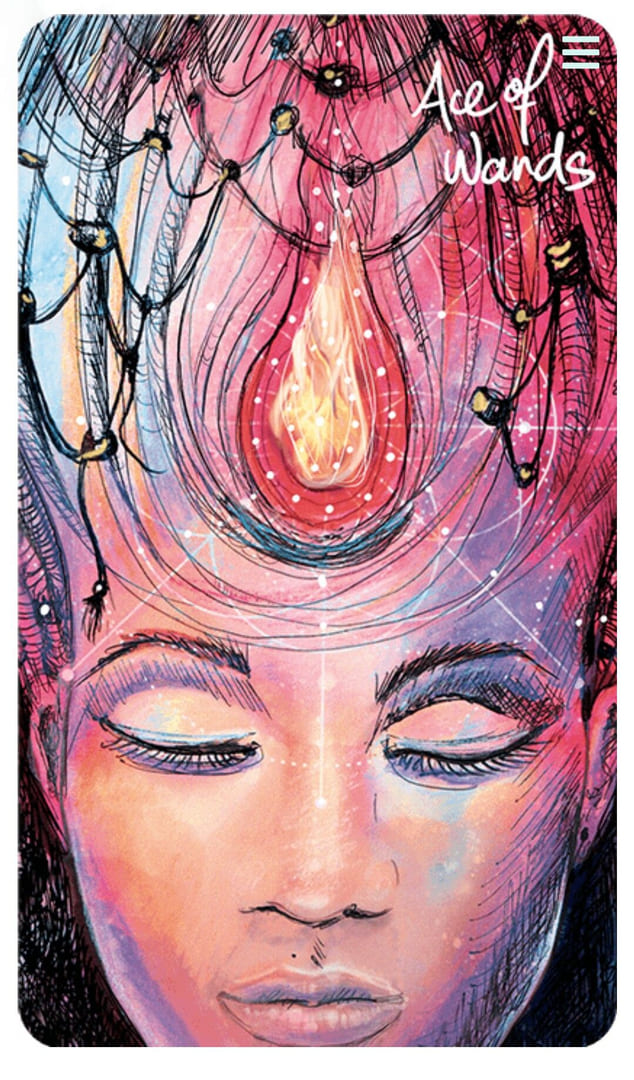
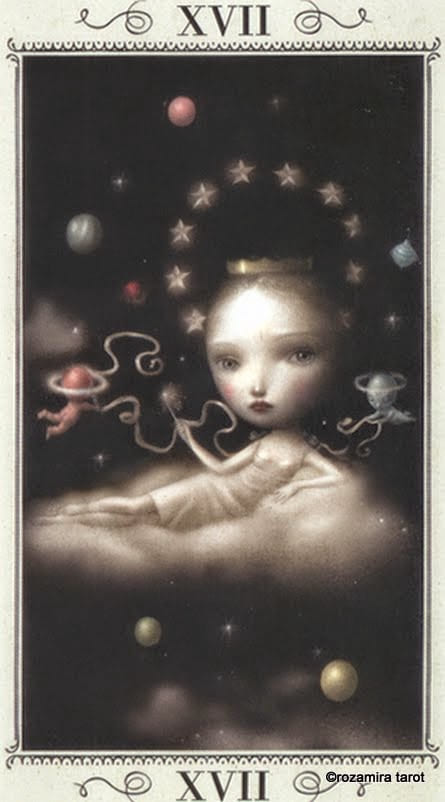
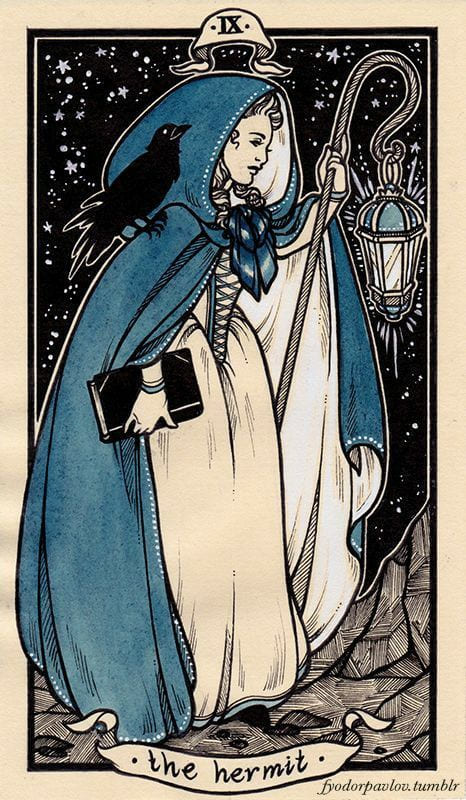
If you’ve been pulling tarot cards for shadow work but not writing afterward, you’re only getting half the picture.
The cards show you something. Journaling is where you actually process it. Without writing, insights float away. You see the Moon, nod thoughtfully, then go back to your exact same patterns by Tuesday.
I’ve been keeping a shadow journal for years, and the difference between sessions where I write and sessions where I don’t is enormous. Writing forces honesty. You can lie to yourself in your head. It’s much harder to lie on paper.
How to use these prompts
The basic practice:
- Pick one prompt (or let the list number match your card — pull a card, note its number, find the matching prompt)
- Pull a tarot card if you want visual fuel
- Set a timer for 10-15 minutes
- Write without stopping, editing, or censoring
- When the timer goes off, read what you wrote. Circle anything that surprised you.
Rules:
- No judgment. This journal is for you alone.
- If you feel resistance to a prompt, that’s exactly the one you need.
- Ugly handwriting is fine. Grammar doesn’t matter. Truth matters.
- Don’t force yourself through prompts that feel re-traumatizing. Skip it. Come back later.
Childhood and family of origin
These prompts explore where your shadow first formed — the messages you absorbed before you could question them.
- What emotion was not allowed in your household growing up?
- What did your parents praise you for? What did that teach you to perform?
- What’s a memory from childhood that still makes you feel ashamed?
- What did “being good” mean in your family? What did you sacrifice to be it?
- What did you learn about anger from watching your parents?
- What’s something you needed as a child but never got?
- What role did you play in your family — the peacemaker, the achiever, the invisible one?
- What’s one thing your parents never apologized for?
- When did you first learn that some parts of you weren’t welcome?
- If your childhood self could see you now, what would they be disappointed about? What would they be proud of?
Self-worth and identity
The shadow often hides behind the stories we tell ourselves about who we are — and who we’re allowed to be.
- What’s a compliment you have trouble accepting? Why?
- If you couldn’t fail, what would you do with your life?
- What do you believe you don’t deserve? Where did that belief come from?
- When was the last time you dimmed yourself so someone else could feel comfortable?
- What would change if you truly believed you were enough — right now, as you are?
- What mask do you wear most often? What’s underneath it?
- What achievement are you secretly pursuing to prove something to someone who doesn’t even notice?
- What part of yourself have you abandoned to fit in?
- If no one would judge you, how would you dress, speak, and live differently?
- What’s the worst thing you believe about yourself? Is it actually true, or is it a story someone else wrote?
Anger and boundaries
Repressed anger is one of the most common shadow elements. These prompts help you look at what you’ve been swallowing instead of saying.
- What are you angry about that you haven’t admitted to anyone?
- Who in your life crosses your boundaries repeatedly? Why do you let them?
- When someone hurts you, do you confront them, withdraw, or pretend nothing happened? Where did you learn that response?
- What’s something you say “it’s fine” about that is absolutely not fine?
- If you could say one honest thing to someone without consequences, who would it be and what would you say?
- What does anger feel like in your body? Where do you hold it?
- Were you taught that anger is dangerous? By whom?
- What boundary do you need to set this week that you keep putting off?
- What would your life look like if you stopped being polite about things that hurt you?
- When was the last time you were furious? What happened? What didn’t you say?
Fear and anxiety
The shadow feeds on the fears you won’t name. Naming them takes away their power.
- What’s your deepest fear that you’ve never said out loud?
- What do you avoid because you’re afraid of failing at it?
- What would happen if people knew the real you — not the curated version?
- What recurring nightmare or intrusive thought keeps coming back? What might it be trying to tell you?
- What’s the worst-case scenario you keep rehearsing in your mind? Is it realistic?
- What are you afraid of wanting? Why is the wanting itself scary?
- If your anxiety had a voice, what would it say? What would you say back?
- What situation makes you freeze? When did freezing become your default response?
- What would you do if you weren’t afraid of judgment?
- What fear did you inherit from your parents that was never actually yours?
Relationships and attachment
The shadow shows up loudest in how we love — and how we avoid it.
- What pattern keeps repeating in your relationships?
- What do you find attractive in others that you deny in yourself?
- What’s your role in the relationship problems you’ve had? (Not all of it — just your part.)
- What do you need from a partner that you’re afraid to ask for?
- How do you sabotage relationships when things start going well?
- What does “being too much” look like in your relationships? Who told you that was a thing?
- What’s the most painful thing an ex said to you that you suspect might be partially true?
- Do you chase people who are unavailable? What does unavailability feel familiar about?
- What would you have to face about yourself if you stopped blaming your partner?
- What does love feel like in your body? Does it feel safe or does it feel like anxiety?
Jealousy and comparison
Jealousy is a shadow emotion that points directly at what you want but believe you can’t have.
- Who makes you jealous? What specifically about their life triggers you?
- What do you see in others that you wish you could be but tell yourself you can’t?
- When you compare yourself to someone, what quality are you actually measuring?
- What would happen if you stopped competing and started creating?
- What success in others makes you feel threatened? What does that reveal about your own unfulfilled desires?
- Have you ever downplayed someone else’s achievement because it made you uncomfortable? What was really going on?
- What would change if you could genuinely celebrate other people’s wins?
- Is there someone you admire but also resent? What’s behind the resentment?
- What’s the difference between healthy inspiration and toxic comparison in your life?
- What talent or quality do you have that you refuse to claim because someone does it “better”?
Shame and guilt
Shame is the shadow’s favorite hiding place. These prompts help you separate who you are from what happened.
- What’s something you did that you still feel guilty about? Have you forgiven yourself?
- What’s a secret you carry that would change how people see you?
- What part of your body do you feel ashamed of? When did that shame start?
- What mistake do you keep punishing yourself for, long after you’ve already learned from it?
- If you could go back and redo one moment, which one? What would you do differently?
- What do you feel ashamed of wanting?
- What’s the cruelest thing you’ve ever done to another person? What were you actually feeling at the time?
- Is there a version of you that you’ve disowned? What was she like before the world told her to change?
- What would it feel like to be truly seen — all of you, including the parts you hide?
- What’s the difference between guilt (I did something bad) and shame (I am bad) in your experience?
Control and perfectionism
Perfectionism is a socially acceptable shadow — it looks like discipline but feels like fear.
- What would happen if you let something be imperfect and someone noticed?
- What are you trying to control that is genuinely outside your control?
- When did “good enough” stop being enough for you?
- What would your life look like if you didn’t need to be the best at everything?
- What are you procrastinating on because you’re afraid it won’t be perfect?
- Who do you become when things don’t go according to plan?
- What would it feel like to rest without guilt?
- What’s the real fear behind your need to control — abandonment, chaos, failure?
- Is your productivity a strength or a hiding place?
- What would you do with the energy you spend on perfecting things that don’t need to be perfect?
Sexuality and desire
One of the most commonly repressed shadow areas, especially for those raised in shame-heavy environments.
- What were you taught about desire growing up? Who taught you?
- Is there a part of your sexuality you’ve never explored because of shame?
- What would change if you stopped judging your desires?
- What’s the difference between who you are in private and who you are in public when it comes to desire?
- What message about your body did you absorb before you could question it?
- If you could fully own your desire without fear or shame, how would your life change?
- What boundaries around your body do you struggle to enforce? Why?
- What cultural or religious messages about sexuality still live in your body?
- When was the last time you felt truly desired — and let yourself enjoy it without guilt?
- What part of your sensuality have you suppressed to be taken seriously?
Power and ambition
The golden shadow — light that you’re afraid to own. These prompts help you look at suppressed power.
- What would you do if you knew you were powerful enough to actually do it?
- When was the last time you held back your opinion to avoid conflict? What did you actually want to say?
- What does “too much” look like in your life? Who decided that limit?
- If you let yourself be ambitious without apology, what would you go after?
- What leadership quality do you admire in others but refuse to claim in yourself?
- What’s the difference between confidence and arrogance in your mind? Is that distinction keeping you small?
- When did you learn that your voice doesn’t matter?
- What would happen if you stopped waiting for permission?
- What’s the biggest thing you’ve ever wanted but never told anyone about?
- If you lived fully as yourself — no masks, no filters, no dimming — what would that actually look like?
What to do after you’ve journaled
Don’t just close the notebook and move on. Take a few minutes to:
- Read what you wrote. Underline anything that surprised you or made you uncomfortable.
- Pull a tarot card. Ask: “What does my shadow want me to know about what I just wrote?” Let the card add a layer of meaning.
- Notice your body. Where are you holding tension? What has softened? The body doesn’t lie.
- Don’t fix anything yet. Shadow work isn’t about immediately changing behavior. It’s about seeing clearly first. Change comes naturally when you stop running from what’s real.
These prompts aren’t a one-time exercise. Come back to them across weeks and months. You’ll find that the same prompt hits differently as you grow. That’s the point — the shadow evolves as you do.
Frequently Asked Questions
How do I use shadow work journal prompts with tarot?
Pull one tarot card before journaling, then use the prompt to guide your writing. Let the card's imagery and energy influence your reflection. If the card contradicts your first answer, sit with that contradiction — it often reveals the shadow.
Can shadow work journal prompts replace therapy?
No. Shadow work journaling is a self-reflection practice, not therapy. It works beautifully alongside therapy but isn't a substitute for professional support, especially if you're dealing with trauma, PTSD, or severe anxiety.
How many shadow work prompts should I do per week?
Start with one prompt per day or 3-5 per week. Quality matters more than quantity — one deeply explored prompt teaches you more than ten answered superficially. If a prompt brings up intense emotions, stay with it for several days.
What if a shadow work prompt makes me feel worse?
Some discomfort is normal — shadow work surfaces what you've been avoiding. But if you feel overwhelmed, stop and ground yourself. Take a walk, breathe, or call a friend. Come back to the prompt tomorrow. Shadow work should be uncomfortable, not destabilizing.