Review: Cirque du Tarot — Tarot Under the Big Top
This deck is about how all of life is a performance. Not in a cheap theatrical sense, but in the most precise sense: you walk under the spotlight, you do your number, you hope to be understood.
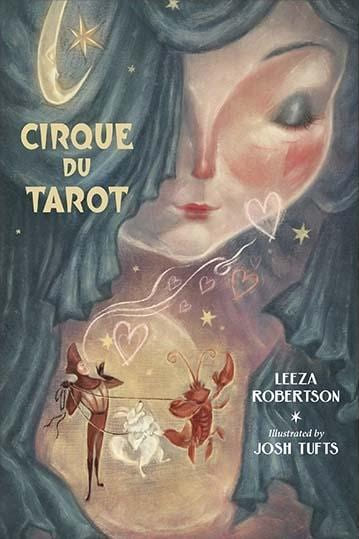
Cirque du Tarot is one of the most poetic decks of recent years. It takes the basic Rider-Waite-Smith structure and dresses it in the costumes of artists: acrobats, magicians, animal tamers, ghosts performing under the big top.
And when I read with it, I feel like I’m standing on the stage too.
First Impressions
The first thing you notice is the atmosphere. The palette is muted, smoky, with accents of dark red velvet and gold dust. This isn’t the bright circus of an amusement park — it’s more like Moulin Rouge after midnight, when everyone has left and only the artists remain.
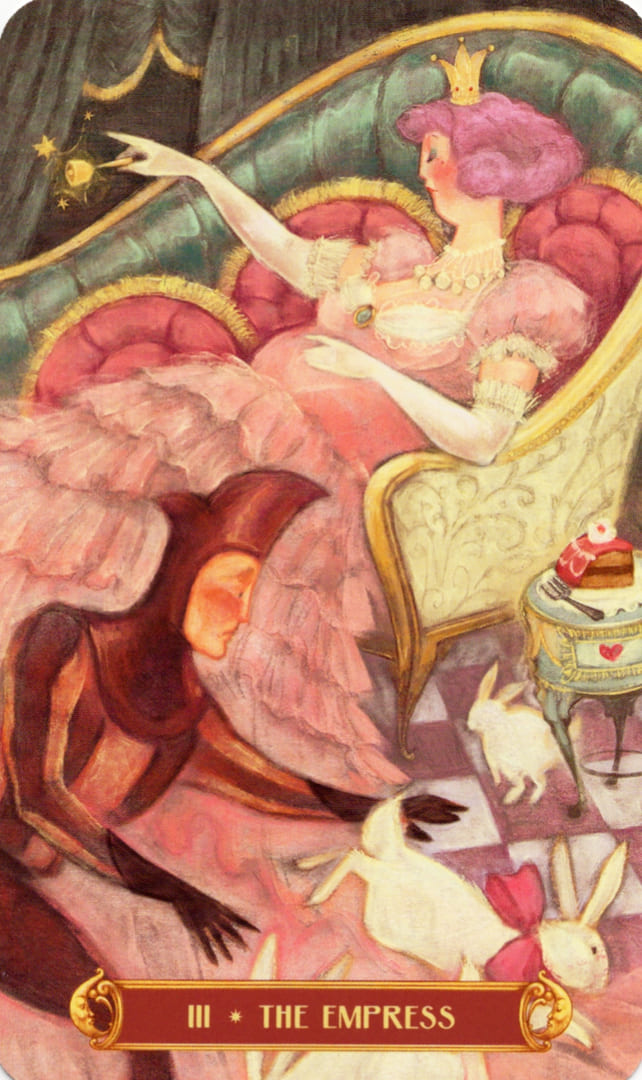
The second is the technique. Josh Tufts’s illustrations evoke Neo-Impressionism: soft transitions, mist, the feeling that the paint hasn’t quite dried yet. The characters’ faces are expressive, with prominent eyes, like figures from old posters.
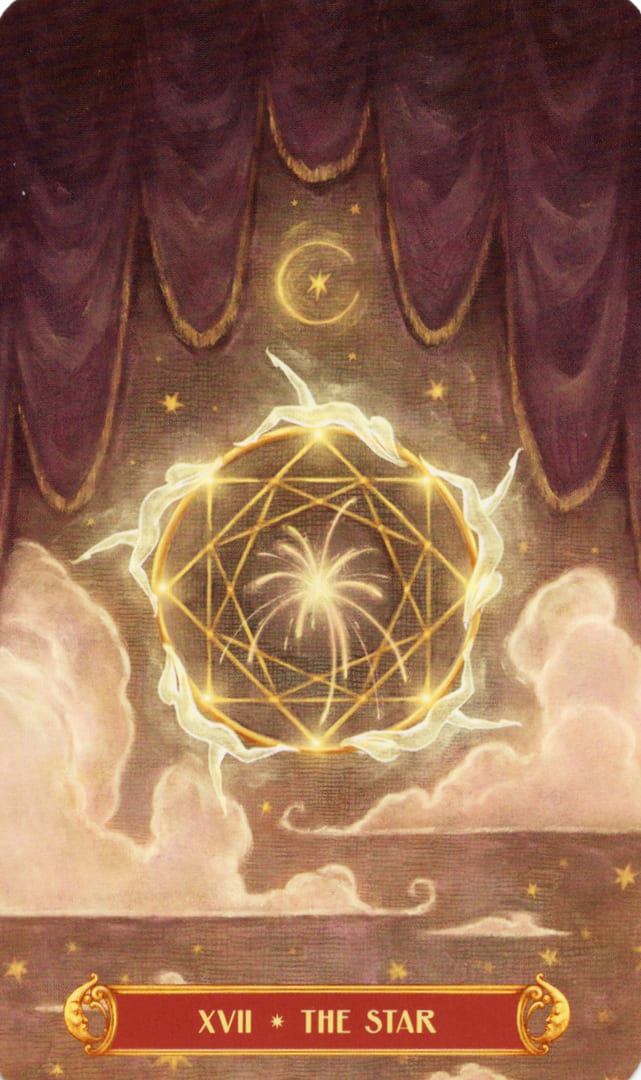
The third is the curtains. They appear on many cards: heavy red drapes falling in soft folds. This creates the feeling that every scene is a moment of performance just revealed, and that will disappear again in a second.
About the Deck
Cirque du Tarot was created by two authors:
- Leeza Robertson — well-known American tarot writer, author of many decks (Mermaid Tarot, Cosmic Cycles Tarot, others).
- Josh Tufts (Michael Joshua Tufts) — illustrator working in a style close to Neo-Impressionism.
Published by Llewellyn in 2021. It comes with a 206-page guidebook that walks you consistently through the circus metaphor of every card.
78 cards, classic Rider-Waite-Smith structure. The suits are reimagined through circus roles:
- Wands — fire dancers (Fire)
- Cups — water acrobats (Water)
- Swords — balancing blades (Air)
- Pentacles — clockwork machines (Earth)
Court cards — Page, Knight, Queen, King. Each with their own circus role within their suit.
Visual Style
The deck’s style is its biggest strength. It isn’t digital sheen and it isn’t poster pop-art. It’s a technique that looks like oil on canvas: soft, glowing, with real shadow.
The palette is deliberately muted. Each suit has its own color tonality:
- Wands — warm reds and oranges
- Cups — blues, azures, with watery highlights
- Swords — silvery, cool
- Pentacles — bronze-gold
Throughout — a light haze, as if the scene is viewed through theatrical fog. This gives the deck a dreamlike quality perfect for meditative readings.
The faces are a signature of Tufts’s style. Slightly asymmetrical, with big eyes and expressive mouths. Recognizable instantly.
Core Themes
Life as performance. The central metaphor of the deck. Every card is a moment of show: the entrance, the trick, the applause, the fall, the intermission. This doesn’t make readings shallow — on the contrary, it gives them theatrical force.
Mask and face. In a circus, there’s always a moment when the mask comes off. The deck works with the tension between the role you play and who you are when the curtain falls.
Creativity and risk. If you’re a creative person — artist, musician, writer, anyone who walks “onto a stage” in the broad sense — this deck speaks about your work. It reads beautifully on questions of creativity, performance, stage fright.
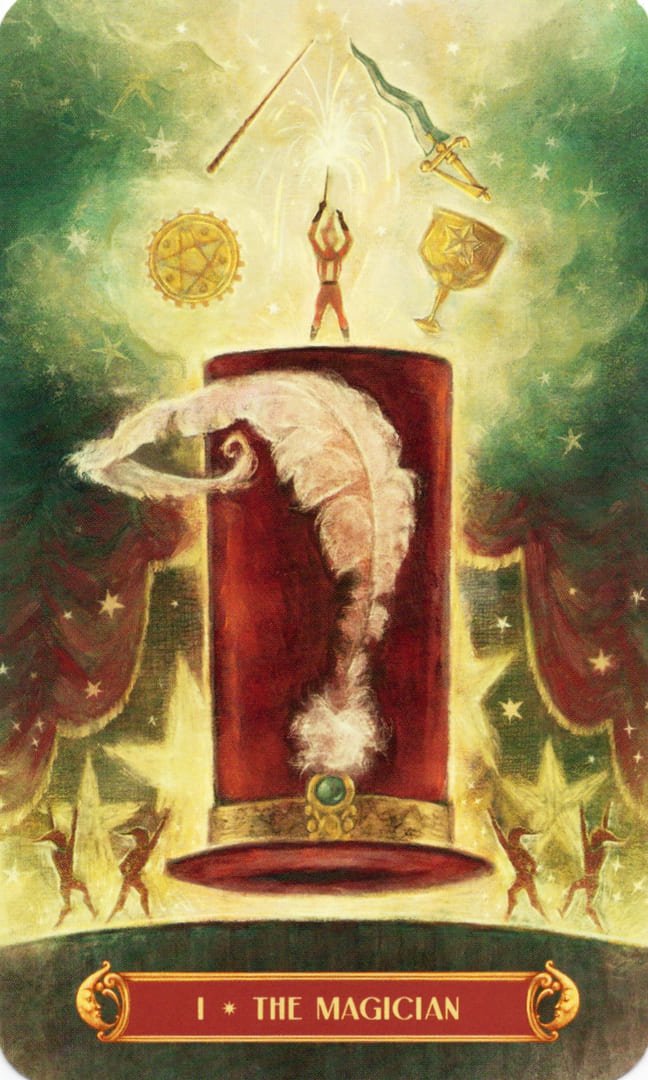
Magic as craft. The Magician here isn’t a sorcerer but a stage magician. Their magic is years of practice and precise technique. A healthy reminder: magic in life often works through discipline, not miracle.
Favorite Cards
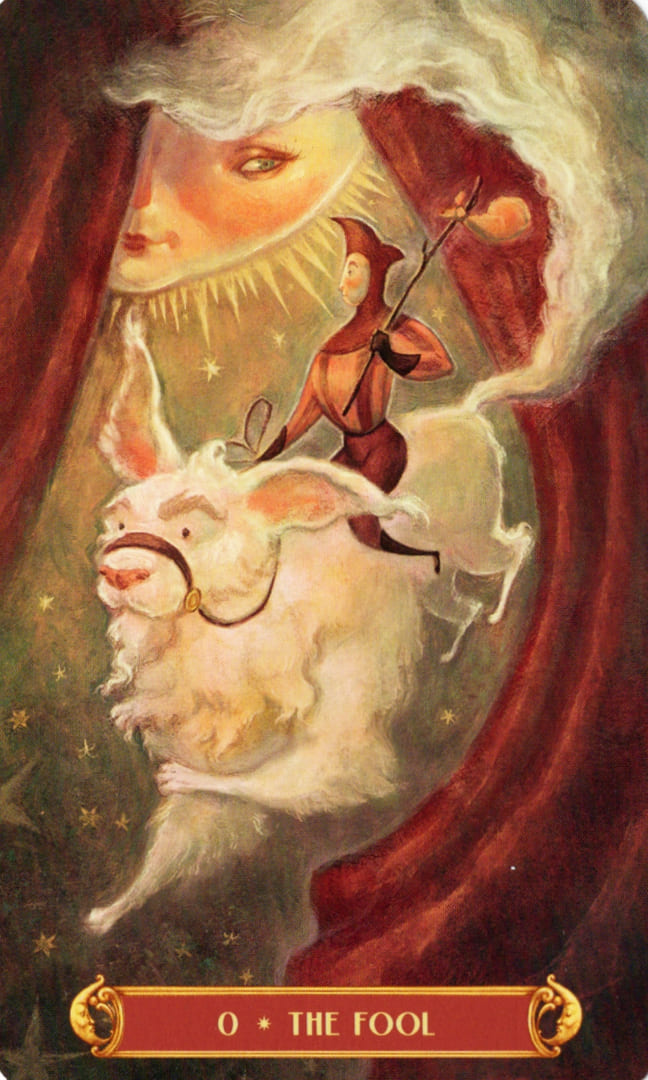
The Fool — an acrobat figure in a red costume riding a white lamb (or rabbit), beneath a golden sun with a feminine face. Red theatrical curtains on either side, stars in the background. This is The Fool as the first walk on stage: all attention on you, and you’re not seated on anything solid — you’re on a fluffy creature. The card says: a beginning never feels secure, and that’s its charm.
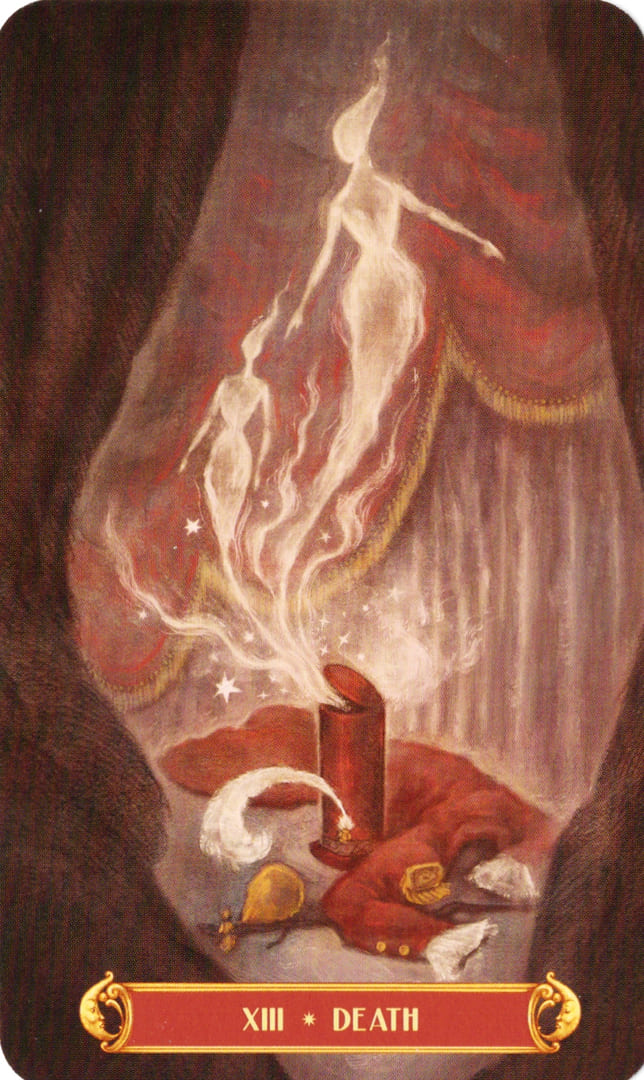
Death — a smoke-spirit rises above a burning red candle, an artist’s discarded costume on the ground (cloak, mask, top hat, gloves). Theatrical curtains. This is the most poetic Death I’ve seen in a contemporary deck. It doesn’t frighten — it says goodbye. The artist finished their number, went backstage, leaving only an empty stage with a smoldering candle.
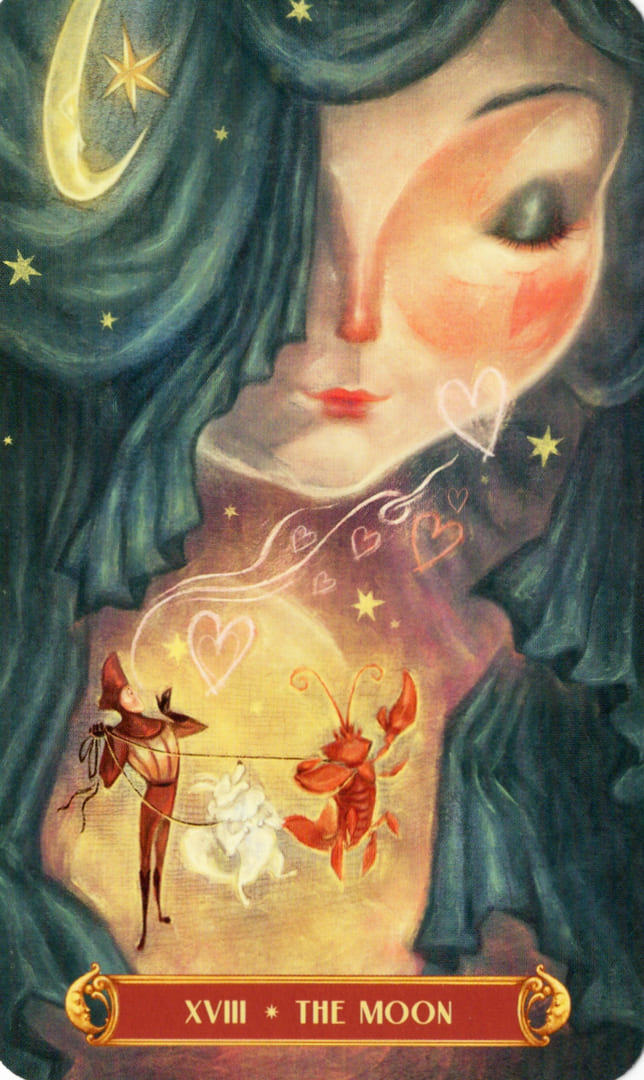
The Moon — a large female face with a green eye and painted lips, framed by waves of blue hair. Below — a brightly burning flame, drawing night moths and a red scorpion (the symbol of dangerous attraction). In the corner — a crescent moon and stars. This is The Moon as draw: beautiful, hypnotic, and not always safe.
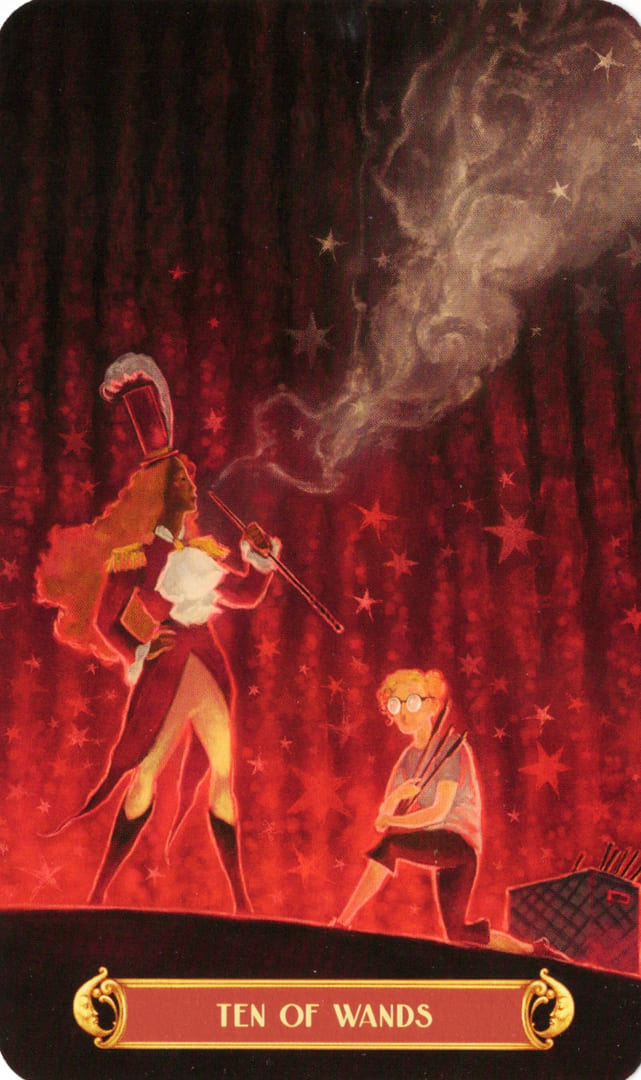
Ten of Wands — a performer in a red feathered costume holds a saber, standing on a red stage in smoke. A small boy with sparklers stands beside her, slightly behind, with auxiliary props. This is Ten of Wands through the circus: you’re assisting, you’re early in your career, and you’re carrying someone else’s props until you become the act yourself. The burden of apprenticeship shown precisely.
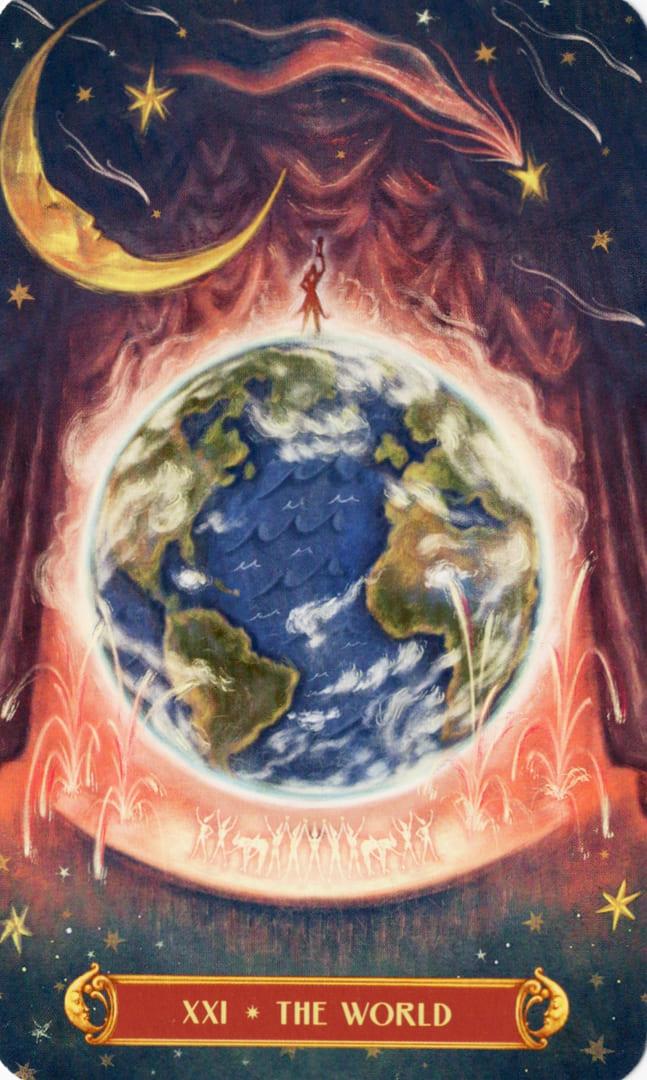
The World — a blue Earth globe floating in red spotlight between theatrical curtains. Below — silhouettes of an audience. In the corner — a golden crescent moon with stars and a comet. A small figure on top of the globe (the artist closing the number). This is The World as the finale of a great performance: ovations, a standing audience, the artist at the center of the stage. The closing of the cycle — not quiet, but loud.
How to Work with This Deck
Spreads for creative people. The deck is literally made for those working with art, performance, public expression. The cards speak their language.
Spreads on courage and risk. If you’re facing a decision that requires stepping out of the shadow — onto a stage, into a public space, into a bold move — Cirque du Tarot offers the right metaphor.
Meditative reading. The hazy palette invites slow, contemplative reading. Not for quick answers, but for long looking.
Card of the day — excellent. The imagery is bold, reads intuitively, gives a warm mood. Morning pulls often unfold into a small story.
Not ideal for strictly esoteric or Kabbalistic readings; for those who prefer bright, sharp colors over atmosphere.
Who Is This Deck For
Creative people. If you’re an artist, musician, writer, performer — this deck understands your rhythm.
Lovers of atmospheric decks. If you value mood over information — Cirque du Tarot gives you mood in abundance.
Those working with themes of mask, role, identity. The circus metaphor unfolds beautifully in this direction.
Intermediate and above. Rider-Waite structure, but with reimagined suits through circus roles — readiness for non-standard symbolism is needed.
Who it may not be for: beginners still learning Rider-Waite; lovers of bright, saturated colors; those who need strict esoteric symbolism without theatrical processing.
Deck Pairings
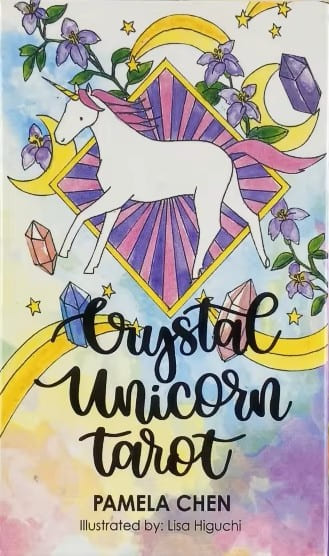
Crystal Unicorn Tarot — another bright, illustrated deck with imagination-focused art. If you like Cirque du Tarot’s atmosphere, this complements with a lighter, fantasy side.
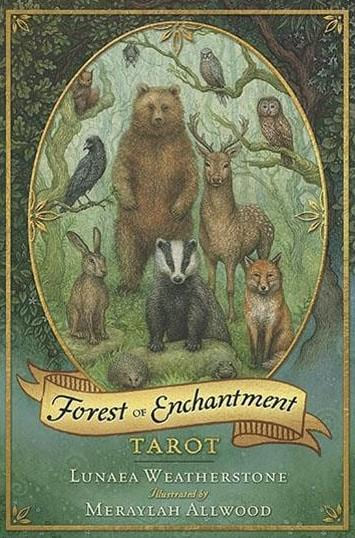
Forest of Enchantment Tarot — close in dreamlike aesthetic, but with a forest-natural rather than circus accent. They contrast nicely — circus and forest as two different theaters of life.
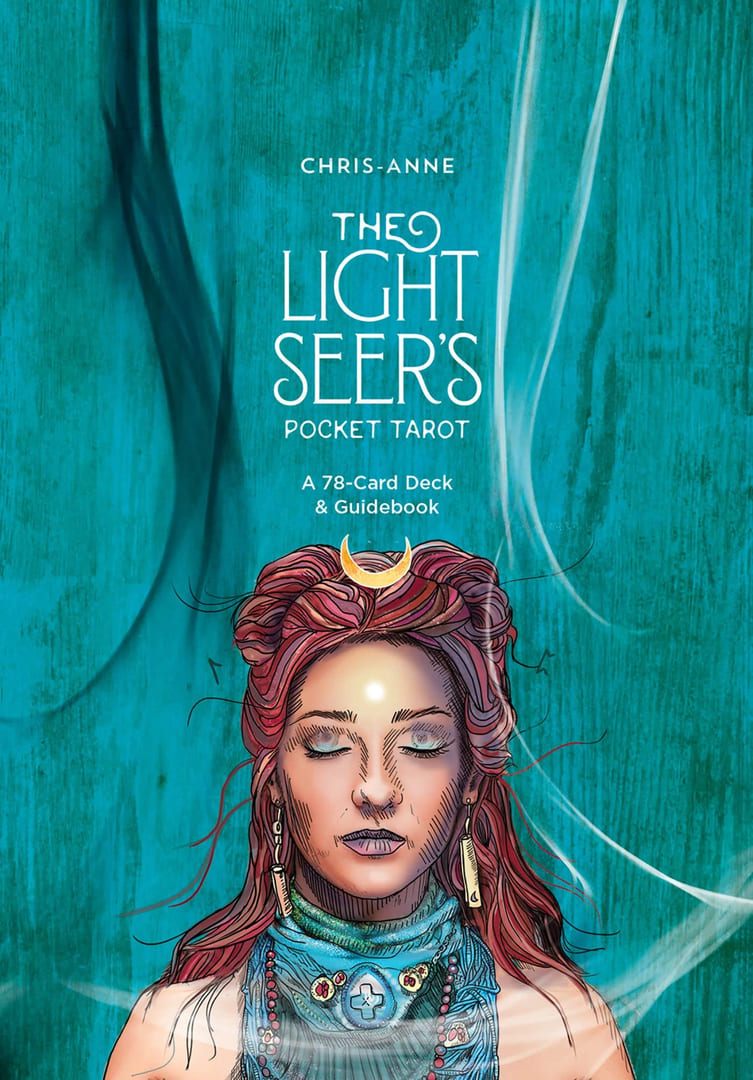
Light Seer’s Tarot — a contemporary illustrated deck with an emotional accent. If Cirque du Tarot is about stage and audience, Light Seer’s is about inner work. Together they cover “external” and “internal.”
Try this deck in our Telegram bot — it’s available for readings right now.
Frequently Asked Questions
Is Cirque du Tarot good for beginners?
More yes than no. The deck follows Rider-Waite-Smith structure and the scenes read intuitively. It comes with a 206-page guidebook that consistently explains the circus metaphor. Excellent for imaginative beginners.
How many cards are in Cirque du Tarot?
78 cards in RWS structure. The suits are reimagined through circus roles: Wands as fire dancers, Cups as water acrobats, Swords as balancing blades, Pentacles as clockwork machines. Court cards: Page, Knight, Queen, King.
Who created Cirque du Tarot?
The deck's writer is Leeza Robertson, a well-known American tarot author. The illustrations are by Josh Tufts (Michael Joshua Tufts). The style is inspired by Neo-Impressionism and the dreamlike atmosphere of Moulin Rouge. Published by Llewellyn in 2021.
What are the main themes of Cirque du Tarot?
The central metaphor is life as a circus performance. Here The Fool is an acrobat, Death is the spirit of an artist leaving the stage, Ten of Wands is a magician carrying heavy props. The deck works beautifully on themes of creativity, performance, risk, and masquerade.