Review: Rainbow Tarot — Queer Folk Art
This deck is a celebration. And I mean that in the most literal sense.
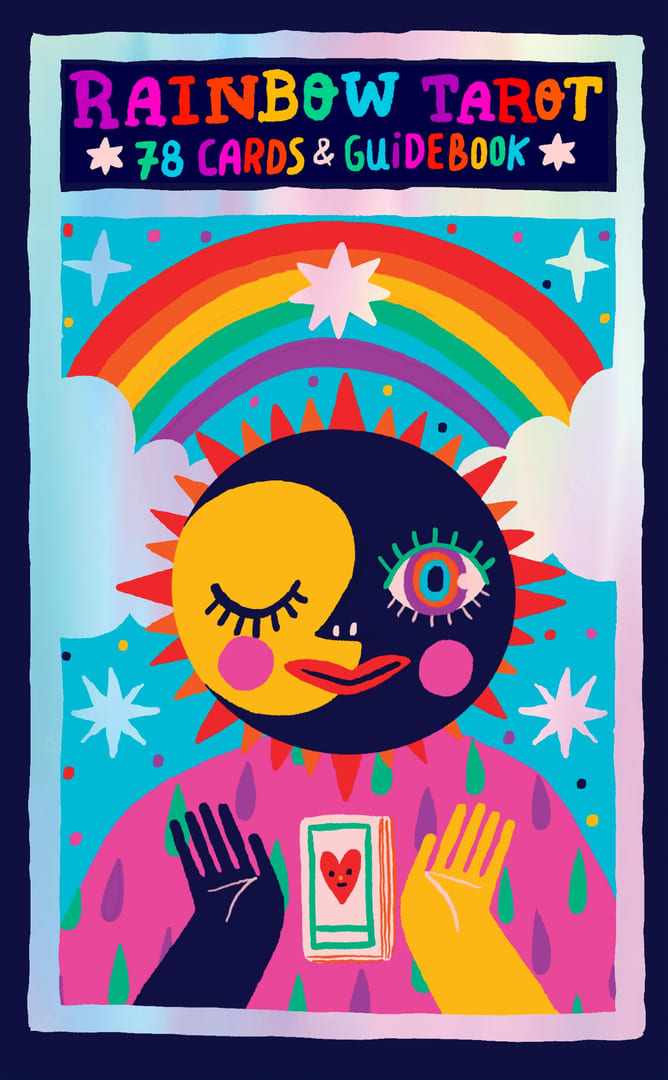
When you open the box, a wave of color literally hits you. The holographic edges flash in the light, the cover shimmers with foil. And you understand: this deck knows exactly what it is, and it isn’t going to apologize for any of it.
Rainbow Tarot is one of the boldest contemporary decks I’ve held in my hands. And at the same time — one of the warmest.
First Impressions
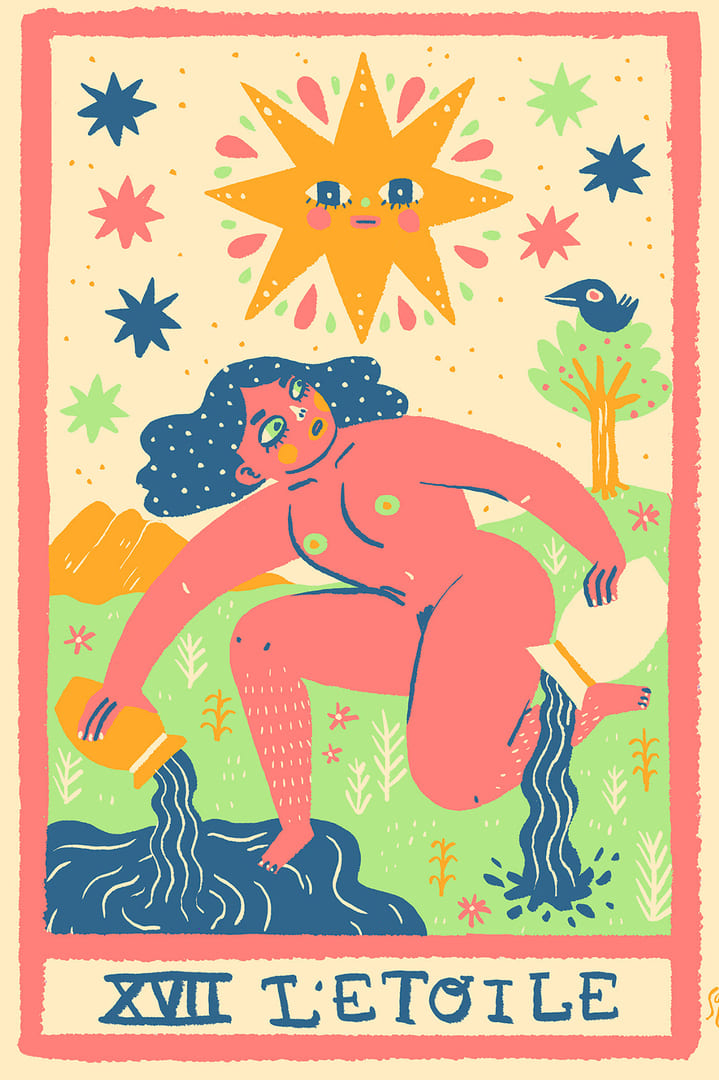
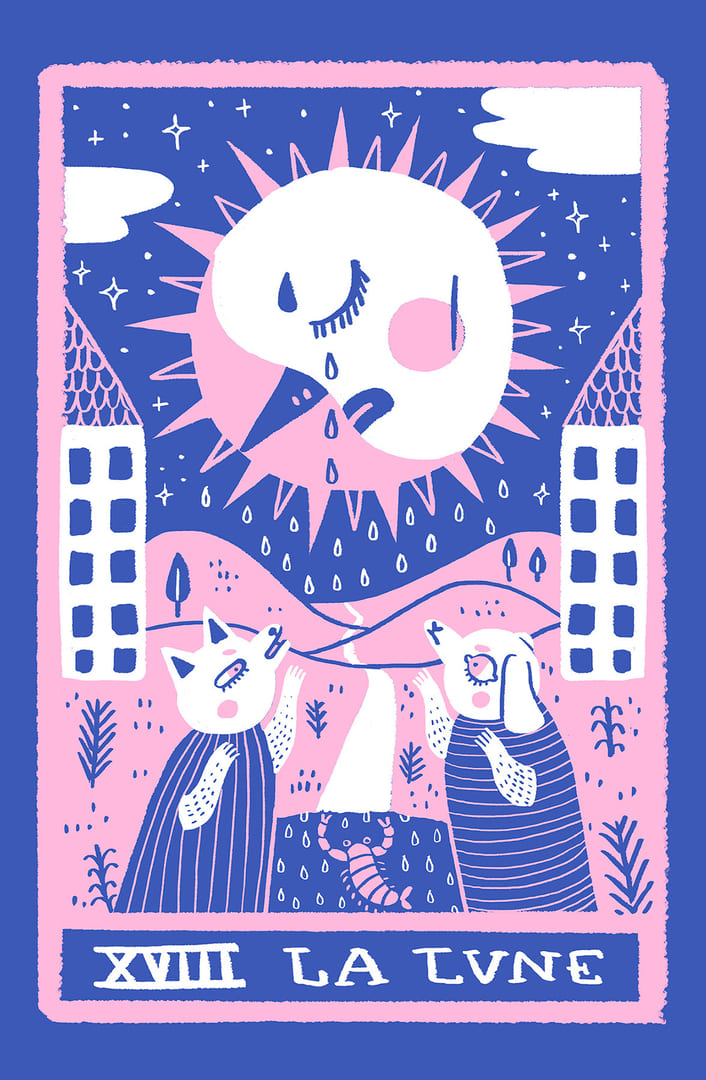
The first thing you notice is the palette. It’s limited, but vibrant: pink, turquoise, orange, yellow, blue. Sometimes only two or three colors per card. Not pastel, not muted — saturated, poster-like, like the folk art of a Mexican lotería or a street poster.
The second thing is the faces and bodies. They vary. Not idealized, not standardized. Plus bodies, slim bodies, body hair, tattoos, different skin tones. Gender expressions across the spectrum. This isn’t “diversity as a checkbox” — it’s the very fabric of the deck.
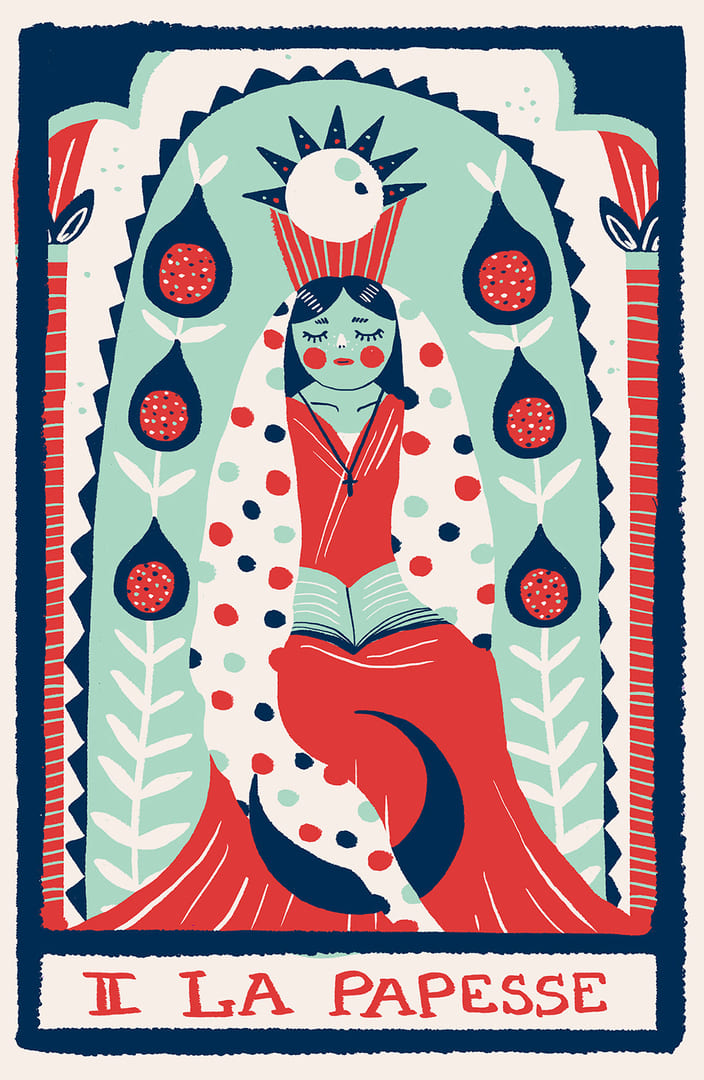
The third is the French card titles. Le Fou, La Papesse, L’Amoureux, La Mort, Le Soleil. So Lazo references the Marseille tarot tradition, but reimagines it through a contemporary, queer lens. That creates an unexpected tension between the classical and the new — and it works beautifully.
About the Deck
Rainbow Tarot was created by So Lazo — a non-binary Salvadoran artist known for their folk-art work. The companion guidebook was written by clairvoyant Cyrée Jarelle Johnson. Published by Chronicle Books, a major American publisher.
78 cards, classic Rider-Waite-Smith structure. Standard suits (Cups, Pentacles, Wands, Swords), traditional courts (Page, Knight, Queen, King). The defining feature is the imagery. Every card is reimagined through a queer-aesthetic and folk-art lens.
Production quality is high: foil-stamped box, thick stock, holographic edges that turn every shuffle into a small light show. The guidebook is warm, clear, and free of esoteric jargon — Cyrée Jarelle Johnson writes to talk with you, not to lecture.
Visual Style
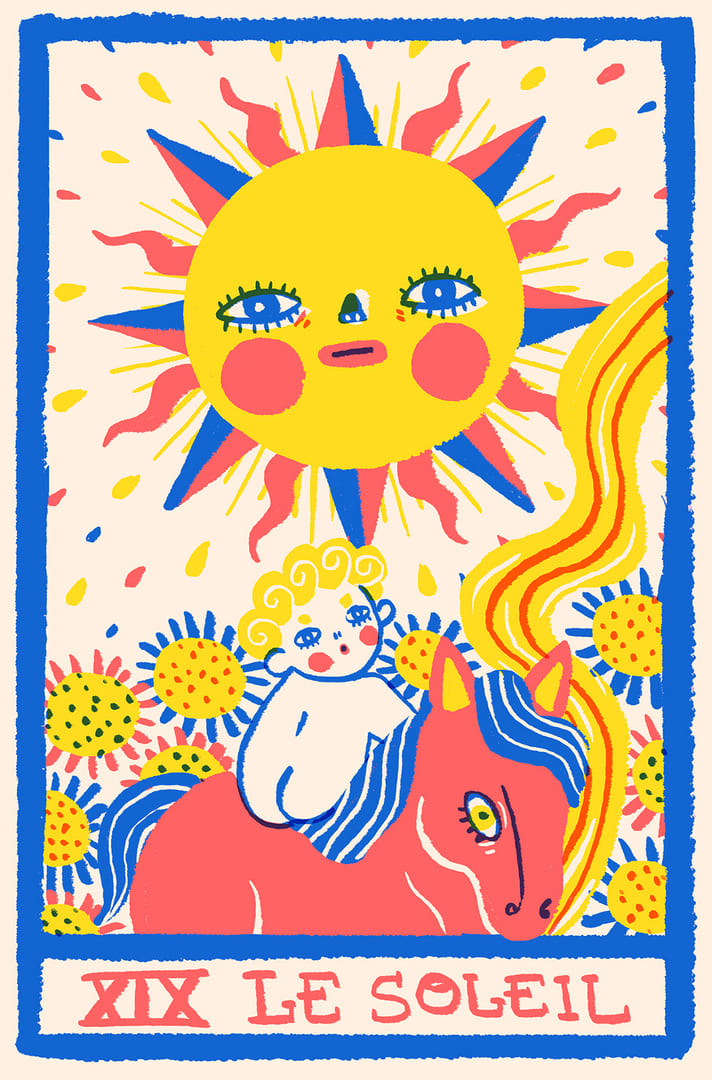
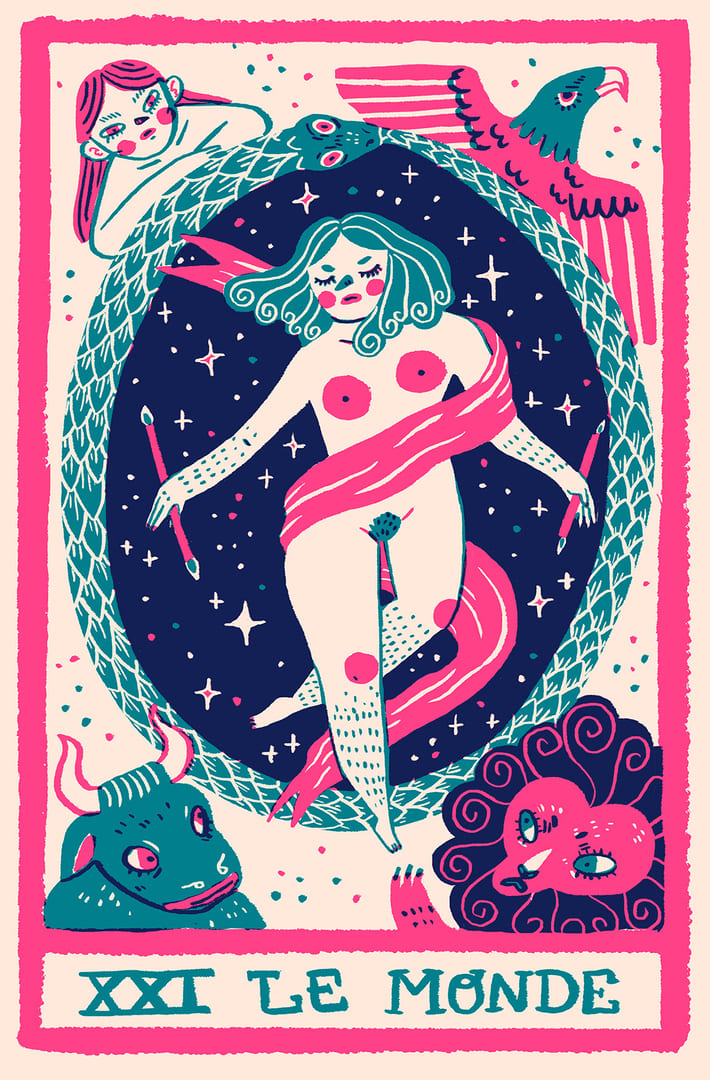
So Lazo’s style is instantly recognizable: thick contour lines, flat poster colors, minimal halftones, folk ornamentation, faces with big eyes and distinct features. It’s not digital illustration, and it’s not classical watercolor — it’s something closer to graphic print, poster, or mural work.
The palette is deliberately limited — usually 3–4 colors per card. Pink shows up often, along with turquoise, orange, and bright yellow. Colors argue with each other, but never fight.
The boldest feature is the diversity. Not as a slogan, but as a fact. The cards show Mexican, Black, Asian, Latin American faces. Plus bodies. Slim bodies. Bodies with hair, with tattoos, with markers from different cultures. The deck says: “you’re all here, and tarot was always about you.”
Core Themes
Joy as a spiritual practice. This is a rare deck where happiness is taken seriously. Most tarot leans into the heavy: shadow, loss, crisis. Rainbow Tarot reminds you that joy is also work, also a path, also an archetype.
Queer perspective as a lens. Love, identity, body, community — all of it is examined here through a queer optics. And it doesn’t narrow the meanings — it expands them. The Lovers card, for instance, stops being about “choosing between two paths” and becomes about union through difference.
Folklore as power. So Lazo uses the visual language of folk art: Mexican lotería, Latin American murals, artisan prints. That gives the deck roots — it doesn’t look like it came from nowhere, it looks like it came from a specific cultural tradition.
Pride without aggression. The deck doesn’t fight. It just celebrates. And that’s its main magic — it shows that you can be visible, colorful, and confident without having to constantly prove anything.
Favorite Cards
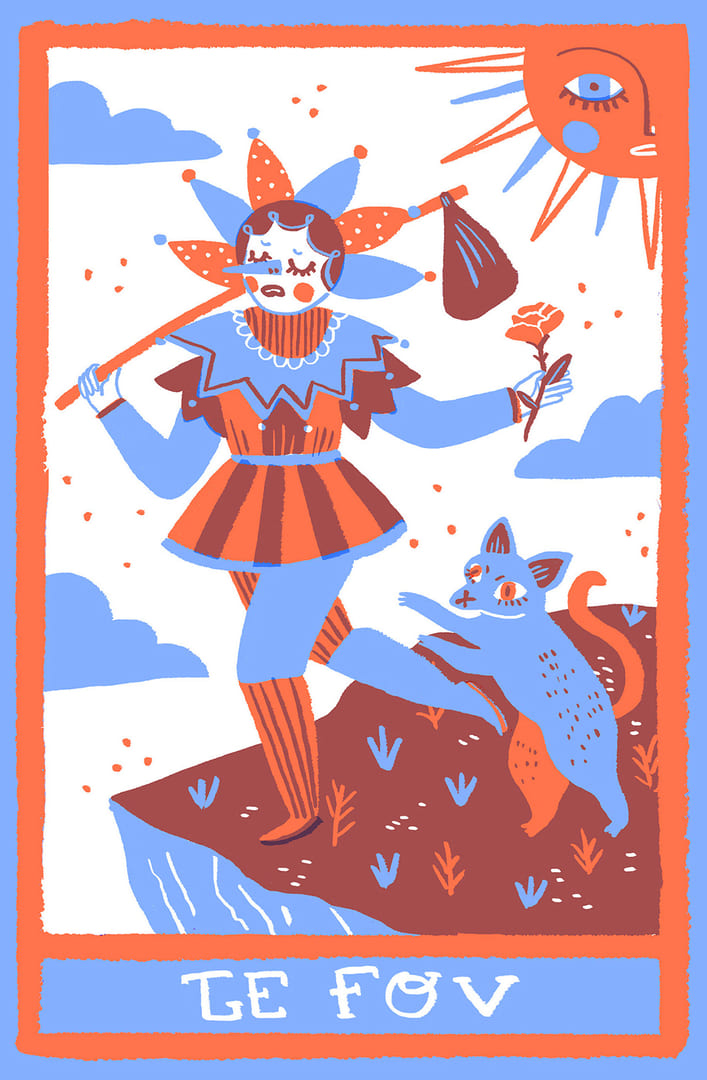
Le Fou (The Fool) — a figure with a moustache, in a flowered hat and a pleated kilt-skirt, walking with a bindle on a stick and a red rose in hand. A cat companion at their side (instead of the classic dog). In the upper corner, a sun with a single eye. Palette limited to three colors: orange, blue, white. Here the Fool isn’t a naive youth but a gender-nonconforming figure setting off on a journey with their cat and rose. It’s about a beginning that already carries dignity.
Le Monde (The World) — a nude dancing figure with dark skin, draping themselves with a pink scarf, encircled by a green ouroboros. In the four corners, a cat, an eagle, a bull, a lion (the classic four elements). Palette of pink, white, turquoise, blue. This is The World through dance, through the body, through proud presence in space. Completion of the cycle as celebration.
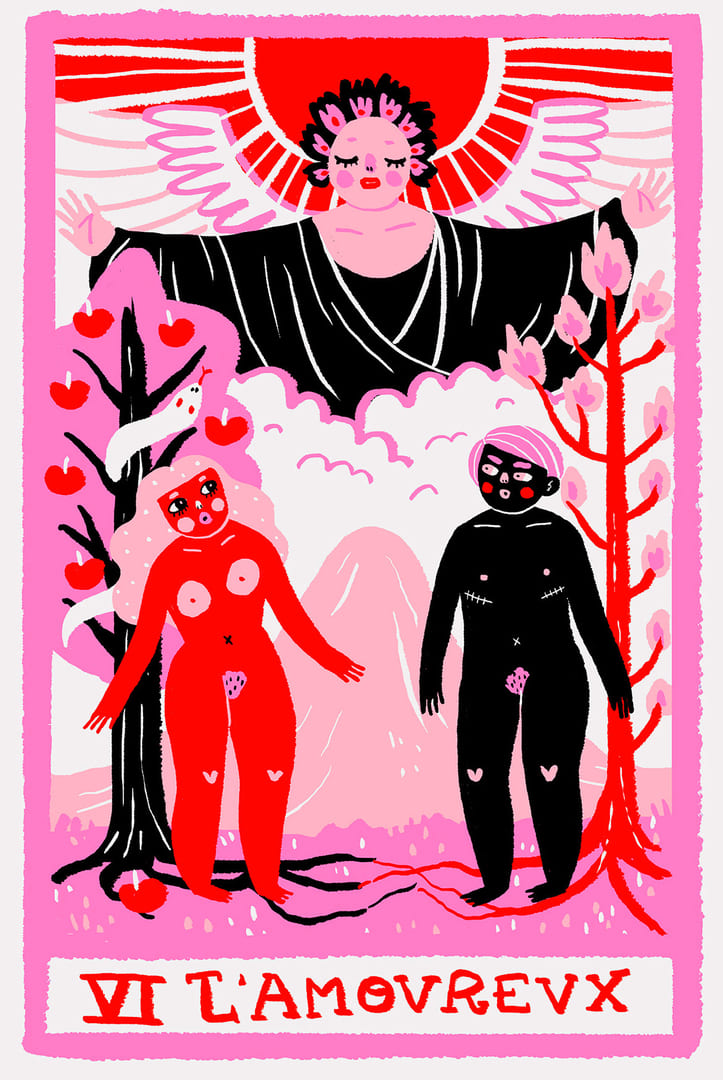
L’Amoureux (The Lovers) — two nude figures stand face-to-face: one with red skin, the other with black skin. Drawn hearts and serpents on their bodies. Above them, a dark-skinned angel with wings spread wide. Palette of pink and red. This is The Lovers through difference: two different bodies, different stories, different colors — and yet, union. The boldest reading of this card I’ve ever seen.
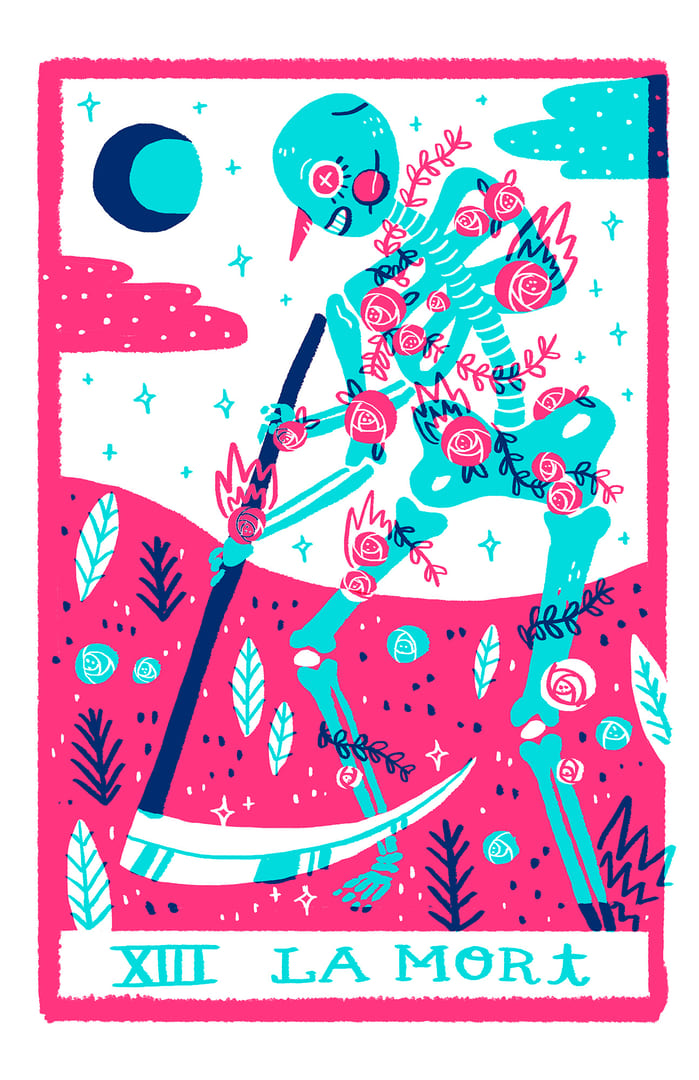
La Mort (Death) — a turquoise skeleton wreathed in pink roses and wildflowers, holding a scythe. Stylized hills with patterned ornamentation. A crescent moon and stars in the upper corner. Palette of turquoise, pink, white. This is Death through bloom: decay and beauty as one. The Latin American tradition — La Catrina, the floral skull — becomes part of tarot here.
Le Soleil (The Sun) — a big yellow sun with rosy cheeks and large blue eyes (anthropomorphic), beneath it a white cat in a field of sunflowers, a figure on a red horse beside it. Palette of yellow, blue, red. This is The Sun as a smile. Not the pomp of triumph, but the simple joy of existing. The cat is especially charming — looking right at the viewer.
How to Work with This Deck
Card of the day — perfect. The deck is built for daily practice. The imagery is bold, easy to read intuitively, and gives a warm message in the morning.
Body and identity work. If you work with themes of body, gender, orientation, or self-acceptance, the deck speaks the right language. It shows diversity as the norm.
Love and relationship spreads. Here love isn’t tied to a heteronormative script. It works for all kinds of relationships — romantic, friendship, parental, with the self.
Joyful spreads. Spreads on “what brings me joy,” “where is my power,” “what do I want to celebrate this year” — the deck was made for these. It helps you remember that tarot can also be light.
Not ideal for deep esoteric analysis, Kabbalistic work, or those seeking dark or vintage aesthetics.
Who Is This Deck For
LGBTQIA+ readers and practitioners. Obvious, but worth saying: seeing yourself on the cards matters. This deck was made to see you.
Beginners. Imagery is clear, the guidebook is warm, the structure is RWS — everything invites an easy start.
Those tired of dark aesthetics. If most of your decks are dark, serious, gothic — Rainbow Tarot will be a breath of air.
Folk-art lovers. If you’re drawn to Mexican folk art, Latin American graphic work, or poster styles — this deck speaks your visual language.
Who it may not be for: lovers of classical gothic or vintage aesthetics, those working strictly in the Marseille tradition (the titles are Marseille, but the imagery is radically new), those uncomfortable with bold queer aesthetics.
Deck Pairings
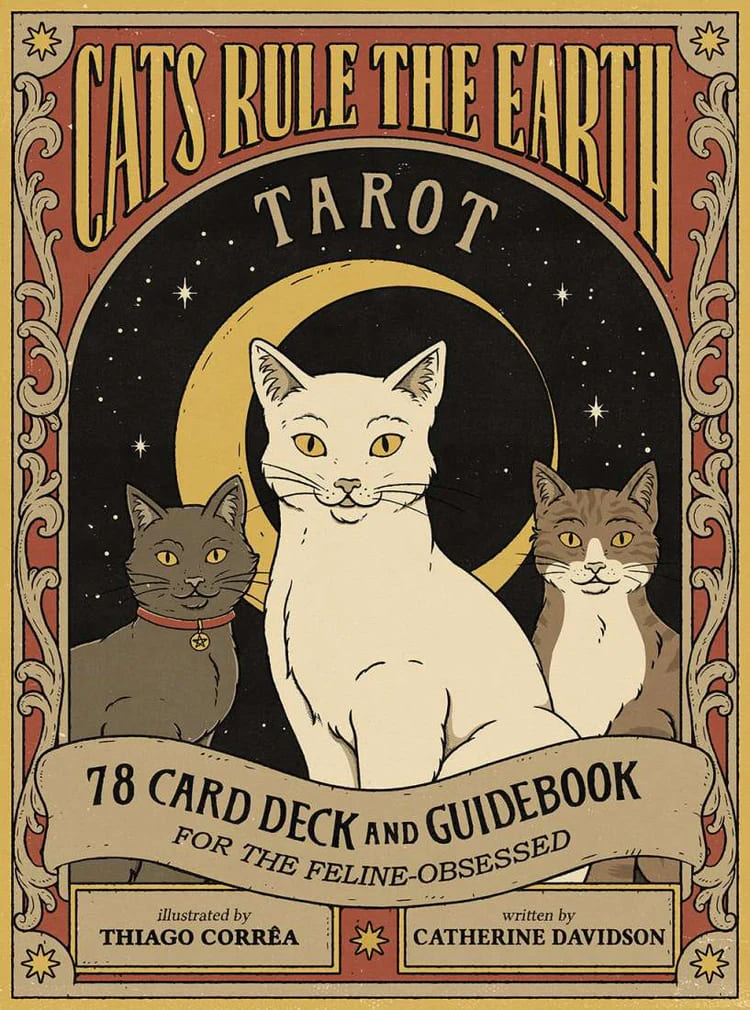
Cats Rule the Earth Tarot — another warm, graphic deck with folk-art roots. If you like Rainbow Tarot, this one will resonate too: similar lightness, clear RWS structure, friendly tone.
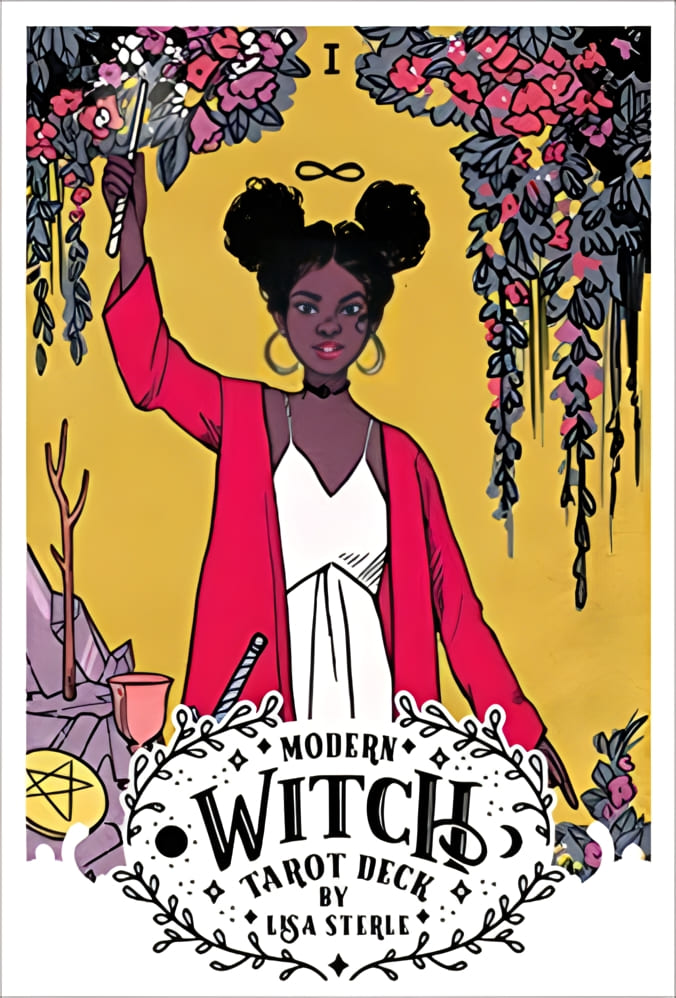
Modern Witch Tarot — close in spirit: contemporary, inclusive, diverse bodies, supportive tone. They complement each other well.
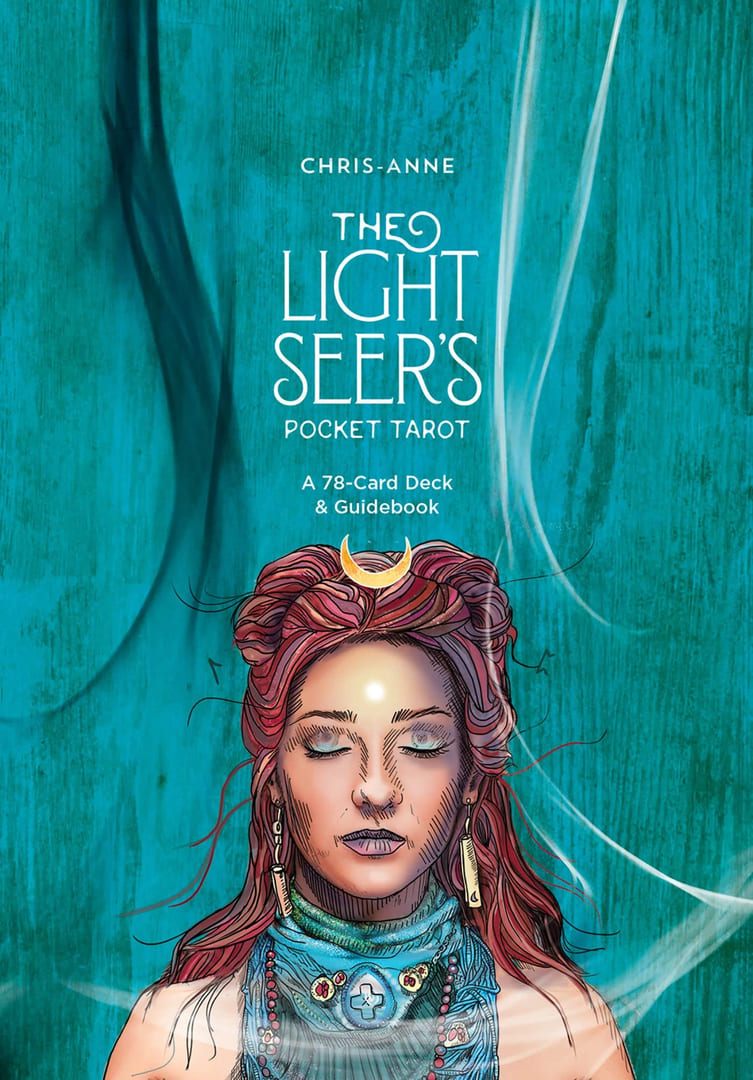
Light Seer’s Tarot — another bright, inclusive deck with a focus on emotional representation. If Rainbow Tarot is about pride and joy, Light Seer’s is about tenderness and acceptance.
Try this deck in our Telegram bot — it’s available for readings right now.
Frequently Asked Questions
Is Rainbow Tarot good for beginners?
Yes — it's one of the friendliest beginner decks out there. The structure follows Rider-Waite-Smith fully, the imagery is bold and easy to read, and the tone is warm and supportive. Especially good for those who never felt represented in traditional decks.
How many cards are in Rainbow Tarot?
78 cards in the classic structure: 22 Major Arcana and 56 Minor Arcana (Cups, Pentacles, Wands, Swords). Card titles are in French (Le Fou, La Papesse, L'Amoureux), referencing the Marseille tarot tradition. The card edges are holographic — they shimmer in the light.
Who created Rainbow Tarot?
So Lazo, a non-binary Salvadoran artist. The companion guidebook is by clairvoyant Cyrée Jarelle Johnson. Published by Chronicle Books. The deck consciously centers LGBTQIA+ experience — not as an add-on, but as the heart of the deck.
What are the main themes of Rainbow Tarot?
The central idea is tarot as a joyful place for people who never felt at home in classical decks. Diverse bodies, skin tones, gender expressions. The aesthetic is bold folk art with saturated colors. The tone is proud, warm, celebratory, and unapologetically queer.