Review: Symbolon — The Soul's Mirror
Symbolon is not tarot and not an oracle in the usual sense. It’s something entirely its own: a system of 78 cards created at the intersection of Jungian psychology and astrology. Its goal isn’t to predict the future but to show what’s happening inside: which archetypes are active, which parts of you are blocked, where the conflict lies and where the exit is.
If you’re looking for a tool for deep inner work, Symbolon may become one of the most powerful you’ll find.
First impressions
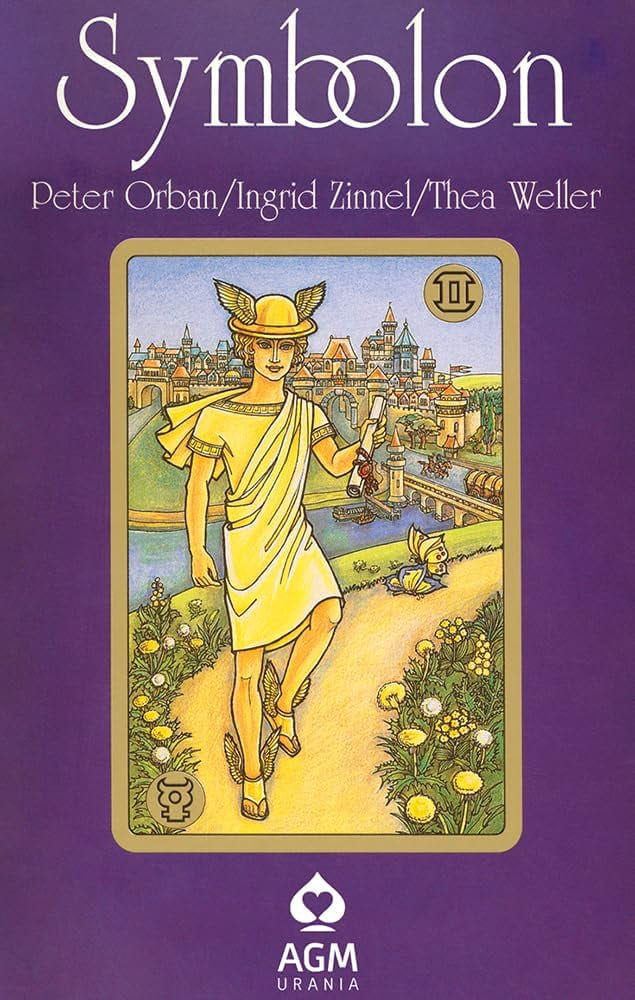
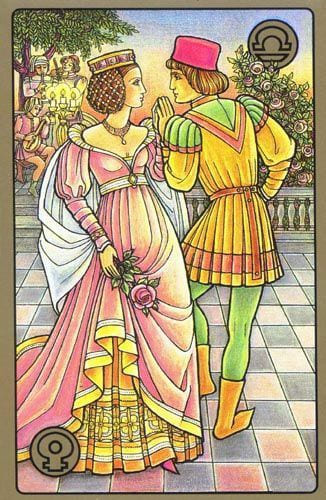
The deck looks unusual. The illustrations are in a European book illustration style: mythological scenes, historical costumes, fairy-tale narratives. The palette is warm, watercolor-like. Astrological symbols appear in every card’s corners: zodiac signs and planets.
This isn’t a “beautiful” deck in the modern sense. It resembles a mythology textbook with illustrations — and that’s its power. No style for style’s sake, just substance for substance’s sake.
About the deck
Symbolon was created by Peter Orban (psychologist), Ingrid Zinnel (astrologer), and Thea Weller (artist). Published by AGM Urania. The system is grounded in Carl Gustav Jung’s concepts of archetypes, shadow, and the collective unconscious.
78 cards divided into:
- 12 major cards — each linked to a zodiac sign, representing a “pure” archetype (Warrior, Beloved, Herald, Mother, Ego, etc.)
- 66 combination cards — each representing a blend of two major archetypes, creating specific life situations and psychological patterns
Every card can be read three ways: as the problem, as the path through the problem, or as the outcome. This makes the system incredibly flexible.
Visual style
Thea Weller’s style is classic European book illustration. Mythological and historical scenes: medieval couples, ancient gods, fairy-tale characters. Watercolor palette — soft, warm tones. Each card is a scene with a narrative and participants.
The astrological symbols in the corners aren’t decorative: they indicate which two archetypes combine in that card. For those reading astrologically, this is key information.
Core themes
Archetypes as the language of the soul. Warrior, Mother, Fool, Priestess, Pair, Vampire, Queen — each card describes an archetypal situation you may be living right now. This isn’t abstraction — it’s a precise diagnosis.
Shadow and awareness. The Jungian foundation makes this deck exceptionally powerful for shadow work. Cards like Vampire, Inquisition, Depression, Chains don’t frighten — they name what’s already happening and offer a path through it.
Triple reading. Every card functions as problem, path, or outcome depending on its position in the spread. This creates incredible depth: the same card can be poison or medicine.
Astrology without horoscopes. The astrological symbols allow working with planetary energies without casting a natal chart. A bridge between astrology and psychology.
How to work with this deck
Psychological self-exploration — its primary purpose. “What’s blocking my growth right now?” “Which archetype rules my relationships?” “What is my shadow trying to say?” — these are Symbolon questions.
Therapeutic practice — many psychologists and therapists use Symbolon as a diagnostic tool. The cards help clients see and name what’s difficult to articulate in words.
Card of the day — works, but deeper than most decks. A morning Symbolon card isn’t a daily mood — it’s an archetypal theme you’ll encounter.
Relationship work — excellent for partnership questions. The combination cards literally show how two archetypes interact.
Who is this deck for
Psychologists and self-development seekers. If Jungian psychology speaks to you, Symbolon will become a favorite tool.
Astrologers seeking a new format. Planetary archetypes in card form — a fresh approach for practicing astrologers.
Those who seek depth, not predictions. Symbolon doesn’t predict — it shows what already is. For those ready to look inward.
Who might look elsewhere: those who want quick yes/no answers or classic tarot spreads. Symbolon is a different system with different logic, and it takes time to learn.
Deck pairings
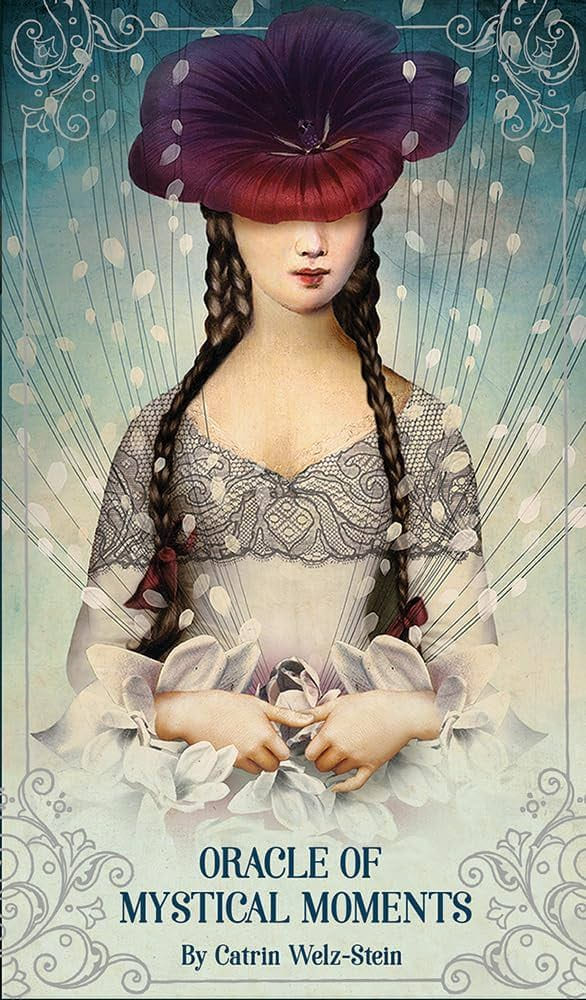
Oracle of Mystical Moments — a soft, visually rich oracle for balance. If Symbolon is depth and structure, Mystical Moments is intuition and flow.
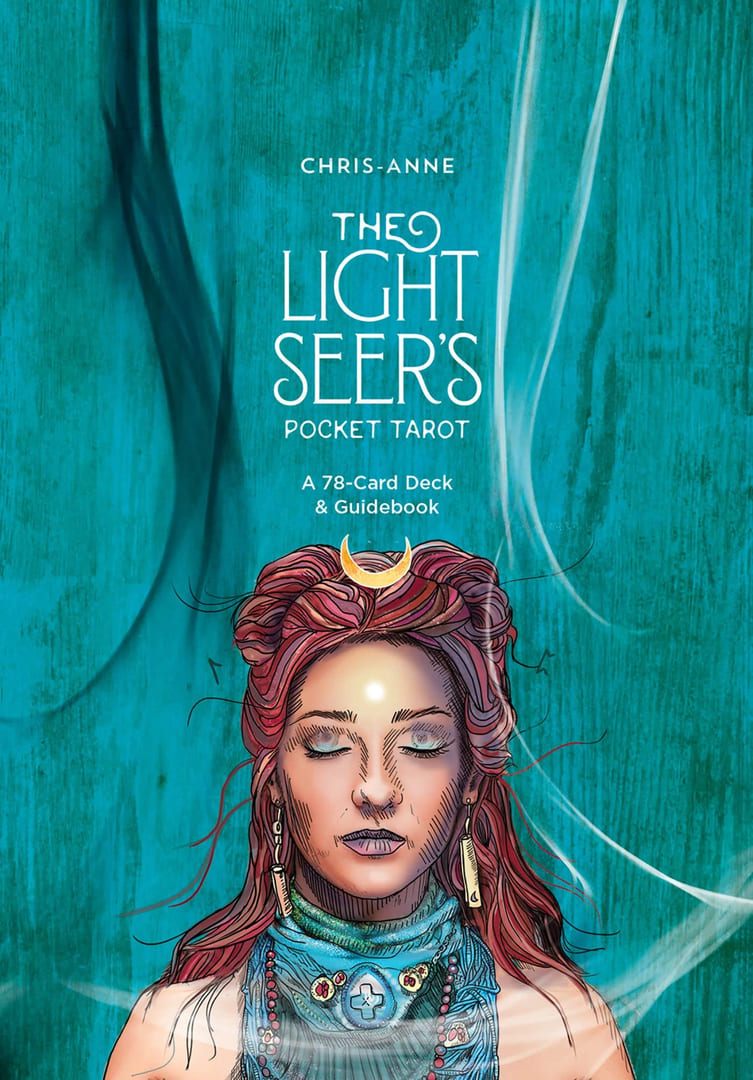
Light Seer’s Tarot — for those who want to combine Symbolon with classic tarot. Light Seer’s is intuitive enough not to conflict with the Jungian system.
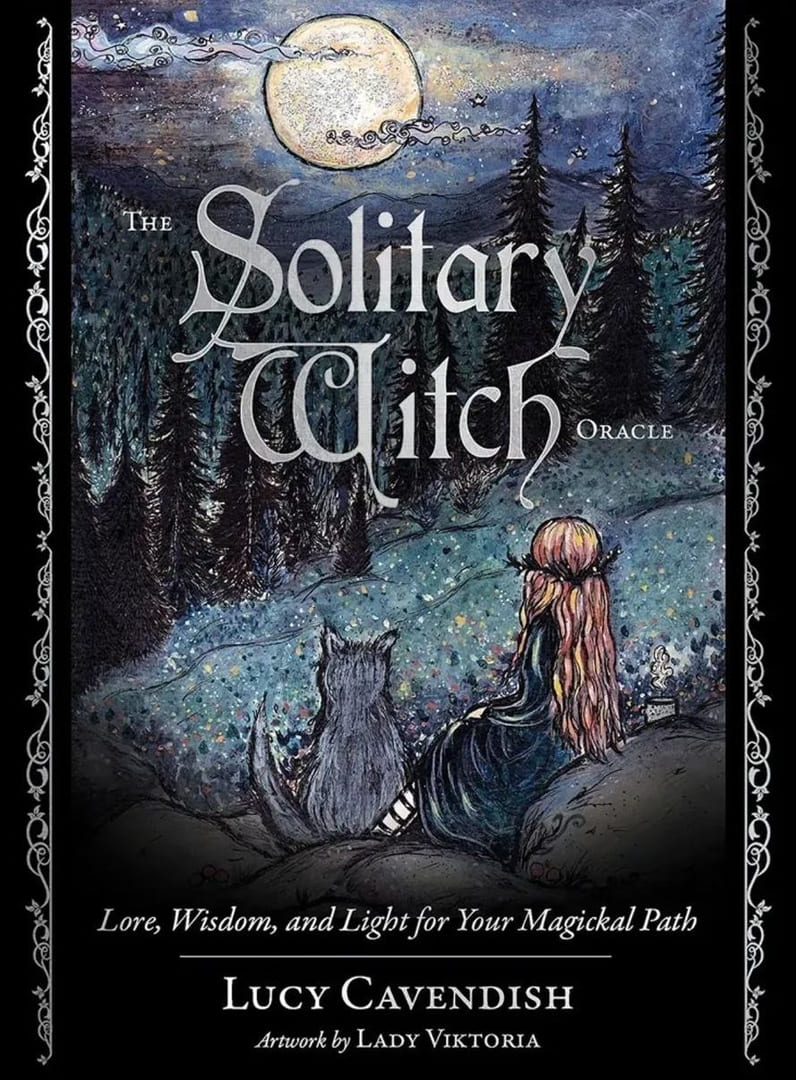
The Solitary Witch Oracle — for the spiritual dimension. Symbolon works with psychology, the Solitary Witch with the magical, and together they give the complete picture.
Try Symbolon in our Telegram bot — it’s available for readings right now.
Frequently Asked Questions
Is Symbolon a tarot or an oracle?
Neither in the traditional sense. Symbolon is a psychological self-exploration system of 78 cards based on astrological archetypes and Jungian psychology. Closer to an oracle, but with its own unique structure.
How many cards are in the Symbolon deck?
78 cards: 12 major cards (one per zodiac sign) and 66 combination cards, each representing a blend of two archetypes. The structure is unique and doesn't repeat any other system.
Do I need to know astrology to use Symbolon?
No — cards can be interpreted purely psychologically. But astrological knowledge adds depth: each card carries the symbolism of two planets or signs.
Who created Symbolon?
Peter Orban (psychologist), Ingrid Zinnel (astrologer), and Thea Weller (artist). The system is based on Carl Gustav Jung's concepts of archetypes and shadow. Published by AGM Urania.