Dreaming Way tarot
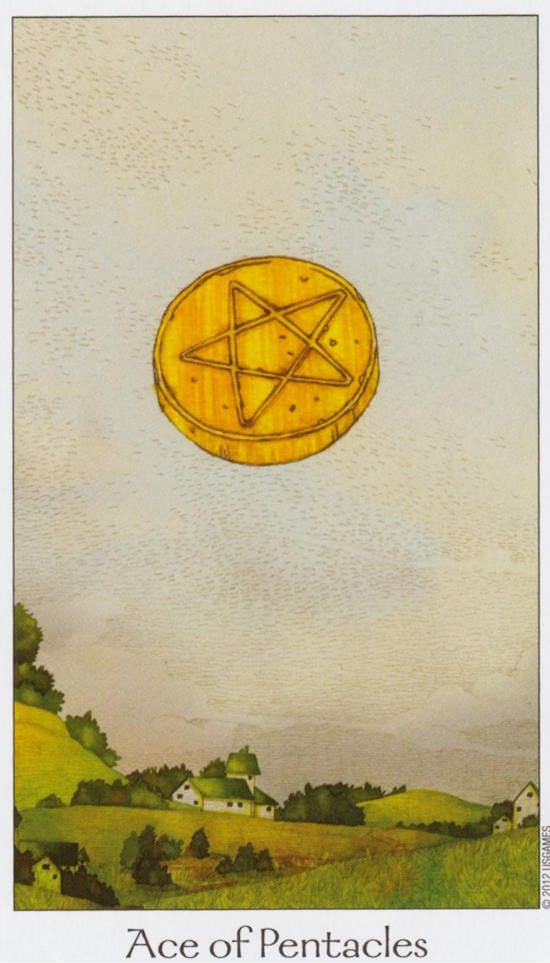
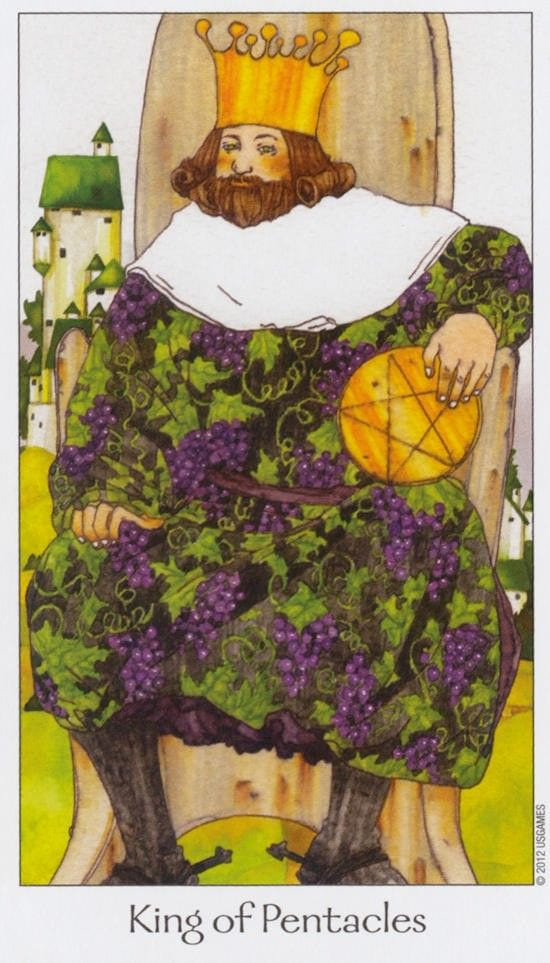
The Dreaming Way Tarot was created by Rome Choi with illustrations by Korean artist Kwon Shina, published by U.S. Games Systems in 2012. The deck's title comes from the fact that the tarot characters came to author Rome Choi in a dream. It was selected by Aeclectic Tarot readers as one of the Top Ten Decks Published in 2012, establishing it as a notable modern interpretation of the RWS tradition. The deck remains in print and available through major tarot retailers.
Official Website →Art Style & Visual Character
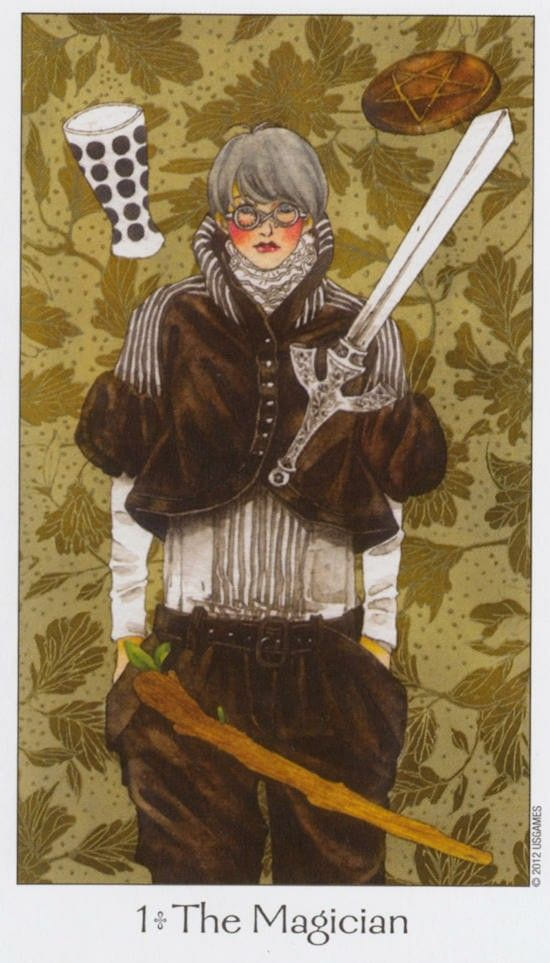
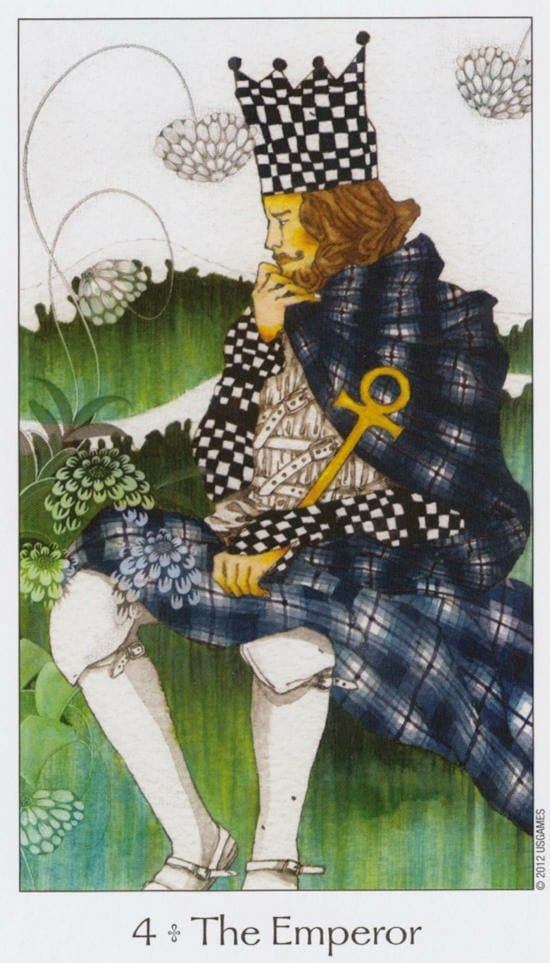
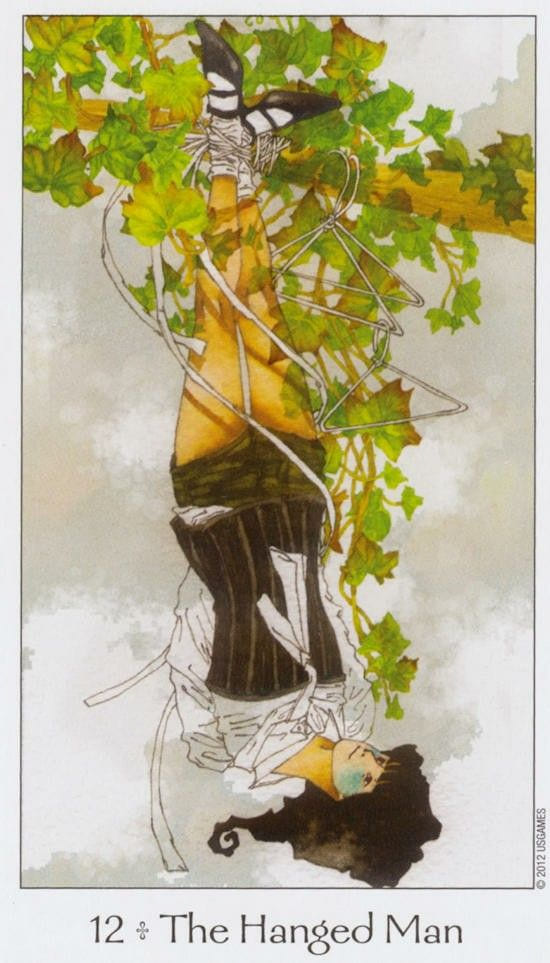
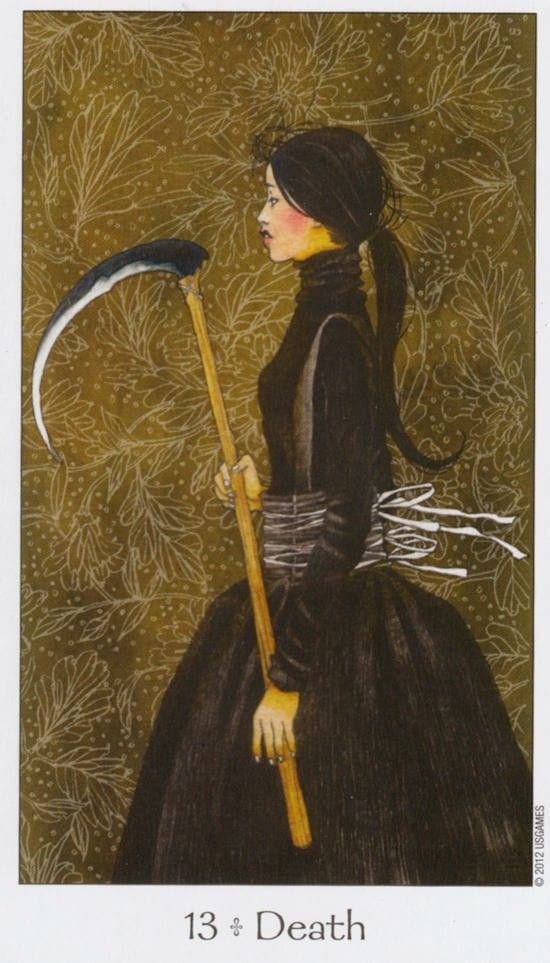
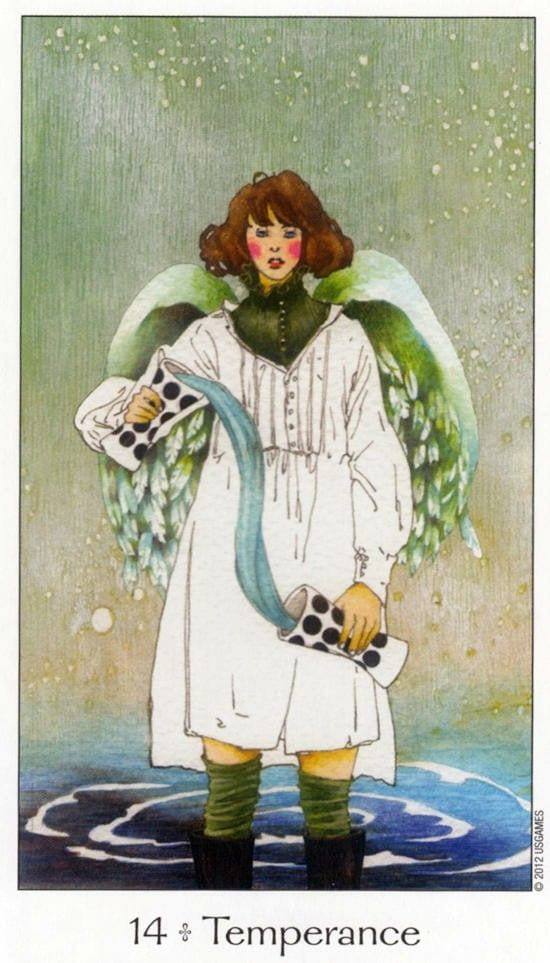
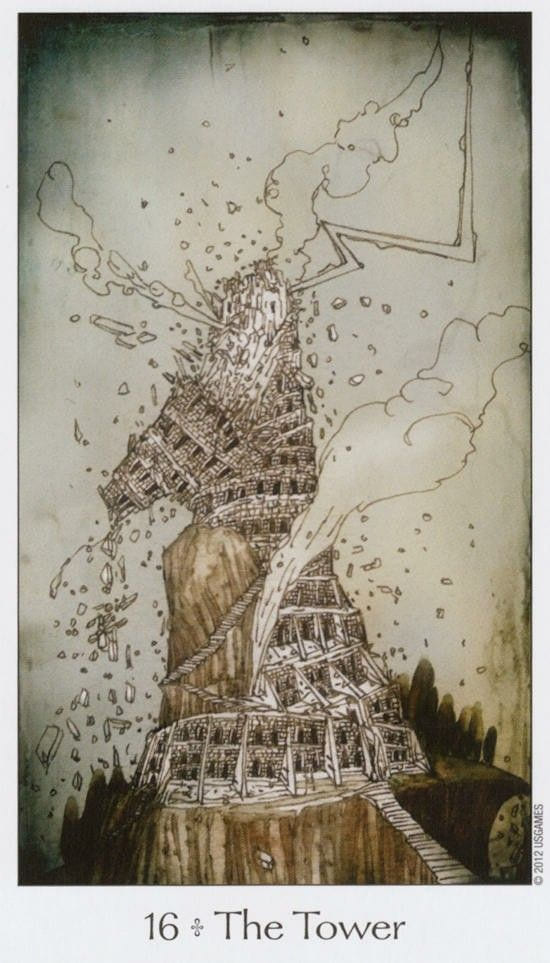
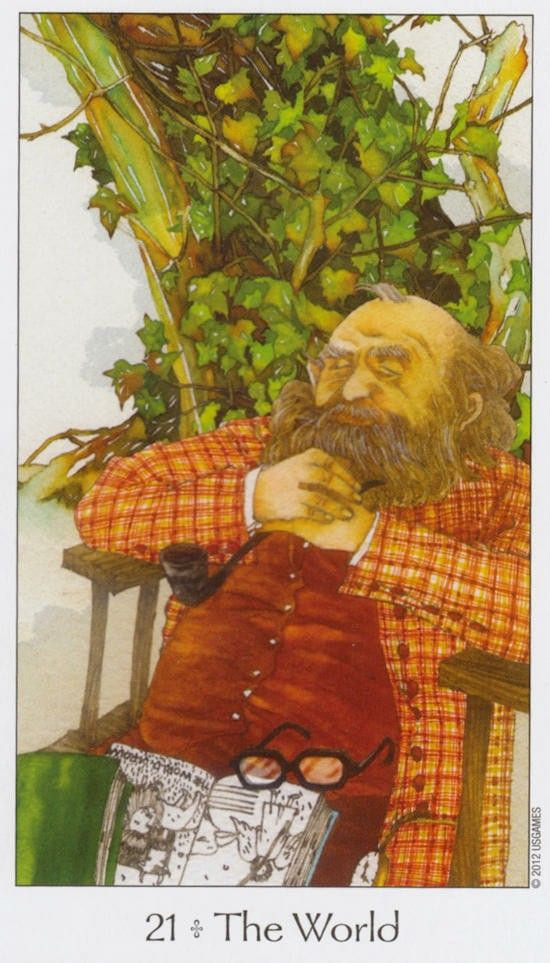
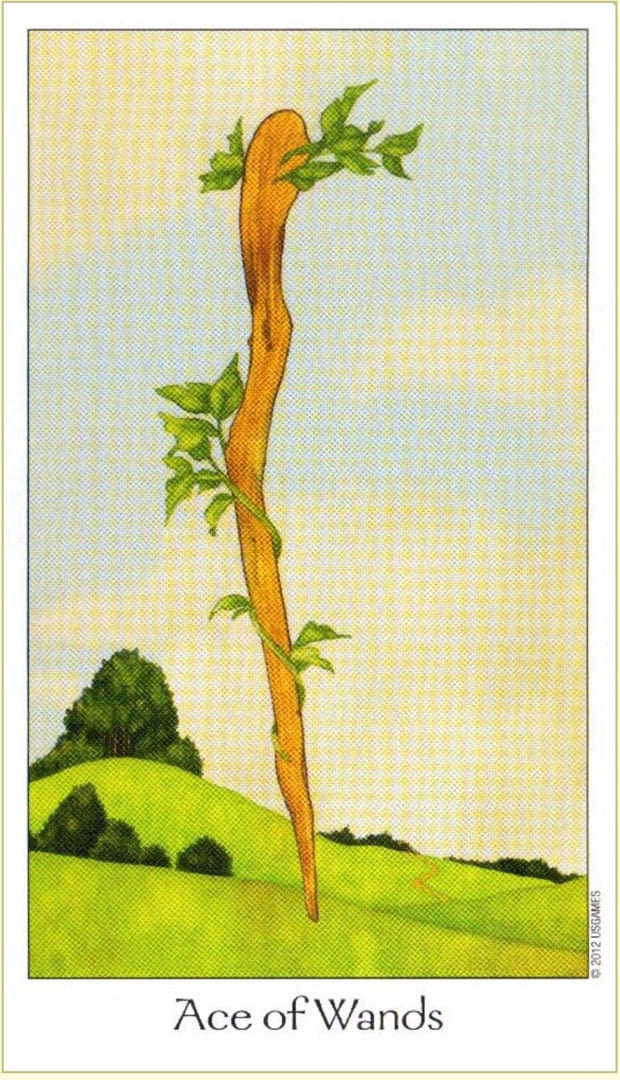
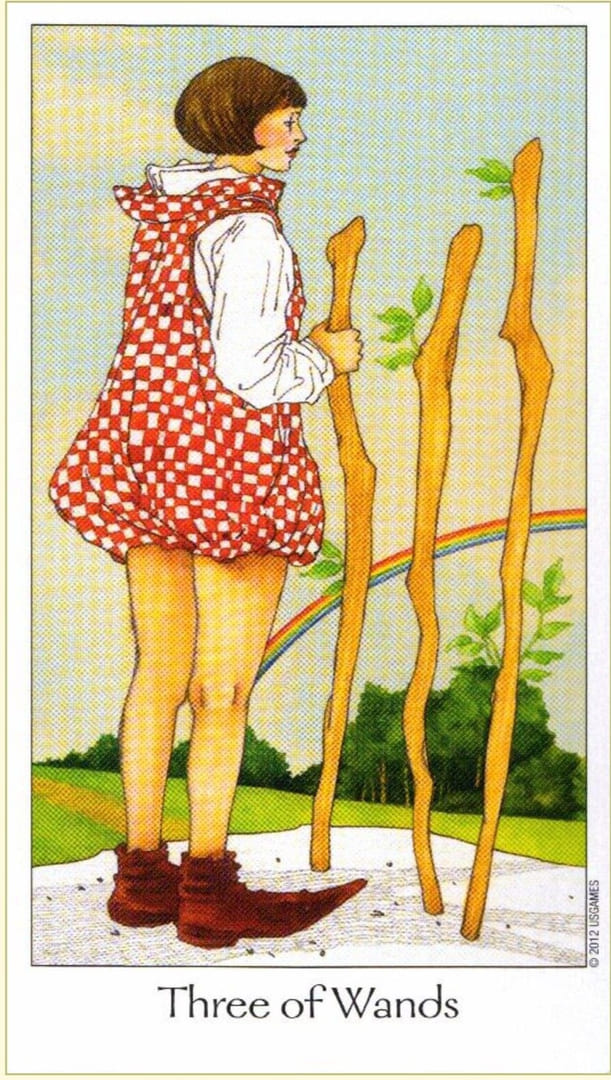
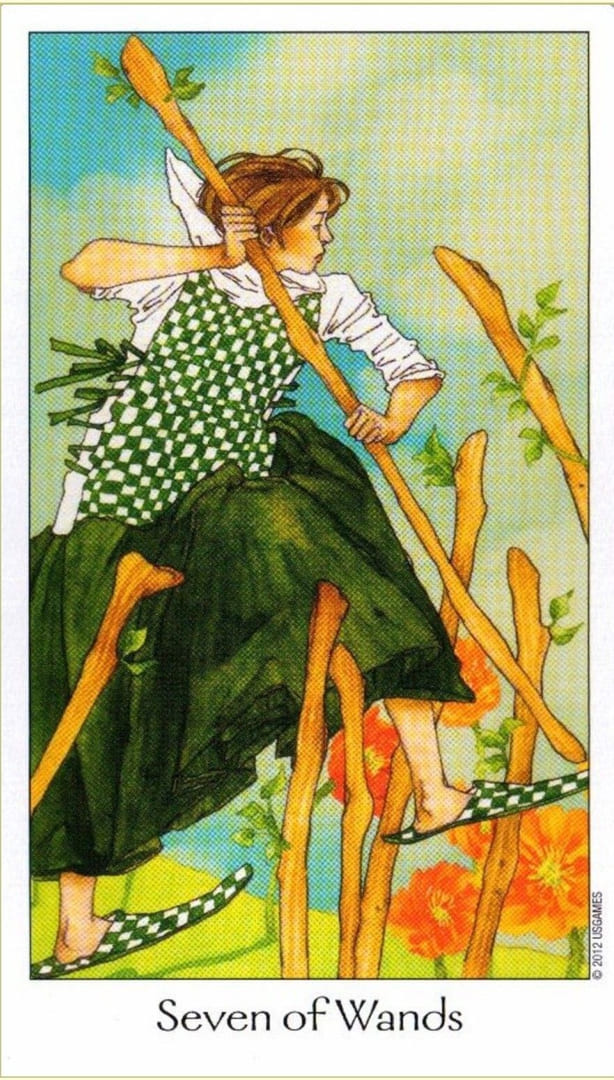
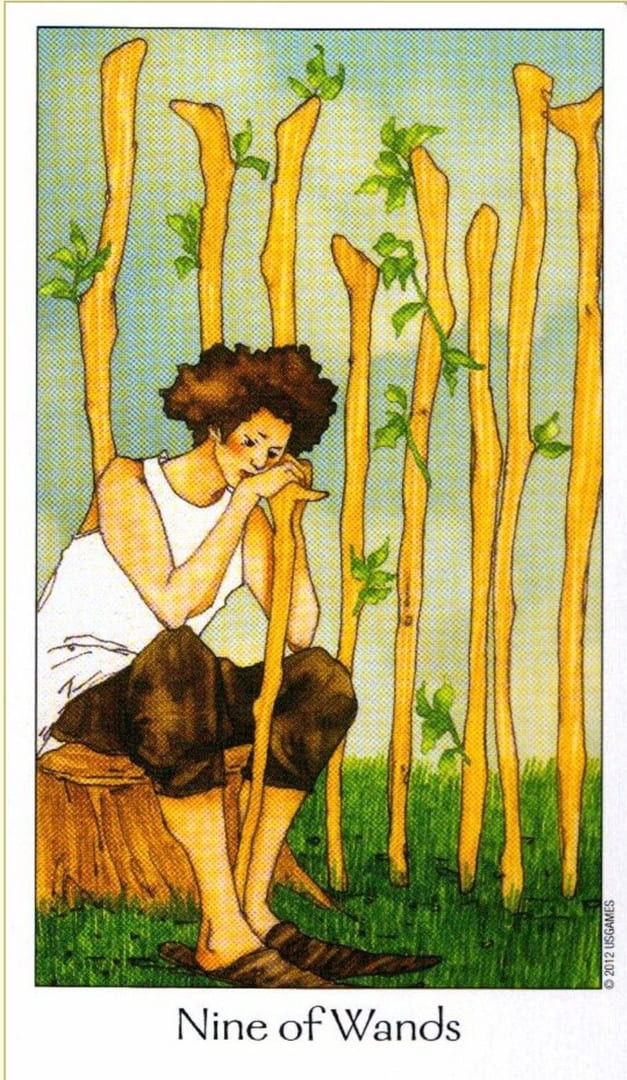
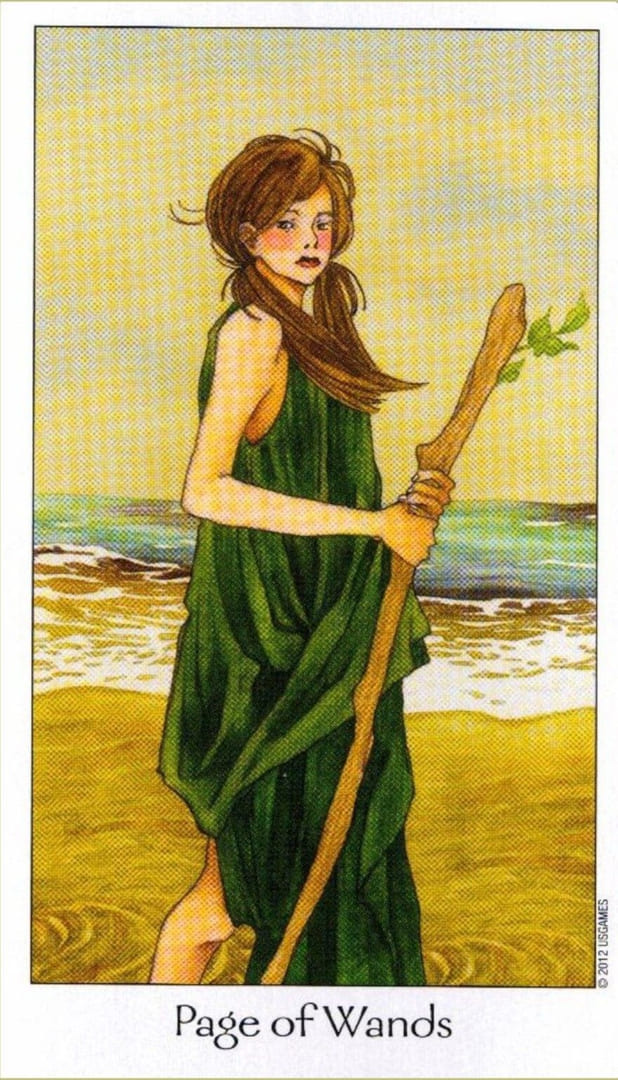
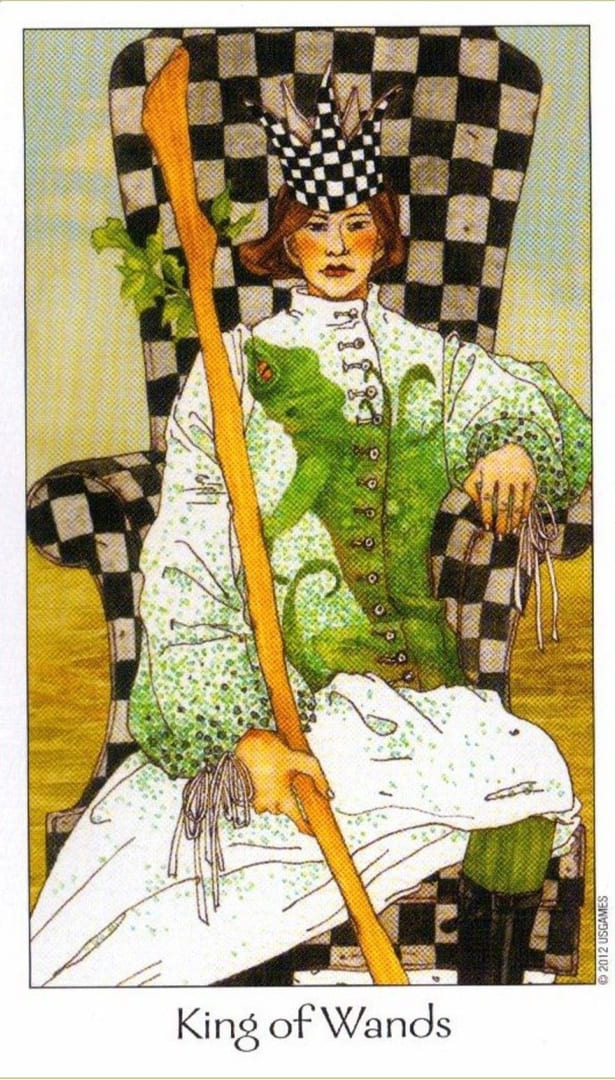
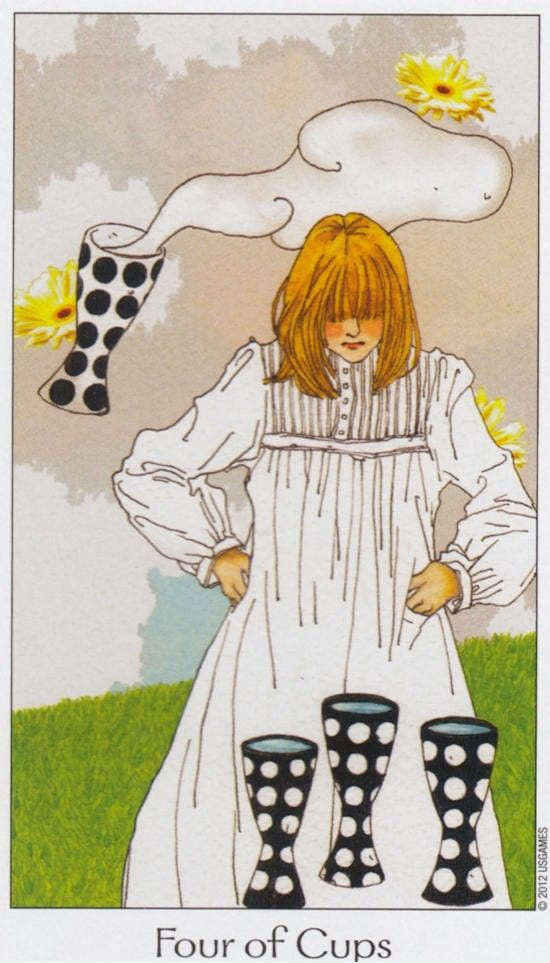
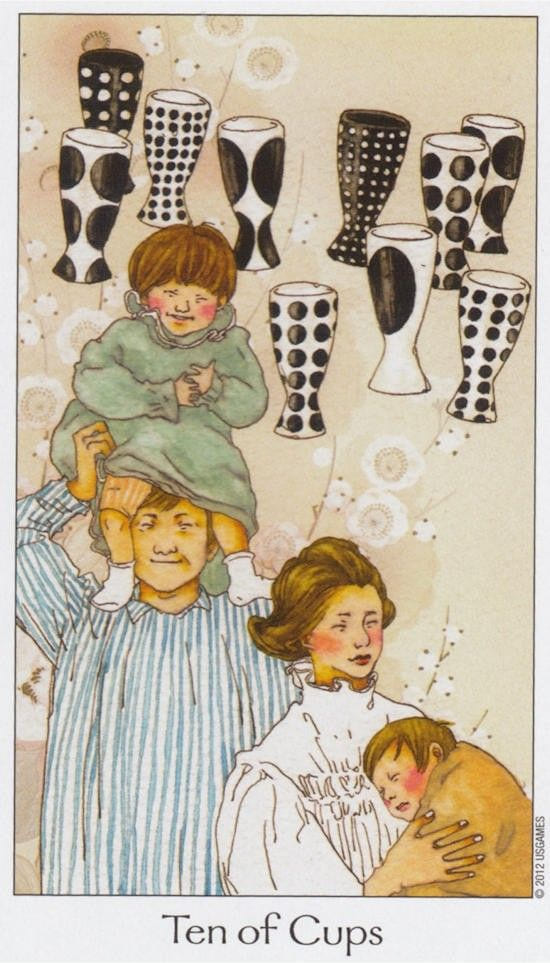
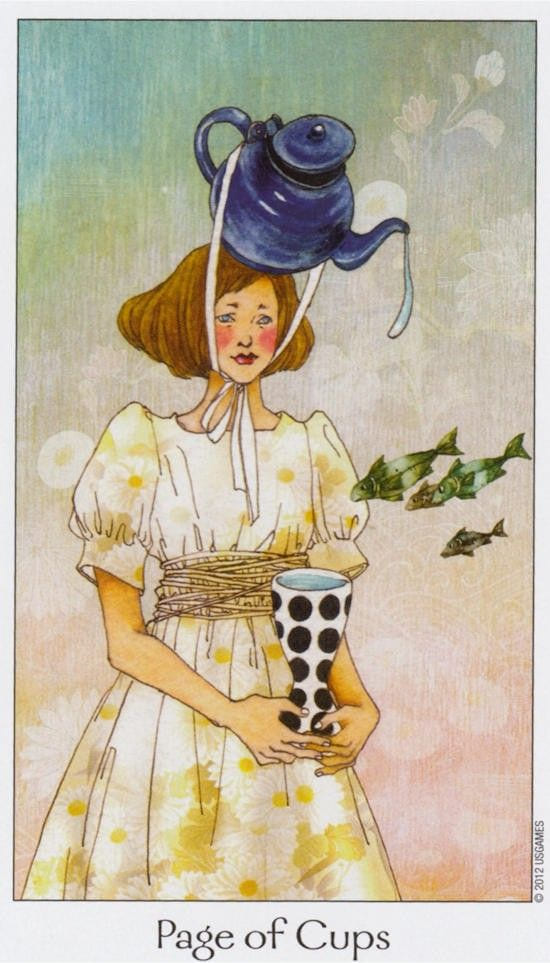
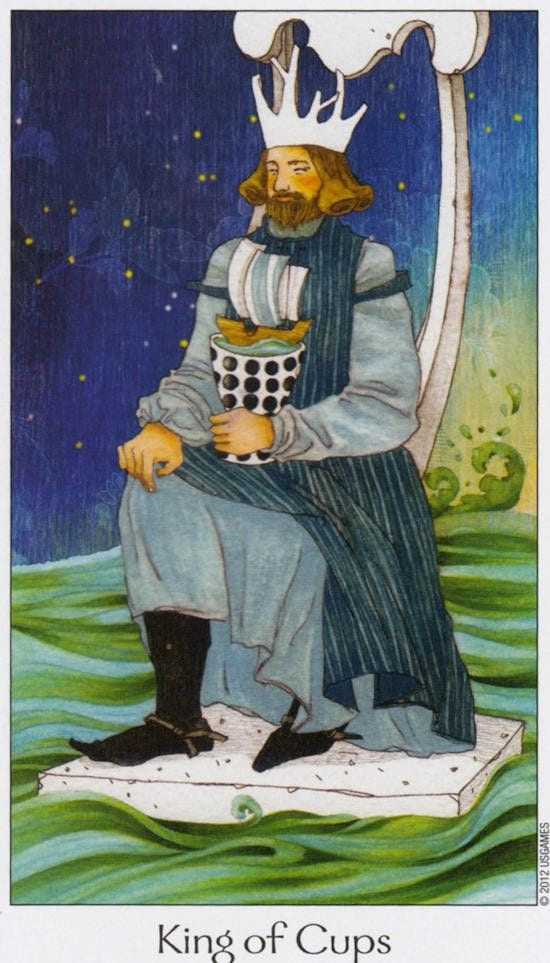
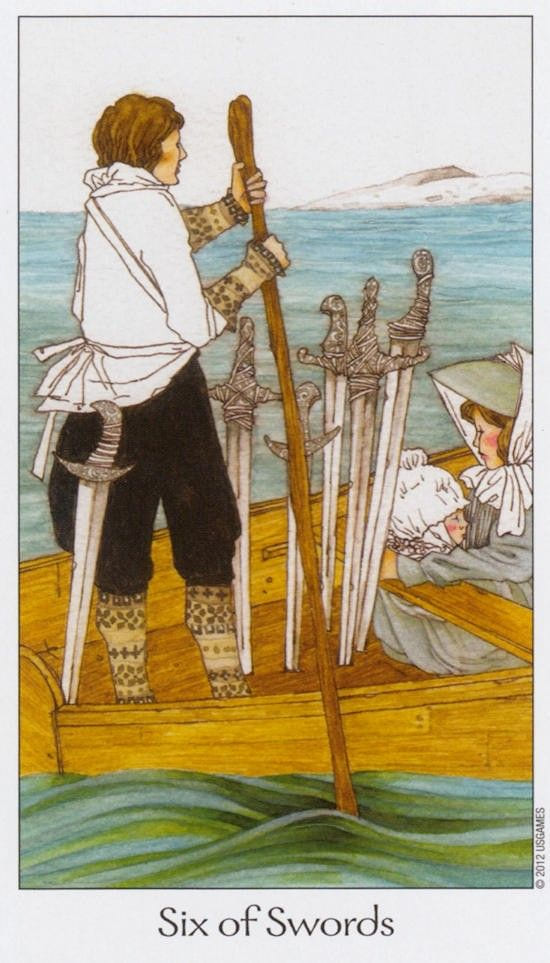
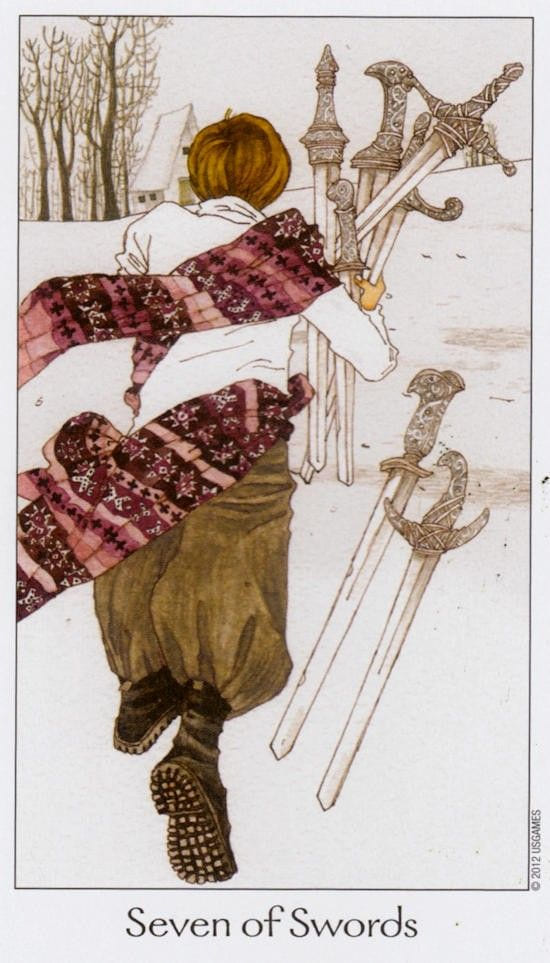
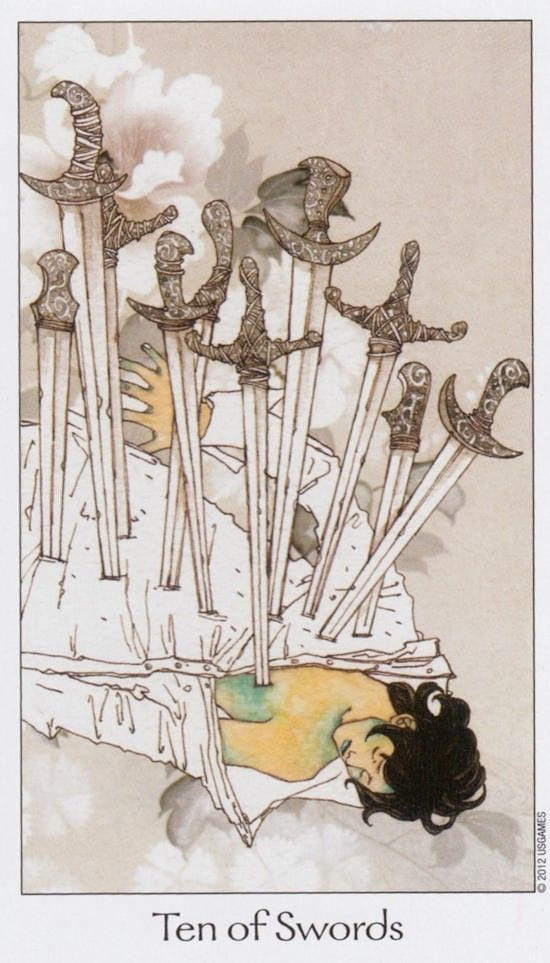
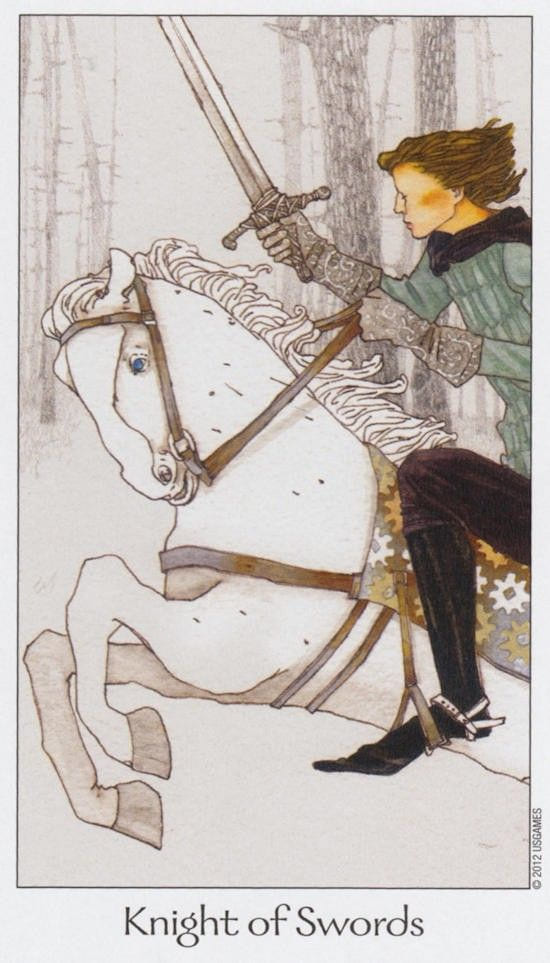
Kwon Shina's illustrations use a combination of pen, graphite, watercolor, and digital elements to create a romantic, fairy-tale aesthetic. The palette is calm, earthy, and muted — described as evoking "a foggy fall/winter day on the shore." Characters are stylish, whimsical, and fashion-forward, with varied female representation across body types and appearances. The art has been described as "haunting, beautiful, and captivating." The figures have a distinctive elongated, stylized quality reminiscent of fashion illustration, with dreamy expressions and flowing movement. Backgrounds are often minimal or absent, placing focus on the characters and their emotional expressions.
Core Concept & Symbolism
A modernist, whimsical interpretation of the Rider-Waite-Smith system that dresses up traditional tarot with contemporary artistic flair. The deck follows standard RWS structure and symbolism closely enough that experienced readers can pick it up immediately, while adding a fresh, dreamlike sensibility. The focus is on emotional expression and narrative movement rather than dense occult symbolism. Some cards depart from traditional RWS imagery more than others, which can challenge beginners but rewards intuitive reading.
Reading Experience
The deck reads "extremely well" according to multiple reviewers, described as very intuitive with "an incredibly intimate and emotional quality" carrying "a punch of creativity, movement, and quiet energy." Professional readers report clients frequently asking "OMG, what deck is that?" The deck excels at uplifting, encouraging readings. However, criticism centers on its perceived limitations: one reviewer argued that "a tarot deck that doesn't contain evil cannot adequately read about a world that does," finding the imagery too saturated with sweetness for darker readings. Some also noted that Rome Choi's guidebook takes an overly prescriptive approach, assigning specific age ranges and fixed interpretations that may conflict with individual reading styles.
Best Used For
- Intuitive, emotionally rich readings
- Uplifting and encouraging guidance
- Readers familiar with RWS who want a fresh artistic interpretation
- Daily pulls with gentle, dreamy energy
- Relationship and emotional questions
- Gift for those drawn to fashion-illustration aesthetics
Not Ideal For
- Shadow work or confrontational readings (imagery too sweet/muted)
- Complete beginners (some cards depart from obvious RWS imagery)
- Readings requiring harsh truths or dark themes
Major Arcana (22 cards)
The 22 trump cards representing life's spiritual lessons and karmic influences








Minor Arcana (56 cards)
The 56 suit cards reflecting day-to-day events and practical influences
Wands
Fire element — passion, creativity, ambition, and spiritual growth







Cups
Water element — emotions, relationships, intuition, and inner feelings


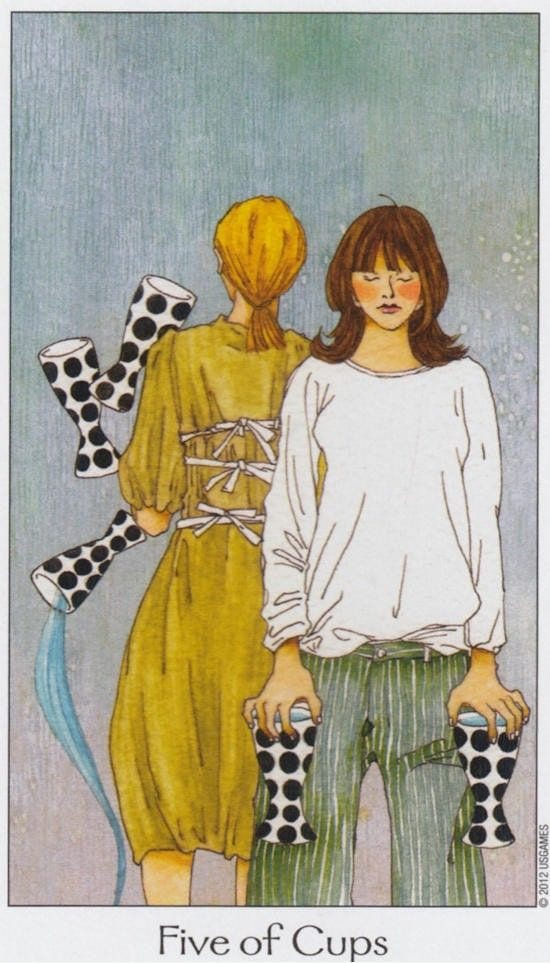
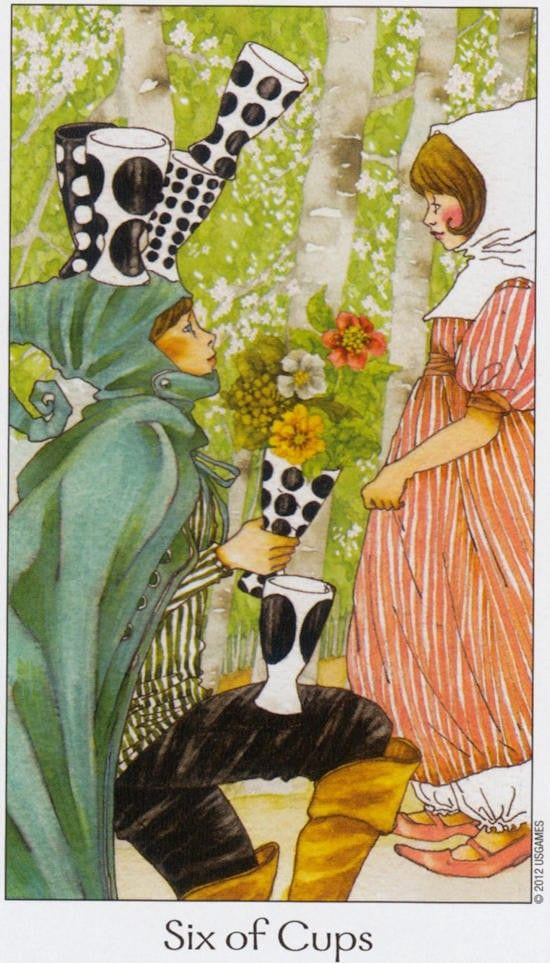
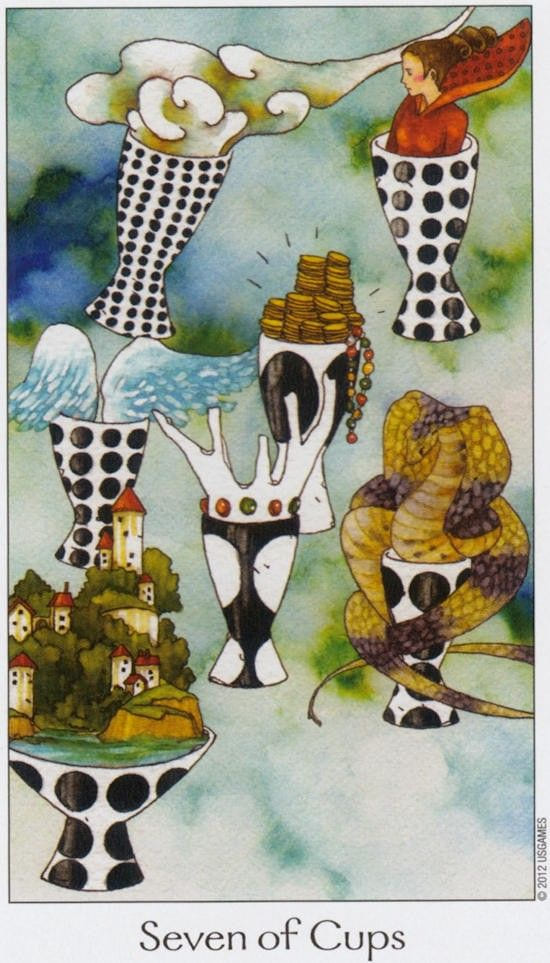

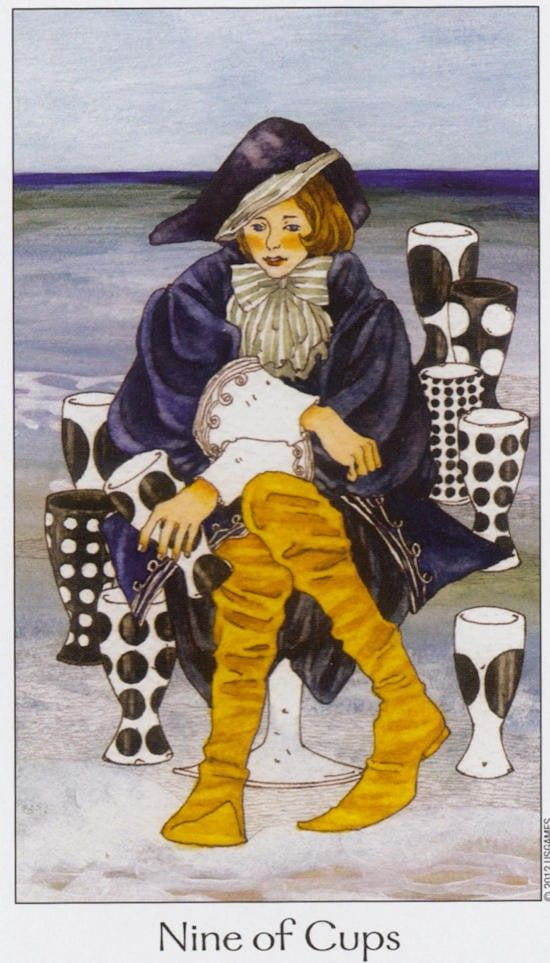


Swords
Air element — intellect, conflict, truth, and mental clarity
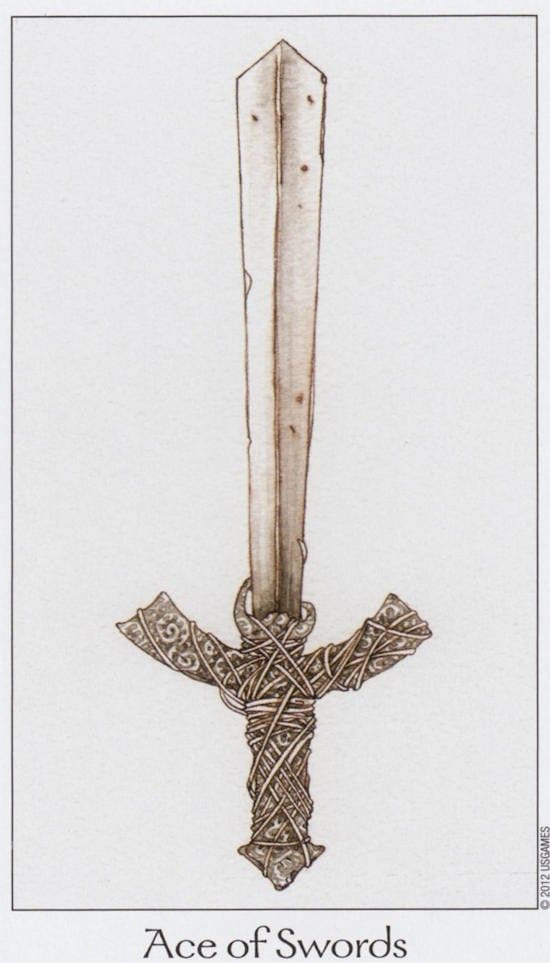







Pentacles
Earth element — material world, finances, health, and practical matters