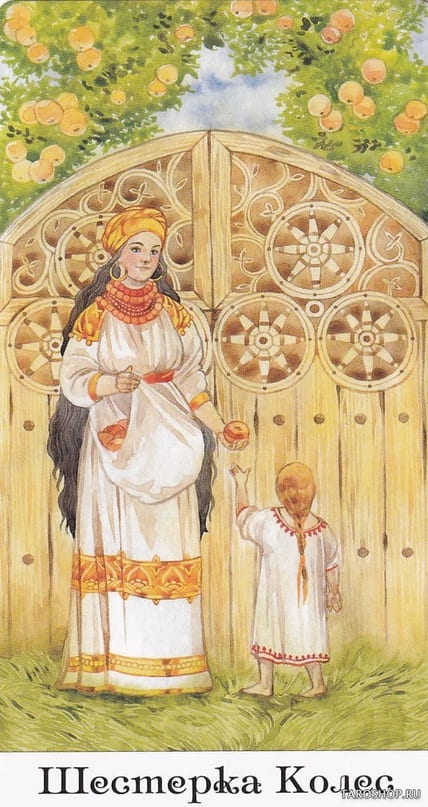
Golden Wheel tarot
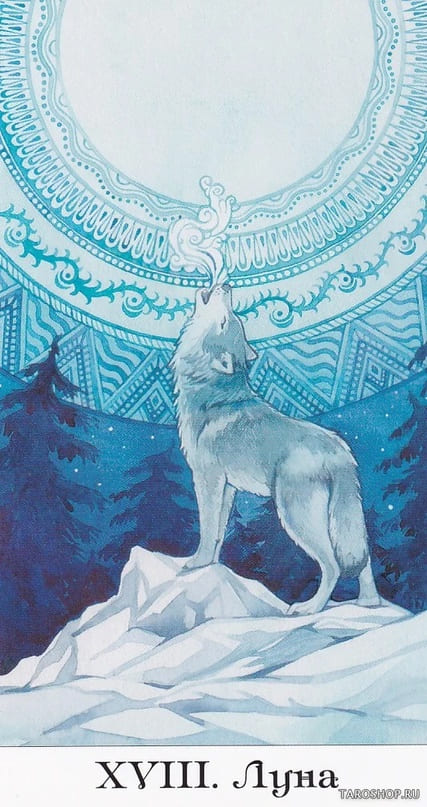
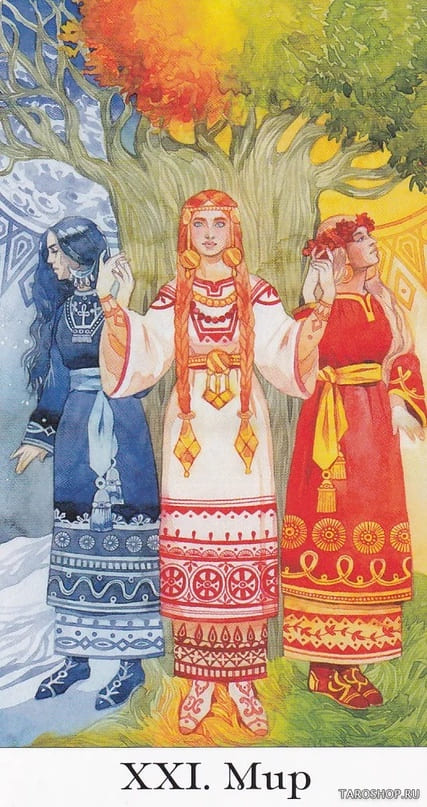
The Tarot of the Golden Wheel was created by Russian artist and book illustrator Mila Losenko and published by U.S. Games Systems in 2019. Losenko originates from the Altai Territory of Russia, studied at the Biysk Pedagogical College with a degree in Teaching Fine Arts, and has worked as a book illustrator since 2010. The deck interprets traditional tarot through the prism of colorful Slavic folk culture, inspired by the magic and wisdom of Russian fairy tales. It comes with a guidebook that discusses the Slavic fairy tales underpinning each card's imagery.
Official Website →Art Style & Visual Character
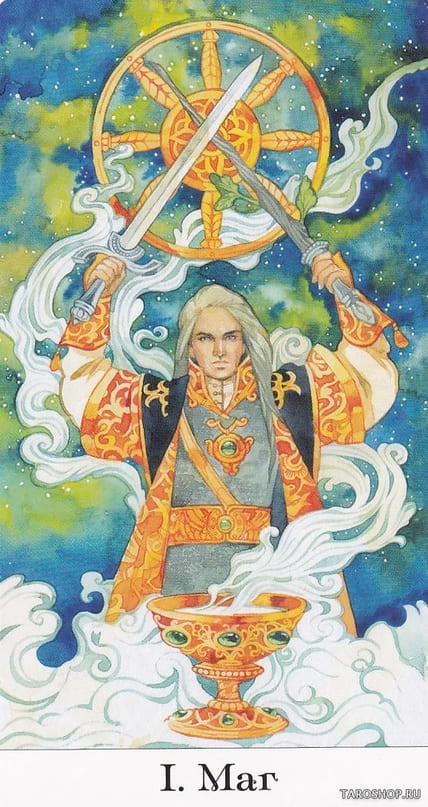
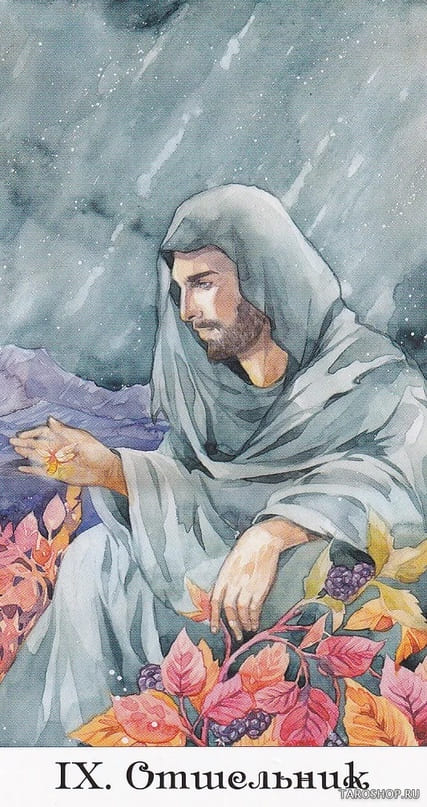
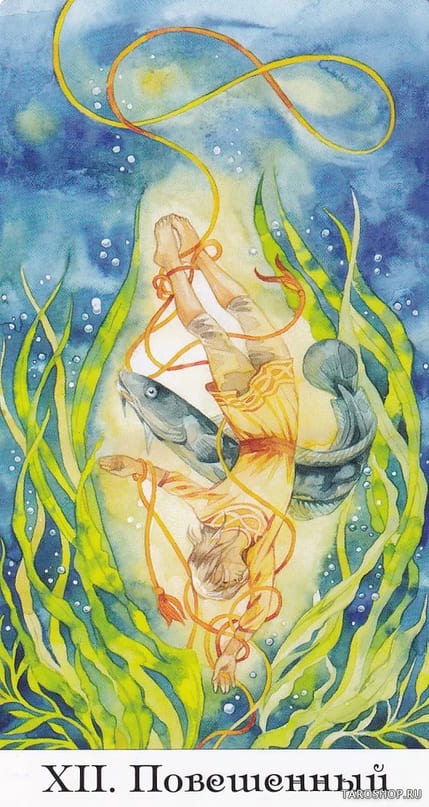
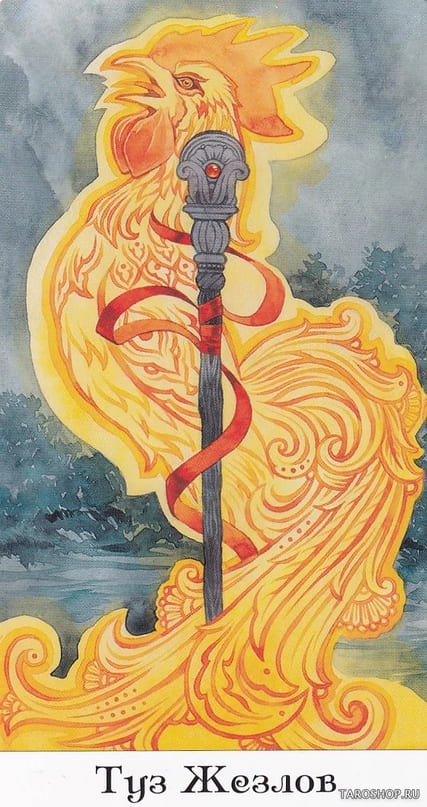
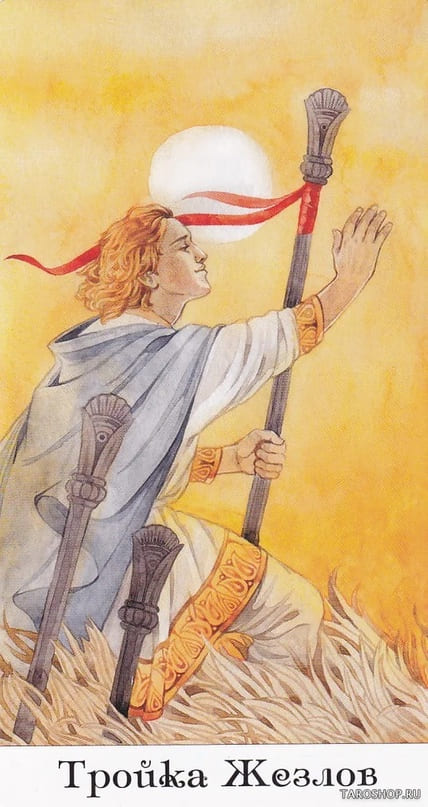
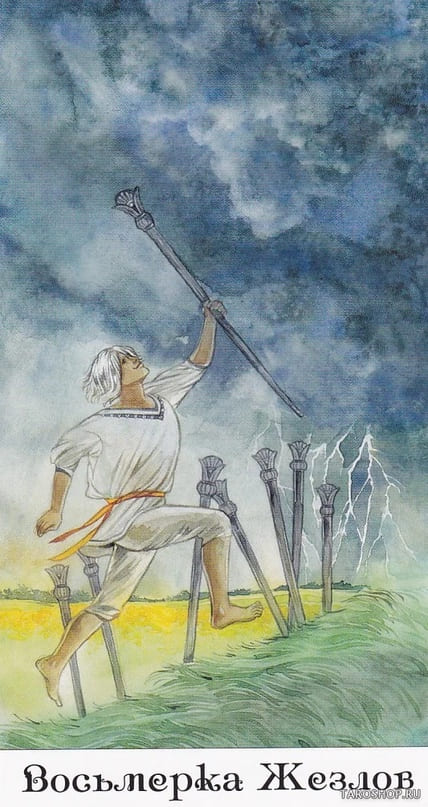
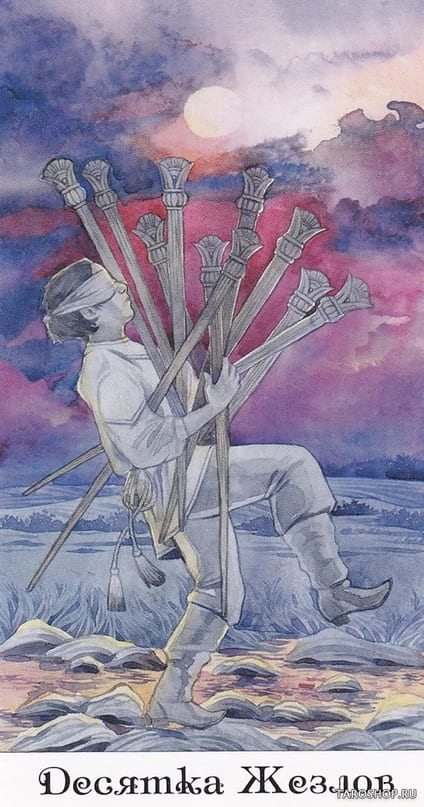
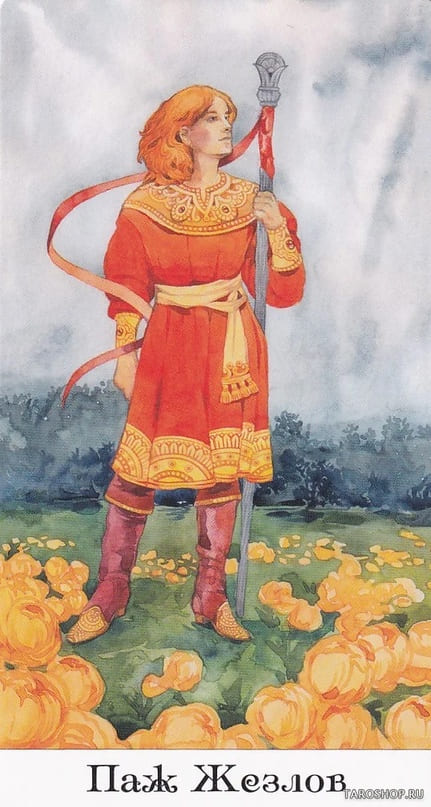
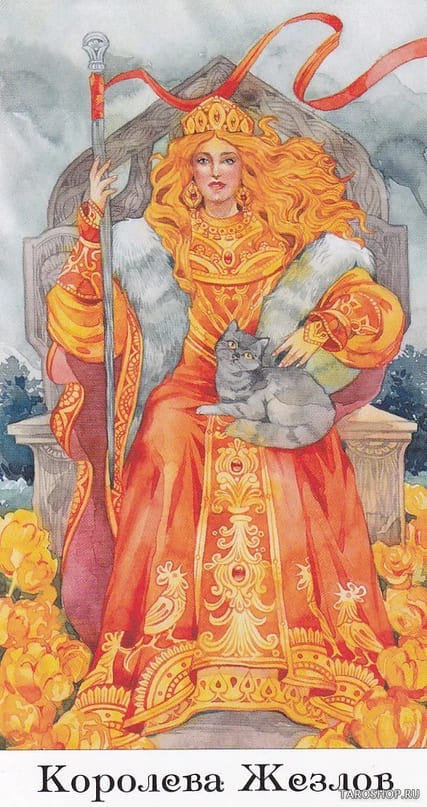
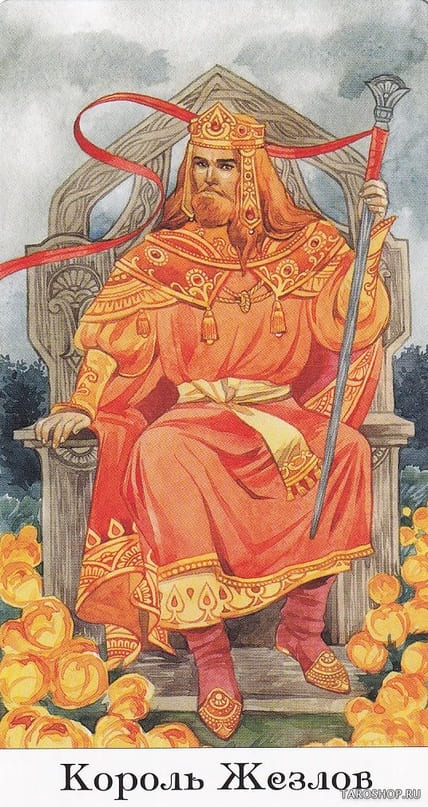
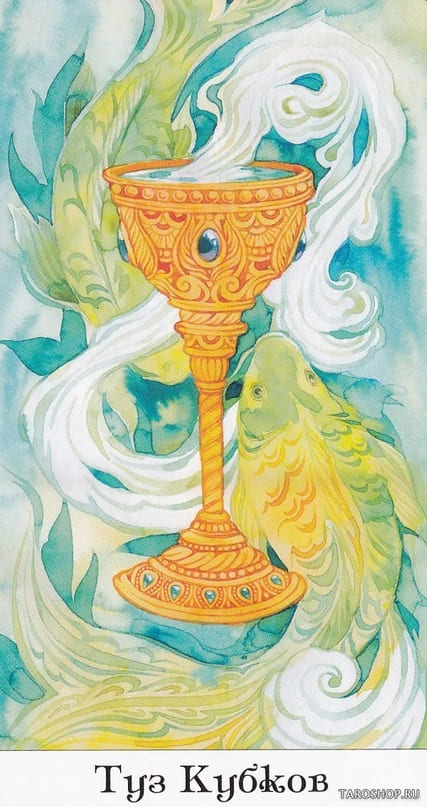
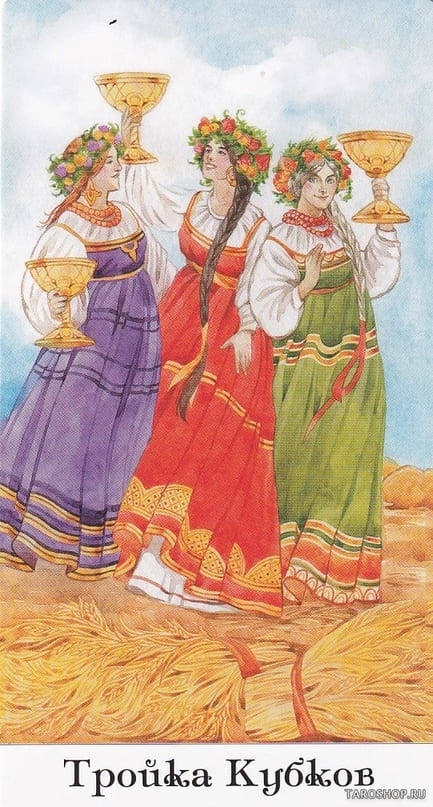
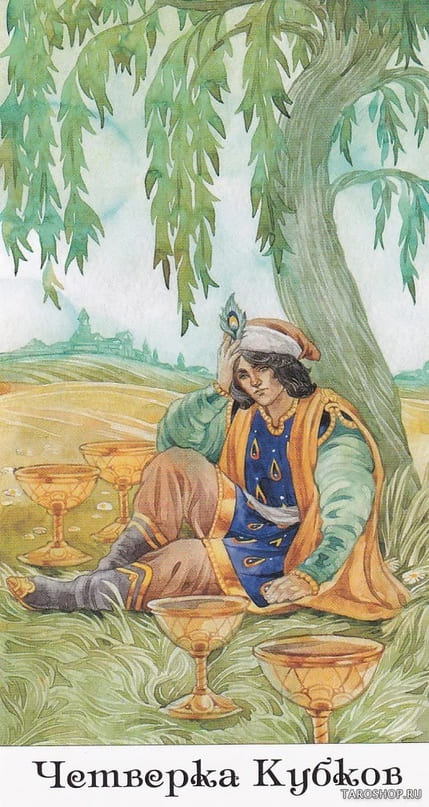
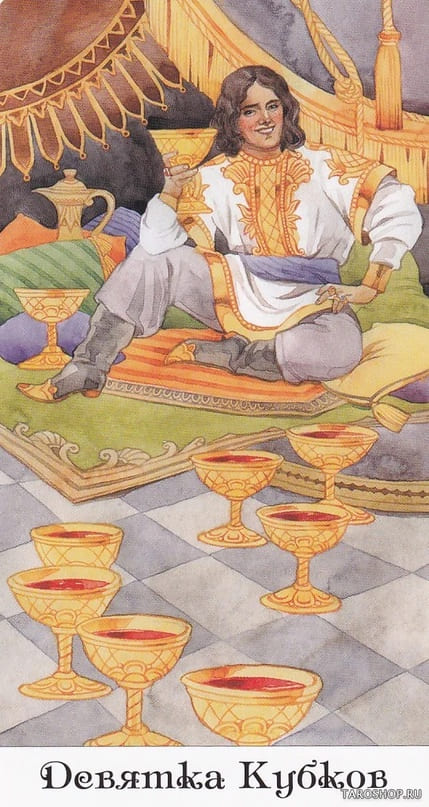
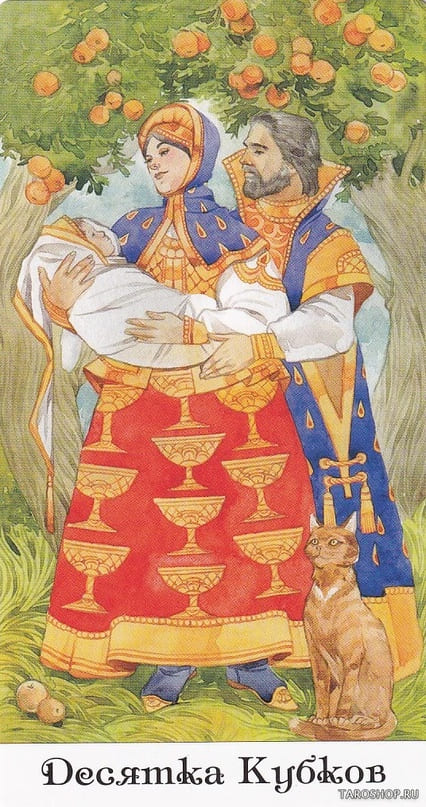
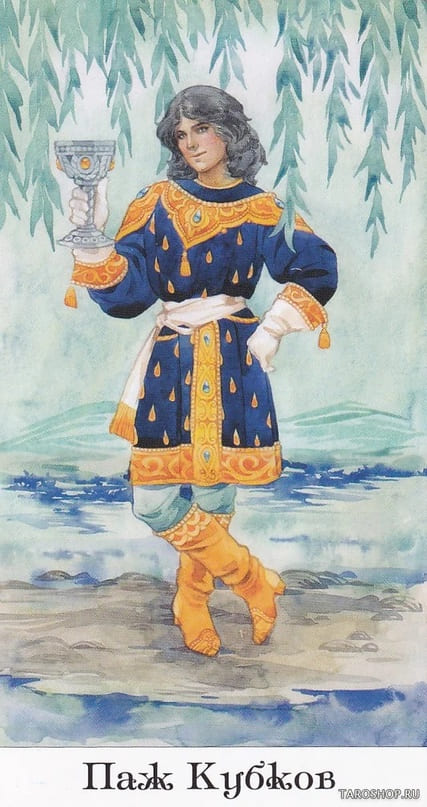
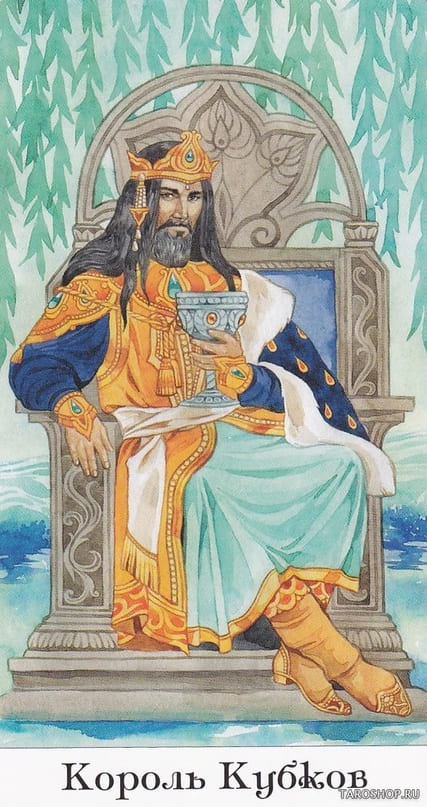
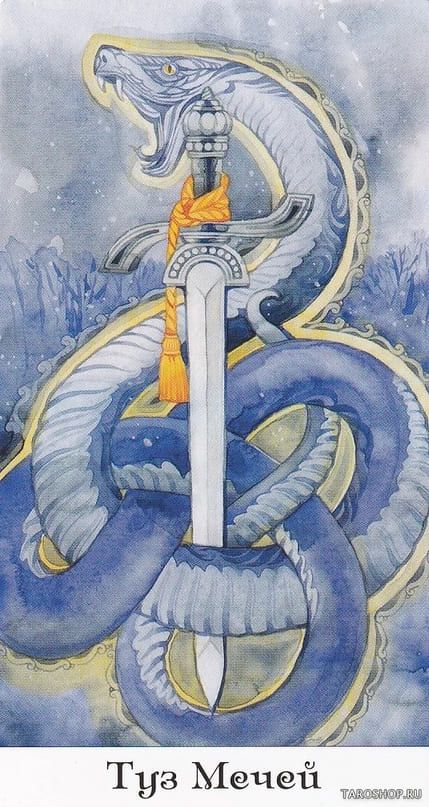
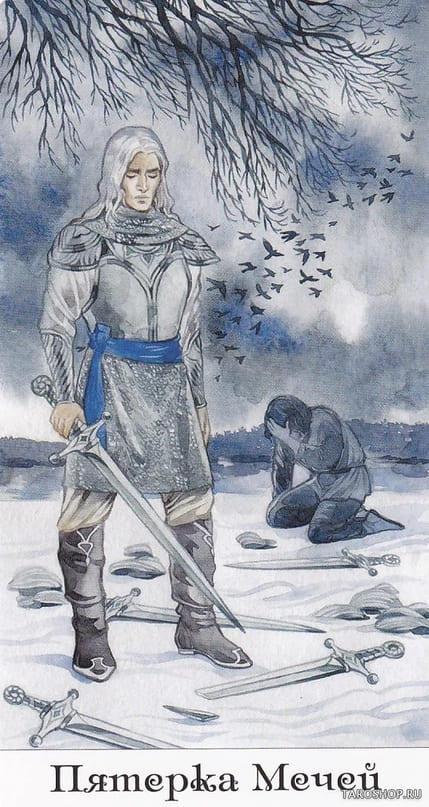
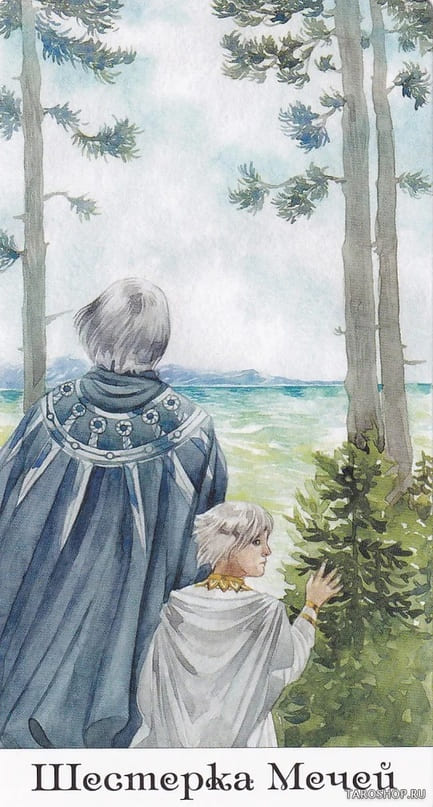
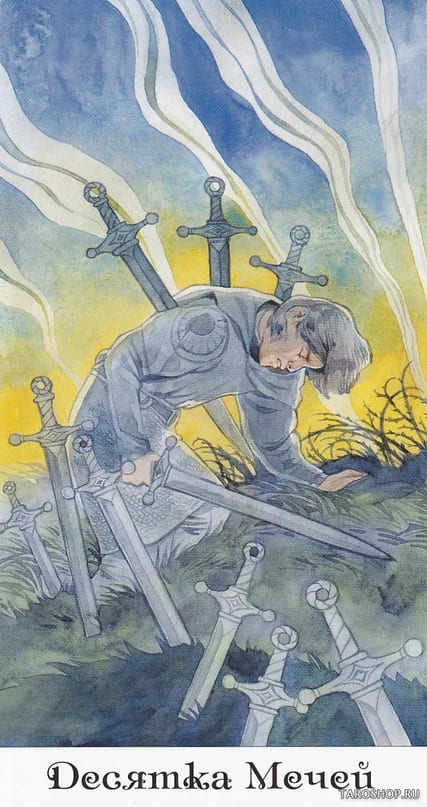
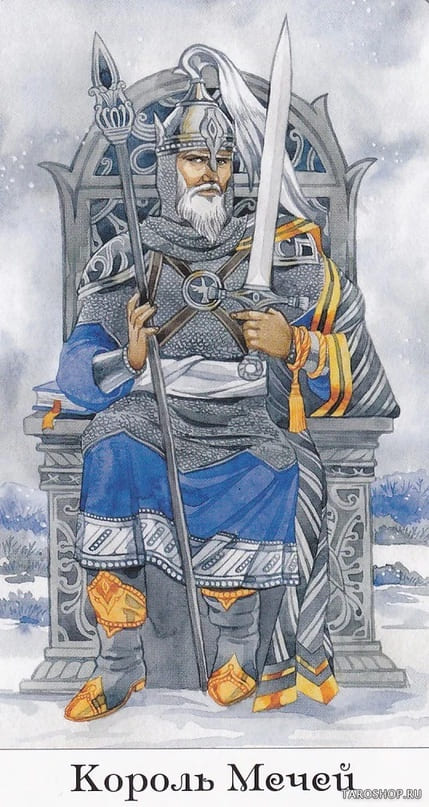
Losenko's illustrations are rendered in her favorite medium — watercolor — with the rich aesthetic of Art Nouveau reflected in every card. Despite being a watercolor deck, the colors are vivid and vibrant rather than soft pastels, bursting with the bold reds, golds, blues, and greens of traditional Russian decorative art. Familiar tarot figures are dressed in traditional Russian folk costumes with intricate embroidery details. The bright colors and ornamental patterns give the deck a distinct festive quality, reminiscent of Russian lacquer boxes and folk painting traditions. Each card is described as "a feast for the eyes."
Core Concept & Symbolism
The deck is straightforwardly RWS in its symbolic framework, making it highly accessible to anyone familiar with Rider-Waite-Smith tradition. The key innovation is the suit of Pentacles being renamed to "Wheels," tying into the deck's central symbol — the Golden Wheel, which represents karma, balance, and nature's infinite cycles. This wheel imagery recurs throughout the deck, reinforcing themes of cosmic justice and the turning of fate. The Slavic fairy-tale lens adds a layer of cultural storytelling: heroes and heroines from Russian folk narratives populate the cards, connecting universal tarot archetypes with specific Slavic mythological figures.
Reading Experience
The community reception has been positive, with multiple reviewers praising both the artistic quality and the readability. The deck is noted as excellent for beginners because the RWS symbolism is clear and easy to interpret despite the cultural overlay. The guidebook is praised as an exception among tarot guidebooks for its discussion of the Slavic fairy tales behind each card. Angelorum featured a deck review and interview, and Jack Chanek (Jack of Wands Tarot) published a thorough review. The deck particularly resonates with readers of Slavic heritage or those drawn to Russian folklore, but its straightforward RWS structure makes it welcoming for any reader.
Best Used For
- Readers drawn to Slavic and Russian folklore
- Beginners who want an RWS-based deck with a distinctive cultural flavor
- Exploring themes of karma, fate, and cycles through readings
- Cultural heritage connection for Eastern European practitioners
- Art Nouveau and folk art enthusiasts
- Fairy-tale and storytelling-based tarot work
Not Ideal For
- Readers seeking modern, minimalist, or dark aesthetics
- Those who prefer muted, subdued color palettes
- Readers unfamiliar with or uninterested in Slavic cultural themes
Major Arcana (22 cards)
The 22 trump cards representing life's spiritual lessons and karmic influences









Minor Arcana (56 cards)
The 56 suit cards reflecting day-to-day events and practical influences
Wands
Fire element — passion, creativity, ambition, and spiritual growth





Cups
Water element — emotions, relationships, intuition, and inner feelings





Swords
Air element — intellect, conflict, truth, and mental clarity






Pentacles
Earth element — material world, finances, health, and practical matters