Tarot of the Divine
Tarot of the Divine was created by California-based illustrator Yoshi Yoshitani and published by Clarkson Potter (Penguin Random House) in October 2020. Yoshitani is a mixed-race artist whose past clients include Disney, DC Comics, DreamWorks, and Netflix. The deck was accompanied by a separate hardcover companion book, "Beneath the Moon: Fairy Tales, Myths, and Divine Stories from Around the World," which expands each card's associated folk tale into a full-page retelling. The deck quickly became one of the standout tarot releases of 2020.
Official Website →Art Style & Visual Character
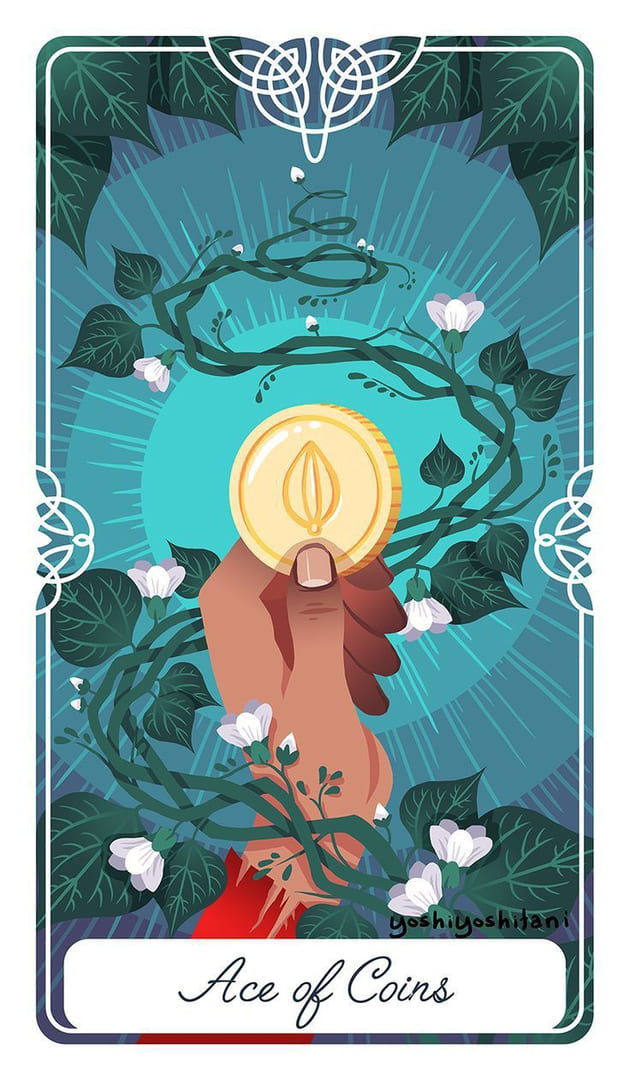
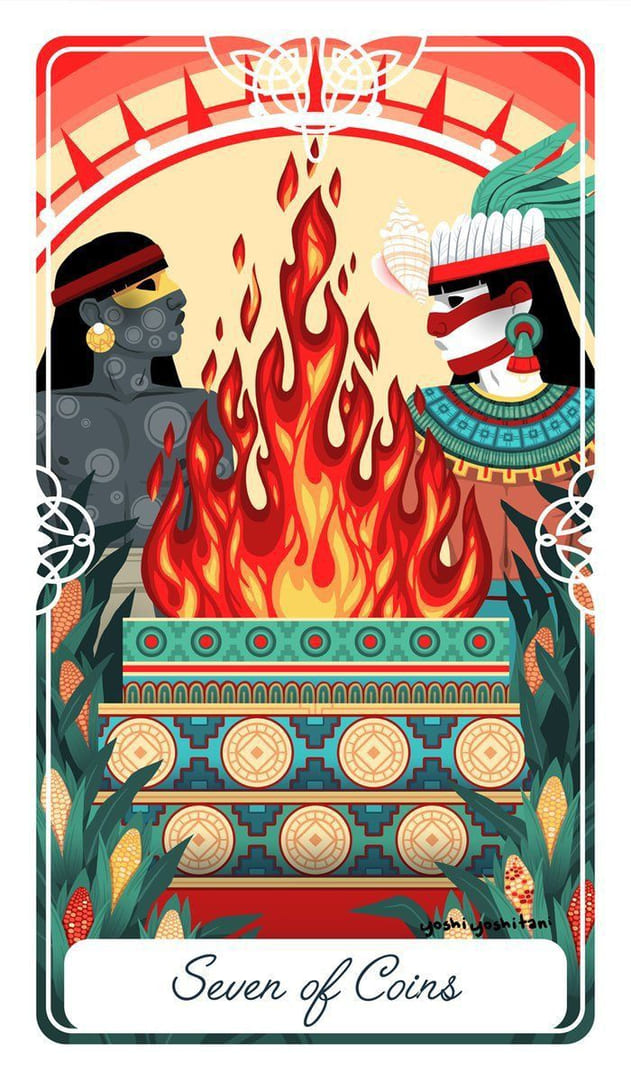
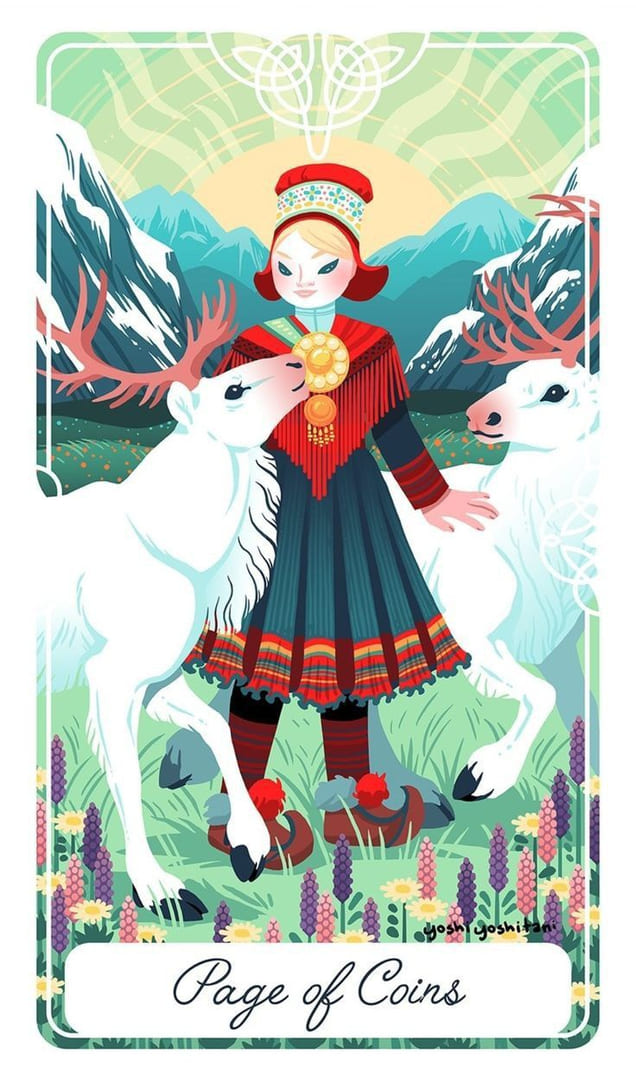
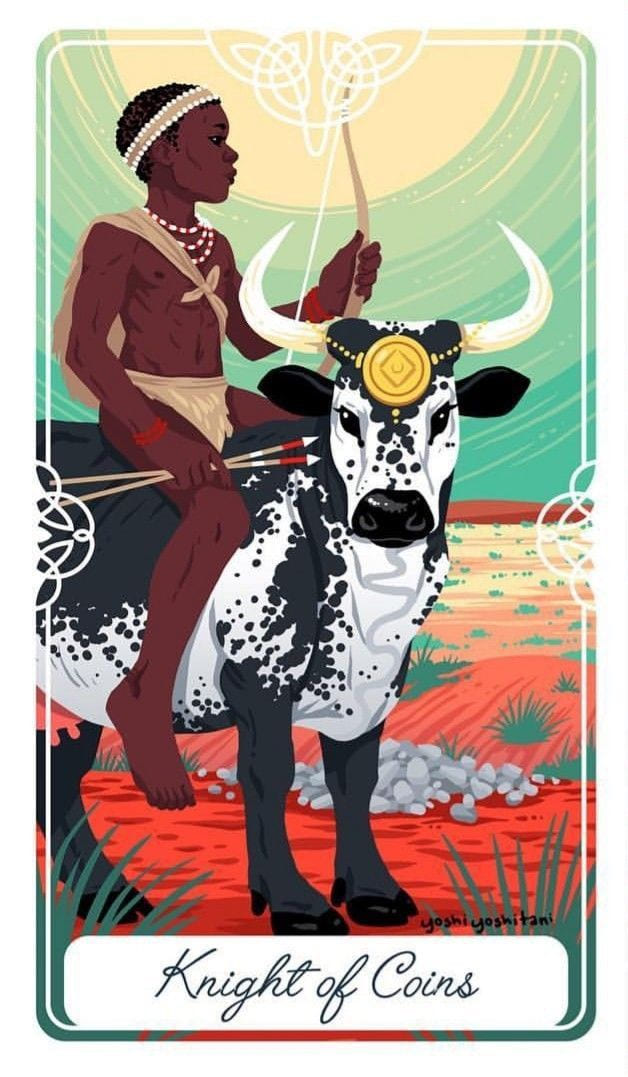
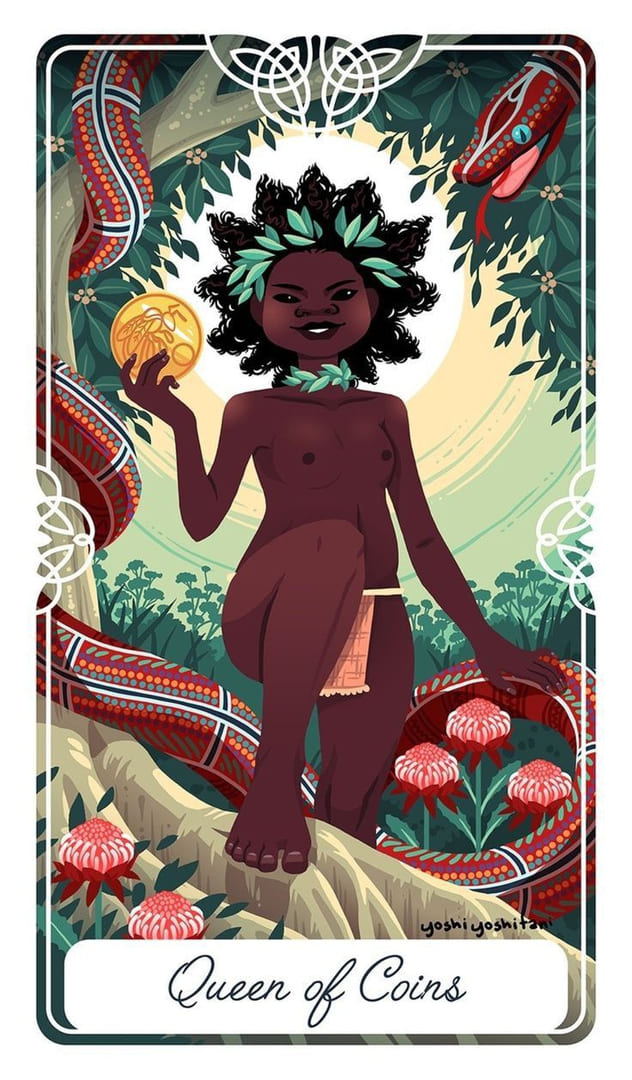
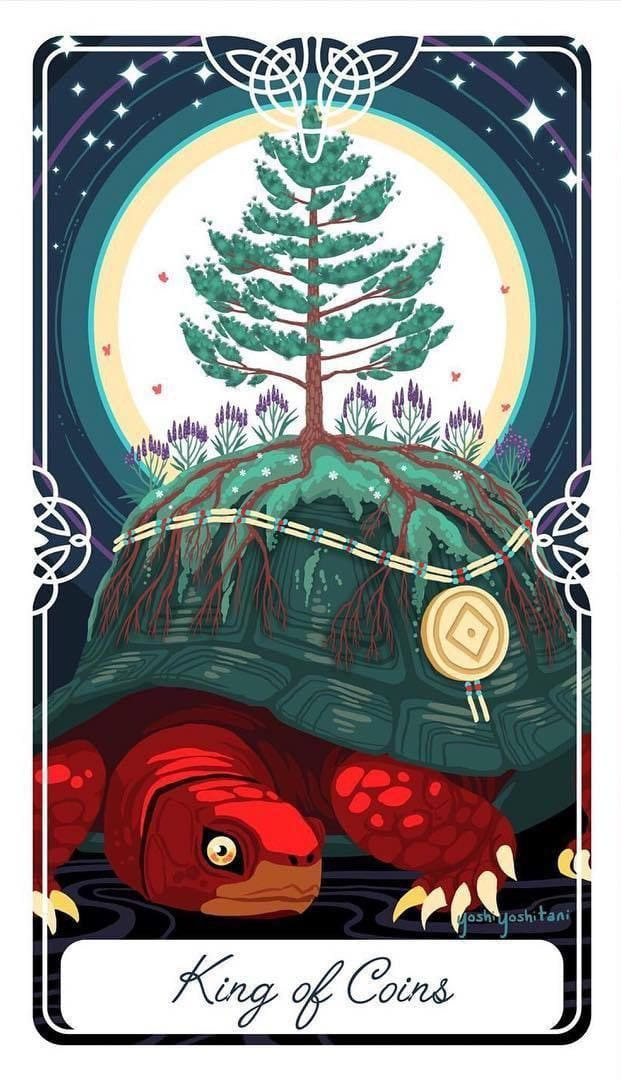
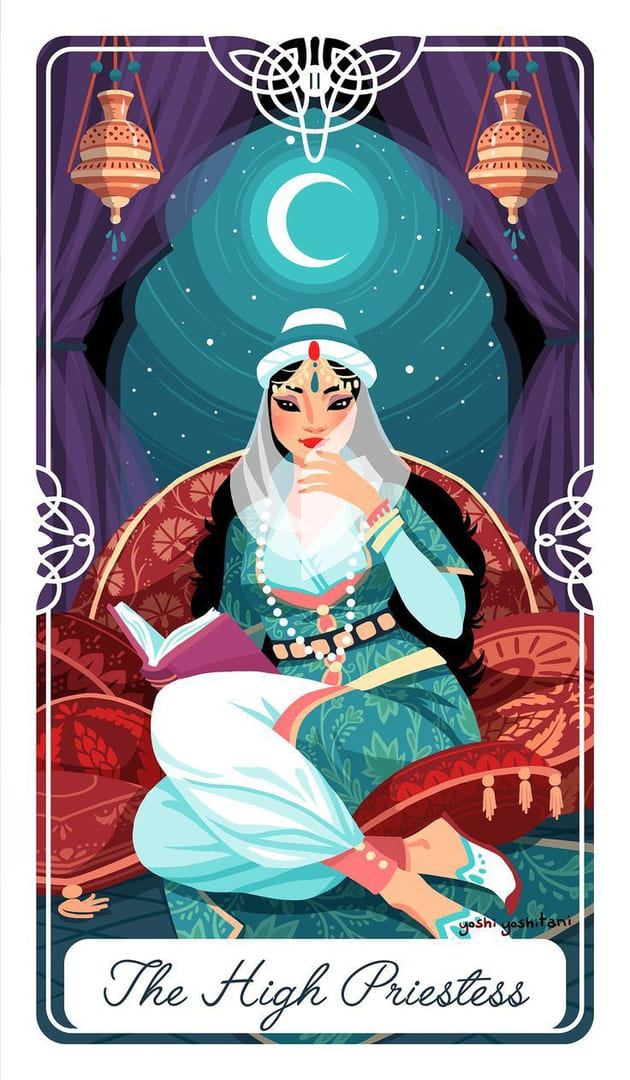
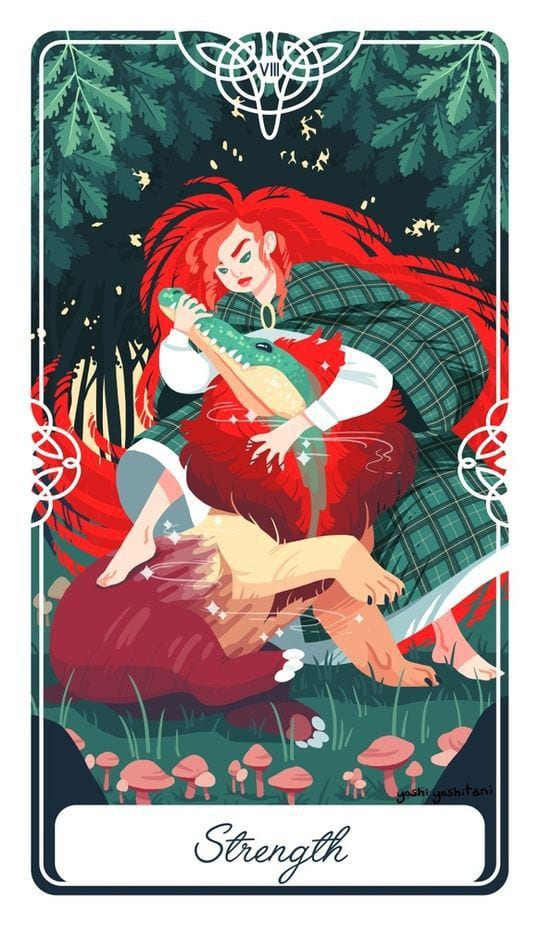
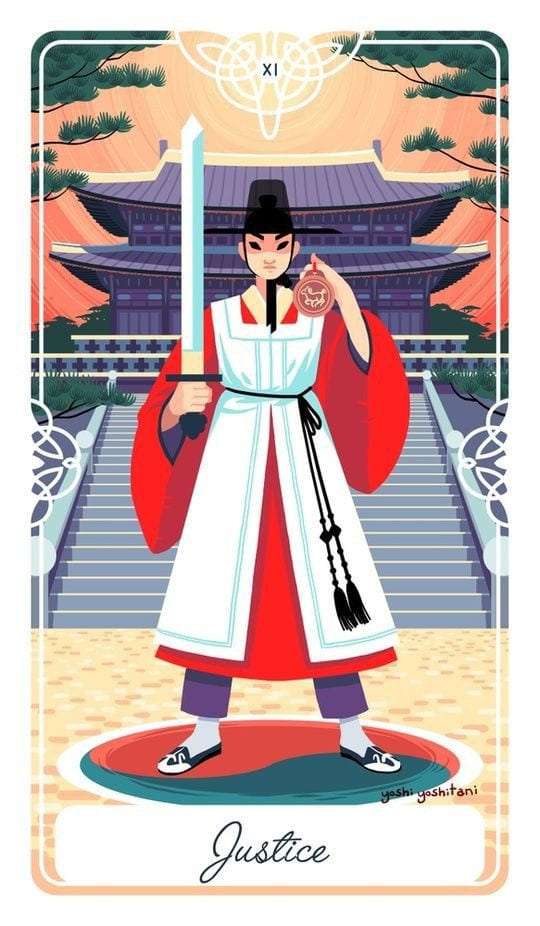
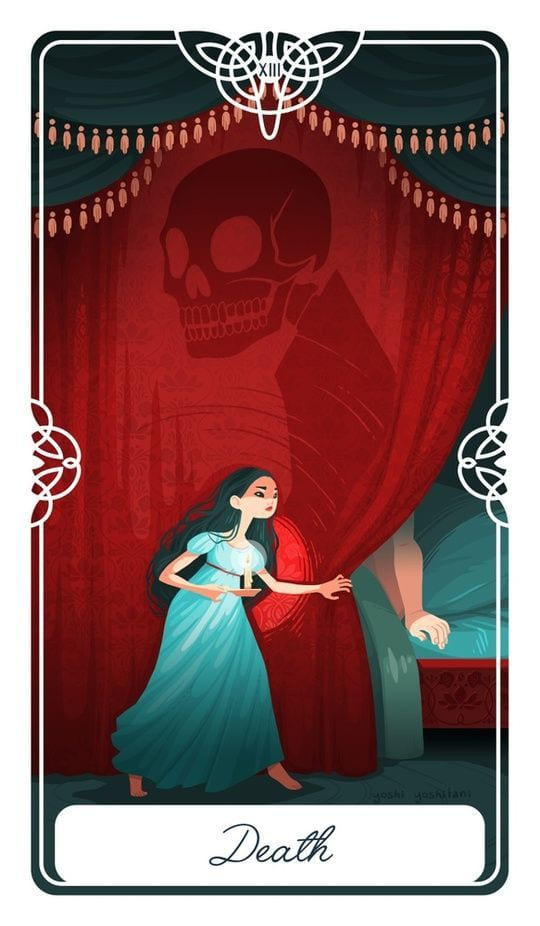
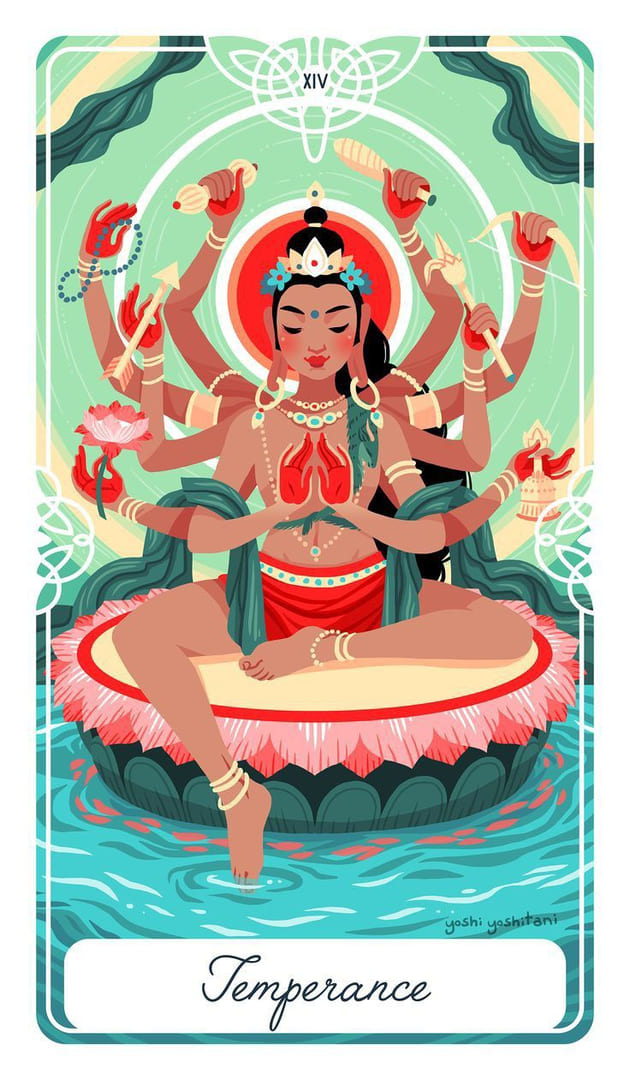
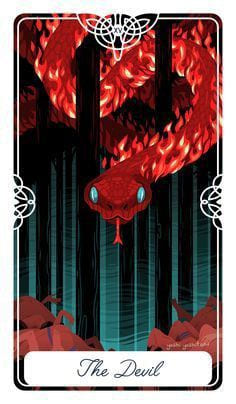
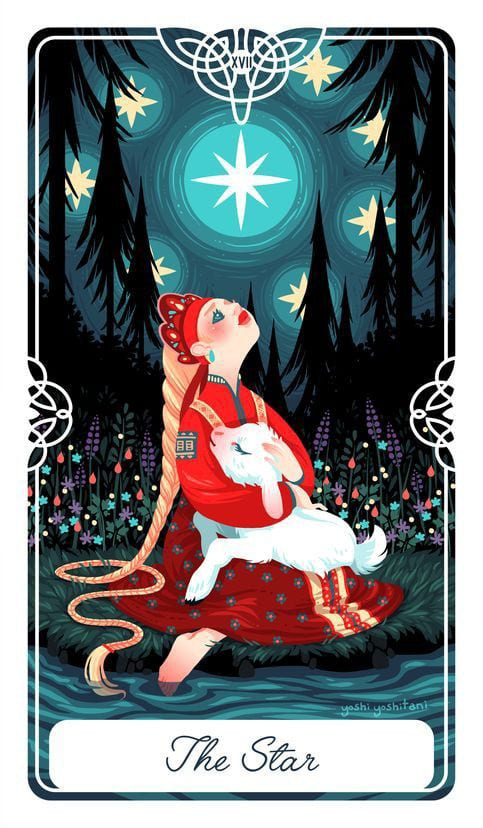
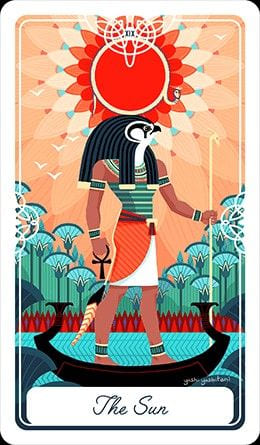
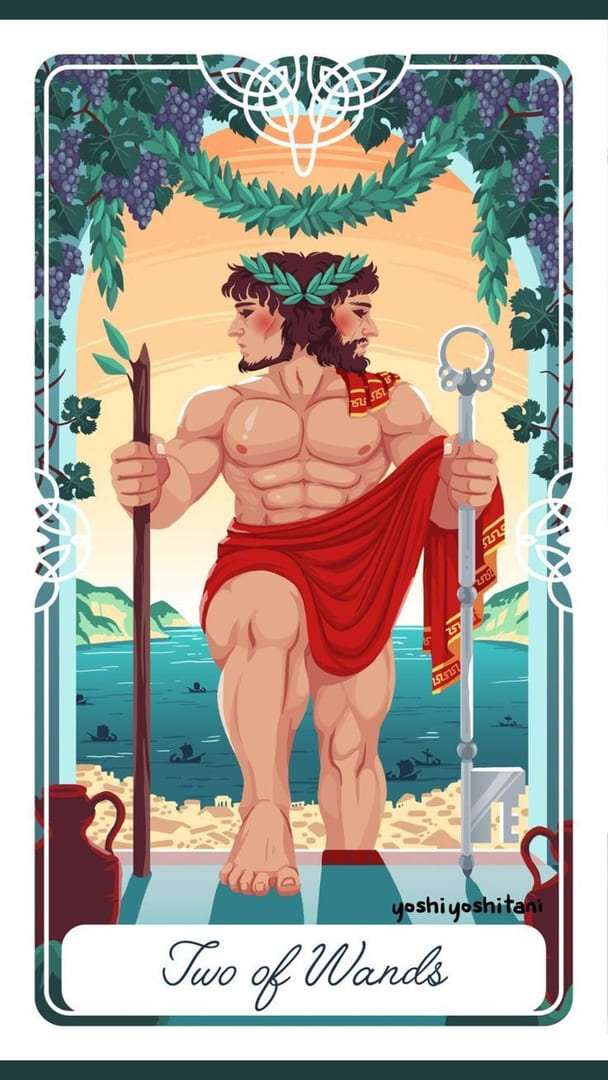
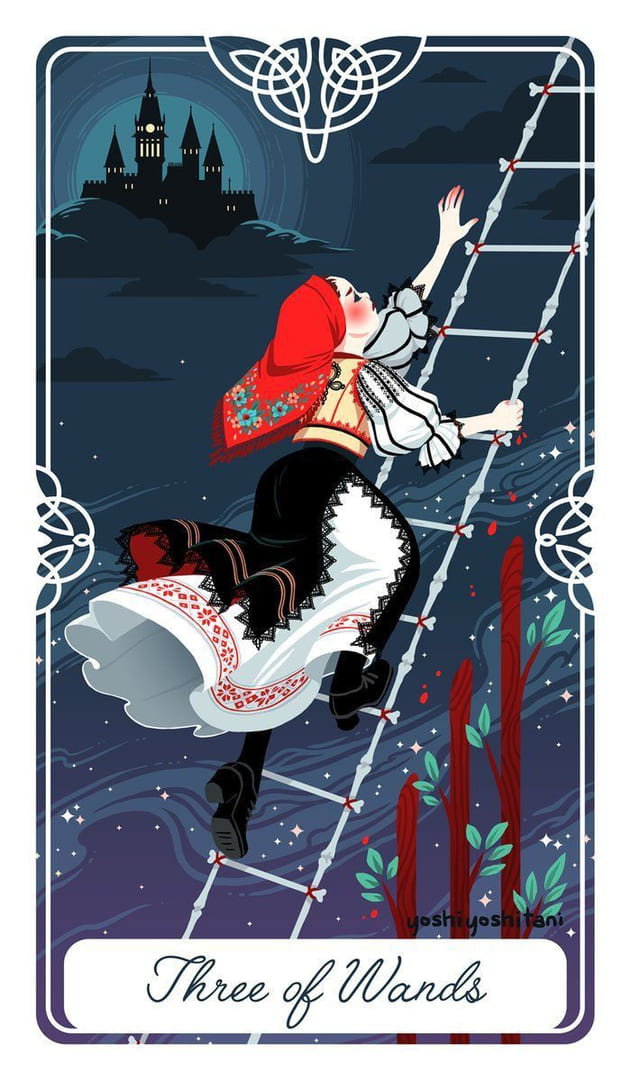
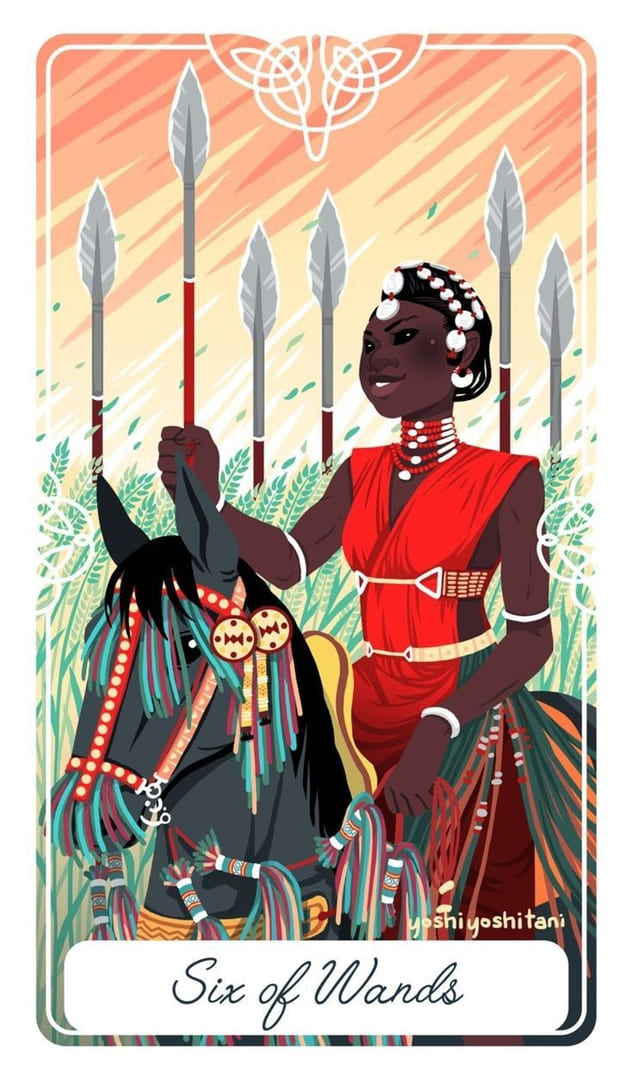
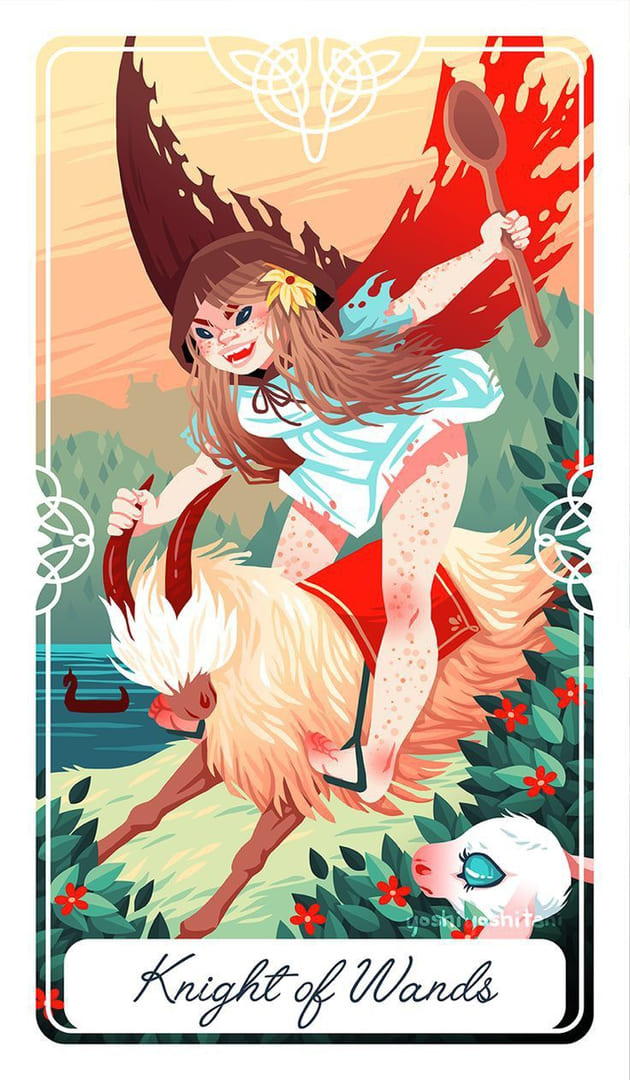
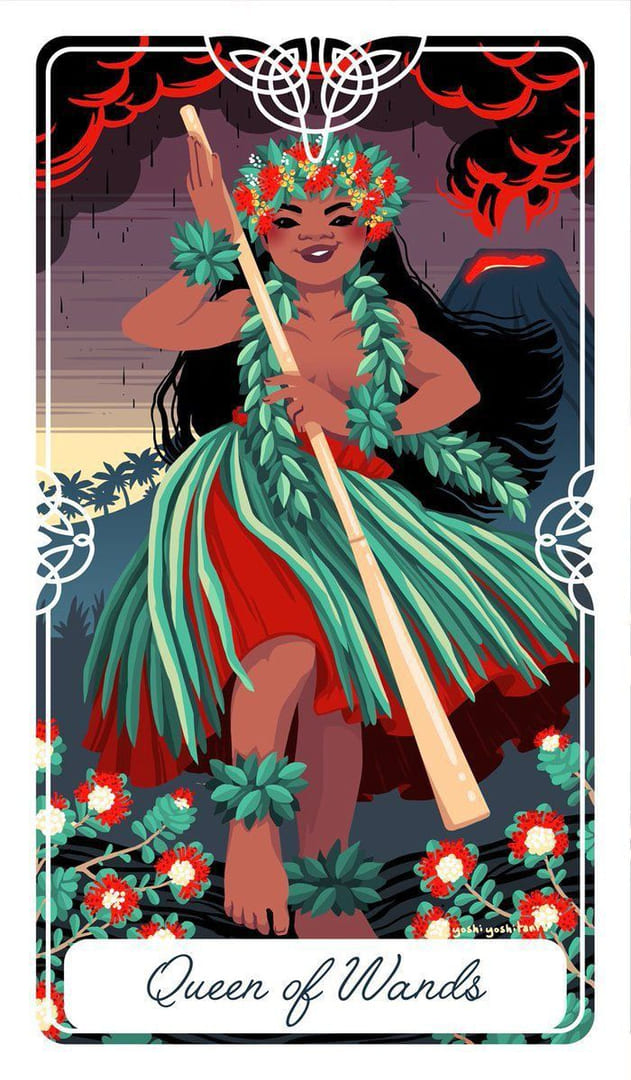
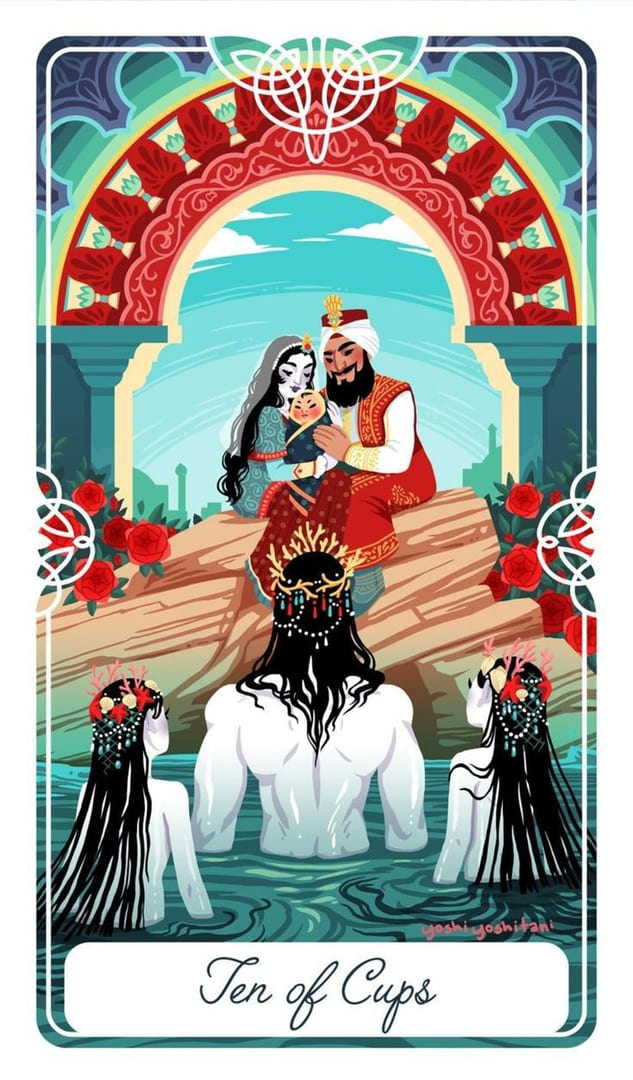
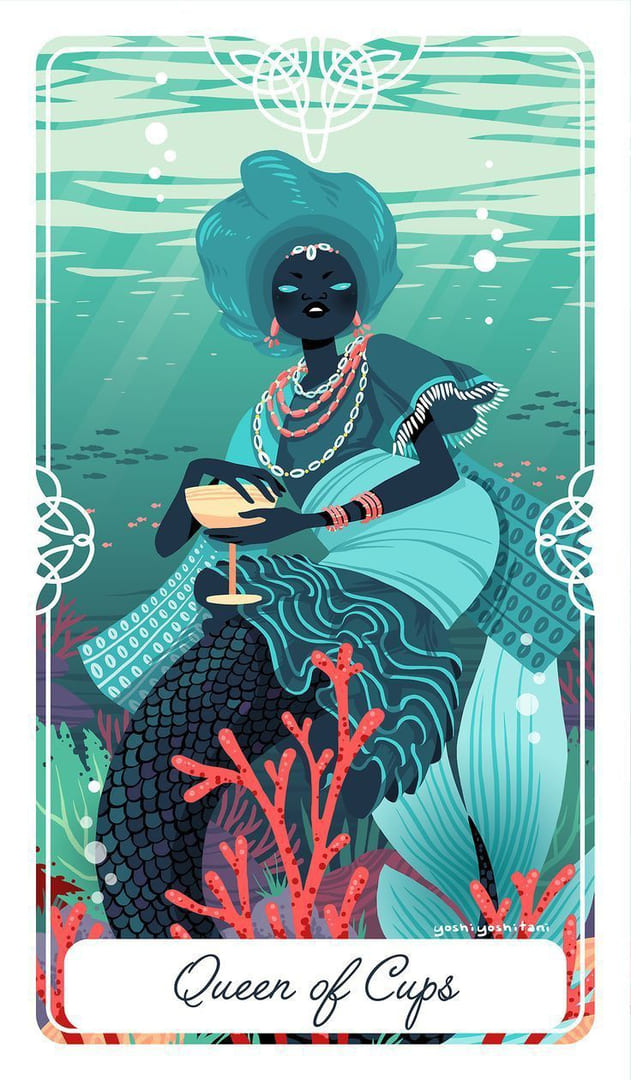
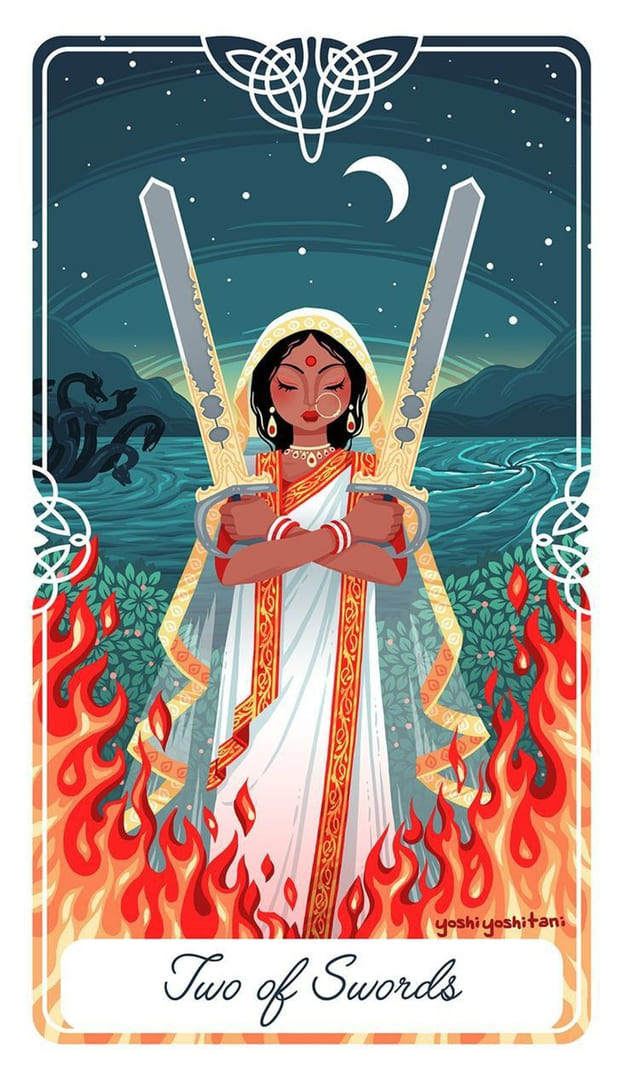
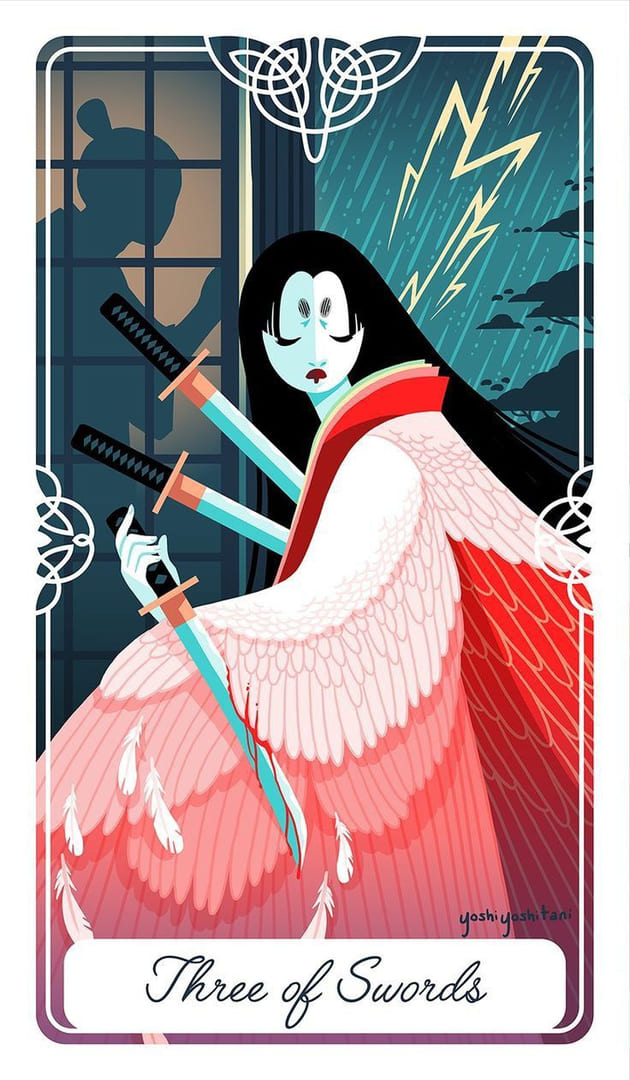
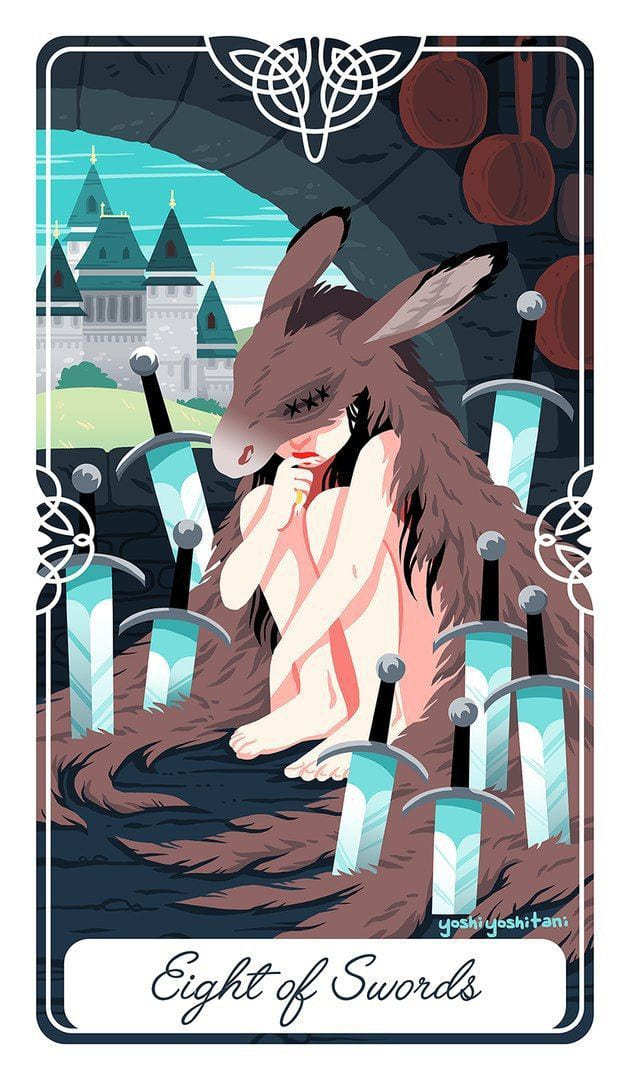
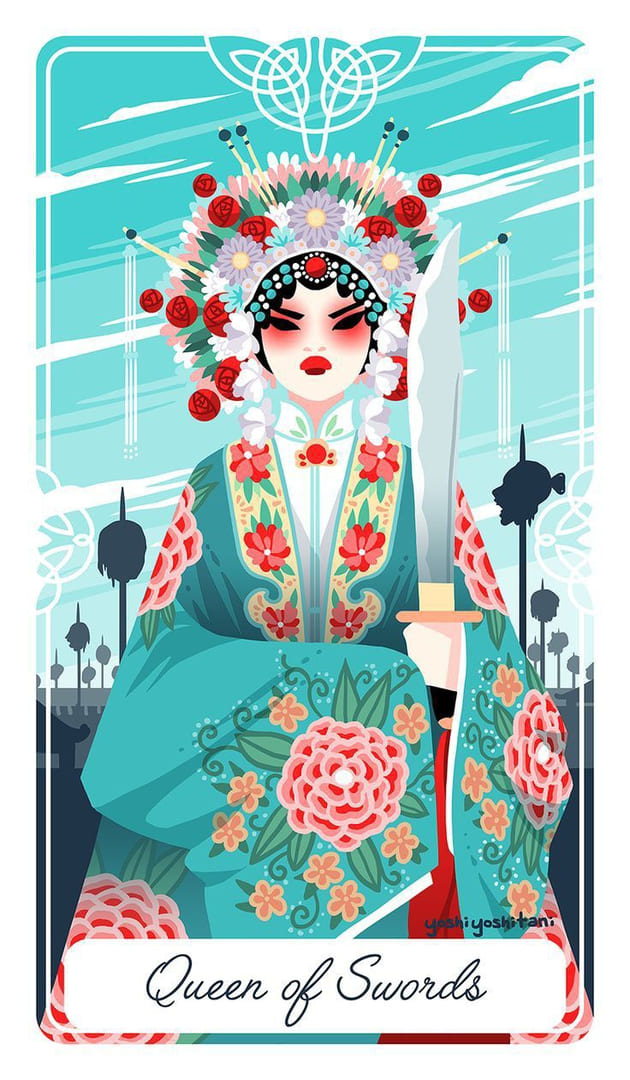
Yoshitani's art is vibrant, richly colored, and stylistically influenced by contemporary illustration and animation aesthetics. Each card features a scene from a specific myth, fairy tale, or legend from cultures around the world — including Japanese, Korean, Norwegian, Yoruba, Lakota, Maori, Persian, Romanian, and many more. The illustrations are clean-lined, digitally rendered, and highly saturated, with an approachable storybook quality that feels both modern and timeless. The cardstock is sturdy and smooth with a pleasant handling quality.
Core Concept & Symbolism
The deck's central concept pairs each of the 78 tarot cards with a specific myth, fairy tale, or divine story from a different cultural tradition worldwide. It is based on the Rider-Waite-Smith system, with traditional tarot archetypes reinterpreted through multicultural folklore — for example, the Fool might be paired with a trickster tale, while the Tower draws on a story of catastrophic transformation. This framework makes the deck simultaneously a tarot tool and a cultural anthology, encouraging readers to explore world mythology alongside tarot meanings.
Reading Experience
The deck was widely praised as one of the magnificent tarot gems of 2020. Reviewers consistently highlight the immaculate artwork and the imaginative color palette. Benebell Wen gave it a detailed positive flip-through, and multiple review sites praised the production quality. However, some experienced tarot community members raised concerns about cultural representation and the challenge of pairing complex cultural stories with fixed tarot meanings. Reviewers generally agree the deck is better suited for intermediate and advanced readers who already know RWS meanings, as beginners may find the multicultural overlay adds a high initial research requirement.
Best Used For
- Readers interested in world mythology, folklore, and fairy tales
- Intermediate and advanced readers who enjoy layered symbolic exploration
- Cultural education alongside tarot practice
- Collectors drawn to vibrant contemporary illustration
- Readers who appreciate diverse, multicultural representation
- Paired study with the companion book "Beneath the Moon"
Not Ideal For
- Complete beginners who need straightforward RWS imagery to learn
- Readers who prefer traditional Western esoteric symbolism without cultural overlay
- Those seeking minimalist or muted visual aesthetics
Major Arcana (22 cards)
The 22 trump cards representing life's spiritual lessons and karmic influences











Minor Arcana (56 cards)
The 56 suit cards reflecting day-to-day events and practical influences
Wands
Fire element — passion, creativity, ambition, and spiritual growth






Cups
Water element — emotions, relationships, intuition, and inner feelings





Swords
Air element — intellect, conflict, truth, and mental clarity






Pentacles
Earth element — material world, finances, health, and practical matters