How to Celebrate Ostara: 10 Simple Rituals for the Spring Equinox
You don’t need to get it perfect
Let me say this upfront: there’s no Ostara police. Nobody is checking whether your altar has the right number of eggs or whether you pronounced a blessing correctly. The whole point of celebrating the spring equinox is to pause, notice the shift happening around you, and do something — anything — to mark it with intention.
Some of these rituals take five minutes. Some take an afternoon. Pick what speaks to you and leave the rest. You can always come back next year.
1. Plant seeds with a spoken intention
This is the most classic Ostara ritual, and it works on two levels at once. You’re literally putting seeds in soil, and you’re metaphorically planting whatever you want to grow in your life.
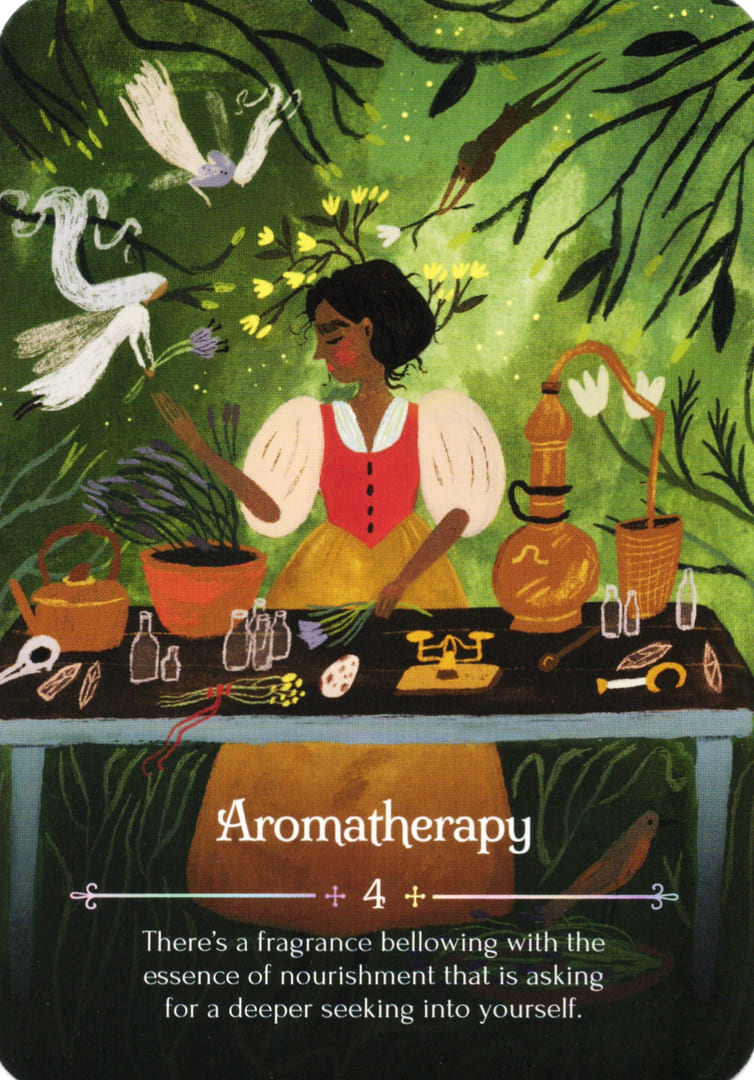
How to do it: Get a small pot, some soil, and seeds — herbs like basil or lavender are perfect for windowsill gardens. Before you drop the seed in, hold it in your palm and say out loud what you want to nurture this season. “I’m planting courage.” “I’m planting rest.” “I’m planting that side project I keep putting off.” Then plant it and water it. Every time you tend it over the coming weeks, you’re tending that intention too.
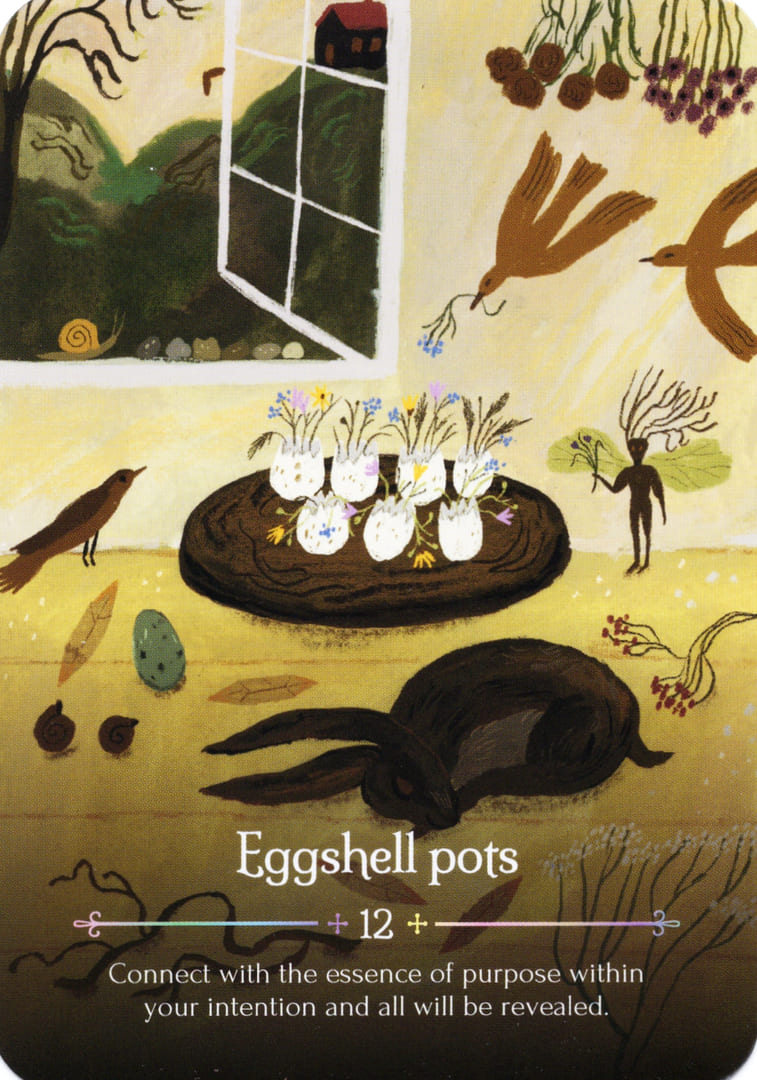
Apartment version: Plant seeds in cleaned eggshell halves set in an egg carton. When the seedlings outgrow the shells, you can transplant them — the shell becomes part of the soil.
2. Set up a simple spring altar
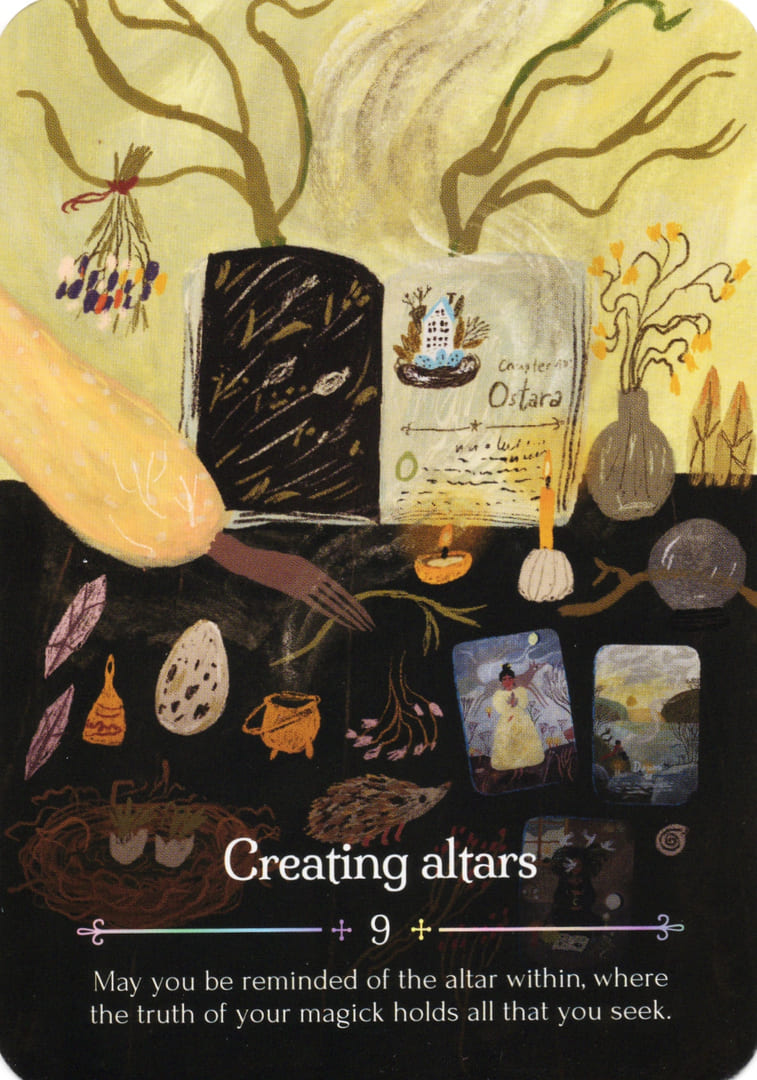
An altar is just a dedicated space that holds the energy of what you’re working with. It doesn’t need to be elaborate.
The basics: Find a surface — a shelf, a windowsill, a corner of your desk. Add a few elements:
- Fresh flowers (even a single daffodil from the grocery store)
- An egg (raw, hardboiled, or decorative)
- A candle in a spring color — green for growth, yellow for light, white for fresh starts
- A crystal if you have one (green aventurine and citrine are classic Ostara picks)
- Anything that represents your spring intention
Leave it up through the end of March. Let it be a visual reminder that something new is growing.
3. Decorate eggs with symbols
Decorating eggs at Ostara predates Easter by centuries — possibly millennia. But instead of pastel dye and stickers, try a more intentional approach.
How to do it: Hardboil some eggs (or use wooden ones if you want them to last). With a marker, paint pen, or wax crayon, draw symbols that represent what you want this spring. A spiral for growth. A sun for energy. A heart for love. A rune or sigil if that’s your practice. You can also write words directly on them: “abundance,” “clarity,” “peace.”
Place them on your altar or in a basket as a centerpiece. If you used real eggs, eat them within a day or two — you’re literally taking in the intention.
4. Greet the sunrise
This connects to the oldest layer of Ostara — the honoring of Eostre as a dawn goddess. The equinox sunrise is the moment the scales tip toward light.
How to do it: On or near March 20, set your alarm, go outside (or stand at an east-facing window), and watch the sun come up. Bring a cup of tea or coffee. No words needed. Just be present with the shift. If you want to add something, light a candle at the moment the sun appears and let it burn through the morning.
This is one of those things that sounds simple and is — but the feeling of deliberately witnessing the equinox dawn stays with you all season.
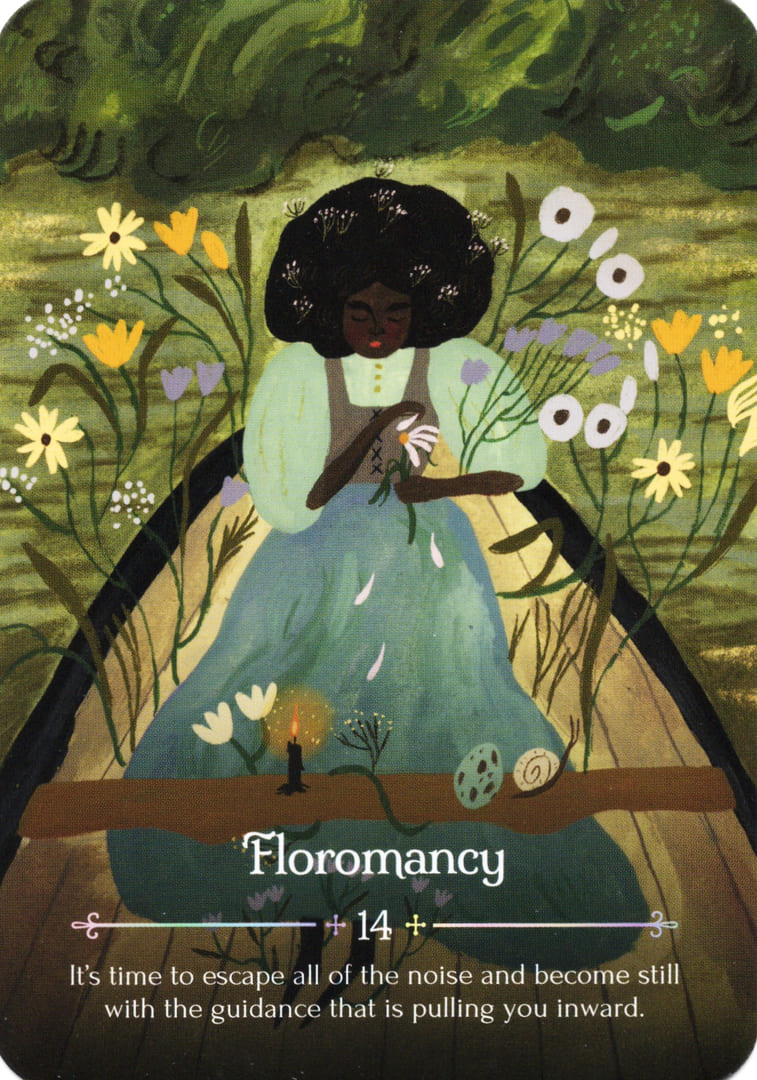
5. Pull a tarot or oracle card for the season
Ostara is a natural threshold, and thresholds are where divination shines. A spring equinox card pull can set the tone for your entire growing season.
Simple approach: Shuffle your deck while thinking about what spring holds for you. Pull one card. Sit with it. What does it suggest about where your energy wants to go?
Three-card approach: Pull three cards for: What is waking up in my life? / What needs balance? / What will bloom if I tend it?
If you don’t have a physical deck, this is exactly what Elvi is for — ask her for an Ostara reading and she’ll guide you through it with whatever deck calls to you.
6. Write a letter to your future self
This is less traditional but deeply effective. The equinox sits at a balance point — you can see where you’ve been (winter) and where you’re going (spring and summer).
How to do it: Write a letter dated six months from now (around the autumn equinox, Mabon). Tell future-you what you’re hoping for, what you’re afraid of, what you’re planting. Be honest — nobody reads this but you. Seal it and put it away. When September comes, open it and see how far you’ve traveled.
7. Do a release-and-renew ritual
The equinox is about balance — equal light and dark. That makes it the perfect time to let go of something from winter and welcome something new.
How to do it: Take two pieces of paper. On one, write what you’re releasing — a habit, a fear, a relationship pattern, a story you tell yourself. On the other, write what you’re inviting in. Burn the first paper safely (a fireproof bowl or your candle flame). Keep the second one on your altar or tuck it in your journal.
No fire available? Tear the release paper into tiny pieces and throw them away. The physical act of destruction still works.
8. Cook something seasonal
Food is one of the oldest ways humans mark time. An Ostara meal doesn’t need to be a feast — even making one seasonal dish with intention counts.
Classic Ostara foods:
- Eggs in any form (the #1 Ostara food — frittata, deviled eggs, shakshuka)
- Fresh bread or hot cross buns (the equal-armed cross represents the four directions)
- Spring greens — asparagus, peas, arugula, fresh herbs
- Honey (sweetness of the returning sun)
- Anything with lemon or lavender
While you cook, think about what you’re feeding — not just your body, but your spirit. Set a place at the table with a candle. Make it just a little bit special.
9. Take a spring walk with attention
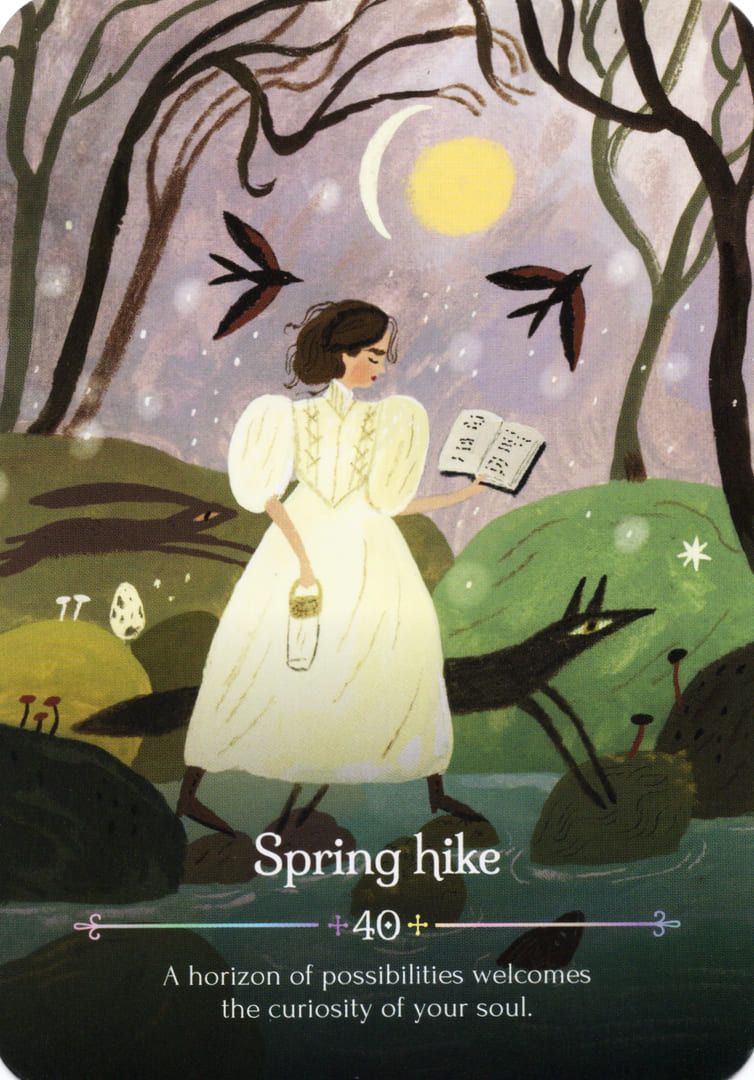
Not just any walk — a walk where you actually look. The equinox is the turning point, and nature is full of evidence if you slow down enough to see it.
How to do it: Go outside — a park, a garden, even a city sidewalk with tree-lined curbs. Walk slowly. Notice what’s pushing up through the soil. What buds are forming. What birds you hear. Pick up a small natural object (a stone, a fallen bud, a feather) and bring it home for your altar.
This is the simplest and possibly most powerful Ostara ritual: just paying attention to what the earth is already doing.
10. Do a spring cleaning with intention
“Spring cleaning” isn’t just a cultural habit — it has roots in seasonal magic. Clearing stagnant energy from your space makes room for what’s coming.
How to do it: Pick one area — a closet, a drawer, your desk, your digital files. As you sort and clean, think of it as an energetic practice, not just a chore. What are you making space for? When you’re done, open a window (even briefly), light incense or a candle, and say something simple: “This space is clear and ready for spring.”
You don’t have to clean the whole house. One focused area with intention beats frantic tidying without it.
Mix and match — there’s no wrong answer
The best Ostara celebration is the one you actually do. Maybe that’s three of these rituals woven into a full afternoon. Maybe it’s just #5 — a single card pulled at your kitchen table while the coffee brews. Maybe it’s cooking eggs and thinking about what you want.
This year Ostara falls on a Friday, which means you’ve got a whole weekend to ease into spring energy. No rush. The light is coming back whether you’re ready or not — but marking the moment makes you ready to meet it.
Frequently Asked Questions
What is the easiest way to celebrate Ostara?
The simplest Ostara celebration takes five minutes: light a green or white candle, hold an egg in your hands, think about one thing you want to grow this spring, and say it out loud. That's it — intention plus a seasonal symbol. No altar, no supplies, no experience needed.
Can you celebrate Ostara in an apartment without a garden?
Absolutely. Plant seeds in eggshells or small pots on a windowsill, decorate eggs with symbols, set up a mini altar on a shelf, or do a tarot reading by a window at sunrise. Ostara rituals work with intention, not acreage.
What do you put on an Ostara altar?
Fresh spring flowers (daffodils, tulips, crocuses), decorated eggs, seeds, pastel candles (green, yellow, lavender), crystals like green aventurine or citrine, and any images that represent what you want to grow. Keep it simple — even a single flower and a candle count.
Do I need to celebrate Ostara exactly on March 20?
No. The spring equinox marks the peak, but Ostara energy spans roughly from mid-March through early April. Celebrate whenever the timing feels right for you — the weekend after the equinox works just as well as the day itself.