Review: Everyday Witch Tarot — Cozy Magic
First Impressions
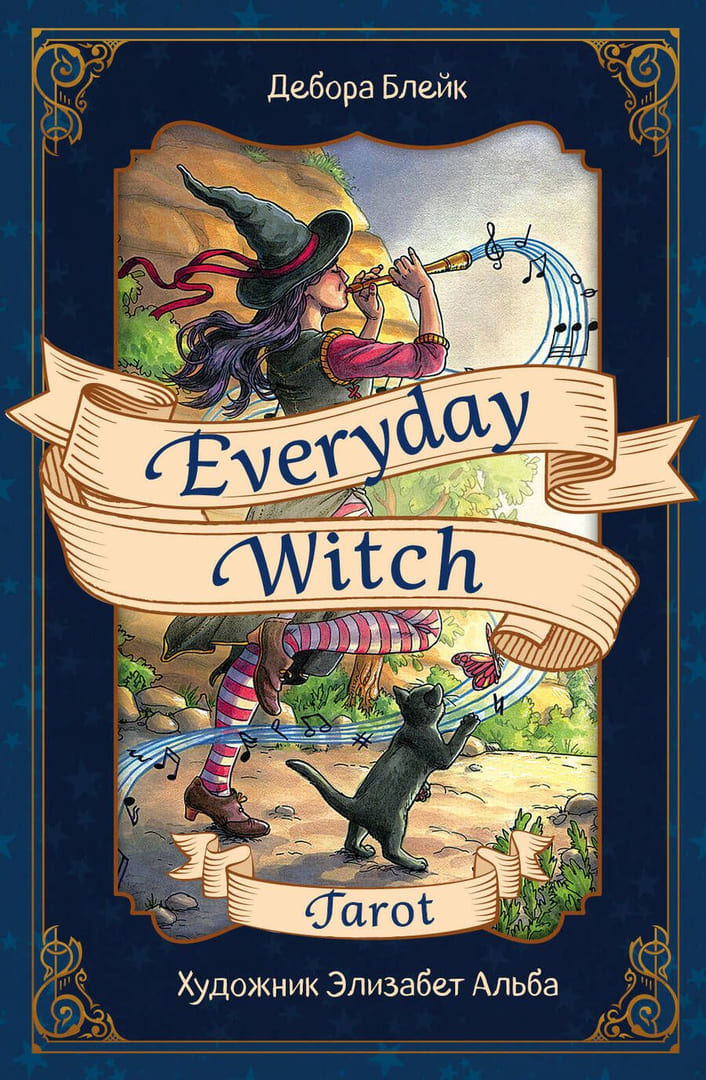
Some decks announce themselves with drama and mystery. The Everyday Witch Tarot does something different — it sits down beside you, pours a cup of tea, and asks how you’re really doing. The first things I noticed: there’s a cat on almost every single card (only five out of seventy-eight go without a feline companion), and the witches aren’t posing dramatically under moonlight. They’re living their regular magical lives. Doing yoga. Cooking in cozy kitchens. Reading by candlelight. And somehow, finding real magic in all of it.
This deck doesn’t try to impress you or intimidate you. It’s the tarot equivalent of a wise friend who happens to practice witchcraft — warm, honest, and surprisingly perceptive.
About the Deck
The Everyday Witch Tarot is a collaboration between Deborah Blake, a prolific author of modern witchcraft books, and illustrator Elisabeth Alba. Published by Llewellyn in 2017, it quickly became one of the most recommended decks for beginners in the tarot community.
The set includes 78 cards and a 252-page full-color companion guidebook. The book deserves special praise — it doesn’t just list meanings, it explains each card in the context of real life, with thoughtful reflection questions after every entry. There are blank note sections after each Major Arcana and suit, which is a small touch that shows real care for the reader’s journey.
Cards come in a sturdy magnetic box, sized at 2.75” × 4.60” with slightly rounded corners. The backs feature a night sky with a witch’s broom, black cat, and pointed hat — charming, though not reversible (you’ll always know which cards are upside down).
Visual Style
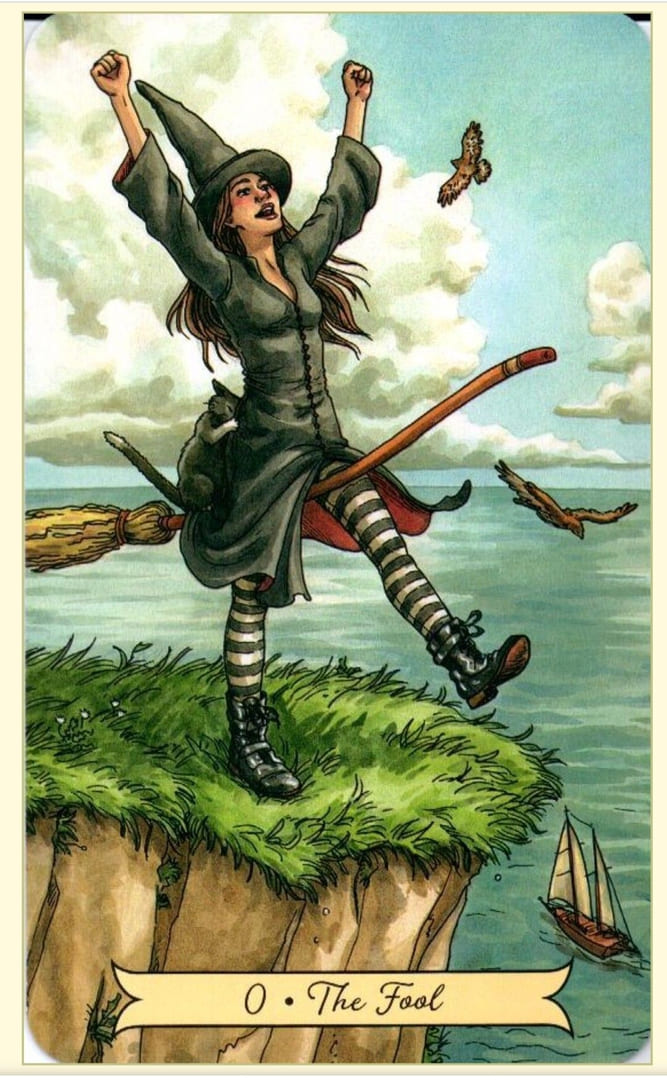
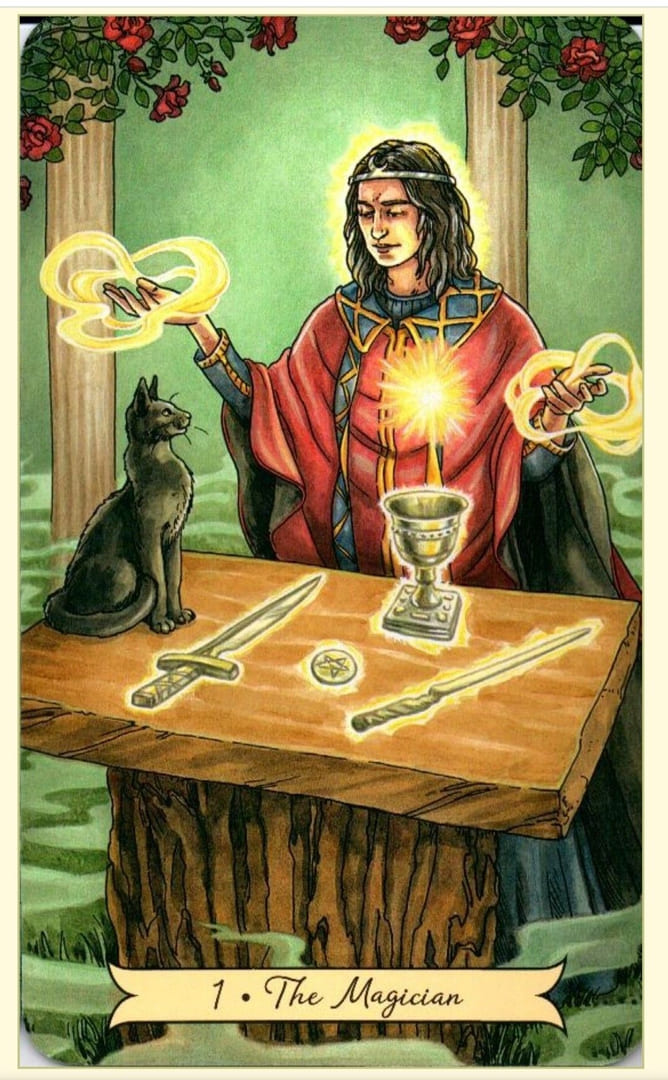
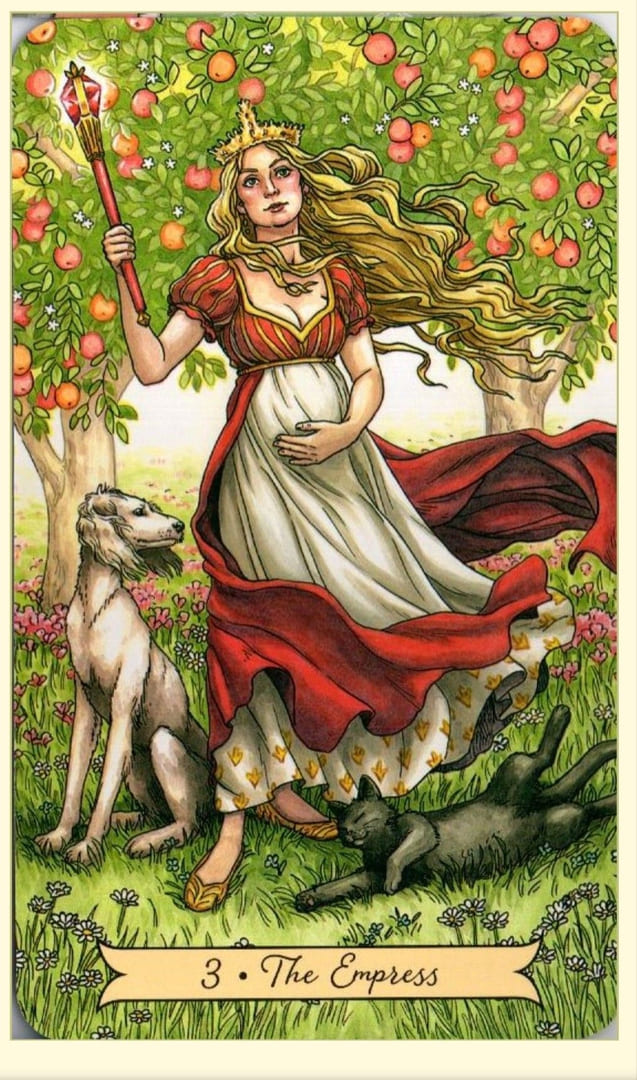
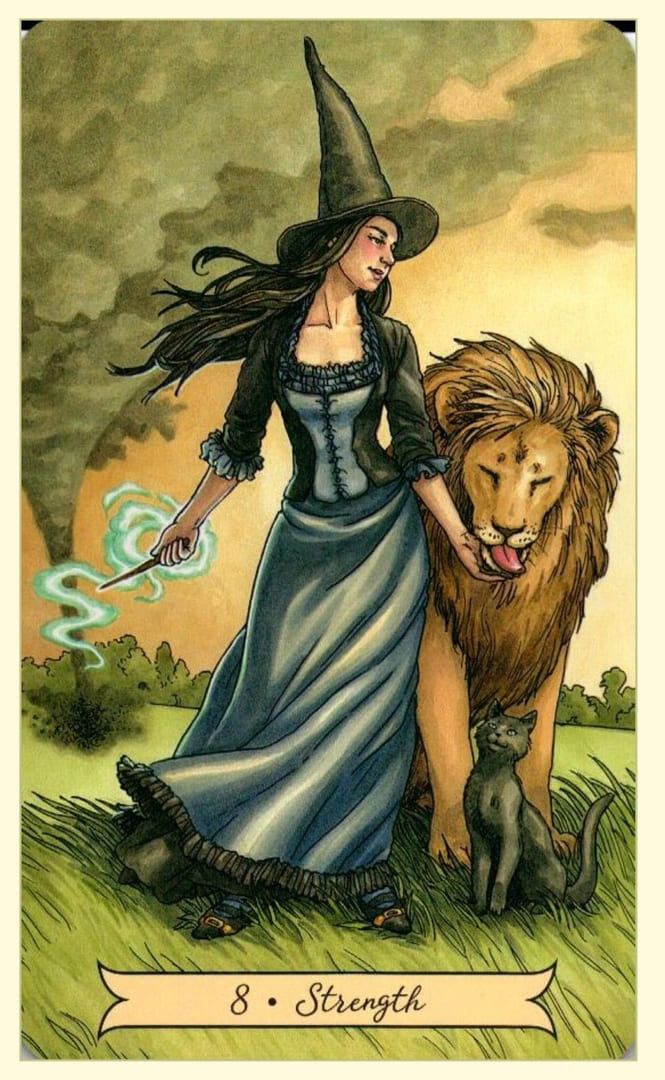
Elisabeth Alba works in watercolor and gouache, and you can feel it in every card — soft color transitions, gentle tones, lots of breathing room. The palette runs warm: peachy sunsets, rich greens, deep blue night scenes. Cards are borderless, letting the illustrations fill the entire surface.
The style sits somewhere between children’s book illustration and contemporary vignette. The witches wear pointed hats and striped stockings, but also ride motorcycles and sip cocktails. It’s fantasy with a sense of humor, and the balance between magical and modern is pitch-perfect.
The skies deserve special mention — Alba paints them as characters in their own right: moody, peachy, stormy, luminous. And yes, the cats. Cats everywhere. They’re not background decoration — they’re full participants with their own personalities and reactions to what’s happening in each scene.
Core Themes
The Everyday Witch Tarot is built on a simple but resonant idea: magic isn’t just about rituals under the full moon (though those count too) — it’s about how you live each day. How you make your morning coffee. How you talk to a friend going through a hard time. How you handle loss with grace.
Key themes running through the deck:
- Sacred mundane — finding magic in daily routines, treating self-care as genuine spellwork
- Friendship and community — witches are often shown together, supporting each other
- Quiet strength — not loud or aggressive, but a calm self-assurance
- Self-reflection without drama — the deck asks honest questions gently
- Cats as mirrors — the feline companions reflect the emotional tone of each card, often more honestly than the human figures
The deck deliberately avoids heavy esotericism. There’s no Judeo-Christian iconography, no frightening imagery. Even traditionally “difficult” cards like The Tower and The Devil are framed through everyday experience rather than cosmic catastrophe.
Favorite Cards
The Fool
A dark-haired witch perched on a broomstick, ready to leap off a cliff into the unknown. Eyes closed, hands raised — pure trust in the moment. And her black-and-white cat has one paw gripping the cloak, the other covering its eyes. The cat knows this is insane, but will follow her anywhere. This card is the entire deck distilled into one image: boldness, humor, and tenderness in a single frame.
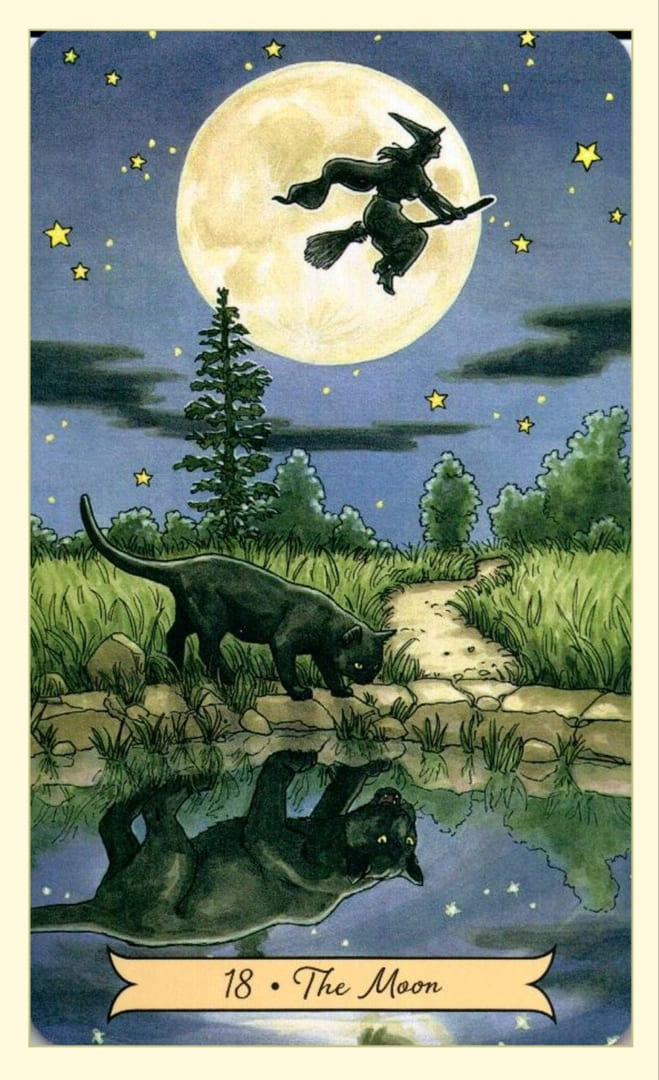
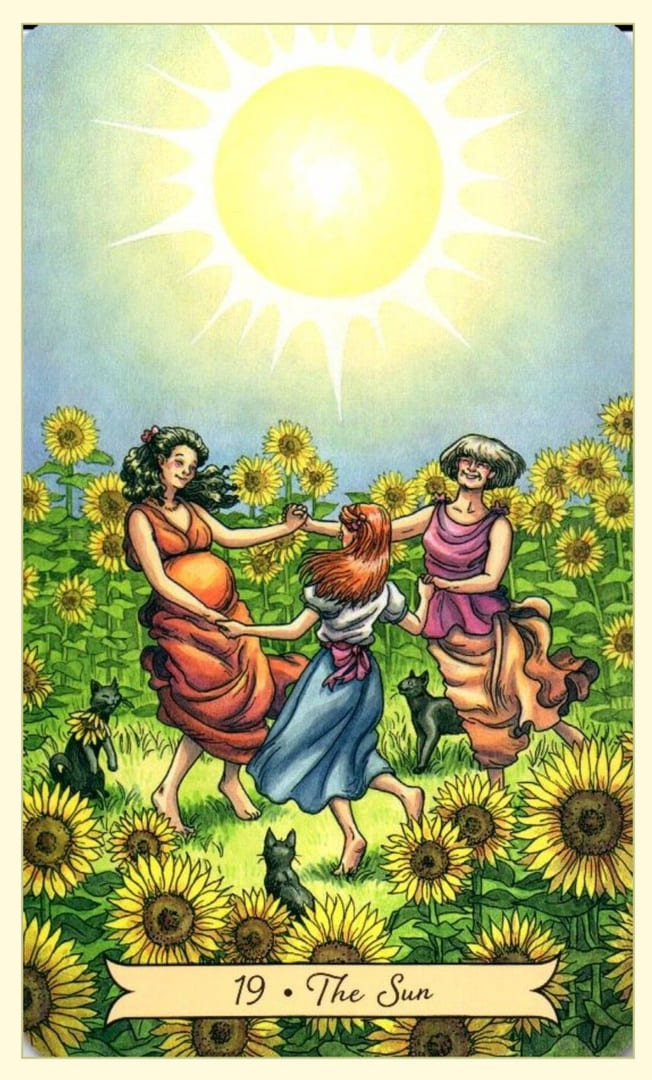
The Moon & The Sun
I pair these because the contrast between them is a joy in itself. The Moon gives you the deck’s signature image — a classic witch silhouette flying across the full moon. Mystery, intuition, that feeling when you sense something but can’t name it.
The Sun is the polar opposite: three witches dancing together under bright skies, joy radiating from the card. It’s a celebration of friendship and belonging, a reminder that magic works best in a circle.
Strength
Strength in this deck isn’t about taming a lion. It’s a witch whose power lives in quiet confidence — she’s not proving anything to anyone, but you can feel that this woman can handle whatever comes. The card reminds you that real strength isn’t volume, it’s the ability to stay yourself regardless of circumstances.
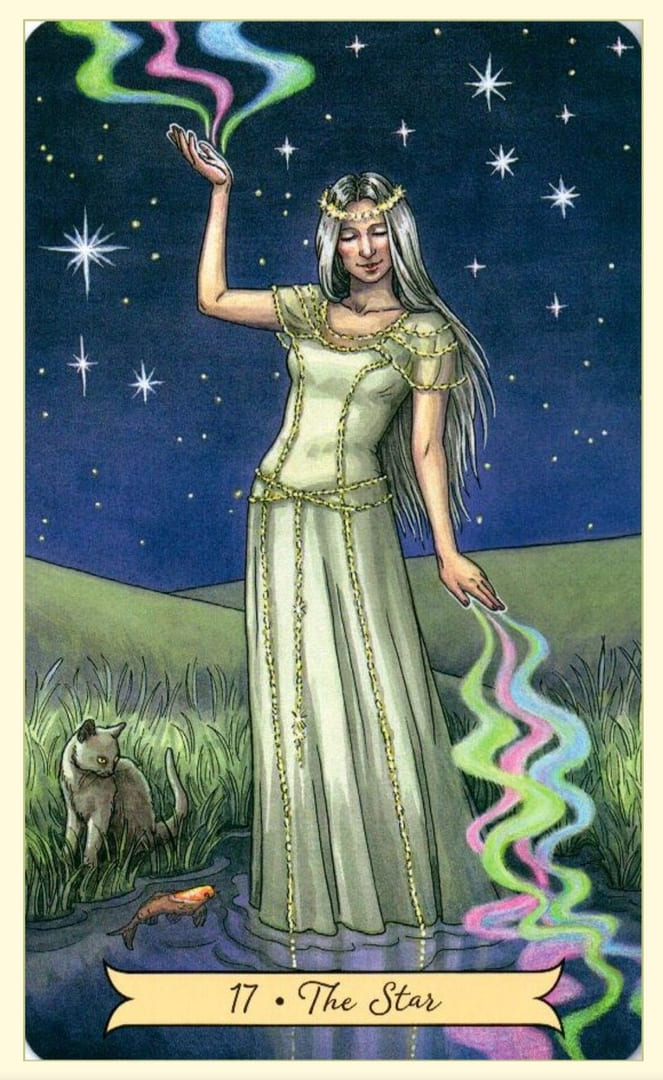
The Star
Hope, exhale after the storm, light at the end of the tunnel — all of it is The Star. In this deck’s interpretation, the emphasis falls on the idea that after the darkest moments, there’s always a path up. Particularly good for those mornings when nothing seems to be working. Pull this card at dawn and the day shifts.
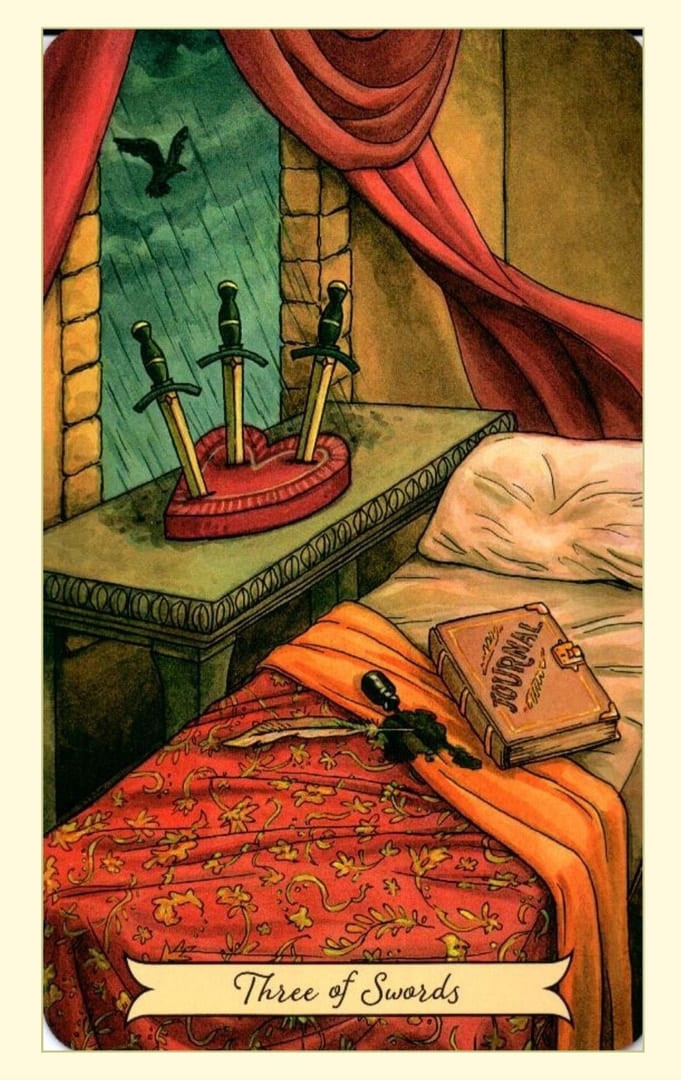
Three of Swords
One of the most unusual interpretations in the deck. Instead of the familiar bleeding heart, three swords pierce a box of chocolates. The metaphor is precise: someone gave you a sweet promise, and inside — pain. The guidebook is especially honest here: “I’m sorry. Maybe the situation can be resolved by talking things through. But probably not.” Even in the coziest deck, truth stays truth.
How to Work with This Deck
The Everyday Witch Tarot is built for regular practice, not rare dramatic sessions. Here’s what works best:
- Card of the day — the ideal format for this deck. Pull a card each morning, read the guidebook entry, write a few notes. Come back in the evening and see how the card manifested.
- Three-card spreads — past/present/future or situation/obstacle/advice. The deck shines in simple layouts where each card gets real attention.
- Everyday questions — not “what awaits me in my next life” but “how do I handle this work situation” or “what will help me recharge this week.”
- Use the guidebook — seriously, it’s worth it. The reflection questions after each card often give more than the spread itself.
Who Is This Deck For
Great fit:
- Absolute beginners — if you’ve never held tarot cards before, start here
- Modern witchcraft practitioners who see magic as part of daily life
- Anyone drawn to cozy witchy aesthetics and cat companions
- People looking for a gentle, non-aggressive tool for self-reflection
Probably not:
- Deep shadow work — the deck is too light to push you into dark corners
- If diversity in representation matters to you — all characters are young, slim, and white
- Fans of heavy esotericism or classical iconography
- The cardstock is thinner than average — heavy use will show wear quickly
Deck Pairings
The Everyday Witch Tarot pairs beautifully with decks that carry deeper energy:
- Dark Wood Tarot — for the shadow work that Everyday Witch won’t touch. Use Everyday Witch for morning pulls and Dark Wood when you need to dig deeper.
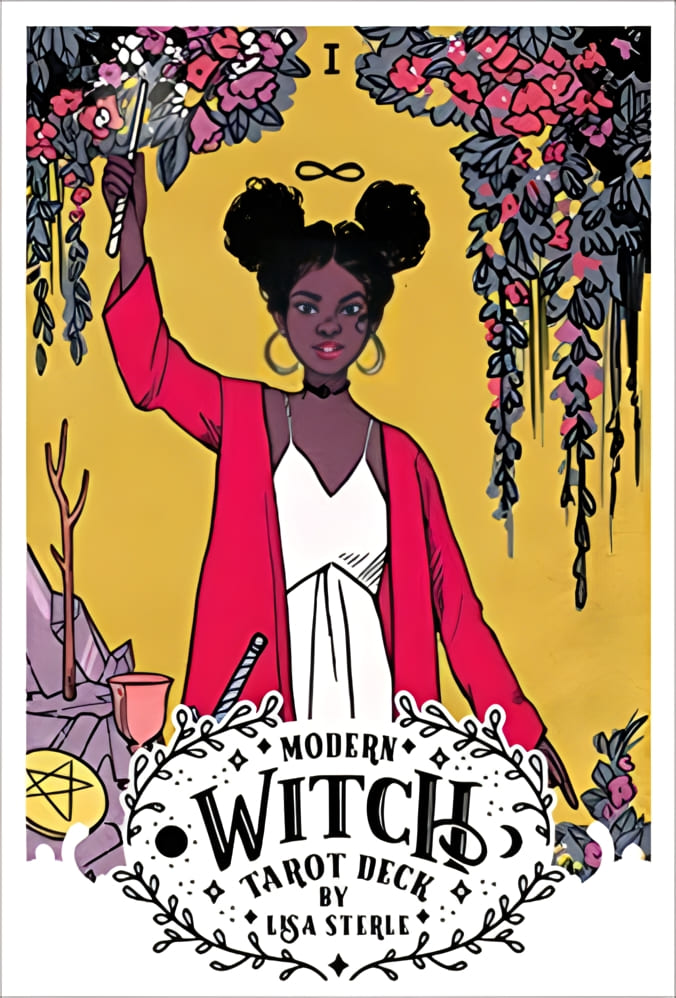
- Modern Witch Tarot — similar spirit, different visual language. Together they create the feeling of a witchy circle: one is cozy home practice, the other is stylish city magic.
- Everyday Witch Oracle — the sister deck from the same creators. Tarot for specific questions, oracle for general direction — together they cover everything.
Try this deck in our app — do a reading and get to know each little witch up close!
Frequently Asked Questions
Is the Everyday Witch Tarot good for beginners?
Yes, it's one of the best beginner decks available. It follows the Rider-Waite-Smith structure, the illustrations are clear and emotionally expressive, and the 252-page full-color guidebook explains every card without being condescending.
How many cards are in the Everyday Witch Tarot?
78 cards: 22 Major Arcana and 56 Minor Arcana in four suits — Wands, Cups, Swords, and Pentacles. The structure follows the classic Rider-Waite-Smith system.
What makes the Everyday Witch Tarot unique?
Almost every card features a cat companion (only 5 cards lack one), and the witches are depicted in everyday situations — doing yoga, cooking, reading by candlelight. It finds sacred magic in mundane routines rather than dramatic rituals.
Who created the Everyday Witch Tarot?
Deborah Blake wrote the guidebook and card descriptions, and Elisabeth Alba created the watercolor and gouache illustrations. Published by Llewellyn in 2017.
Does the Everyday Witch Tarot have any drawbacks?
The cardstock is thinner than average and shows wear with heavy use. All characters are young, slim, and white — reviewers have noted the lack of diversity as a limitation.