Review: Tarot of the Divine — Myths of the World
Some decks are beautiful, some are clever, and some — like this one — are educational in the best sense of the word. Every time you shuffle it, you travel the world. Not metaphorically. Literally.
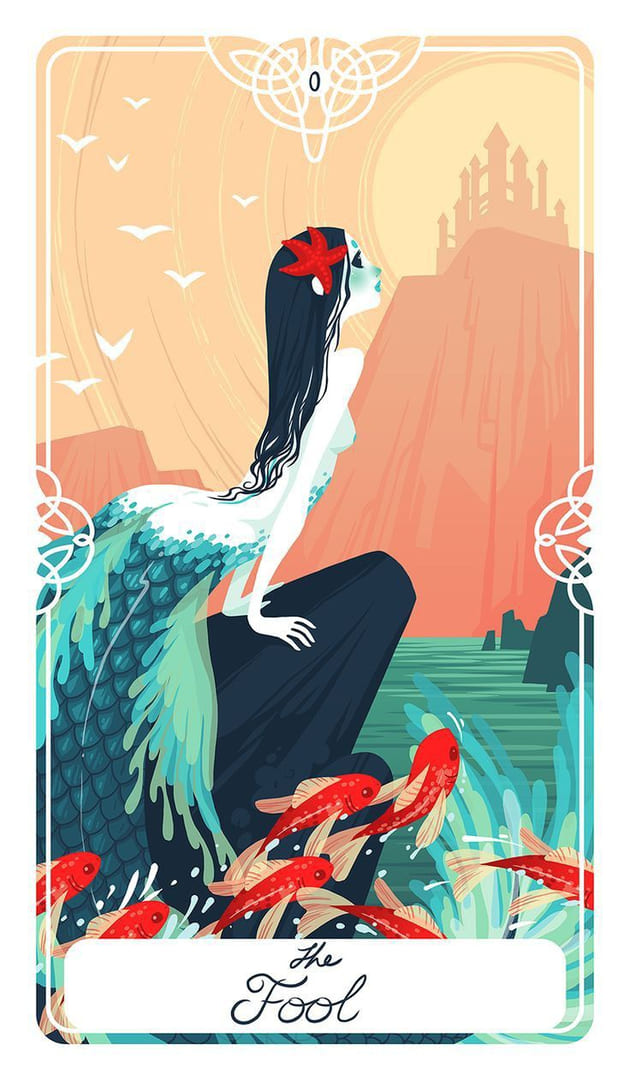
Tarot of the Divine is one of those decks that expanded my understanding of the archetypes. It shows that the Fool isn’t just the young man at the cliff edge in Rider-Waite — he’s also the Little Mermaid from the Danish fairy tale. And suddenly the card opens in a completely different way.
First Impressions
The first thing you notice is the color. Not muted, not vintage, not mysterious. Vibrant, saturated, alive. Corals, teals, golds, crimsons. Each card looks like an illustration from a contemporary children’s book — but in the best sense: the kind of children’s book you want to keep looking at when you’re forty.
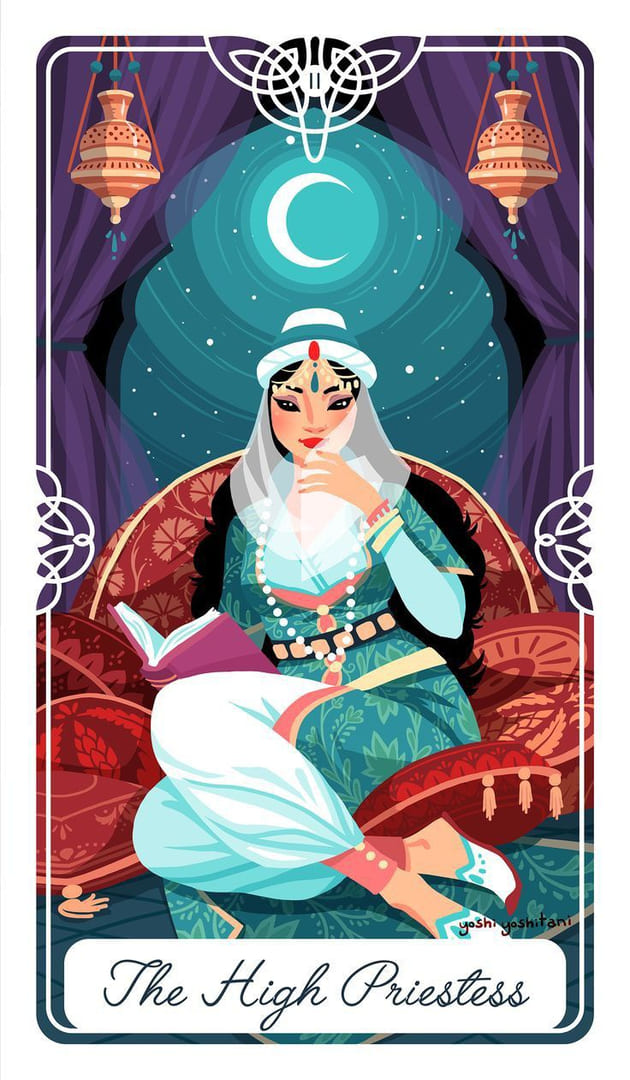
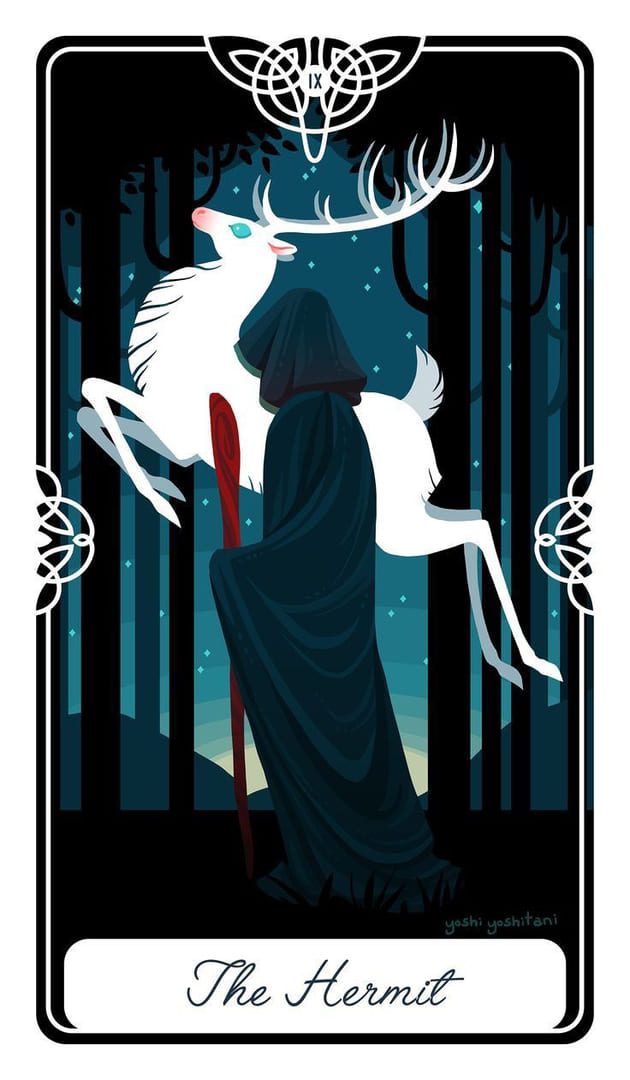
The second is the recognizability. You can tell immediately these aren’t random pretty pictures — they’re specific myths. Ra on the Sun. Scheherazade on the High Priestess. The White Stag in the forest on the Hermit. If you know the culture, you recognize the story. If you don’t, the companion book explains everything.
The third is the contemporary sensibility. The deck was made in 2020, and it shows. Female characters are active, bodies are varied, skin tones are varied, and the aesthetic draws from Disney and Ghibli animation traditions. Warm, living, never overloaded with esoteric baggage.
About the Deck
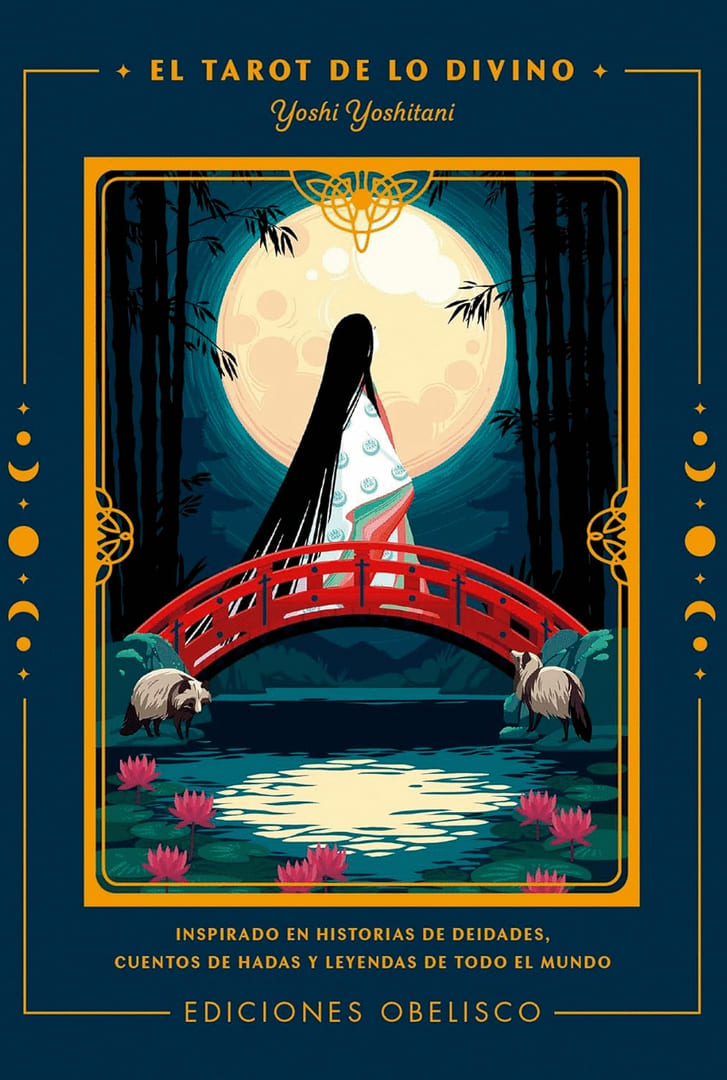
Tarot of the Divine was created by Yoshi Yoshitani and published by Clarkson Potter (Penguin Random House) in 2020. Yoshitani is a Japanese-American illustrator who has worked with Disney, Marvel, and other major publishers.
78 cards, classic Rider-Waite-Smith structure, standard suits (Cups, Pentacles, Wands, Swords). Court cards are Page, Knight, Queen, King. The key difference from a standard RWS deck is that every card pairs a tarot archetype with a specific myth, legend, or fairy tale from a specific culture.
For example: the Fool is the Little Mermaid (Danish, Andersen); the High Priestess is Scheherazade from One Thousand and One Nights; the Sun is the Egyptian god Ra; the Hermit is the White Stag from Celtic lore; the World is Hinemoa and Tutanekai from a Maori love legend.
The deck comes with a separate book — Beneath the Moon: Fairytales, Myths, and Divine Stories from Around the World. It’s an illustrated anthology where each myth is retold in full. Not just an appendix — a standalone book you can read on its own.
Visual Style
Yoshitani’s style is instantly recognizable: clean, fluid lines, flat bright colors, geometric stylization, with meticulous attention to costume and setting details. It’s an animation-style approach, but not childish — more like contemporary graphic illustration.
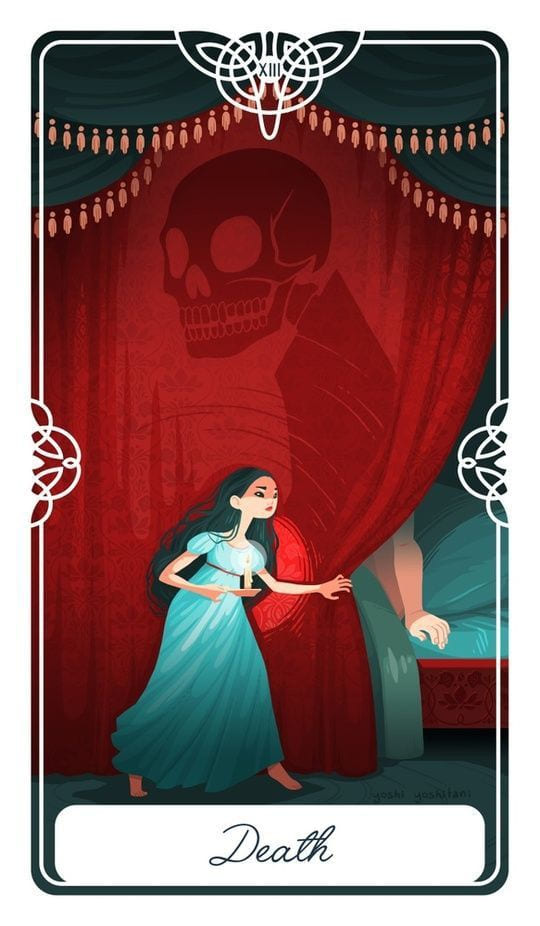
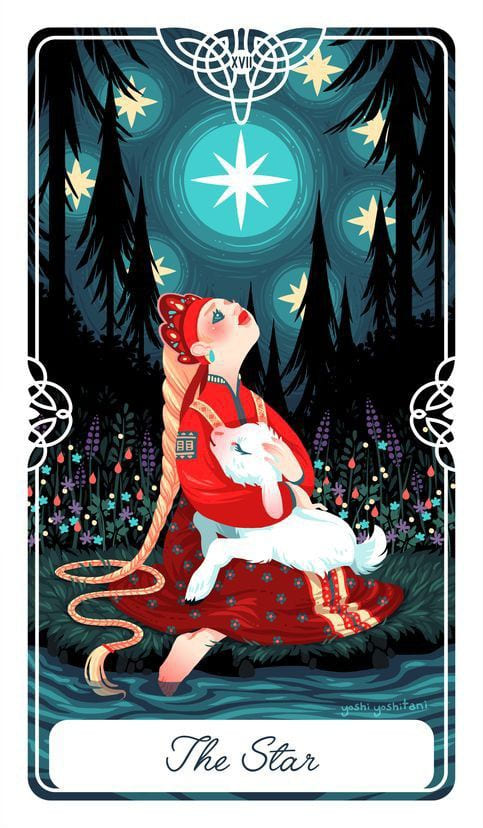
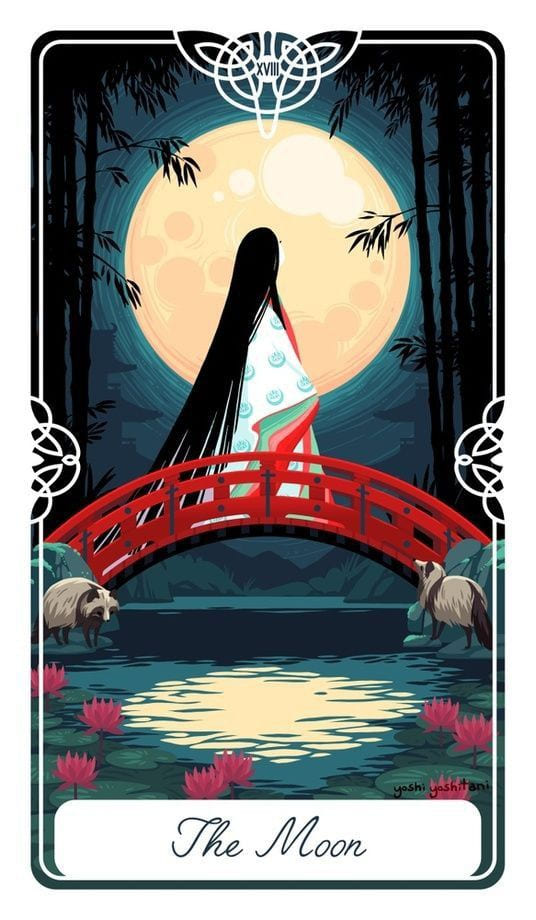
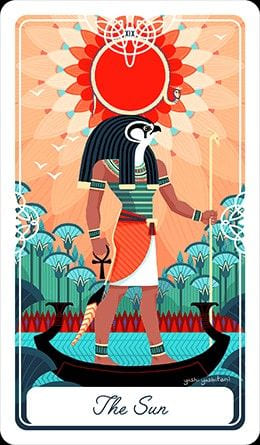
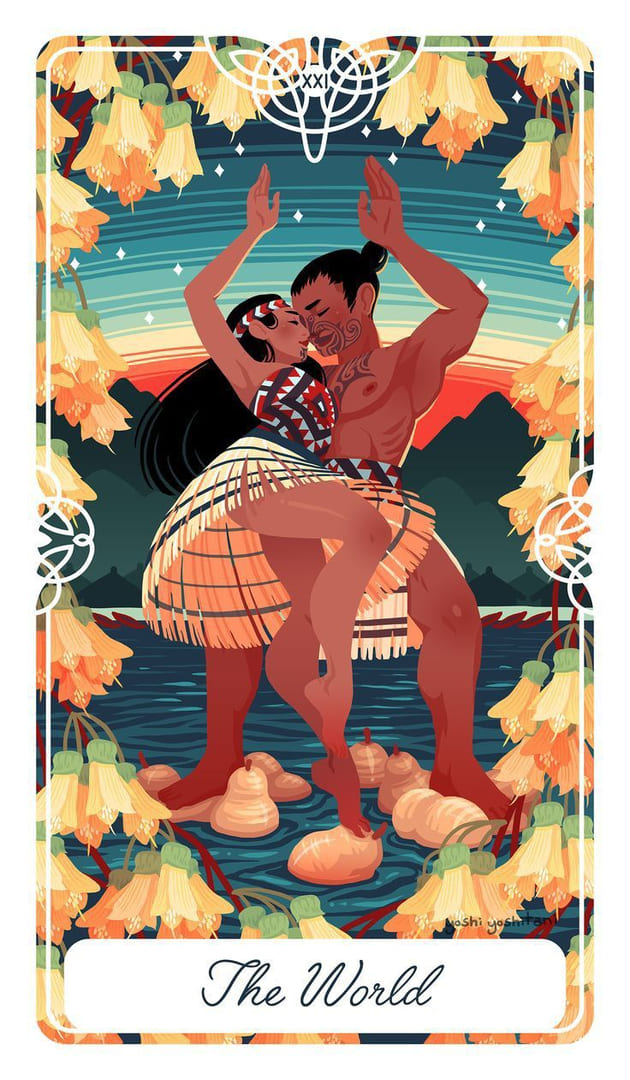
The palette is saturated but balanced: each card uses a color scheme that reflects its myth. The Sun is red, gold, and turquoise (Egypt). The Moon is deep blue with a red Japanese bridge. The World is tropical with red hibiscus. Death is muted grey with cool undertones.
The borders are decorative, featuring Celtic knotwork, and consistent across all arcana — which holds the deck together visually despite the massive variation between individual scenes.
Core Themes
The universal through the particular. The deck’s central idea is that tarot archetypes aren’t “Western” or “Eastern” — they’re universal, and each culture gives them a distinct face. This isn’t reduction to “all myths say the same thing.” It’s the opposite: a celebration of how one human situation (beginning, choice, loss, return) takes on specific form in different traditions.
Stories instead of abstractions. Standard tarot speaks in symbols (sword, cup, star). Tarot of the Divine speaks in plots: the love of Hinemoa and Tutanekai, the Little Mermaid’s journey, the trickery of Kokopelli. If narratives click for you more than symbols, this deck is yours.
Representation. Unlike many classical decks where most figures are white and European, this deck features diverse ethnicities, ages, and body types. Not as a statement, but as an organic fact — because myths belong to everyone.
Magic across traditions. Celts, Japanese, Lakota, Yoruba, Persians, Norwegians — each of these traditions carries deep magical heritage. The deck opens doors to all of them without flattening or merging them.
Favorite Cards
The Fool — the Little Mermaid from Hans Christian Andersen. A long-haired figure with a red flower in her hair sits on a rock by the sea, gazing toward a distant city perched on a cliff. Red fish splash in the water at her feet. The sky is peach-colored with seagulls. This isn’t a carefree youth — this is a young woman who knows what she wants and is ready to trade her tail to step onto dry land. A surprisingly precise reading of the Fool: not lightness, but a huge desire for the new that’s worth everything.
The World — Hinemoa and Tutanekai, a Maori love legend about a love that overcame the division of tribes. A couple in traditional dress (grass skirts, tribal ornaments) embraces, their bodies intertwined. Red hibiscus flowers, golden background, starry night sky. This is the World as meeting, as union after a long journey. It may be the warmest card in the whole deck.
The High Priestess — Scheherazade. She sits on red patterned cushions, holding an open book, finger to her lips in the classic storyteller’s gesture. White silk shalwar and a turquoise embroidered top, silver hair under a silver circlet. A crescent moon hangs in a starry sky above her, Arabic lanterns flanking her on both sides. This is the Priestess as keeper of stories: her power isn’t in knowing the answers but in knowing which story to tell when. A wisdom that’s intuitive rather than dogmatic.
The Hermit — the White Stag from Celtic mythology. A dark cloaked figure with a red staff stands in a night forest while a white stag with great antlers and glowing blue-green eyes leaps ahead of them. Deep blue tree trunks, a starry sky. In the Celtic tradition, the White Stag is a summoning — an invitation to leave earthly matters and follow the spiritual. Here the Hermit isn’t withdrawn for withdrawal’s sake; they’re following the call.
The Moon — Kaguya-hime, the Japanese legend of the Moon Princess. A figure with long black hair in a kimono stands on a red Japanese bridge over water, a full moon hanging behind her head and mirrored in the water below. Two tanukis (raccoon dogs) look up from below. Bamboo, lotuses. The Moon here isn’t only about the subconscious and illusion — it’s also about the call to return to where you really belong. Kaguya-hime was found in a stalk of bamboo and had to return to the Moon at the end of her tale. This is homesickness for a place you can’t quite remember.
The Sun — Ra, the Egyptian sun god. A figure with a falcon’s head, wearing red and white, with a gold solar disk above his head, standing in a reed boat with an ankh in hand. The palette is red, gold, and turquoise. This is the Sun as power and blessing — not childlike joy, but mature strength that rises again every morning after the night.
How to Work with This Deck
Readings with a cultural accent. If the querent belongs to a specific culture or you’re working with themes of ancestry, the deck can hand them a card anchored in their own myth, and that often creates a strong emotional response.
Studying mythology. Every reading is an invitation to open the companion book and learn a new story. A year of regular work with this deck teaches you more myths than any mythology encyclopedia.
Excellent for card of the day. Unlike the heavy, scholarly decks, this one gives you a small story to hold each day. You pull a card in the morning and get a myth as a compass.
Spreads for story and creativity. The deck is perfect for writers, screenwriters, and storytellers. It helps you step outside your own cultural context and see a plot from a new angle.
Not ideal for strict esoteric practices that require canonical Rider-Waite symbolism. The symbols are there, but they’re outweighed by mythic reference.
Who Is This Deck For
Lovers of mythology and folklore. If you ever lost yourself in collections of world fairy tales, you’ll love this deck. It turns tarot into an illustrated storybook.
People with multicultural identities. Representation isn’t an empty word. Seeing your own culture on a card matters. And seeing other cultures represented with respect matters too.
Intermediate readers and above. For complete beginners it can be challenging — you’ll be learning tarot meanings and memorizing myths simultaneously. Better as a second or third deck, once the basics are in place.
Creative people. Writers, artists, story-makers — this is literally a plot-generation tool. You can do full spreads for a book or screenplay plot.
Who it may not be for: lovers of dark aesthetics (the deck is bright and warm), adepts of classical Western esotericism (there’s no Hermetic or Kabbalistic depth), and readers who find decorative detail distracting.
Deck Pairings
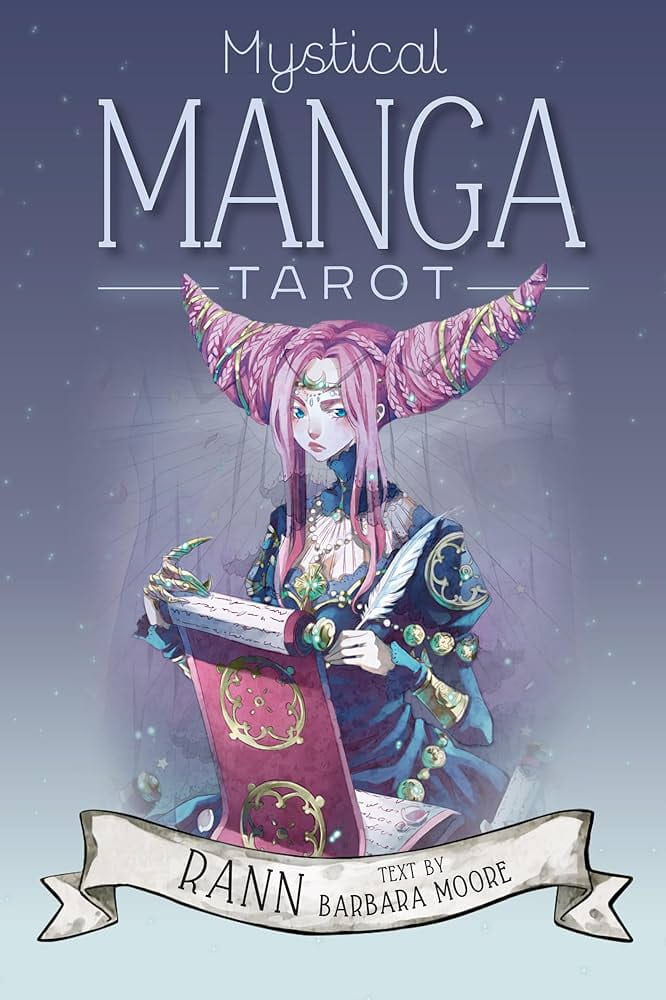
Mystical Manga Tarot — if you like the animation-inspired aesthetic of Tarot of the Divine, the manga deck gives you a similar visual language with a Japanese accent. Together they cover the “contemporary illustration” corner of tarot.
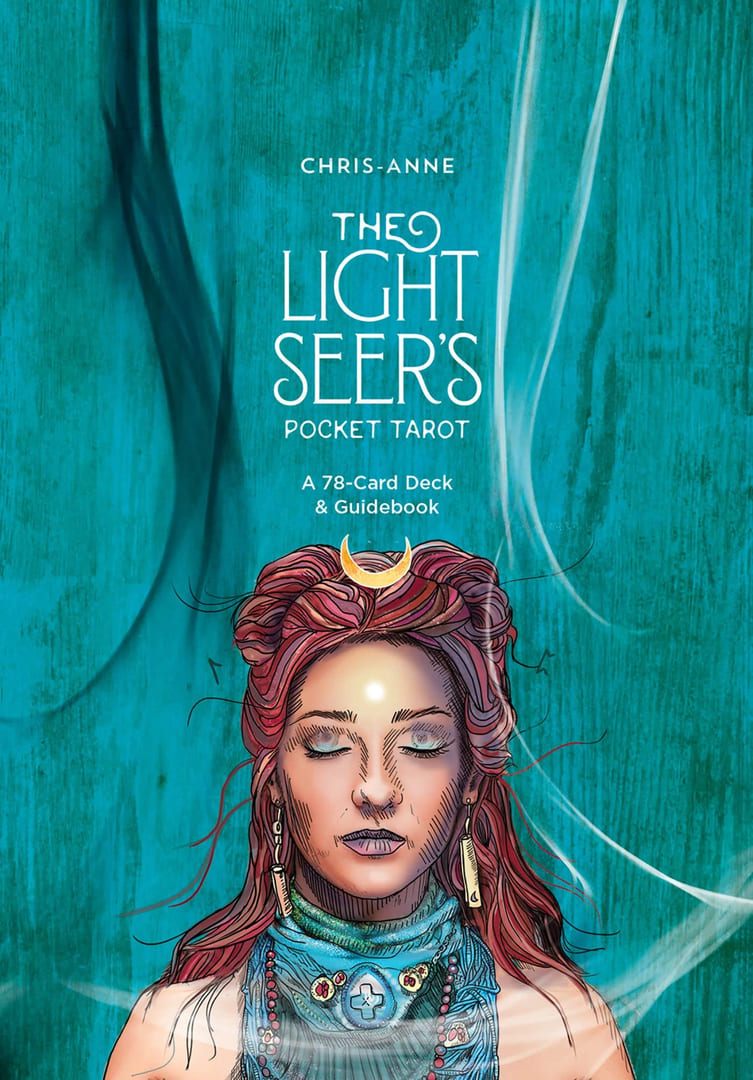
Light Seer’s Tarot — another bright, modern, inclusive deck. Where Tarot of the Divine speaks through myths, Light Seer’s speaks through emotional lighting. They complement each other for working with feelings and stories simultaneously.
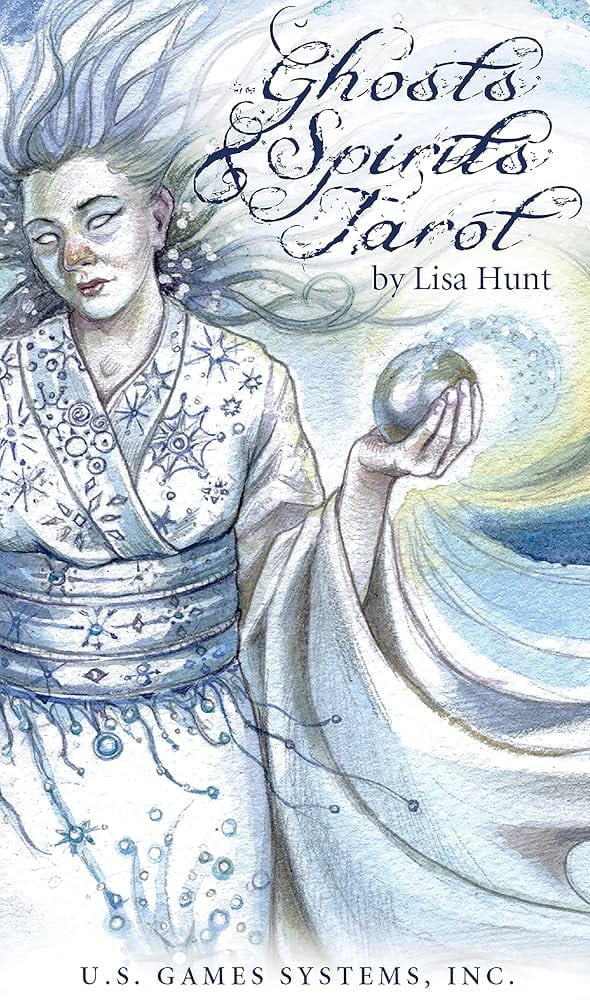
Ghosts & Spirits Tarot — for those who love myths and legends in a darker aesthetic. If Tarot of the Divine is the bright side of world folklore, Ghosts & Spirits is its shadow twin. Together they cover the full spectrum.
Try this deck in our Telegram bot — it’s available for readings right now.
Frequently Asked Questions
Is Tarot of the Divine good for beginners?
It's better suited to intermediate readers. The deck follows Rider-Waite-Smith structure, so the core meanings stay recognizable, but each card is tied to a specific myth from a specific culture. If you already have some experience with classic tarot, it's a joy to learn.
How many cards are in Tarot of the Divine?
78 cards in the standard Rider-Waite-Smith structure: 22 Major Arcana, 56 Minor Arcana across Cups, Pentacles, Wands, and Swords. The court cards are Page, Knight, Queen, and King. The deck ships with a full companion book, Beneath the Moon, that retells each myth in detail.
What are the main themes of Tarot of the Divine?
The central idea is that each tarot card is paired with a myth, legend, or fairy tale from a specific culture: Japanese, Korean, Persian, Yoruba, Lakota, Norwegian, and many more. It argues that the archetypes of tarot are universal, but every culture gives them a unique face.
Who created Tarot of the Divine?
Yoshi Yoshitani, a Japanese-American illustrator known for her work with Disney, Marvel, and other major publishers. The deck was released by Clarkson Potter (Penguin Random House) in 2020. It comes with a lavishly illustrated companion book, Beneath the Moon, retelling each myth.