Yes or No Tarot: How to Get Clear Answers from Your Cards
“Will I get the job?” “Does he like me back?” “Should I move to that city?”
Sometimes you don’t need a deep, nuanced reading. You need an answer. Yes or no. This way or that.
Tarot can do this — with some caveats. The cards are naturally better at “how” and “why” than “will this happen,” so forcing them into a yes/no box takes a bit of technique. Here are three methods that work, a complete guide to which cards lean yes and which lean no, and honest advice about when to skip the yes/no format entirely.
Method 1: Upright = yes, reversed = no
The simplest approach. Draw one card. If it comes out upright, the answer leans yes. If reversed, it leans no.
How to do it:
- Make sure your deck contains reversals (some cards face both directions — if all your cards face the same way, use the table spread shuffle to mix some upside down)
- Focus on a clear yes/no question
- Draw one card
- Upright → Yes
- Reversed → No
- The specific card adds context to the answer
Example: “Should I accept this invitation?” You draw the Three of Cups upright. That’s yes — and specifically, the Three of Cups says this gathering will bring joy, friendship, and celebration. It’s not just a yes; it’s an enthusiastic yes.
Limitation: This method treats all cards equally. The Sun reversed and the Ten of Swords reversed both mean “no,” but they carry very different energies. Use the card’s identity to add nuance to the basic yes/no.
Method 2: Card energy classification
Instead of relying on orientation (upright vs. reversed), this method classifies each card as inherently positive (yes), negative (no), or neutral (maybe/wait).
How to do it:
- Shuffle with your question in mind
- Draw one card
- Check the classification below
- Read the card’s specific meaning for additional context
This method works even if you don’t use reversals. The card’s fundamental energy answers your question.
Yes cards (positive energy)
These cards carry fundamentally positive, forward-moving energy:
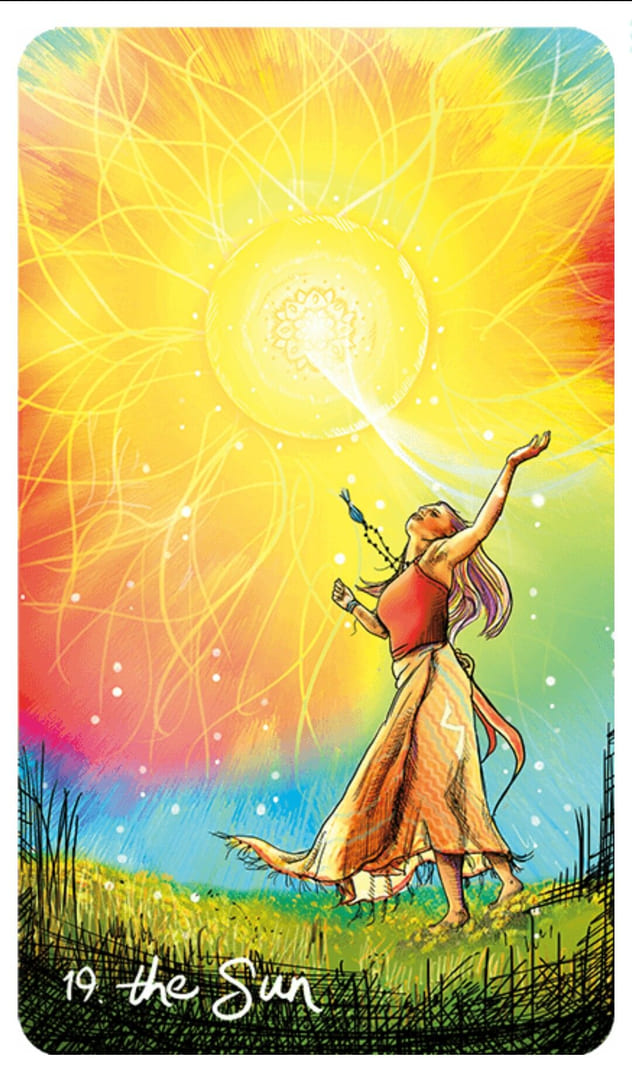
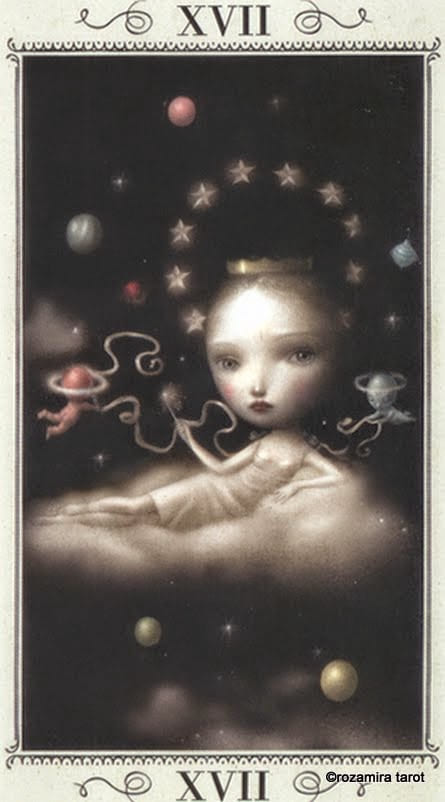
Major Arcana: The Fool, The Magician, The Empress, The Emperor, The Lovers, The Chariot, Strength, Wheel of Fortune, Temperance, The Star, The Sun, The World
Wands: Ace, Three, Four, Six, Eight, Page, Knight, Queen, King
Cups: Ace, Two, Three, Six, Nine, Ten, Knight, Queen, King
Swords: Ace, Six, Page
Pentacles: Ace, Three, Four, Six, Seven, Eight, Nine, Ten, Page, Knight, Queen, King
No cards (challenging energy)
These cards suggest obstacles, endings, or a need to stop:
Major Arcana: The Tower, The Devil, Death (as a “not in current form” — something must transform first)
Wands: Five, Seven (defensive), Ten (burdened)
Cups: Five, Eight
Swords: Three, Five, Seven, Eight, Nine, Ten
Pentacles: Five
Maybe/wait cards (ambiguous energy)
These cards say “it’s not that simple” or “not yet”:
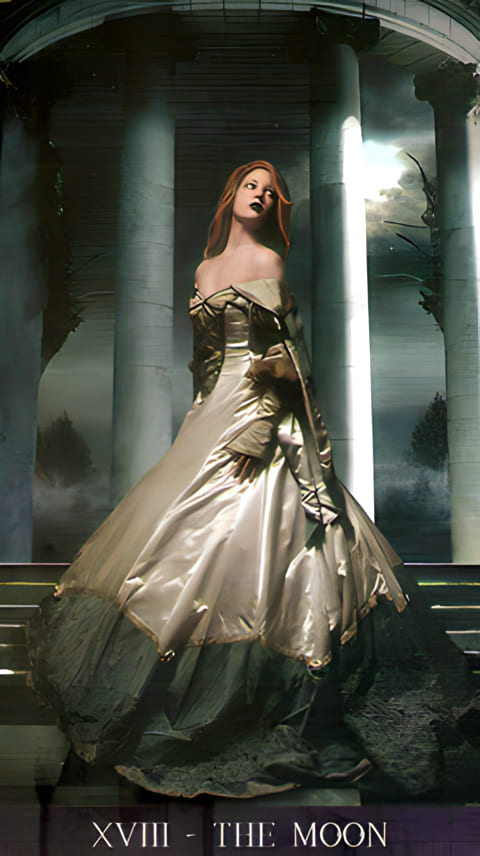
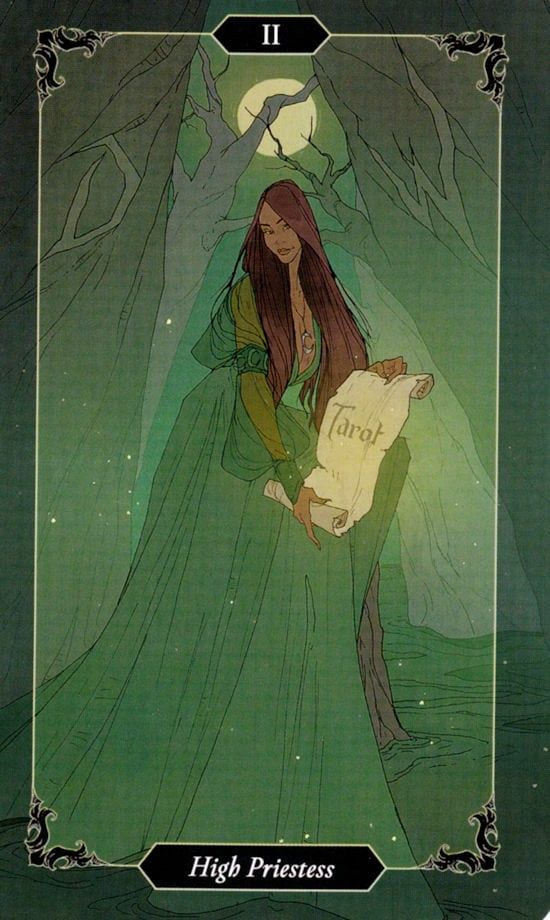
Major Arcana: The High Priestess (hidden information — wait), The Hierophant (depends on tradition/rules), The Hermit (turn inward first), Justice (depends on your actions), The Hanged Man (pause and reconsider), The Moon (things aren’t clear — wait), Judgement (a reckoning first)
Wands: Two (planning stage — not yet), Nine (defensive but holding)
Cups: Four (apathy — reassess), Seven (illusions — get clear first)
Swords: Two (decision needed), Four (rest first), Queen (cut through confusion first), King (seek objective counsel)
Pentacles: Two (juggling — stabilize first)
Method 3: The three-card majority
For when one card doesn’t feel decisive enough.
How to do it:
- Shuffle with your question
- Draw three cards
- Count: how many lean yes vs. no vs. maybe?
- 2-3 yes cards → The answer is yes
- 2-3 no cards → The answer is no
- Mixed or mostly maybe → The answer isn’t clear yet; the situation needs more time or information
Example: “Will this project succeed?”
- Card 1: Eight of Pentacles (yes — hard work pays off)
- Card 2: The Hanged Man (maybe — a pause is needed)
- Card 3: The Star (yes — hope and alignment)
Two yes, one maybe → The answer is yes, but expect a period of delay or reassessment (Hanged Man) before the positive outcome arrives.
This method’s strength: The three cards together tell a mini-story. You don’t just get yes or no — you get how and when.
Reading the nuance
A yes/no answer is the starting point, not the whole story. The specific card that delivers the yes or no tells you why and how.
Yes, through effort: Chariot, Eight of Pentacles, Knight of Wands — the answer is yes, but you’ll need to work for it.
Yes, naturally: The Star, Ace of Cups, The Sun — the answer is yes, and things will flow in your favor.
Yes, through others: Three of Cups, Two of Cups, Six of Pentacles — the answer is yes, and other people play a key role.
No, because of timing: The Hanged Man, High Priestess, Four of Swords — not “no forever,” but “not now.” Revisit later.
No, because something needs to end first: Death, The Tower, Eight of Cups — something must change or be released before what you want becomes possible.
No, because of self-sabotage: The Devil, Seven of Swords, Moon reversed — the obstacle is internal. Address it, and the answer may shift.
Questions that work well with yes/no
- “Should I apply for this job?” — Clear action, clear yes/no
- “Is this a good time to start the project?” — Timing question, yes/no works
- “Will this trip go well?” — Outcome-focused, yes/no appropriate
- “Does this person have romantic feelings for me?” — Direct question, clear answer
Questions that DON’T work with yes/no
- “What should I do about my career?” — Too open-ended. Use a three-card spread instead.
- “Why do I keep attracting the wrong people?” — A “why” question needs a narrative reading, not a binary answer.
- “Tell me about my love life” — Not a question at all. Formulate something specific.
- “Will I ever find love?” — Too broad and too emotionally loaded. Narrow it: “Am I on the right path to finding a meaningful connection?” is better.
The honest truth about yes/no readings
Tarot wasn’t designed for binary answers. The 78 cards exist to tell stories, illuminate patterns, and reveal what’s hidden beneath the surface. Reducing them to yes/no is like asking a novelist to write a tweet — possible, but you lose a lot.
That said, sometimes you genuinely need a directional signal. “Should I or shouldn’t I?” is a real question that deserves a real answer. The methods above give you that answer while preserving enough nuance to be genuinely useful.
My recommendation: Use yes/no readings for quick, practical decisions where you need to move in one direction or another. For anything emotionally complex, relationally nuanced, or long-term, use a proper spread. The three extra minutes it takes to do a three-card reading give you exponentially more insight than a single yes/no pull.
Try it yourself
Pick a real decision you’re facing this week — something concrete with a clear yes/no. Try all three methods on the same question:
- Method 1: Draw one card, upright = yes, reversed = no
- Method 2: Draw one card, classify its energy (yes/no/maybe)
- Method 3: Draw three cards, use the majority
Do the three methods agree? Where do they differ? Which method gave you the most useful answer — and which one did you want to be right?
That last question, by the way, often tells you more than the cards do. If you pulled “no” and felt disappointed, you already knew your answer. The cards just made you admit it.
Frequently Asked Questions
What is the most accurate yes or no tarot method?
The card energy classification method — where each card is inherently positive (yes), negative (no), or neutral (maybe) regardless of orientation — is generally more reliable than the upright-reversed method. It works even without reversals and captures the card's fundamental energy.
Which tarot cards mean yes?
Strong yes cards include The Sun, The Star, The Wheel of Fortune, The Magician, The Lovers, Ace of Cups, Two of Cups, Three of Cups, Ten of Cups, and Aces across all suits. Generally, cards with expansive, forward-moving, or joyful energy lean yes.
Which tarot cards mean no?
Cards that lean no include The Tower, The Devil, Ten of Swords, Five of Cups, Eight of Cups, Three of Swords, Nine of Swords, and Five of Pentacles. Cards associated with obstacles, endings, or stagnation generally indicate a no or 'not right now.'
What questions should not be asked as yes or no tarot?
Avoid yes/no framing for questions about other people's feelings or decisions (free will is involved), health or legal matters (seek professional advice), and open-ended questions like 'will I be happy?' Tarot is much better at 'how' and 'why' than binary outcomes.
What does it mean when I get a maybe card in a yes or no reading?
Maybe cards like The High Priestess, The Hanged Man, The Moon, and Justice indicate the situation is not yet decided, more information is needed, or action is premature. They are not unhelpful answers — they are telling you to wait, look deeper, or reconsider the question itself.