
This might hurt tarot
This Might Hurt Tarot was created by cartoonist and illustrator Isabella Rotman, based in Maine. The deck launched on Kickstarter in 2019 and funded in less than 9 hours, going on to sell thousands of copies. It was originally published by Liminal 11, with a special limited edition featuring holographic black gilded edges, and later picked up for wider distribution by Sterling Publishing (Hachette Book Group). Rotman is also the author of "A Quick and Easy Guide to Consent" and was nominated for the Promising New Talent Ignatz award in 2017. Coloring was done by Addison Duke, whose work on the minor arcana received particular praise.
Official Website →Art Style & Visual Character
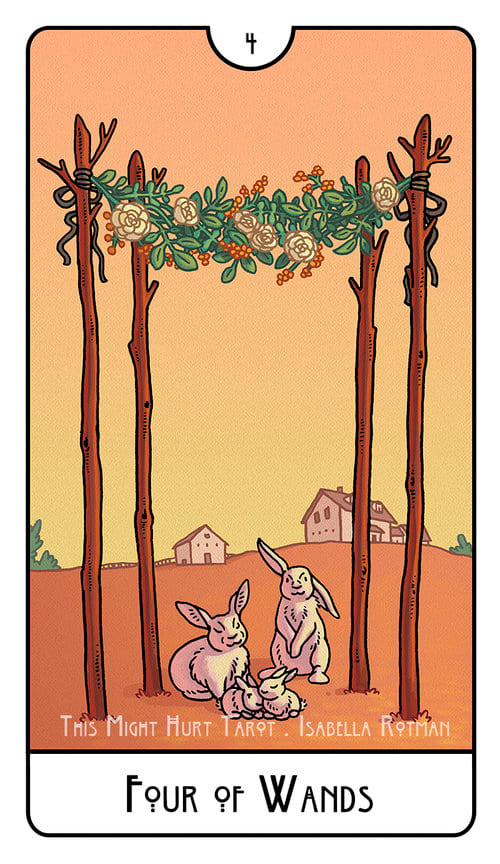
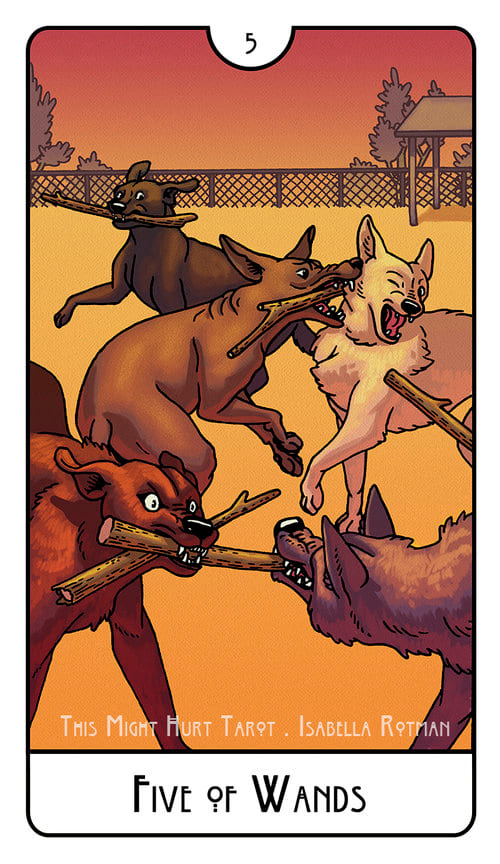
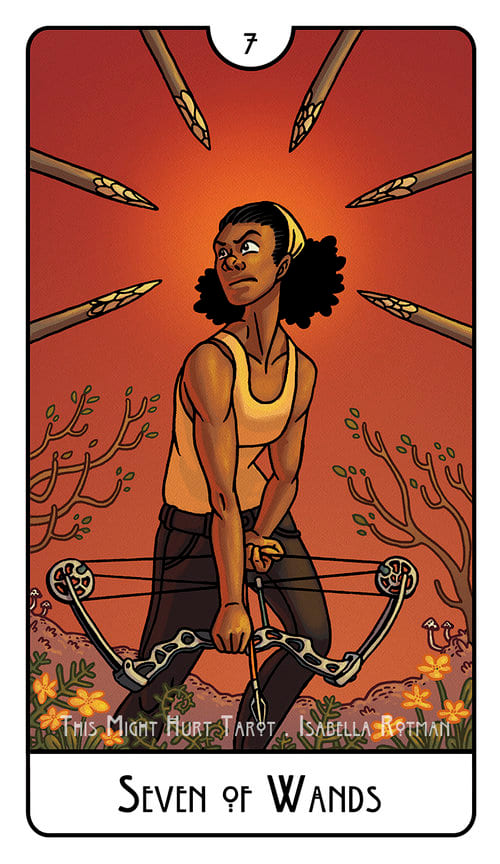
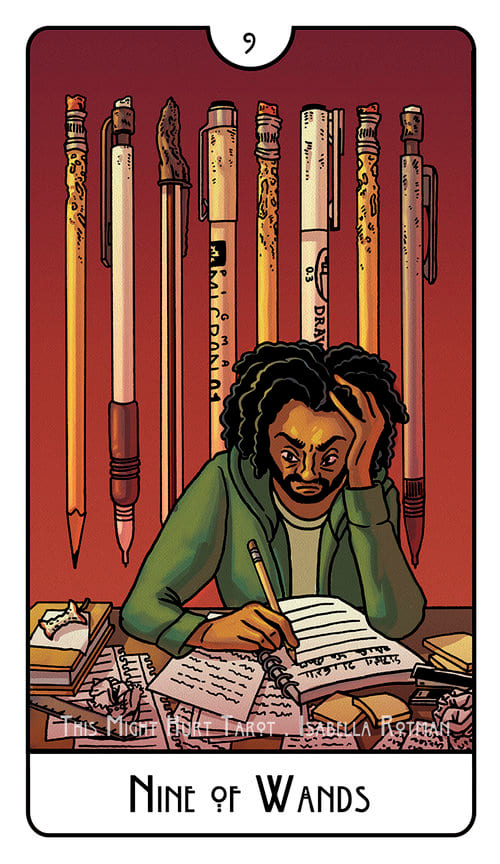
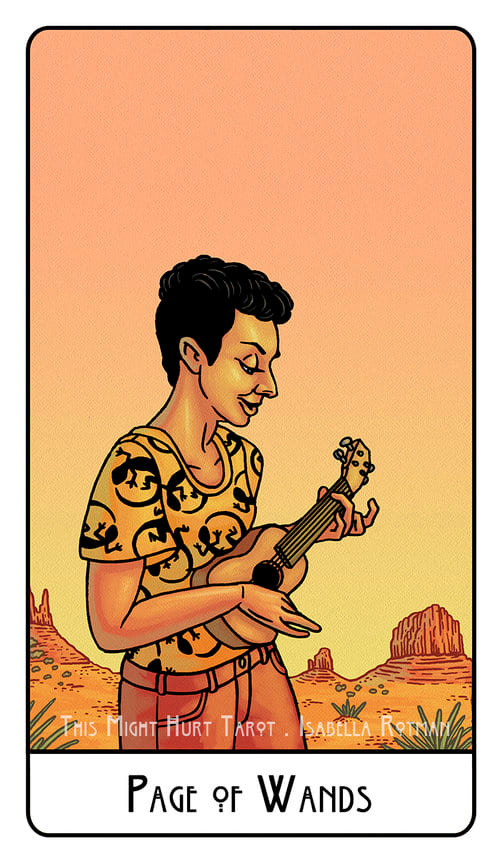
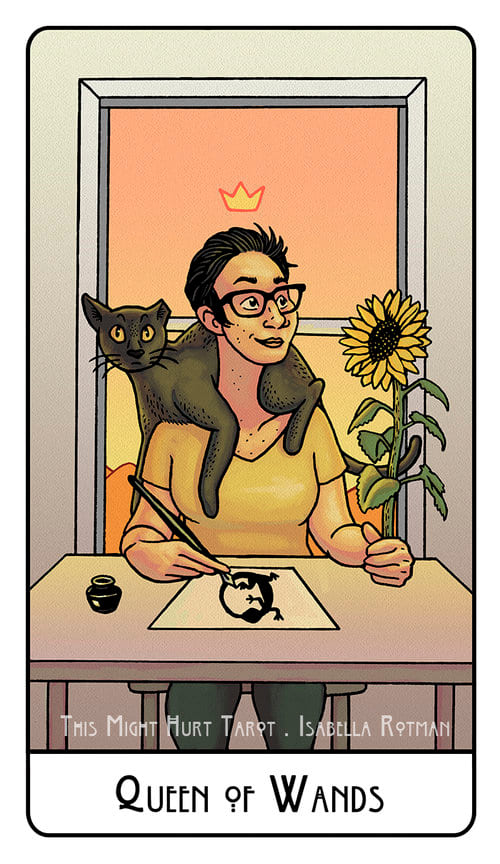
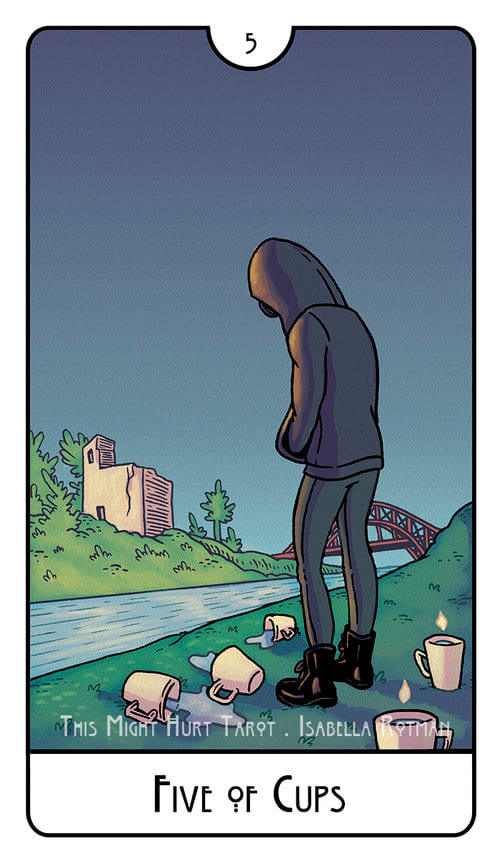
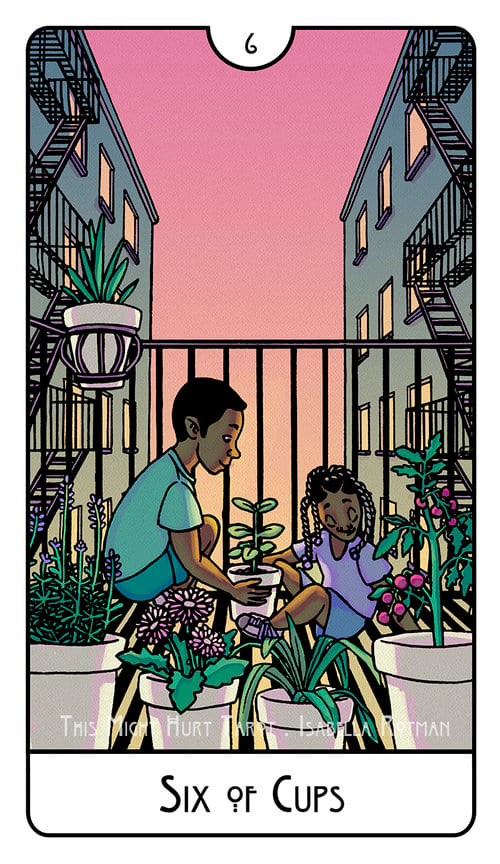
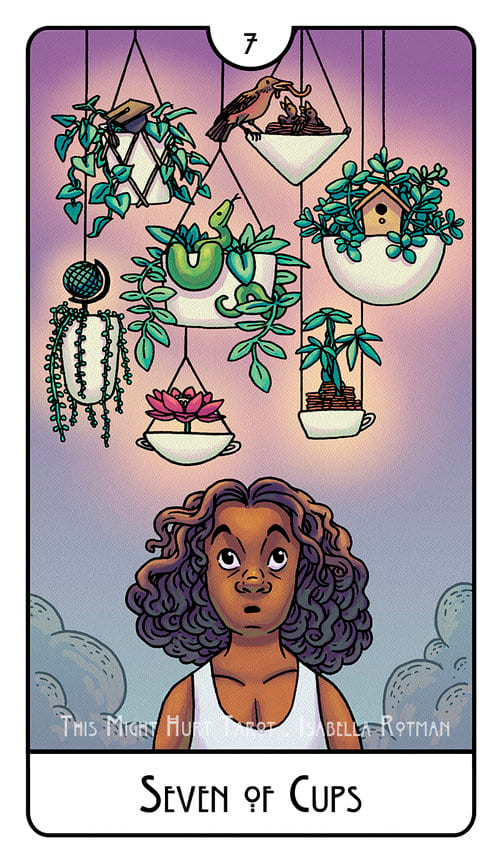
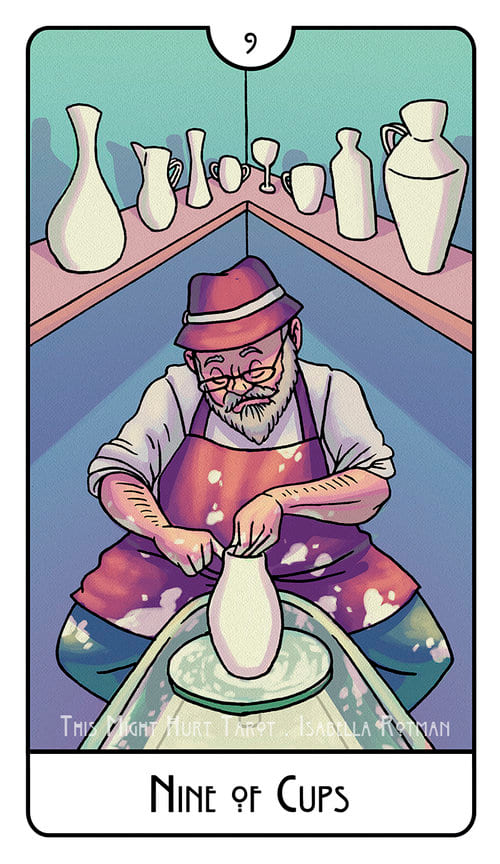
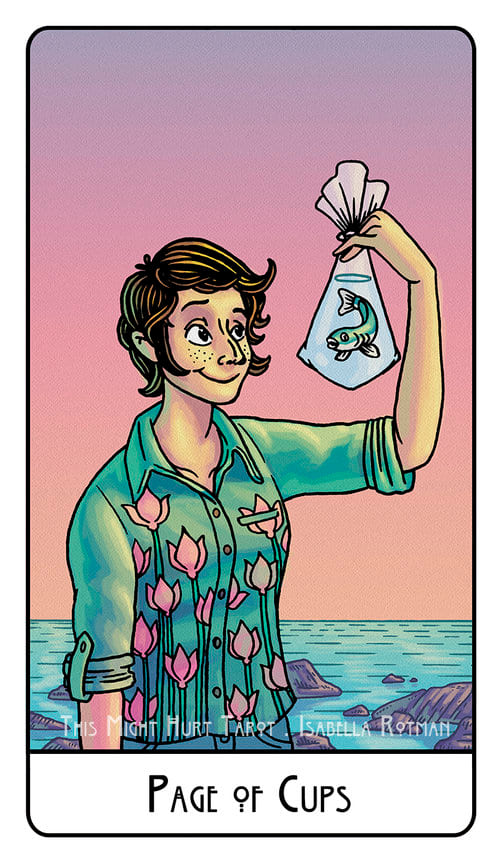
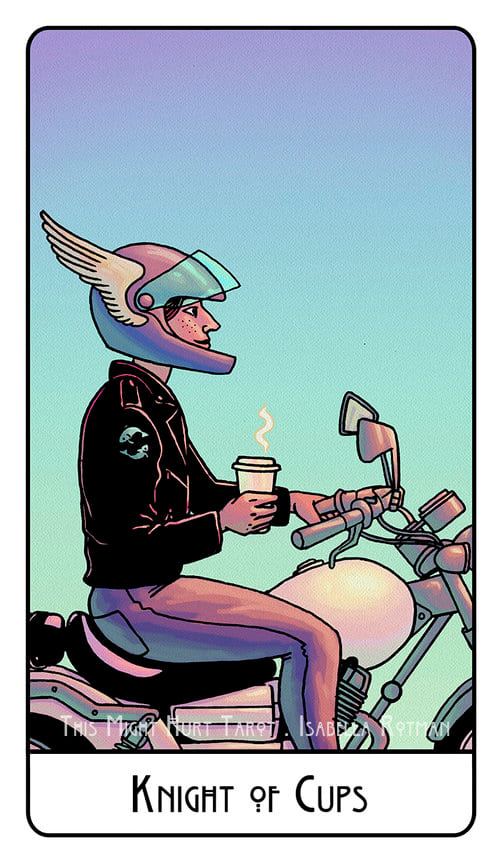
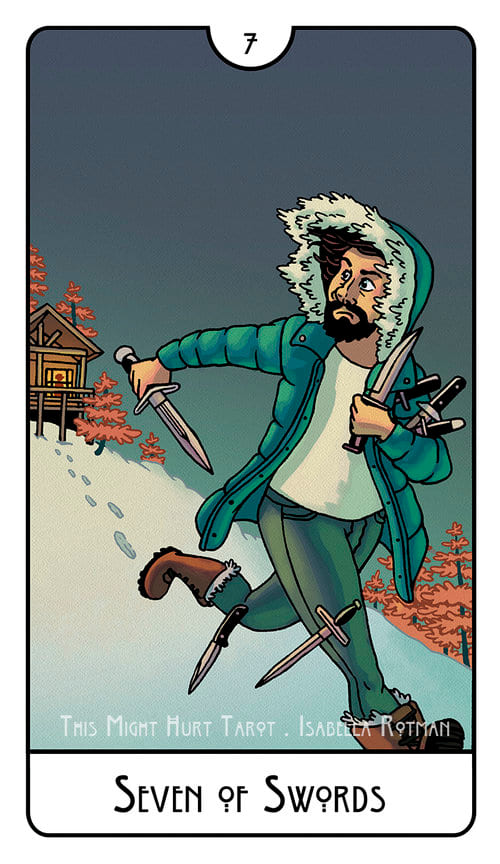
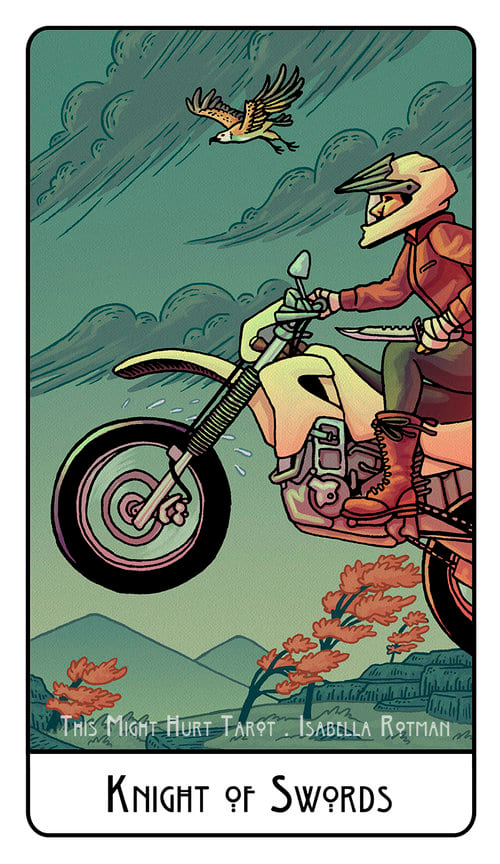
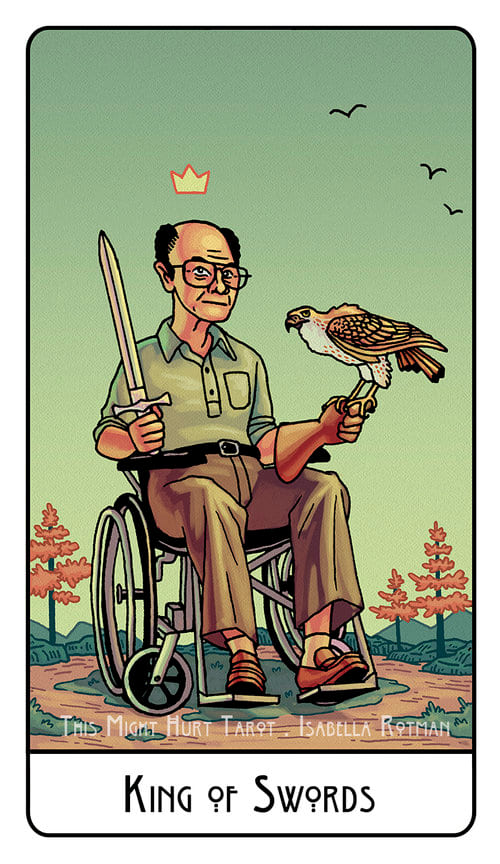
Rotman's illustration style is rooted in comics and cartooning — bold lines, vibrant colors, and a modern, accessible aesthetic. Each suit has a distinct color theme that ties cards together organically. The imagery modernizes traditional RWS scenes: knights ride motorcycles instead of horses, clothing and scenery reflect contemporary life, and the human figures represent a wide range of skin colors, body types, genders, and relationships. All court cards and several select Minor Arcana cards are portraits of real people in Rotman's life. The overall feel is colorful, warm, inclusive, and unapologetically modern.
Core Concept & Symbolism
The deck is firmly based in the Rider-Waite-Smith tradition but strips away what Rotman identifies as sexism, classism, and hetero-normative European elitist elements inherent in the classic RWS, while preserving the soul of the original symbolism. It is not just a redraw — many cards bring a fresh angle or new spin on classic interpretations. Queerness is lovingly acknowledged throughout, with diverse relationship configurations and gender presentations. The deck's name — "This Might Hurt" — reflects Rotman's background in comics about bodies, consent, and relationships, suggesting tarot as honest self-examination that can be uncomfortable but ultimately healing.
Reading Experience
The deck has been enthusiastically received, particularly within the LGBTQ+ tarot community and among readers seeking inclusive, modern representation. WWAC (Women Write About Comics) praised it as "a fresh take on tarot." Little Red Tarot, a key queer tarot retailer, stocks it prominently. Users describe it as "very contemporary, gorgeous colors, high quality cards and diversity." The physical quality is consistently praised — thick, substantial cardstock, high-quality gold leafing on the box, and comfortable shuffling. The deck reads well for both beginners (clear RWS parallels) and experienced readers (fresh interpretive angles).
Best Used For
- LGBTQ+ friendly readings with diverse representation
- Modern, contemporary-feeling daily practice
- Readers who value body diversity and inclusive imagery
- Beginners who want an RWS-based deck with modern updates
- Personal growth and honest self-examination readings
- Supporting indie and queer creators
Not Ideal For
- Readers seeking traditional, classical, or historical tarot aesthetics
- Those who prefer photorealistic or fine-art painting styles
- Practitioners who want esoteric or occult symbolism-heavy imagery
Major Arcana (22 cards)
The 22 trump cards representing life's spiritual lessons and karmic influences


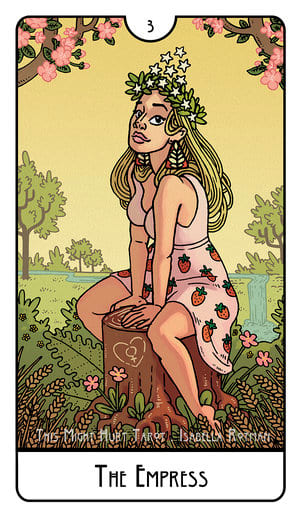
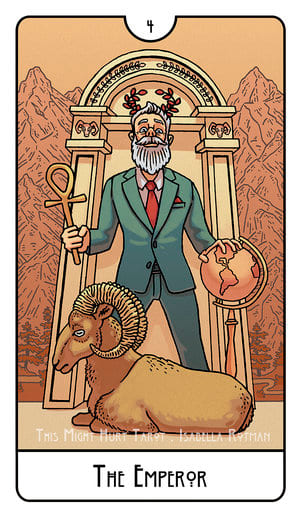
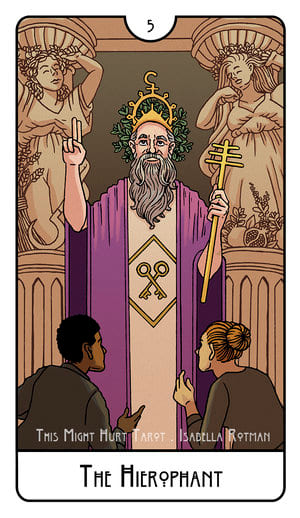
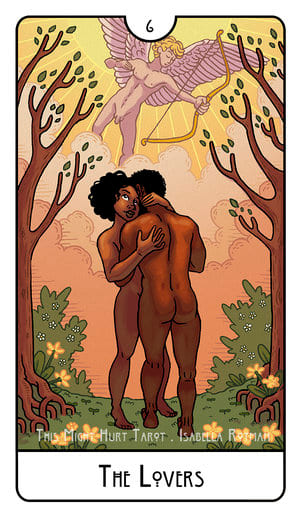


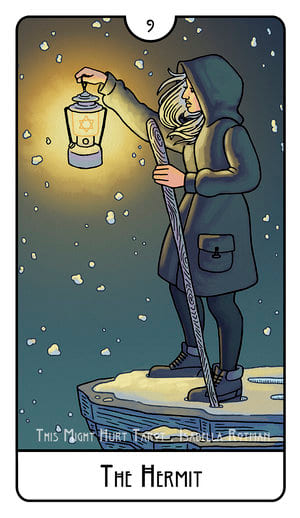


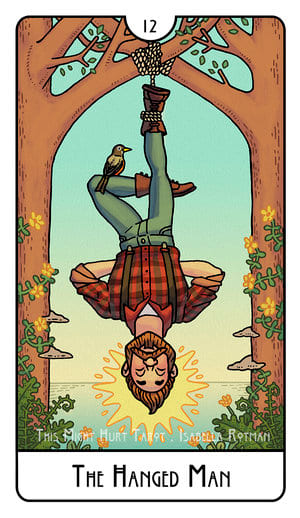


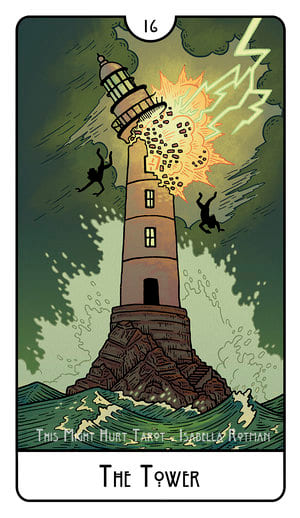


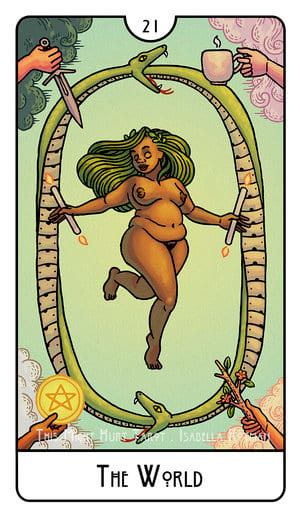
Minor Arcana (56 cards)
The 56 suit cards reflecting day-to-day events and practical influences
Wands
Fire element — passion, creativity, ambition, and spiritual growth







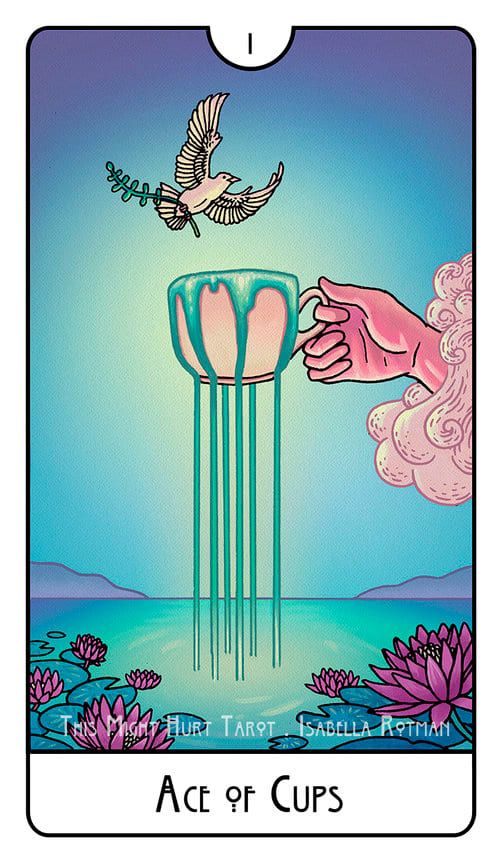
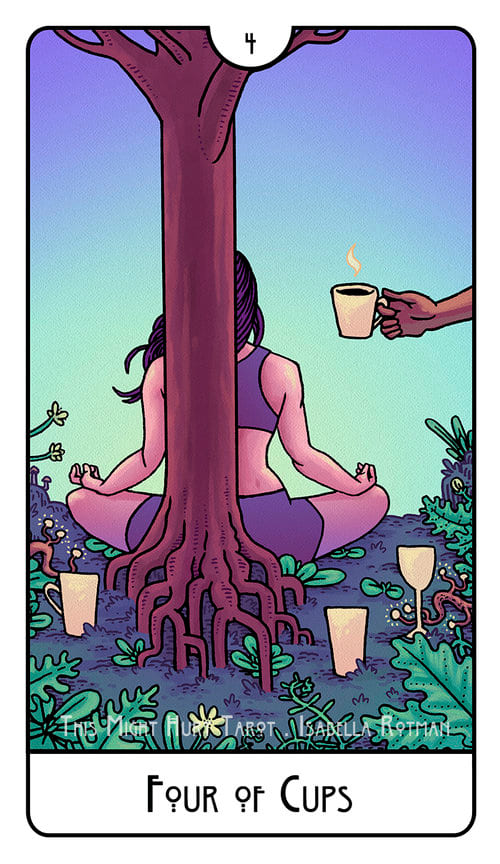
Cups
Water element — emotions, relationships, intuition, and inner feelings






Swords
Air element — intellect, conflict, truth, and mental clarity





Pentacles
Earth element — material world, finances, health, and practical matters


