How to Celebrate Lammas: 7 Rituals with Tarot
Rituals that taste like something
Lammas rituals are different from other sabbat celebrations. They are not ethereal or symbolic in the way that a Litha sunrise greeting or a Samhain veil-thinning might be. Lammas rituals are physical. They involve flour on your hands, bread in the oven, grain between your fingers, and food on the table.
This is the festival of the first harvest, and harvest is not an abstraction. It is something you can hold, smell, taste, and share. The rituals here are designed to be inhabited with all your senses.
Choose one, or weave several together across the Lammas season. The grain is ripe. Let your hands do the honoring.
1. The bread ritual
What you need: Flour, water, salt, yeast (or a simple bread mix), a baking surface
Time: Morning of August 1st
This is the heart of Lammas. Every other ritual grows from this one.
How to do it:
- As you mix the ingredients, set your intention: this bread represents everything I have grown this year.
- While kneading, name what you are grateful for — one thing per fold. Speak it aloud or think it silently. Let gratitude enter the dough through your hands.
- As the bread rises, sit quietly. Rising is an act of faith — you cannot see it happening, but it is. Like the seeds you planted months ago.
- When the bread is baked and the kitchen smells like August, tear off the first piece before you cut it. This is the first harvest. Hold it. Feel its warmth. Eat it slowly.
- Share the rest with someone. If you are alone, set a piece aside as an offering to the land (Ritual 5).
If baking feels like too much, buy a fresh loaf from a local bakery. The intention matters more than the recipe. Break it with your hands, not a knife — this is tradition.
Tarot addition: Before kneading, pull one card: What am I kneading into this bread? The card reveals the energy your harvest carries.
2. The harvest altar
What you need: A surface (table, shelf, windowsill), seasonal items, a candle
Time: Set up on July 31st or August 1st morning
A Lammas altar is the most tactile altar on the Wheel of the Year — it should look like you raided a farmer’s stand.
How to do it:
- Choose a surface and lay a cloth in harvest colors — gold, amber, brown, deep green.
- Place your bread (whole or a piece) at the center. This is the altar’s heart.
- Surround it with seasonal abundance: fresh berries, early apples, corn, wheat stalks (even decorative ones), sunflowers, herbs from your garden or the market.
- Add a candle — gold or amber — representing the waning sun that powered the harvest.
- Place a small bowl of grain (oats, wheat berries, barley) as an offering vessel.
- Add any crystals that feel right: citrine, amber, tiger’s eye, peridot.
Leave the altar up through the first week of August. Add to it as you find more seasonal items. Let it evolve as the harvest deepens.
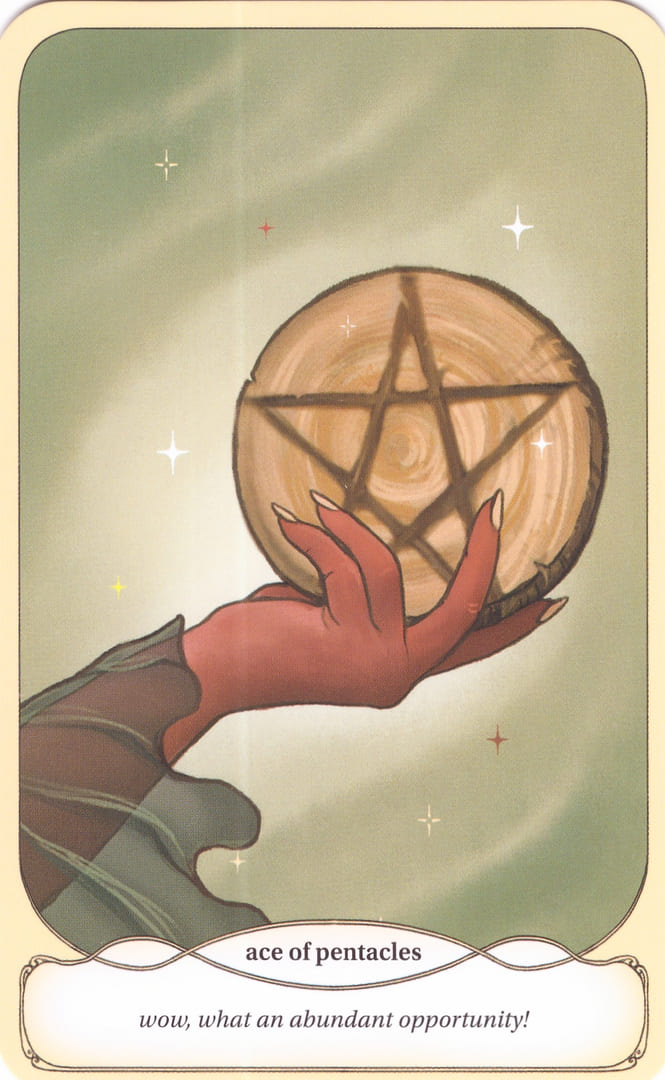
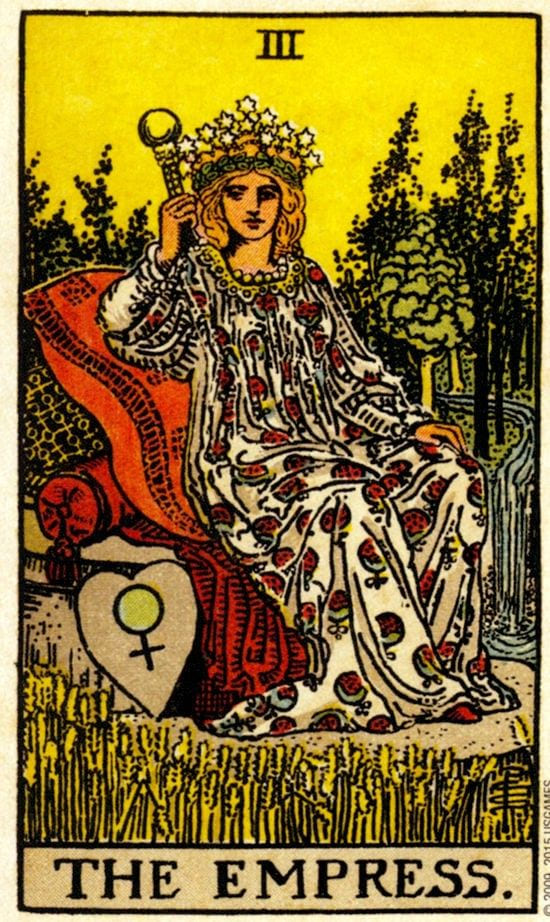
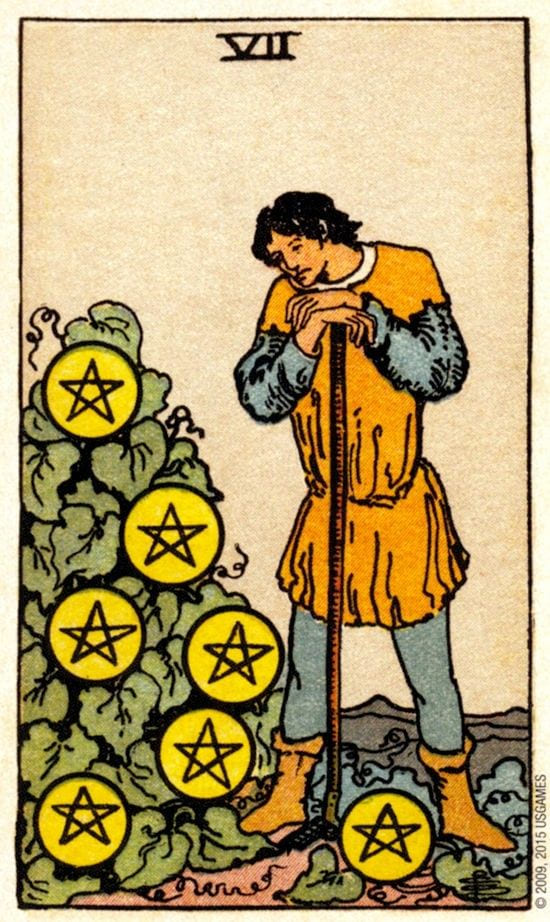
Tarot addition: Place a card on the altar as its centerpiece energy. The Empress, Nine of Pentacles, or Ace of Pentacles are natural choices — or pull one blindly and let the harvest choose.
3. The harvest walk
What you need: A bag or basket, attention
Time: Any time on August 1st
Walk through your world — garden, park, farmers market, even a grocery store — and notice what is ripe. This is the simplest and most grounding Lammas ritual.
How to do it:
- Walk slowly. Look at what the earth has produced. In a garden, notice what is ready to pick. At a market, notice what is piled highest. In a park, notice the heavy branches, the ripe berries, the golden grass.
- Gather something. It does not need to be dramatic — a handful of berries, a bunch of herbs, a bag of seasonal produce. The act of gathering with intention connects you to every human who has ever walked through a field at harvest time.
- When you return home, place what you gathered on your altar or table. Look at it. This is the earth’s gift, and you went out to meet it.
Tarot addition: Before your walk, pull a card: What is the harvest showing me today? Let the card shape what you notice.
4. The grain offering
What you need: A handful of grain (oats, wheat, barley, rice), a patch of earth
Time: Sunset on August 1st
How to do it:
- Hold a handful of grain in both hands. Feel the weight of it — light individually, heavy collectively. Like every small effort you have made this year.
- Stand outside — in a garden, a park, by a tree, even a potted plant on a balcony.
- Speak or think: I return to the earth what the earth has given. I honor the harvest. I give thanks for what has grown.
- Scatter the grain on the ground. Watch it fall. This is not waste — it is an offering. Birds will eat it. Rain will wash it into the soil. The cycle continues.
If you cannot go outside, place the grain in a small bowl on your altar and leave it for a day before scattering it.
Tarot addition: After the offering, pull one card: What is the earth asking me to give back?
5. The sacrifice ceremony
What you need: Paper, pen, a candle, a fireproof dish
Time: Evening of August 1st
The grain dies to become bread. Lammas asks: what in your life is ready to be harvested — and what must be cut to make that harvest possible?
How to do it:
- Light a candle — amber, gold, or brown for harvest energy.
- On one side of a piece of paper, write what you have harvested this year. Your accomplishments, growth, earned strengths. Be specific and generous.
- On the other side, write what you are willing to sacrifice. Not what you want to lose — what you are ready to release because it has served its purpose. A habit, a fear, a belief, a way of being that is no longer growing.
- Read the harvest side aloud. Feel it. Own it.
- Fold the paper so the sacrifice side is facing out. Hold it to the candle flame and let it burn in the dish. The harvest you keep. The sacrifice you release.
Tarot addition: Pull two cards — one for what the harvest gives and one for what the sacrifice frees.
6. The Lammas feast
What you need: Food — seasonal, prepared with care, shared if possible
Time: Evening of August 1st
Feasting at Lammas is not indulgence. It is ritual. Every bite of seasonal food connects you to the land that grew it, the sun that fed it, and the work that brought it to your table.
How to do it:
- Cook with seasonal ingredients: bread (of course), berries, corn, fresh vegetables, honey, early apples, grain dishes. If cooking is not your strength, assemble a beautiful platter — cheese, bread, fruit, nuts, honey.
- Set the table with care. Flowers from the garden or market. A candle. A cloth in warm colors. Make it beautiful — the effort is part of the offering.
- Before eating, pause. Look at the food. Name one thing you are grateful for — something that your own work produced this year. Then eat.
- Save a piece of bread and a pour of drink as an offering. Leave it outside after the meal — for the land, the birds, the spirits of the place.
Tarot addition: Place The Empress face-up on the table during the meal. She is the guest of honor — the mother of everything that feeds you.
7. The Lughnasadh games
What you need: Friends, creativity, competitive spirit
Time: Afternoon of August 1st (or the nearest weekend)
Lugh’s original festival was not quiet or contemplative. It was loud. Athletic games, poetry slams, craft competitions, boasting contests. Lughnasadh honored human skill alongside natural abundance.
How to do it:
- Gather friends — in person or remotely.
- Choose your games. They can be traditional (athletic contests, cooking competitions) or modern (board games, card games, art challenges, poetry sharing, trivia).
- The point is not winning. The point is displaying skill, celebrating what you can do, and enjoying each other’s company at the peak of summer. Lugh would approve of any game played with full effort and genuine joy.
- Award garlands, silly prizes, or heartfelt compliments. The ancient games crowned winners with wreaths of grain.
If you are celebrating alone, challenge yourself: write a poem, cook a new recipe, try a craft you have been meaning to learn. The celebration of skill is personal too.
Tarot addition: Before the games, each person pulls a card: What skill am I celebrating today? Share the cards and see what the deck thinks you are each best at.
Weaving rituals together
A full Lammas day might flow like this:
- Morning: Bake bread + set up harvest altar
- Midday: Harvest walk + grain offering
- Afternoon: Lughnasadh games or craft time
- Evening: Sacrifice ceremony + Lammas feast
Or choose just one — the bread ritual alone is a complete Lammas celebration. One loaf, baked with gratitude, broken with intention. That is enough. The harvest does not demand complexity. It demands presence.
Frequently Asked Questions
What time of day should I do Lammas rituals?
Lammas celebrations traditionally begin at sunset on July 31st and continue through August 1st. Morning is ideal for bread baking and harvest altar setup, midday for outdoor gatherings, and sunset for fire ceremonies and gratitude rituals. Any time on August 1st carries the harvest energy.
Can I do Lammas rituals in an apartment with no garden?
Absolutely. Bread baking, harvest lists, grain offerings, tarot readings, and feasting all work indoors. Even the harvest walk can be a trip to a farmers market. Lammas energy lives wherever gratitude and bread meet — not just in fields.
Do Lammas rituals need to be done on exactly August 1st?
Not strictly. The Lammas energy window runs roughly from July 31st through August 7th. The core moment is August 1st, but the harvest season energy lasts for weeks. Ancient celebrations often lasted several days with games, feasts, and markets.
What is the most important Lammas ritual?
Baking and breaking bread. It is the oldest and most essential Lammas act — connecting you to thousands of years of humans honoring the first grain harvest. Even store-bought bread broken with intention carries the ritual's power.