How to Read Tarot with ChatGPT: Prompts That Work
I once read for myself in ChatGPT
Late at night, when I didn’t feel like pulling the deck off the shelf. I opened a chat, typed “draw me three cards,” and got a tidy paragraph about the Tower, the Star, and the Six of Cups. Competent. Relevant, even. And still something was missing — like I’d been handed a summary of a reading rather than a reading.
Since then I’ve worked out how to get the most out of ChatGPT — and where the line is, past which it has nothing more to offer. If you’ve googled “tarot chatgpt” and couldn’t tell whether it’s serious or a toy, let’s be honest about it. You can read tarot through ChatGPT. The question is what, exactly, you walk away with.
How to get ChatGPT to lay out the cards
The most common mistake is typing “give me a tarot reading.” ChatGPT will hand you an encyclopedia: generic meanings, nothing about you. It needs a role and a frame. Then it stops being a reference book and starts answering.
Here’s the prompt to start with:
You are an experienced tarot reader with years of practice. I’ll ask a question — you “draw” three random Rider-Waite tarot cards, name each one, briefly describe its imagery, and explain how it answers my question. Speak warmly and specifically, no vague lines like “change may be coming into your life.” Tie the cards together into one story. My question: …
Then your question. And here’s the second rule: the more context, the more alive the interpretation. Not “what’s coming in love,” but “I’ve been texting someone for three months but he never asks to meet — what’s going on between us?” ChatGPT answers in exactly as much depth as you asked.
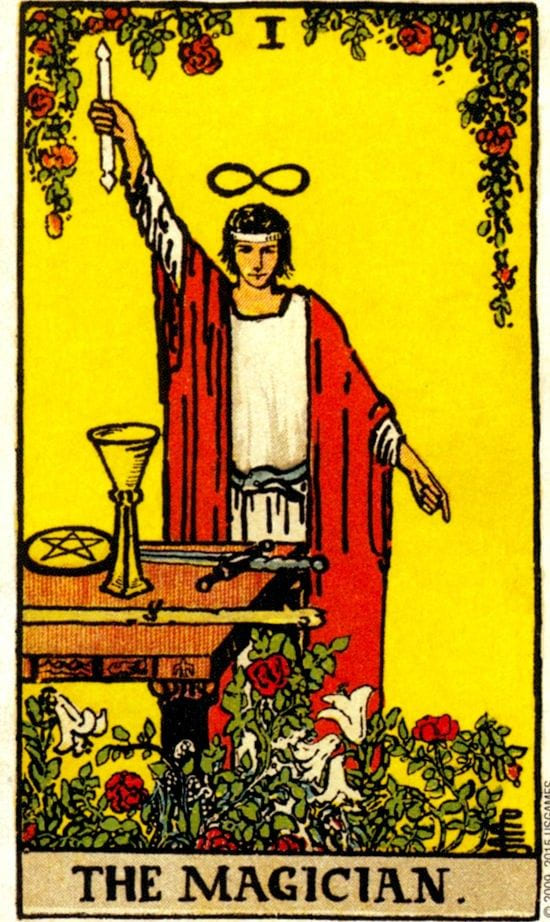
A prompt for a three-card spread
If you want more than three loose cards — a clear structure — ask for a past-present-future spread:
Give me a three-card spread on [your situation]. Card one is the past — what led to where I am now. Card two is the present — what’s happening right now. Card three is where it’s heading if nothing changes. For each, name the card, describe the imagery, and tie it to my topic. At the end, pull all three into one coherent takeaway.
It works for relationship spreads too, for a choice between two options, for a card of the day. The principle is always the same: name the positions, give context, ask it to weave the cards into a story. ChatGPT holds the logic well within a single conversation — until you close the tab.
Where ChatGPT stumbles
Now, honestly — because I promised honestly. ChatGPT-as-reader has four weak spots, and they’re worth knowing up front.
It doesn’t shuffle. There’s no true random draw — cards are picked from your text and from probability. Ask for a re-do and you can easily fish out the “convenient” answer, the one you were quietly hoping for. But the point of a reading is often the card you weren’t hoping for.
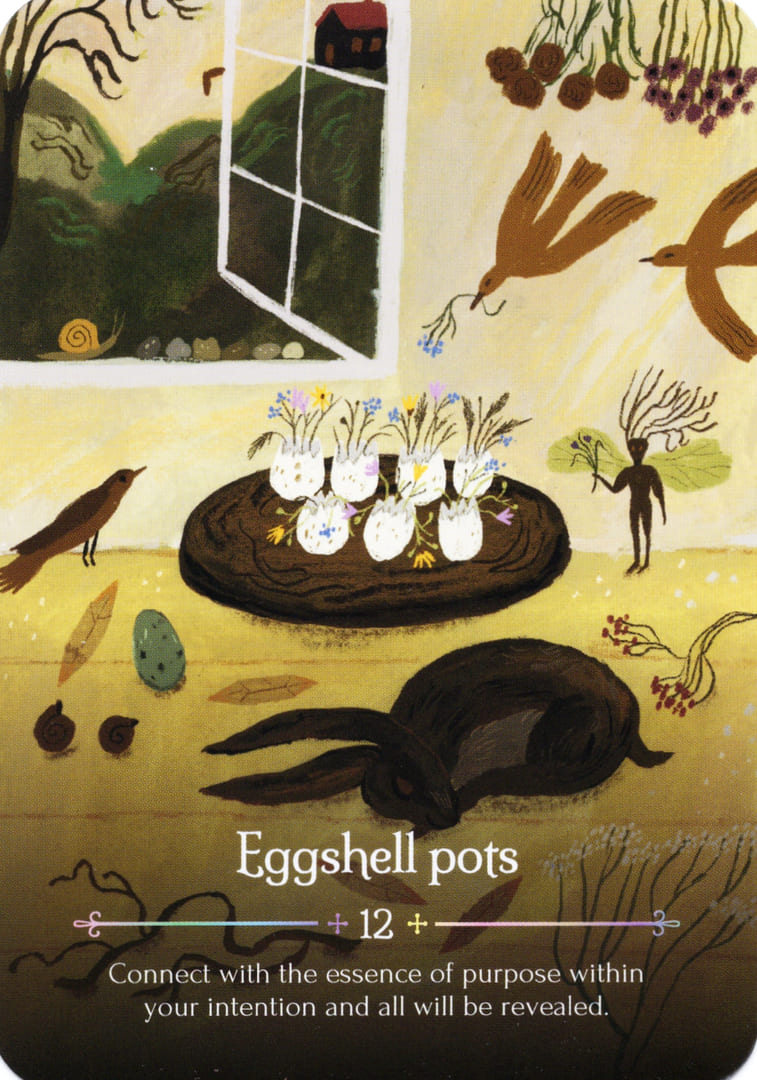
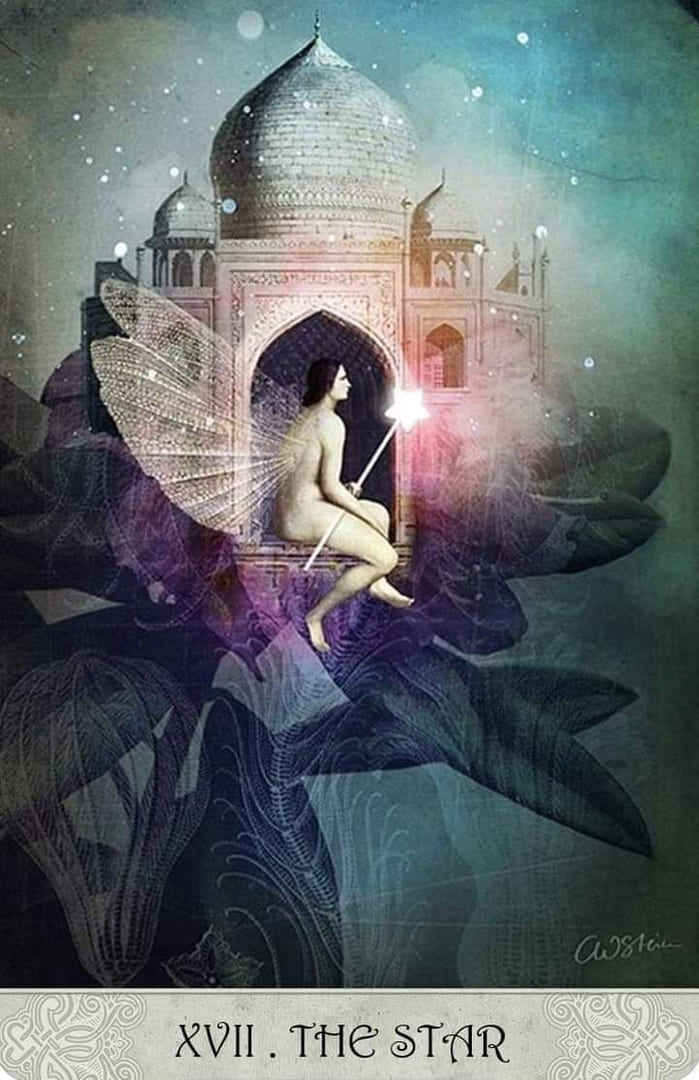
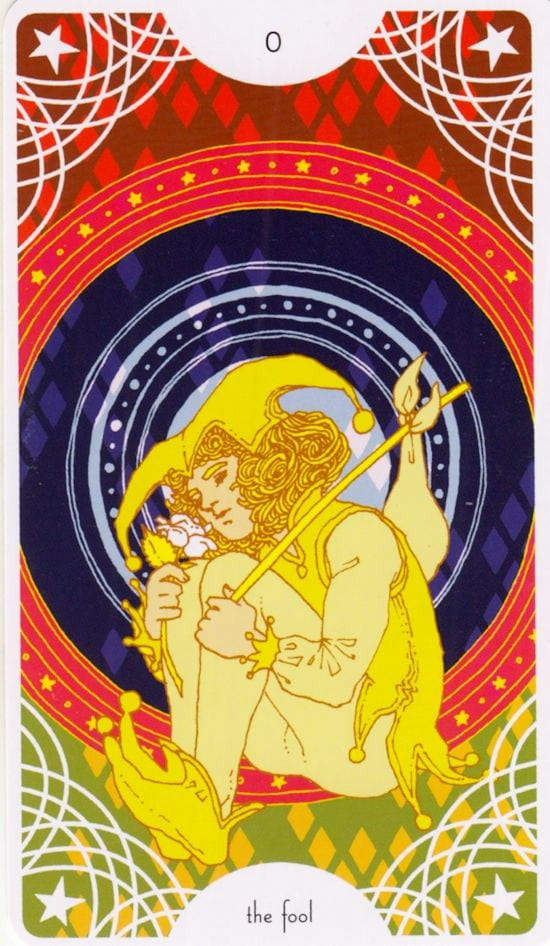
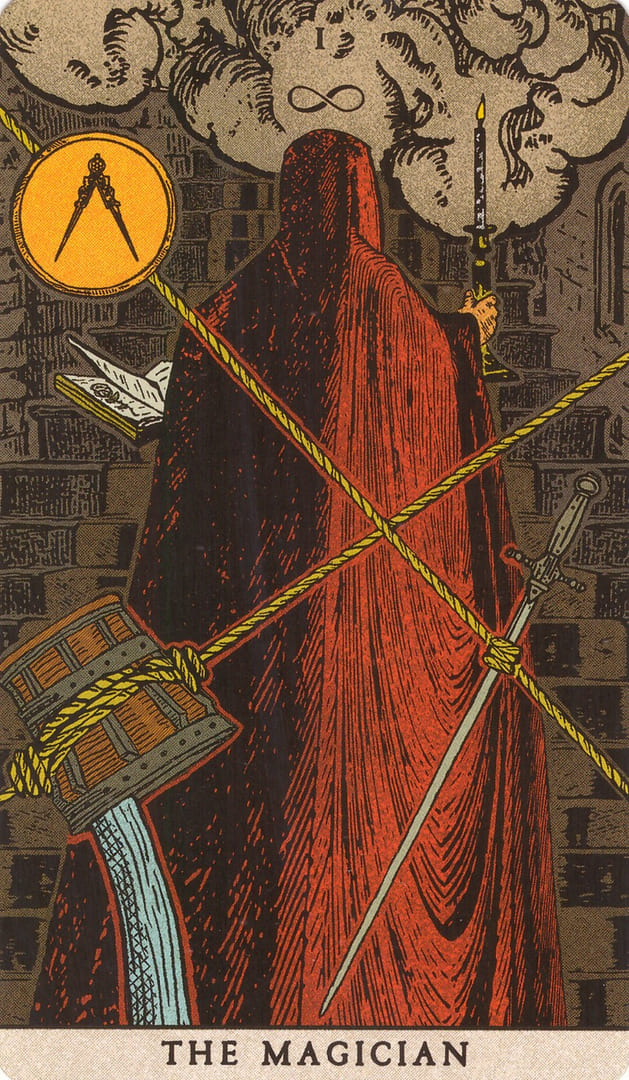
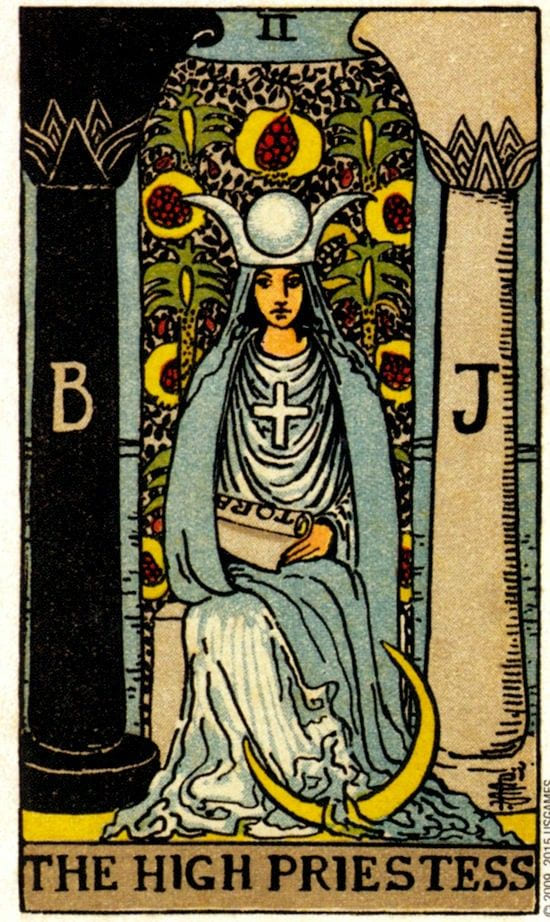
It can’t show you the cards. Half of tarot is the image. The colors, the figures, the way the Moon looks down at two dogs. ChatGPT will name the card in words, but you won’t see the picture — and the picture is often what catches you somewhere real.
It forgets you. Close the chat, and next time you’re a stranger again. It won’t remember that the Tower came up for you last week over the same thing. And that’s half the practice — watching the cards repeat and line up over time.
It talks like an assistant, not a reader. The default tone is universal: polite, even, a little detached. The warm voice that talks to you instead of reporting at you isn’t there by default. You have to coax it out with a prompt every single time.
Why a dedicated AI tarot reader does it better
None of those four weak spots are a verdict against AI. They’re just the gap between a general-purpose tool and one built for the job. ChatGPT is a Swiss Army knife: it can draft an email, fix some code, and lay out cards. A dedicated AI tarot reader only does cards — which is why it does what ChatGPT can’t.
It genuinely shuffles a full deck and draws honestly — the card that fell, not the one that’s convenient. It shows you the real images from the deck you picked, so the picture works alongside the meaning. It remembers your past readings and questions — and continues your story instead of starting from scratch each time. And it speaks in a reader’s voice from the first word, no warm-up prompt required.
That’s how Elvi works — an AI tarot reader. Not “a neural net that does a bit of everything,” but a companion who remembers what you asked last time and reads the spread for your actual situation. The difference is roughly the one between texting a friendly stranger and talking to someone who already knows you.
Try it yourself
Run a small experiment. Ask the same question twice — first to ChatGPT with the prompt above, then to a dedicated AI tarot reader. Compare not “what came up” but the feeling: which interpretation is about you, and which is about “people in general.” That contrast explains more than any article can.
And remember the one thing that doesn’t change — not with a deck in your hands, not with AI: cards don’t predict the future for you. They name what you already felt but hadn’t dared to put into words. The tool can be paper or digital. The work is still yours.
Frequently Asked Questions
Can you actually read tarot with ChatGPT?
Yes — ChatGPT can 'draw' cards and interpret them, and it knows card meanings and symbolism as well as any book. But it doesn't shuffle a real deck (it picks cards from your text), it can't show you the images, and it forgets your story between chats. It's fine for a one-off try; for ongoing practice a dedicated AI tarot reader is smoother.
What prompt should I give ChatGPT for a tarot reading?
Set the role first: 'You are an experienced tarot reader. Draw three random Rider-Waite cards, name each one, describe the imagery, and answer my question — warmly and specifically.' Then add your actual question and the spread you want. The more context you give, the more relevant the interpretation.
Does ChatGPT really draw cards or just make them up?
It doesn't shuffle a deck — it selects cards based on probability and your text. The randomness isn't the same as a real shuffle, so if you ask twice you can fish for a 'convenient' answer. Dedicated tarot apps perform a genuine random draw from the full deck.
Why is a dedicated AI tarot reader better than plain ChatGPT?
It does a genuine random draw, shows the real cards from the deck you chose, remembers your past readings and questions, and speaks in a reader's voice rather than a general assistant's. ChatGPT starts from a blank slate every time; an AI tarot reader continues your story.