Litha for Beginners: Celebrate with Tarot
You already know more than you think
Here is a secret about the Summer Solstice: you have been celebrating it your whole life without knowing.
Every time you tilted your face toward the sun and felt something loosen in your chest. Every time you stayed up late on a June evening because the sky would not get dark and neither would you. Every time you looked at something growing — a garden, a plan, a relationship — and felt a quiet pride in how far it had come.
That is Litha. You have been doing it all along.
Litha (pronounced LEE-tha) is the name for the Summer Solstice celebration in earth-based spiritual traditions — the longest day of the year, falling around June 21st. It is one of eight sabbats on the Wheel of the Year, and it marks the moment when the sun is at its absolute peak: more light, more warmth, more power than any other day.
If you have never formally celebrated it, this guide will show you how. No prior experience needed. No special equipment. Just you and the longest day.
What Litha is about (the short version)
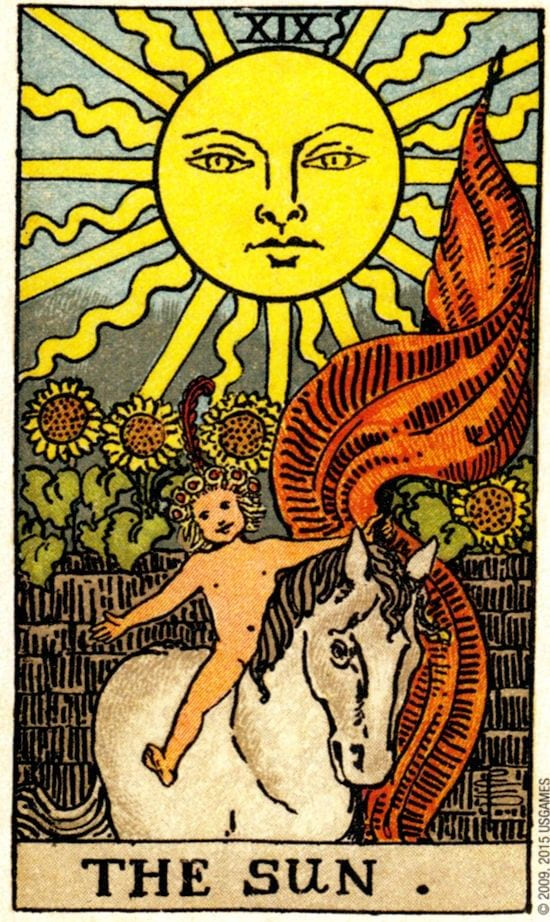
Litha sits directly opposite Yule (the Winter Solstice) on the Wheel of the Year. If Yule is the longest night and the return of light, Litha is the longest day and the celebration of light at its fullest.
The core themes are:
- Peak power — the sun at its highest, your energy at its strongest, everything at maximum brightness
- Celebration — honoring what has grown since winter, acknowledging how far you have come
- The turning point — the first day the light begins to wane, making presence and gratitude more powerful than usual
- Fire — bonfires, candles, and the inner flame of passion and will
- Fairy magic — in folklore, the veil between worlds thins at Midsummer, and the fae are especially active
The word comes from Old English (Liða), and the celebration has roots stretching back thousands of years — Stonehenge was literally built to mark this day. But you do not need to know any of that history to feel the energy. The longest day speaks for itself.
Five simple ways to celebrate (no bonfire required)
You do not need a hilltop, a coven, or any particular belief system. You need maybe fifteen minutes and willingness to notice the light.
1. Chase the sunrise or sunset
The most fundamental Litha act: being present for the light. Wake up early enough to watch the sun rise on the longest day. Or stay up to watch it set — on the Solstice, sunset can stretch past 9 PM depending on where you live.
If you can only pick one, choose sunrise. There is something about greeting the longest day at its very beginning that changes the quality of everything that follows.
2. Light a candle (or many)
Fire is Litha’s element. Any candle will do — gold, yellow, or orange are traditional solstice colors, but a white candle works perfectly. Light it at sunset and let it carry the sun’s energy through the short night.
If you want to go further, create a ring of tea lights on a table or windowsill. Small fires honor the ancient bonfire tradition without setting off your smoke detector.
3. Write down your harvest
Litha celebrates what has grown. Before you can look forward, look at how far you have already come.
Write a list of everything you have accomplished, created, survived, or started since January. Big things and small things. Projects that took root. Relationships that deepened. Habits you built. Fears you faced.
This is your personal solstice harvest. Read it back to yourself. Let yourself feel proud — Litha says you have earned this light.
4. Gather something from the earth
Herbs picked on the Solstice are believed to be at their most potent. Even if you do not practice herbalism, picking a small bunch of wildflowers, clipping some rosemary or lavender from a garden, or buying a bunch of sunflowers connects you to the ancient tradition of solstice gathering.
Put them on your table, your altar, or your desk. Let something alive and growing share your space on the longest day.
5. Stay in the light as long as you can
This is the simplest and perhaps most powerful practice: be outside. Eat a meal outdoors. Read a book in the park. Take a walk at a time you would normally be inside. The Solstice gives you up to 16 hours of daylight — use as many of them as your life allows.
Litha is not about doing something special in the light. It is about being present in the light for as long as you can.
Common mistakes beginners make
Overcomplicating it
You do not need a two-hour ritual with crystals arranged in the exact shape of the sun. A candle and five minutes of genuine presence will carry more power than an elaborate ceremony you followed from a script without feeling it.
Thinking it’s too late to start
You can celebrate the Solstice this year even if you have never heard of Litha before today. There is no curriculum, no prerequisite. The sun does not check your credentials before shining on you.
Forgetting the bittersweet part
Litha is a celebration, but it is also a turning point — the first day the light begins to wane. Beginners sometimes miss this nuance. The beauty of Litha is holding both: joy at the peak and awareness that peaks do not last forever. That is not sad. It is what makes the light precious.
Staying in your head
Litha is a body holiday. It is about warmth on skin, flowers in hands, fire reflected in eyes. If you celebrate entirely through reading and thinking, you are missing the frequency. Step outside. Feel the sun. Let it be physical.
How to use tarot during Litha
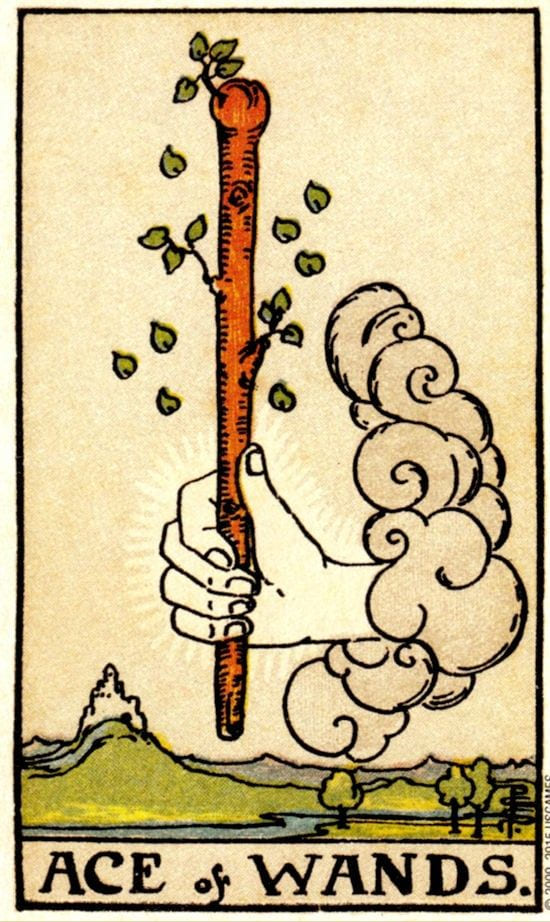
If you read tarot — or want to try — the Solstice is one of the clearest, most direct reading days of the year. Solar energy cuts through ambiguity. Cards pulled on Litha tend to say exactly what they mean.
The one-card Solstice pull
Shuffle your deck while thinking: What has reached its peak in my life?
Pull one card. Look at the image before you check any meaning. What do you notice first? What emotion does it bring? Litha readings respond best to instinct.
The three-card Litha spread
Lay three cards in a row:
- What is at full bloom? — The area of your life that has reached its peak right now
- What does the light reveal? — Something you have been avoiding or not seeing clearly
- How do I carry the light forward? — What sustains you as the days begin to shorten
This spread works beautifully in direct sunlight — on a sunny windowsill, a balcony, or a patch of grass. Let the sun warm the cards in your hands.
Cards to watch for
Some cards carry extra power during Litha season:
- The Sun — The Solstice card itself. Full joy, full clarity, full brightness. This is the biggest yes the deck can give you on this day.
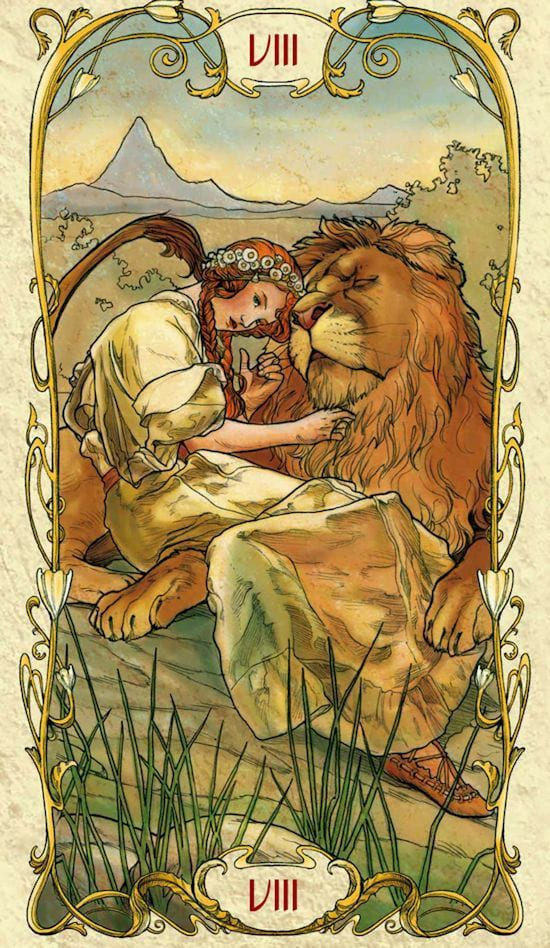
- Strength — Quiet, confident power. The sun at its peak does not strain — it simply shines. So should you.
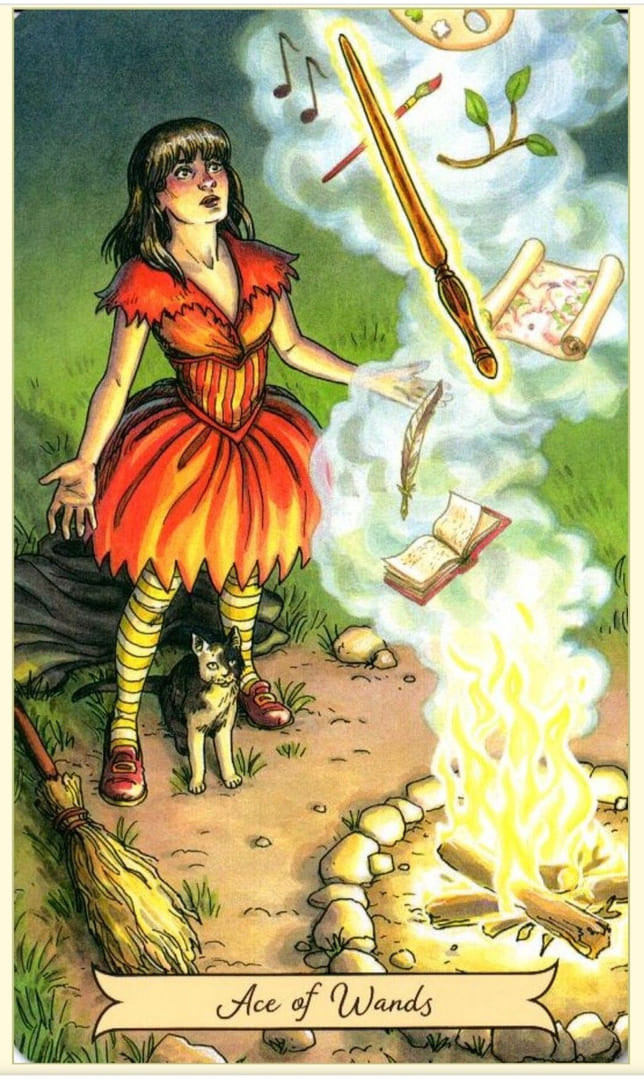
- Ace of Wands — Pure fire energy. A creative spark with the full force of the sun behind it. If this appears, act quickly.
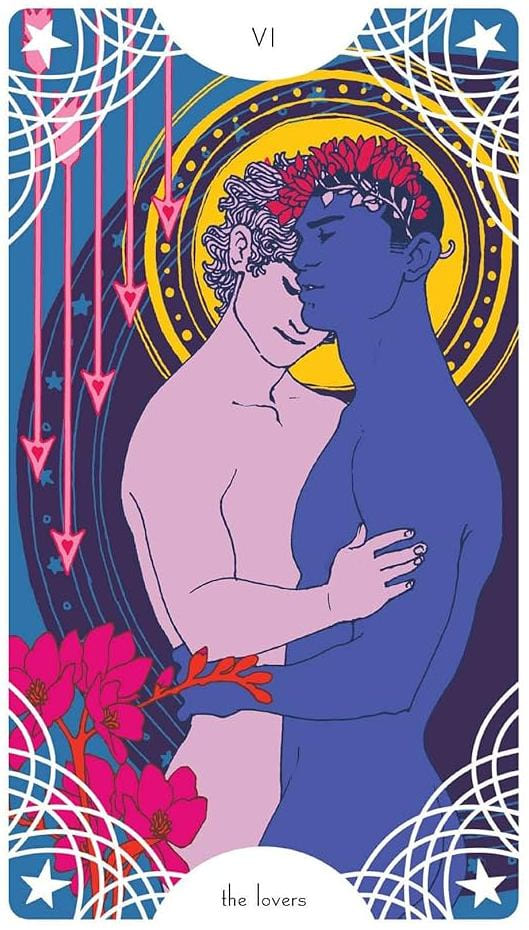
- The Chariot — Willpower in motion. Cancer season (which begins at the Solstice) and The Chariot share the same energy: directed movement.
- Six of Wands — Victory and recognition. The longest day celebrates what has been achieved. Accept the garland.
- The World — Completion. Something has reached its full expression. Stand in it.
If any Wands card shows up in your Litha reading, pay attention. Wands = fire, and fire is Litha’s language.
What to do after the Solstice
Litha is not a box you check. It is the peak of a season — and after the peak, the energy shifts.
In the days and weeks after the Solstice:
- Revisit your harvest list. Add to it as new accomplishments emerge.
- Notice the light changing. Each day loses a few minutes. This is not sad — it is the natural rhythm that makes each season meaningful.
- Start thinking about your autumn harvest. What you planted this year is still ripening. What do you want to gather before the year turns?
- Pull a weekly card and ask: How is the post-Solstice energy showing up in my life?
The light is shifting, but it is not gone. You have months of warmth and growth ahead. Litha just reminds you to pay attention while it lasts.
Start now
You do not need to wait for the “right” Solstice or the “perfect” setup. You need a candle, a few minutes, and the willingness to look at what has grown in your life and call it good.
The longest day is coming. It does not care if you are a seasoned practitioner or a complete beginner. It is going to shine on you either way.
The only question is: will you notice?
Frequently Asked Questions
Do I need to be pagan or Wiccan to celebrate Litha?
No. Litha is a seasonal celebration rooted in the earth's cycles. Anyone who feels drawn to honoring the longest day, the sun's peak energy, or the shift into high summer can celebrate. There are no requirements beyond showing up.
What is the easiest way to celebrate Litha at home?
Watch the sunrise or sunset, light a gold or yellow candle, and spend a few minutes writing down what you have accomplished this year. That's a complete Litha celebration — the sun and your attention are the only essentials.
Can I celebrate Litha in a city apartment?
Absolutely. Light candles, bring in sunflowers or fresh herbs, open the windows to let in maximum light, and do a tarot reading by the window during the longest day. Litha's energy reaches you wherever you are — you don't need a garden or a bonfire pit.
What should I do with tarot cards on Litha?
Pull a single card asking 'What has reached its peak in my life?' Or try the three-card Solstice spread: what's blooming, what the light reveals, and how to carry the energy forward. Do the reading in direct sunlight for the full effect.