Review: Earth Woman Tarot — Rooted in Nature
The first thing you notice about this deck is that the figures have no faces. No eyes, no mouth, no expression. Your first reaction is probably discomfort. Your second — surprise at how quickly it stops being strange and starts working. Because when a card has no face, it looks at you with your eyes.
The Earth Woman Tarot speaks through bodies, through posture, through skin tone and fabric texture. And through the ground beneath everyone’s feet.
First impressions
You open the box and immediately enter a world of warm, rich tones — golden, green, terracotta, deep blue. Every card is a window into a landscape where nature isn’t the backdrop but a participant in the story. Women here stand in grass, sit by waterfalls, grow roots into the earth — literally.
The cards are thick, comfortably sized, without gilding. They shuffle well. The frames are golden and understated. The overall impression is cohesive and intentional.
About the deck
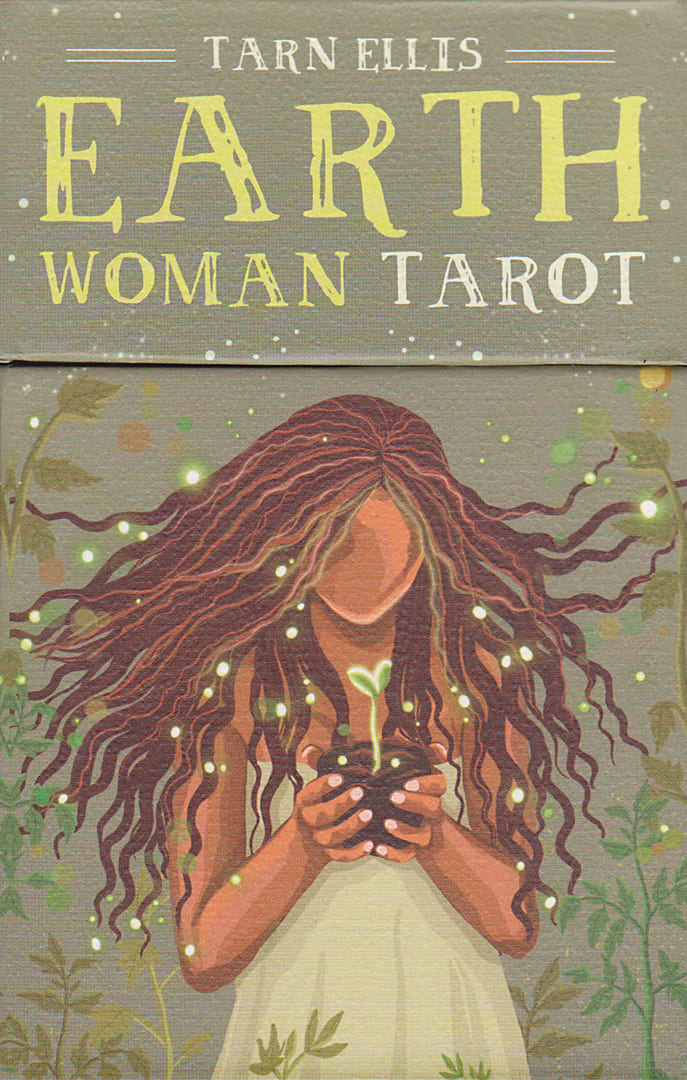
Earth Woman Tarot is by Tarn Ellis, a British artist who founded her art brand in 2020. Published by Lo Scarabeo (US distribution through Llewellyn). 78 cards, standard RWS structure. Included is a 127-page guidebook in four languages (English, Italian, Spanish, Portuguese) with card descriptions and three spreads.
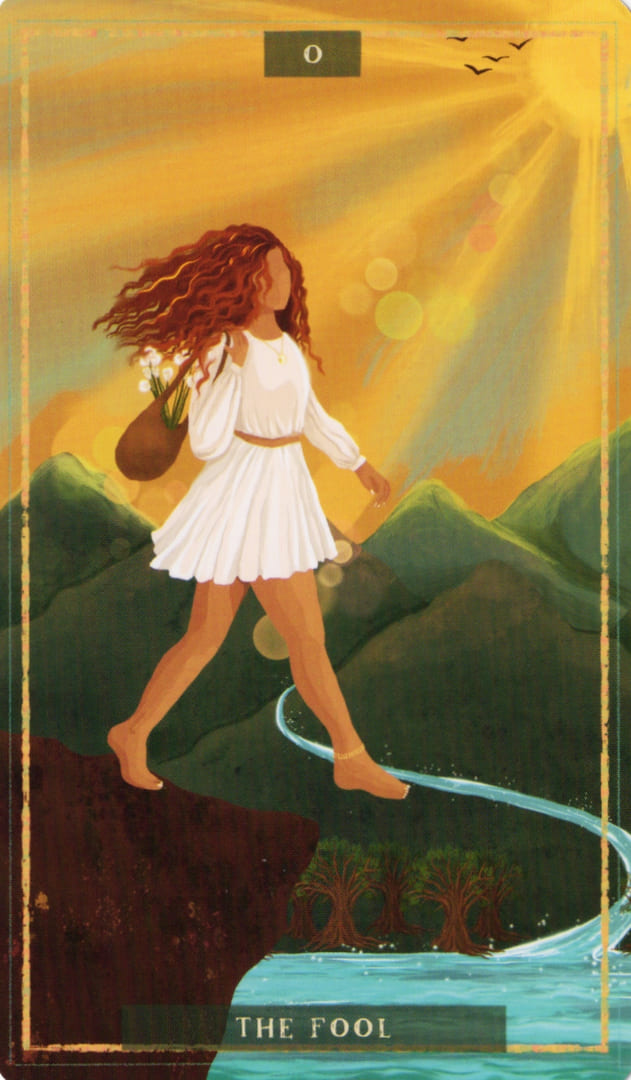
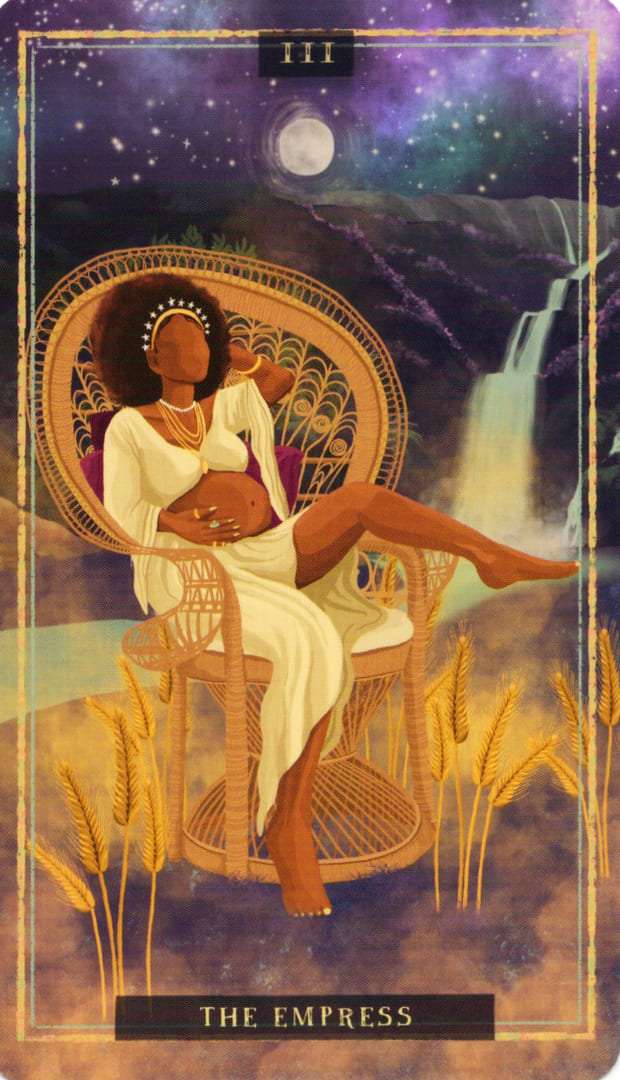
The defining artistic feature is the faceless figures. Ellis developed this style so anyone could see themselves in the cards. Without a specific face, attention shifts to posture, gestures, clothing, surroundings — and to what you feel looking at the card.
The second key feature is diversity. Women in the deck have different skin tones, hair types, and body shapes. This isn’t decorative — it’s the deck’s philosophy: feminine power is universal and belongs to everyone.
Visual style
Ellis’s style is warm, earthy, with a saturated palette. Plenty of gold, ochre, deep green, night blue. The cards look simultaneously modern and timeless — no anchoring to a specific era or trend.
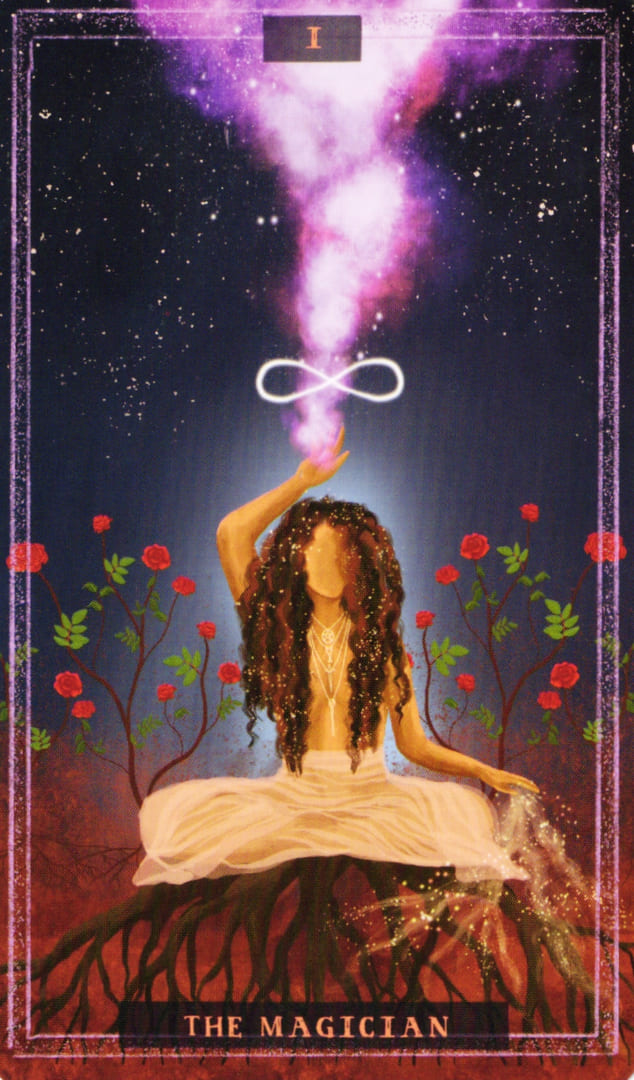
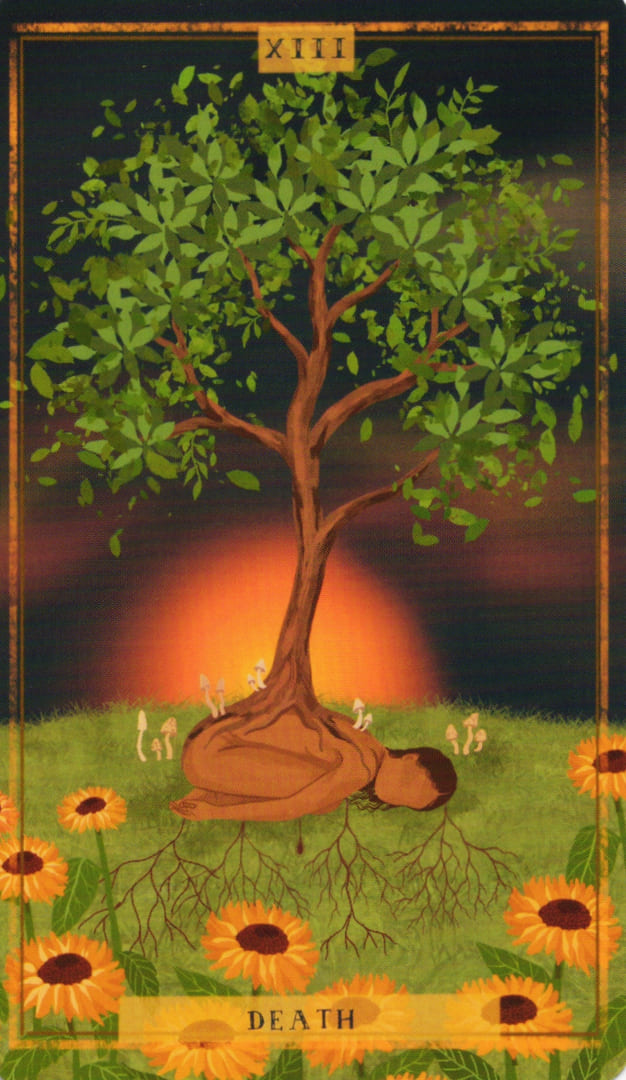
Natural landscapes appear on every card: mountains, rivers, jungles, starry skies, flowering fields. The women aren’t simply in nature — they are nature. On The Magician, a woman literally grows roots into the ground. On Death, a body transforms into a living tree.
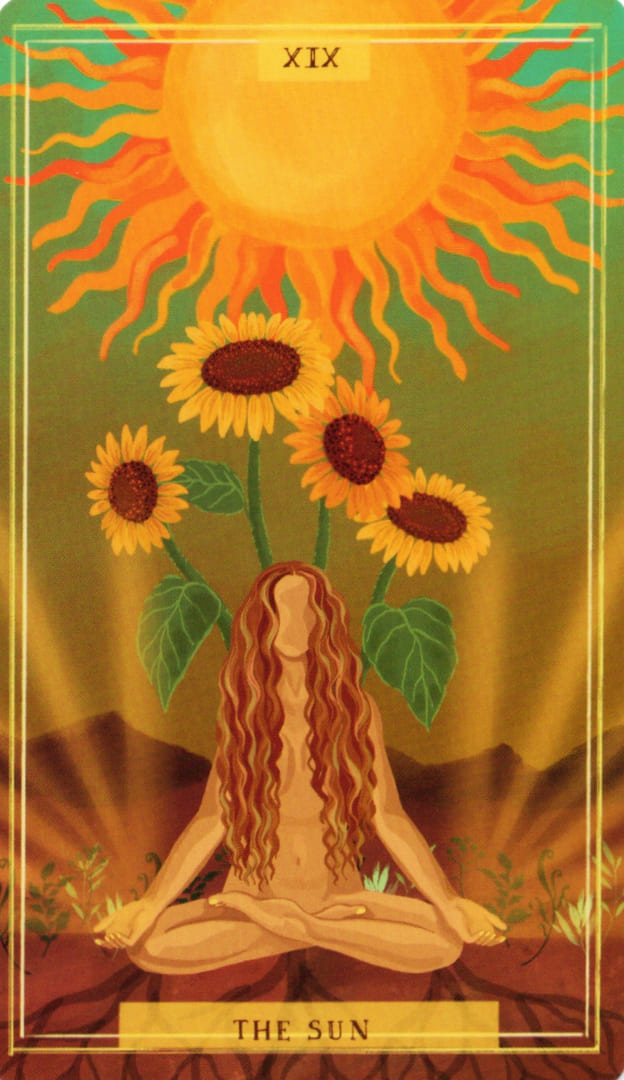
The color palette shifts from card to card but stays in the warm spectrum. This is a deck that radiates light — sometimes solar, sometimes lunar, but always alive.
Core themes
Feminine power as natural power. The deck doesn’t contrast the feminine and the natural — it shows them as one thing. Women here aren’t “close to nature” — they are nature: rooted, blooming, renewing.
Inclusivity without slogans. The diversity in this deck isn’t a political statement — it’s simply reality. Women of different origins and appearances exist side by side, each in her own power. It creates the feeling that this deck speaks to everyone.
Embodiment and presence. Without faces, the body becomes the primary language. Posture, head tilt, hand placement — everything tells a story. It’s a surprisingly precise way of communicating emotion, and you adapt to it fast.
Favorite cards
The Magician — one of the deck’s strongest cards. A woman with dark curly hair sits in meditation, and roots grow from her body — literally into the earth. Above her, the infinity symbol and cosmic energy rise into a starry sky. Red roses surround her. This is a Magician who draws power not from tools but from the connection between earth and cosmos.
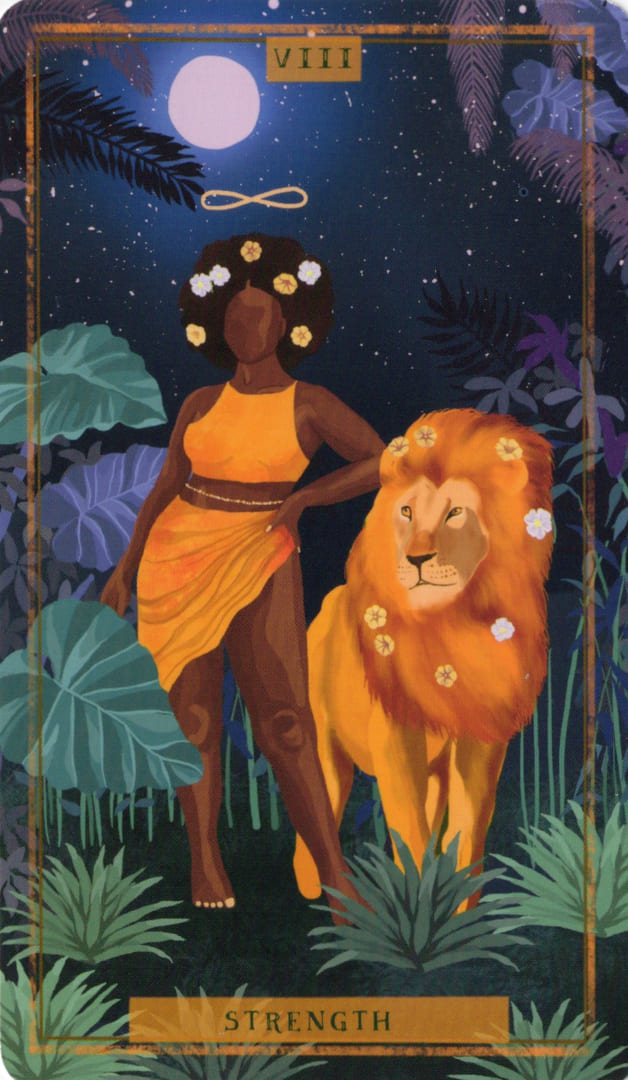
Strength — a woman in an orange dress with flowers in her hair stands beside a golden lion in tropical jungle. The moon above them, the infinity symbol. Her hand rests on the lion’s mane — not taming, just touching. One of the most beautiful Strength cards I’ve seen. Quiet courage, nothing performative.
Death — a completely unique interpretation. A faceless figure lies curled on green grass, and a tree grows from her body — alive, green, full of leaves. Sunflowers surround the scene. No skeleton, no scythe, no dark tones. Death here is literal transformation into new life. One of the most moving Death cards I’ve encountered.
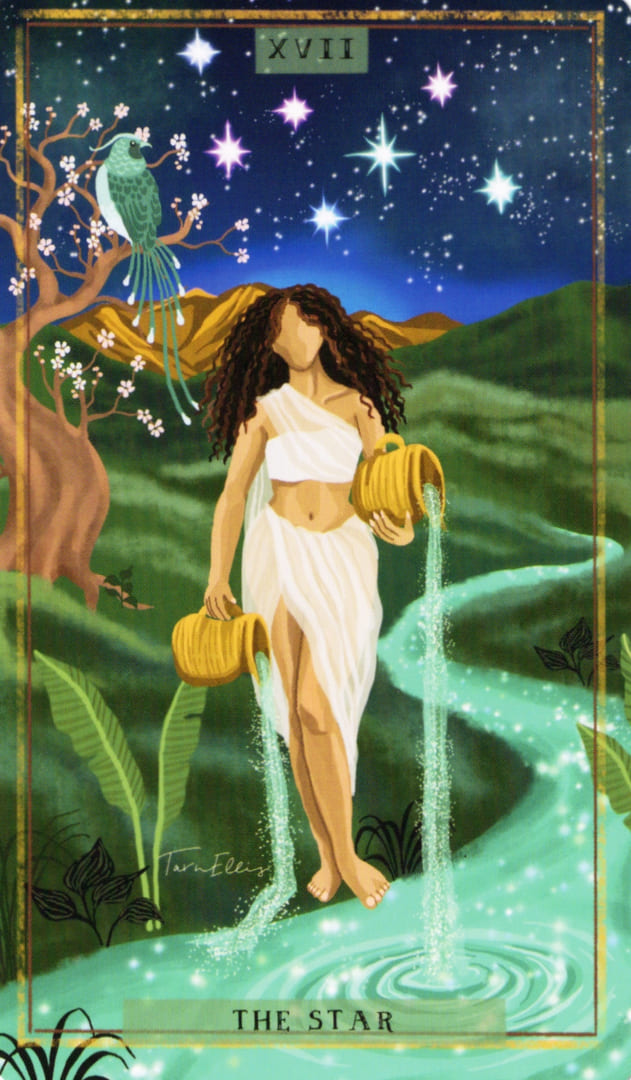
The Star — a woman with dark curls in white robes pours water from two golden vessels into a flowing stream. Behind her — green mountains, a cherry blossom tree with a bright parrot perched on its branch. Stars sparkle in the night sky. The classic Star scene, reimagined through connection to living earth.
Ten of Wands — instead of the usual figure bent under the weight of wands, here a woman in a bright patterned dress and headwrap carries a bundle of sticks balanced on her head, as women do in many cultures. Mountains, sunset sky. She isn’t suffering — she carries her load with dignity. This shifts the card’s reading: not overload, but strength.
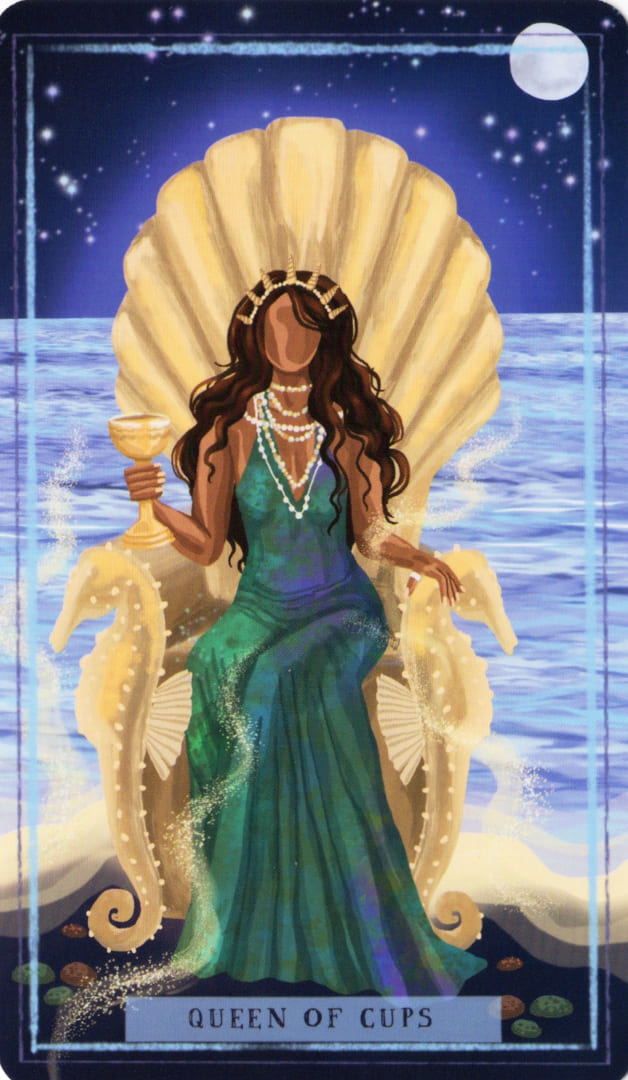
Queen of Cups — a woman in a flowing teal-green dress with pearl jewelry sits on a shell-shaped throne at the ocean’s edge. Moon and stars above. An Aphrodite emerging from the sea — regal and deep.
How to work with this deck
Meditation and self-exploration — the deck’s strongest suit. The faceless figures turn every card into a mirror: you aren’t looking at someone else, you’re meeting yourself.
Body and emotions work — since the deck communicates through posture and movement, it works well for questions about physical state, energy, and presence in your body.
Card of the day — works beautifully. Every morning is a meeting with a new landscape and a new feeling.
Professional readings — entirely possible. Images follow the RWS system, cards have titles. The one consideration: not every client will be comfortable with faceless figures, so know your audience.
Who is this deck for
Those seeking a feminine deck without stereotypes. Femininity here isn’t pink ruffles — it’s roots, earth, and stars. Power without posturing.
Readers who work with natural cycles. If you read by moon phases, work with seasons or elements — this deck speaks that language fluently.
Those for whom representation matters. Seeing yourself in the cards isn’t a small thing. For many people, this is the first deck where that’s genuinely possible.
Who might look elsewhere: those who rely on facial expressions and specific features for interpretation. The faceless style is a powerful technique, but it’s not for everyone.
Deck pairings
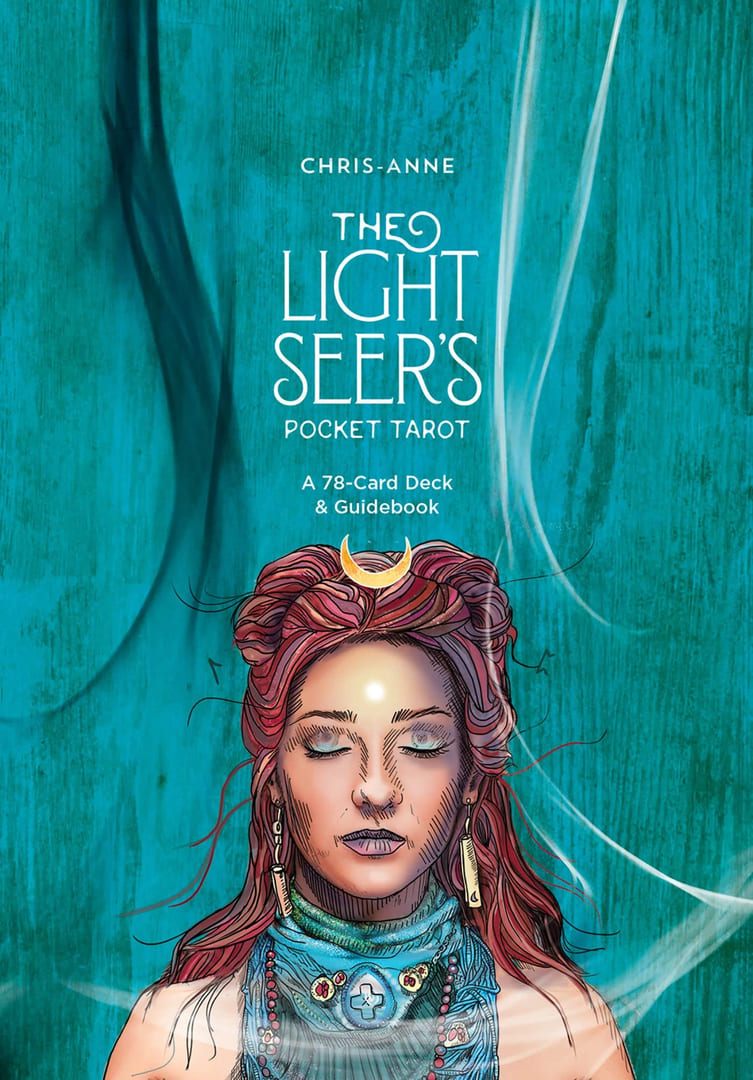
Light Seer’s Tarot — if Earth Woman is earth and roots, Light Seer’s is light and movement. Together they give a complete picture: grounding and aspiration.
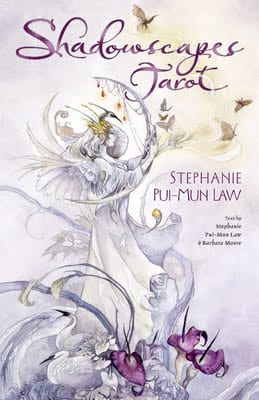
Shadowscapes Tarot — for stylistic contrast. Shadowscapes is fantastical, airy. Earth Woman is grounded, realistic. Their combination opens different facets of the same question.
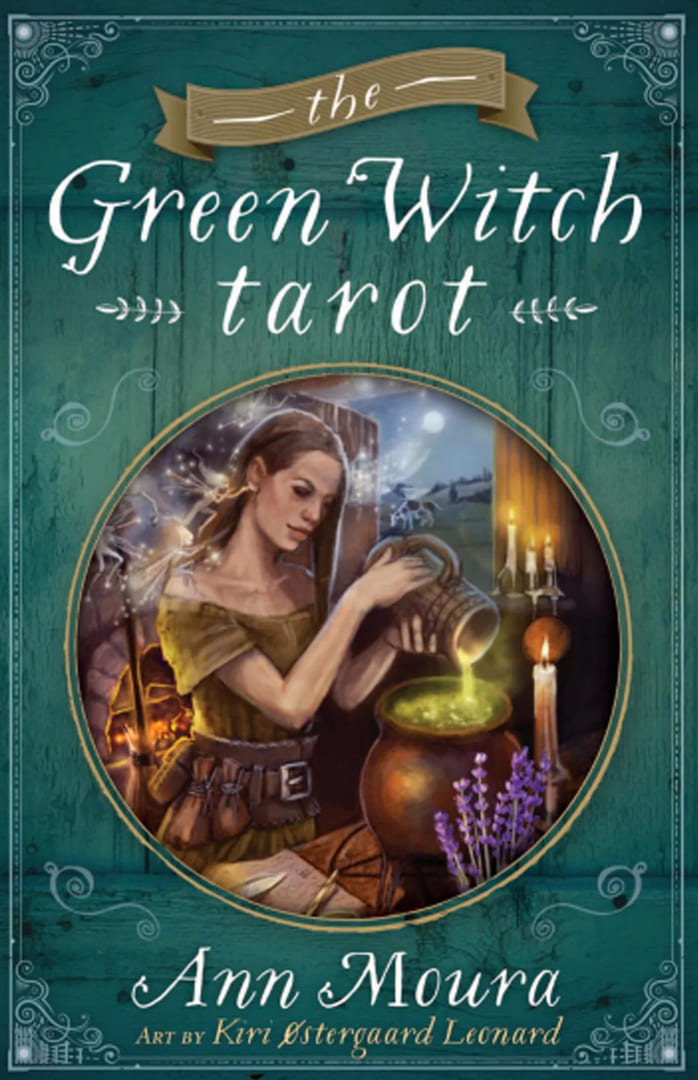
The Green Witch Tarot — if nature magic speaks to you, these two complement each other beautifully. Both communicate through plants, elements, and earth cycles.
Try this deck in our Telegram bot — it’s available for readings right now.
Frequently Asked Questions
Is the Earth Woman Tarot good for beginners?
Yes — it follows the Rider-Waite-Smith system with recognizable scenes. The faceless figures take a moment to adjust to, but you quickly learn to read through posture and symbolism. A guidebook is included.
How many cards are in the Earth Woman Tarot?
78 cards: 22 Major Arcana and 56 Minor Arcana. Standard tarot structure with four suits — Wands, Cups, Swords, and Pentacles.
Why don't the figures have faces?
It's a deliberate artistic choice by Tarn Ellis. Without faces, attention shifts to body language, colors, and symbolism. Anyone can see themselves in these figures regardless of appearance.
What are the main themes of the Earth Woman Tarot?
Feminine power, connection to the earth and natural cycles, diversity and inclusivity. The deck portrays women of different cultures, skin tones, and body types as carriers of strength and wisdom.