Review: Shadowscapes Tarot — Watercolor Dream
First impressions
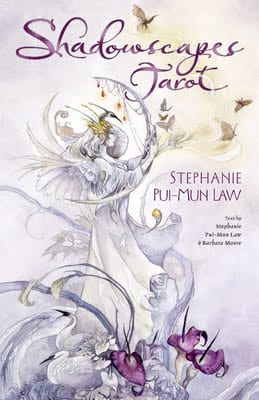
Some decks you use. Some decks you gaze at. Shadowscapes is both. When I first saw these cards, I simply flipped through them one by one, forgetting about the spread entirely. Each is a complete watercolor painting: transparent layers of pigment, flowing lines, details that reveal themselves with every new look.
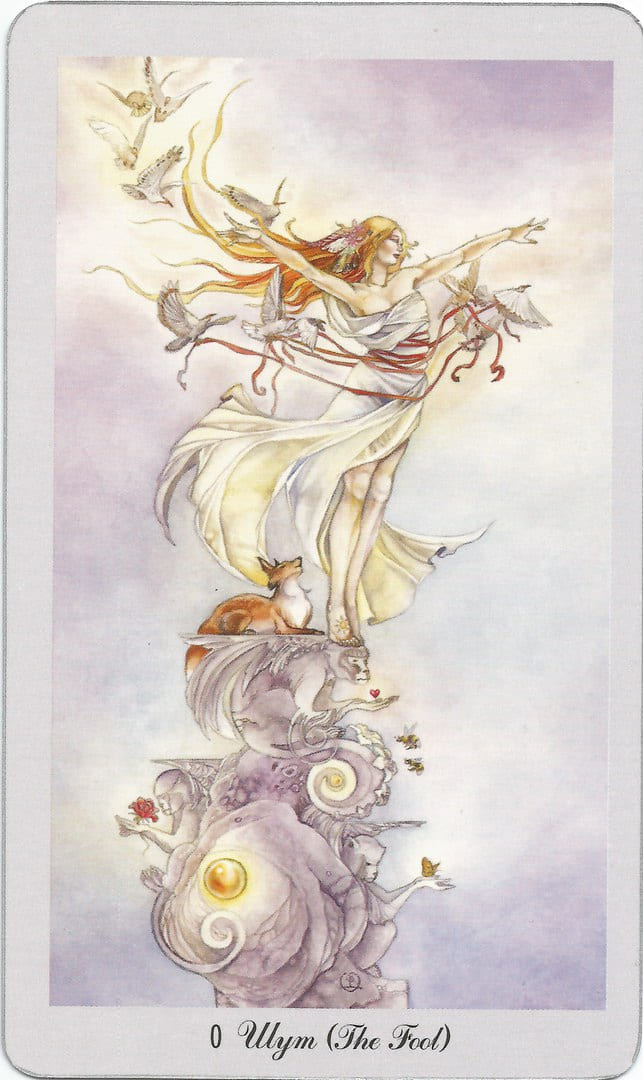
The Fool shows a woman in a flowing white dress dancing among white doves, a red fox at her feet, clouds spiraling below. She doesn’t stand on a cliff’s edge — she floats. And you float with her. That feeling of weightlessness and fairy tale sets the tone for the entire deck.
About the deck
Artist: Stephanie Pui-Mun Law, a Malaysian-American whose watercolors blend European book illustration with Asian aesthetics. Text: Barbara Moore, one of the most respected authors in the tarot world. Publisher: Llewellyn, 2010. The deck has remained a bestseller for over 15 years.
78 cards in the standard structure. Good cardstock, comfortable format. The guidebook isn’t just a list of meanings — it’s a genuine book with mythological context for each card and original spreads by Barbara Moore. A separate art book, The Art of Shadowscapes Tarot, features full-size reproductions.
Visual style
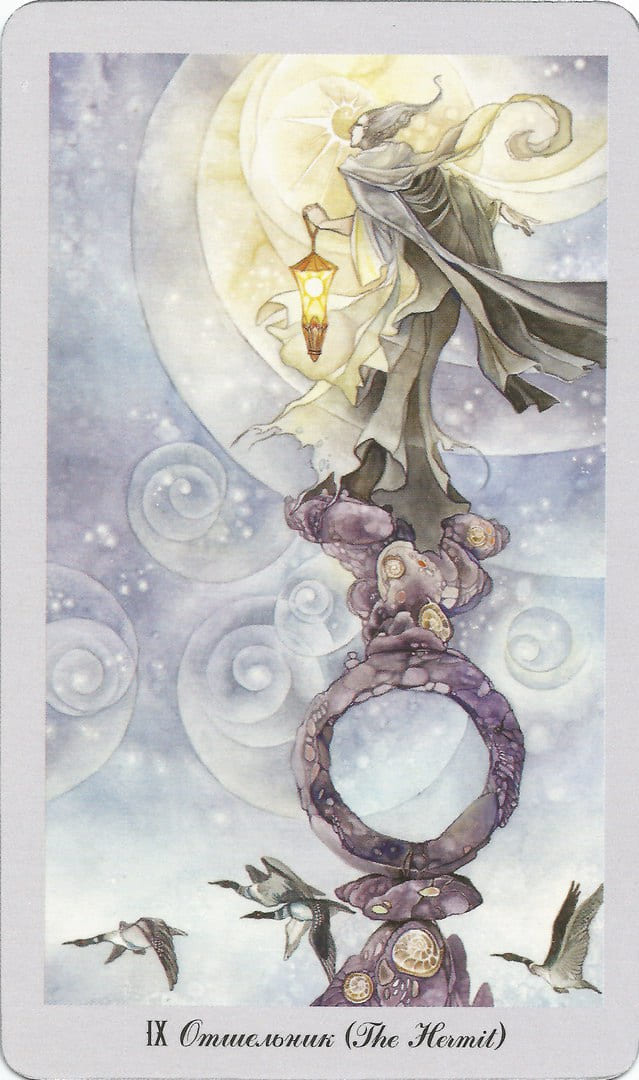
Stephanie Pui-Mun Law works in classic watercolor technique — transparent layers, soft transitions, weightless palette. Lavender, gold, turquoise, and pink tones dominate. Each card is a small world inhabited by fairy-tale creatures: fairies, dragons, phoenixes, owls, foxes, koi fish.
The style draws from mythology across cultures — Celtic, Asian, European — and you feel it in the details: spirals, wings, branches, whirlpools. Everything moves, everything flows. There are no static cards here.
Core themes
Shadowscapes is tarot filtered through the lens of world mythology. There are no familiar medieval settings — instead, enchanted forests, underwater palaces, star-filled skies.
Central motifs:
- World mythology — Celtic spirals, Asian dragons, European fae
- Natural cycles — each suit connects to a specific element and its expressions
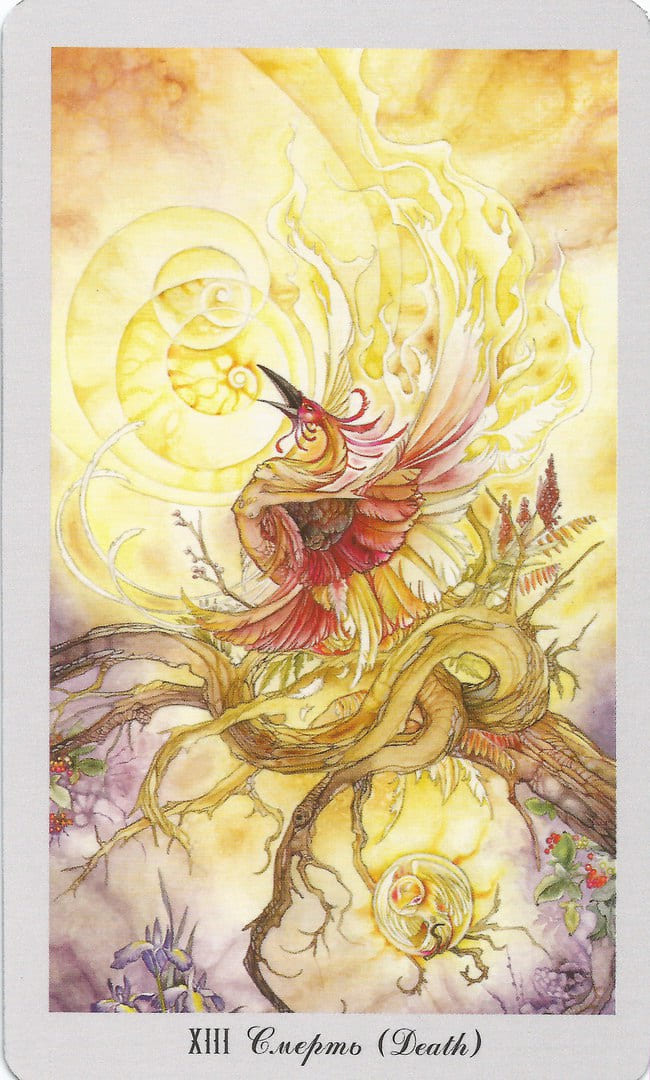
- Transformation — Death here is a phoenix, not a reaper
- Beauty as language — the deck speaks through aesthetics, not through shock
Favorite cards
Death (XIII) — The Phoenix
Instead of the familiar skeleton or horseman — a fiery phoenix bird in reds, oranges, and golds, rising from twisted branches. Golden spirals, flames, transformation through fire. One of the most beautiful and hopeful versions of Death — not an ending, but rebirth in the most literal sense.
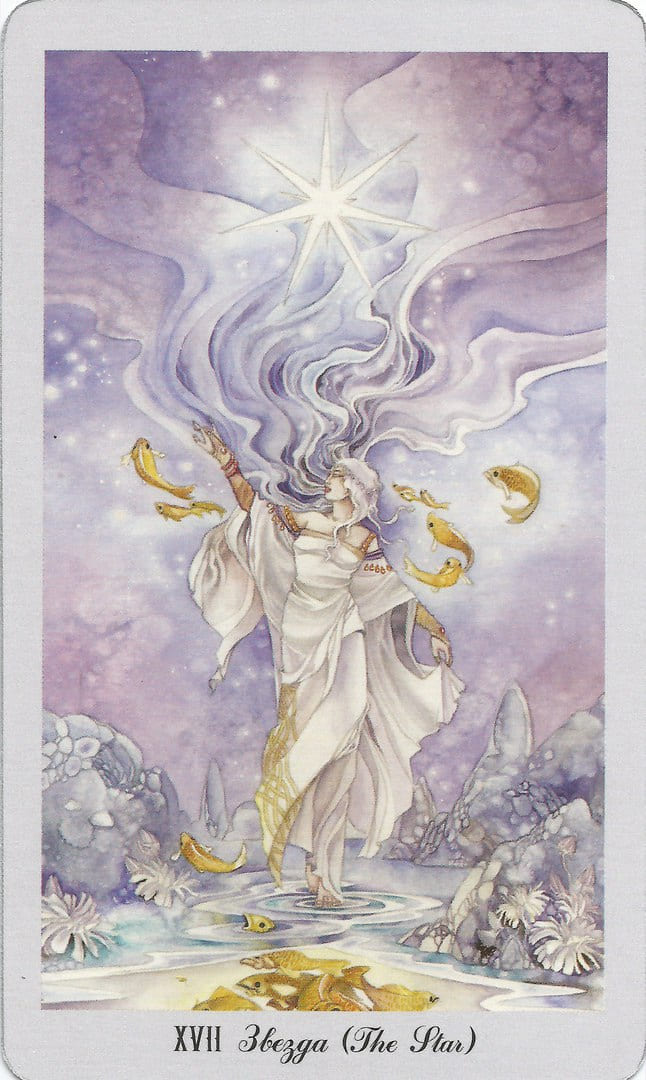
The Star (XVII)
A silver-haired figure in white stands in water with arms raised, golden koi fish swimming around. A star shines above, lavender sky flows with energy. Healing and cosmic connection — weightless and translucent.
The Empress (III)
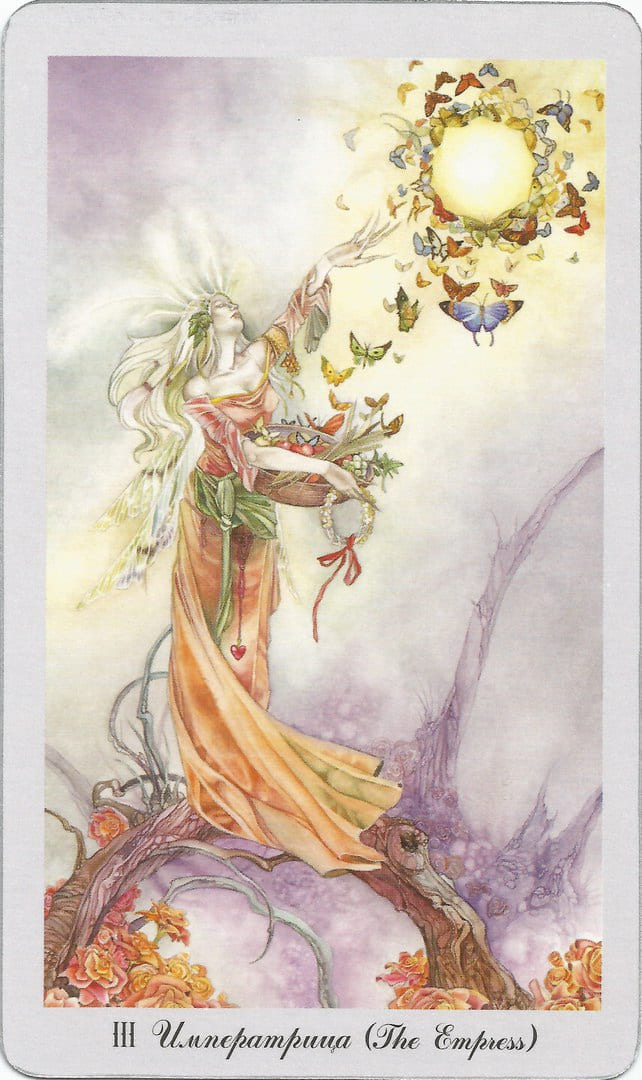
A woman in autumn robes stands on a tree branch releasing butterflies — dozens fly toward the glowing sun. A heart pendant on her neck, white flowers in her hair. Fertility expressed not through the body, but through this flight of butterflies toward light. An incredibly poetic image.
The High Priestess (II)
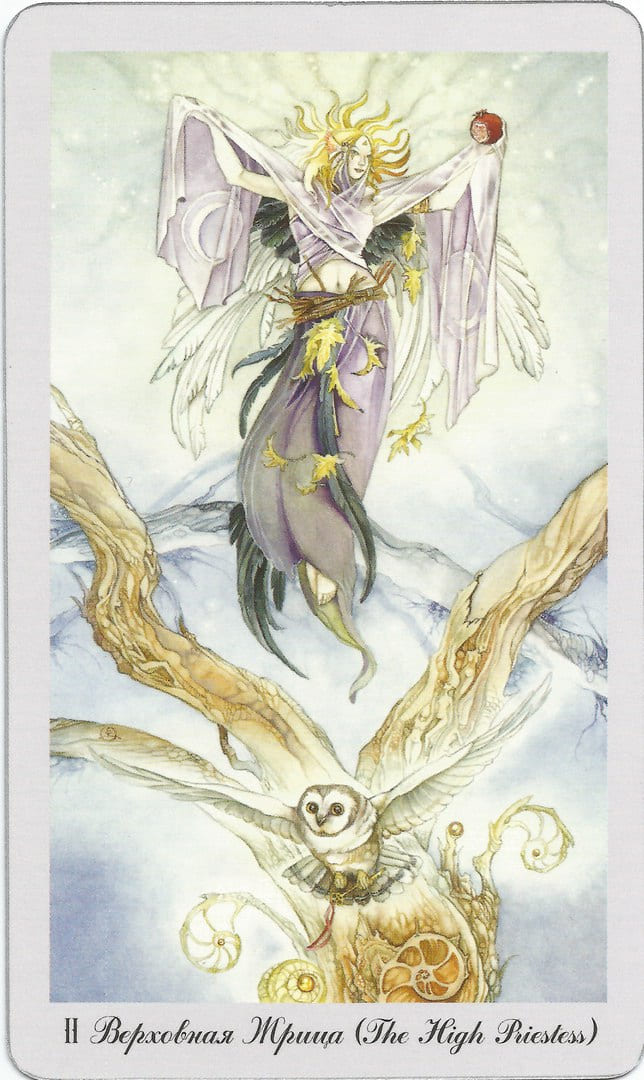
A winged figure in lavender floats above a snowy landscape, below — a white barn owl perched on a twisted branch. Golden leaves, spiral shells. Winter wisdom: knowledge that comes in silence and cold, when the world stands still.
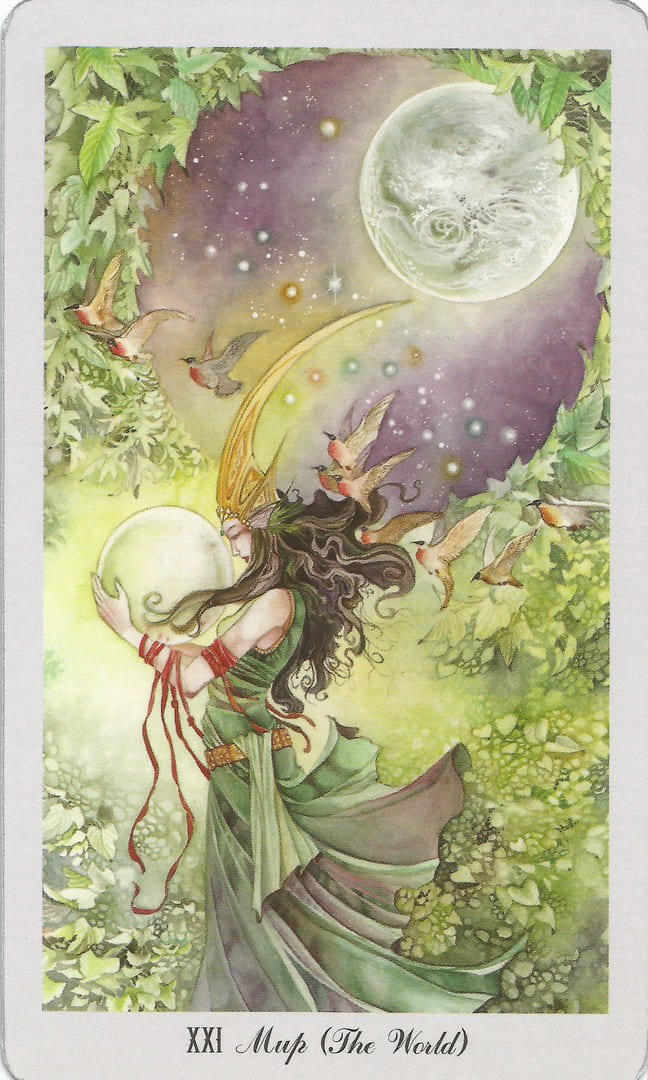
The World (XXI)
A woman in a green dress with dark curls holds a glowing pearl. Above — a full moon and crescent against a starry sky. Hummingbirds and fairies circle around, lush green foliage frames the scene. Cycle completion in nature’s embrace — not triumph, but quiet harmony.
How to work with this deck
- Meditative spreads — Shadowscapes is designed for slow, thoughtful reading. Don’t rush — study the details
- Card of the day + journal — describe what you see on the card before reading its meaning. This trains intuition
- Mythological context — check the guidebook for each card’s story. Knowing the myth deepens understanding
- Art meditation — choose a card and try sketching it. This remarkably reveals the symbolism
Who is this deck for
If you love fantasy, watercolor, and mythology — Shadowscapes will be one of the most beautiful decks in your collection. This is tarot-as-art in its purest form.
If you’re looking for a deck for meditative, deep work — this is an excellent choice. No harsh messages or shocking imagery, but layers that reveal themselves with every new look.
An honest downside: some may find the style “too pretty” or “fairy-tale-like” — meaning the deck avoids harshness. Dark cards (Tower, Devil) are softer here than in most decks. If you need a deck that hits you with raw truth — this isn’t Shadowscapes.
Another note — the detail level. Cards are so packed with detail that some elements get lost at the smaller card format.
Deck pairings
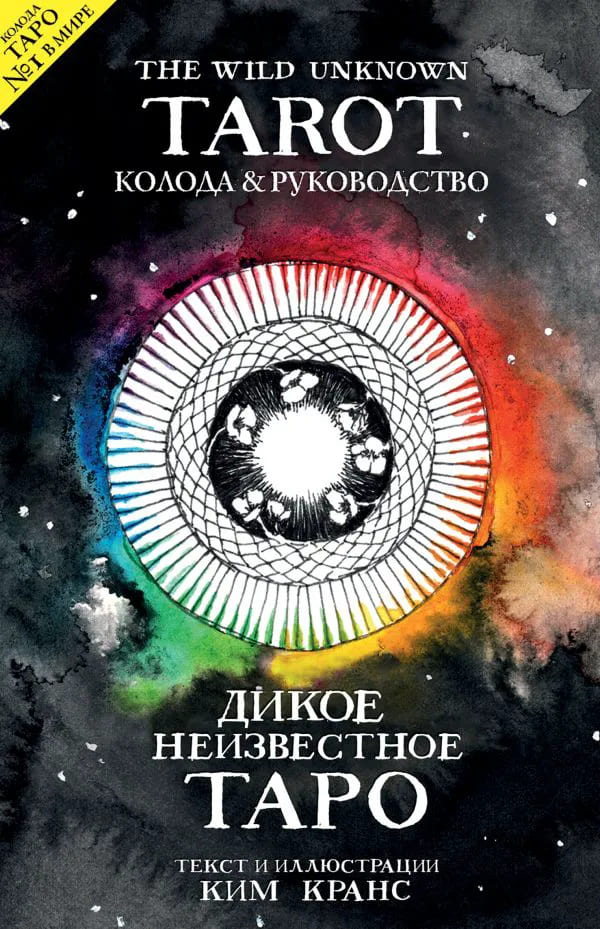
- The Wild Unknown Tarot — if Shadowscapes is layered fantasy, Wild Unknown is stark minimalism. Together they balance each other
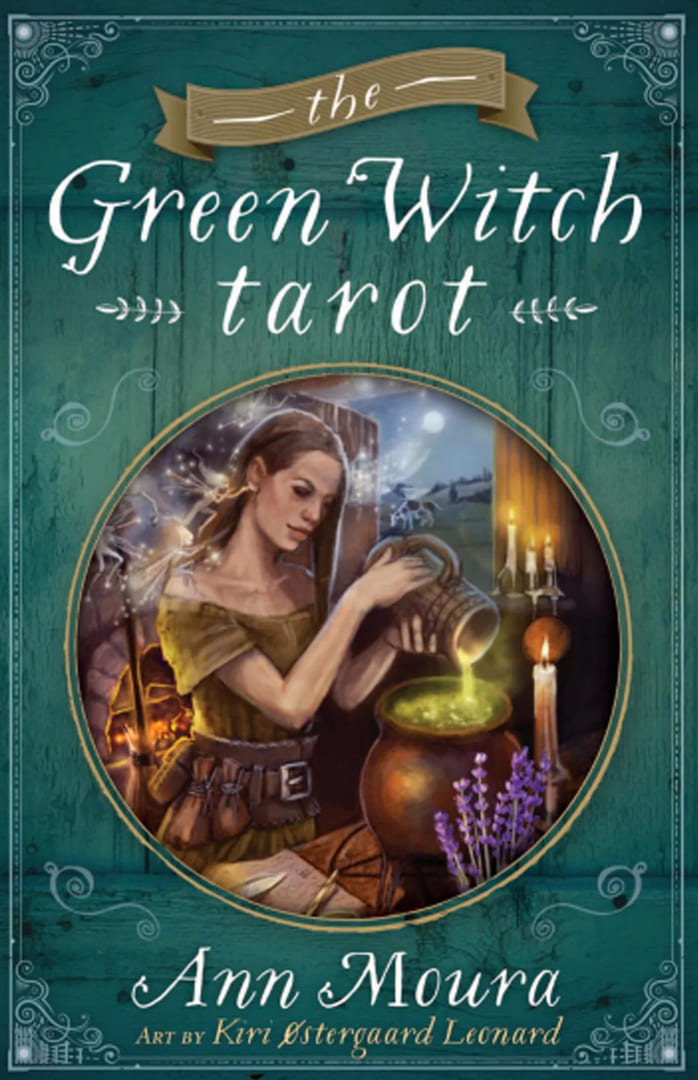
- The Green Witch Tarot — both share nature themes but with different approaches: Shadowscapes through mythology, Green Witch through practice
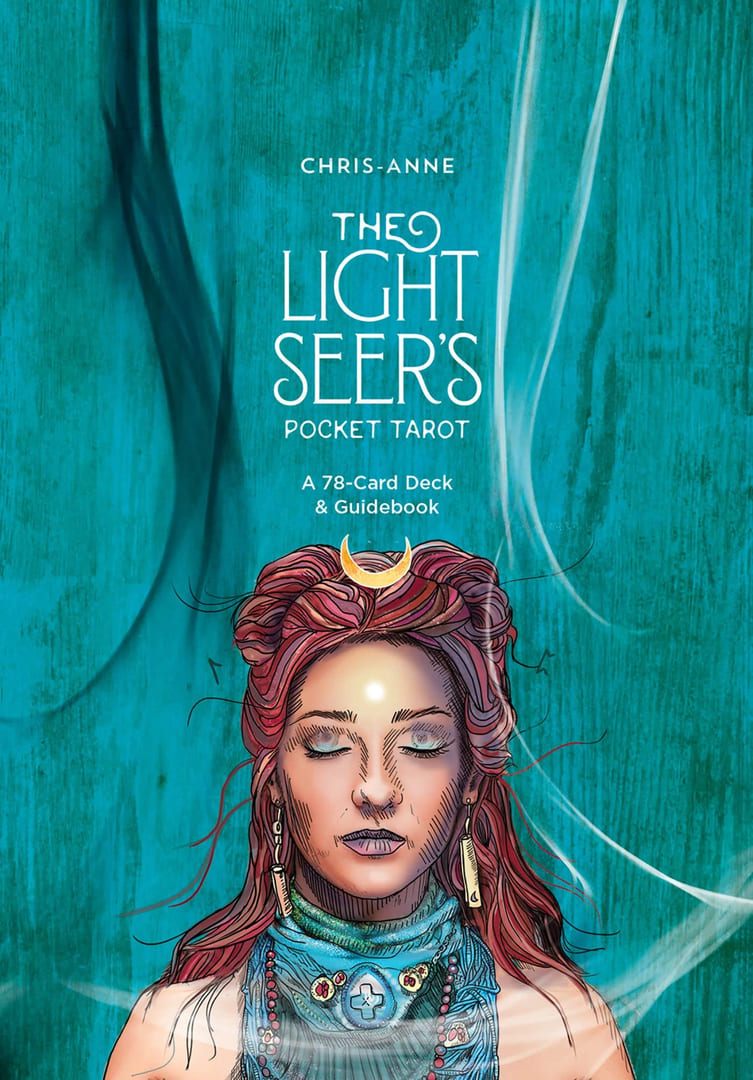
- Light Seer’s Tarot — a modern alternative for days when you want something less fairy-tale and more grounded
Try the Shadowscapes Tarot in our app — Elvi Tarot 🦋
Frequently Asked Questions
Is the Shadowscapes Tarot good for beginners?
Yes, with a caveat: the symbolism is author-driven, with standard Waite imagery reimagined through mythology and fantasy. Barbara Moore's guidebook helps, but you'll need time to adjust.
How many cards are in the Shadowscapes Tarot?
78 cards — 22 Major Arcana and 56 Minor. Standard Rider-Waite structure with mythological interpretations drawn from cultures worldwide.
What are the main themes of this deck?
World mythology (Celtic, Asian, European), natural cycles, fairy-tale creatures and archetypes. Each card is a watercolor painting featuring fairies, dragons, phoenixes, and forest spirits.
Who created this deck?
Artist Stephanie Pui-Mun Law, a watercolor and fantasy art master. Text by Barbara Moore, a renowned tarot author. Published by Llewellyn in 2010, a bestseller for over 15 years.