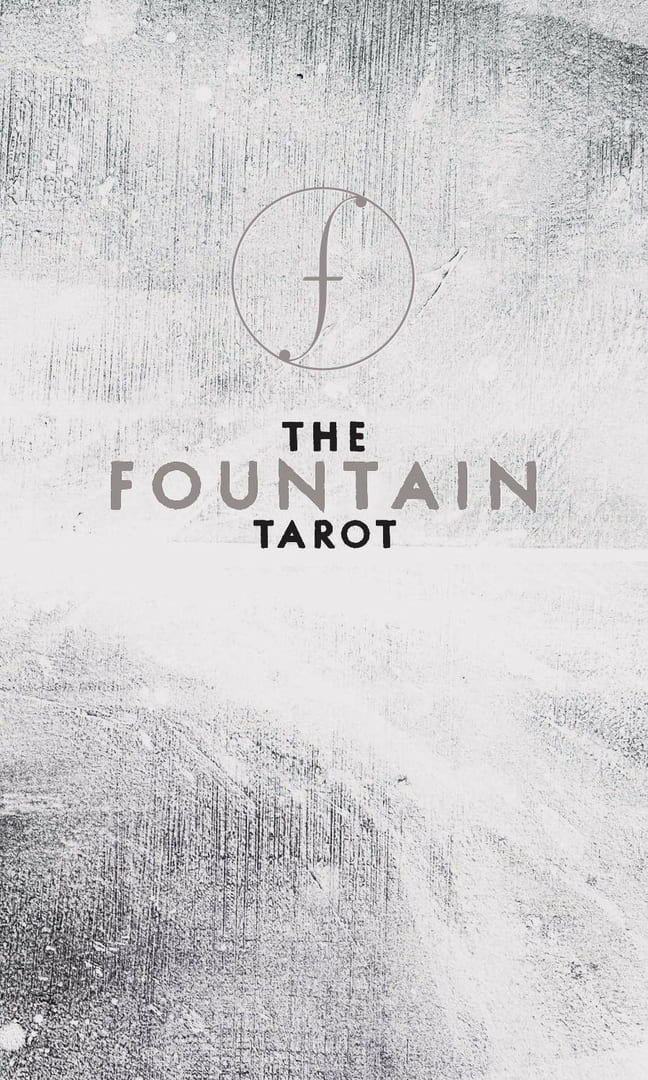
Review: Fountain Tarot — Geometry & Oil
First impressions
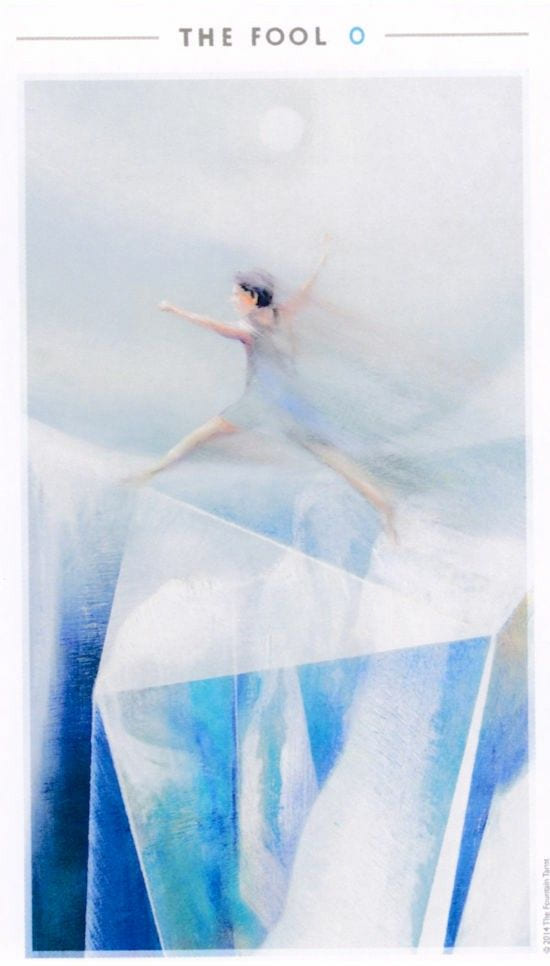
The Fountain Tarot looks like a modern art exhibition sealed in a holographic box. When I first saw the Fool — an ethereal figure leaping through white and blue crystalline prisms, a moon floating above blurred motion — I understood: these aren’t illustrations. They’re oil paintings. Every card is a genuine painting translated into tarot format.
Sacred geometry permeates every image: pyramids, diamonds, spheres, rays. But it’s not decoration — it’s philosophy. The creators see tarot as a bridge between metaphysics and physics, religion and science, spirituality and psychology. Every geometric form on these cards is that bridge.
About the deck
Artist: Jonathan Saiz, working in oil. Text: Jason Gruhl. Design: Andi Todaro. The deck launched via Kickstarter in 2013, later published by Roost Books (Shambhala Publications).
79 cards (78 standard + bonus “The Fountain”). Silver-gilded edges. Rounded corners. Holographic box with magnetic closure and ribbon. The 112-page guidebook reads as reflections at the intersection of psychology, art, and technology.
Pentacles are renamed to Coins. Strength is numbered XI (Marseille order).
Visual style
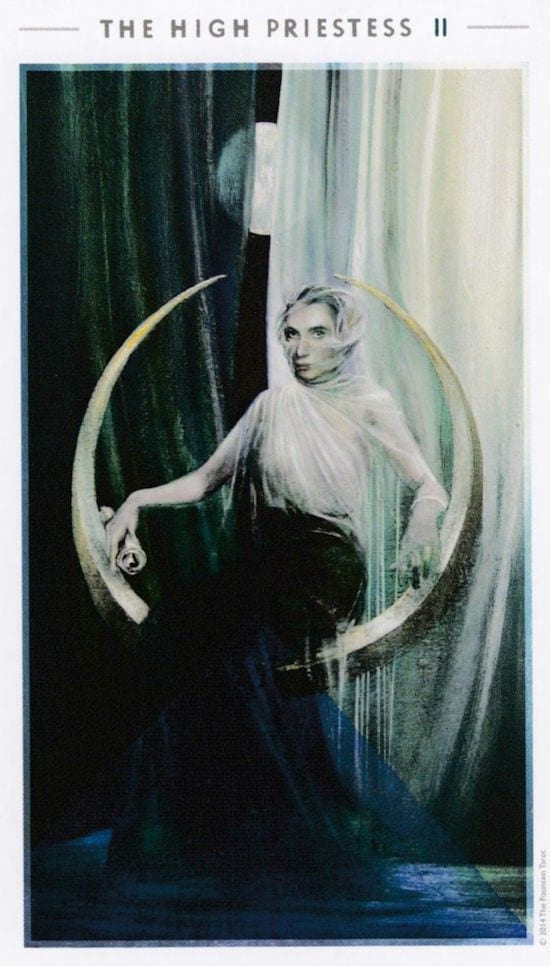
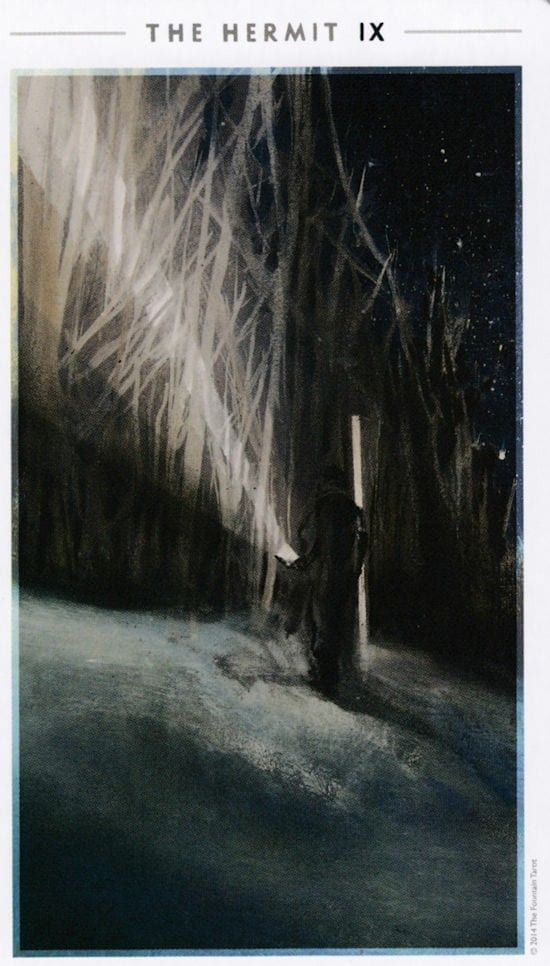
Saiz’s style is oil painting with geometric overlays. The palette is muted, almost watercolor-like: white, blue, gold, indigo, peach. Each card looks like a dream seen through crystal.
Geometric forms — pyramids, diamonds, spheres — emerge through figures and landscapes, creating the feeling that a mathematical structure hides behind the physical world. The card backs feature a kaleidoscopic geometric pattern containing the deck’s full palette.
Core themes
The Fountain Tarot is a bridge between worlds:
- Sacred geometry — pyramids and diamonds as the structure of reality beyond the visible
- Science and mysticism — the deck blurs the line between physics and metaphysics
- Oil painting as meditation — each card is painted in oil, creating a depth digital art can’t match
- Modern spirituality — psychology, technology, and tradition fused into one language
Favorite cards
Death (XIII)
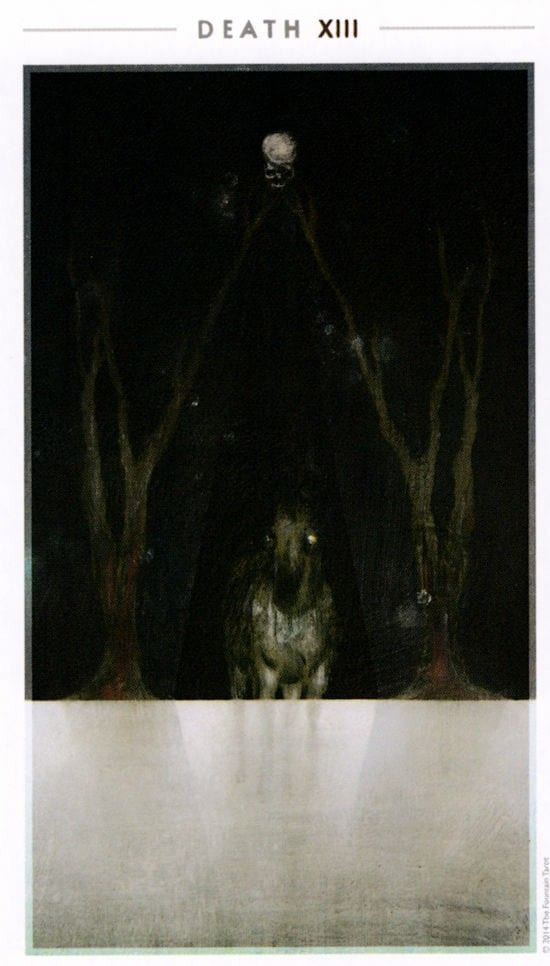
A spectral dark horse emerges from a black forest, the rider’s skull barely visible in the darkness above. White mist at the base. Nearly the entire card is darkness, and the horse materializes from it. The most atmospheric Death I’ve seen — not a figure, but a presence.
The Lovers (VI)
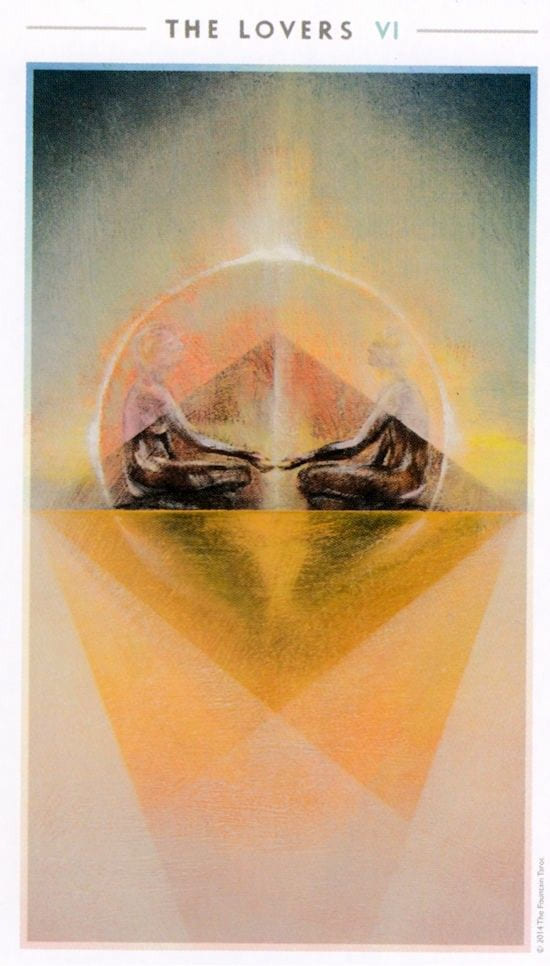
Two figures sit facing each other in lotus position, foreheads touching. Around them — a geometric sphere. Golden pyramids rise and fall. This isn’t passion — it’s recognition. Two souls meeting, enclosed in sacred geometry.
Strength (XI)
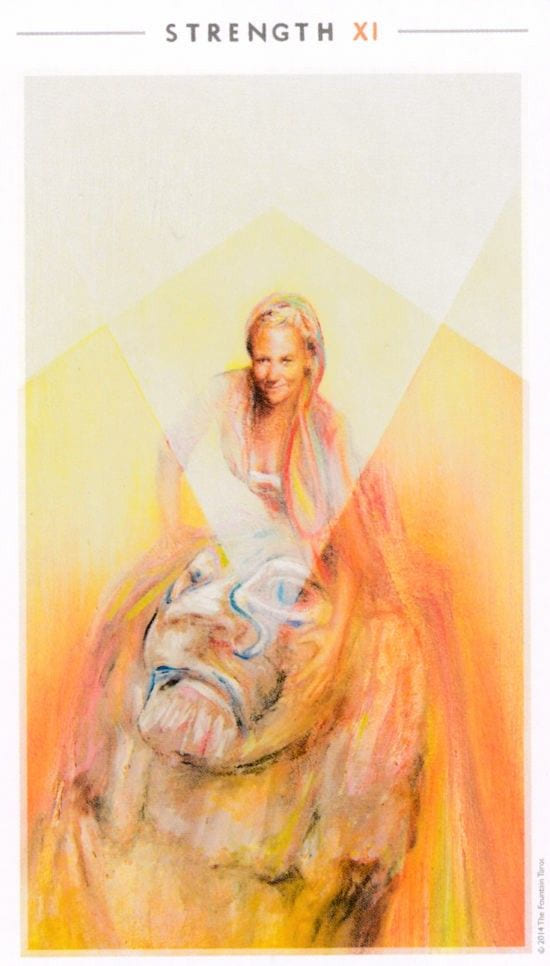
A smiling woman gently touches a lion’s head, and the lion nearly dissolves into warm golden light. Pyramids behind, yellow-orange radiance. The lion isn’t a beast here — it’s an energy you don’t suppress but accept. One of the most luminous cards.
The Star (XVII)
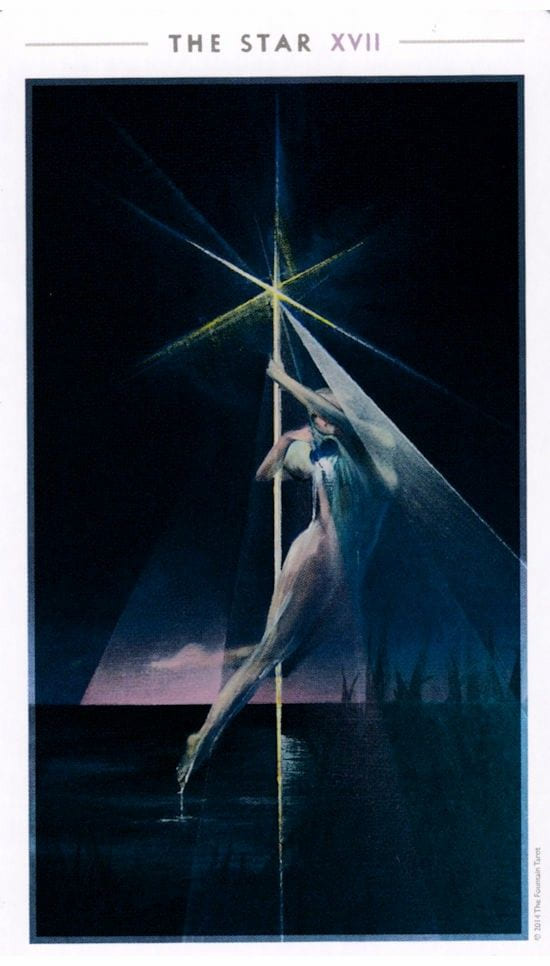
A nude figure reaches upward along a vertical beam of light, a geometric diamond-star above. Dark indigo background, water below. Ballet-like grace, a feeling of weightlessness. After the Tower’s destruction — flight toward light.
The World (XXI)
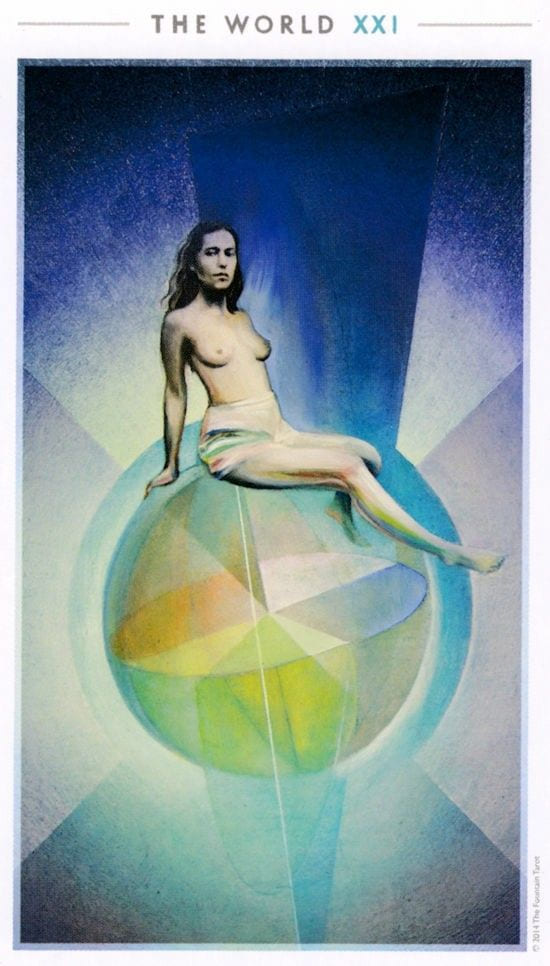
A nude woman sits atop a translucent geometric sphere. Blue background with diamond forms. Calm, completion, acceptance. The Fool’s journey is done — and the whole world fits into one sphere beneath you.
The Fool (0)
An ethereal figure leaps through white and blue crystalline forms. Everything blurs in motion — as if the soul has just been born and hasn’t yet taken shape. Moon above, icy prisms below. The most beautiful beginning of a journey.
How to work with this deck
- Geometry meditation — study the geometric forms on each card. What shapes do you see? What do they tell you?
- Bridge spread — three cards: physical, spiritual, point of connection. The deck was made for such questions
- In dim light — silver-gilted edges and holographic elements are especially striking in semi-darkness
- Observation journal — each day note which detail you noticed on the daily card. Oil painting reveals itself gradually
Who is this deck for
If you value art and want a deck that looks like a painting collection — the Fountain Tarot is exactly that. Silver edges, holographic box, oil paintings — every element is intentional.
For those drawn to sacred geometry and the science-mysticism connection — the deck speaks this language.
An honest downside: abstract and geometric imagery can feel “cold” or “detached.” Not everyone can see their life situation in these paintings. If you need recognizable scenes with people — this isn’t Fountain.
Deck pairings
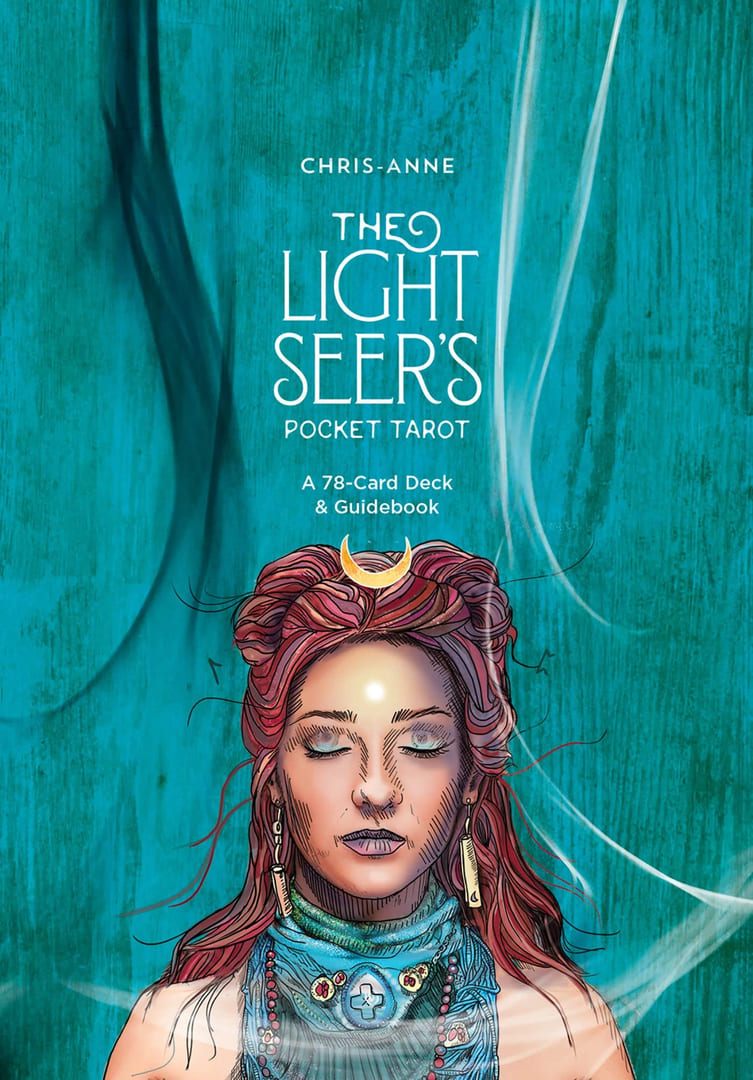
- Light Seer’s Tarot — a warm, human alternative for days when geometry feels distant
- True Black Tarot — another art-as-tarot deck, but in a dark palette. Together — light and dark
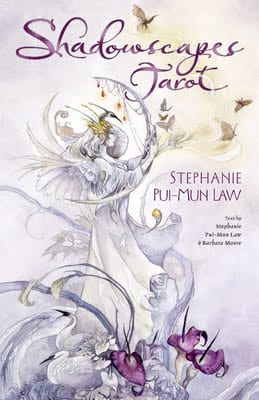
- Shadowscapes Tarot — watercolor mythology beside oil geometry. Two worlds, two beauties
Try the Fountain Tarot in our app — Elvi Tarot 💎
Frequently Asked Questions
Is the Fountain Tarot good for beginners?
With caution. The imagery is abstract and geometric — not everyone can 'see their life' in these cards without experience. But the guidebook is detailed and the beauty helps set the mood.
How many cards are in the Fountain Tarot?
79 cards — 78 standard plus a bonus card 'The Fountain.' Silver-gilded edges, rounded corners, holographic magnetic box.
What are the main themes of the Fountain Tarot?
Sacred geometry, the bridge between metaphysics and physics, psychology and spirituality. Each card is an oil painting with geometric forms that blur the line between science and mysticism.
Who created this deck?
Jonathan Saiz (oil paintings), Jason Gruhl (text), Andi Todaro (design). Originally Kickstarted in 2013, later published by Roost Books / Shambhala.