The Sabbath Tarot: All 78 Card Meanings Explained
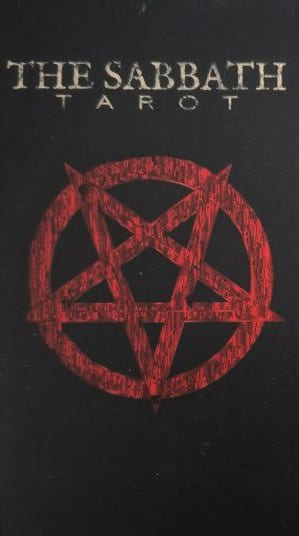
Most tarot decks depicting witchcraft lean into the feminine — moon goddesses, flower crowns, soft candlelight. The Sabbath Tarot goes somewhere else entirely. Photographer Allan Spiers, known for his fitness and physique work, turns his camera toward masculine bodies enacting ritual, and then digitally warps reality around them: limbs replace heads, candles burn where fingers should be, shadows behave as if they have their own agenda. The result is a 78-card deck that feels like walking into a ceremony you were not entirely prepared for — unsettling, magnetic, and impossible to look away from.
The collaboration between Spiers and writer Jeff Cullen ran through three successful Kickstarter editions, each refining the deck’s production quality. The version most readers hold today is printed on heavy 400 GSM card stock with gold foil details and crimson-gilded edges — the kind of physical object that announces itself before you even fan the cards. The homoerotic energy is deliberate and unapologetic, reclaiming witchcraft imagery for bodies and identities that rarely get to occupy that space in tarot. This is not a deck that asks permission to exist.
What holds it all together is the tension between real photography and impossible elements. You are looking at actual human bodies in actual light, and then something shifts — a torso dissolves into smoke, a hand holds fire that should not be there. That collision between documentary realism and surreal magic is what makes The Sabbath Tarot feel genuinely uncanny rather than merely illustrated.
How the Deck Is Organized
The Sabbath Tarot follows the standard 78-card structure:
- Major Arcana (0–XXI): The 22 archetypal forces, rendered here through photographic ritual scenes that blur the line between ceremony and fever dream. The most striking feature is the inclusion of three interchangeable Devil cards, each offering a distinct perspective on shadow, temptation, and the parts of ourselves we try to keep hidden.
- Wands: The suit of fire. Willpower, passion, creative drive, and the raw energy that fuels transformation.
- Cups: The suit of water. Emotion, connection, intuition, and the vulnerability required to feel anything real.
- Swords: The suit of air. Thought, conflict, clarity, and the painful truths we cannot outrun.
- Pentacles: The suit of earth. Material reality, discipline, craft, and the slow work of building something lasting.
Each suit runs Ace through Ten, followed by four court cards — Page, Knight, Queen, and King — for 14 cards per suit and 56 Minor Arcana total.
Major Arcana
The Fool
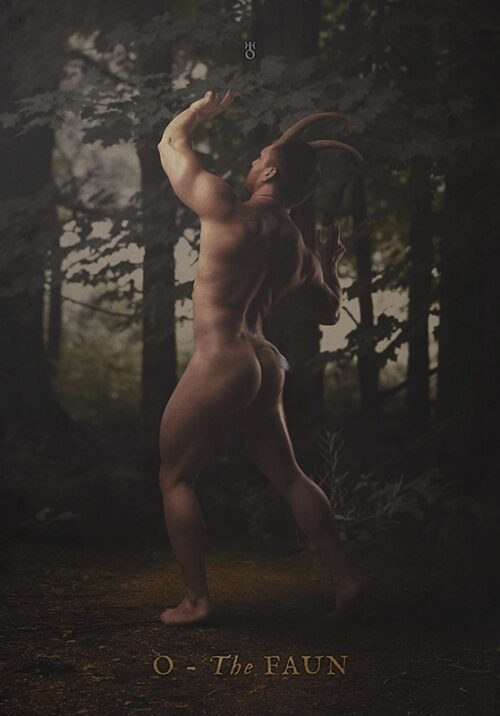
The Faun represents free will and unlimited potential. When in the invoked position, it signals new beginnings and beneficial risks. In the banished position, it warns of carelessness and potential loss from poor decision-making. As a guide, He embodies the power of instincts and encourages us to bravely embrace our inner wanderer.
The Magician
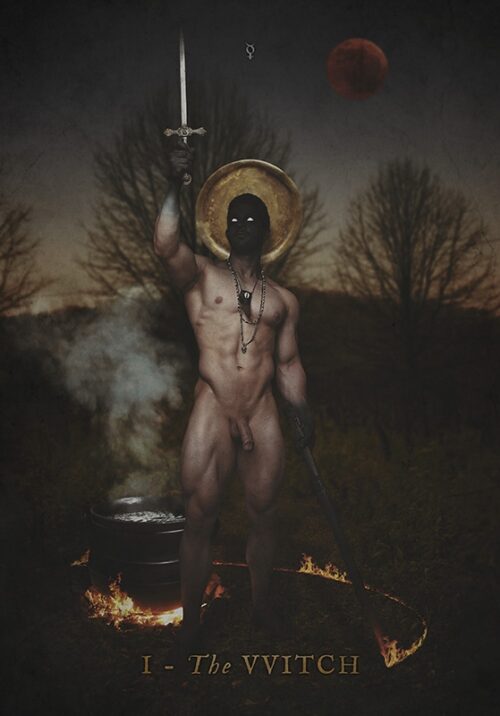
The Witch signifies willpower, preparedness, and the ability to manifest desires through mastery over tools and elements. In its invoked state, it highlights potential and confidence, emphasizing the importance of organization and focus. The banished state warns of disorganization, manipulation, and self-doubt, urging a reassessment of intentions for honest and pure motivations.
The High Priestess
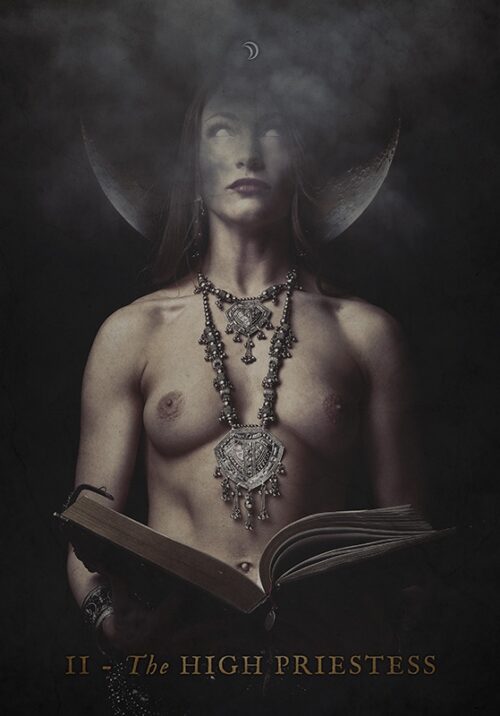
The High Priestess embodies intuition, spiritual guidance, and feminine power. When invoked, she signifies a strengthening spiritual connection and access to hidden knowledge. If banished, she warns of a loss of spiritual connection and the rise of arrogance and unnecessary drama. Trust one's instincts and strive to reconnect with the divine to reclaim your inner power.
The Empress
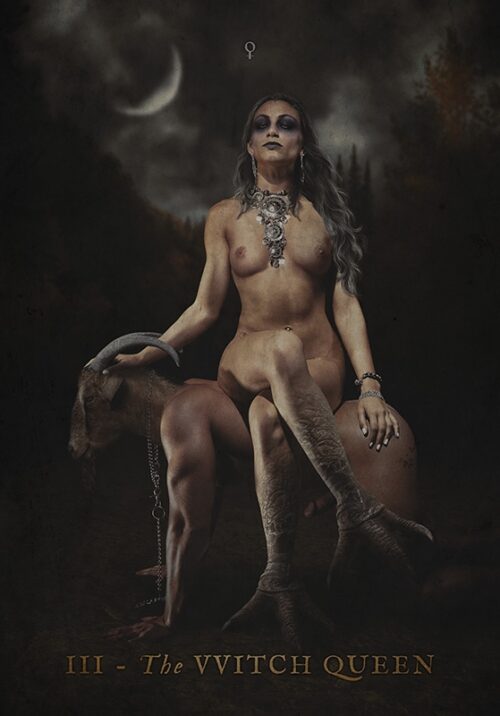
The Witch Queen symbolizes immense feminine power, fertility, and connection to nature. Invoked, she brings abundance, luxury, and creativity. Banished, she signifies loss, stagnation, and potential conflict. This card urges appreciation of natural surroundings and warns against over-reliance on material wealth.
The Emperor
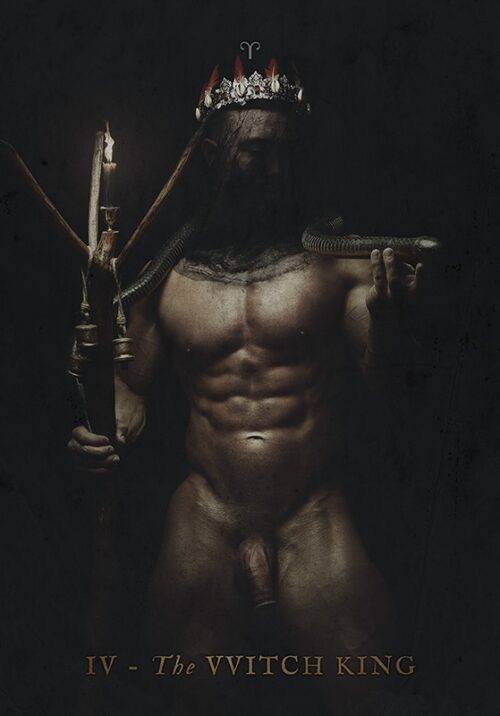
The Witch King represents leadership, authority, and paternal energy. In its invoked state, it signifies strength, protection, and strategic mastery. Conversely, when banished, it indicates a loss of control, manipulation, and issues with authority figures. The Witch King embodies both the protective, nurturing aspects of leadership as well as the dangers of abuse and loss of authority.
The Hierophant
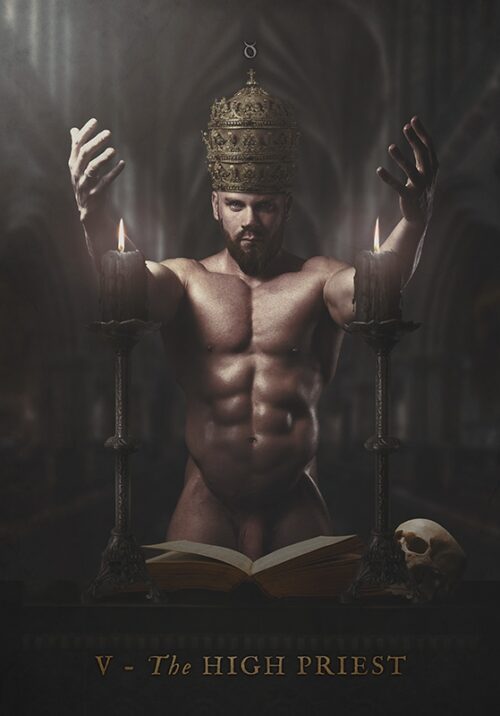
The High Priest reflects the appreciation of ritual, tradition, and authoritative knowledge. While invoking this card indicates a preference for structured spirituality and established wisdom, the reversed meaning expresses a more free-spirited and non-conformist approach. Beware of potential physical abuse of power when the card is banished. This card reminds you to be cautious of adopting too many unconventional ideologies.
The Lovers
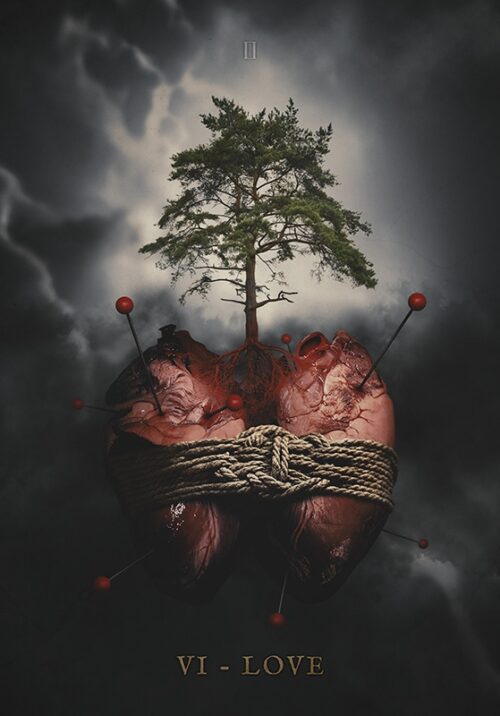
The Love card signifies harmonious unions and deep, spiritual relationships when invoked. It suggests vulnerability, mutual attraction, and unconditional love. In contrast, when banished, it points to toxic or unfulfilling relationships, selfishness, and a fear of commitment. Restoration requires self-reflection and healing.
The Chariot
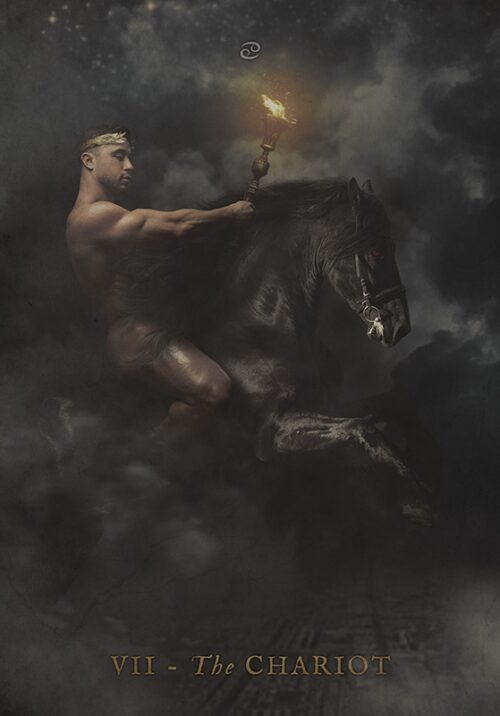
The Chariot symbolizes victory, strong will, and triumph over obstacles, including financial problems and illness. It highlights a journey toward greatness and overcoming adversaries with determination and focus. Invoking the card brings positive outcomes, while its banishment signifies a loss of will, stagnation, and chronic challenges, urging a reconnection with one's higher self to regain strength and direction.
Strength
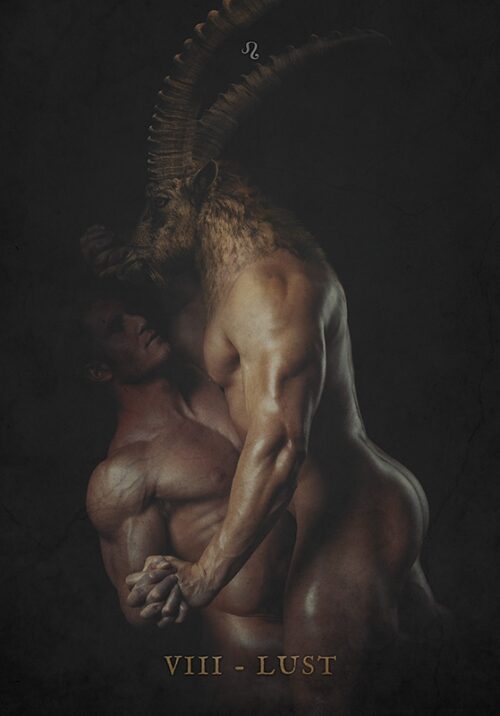
The Lust card represents strength, power, and the Higher Self. When invoked, it signifies determination, courage, and the ability to influence and control situations. If banished, it denotes a lack of energy, self-doubt, and weakened control. Embracing Lust fuels your stamina and loyalty, aiding in stress management and providing support to others. However, unchecked emotions can lead to imbalance and conflict.
The Hermit

The Wanderer card represents a journey of self-discovery through beneficial solitude and introspection. It encourages disconnecting from routine to reconnect with one's inner truth and spiritual path. When invoked, it indicates a need for personal and spiritual renewal. When banished, it warns against excessive solitude leading to loneliness and depression, emphasizing the need for a balance between contemplation and social connection.
Wheel of Fortune
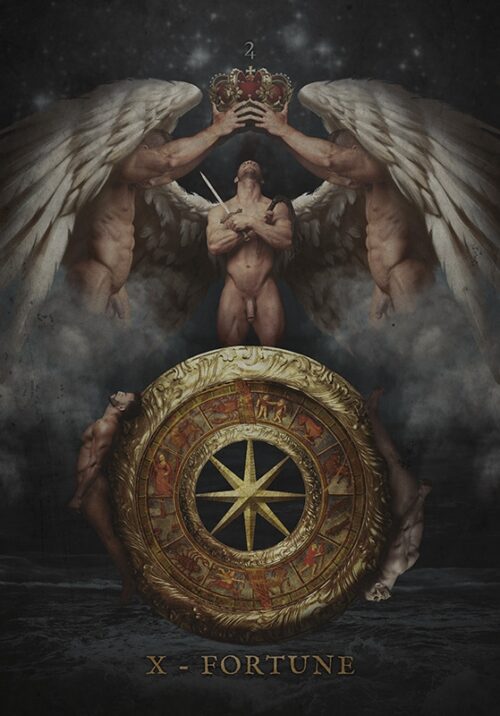
Fortune represents luck, success, and positive changes. Its invocation brings success and abundance, while its banishment signals setbacks and bad luck. The card highlights the cyclical nature of life and encourages adaptability and preparedness. Control over one's destiny through actions and beliefs is emphasized, along with embracing life’s unpredictability.
Justice
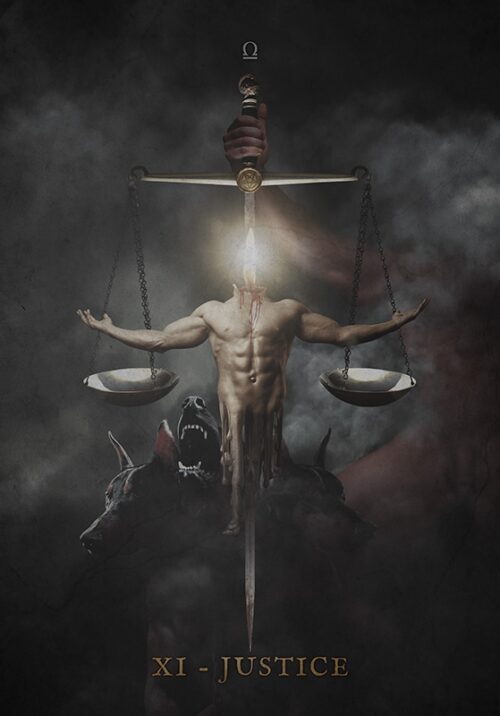
Justice is a card of balance and accountability, emphasizing the truth and the consequences of one's actions. When invoked, it calls for introspection on whether actions were justified and signals fairness and favorable outcomes in legal matters. In its banished form, it warns of dishonesty, guilt, and the potential need for spiritual retribution when other systems fail.
The Hanged Man
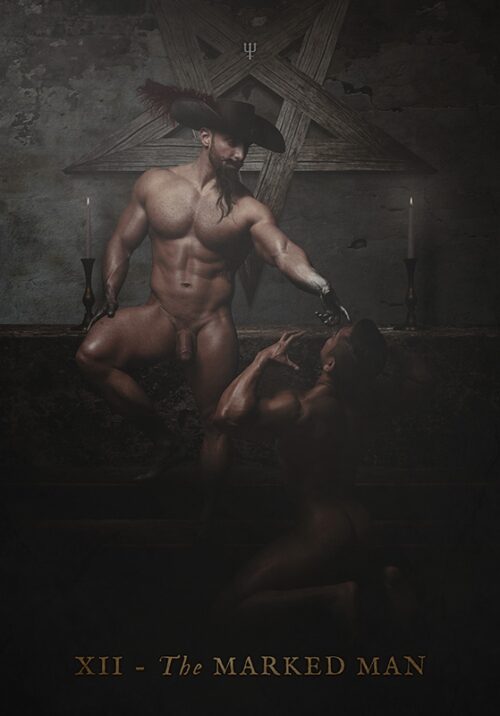
The Marked Man signifies transformation and the awakening of prophetic powers by letting go of outdated ideas and embracing new perspectives. It encourages surrendering to the process rather than focusing on the outcome and warns against resistance to spiritual growth. Banishing the card depicts a refusal to embrace a new path, necessitating a leap of faith to grow and succeed.
Death
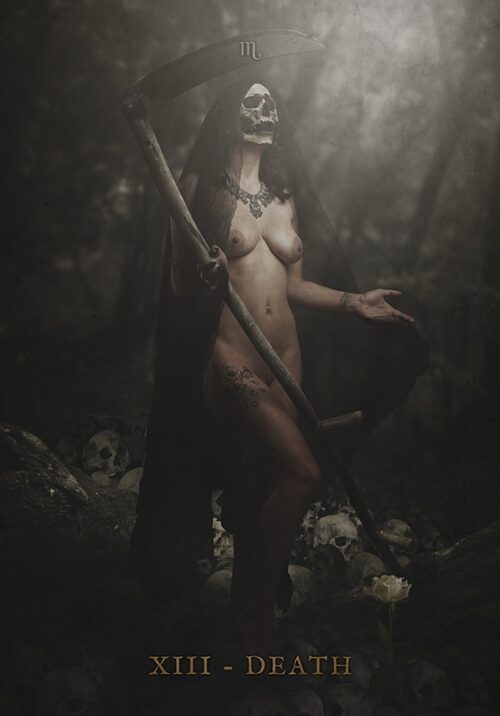
The Death card signifies transformation, ending of a phase, and the beginning of something new. It is a card of inevitable change, often for the better, promoting growth and renewal. While initially it might evoke fear, its purpose is to clear obstacles and pave the way for a new and improved life. This card encourages letting go of the old to embrace the new.
Temperance
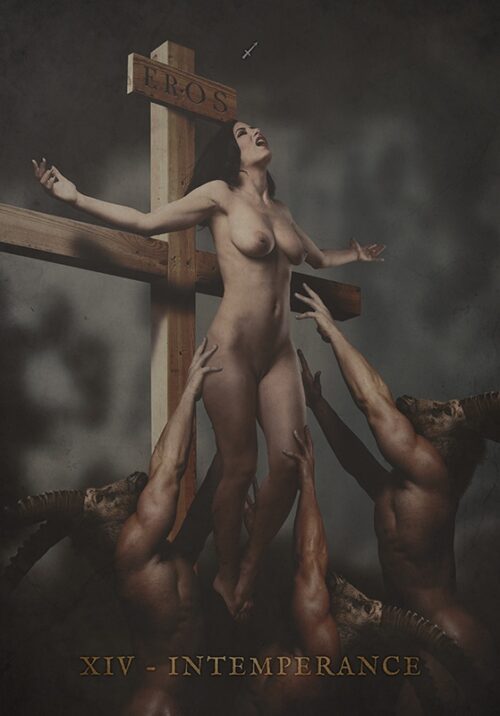
The Intemperance card represents the balance achieved through moderation and adaptation, bringing forth strength and victory through cooperation. Invoked, it promotes liberation, clarity, and the manifestation of desires. Banished, it warns against excess, imbalance, and the importance of self-healing to avoid potential disasters.
The Devil
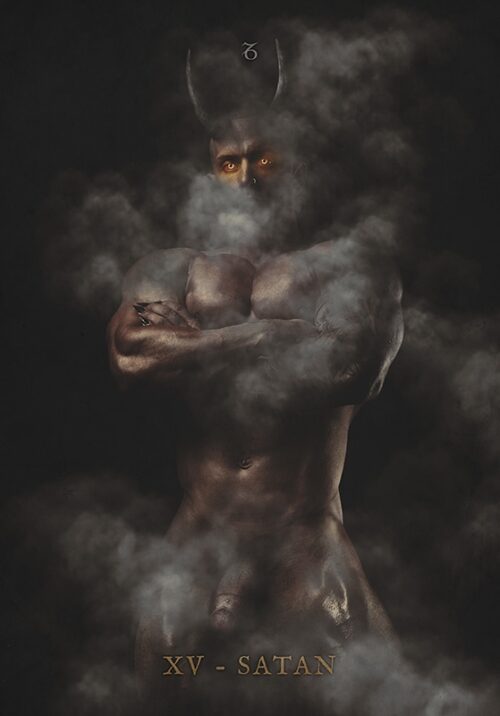
The card represents liberation through self-discovery and embracing one's darker nature. It emphasizes the need to break free from addictions and materialistic attachments to achieve greatness. It calls for self-awareness and action against self-sabotage or external manipulation. Embracing hidden knowledge and seeking professional help if necessary can guide one towards spiritual triumph over the material world.
The Tower
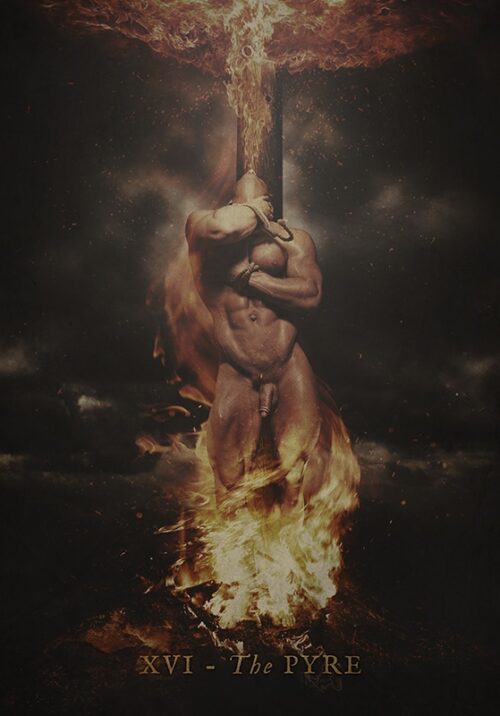
The Pyre card signifies powerful, often violent changes that lead to profound revelations and personal transformation. When invoked, it causes catastrophic events and chaos, urging one to face these challenges with courage to emerge stronger. Banishing the Pyre involves spiritual upheaval, encouraging deep self-reflection and embracing necessary change despite fear and resistance. The card symbolizes destruction as a path to rebirth and empowerment.
The Star
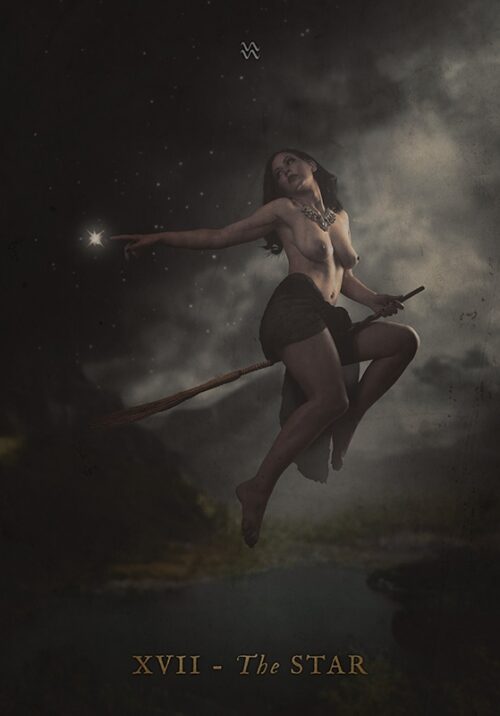
The Star symbolizes guidance, hope, and divine blessings, representing the pure Cosmic energy. When invoked, it signifies self-realization, healing, and the manifestation of desires, while bringing peace and inspiration. When banished, it indicates loss of faith, disconnection from the Divine, and an urge to purify oneself and regain clarity.
The Moon
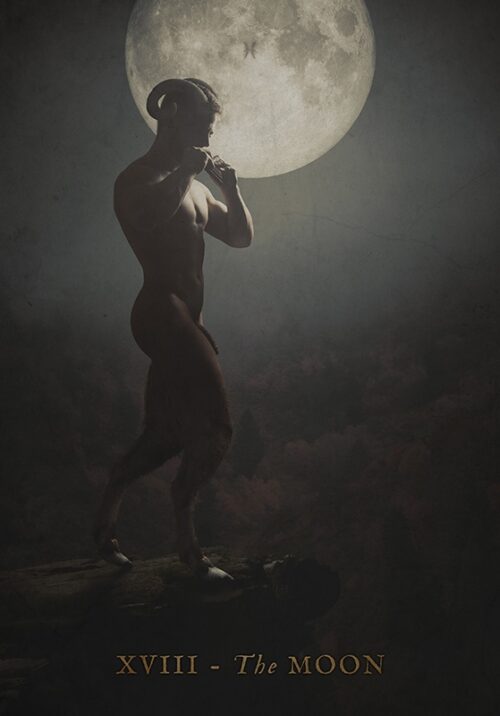
The Moon card represents intuition, illusion, and hidden fears. It guides you to confront buried emotions and rely on your subconscious. The Full Moon encourages awareness of inner anxieties, while the Dark Moon signifies overcoming fears and achieving emotional balance. Be wary of deception and trust your intuition for guidance.
The Sun
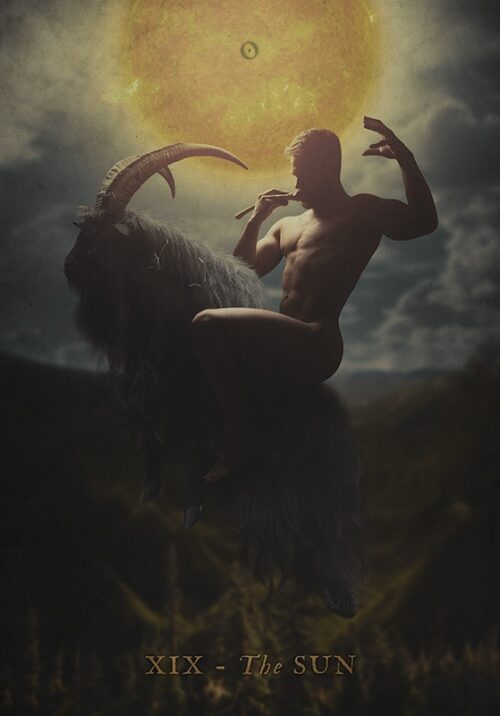
The Sun signifies light, vitality, and success, bringing warmth and joy while overcoming adversity. It represents a triumphant and prosperous life phase with opportunities for growth. Even in dark times, it promises the return of hope and strength by reconnecting with inner positivity and enjoyment of life's simple pleasures. Embrace the warmth and use it to inspire both yourself and others.
Judgement
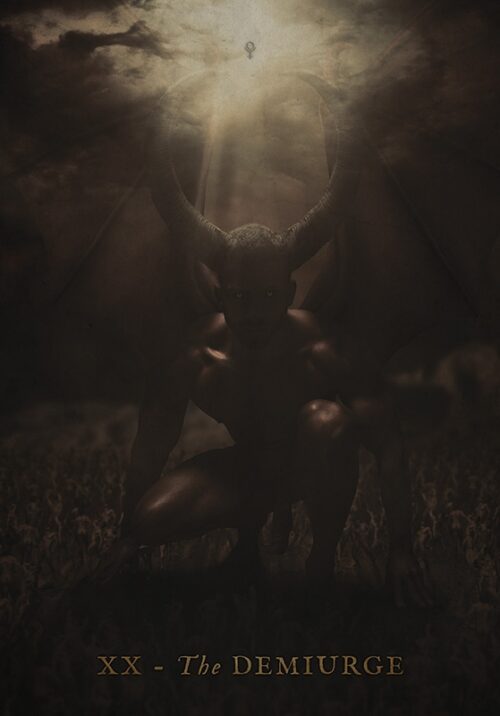
The Demiurge represents consciousness, free will, and the power to create and shape our lives. Invoked, it signifies awakening, spiritual growth, and self-actualization. Banished, it reflects self-doubt, fear, and the need for self-forgiveness. Ultimately, the Demiurge encourages us to embrace our creative power and transcend worldly limitations.
The World
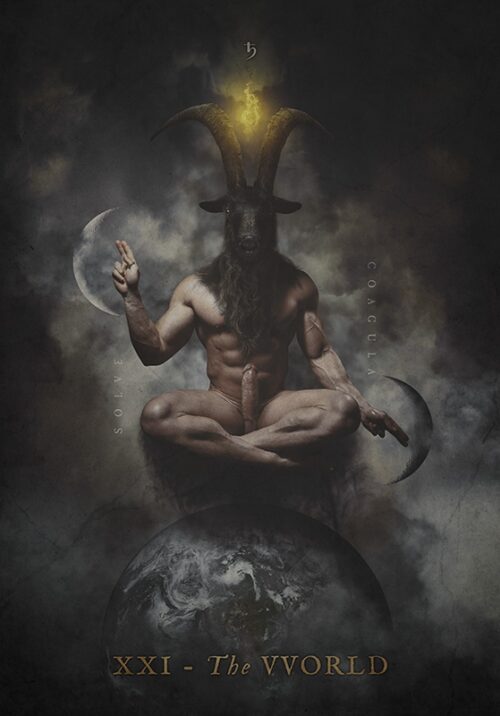
The World signifies the completion of a cycle and the achievement of goals. It represents success, cosmic interconnectedness, and the journey towards liberation. When invoked, it reflects awareness of personal significance and readiness for new adventures. When banished, it suggests obstacles or a lack of motivation that must be overcome to reach fulfillment.
Wands
Ace of Wands
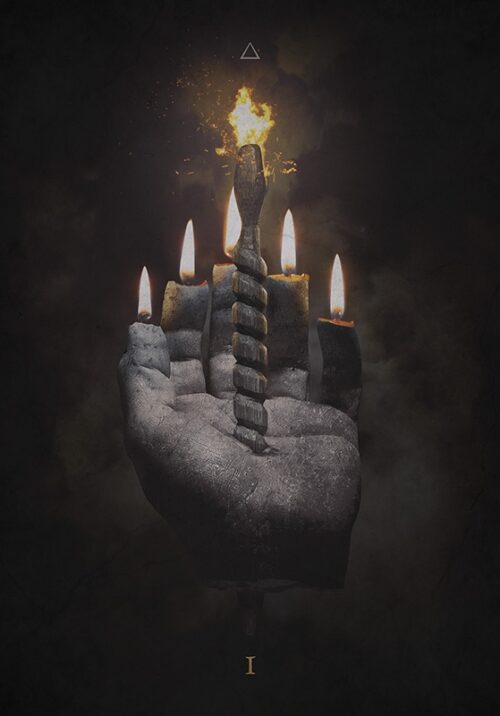
The Ace of Staffs represents the commencement of new ventures or relationships, filled with excitement and potential. It signifies unlocking opportunities and embarking on new adventures. In its reversed form, it warns of cancellations, failures in new starts, and lost opportunities, often accompanied by doubt and anxiety.
Two of Wands

The Two of Staffs represents courage in taking risks for new ventures, critical thinking, and being influential to others. When invoked, it signifies potential for great success through risk-taking and trust earned with others. However, when banished, it warns of a tendency towards stubbornness leading to suffering and fear. It encourages careful evaluation of new prospects and avoiding obstinance.
Three of Wands
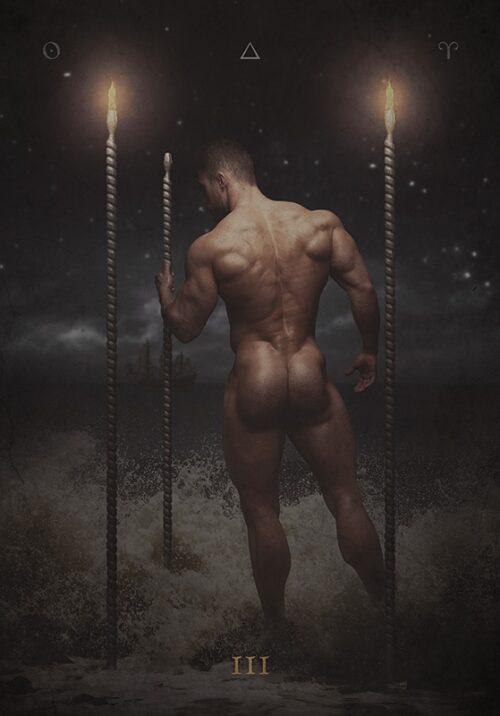
The Three of Staffs signifies the realization of hopes and dreams, secured wealth and power, and reliance on partnerships for success. However, it also warns against potential losses and treachery if not cautious. It encourages overcoming self-doubt and seeking guidance from experienced individuals.
Four of Wands
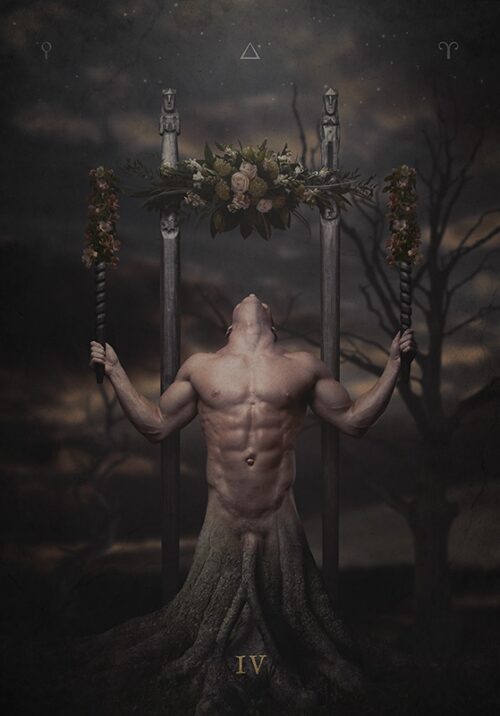
The Four of Staffs signifies a period of celebration, peace, and prosperity following hard work. When invoked, it highlights rewards, vacations, and joyous unions such as marriage. In its banished aspect, it represents continued success and relaxation, although less intense, with new relationships holding potential.
Five of Wands
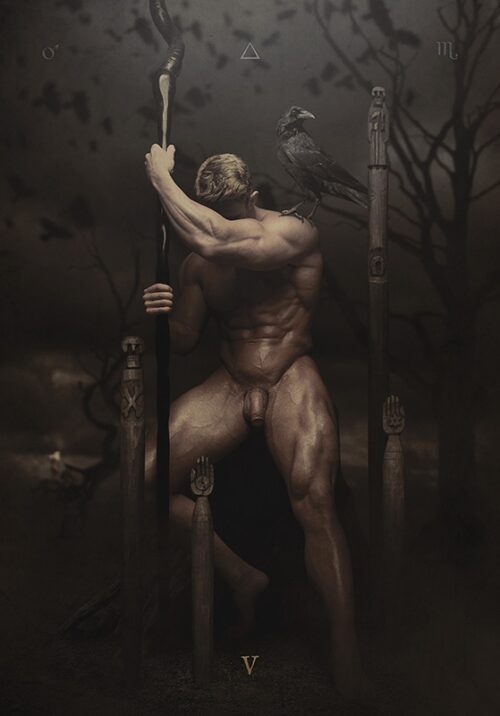
The Five of Staffs represents conflict and struggle, both external and internal. When invoked, it signifies violence, discord, and significant challenges. Overcoming the struggles leads to new opportunities and generosity's rewards. Evaluating where to expend your energy is key to navigating the challenges represented by this card.
Six of Wands
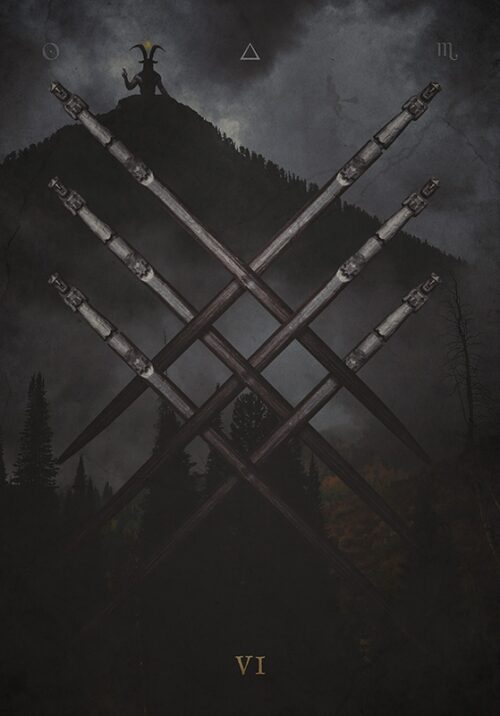
The Six of Staffs represents triumph and victory over discord, supported by the efforts and creativity in arts and sciences. It signifies success through industriousness and a strong support group. In reverse, it warns of enemies gaining the upper hand and the potential for prideful behavior and frustration due to slow progress.
Seven of Wands
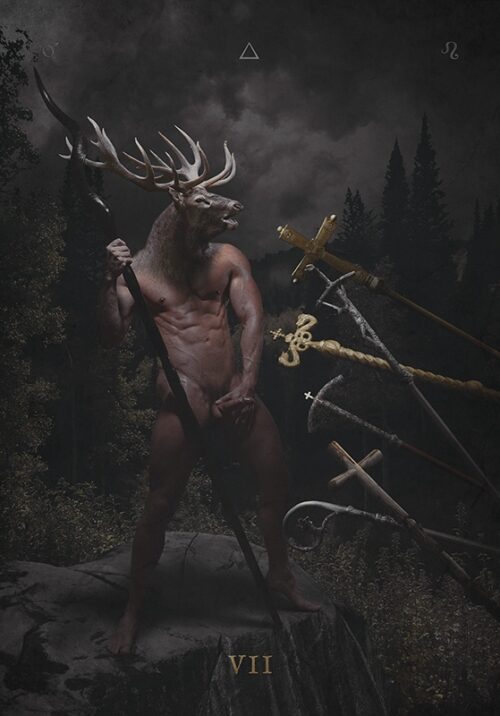
The Seven of Staffs represents the courage to face and defeat adversaries, overcoming competition and oppressive forces. It denotes a strong likelihood of triumph, especially in trade or business. Banishing this card signals threats and hostile forces that require decisive action and caution against manipulation and lies.
Eight of Wands
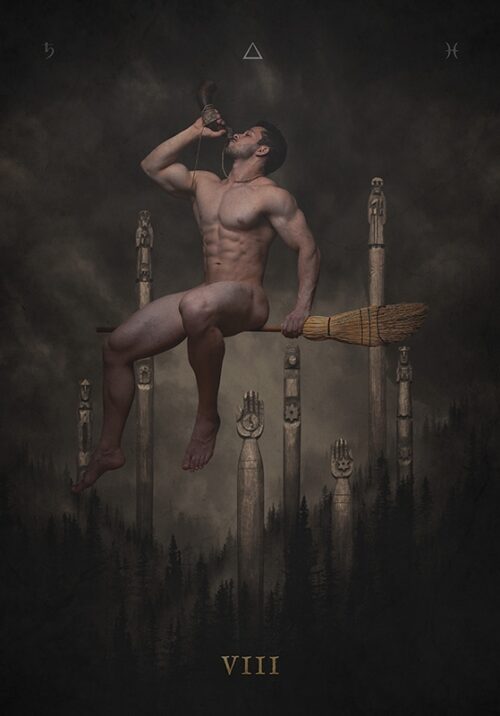
The Eight of Staffs signifies swift movement, nearing goals, and imminent communication. It encourages maintaining hope and vigilance to avoid missing crucial details. When reversed, it warns of jealousy, delays, and stagnation, advising to use slow periods for planning and to avoid procrastination.
Nine of Wands
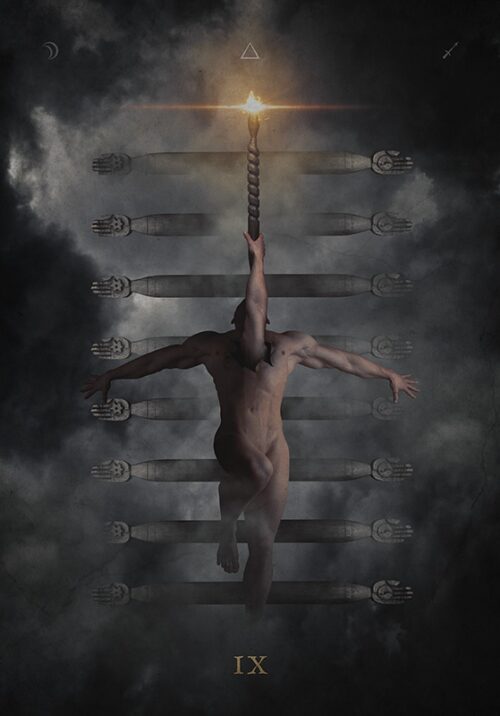
The Nine of Staffs symbolizes power, strength, and fortitude, highlighting the importance of persistence and preparedness for victory. It speaks to resting from struggles, focusing on health, and realizing inner strength to overcome obstacles. In its reversed implications, this card heralds obstacles, ill health, and adversity, stemming from a lack of dedication or ignoring smaller problems.
Ten of Wands
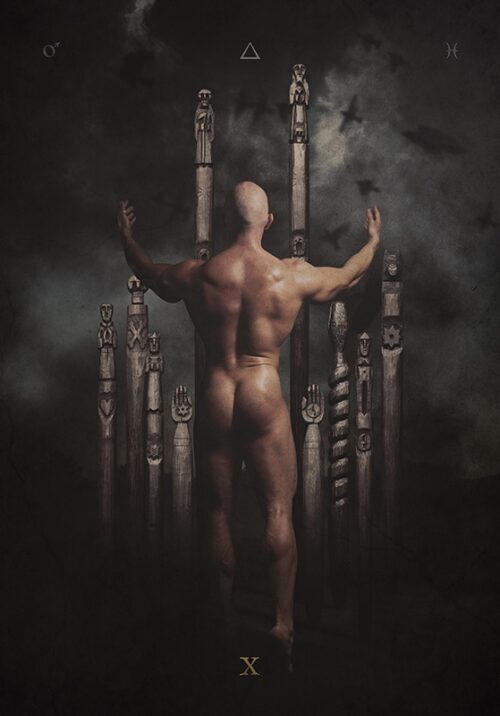
The Ten of Staffs represents the weight of oppressive burdens and the misuse of power, often resulting in being overwhelmed. It focuses on selfish ambitions, the struggle of managing too many projects, and the ensuing disservice to oneself. This card can signify a time of intense testing and pain, but with the possibility of overcoming problems. When banished, it signifies loss in legal battles, separation, and obsession that leads to addiction.
Page of Wands
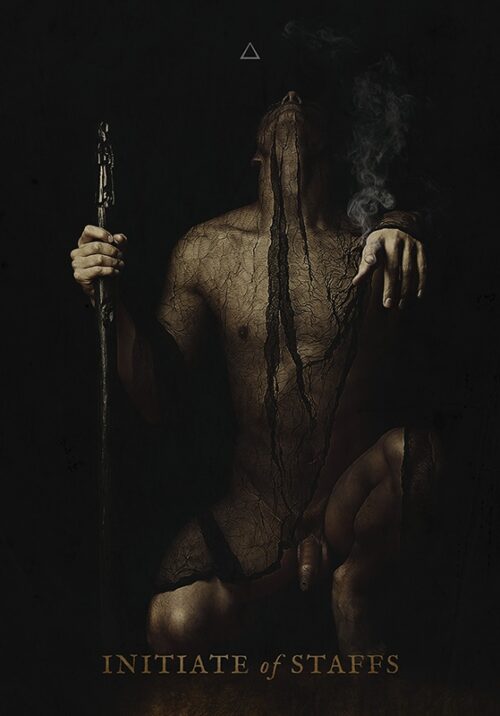
The Initiate of Staffs signifies youthful enthusiasm, excitement, and courage, representing a person eager to embark on a new path or project. The card exemplifies strong communication skills and an inspiring demeanor, though it may also indicate intense emotions like love or hate. In a negative light, it depicts a dominant, cruel individual with unstable emotions, often bringing ill news. As an omen, it can forewarn of turbulent relationships and impending difficulties.
Knight of Wands
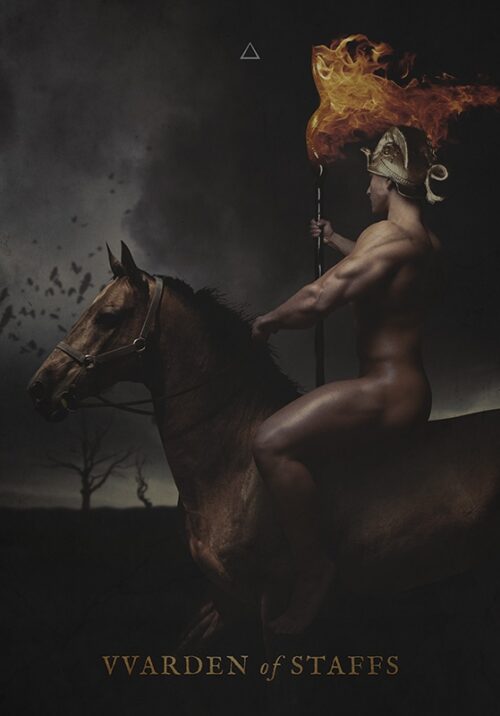
The Warden of Staffs represents a warrior nature with robust energy and loyalty, but also fierceness against enemies. It speaks to quick reactions, loyalty, and rapid changes. Reversed, it warns of disruption, loss of energy, jealousy, and negative conflict.
Queen of Wands
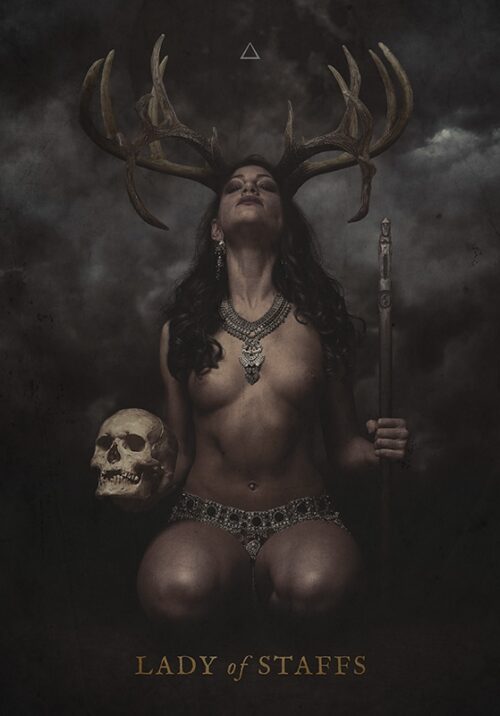
The Lady of Staffs symbolizes a love for nature and home, manifesting desires, and a powerful attraction. She represents ambition and the power of intention, with great energy for money and business ventures. When banished, she warns of adultery, quick enmity, and a domineering, vengeful personality.
King of Wands
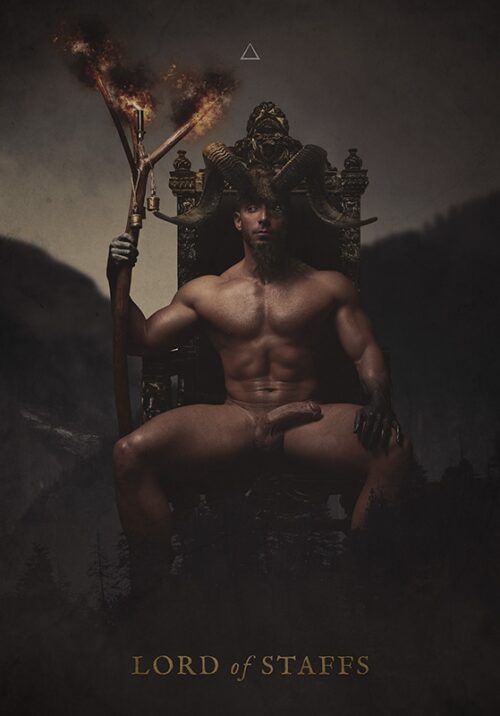
The Lord of Staffs card signifies a person of charismatic charm, athleticism, and strong social presence. They are often passionate, hasty, and arise from powerful lineage. When negatively portrayed, it represents a bigoted, misogynistic, and self-righteous individual with conservative beliefs.
Cups
Ace of Cups
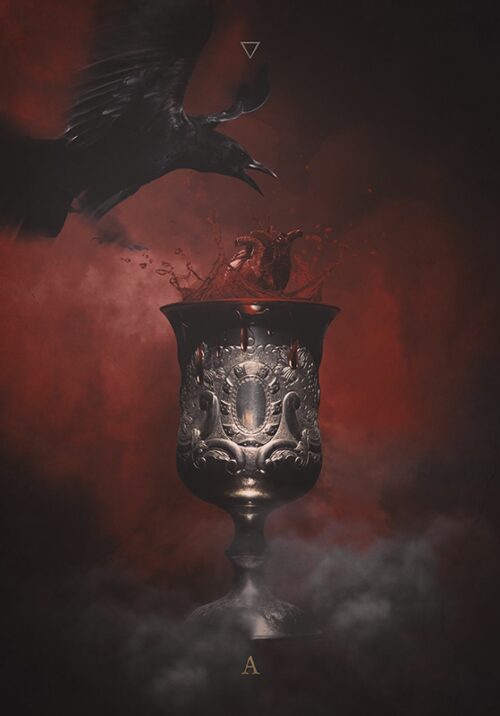
The Ace of Vessels heralds joy, productivity, and spiritual nourishment. This card indicates powerful love and the manifestation of material blessings through spiritual efforts. It warns against fear of commitment and staying in unfulfilling relationships. It emphasizes the importance of clear intentions and emotional strength for achieving one's desires.
Two of Cups
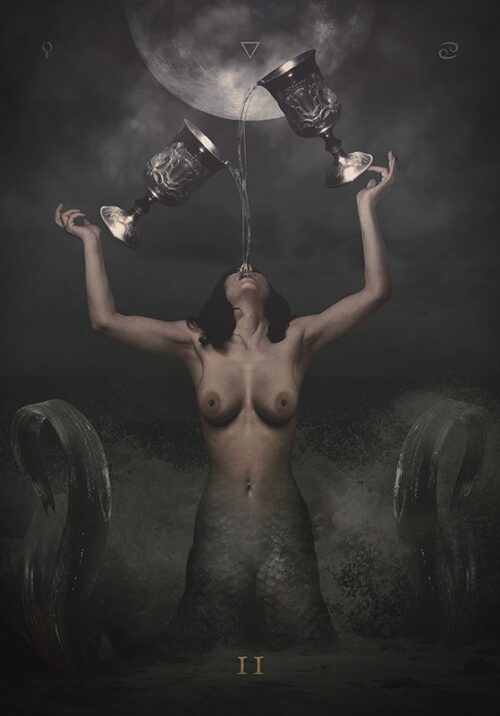
The Two of Vessels represents harmony in love, reciprocated affection, and balanced energies. It signifies new relationships or friendships that are genuine and empowering. However, when banished, it indicates mistrust, betrayal, and a lack of true passion, leading to unfulfilling and destructive relationships.
Three of Cups
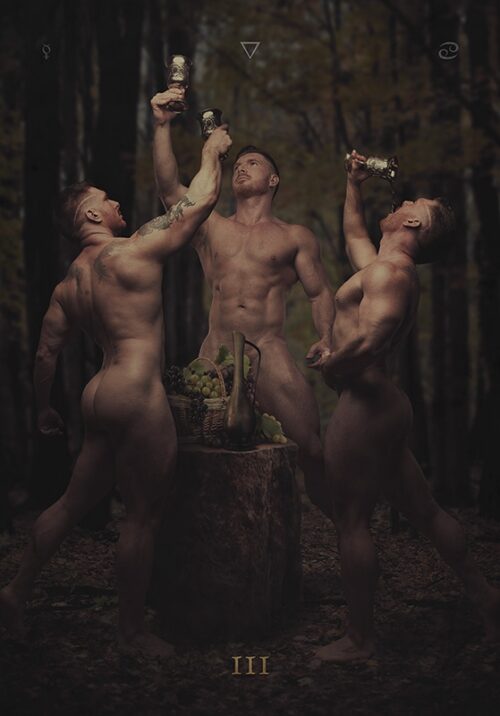
The Three of Vessels represents liberation, joy, and abundance in life. It signifies a time for celebration, success, and positive relationships, where fortune and good luck are prominent. However, it also warns against overindulgence in pleasures and vices, which can lead to negative outcomes if not managed properly.
Four of Cups
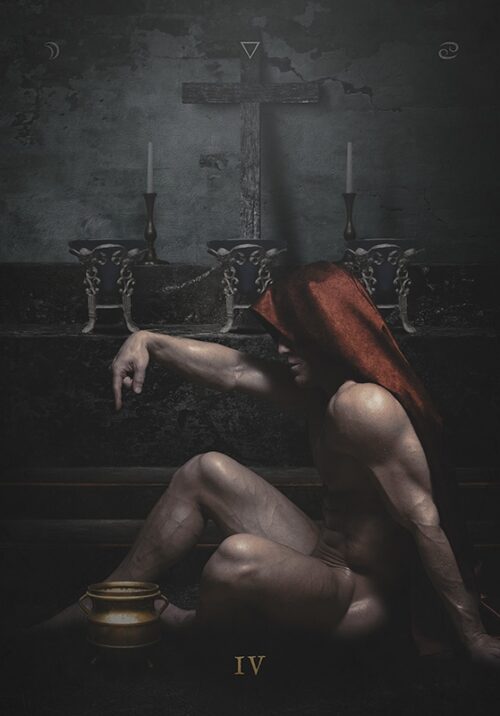
The Four of Vessels highlights a state of dissatisfaction despite material success. When invoked, it speaks to weariness, reevaluation of goals, and a lack of appreciation for one's blessings. When banished, it suggests growth, new ambitions, and a renewed drive to improve while fostering appreciation for what one has.
Five of Cups
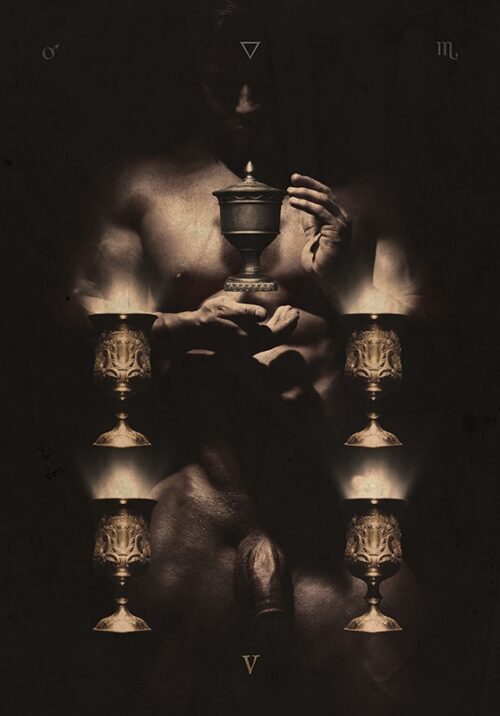
The Five of Vessels represents doubt, worry, and dissatisfaction stemming from unfulfilled hopes and a focus on losses. However, it also holds a beacon of hope. In its positive aspect, it signifies new unions, reunions, and a return to pleasure and optimism.
Six of Cups

The Six of Vessels embodies nostalgia and the joy derived from past memories, highlighting fond reminiscences and potential reconnections. It hints at new opportunities, wisdom, and friendships while cautioning against dwelling on sorrowful past events. The card represents a crossroad where the past, present, and future converge, offering guidance and gifts from the past to aid in future happiness.
Seven of Cups
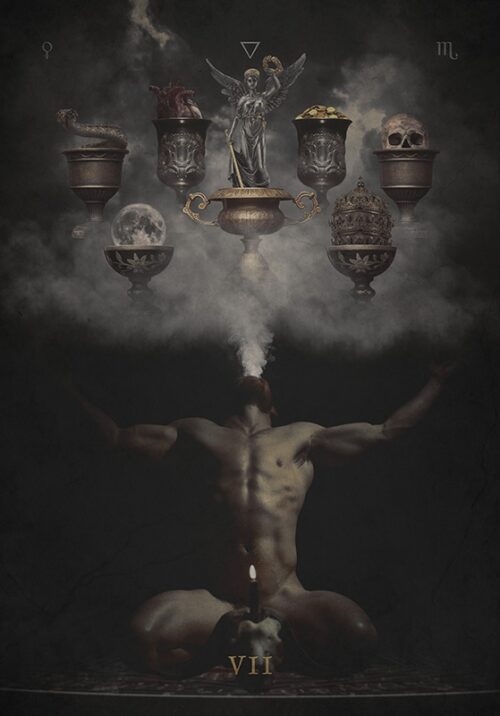
The Seven of Vessels card signifies an overactive imagination and high hopes, often leading to scattered energy and illusions. It warns against decadence and deception, while advocating for realistic goals and renewed willpower. When banished, it represents a drive for achievable goals with clear decision-making and continuous ambition.
Eight of Cups
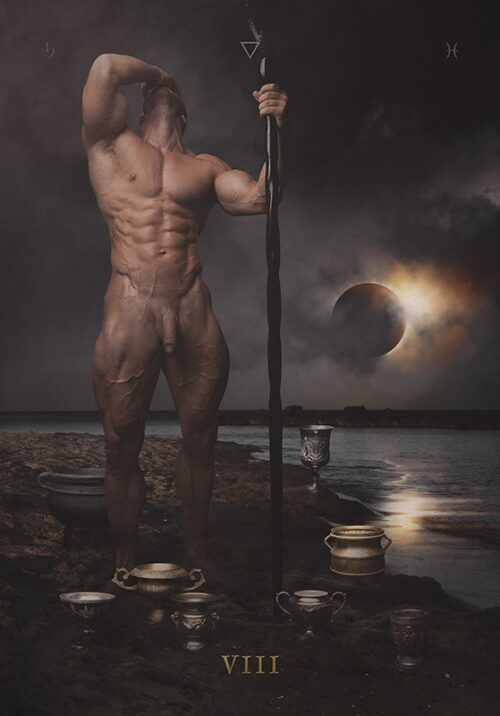
The Eight of Vessels represents dissatisfaction with success and a constant feeling of unfulfillment, often leading to self-sabotage and transient relationships. When invoked, it indicates an inability to appreciate what one has and a 'grass is greener' mentality. When banished, it signifies focused investment in material success and relationships, though often at the expense of spiritual well-being.
Nine of Cups
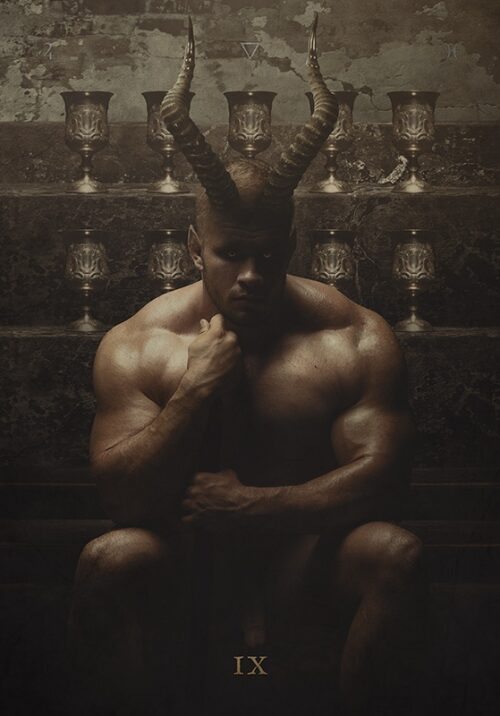
The Nine of Vessels represents the granting of wishes, wealth, and the manifestation of desires, leading to profound contentment and well-being. However, when banished, it signifies imprisonment disguised as freedom, lack of control, and the presence of illness and addiction.
Ten of Cups
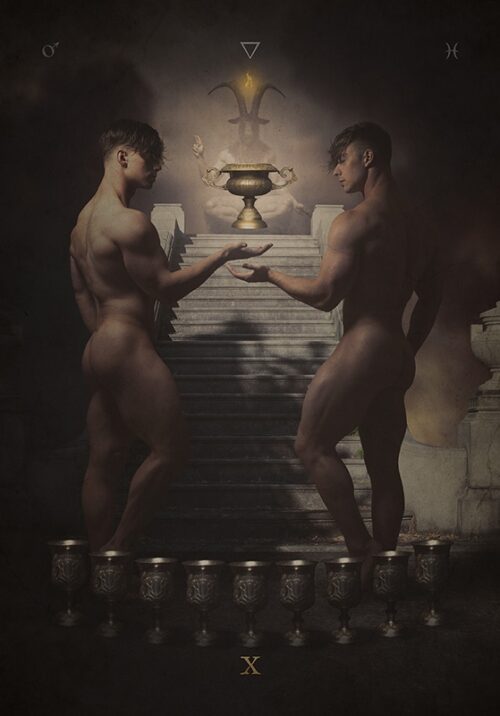
The Ten of Vessels signifies eternal happiness and success, ordained by a Higher Power, with perfect love, trust, and prosperity. However, it can also indicate superficial friendships, betrayal, and illegal activity if the card's negative aspects are invoked. The card urges you to invoke your higher purpose and remove hindrances from your life. It warns of false friends and the potential for loss due to wastefulness and greed.
Page of Cups

The Initiate of Vessels symbolizes dreams, inspiration, and a deep connection to the arts and spiritual worlds. It highlights a love for learning and the ability to escape into imagination, though with tendencies for distraction. When banished, it indicates a lack of purpose, susceptibility to seduction, and potential deception close at hand, with an emphasis on being wary of bad news and gossip.
Knight of Cups
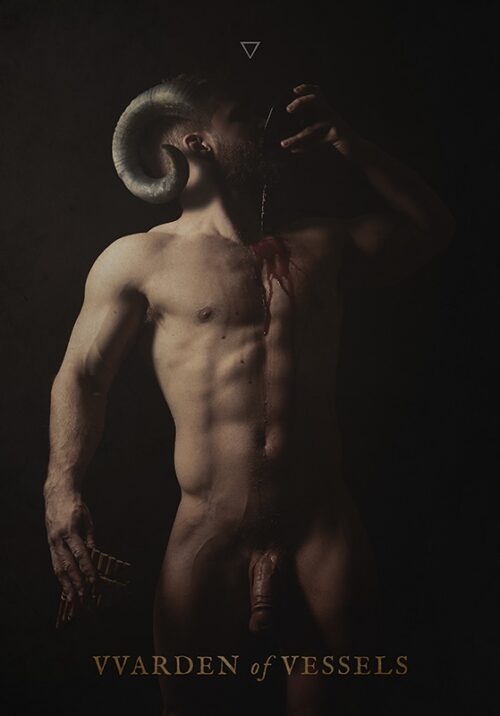
The Warden of Vessels signifies a dreamer, often involving eroticism and creativity, but also laziness and immaturity. In invoked readings, it highlights a call to navigate between pleasure and productivity. When banished, it warns of deceptive and fraudulent behavior, urging caution with too-good-to-be-true propositions.
Queen of Cups
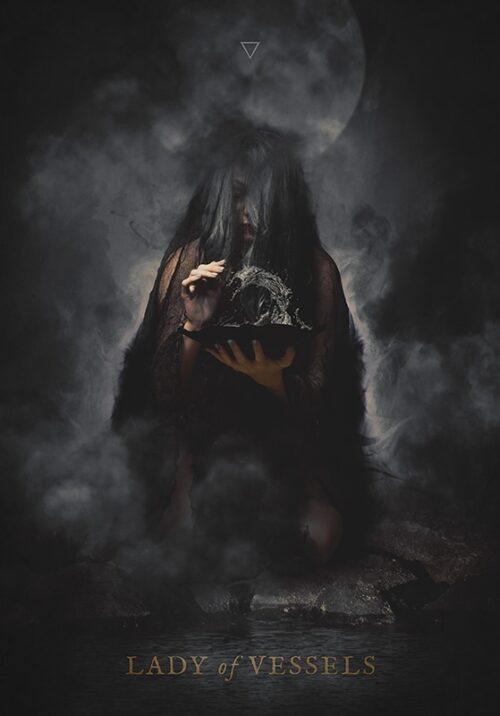
The Lady of Vessels symbolizes deep psychic abilities, emotional empathy, and healing powers, often personified as the perfect wife and mother. She connects with the subconscious and offers comfort, intuition, and protection. When invoked, she represents loyalty and strong intuitive skills. In a negative context, she signifies laziness, unreliability, and the perversion of natural gifts.
King of Cups
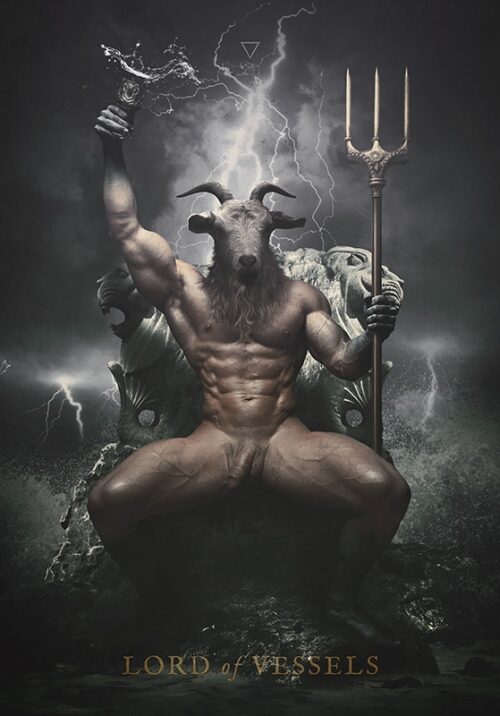
The Lord of Vessels represents a healer or a person of great intelligence, often involved in law or medicine, characterized by kindness, creativity, and responsibility. When banished, it signifies an abusive individual in power who is both physically and emotionally manipulative. This card symbolizes both healing and destructive forces, requiring personal mental strength and self-confidence to navigate its influences.
Swords
Ace of Swords
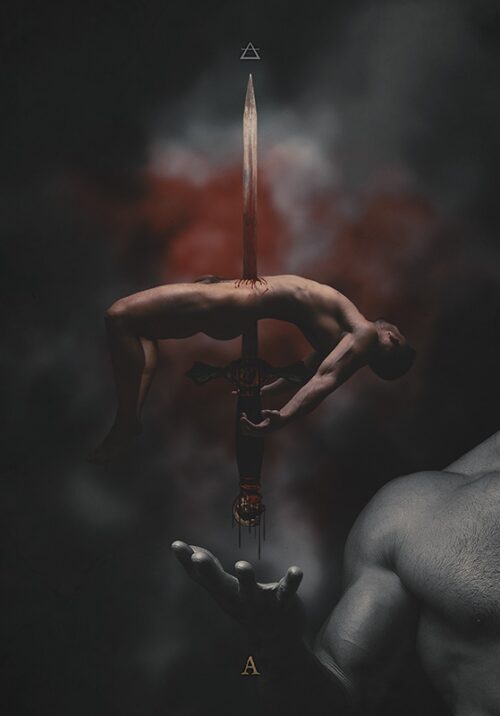
The Ace of Blades signifies a time of triumph, personal power, and breakthrough. When invoked, it represents clarity, intense emotions, and success. However, when banished, it warns of victory with disastrous results, clouded judgment, and significant loss. It emphasizes the need for self-sacrifice to achieve one's highest potential and to rethink one's approach when facing difficulties.
Two of Swords
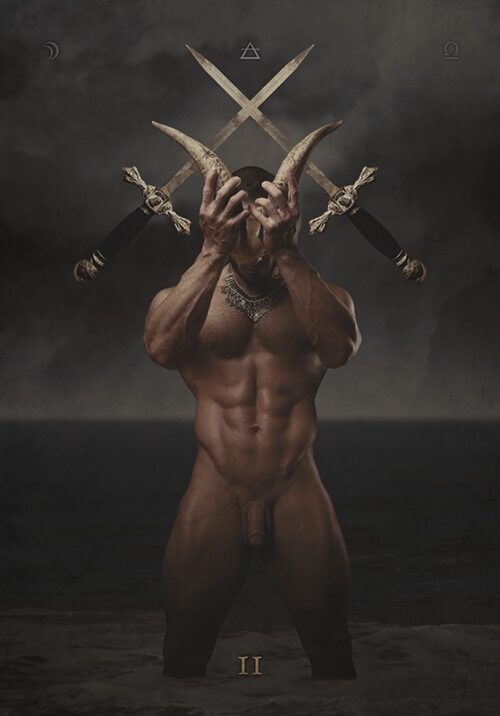
The Two of Blades symbolizes a conflict or stalemate, often due to avoidance or difficult decisions. It calls for introspection, seeking balance, and making choices that benefit both body and spirit. Banishing its influence implies avoiding excessive details and toxic people to maintain inner peace.
Three of Swords
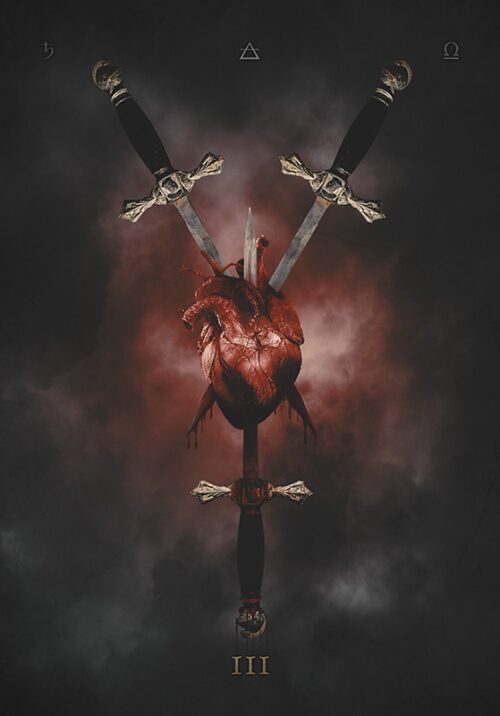
The Three of Blades symbolizes heartbreak, separation, and emotional turmoil. Invoking it can lead to intense emotions and dramatic life changes, while banishing it shows a lesser degree of sorrow and possibilities for forgiveness and reconciliation. Frequent lessons of the heart during these times make it stronger and wiser.
Four of Swords
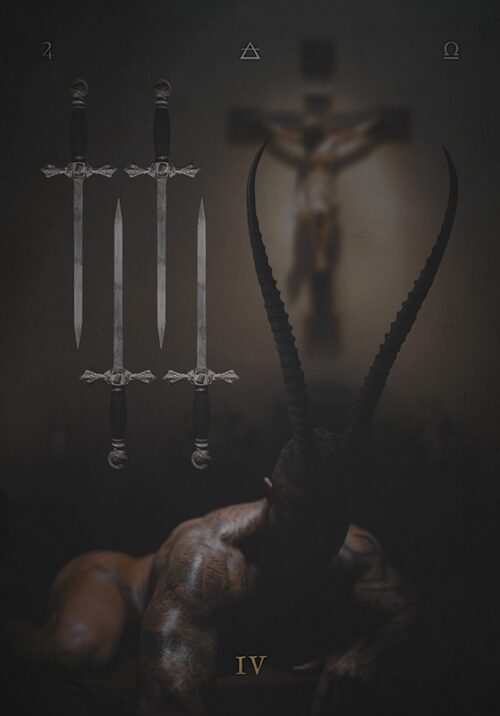
The Four of Blades signifies a period of rest, reflection, and transformation after turmoil. It represents peace and calmness, urging individuals to reconnect with themselves and heal from past sufferings. While invoking its energy brings about relaxation and renewal, banishing it cautions against burnout and encourages wise decision-making and reevaluation of one's goals.
Five of Swords
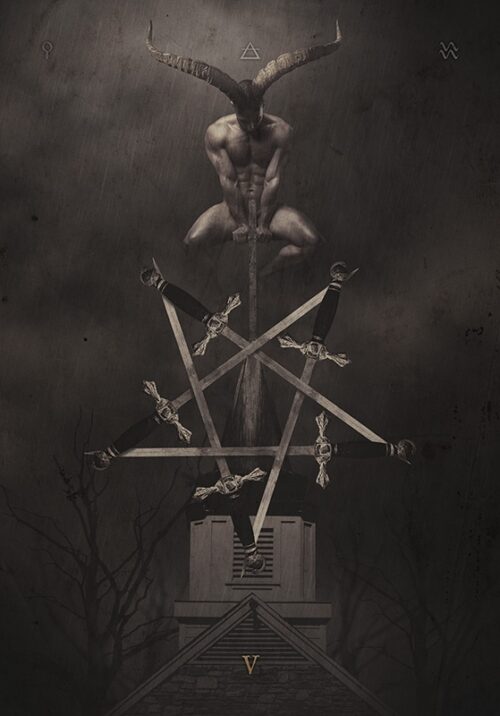
The Five of Blades card involves themes of victory through harsh means, slander, introspection, and potential hollow victories. Invoking this card typically signals overcoming enemies with possible unfair tactics, while banishing it points to victories pursued through pride that ultimately harm oneself. The card encourages evaluating the fairness of one's actions and warns of potential spiritual damage or funerals.
Six of Swords
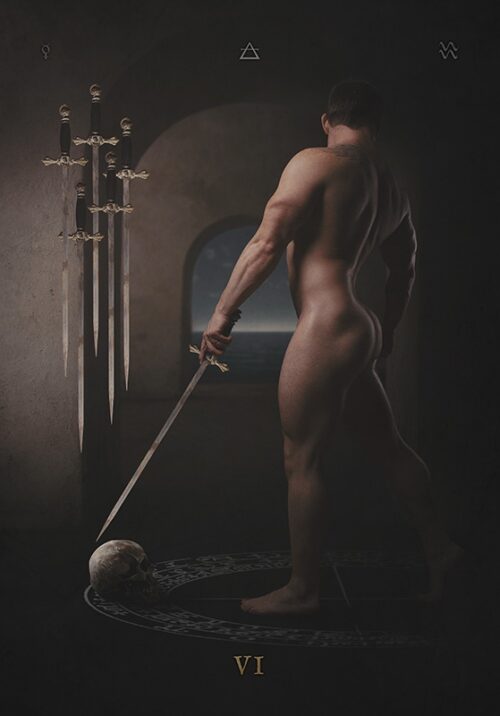
The Six of Blades speaks of transitions and journeys, whether physical or spiritual, often accompanied by a representative aiding in the process. It implies leaving behind the old to embrace new opportunities. When banished, it warns about unresolved issues, legal losses, and a stubborn resistance to change, which hampers progress.
Seven of Swords
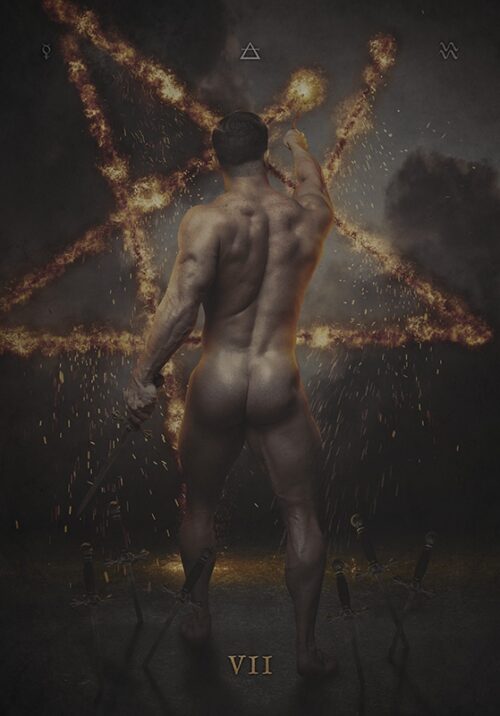
The Seven of Blades represents deception, trickery, and theft, often brought upon by others or oneself. This card signifies the revelation of hidden enemies and their intentions. When invoked, it warns of unfinished projects and the need to be vigilant. When banished, it promises unexpected blessings and the manifestation of desires through the removal of toxic elements from one's life.
Eight of Swords
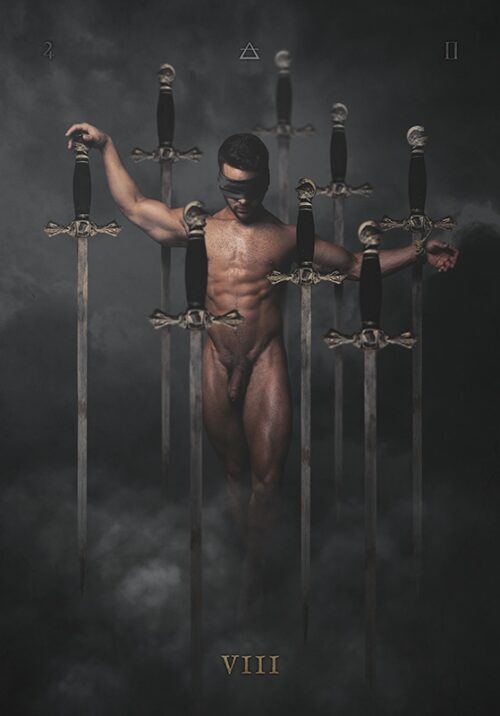
The Eight of Blades represents feelings of constraint, bondage, and indecision. It suggests being imprisoned by one's own circumstances, with an inability to see opportunities for change. However, it also highlights the potential for liberation and new beginnings, urging caution against impulsiveness. This card challenges you to trust your intuition and take deliberate steps towards freedom.
Nine of Swords
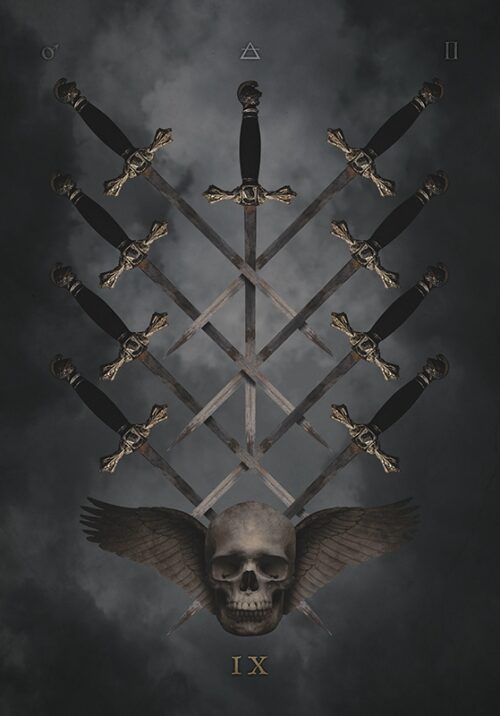
The Nine of Blades represents a time of suffering, loss, illness, and crippling fear. It signifies death or a significant burden when invoked. However, when banished, it symbolizes the process of healing, hope for tomorrow, and recovery from physical, emotional, or spiritual ailments.
Ten of Swords
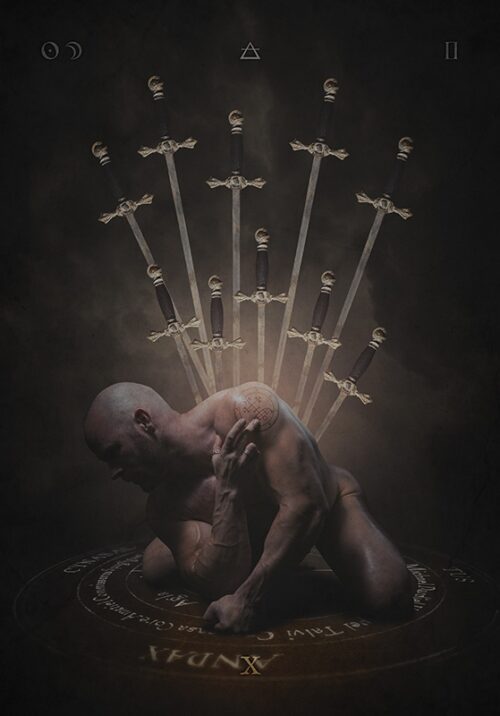
The Ten of Blades signifies great despair and ruin when invoked, heralding a time of suffering and defeat. However, when banished, it represents the defeat of evil, rising success from adversity, and aid from supernatural forces. It calls for charity and support during trying times, and in its positive aspect, symbolizes renewal and triumph.
Page of Swords
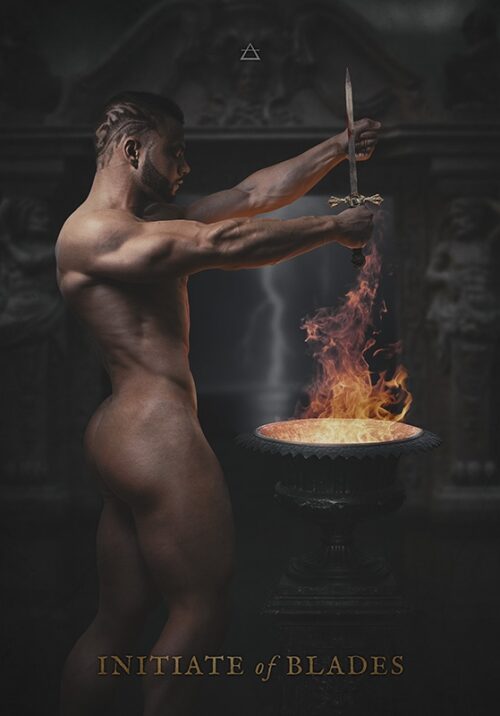
The Initiate of Blades represents a diplomatic and observant young person skilled in resolving problems. They possess power over authority and spiritual forces. It also warns of hidden enemies and the need to prepare for unexpected revelations, especially those related to honesty and deceit.
Knight of Swords
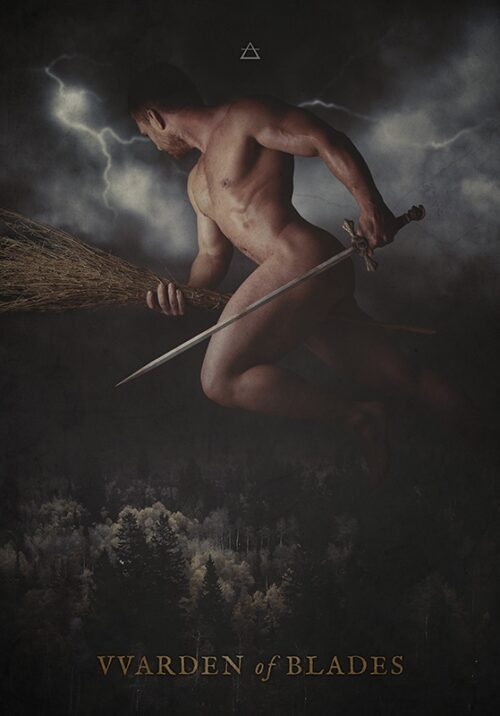
The Warden of Blades embodies courage, loyalty, and sincerity when invoked, indicating a brave ally or self-character during adversity. When banished, it warns of arrogance, luxury, and destructive ego, leading to conflicts and ruin. This card underlines the presence of a strong-willed and courageous individual who defends loved ones with heart and soul.
Queen of Swords
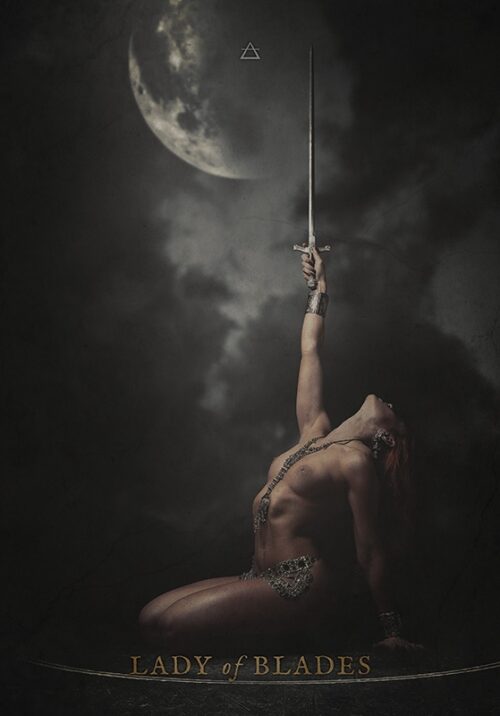
The Lady of Blades represents a quick-witted and wise woman who uses intellect and intuition to banish negativity and confront challenges. When invoked, she embodies intelligence and the ability to overcome negative forces. When banished, she signifies close-mindedness, deceit, and gossip, suggesting the need for introspection and self-improvement.
King of Swords
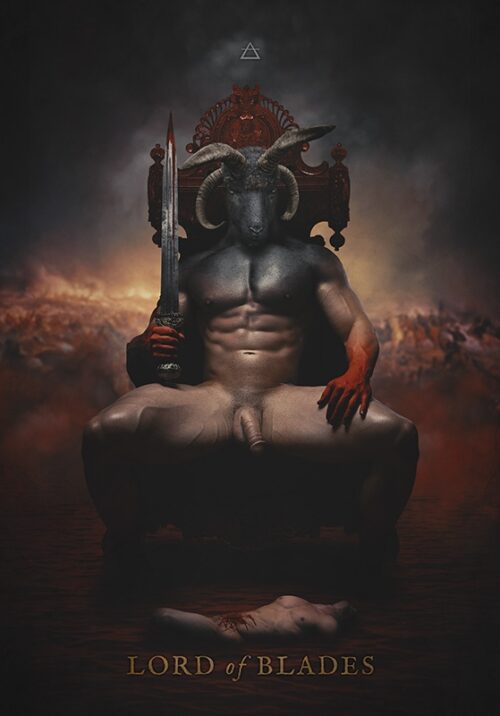
The Lord of Blades represents a figure of authority with immense personal power and strategic intelligence. This card challenges you to let your intuition and spiritual self guide you, even at the expense of the ego. When invoked, it symbolizes loyalty, wisdom, and the triumph over internal conflicts. Banished, the Lord of Blades turns into a symbol of violence, abuse, and untrustworthy behavior, revealing plots or abuse against you.
Pentacles
Ace of Pentacles
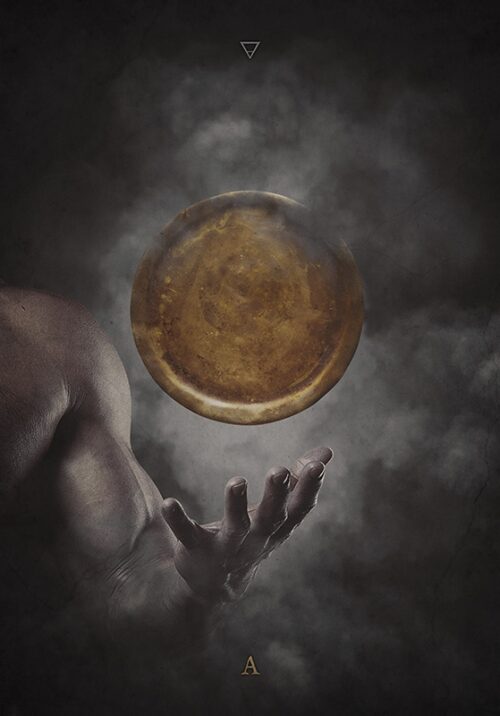
The Ace of Disks signifies the onset of financial stability, wealth, and a prosperous lifestyle. When reversed or banished, it warns of greed, stagnation, and stress from unstable income or abandoned new beginnings. This card reflects the relationship between effort and the reaping of material rewards, and emphasizes the importance of perseverance and ambition.
Two of Pentacles
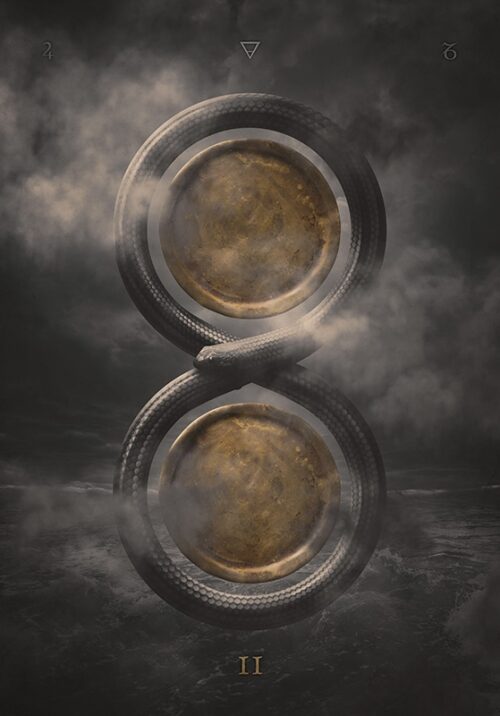
The Two of Disks signifies the juggling of various aspects of life, prompting a balanced yet resilient approach dealing with adversities. It emphasizes the cycle of ups and downs, urging an optimistic outlook and the importance of managing both productivity and recreation. When banished, it indicates the inability to multitask effectively and hiding true feelings behind a facade. Overall, it encourages facing life's cycles with strength and seeking support when overwhelmed.
Three of Pentacles
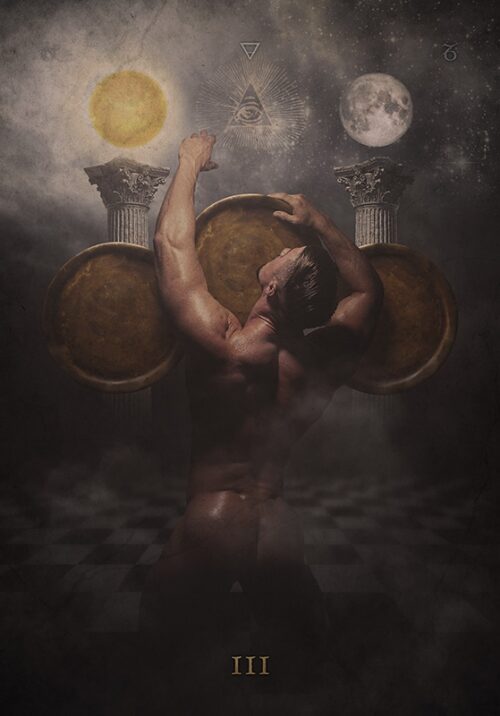
The Three of Disks indicates a master craftsman or talented artist with great potential for gain in business and increased goods and finances when invoked. Conversely, when banished, it reveals lack of skill, selfishness, and greed overtaking reason. The card emphasizes the importance of dedication, skill, and the rewards that come from hard work, as well as the pitfalls of ignorance and greed.
Four of Pentacles
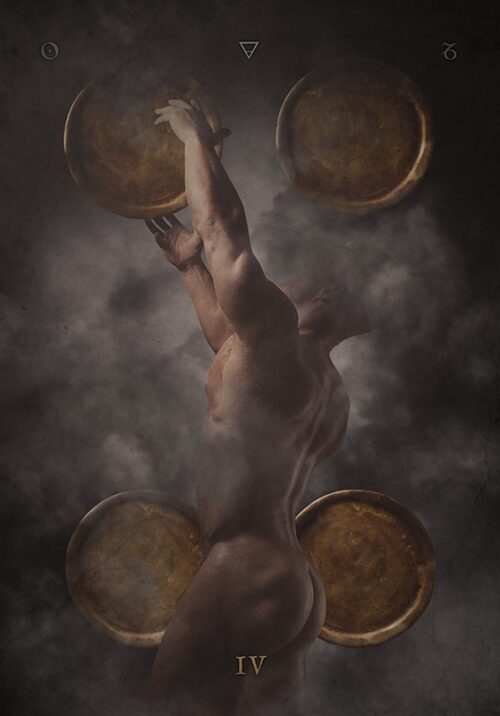
The Four of Disks signifies success in worldly power and material gains, such as gifts and inheritance. However, it also warns against being overly materialistic and the possible negative consequences, like envy and monetary challenges. It underscores the need to balance material pursuits with spiritual well-being.
Five of Pentacles
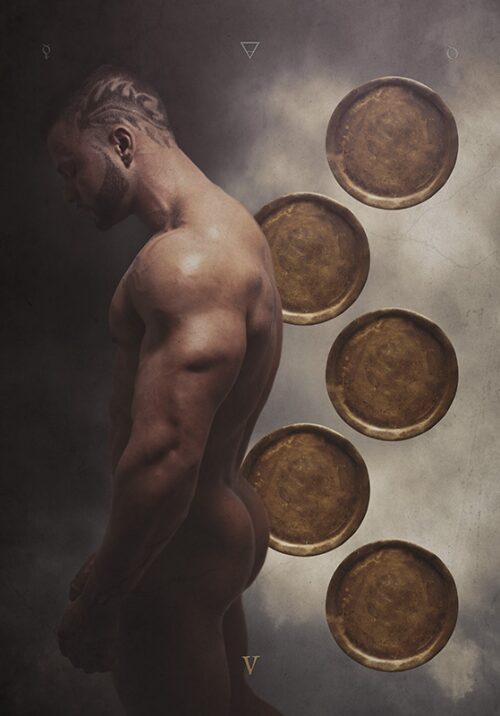
The Five of Disks card represents a period of hardship, including unemployment, poverty, and personal challenges. However, it also suggests the potential for recovery, renewed spiritual interest, and new opportunities. Relationships may struggle, but support from others is crucial during dark times. Banishment of the card signals financial recovery and new employment possibilities.
Six of Pentacles
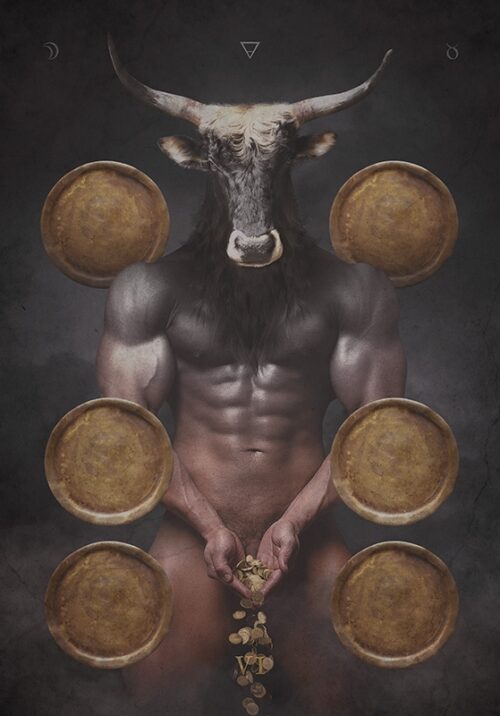
The Six of Disks signifies generosity, financial gain, and the reward for hard work when invoked. It involves giving to others and receiving prosperity in return. When banished, it represents mounting debts, financial instability, and reckless behavior with money.
Seven of Pentacles
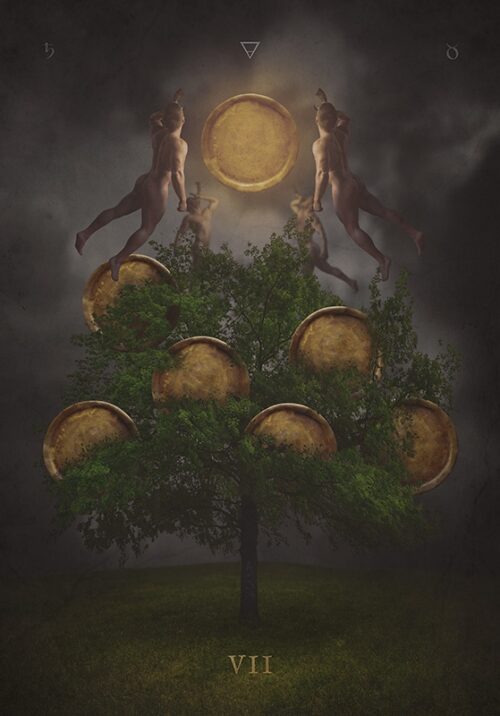
The Seven of Disks represents stagnation and disappointment in business, with expected profits not coming to fruition. It advises tapping into resourcefulness and possibly rebranding or rethinking plans. Even when facing setbacks, there is still a chance for success if impatience and stubbornness are relinquished.
Eight of Pentacles
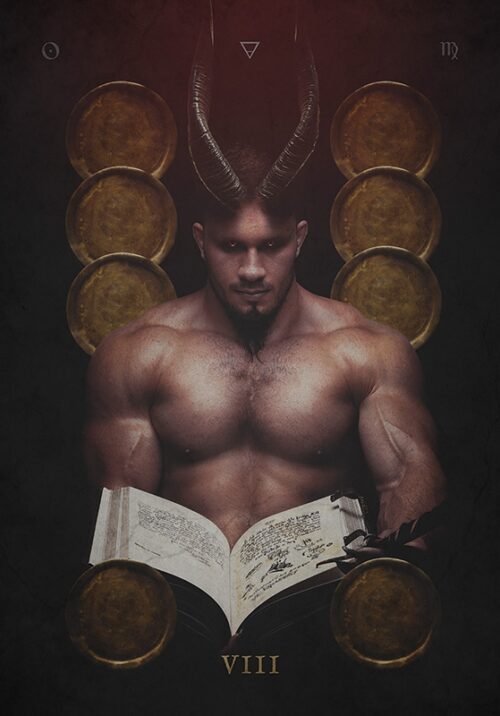
The Eight of Disks symbolizes the beginning of a journey toward prosperity and success in various endeavors. It highlights the learning of new skills, the promise of profitable commissions or employment, and the importance of integrity in these opportunities. When invoked, it signifies growth and unlimited potential, but if banished, it warns against dishonesty and the pitfalls of vanity and cutting corners.
Nine of Pentacles
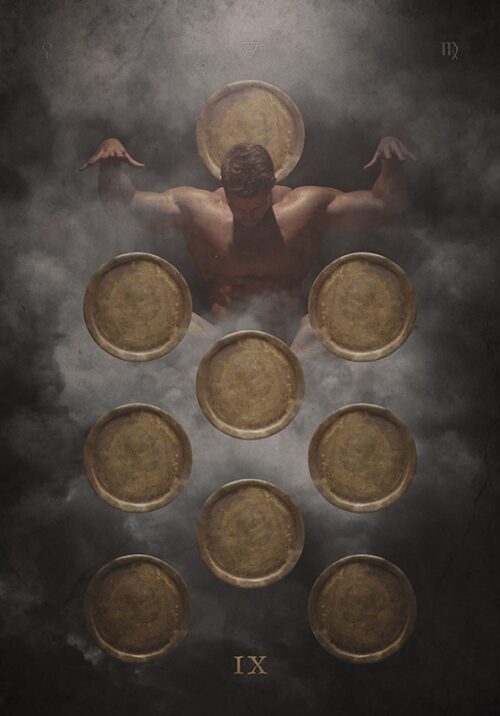
The Nine of Disks signifies enjoying life's pleasures alone, planning for the future, and having financial stability. It denotes a love for nature and self-control but warns of potential theft and disruptions. A powerful card for those who work independently, it emphasizes the importance of being cautious and strategic.
Ten of Pentacles
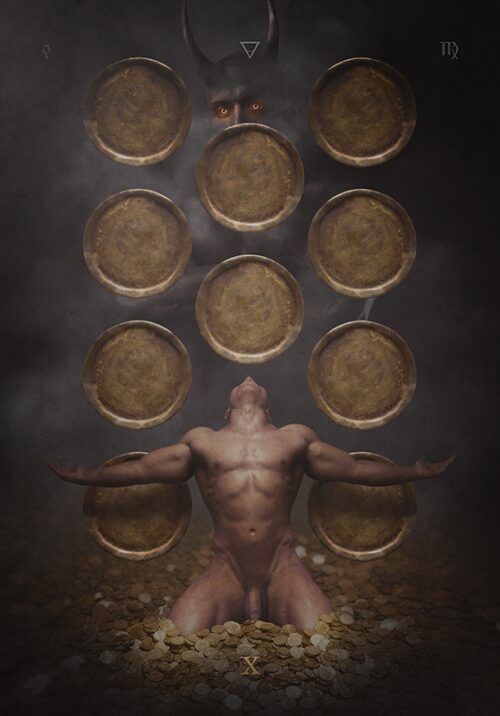
The Ten of Disks indicates vast prosperity and wealth, often tied to family and ancestral inheritance. It involves overcoming obstacles related to wills or estate planning. However, it also warns of family troubles, the burden of the elderly, and the risks of losing inheritance. It emphasizes the need for legal advice when necessary.
Page of Pentacles
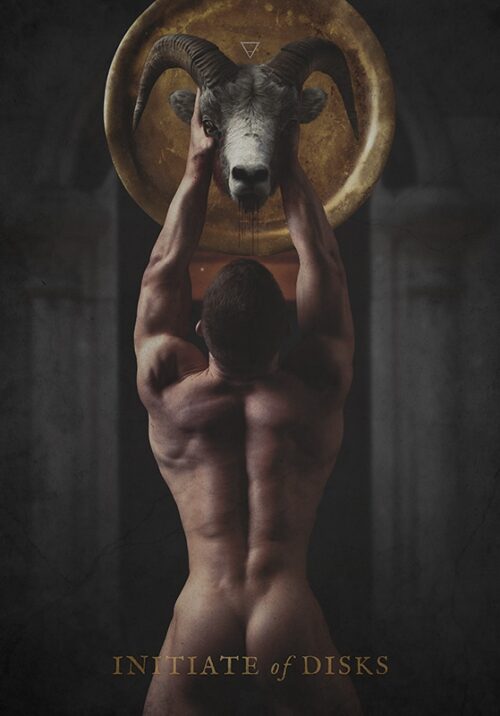
The Initiate of Disks represents a deep understanding of the learning process and a readiness to embrace new ideas. It signifies an academic nature and a time of reflection, often bringing good news regarding finances. Conversely, it warns against wastefulness, material obsession, and financial loss when banished.
Knight of Pentacles
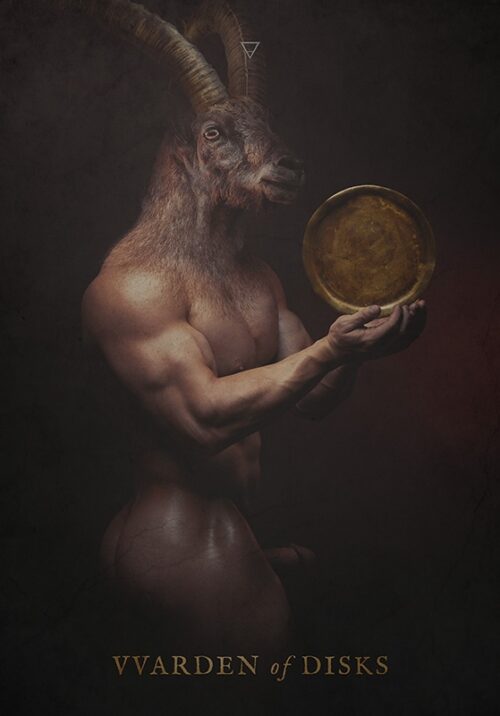
The Warden of Disks represents a reliable, hard-working, and patient individual who is responsible with money and enjoys helping others. When invoked, he suggests trustworthiness and the ability to handle financial matters effectively. When banished, he reflects stagnation, lack of purpose, and missed potential, emphasizing the need to overcome lethargy to avoid future regrets.
Queen of Pentacles
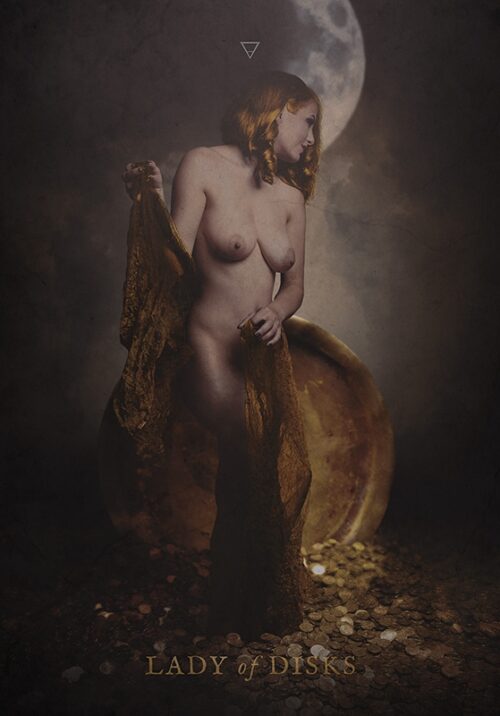
The Lady of Disks signifies generosity, wealth, and utilizing talents to their full potential when invoked, while it warns of neglecting responsibilities and mistrust when banished. The Lady of Disks embodies material abundance and can bring fortune and prosperity. However, neglect and laziness can lead to unproductiveness and mistrust.
King of Pentacles
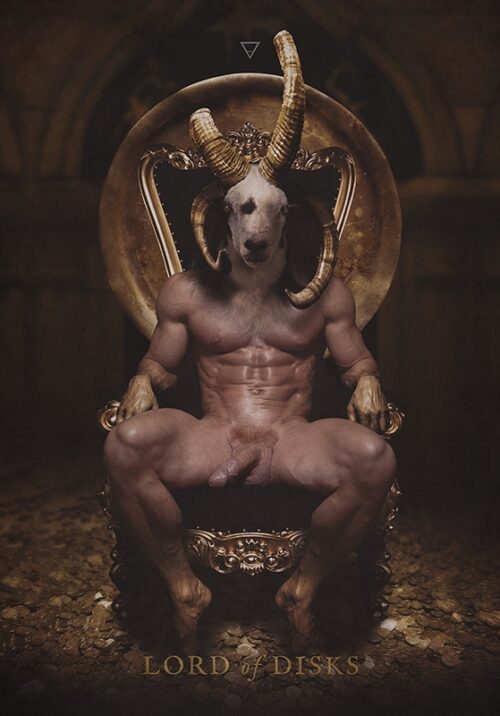
The Lord of Disks signifies a force that tests one's integrity through the pursuit of wealth. Invoked, it symbolizes a successful, level-headed individual in business, particularly in the financial industry, who is reliable and skilled. Banished, it represents corruption, vice, gambling problems, and abusive behavior masked by a deceptive persona, highlighting the misuse of talents and gifts.
Reading Tips for The Sabbath Tarot
This deck does not do subtlety, and it does not want you to either. Lean into what makes it strange.
Work with the photographic immediacy. Because these are photographs of real bodies rather than illustrations, the cards carry an immediacy that most decks lack. The rituals depicted feel like they actually happened — someone actually stood in that light, held that pose, inhabited that archetype. Let that visceral realness inform your readings. When a card unsettles you, notice where in your body you feel it.
Explore all three Devil cards. The Sabbath Tarot includes three interchangeable versions of The Devil, each approaching shadow work from a different angle. Try reading with each variant over time and notice how the shift changes the entire reading’s tone. This is one of the most thoughtful design choices in any modern deck — shadow is not a single thing, and the deck knows it.
Let the surreal elements speak to your subconscious. When you see a figure whose head has been replaced by clasped hands, or fingers that have become burning wicks, resist the urge to rationalize. These impossible images work the same way dreams do — they bypass your analytical mind and land somewhere deeper. If an image sticks with you after a reading, sit with it. The meaning will surface.
Bring questions about identity and authenticity. This deck was built to challenge assumptions about who gets to practice magic and how those bodies are represented. It excels with questions about self-expression, coming into your own power, authenticity, and the courage required to occupy space unapologetically. If you are navigating questions about who you really are versus who you have been told to be, The Sabbath Tarot will meet you there without flinching.
Frequently Asked Questions
How many cards are in The Sabbath Tarot?
The Sabbath Tarot contains 78 cards: 22 Major Arcana and 56 Minor Arcana, plus three interchangeable Devil cards offering different shadow-work perspectives.
Who created The Sabbath Tarot?
Fitness photographer Allan Spiers created the imagery with text by Jeff Cullen. The deck was successfully Kickstarted through three editions and is printed on premium 400 GSM stock with gold foil and crimson edges.
What makes The Sabbath Tarot unique?
It combines real photography with digital magical elements — ritual shadows, surreal touches like limbs replacing heads and burning candles for fingers. It centers masculine and homoerotic energy in witchcraft, a space traditionally depicted through feminine imagery.
Is The Sabbath Tarot good for beginners?
The deck is best suited for intermediate to advanced readers comfortable with intense, provocative imagery. Beginners may find the surreal photography challenging to interpret without prior tarot knowledge.