Tarot Card Elements: Fire, Water, Air, and Earth in Your Reading
The invisible layer in every reading
You can read tarot for years without thinking about elements. Most people learn card by card — what does the Three of Swords mean? What about the Queen of Pentacles? — and never step back to see the elemental system running beneath every reading.
But once you see it, you can’t unsee it. And it changes how you read.
Every tarot card is connected to one of four classical elements: fire, water, air, or earth. These aren’t decorative labels. They’re the fundamental energies that shape what each card does, how suits interact, and why certain combinations in a spread feel harmonious while others feel like a collision.
Understanding elements turns a tarot reading from a sequence of individual card meanings into a conversation between forces. And that conversation is often where the real insight lives.
The four elements and their suits
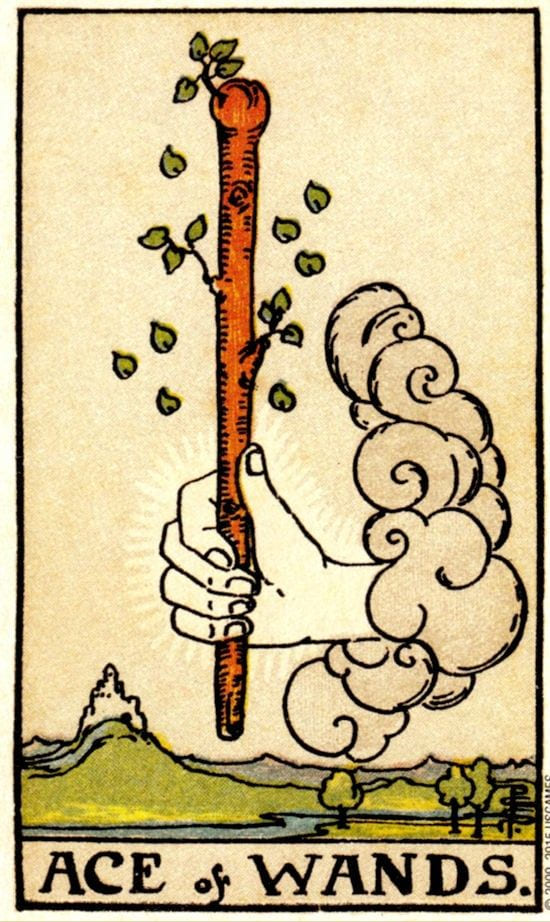
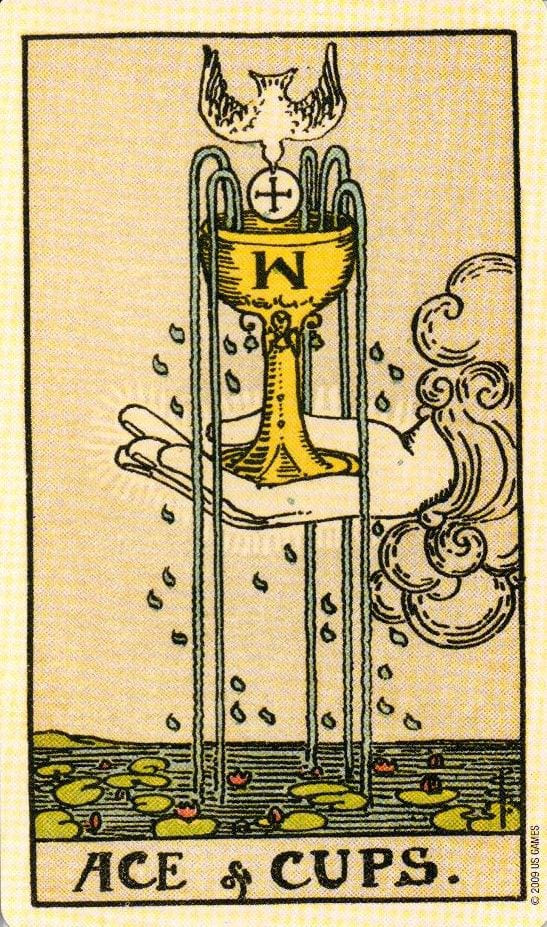
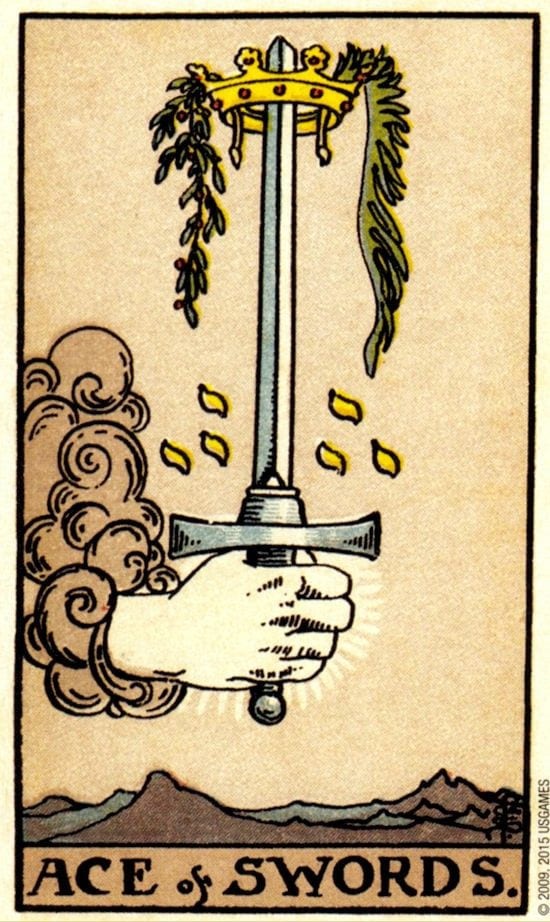
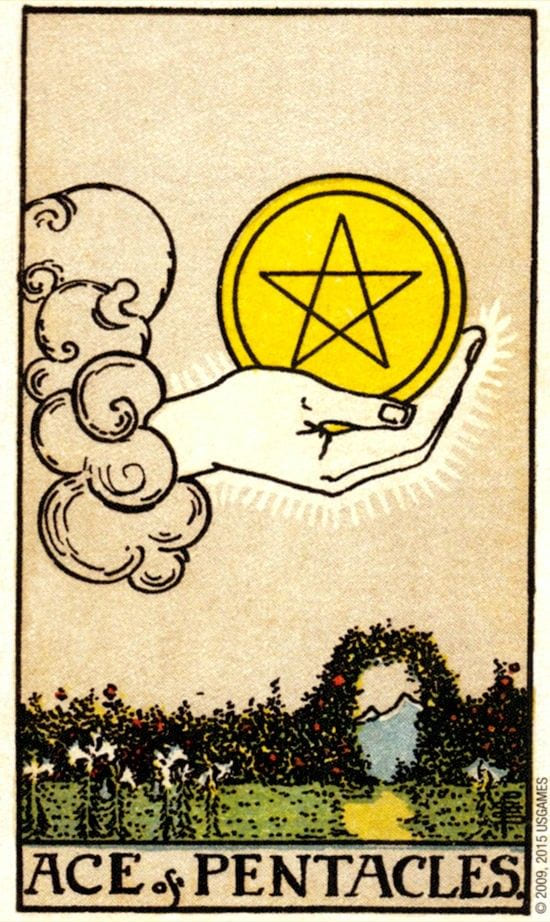
Fire — Wands
Fire creates, destroys, and transforms. It’s the element of will, passion, ambition, and the creative impulse that drives you to act.
In the body: Fire lives in the gut — that burning motivation, the rush of adrenaline, sexual energy, the feeling of being lit up by an idea.
When balanced: Confidence, creativity, courage, enthusiasm, natural leadership.
When excessive: Burnout, aggression, impatience, recklessness, consuming everything in your path.
When deficient: Apathy, low energy, lack of direction, feeling unmotivated and uninspired.
Fire cards to watch: The Ace of Wands (pure creative spark), the Knight of Wands (fire at full gallop), the Ten of Wands (fire burning out from too much fuel).
Water — Cups
Water flows, heals, and reflects. It’s the element of emotion, intuition, relationships, and the inner life that operates beneath conscious thought.
In the body: Water lives in the heart and the subconscious — tears, dreams, gut feelings, the pull of love, the ache of grief.
When balanced: Emotional intelligence, deep empathy, creative inspiration from feeling, strong intuition.
When excessive: Emotional flooding, codependency, living in fantasy, inability to make practical decisions because feelings override everything.
When deficient: Emotional numbness, disconnection from others, dry creativity, ignoring intuition.
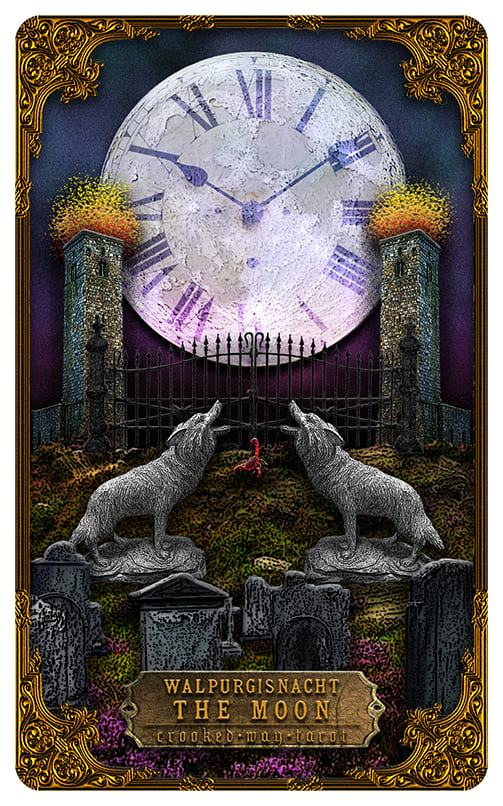
Water cards to watch: The Ace of Cups (the heart opening), the Moon (the deep subconscious), the Six of Cups (emotional memory), the Queen of Cups (water mastered).
Air — Swords
Air thinks, analyzes, communicates, and cuts through illusion. It’s the element of intellect, truth, language, and the mental processes that organize experience into meaning.
In the body: Air lives in the mind — thoughts racing, the flash of an idea, the sharp edge of a true word, the anxiety spiral of overthinking.
When balanced: Clear communication, sharp perception, intellectual honesty, the ability to see multiple perspectives.
When excessive: Overthinking, anxiety, cruelty through words, analysis paralysis, living entirely in the head.
When deficient: Confusion, inability to communicate, avoidance of truth, foggy thinking.
Air cards to watch: The Ace of Swords (mental breakthrough), the Queen of Swords (air mastered — clear sight without illusion), the Eight of Swords (air trapped — thoughts creating a prison).
Earth — Pentacles
Earth builds, sustains, and grounds. It’s the element of the physical world — money, health, food, shelter, the body, nature, and everything you can touch.
In the body: Earth lives in the bones, the muscles, the senses — the feeling of your feet on solid ground, the satisfaction of a good meal, the comfort of a warm home.
When balanced: Financial stability, good health, practical skill, patience, the ability to enjoy physical pleasures without guilt.
When excessive: Materialism, stubbornness, hoarding, defining yourself entirely by possessions or achievements, resistance to change.
When deficient: Financial instability, neglecting health, feeling ungrounded, struggling with practical reality, living in abstractions.
Earth cards to watch: The Ace of Pentacles (new material opportunity), the Nine of Pentacles (earth flourishing — abundance and independence), the Four of Pentacles (earth gripping — holding too tight).
Elements in the Major Arcana
The Major Arcana cards carry elemental associations too, though these come from astrological and esoteric correspondences rather than suit membership:
| Element | Major Arcana cards |
|---|---|
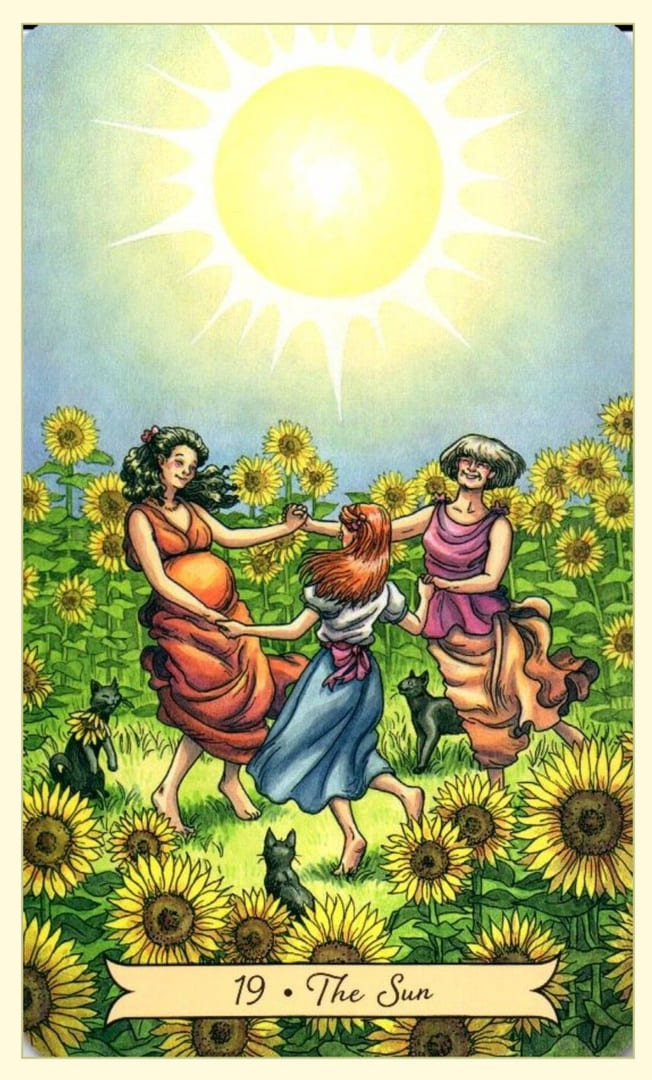
| Fire | The Emperor, Strength, the Tower, the Sun, Judgement |
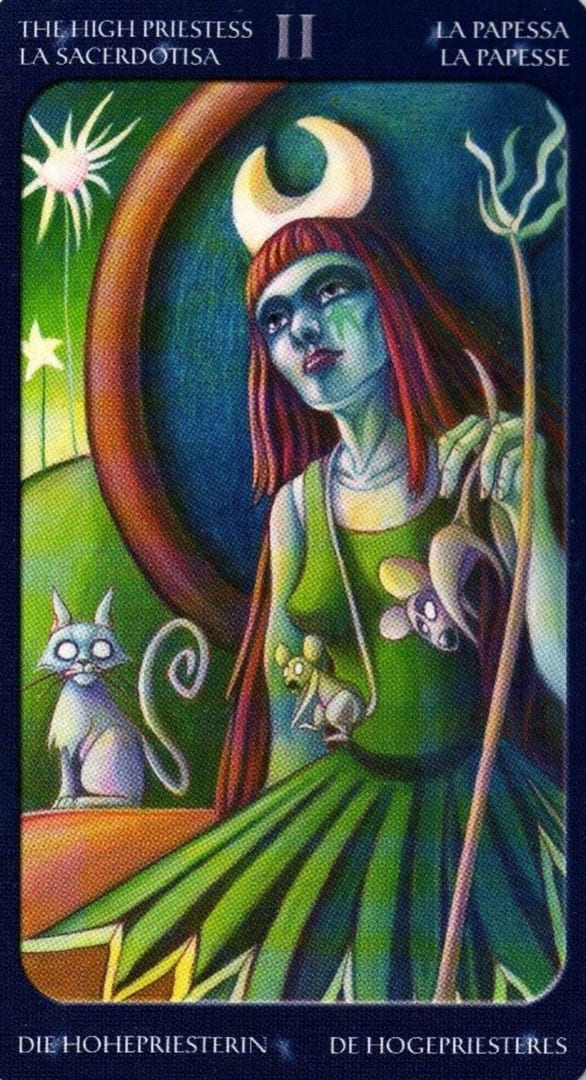
| Water | The High Priestess, the Chariot, the Hanged Man, Death, the Moon |
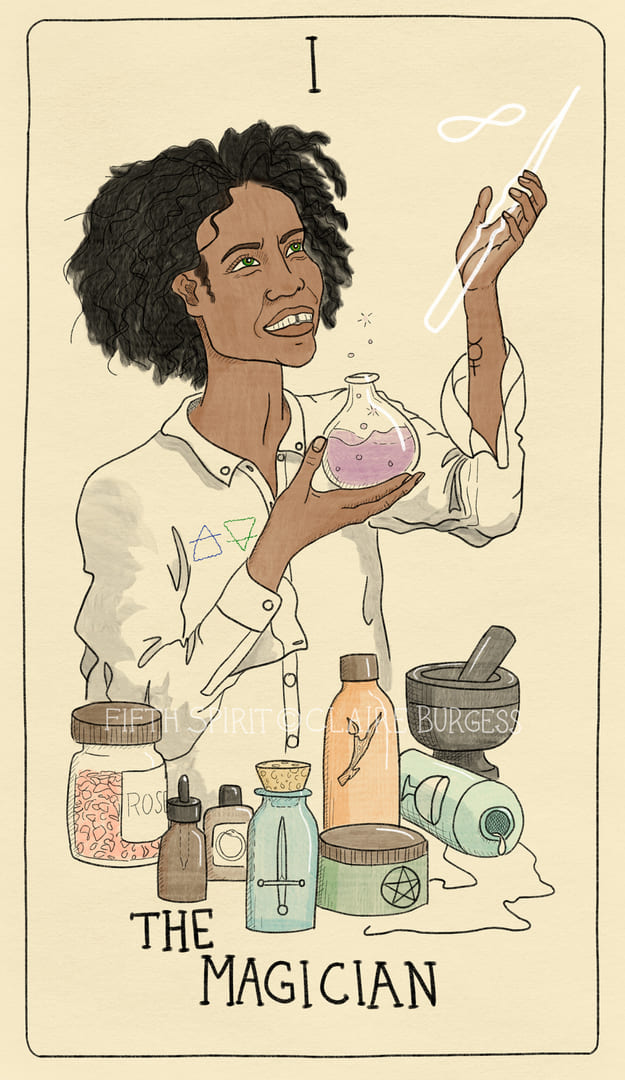
| Air | The Fool, the Magician, Justice, the Star |
| Earth | The Empress, the Hierophant, the Hermit, the World, the Devil |
These associations vary between traditions — some systems assign the Fool to Air, others to Earth. The important thing isn’t memorizing a fixed list but understanding that every Major Arcana card vibrates with elemental energy that deepens its meaning.
The Tower isn’t just sudden change — it’s sudden change through fire. Destruction that clears the ground for new growth. The Moon isn’t just confusion — it’s confusion through water. The deep, shifting currents of the subconscious creating distortion and illusion.
How elements interact
When two elements appear together in a reading, their relationship tells you something about the situation’s dynamics.
Compatible elements
Fire + Air: These feed each other. Air fans fire; fire heats air. Ideas (Air) fuel action (Fire). This combination is fast, dynamic, and intellectually stimulating — but can burn through resources quickly. In a reading: rapid progress, heated discussions that lead to breakthroughs, thinking and doing in sync.
Water + Earth: These nourish each other. Water feeds earth; earth gives water form. Emotions (Water) ground into practical reality (Earth). This combination is slow, steady, and deeply nurturing — but can become stagnant. In a reading: emotional security, building a home, nurturing investments, patience that pays off.
Challenging elements
Fire + Water: These create steam — or extinguish each other. Passion (Fire) vs. emotion (Water). Desire vs. feeling. What you want to do vs. what your heart needs. In a reading: tension between action and emotion, the risk of burning out emotionally or drowning creative drive.
Air + Earth: These can feel disconnected. Ideas (Air) vs. practical reality (Earth). Planning vs. doing. Theory vs. application. In a reading: struggling to turn thoughts into tangible results, or being so practical that you can’t think creatively.
Neutral elements
Fire + Earth: Fire can bake earth into something strong (brick, pottery) or scorch it. This combination is about willpower applied to material reality. In a reading: ambitious projects, career building, forceful change in practical circumstances.
Air + Water: Air can create waves on water’s surface or blow away emotional fog. This combination is about thinking through feelings. In a reading: emotional clarity through communication, writing about feelings, therapy, intellectualizing emotions (for better or worse).
Reading elemental patterns in a spread
Step 1: Count the elements
After laying out your cards, mentally sort them by element. How many Fire cards? Water? Air? Earth? The dominant element tells you the reading’s primary energy.
- Mostly Fire: Action-oriented situation. Things are moving. Passion is high.
- Mostly Water: Emotionally charged. Relationships or inner life at the center.
- Mostly Air: Mental activity dominates. Communication, decisions, truth-seeking.
- Mostly Earth: Practical concerns. Money, work, health, tangible outcomes.
Step 2: Notice what’s missing
The absent element is often the most important insight. If your spread has no Water cards, emotions are being ignored — and that’s probably part of the problem. No Fire? The situation lacks energy or motivation. The missing element is the medicine the situation needs.
Step 3: Watch for elemental clashes
When Fire and Water cards sit next to each other, there’s internal conflict between action and feeling. When Air and Earth collide, there’s tension between ideas and reality. These clashes aren’t bad — they’re information about where the friction lives.
Step 4: Read elemental flow
In a past-present-future spread, the elemental progression tells a story. Earth → Water → Fire might mean: “You started with practical stability, moved into emotional processing, and are heading toward passionate action.” The elements narrate the journey’s energy shifts even before you read individual card meanings.
Elements as a reading shortcut
When you’re stuck on a card’s meaning, fall back to its element.
You pull the Seven of Cups and your mind goes blank. But you know it’s Water. So whatever this card means, it’s happening in the emotional realm — feelings, relationships, inner life, dreams. That narrows your interpretation immediately.
Now add the number: Seven is reflection and assessment. So this card is about emotionally assessing something — evaluating feelings, fantasies, or choices through the lens of desire.
Element plus number gives you the card’s territory and chapter. The specific imagery gives you the details. Three layers of information, and the element is the fastest to access.
This is especially useful when reading unfamiliar decks where the imagery might not match what you’re used to. The element stays constant across every deck that follows the four-suit structure. It’s the one thing you can always rely on.
Frequently Asked Questions
What element is each tarot suit?
Wands = Fire, Cups = Water, Swords = Air, Pentacles = Earth. These associations are consistent across virtually all tarot traditions and decks. The Major Arcana cards also carry elemental associations, though these vary more between traditions — for example, the Empress is typically Earth, the Tower is typically Fire, and the Star is typically Air or Water.
How do elements affect a tarot reading?
Elements tell you what kind of energy dominates the situation. A reading full of Water cards (Cups) is about emotions and relationships. A reading dominated by Fire (Wands) is about action and passion. When elements clash — like Fire and Water appearing together — it shows tension between different needs. When they support each other, the energy flows naturally.
What happens when one element is missing from a tarot spread?
A missing element reveals what's absent from the situation. No Earth (Pentacles) means practical grounding is lacking. No Water (Cups) suggests emotions are being ignored. No Fire (Wands) indicates low energy or motivation. No Air (Swords) means clarity or honest communication is missing. The absent element is often what the querent needs most.
Do Major Arcana cards have elements too?
Yes. Each Major Arcana card is associated with an element, a planet, or a zodiac sign (which itself has an element). The Fool is Air, the Magician is Air, the High Priestess is Water, the Empress is Earth, the Emperor is Fire, and so on. These associations come from Western esoteric tradition and help deepen interpretation.