What Is Imbolc? Tarot and the First Stirring of Spring
Something moves under the snow
There is a day in late January when the light shifts. Nothing has bloomed yet. The ground is still cold, the branches still bare. But if you stand very still, you can feel it — something is stirring. The sap is beginning to think about rising. The ewes are beginning to lactate. Somewhere, deep below, the earth is remembering spring.
That stirring has a name. It is Imbolc.
Imbolc (pronounced IM-olk, from the Old Irish i mbolc, “in the belly”) falls on February 1st, at the exact midpoint between the winter solstice and the spring equinox. It is the first of the Celtic fire festivals, and it marks one of the most tender moments in the Wheel of the Year — the moment when winter is not yet over, but the possibility of spring has become undeniable.
For those of us who work with tarot, Imbolc is a quiet card. Not the dramatic upheaval of The Tower, not the celebration of The Sun. Imbolc is The Star after a long night: the first soft glimmer that hope has not, in fact, forgotten where you live.
The ancient roots of Imbolc
The word Imbolc most likely refers to the pregnancy of ewes — oimelc, “ewe’s milk” — which begin lactating around this time of year in Ireland and the British Isles. For a Celtic agricultural community, this was the first tangible proof that winter had a bottom to it. The lambs were coming. Fresh milk would return. Life was not, despite appearances, over.
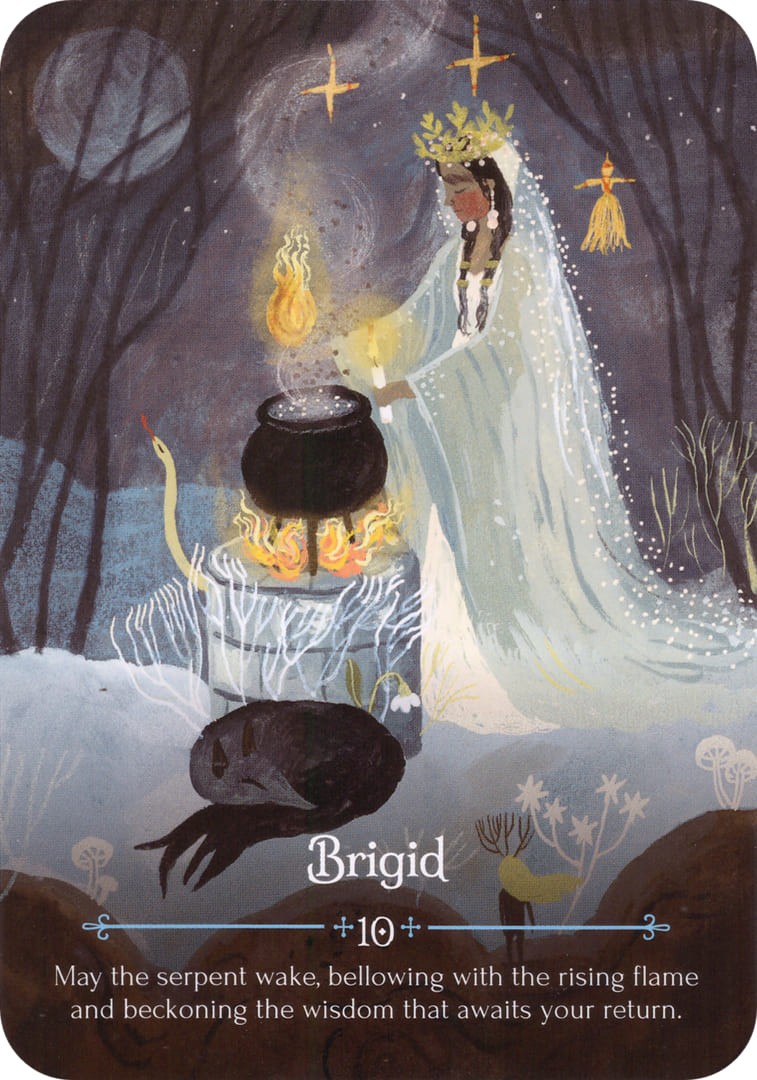
Imbolc was sacred to Brigid, one of the most beloved goddesses in the Celtic pantheon. She is the goddess of fire, poetry, healing, smithcraft, and sacred wells — a triple goddess who keeps the forge, the well, and the hearth burning through the coldest months. Her festival, Là Fhèill Brìghde in Scotland, was the moment the people asked Brigid to breathe warmth back into the world.
When Christianity arrived in Ireland, Brigid was so loved that she could not be removed. She became Saint Brigid of Kildare, and her feast day — February 1 — remained the beginning of spring. The same cross-shaped reed charm (Brigid’s cross) has been hung over Irish doorways for over a thousand years, first for the goddess, then for the saint, protecting homes from fire and lightning.
Imbolc was never loud. It was a festival of small, careful acts. Lighting candles in every window. Leaving a piece of cloth outside overnight for Brigid to bless as she passed through. Cleaning the hearth. Weaving the cross. Welcoming the goddess home.
What Imbolc means spiritually
Imbolc sits at the exact midpoint between Yule (the winter solstice) and Ostara (the spring equinox). It is the moment when the light is returning but hasn’t yet been noticed. On the Wheel of the Year, it is the mirror opposite of Lughnasadh (the first harvest in August). Where Lughnasadh celebrates abundance already grown, Imbolc honors abundance only now being dreamed.
The hearth — tending the inner fire
Imbolc is a hearth festival. Not the bonfire of Beltane, not the outdoor blaze of Litha — but the private, domestic fire. The candle on the mantle. The flame in the fireplace. The pilot light that has been burning all winter, keeping you alive when the outside world gave you nothing. Imbolc asks: what inner fire have you been tending? What have you kept alive through the dark months?
The first stirring — potential before form
At Imbolc, nothing is fully born yet. The seeds are still underground. The lambs are still in the belly. The days are still short. But the movement has begun. This is one of Imbolc’s deepest spiritual gifts: it teaches you to honor invisible beginnings. To trust that something is growing even when you can’t yet see it.
Purification — clearing the space
Imbolc is also a festival of cleansing. Not the big spring cleaning — that belongs to Ostara. Imbolc cleansing is ceremonial: sweeping out old energy, clearing altars, blessing tools, setting intentions for what you want the coming light to grow. A preparation. A making-ready.
Brigid’s blessing — the return of the tender
Where Samhain invites the dead, Imbolc invites the tender. Brigid is not a warrior goddess or a destroyer — she is a healer. She tends the sick, teaches the poets, blesses the wells. Imbolc asks you to receive her tenderness. To let yourself be soft where the winter has asked you to be hard.
Imbolc and tarot — cards that carry the energy
Tarot and the Wheel of the Year speak the same language. Every season lights up different cards, and Imbolc lights the gentle ones.
Cards that carry Imbolc energy
The Star — The card of returning hope after disaster. If any card is Imbolc, it’s The Star. The naked figure kneeling by the water, pouring out offerings to both land and sea, with a single bright star above — that’s the exact moment of Imbolc. Hope has not abandoned you. It was waiting for you to be still enough to see it.
The High Priestess — The card of inner listening, intuition, quiet knowing. At Imbolc, The High Priestess is the woman by the fire, the silence that hears what the world is about to do. Her veil is the last of the winter mist, and behind it — spring.
The Hermit — The card of solitary wisdom, the lantern in the dark. At Imbolc, The Hermit’s lantern is the candle Brigid hands to you. You are not alone in the dark. You have your own light, and others — seen and unseen — are tending theirs too.
The Empress — The card of fertility and the earth herself. At Imbolc, The Empress is pregnant but not yet showing. The promise is inside her. She is the field waiting to bloom — the potential that Imbolc honors.
Ace of Pentacles — The card of the first green shoot. At Imbolc, this card is the tiny bulb finally breaking through the frozen soil. Small. Fragile. Unmistakable.
Page of Cups — The card of gentle new feelings. The Page of Cups at Imbolc is the first tender impulse toward something — a desire you haven’t yet named, an intuition you’re only starting to trust.
A simple Imbolc tarot practice
You don’t need an elaborate ritual. On Imbolc Eve or February 1st, light a candle. Shuffle your deck and pull three cards:
- What kept me alive this winter? — The inner fire I’ve been tending, often without noticing
- What is stirring beneath the surface? — The potential that is moving but not yet visible
- What gentle step is ready to be taken? — The small, doable action that moves me toward spring
Sit with each card. Don’t rush to interpret — let the images speak first. Imbolc readings work best when you’re quiet enough to hear a whisper.
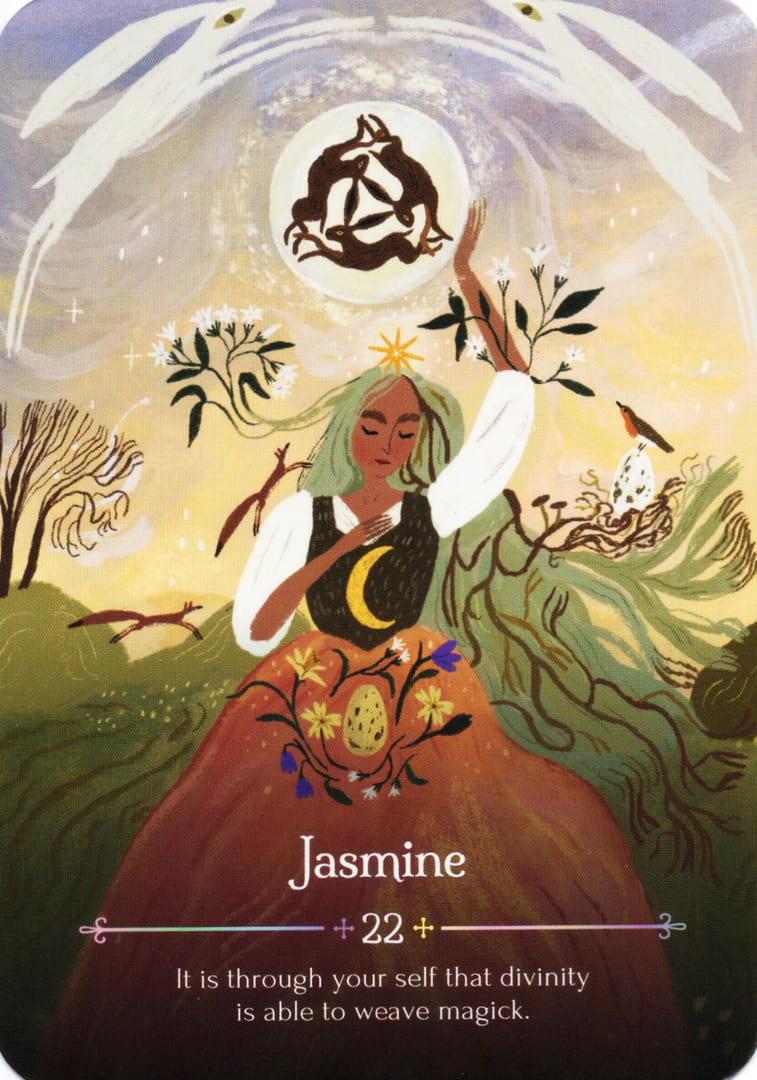
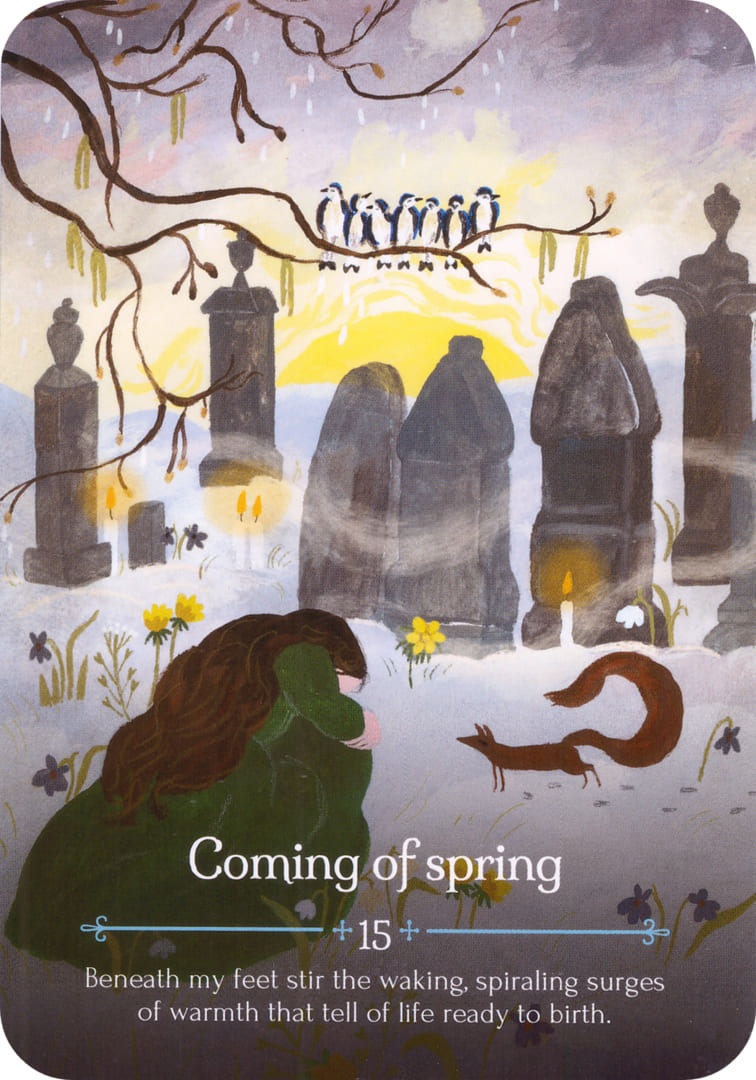
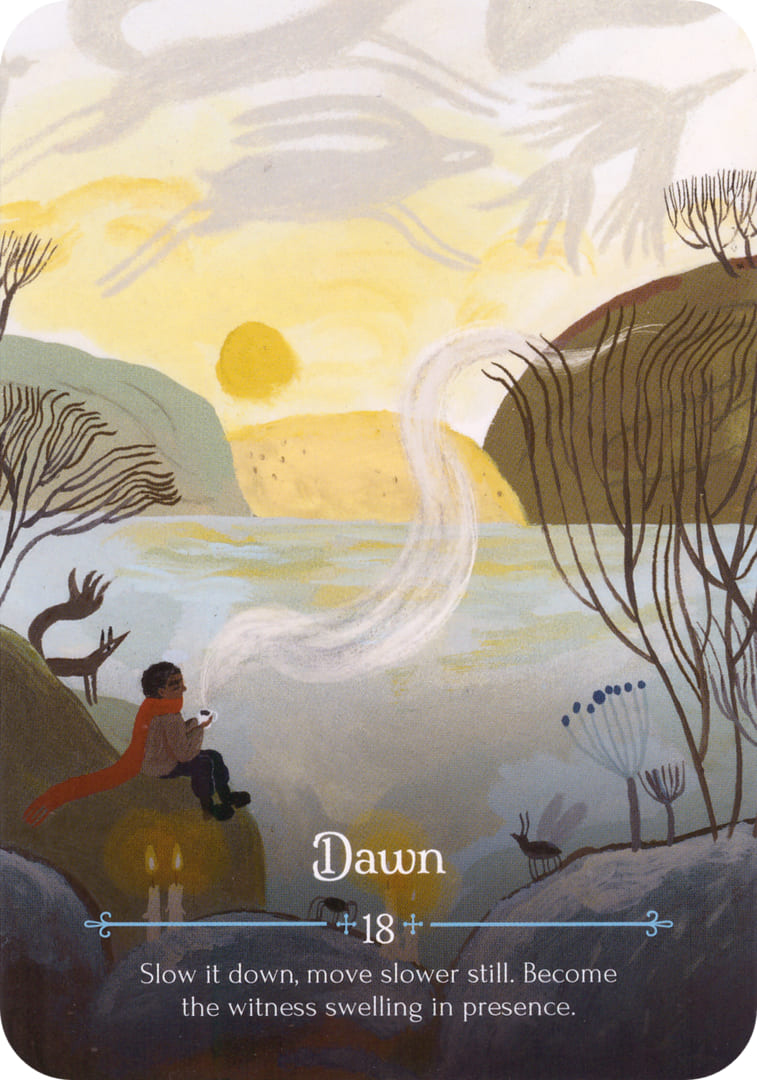
If you want a seasonal companion, the Seasons of the Witch: Imbolc Oracle by Lorraine Anderson and Juliet Diaz is specifically built for this season. Every card is an Imbolc-themed image (Brigid, snowdrops, Coming of Spring, Dawn) and the deck works beautifully alongside tarot for late-winter readings.
The first light
Imbolc doesn’t ask you to be fully awake. It doesn’t ask you to have a plan for the rest of the year. It asks you to notice that the days are lengthening. That the cold has started to crack. That somewhere, under the snow, something is preparing to bloom.
The candle is lit. Brigid is at the door. Winter is not forever.
Begin.
Ready to read your own Imbolc story? Elvi’s AI-guided readings can walk you through a full Imbolc spread, with the Imbolc Oracle available as your deck.
Frequently Asked Questions
When is Imbolc celebrated?
Imbolc is celebrated from sunset on February 1 through sundown on February 2. It marks the midpoint between the winter solstice (Yule) and the spring equinox (Ostara) — the moment light begins to visibly return but the land is still sleeping.
Who is Brigid and why does she matter at Imbolc?
Brigid is the Celtic goddess of fire, healing, poetry, smithcraft, and sacred springs. She is the patron deity of Imbolc — the keeper of the hearth and the one who breathes warmth back into the world. Many Imbolc rituals center around her.
Is Imbolc only for pagans and witches?
Not at all. Imbolc is a seasonal celebration rooted in the rhythms of nature. Anyone drawn to honoring cycles, tending inner light during late winter, or setting gentle intentions for spring can celebrate in a way that feels authentic to them.
What tarot cards represent Imbolc energy?
The Star (returning hope), The High Priestess (inner listening), The Hermit (quiet winter wisdom), The Empress (seeds of renewal), and the Ace of Pentacles (the first green shoot) all carry Imbolc energy. Any card about gentle beginnings fits the season.