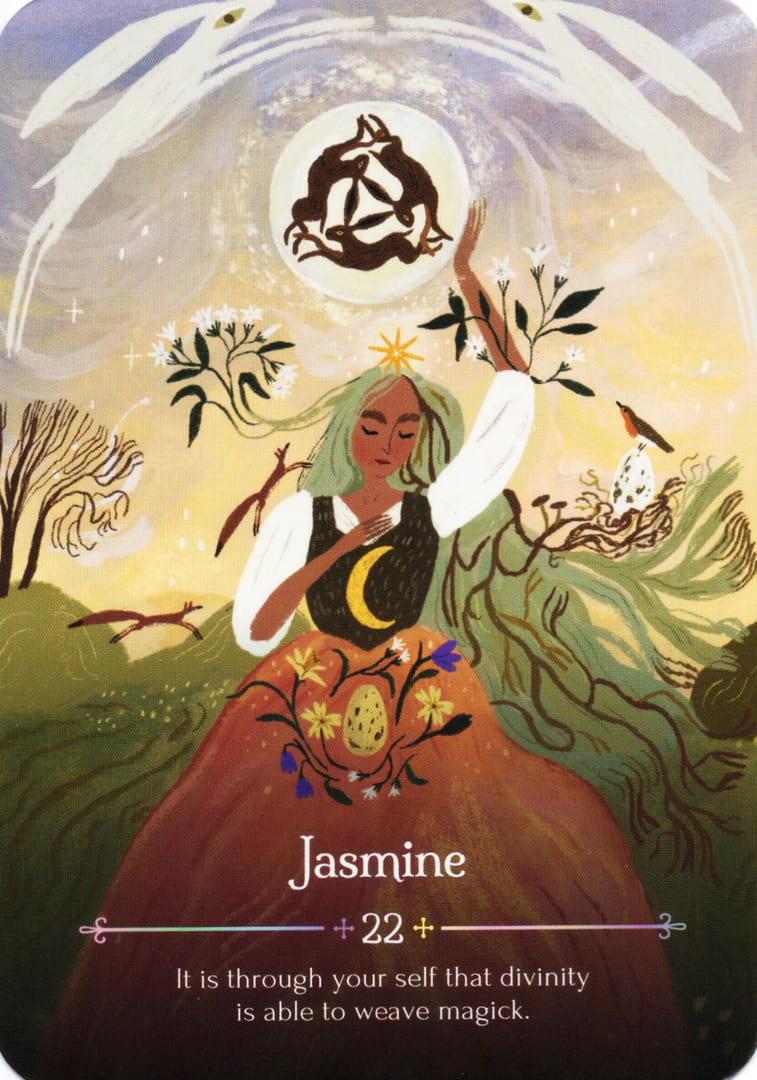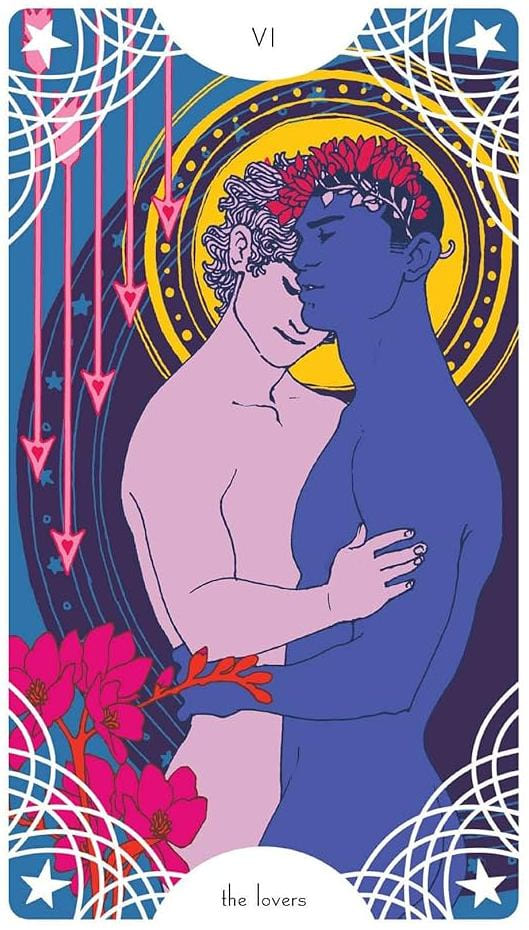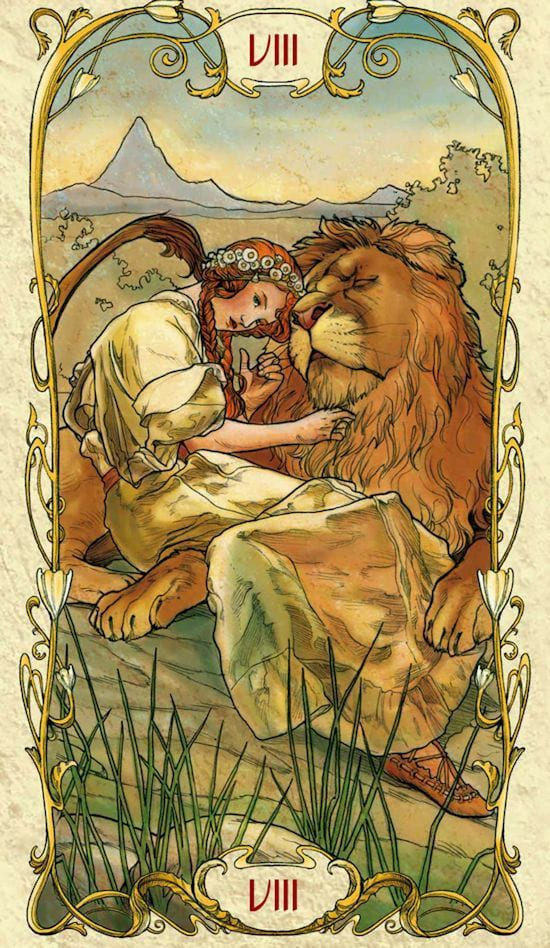
What Is Lammas? Tarot and the First Harvest
The bread knows when it is time
There is a moment in late July when the fields change color. The green of wild, reckless growing gives way to gold — heavy, bowing, ripe. The wheat bends under its own weight. The berries darken. The air smells different: warm earth, dry grass, the faint sweetness of things ready to be picked.
That shift has a name. It is Lammas.
Lammas (also called Lughnasadh, pronounced LOO-nah-sah) falls on August 1st, and it is the first of three harvest festivals on the Wheel of the Year. Where Litha celebrated the peak of light and Beltane burned with desire, Lammas asks a quieter question: What has your work actually produced? What is ready to be gathered?
For those of us who read tarot, Lammas is one of the most grounding moments of the year. The cards stop speaking in potential and start speaking in results. What you planted at Imbolc, nurtured through spring, and powered through Litha’s peak — it is harvest time. The deck wants to show you what is ripe.
The ancient roots of Lammas
The festival has two names because it has two origin stories, and both are worth knowing.
Lughnasadh is the older name, rooted in Irish mythology. It honors Lugh — the Celtic god of light, skill, and craftsmanship — who created the festival as a funeral feast for his foster mother, Tailtiu. According to legend, Tailtiu cleared the great forests of Ireland so crops could be planted, and the effort killed her. Lugh honored her sacrifice by establishing games, feasts, and competitions held on hilltops every August 1st. The Tailteann Games, as they were called, included athletic contests, poetry competitions, and craft displays — a celebration of human skill and the earth’s generosity working together.
Lammas comes from the Anglo-Saxon hlaf-mas, meaning “loaf mass.” When Christianity spread through Britain, the old harvest festival was absorbed into the church calendar. The first loaves baked from the new grain were brought to mass and blessed. The pagan bonfire and the Christian altar found common ground in the same act: breaking bread in gratitude for what the earth had given.
Both names point to the same truth: something grew, something was sacrificed, something nourishes.
What Lammas means spiritually
Lammas sits at the midpoint between the summer solstice and the autumn equinox. On the Wheel of the Year, it mirrors Imbolc — the festival of first stirrings on February 1st. If Imbolc was the first candle lit in the dark, Lammas is the first sheaf cut in the light. What was a promise in February is now a fact in August.
The first harvest — reaping what you sowed
This is Lammas’s most literal and most powerful theme. The grain that was planted in spring has grown through summer and is now ready to cut. But the harvest is not a gift — it is a return on labor. Seeds were chosen, ground was prepared, weeds were pulled, storms were weathered. Lammas says: look at what your work has produced. Not in theory. In your hands.
Sacrifice — the grain that feeds must die
Here is the teaching that makes Lammas deeper than a simple harvest party: to make bread, you must cut the wheat. To eat, something must be given up. The grain dies so the loaf can live. Lammas asks you to look at what you are willing to release so that something can be nourished.
This is not grim. It is the most natural thing in the world. Every gardener knows it. Every baker knows it. Every person who has ever let go of one version of their life so a better one could begin — they know it too.
Gratitude — not abstract, but specific
Lammas gratitude is not a vague “I’m thankful for everything.” It is specific, earned, and physical. This bread, from this grain, grown in this field, with these hands. Lammas asks: what exactly are you grateful for? Name it. Hold it. Taste it.
Skill and craft — honoring the work
Lugh was the god of many skills, and Lughnasadh celebrated human craft alongside natural abundance. The harvest does not happen by magic — it happens because someone knew how to plant, tend, and reap. Lammas honors not just what grew, but how you grew it. Your skills, your patience, your ability to show up day after day while the seeds were invisible underground.
How to celebrate Lammas today
You do not need a field of wheat. Lammas lives wherever gratitude and intention meet.
Bake bread. This is the most essential Lammas ritual. Any bread will do — from scratch if you can, from a mix if you cannot, from a bakery if you must. The act of breaking bread on August 1st connects you to thousands of years of humans doing exactly the same thing. If you bake it yourself, knead your gratitude into the dough. Name what you are thankful for with each fold.
Make a harvest list. Write down everything you have harvested this year — not just physical things, but skills learned, relationships deepened, fears faced, goals reached. This is your personal first harvest. Read it aloud. Let yourself feel the weight of it.
Share a meal. Lammas is a communal festival. Cook for someone, eat together, break bread at a shared table. If you eat alone, set a beautiful table anyway — you are your own best guest.

Gather something. Visit a farmers market, pick berries, harvest herbs from your garden, or simply walk outside and notice what is ripe in your world. The act of gathering connects you to the harvest energy even in a city apartment.
Name what you are willing to sacrifice. The grain dies to make the bread. What in your life is ready to be cut so something can be nourished? A habit, a belief, a commitment that has fulfilled its purpose. Write it on a piece of paper and bury it — returning it to the earth.
Leave an offering. A slice of your bread, some berries, a pour of honey or ale at the base of a tree. Lammas offerings thank the land for its generosity. The harvest came from somewhere. Acknowledge it.
Lammas correspondences
| Element | Correspondences |
|---|---|
| Colors | Gold, amber, orange, deep green, brown, wheat-yellow |
| Herbs | Wheat, barley, cornflower, sunflower, heather, meadowsweet, mint |
| Stones | Citrine, tiger’s eye, peridot, carnelian, amber |
| Element | Earth (primary), Fire (secondary — the waning sun) |
| Direction | South-West |
| Animals | Rooster, crow, bee, horse, salmon |
| Foods | Fresh bread, berries, corn, early apples, honey, ale, grain dishes |
| Themes | First harvest, gratitude, sacrifice, skill, abundance, the waning sun, bread-making |
Lammas and tarot — the cards of harvest
If Litha lit up the Wands suit with fire, Lammas grounds the deck in Pentacles. This is earth season — the time when what was planted becomes tangible, countable, real. Pentacles are the cards of material results, and Lammas is when those results arrive.
Cards that carry Lammas energy
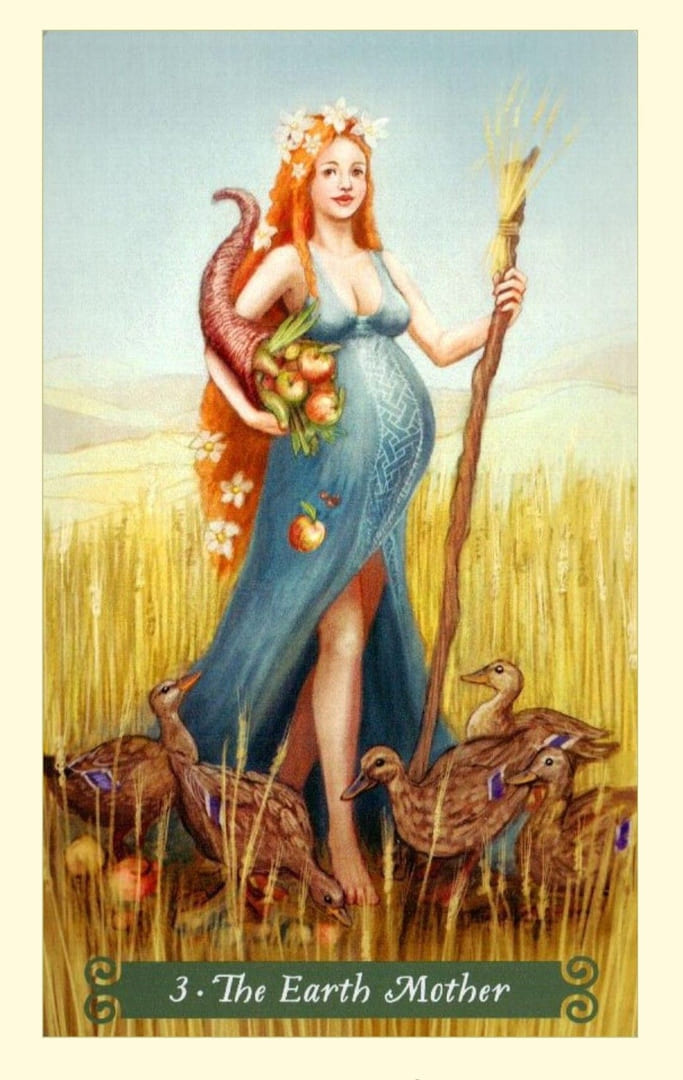
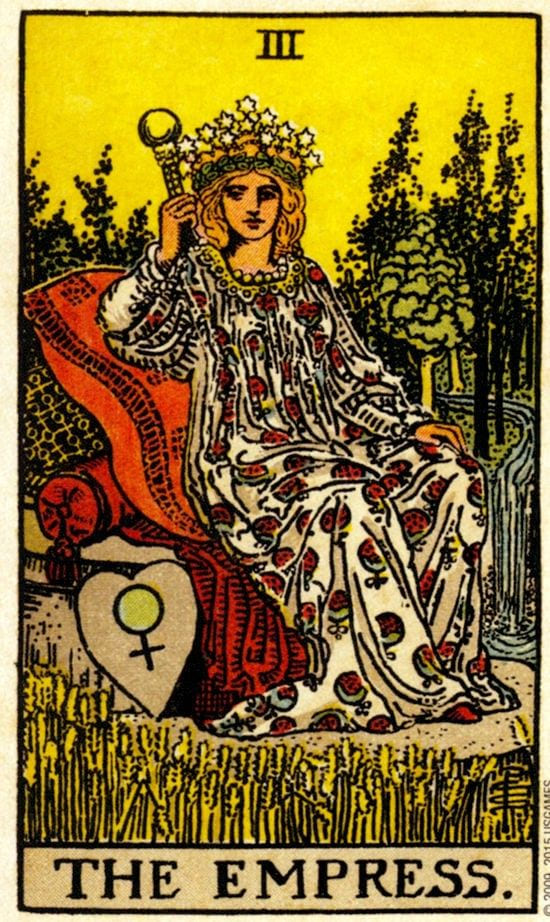
The Empress — The mother of abundance. At Lammas, she is not planting — she is reaping. Her garden is full, her table is set, and everything she nurtured has come to fruition. When The Empress appears during Lammas season, she says: the harvest is real. Receive it.
Nine of Pentacles — The card of personal harvest. A woman standing in her garden, surrounded by the fruits of her own labor. Self-sufficient, proud, abundant. This is what Lammas feels like when you look at what your work has actually produced — and it is enough.
Ace of Pentacles — A new material blessing, a gift from the earth. At Lammas, the Ace of Pentacles is not a promise of future abundance — it is the first grain in your hand. The harvest has begun.
Seven of Pentacles — Patience rewarded. This card shows someone looking at what has grown, evaluating the results of months of work. At Lammas, the Seven says: it was worth the wait. Keep going — there are two more harvests ahead.
The Sun — Still warm, still present, but now waning. At Lammas, The Sun carries a bittersweet energy: the light that powered the growth is beginning its decline. The harvest exists because the sun gave its strength. Honor it while it is still here.
The World — Completion of a cycle. If The World appears in a Lammas reading, something in your life has reached its full harvest — a project, a phase, a journey. The cycle is complete. Gather what it has produced before the wheel turns.
A simple Lammas tarot practice
On the morning of August 1st — or any time that week — sit with a piece of bread (baked or bought) and your tarot deck. Break the bread. Eat a piece slowly. Then shuffle and pull three cards:
- What have I harvested? — The result of my work since the beginning of the year
- What am I willing to sacrifice? — What needs to be cut so something else can be nourished
- What will sustain me through autumn? — The strength or resource I carry into the darker half of the year
Sit with each card. Let the bread settle in your stomach while the cards settle in your mind. Lammas readings are best when you can taste the harvest while you read it.
The harvest is yours
Lammas does not ask you to be humble about what you have grown. It does not ask you to minimize or deflect. It asks you to stand in the middle of your own harvest — the work you did, the patience you held, the seeds you chose — and call it good.
The bread is warm. The grain is gold. And the earth, once again, has kept its promise.
Cut the first sheaf. The harvest has begun.
Frequently Asked Questions
When is Lammas celebrated?
Lammas (also called Lughnasadh) is celebrated on August 1st. It marks the midpoint between the summer solstice and the autumn equinox — the moment when summer is still warm but the harvest has begun. Festivities traditionally start at sunset on July 31st.
What is the difference between Lammas and Lughnasadh?
They honor the same moment but come from different traditions. Lughnasadh is the older Celtic name, honoring the god Lugh and his foster mother Tailtiu. Lammas comes from the Anglo-Saxon 'hlaf-mas' (loaf mass), when the first bread of the season was blessed in church. Both celebrate the first grain harvest.
What tarot cards represent Lammas energy?
The Empress (abundance, harvest), Nine of Pentacles (personal harvest, self-sufficiency), Ace of Pentacles (material blessing), The Sun (waning but still warm), and Seven of Pentacles (seeing the results of patient work). The entire Pentacles suit carries extra weight during Lammas.
Can I celebrate Lammas if I'm not pagan?
Absolutely. Lammas is a harvest celebration rooted in nature's rhythms. Anyone who wants to honor the season of reaping, practice gratitude for what has grown, or simply bake bread with intention can celebrate. The earth does not check your beliefs before offering its harvest.