Yule for Beginners: Your First Winter Solstice
You already know this feeling
You know the moment in late December when you realize: it’s getting lighter. Not by much — a minute, maybe two. But after weeks of the dark arriving earlier and pressing closer, something has shifted. The sun isn’t retreating anymore.
That feeling — relief, hope, the sense that a corner has been turned — is Yule. You’ve been celebrating it your whole life without knowing its name.
This guide is for complete beginners. If you’ve never lit a solstice candle or pulled a Yule card, start here.
What Yule is (the short version)
Yule (rhymes with “cool”) is the Winter Solstice celebration — the shortest day and longest night of the year, falling on December 21 or 22. In pagan traditions, it’s one of eight sabbats on the Wheel of the Year.
Three things make Yule distinct:
The light returns. This is the core of everything. After months of shortening days, the sun begins its return. Every day after the solstice is a little longer. The darkest point is also the turning point.
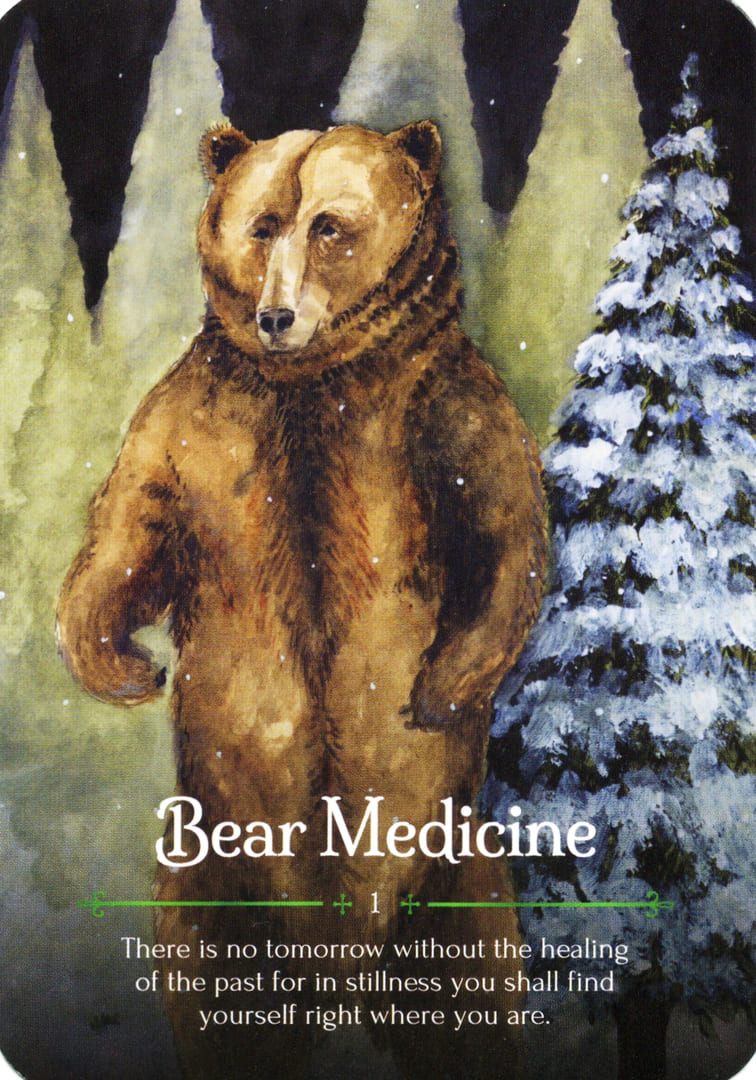
Rest is sacred. Yule honors winter as a necessary season — not something to push through but something to inhabit. The earth rests. The seeds sleep. You’re allowed to do the same.
Small beginnings matter. The returning light on December 22 is barely measurable. But it’s real. Yule celebrates the tiny, almost invisible start of something that will eventually become full summer. Your small intentions carry the same power.
What you actually do
Five beginner-friendly ways to observe Yule. Pick what calls to you.
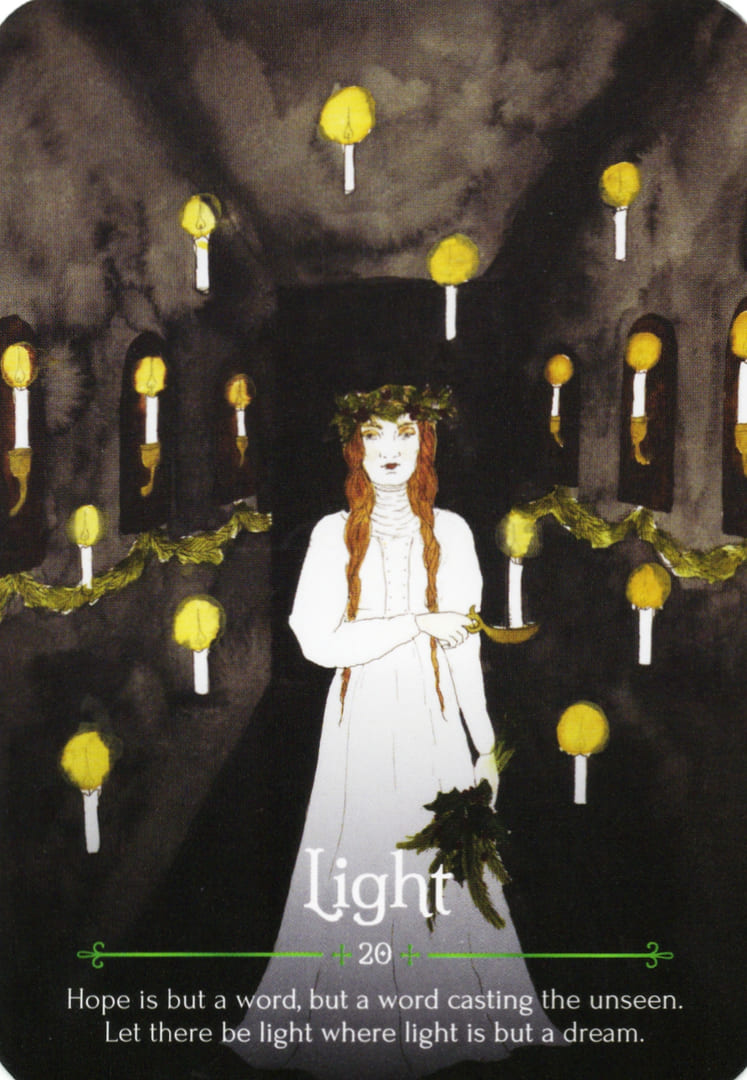
1. Light a candle at sunset
On the evening of December 21, light a single candle as the sun goes down. This is Yule in its simplest form: a human response to darkness — making light. Watch it burn. Think about what you want the returning sun to illuminate in your life.
2. Bring something green indoors
Pine branches, holly, ivy, rosemary, a small potted plant — anything that stays green through winter. This is one of the oldest Yule traditions: proof that life persists even in the coldest season. Place it where you’ll see it daily.
3. Make a Yule meal
Cook something warming — soup, mulled cider, roasted root vegetables, spiced cookies, bread. Yule foods traditionally include nuts, apples, oranges, cinnamon, and ginger. Share with someone if you can. Warmth against the cold is the oldest magic.
4. Give a meaningful gift
Not an obligation — a genuine offering. Something handmade, a heartfelt letter, a book you loved, a small thing chosen with attention. Yule gift-giving is about connection, not commerce.
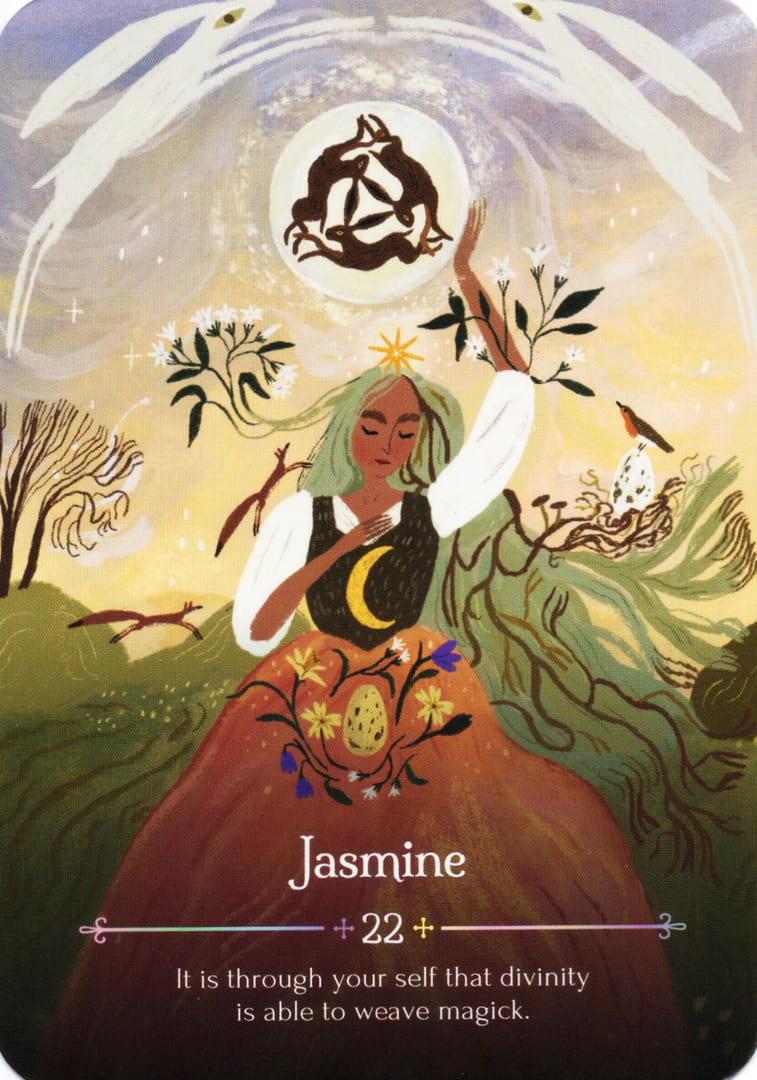
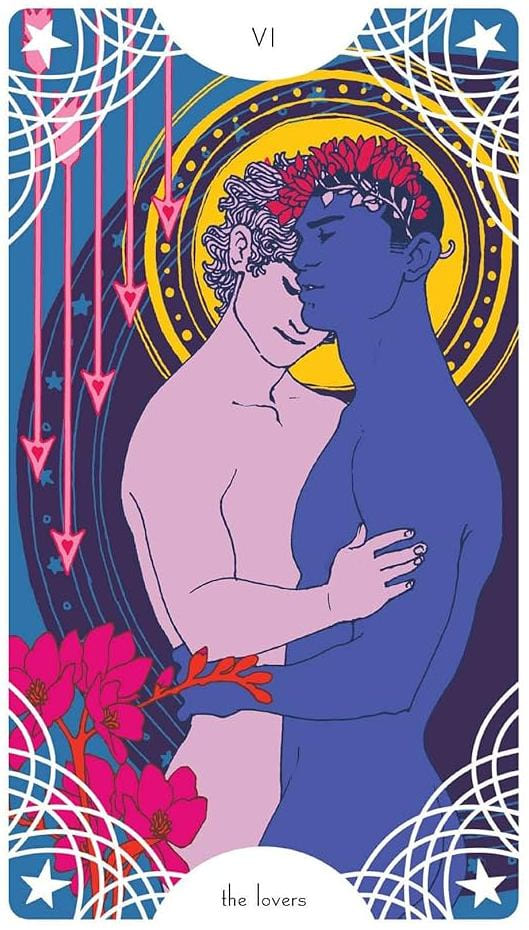
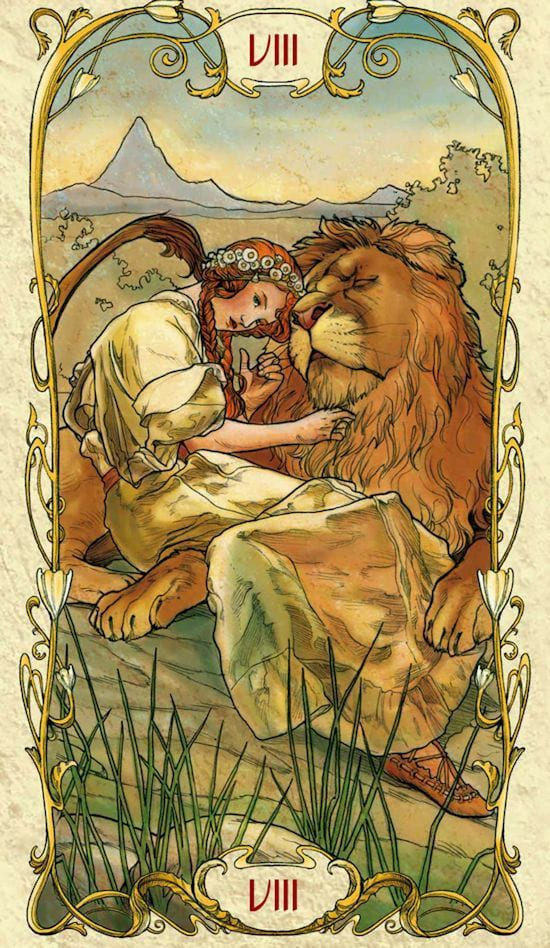
5. Pull tarot cards
The solstice is a powerful moment for reading. At sunset on December 21, shuffle and pull three cards: What did the darkness teach me? What light is being born? What do I carry forward? Write down what you draw. This is your solstice reading — return to it as the days grow longer.
Common beginner mistakes
Treating it like discount Christmas. Yule has its own energy — quieter, more inward, more about nature than festivity. You can celebrate both Christmas and Yule, but they’re different rhythms.
Overdoing it. Your first Yule doesn’t need elaborate rituals, specific crystals, or a perfectly decorated altar. A candle, a green branch, and a moment of stillness are enough. Build year by year.
Ignoring the rest. Yule honors winter as a good thing — a time for sleep, restoration, going slow. If you’re exhausted in December, that’s not failure. That’s the season working correctly.
Rushing to spring. The light is returning, but slowly. Yule isn’t about escaping winter — it’s about finding the gift inside it. The seed doesn’t resent the soil.
Tarot cards to know for Yule
The Sun — what’s being born. At Yule, The Sun is tiny — a spark, a promise. But undeniable.
The Star — hope after the longest night. Quiet, steady light that doesn’t demand attention but guides anyone who looks up.
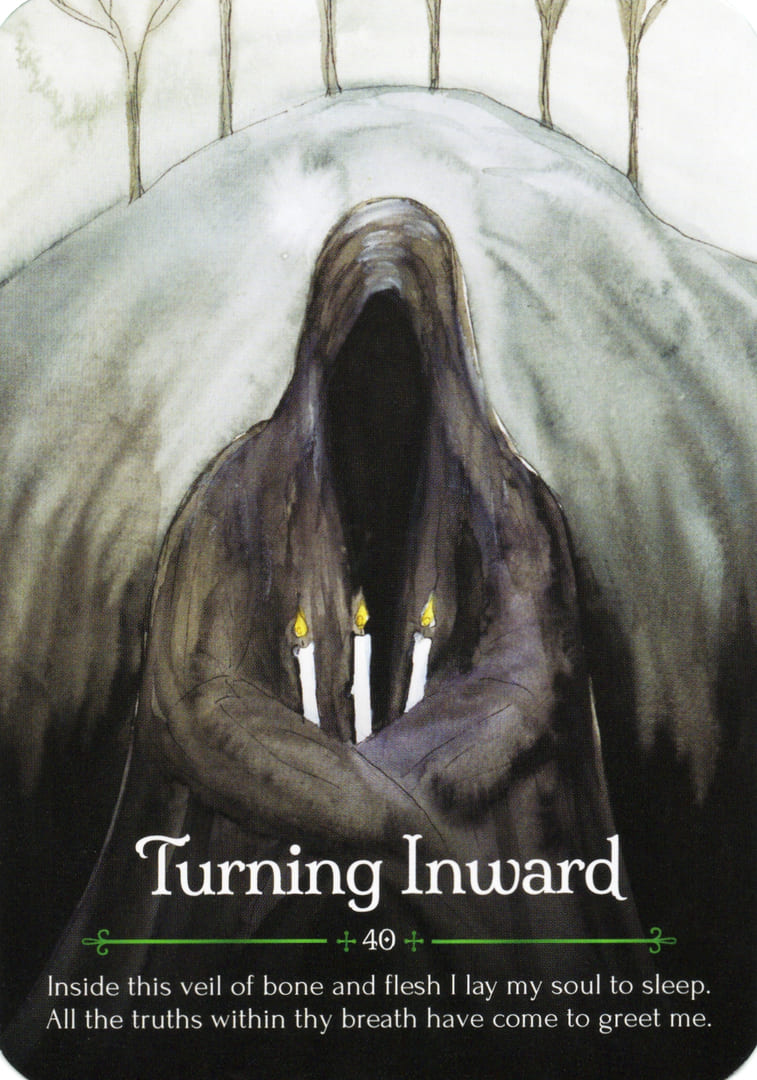
The Hermit — winter’s wisdom. The one who carries their own lantern and doesn’t need daylight to see clearly.
Ace of Pentacles — the seed in frozen ground. All potential, waiting for the right moment.
Wheel of Fortune — the turning itself. The bottom of the cycle, the pivot point. From here, everything ascends.
Four of Swords — sacred rest. Permission to stop, to sleep, to restore before the active season returns.
Your first Yule evening
A simple plan for December 21:
Before sunset: Clean your space a little. Set out a candle and something green. If you have a tarot deck, put it nearby.
At sunset: Light the candle. Sit quietly. Feel the longest night begin. Think about what this year’s darkness taught you — what you learned by going through it, not around it.
After dark: Pull your cards if you’d like. Three cards, the solstice spread. Or just sit with the candle and let the night be what it is.
Before bed: Blow out the candle. Know that tomorrow the light begins its return. Whatever you’re carrying through this dark season — it’s germinating. Trust the timing.
Welcome to your first Yule. The light is already on its way.
Frequently Asked Questions
Do I need to be Wiccan to celebrate Yule?
No. Yule is observed across many paths and cultures. The Winter Solstice is an astronomical event everyone experiences. You can honor the return of light without belonging to any tradition — the themes of hope, rest, and renewal are universal.
What do I need for my first Yule?
Very little. A candle, something evergreen (a pine branch, a sprig of rosemary), and quiet intention are enough. You can add seasonal foods, a tarot deck, and gifts for loved ones. No special tools required.
Is Yule just pagan Christmas?
It's the other way around — Christmas absorbed Yule traditions (the tree, wreaths, gift-giving, the date). Yule celebrates the astronomical return of the sun. You can honor both without conflict.
Can I celebrate Yule with tarot?
Yes — the solstice is a potent time for card reading. The Wheel of the Year is literally turning, and the cards reflect this shift. A simple three-card pull at sunset on the solstice is a beautiful way to mark the moment.