Yule Journal Prompts with Tarot Cards
Writing by candlelight
December invites slowness. The world contracts — shorter days, longer nights, a natural pull toward warmth and stillness. This is the season for writing not goals but truths. Not plans but reflections. Not what you’ll do, but what you’ve become.
These 21 prompts — one for each day from December 1 through the Winter Solstice on December 21 — pair journaling with tarot. Each comes with a card to hold in mind before writing. The cards aren’t fortunes — they’re doorways into the question.
Week 1: Honoring the dark (Dec 1–7)
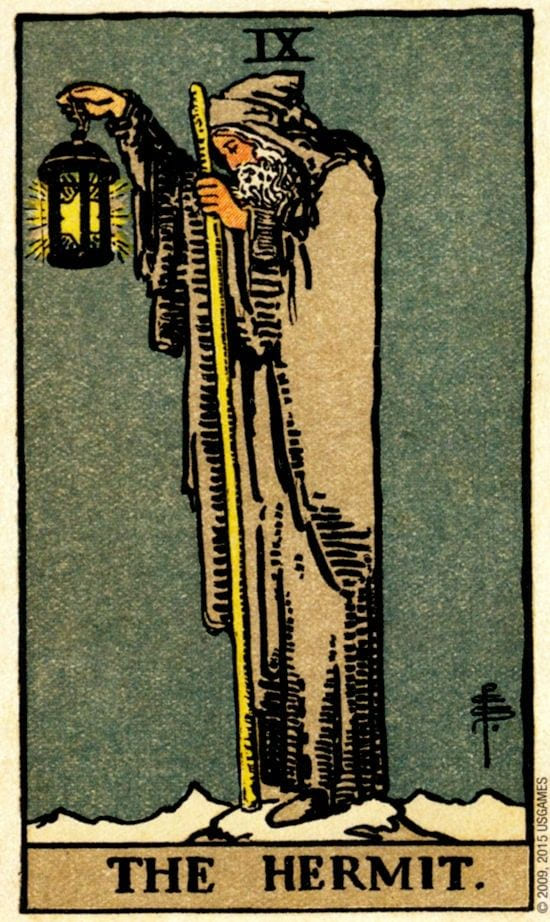
Dec 1 — The Hermit: What does your inner wisdom say when you stop trying to be productive? Sit in silence for 5 minutes before writing.
Dec 2 — Four of Swords: Where in your body are you holding exhaustion? What would genuine rest — not distraction, but rest — look like right now?
Dec 3 — The Moon: What is the darkness of this year showing you that daylight couldn’t? What can you only see with the lights off?
Dec 4 — Eight of Cups: What are you walking away from as this year closes? Is the leaving easy or heavy?
Dec 5 — Five of Pentacles: Where do you feel lack right now — and is it real scarcity or a perception that could shift?
Dec 6 — The High Priestess: What do you know but haven’t said? What truth have you been holding in silence?
Dec 7 — Nine of Swords: What worry keeps you up at night? Write it out completely. Is it as large on paper as it is at 3 AM?
Week 2: What the year held (Dec 8–14)
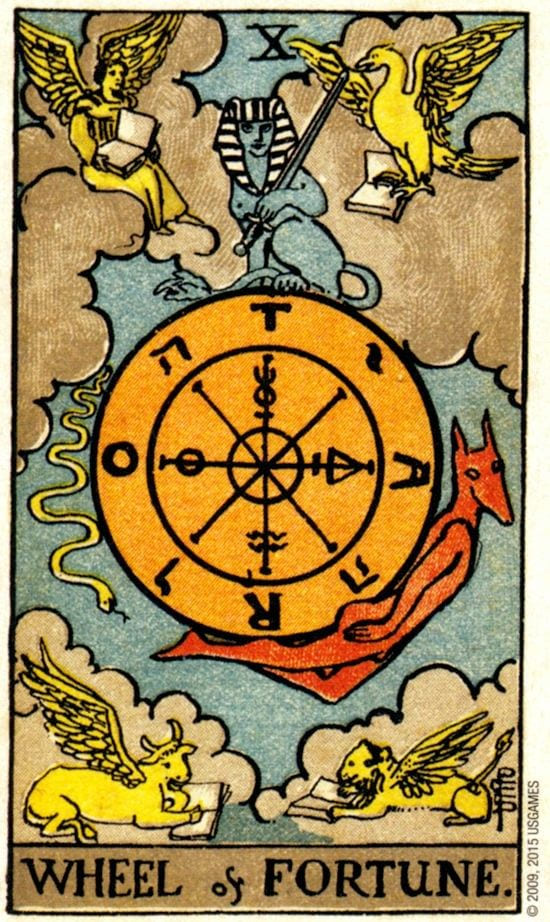
Dec 8 — Wheel of Fortune: Looking at the full year: what was the turning point? The single moment where everything shifted?
Dec 9 — Three of Pentacles: What did you build this year — skills, relationships, habits, creations — that you’re proud of? Name them specifically.
Dec 10 — The Tower: What collapsed or was taken from you this year? How do you feel about the rubble now — is anything growing there?
Dec 11 — Six of Cups: What memory from this year makes you smile without complication? Pure sweetness, no strings.
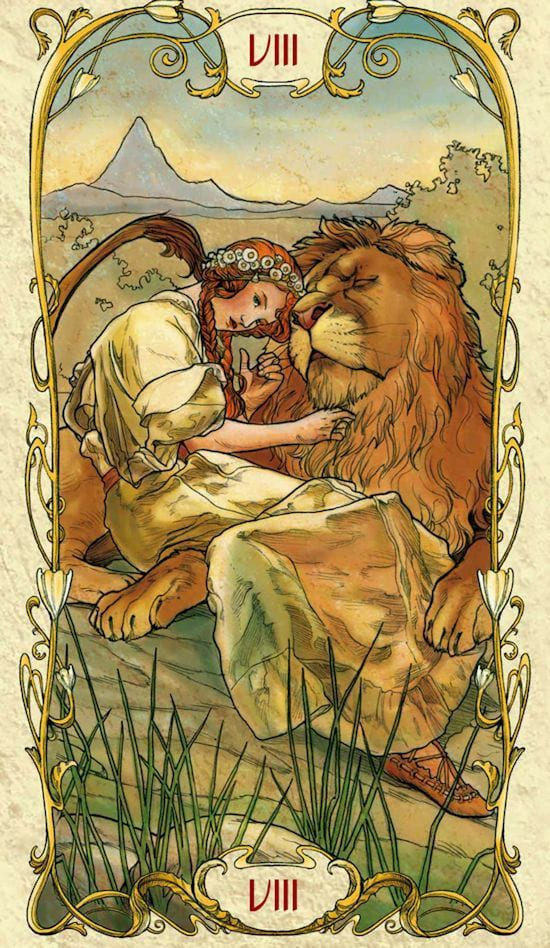
Dec 12 — Strength: When were you brave this year — not dramatically, but quietly? When did you choose the harder right thing?
Dec 13 — Ten of Wands: What have you been carrying that’s too heavy? Is it yours to carry, or is it time to set something down?
Dec 14 — The World: If this year were a complete story, what would its title be? Write the back-cover summary in three sentences.
Week 3: The solstice turning (Dec 15–21)
Dec 15 — Temperance: What in your life needs rebalancing before the new year? Where did you give too much? Where too little?
Dec 16 — Ace of Wands: What creative impulse has been flickering in you — too small to act on yet, but real? Name it. Don’t judge it.
Dec 17 — The Empress: What have you nurtured this year that’s ready to grow on its own? What still needs your tending?
Dec 18 — Seven of Pentacles: Look at what you planted earlier this year. What grew? What didn’t? Was the harvest what you expected?
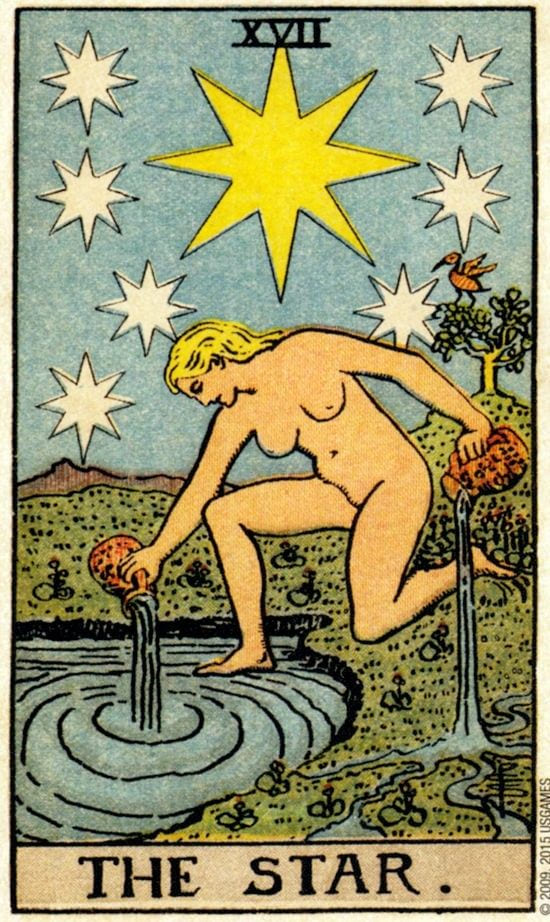
Dec 19 — The Star: After everything this year held — what do you still hope for? Write the hope that survived the dark.
Dec 20 — Death: What needs to die before the solstice? What are you officially done with? Write its eulogy. Mean it.
Dec 21 — The Sun: The solstice. The longest night. The turning point.
Write two things:
- A letter to the darkness — thanking it for what it taught, releasing it, honoring it.
- A single sentence describing the light you want to carry into the waxing year. Just one sentence. Make it true.
Fold the letter. Keep it or burn it. The sentence — put it somewhere you’ll see it daily. This is your solstice seed.
How to use these prompts
Daily practice: One prompt per day, 10-20 minutes of writing. Pull the named card from your deck and place it beside your journal.
Solstice weekend intensive: Do all 21 prompts in a single weekend before December 21. Immersive, clarifying, powerful.
Selective: Pick the prompts that call. The solstice week (Dec 15-21) is the most potent if time is short.
By candlelight: Write in low light when possible. December journaling by candlelight changes the quality of what comes through — less performative, more honest.
Whatever approach you choose — write slowly. Yule journaling isn’t about output. It’s about turning inward, finding what the darkness held for you, and carrying it gently into the light.
Frequently Asked Questions
When should I start Yule journaling?
December 1 — one prompt per day through December 21 (the solstice) builds gentle momentum. The prompts follow three phases: honoring darkness, the solstice turning point, and welcoming the returning light.
Do I need tarot cards for these prompts?
No — every prompt works as a standalone journal exercise. The tarot card pairings add a visual meditation layer. If you don't have a deck, you can look up card images online or simply reflect on the prompt's theme.
Can I use these prompts after the solstice?
Yes — the themes of rest, reflection, and renewal work throughout winter. The Twelve Days of Yule (December 21 – January 1) are also a natural container for selective use.
What if I miss days?
Skip freely. These aren't a curriculum — they're invitations. Do the ones that pull you. The solstice prompts (December 19-21) are the most powerful if you only have a few days.