The Cosmic Coven Tarot: All 78 Card Meanings Explained
Every coven needs a gathering place. The Cosmic Coven Tarot builds one out of starlight, spell work, and the ancient understanding that magic and self-knowledge are the same practice.
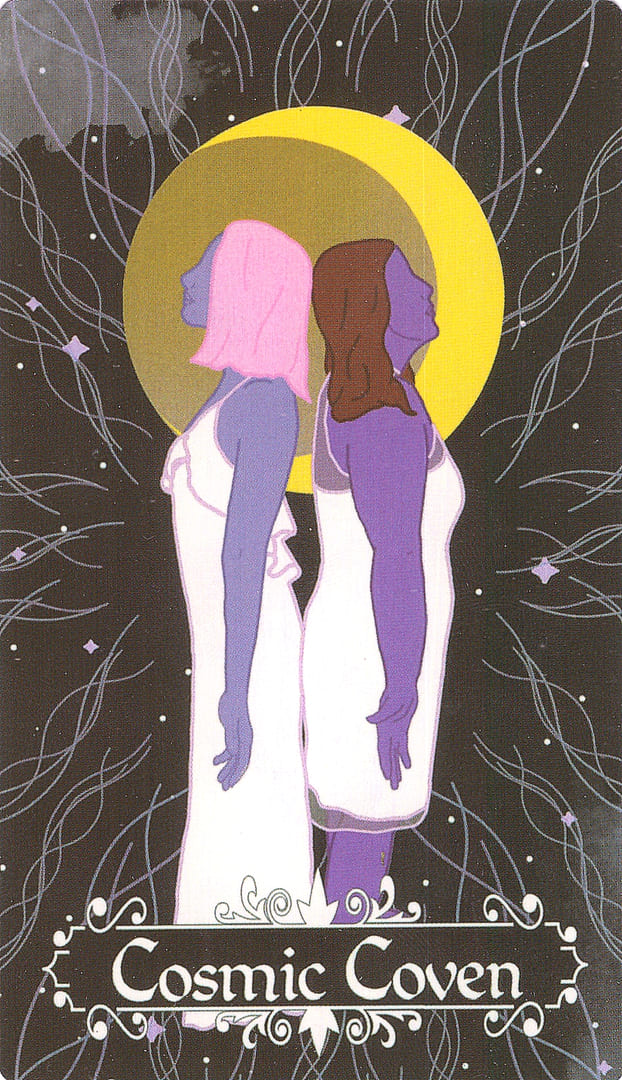
Created by Fiona Horne — witch, author, and one of the most recognized voices in modern witchcraft — with ethereal illustrations by Adrienne Trafford, this 78-card deck sits at the crossroads where tarot meets the craft. The imagery is lush and atmospheric: moonlit rituals, herb-strewn altars, celestial bodies woven through every scene, and figures who carry the quiet authority of people who have done the inner work. This is not witchcraft as aesthetic — it is witchcraft as lived practice, translated into the visual language of tarot. Each card feels like a page torn from a grimoire that also happens to be a star chart.
What sets The Cosmic Coven Tarot apart is how naturally the two traditions fuse. Witchcraft has always been about cycles, correspondences, and the interplay between intention and the natural world — and so has tarot. When The High Priestess appears draped in moonlight with a crystal in her hand, you are not looking at decoration. You are looking at a card that knows exactly what it represents, drawn by people who live that knowledge. The result is a deck that feels initiated — it carries the weight of real practice behind every symbol.
How the Deck Is Organized
The Cosmic Coven Tarot follows the classic 78-card tarot structure:
- Major Arcana (0–XXI): The 22 great turning points of the soul’s journey, reimagined through the lens of witchcraft and cosmic wisdom. These cards carry the weight of ritual, transformation, and the deep magic that reshapes who you are.
- Wands: The suit of fire. Will, passion, creativity, and the spark that ignites every spell — the raw energy before it takes form.
- Cups: The suit of water. Emotion, intuition, love, and the flowing wisdom that witches have always drawn from moonlit waters and sacred wells.
- Swords: The suit of air. Thought, clarity, truth, and the sharp discernment needed to cut through illusion and speak your incantations with precision.
- Pentacles: The suit of earth. Material reality, abundance, craft, and the grounded magic of herbs, stones, and the patient tending of what you have planted.
Each suit runs from Ace through Ten, followed by four court cards — Page, Knight, Queen, and King — for 14 cards per suit and 56 Minor Arcana total.
Major Arcana
The Fool

The Fool represents new beginnings, spontaneity, and a carefree outlook on life. He is a symbol of exploration, travel, and personal growth. While he may seem oblivious to dangers ahead, he embodies the spirit of adventure and reminds us to embrace opportunities with joy and a light heart. Inverted, however, The Fool can indicate ignorance and carelessness, urging a wake-up call to awareness.
The Magician

The Magician symbolizes action, self-confidence, and the ability to manifest one's desires through personal power and awareness. Surrounded by the tools of magic, he emphasizes that true magic comes from within, and his control over the elements suggests a mastery of one's skills. The card encourages self-love and confidence, breathing new life into pursuits, while its inverted meaning reflects the misuse of power and ethical failures.
The High Priestess
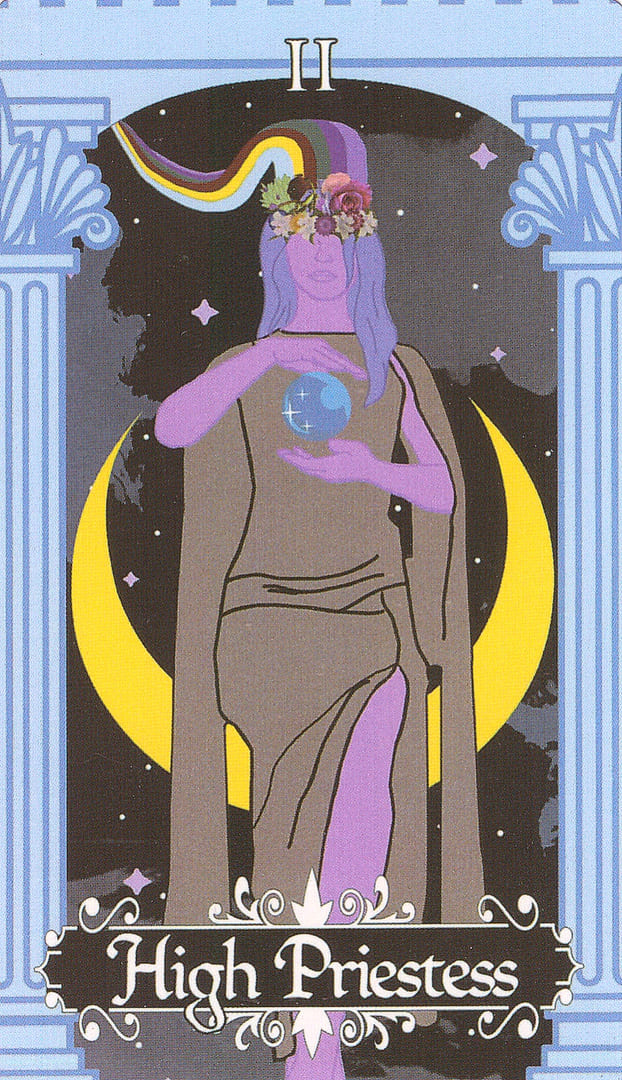
The High Priestess represents intuition, mystery, and the depth of human emotion. She encourages seekers to look deeper and ask meaningful questions. This card embodies calmness and wisdom while also being a guide for those seeking clarity and authenticity. In contrast, when inverted, the card suggests superficiality and manipulation, serving as a warning against shallow interactions and deceit.
The Empress

The Empress represents loving, nurturing energy, symbolizing comfort, growth, and fertility. She embodies the divine feminine and reflects various forms of love, whether familial, sexual, or creative. This card encourages abundance and creativity but can also indicate excessive attachment or jealousy when inverted.
The Emperor

The Emperor represents authority, stability, and the ability to make difficult decisions. He symbolizes a competent leader who embodies professionalism and competence, but can also display domineering qualities. The card suggests that while emotion is present, it may take deliberation to achieve desired outcomes. Inverted, it warns of recklessness, rule-breaking, and the presence of bullies lacking substance.
The Hierophant

The Hierophant represents social conformity, tradition, and the passing of knowledge. It embodies the role of a teacher or mentor who conveys sacred wisdom and encourages adherence to established spiritual practices. In readings, it suggests the importance of education and the pursuit of truth, emphasizing that deep understanding often requires effort and dedication. Conversely, when inverted, it warns against inflexibility and those who misuse authority.
The Lovers
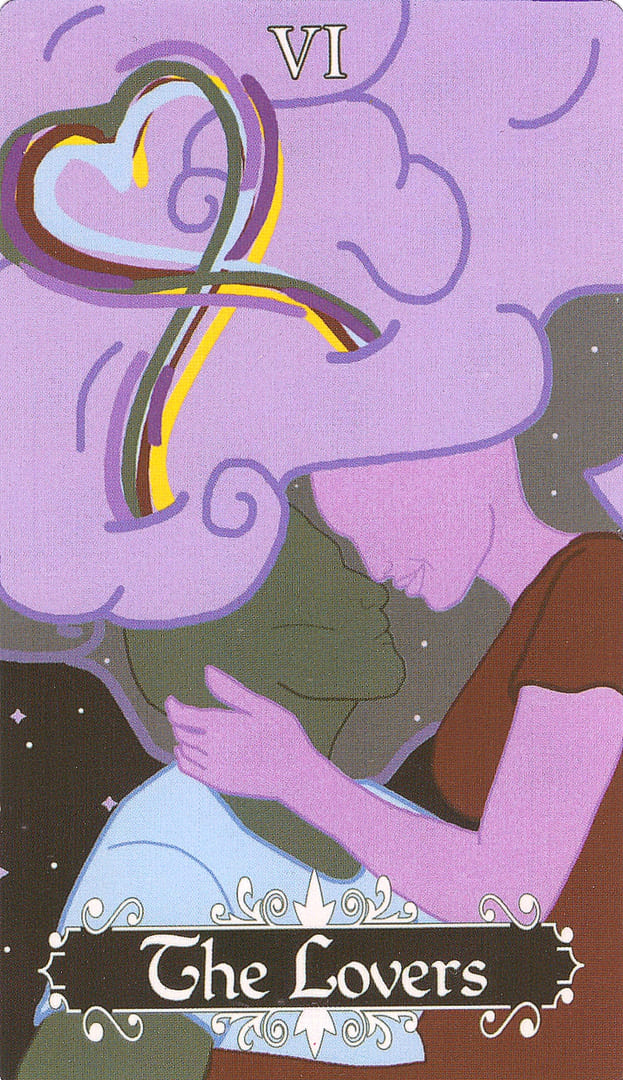
The Lovers card symbolizes deep connections, attraction, and the power of love. It represents vulnerability, trust, and the magnetic pull towards others, not limited to romance. The card challenges you to love yourself before seeking love from others and asks profound questions about commitment and acceptance. In its inverted form, it warns of the dangers of unfulfilled love and the pain that can arise when self-love is absent.
The Chariot
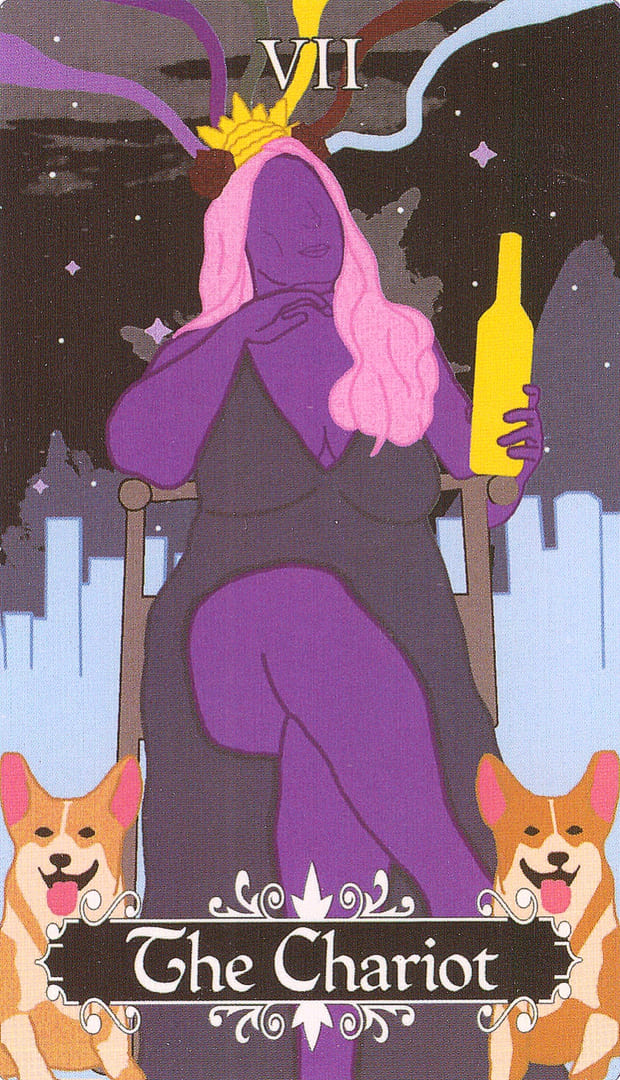
The Chariot signifies control, willpower, and determination in achieving goals. It represents confidence and resourcefulness, urging the individual to embrace challenges and passionately pursue their ambitions. The card indicates a readiness to embark on new ventures, inspiring others to follow. However, when inverted, it warns of chaos and lack of direction, suggesting recklessness and disregard for consequences.
Strength

The Strength tarot card symbolizes strength through gentleness and inner courage. It depicts the idea that true strength comes from self-confidence and patience, rather than brute force. This card encourages persistence and composure in challenging situations. Inverted, it can indicate a lack of mental or emotional strength, avoidance of confrontation, or being overly stubborn without thoughtfulness.
The Hermit

The Hermit represents the importance of solitude and introspection. It signifies a search for answers within oneself rather than seeking external validation. While some may interpret it as loneliness, it emphasizes the necessity of being alone to gather thoughts and insights. In its inverted form, it reflects feelings of isolation and negativity.
Wheel of Fortune
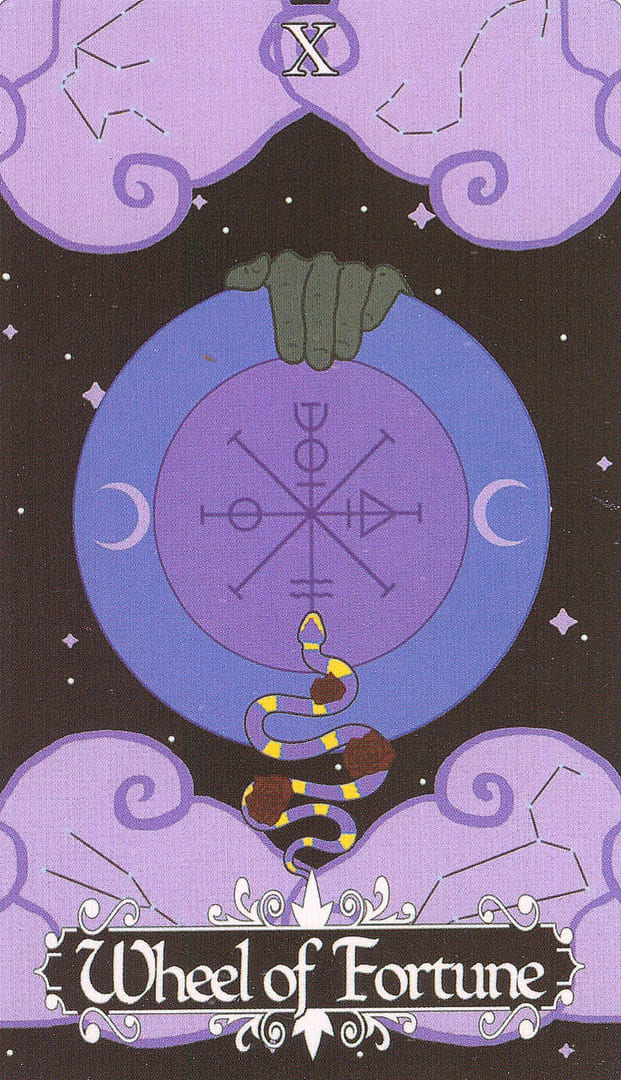
The Wheel of Fortune represents change and the cyclical nature of life, where one can experience ups and downs. It signifies the law of returns, indicating that good fortune may come or that one should prepare for challenges ahead. When inverted, it highlights apathy and a lack of action in changing circumstances, reminding individuals that they must take responsibility for their own lives to steer their fate.
Justice
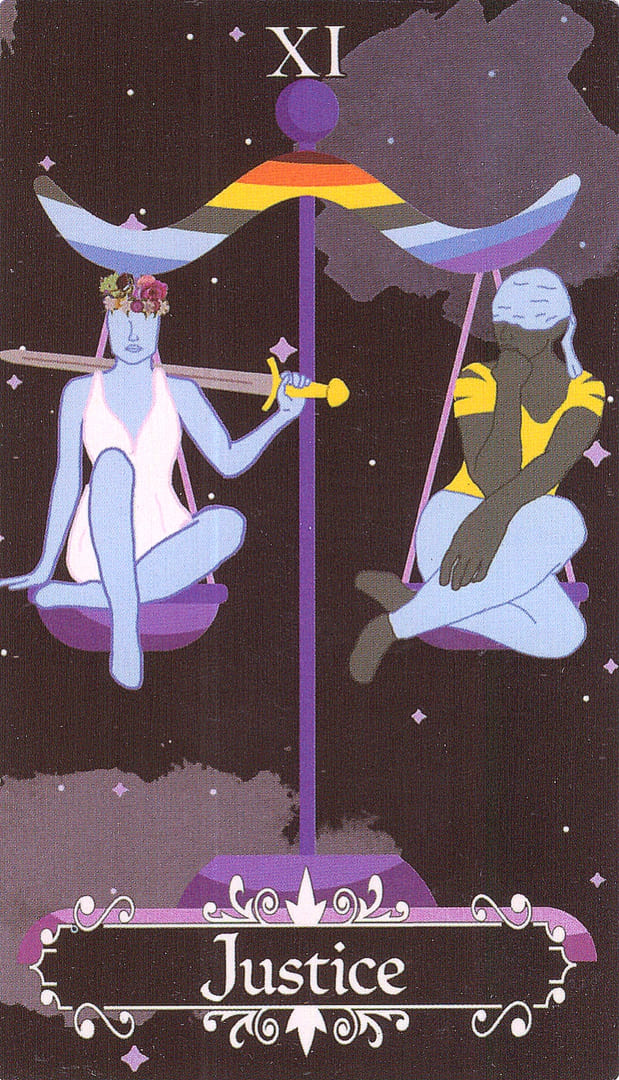
The Justice card represents balance, impartiality, and critical thinking. It emphasizes the need to remove emotional bias from decision-making and to approach situations with logic and fairness. The card's imagery, devoid of water, symbolizes a lack of emotion, reinforcing the concept of objective judgment. When reversed, it signifies unfairness and emotional irrationality, indicating a loss of balance and reason.
The Hanged Man

The Hanged Man signifies a period of suspension, sacrifice, and release. It encourages letting go of perceived control and embracing a state of stillness to gather resources and prepare for action. This card emphasizes the importance of surrendering willingly and recognizing that sometimes, the best course of action is to pause and reflect before making decisions. When inverted, it highlights taking responsibility for one's life and the necessity of effort for meaningful change.
Death

The Death card symbolizes inevitable change and transformation. It signifies the end of one phase and the beginning of another, urging you to let go of the old to make way for new opportunities. While it can bring fear and discomfort, embracing change opens the door to rebirth and growth. The card conveys that stagnation must be avoided and that moving forward is essential for personal development.
Temperance

The Temperance card symbolizes balance and harmony, blending opposites, and maintaining calm in everyday life. It highlights the importance of moderation in all aspects, including emotions, as represented by the angel pouring water between two cups. When inverted, it signifies excess and loss of balance, urging caution against indulging too much in anything that might lead to chaos or overwhelm. The card's essence is one of grace, wisdom, and integration.
The Devil

The Devil card represents the choices we make that bind us to negative influences and harmful behaviors. While it may invoke fear, its true meaning lies in the realization that we are often our own worst enemies, chaining ourselves through fear and self-doubt. The card urges us to recognize these chains and take responsibility for breaking free from the cycles that hold us back. Inverted, it symbolizes a time of hope and impending liberation from these negative patterns.
The Tower
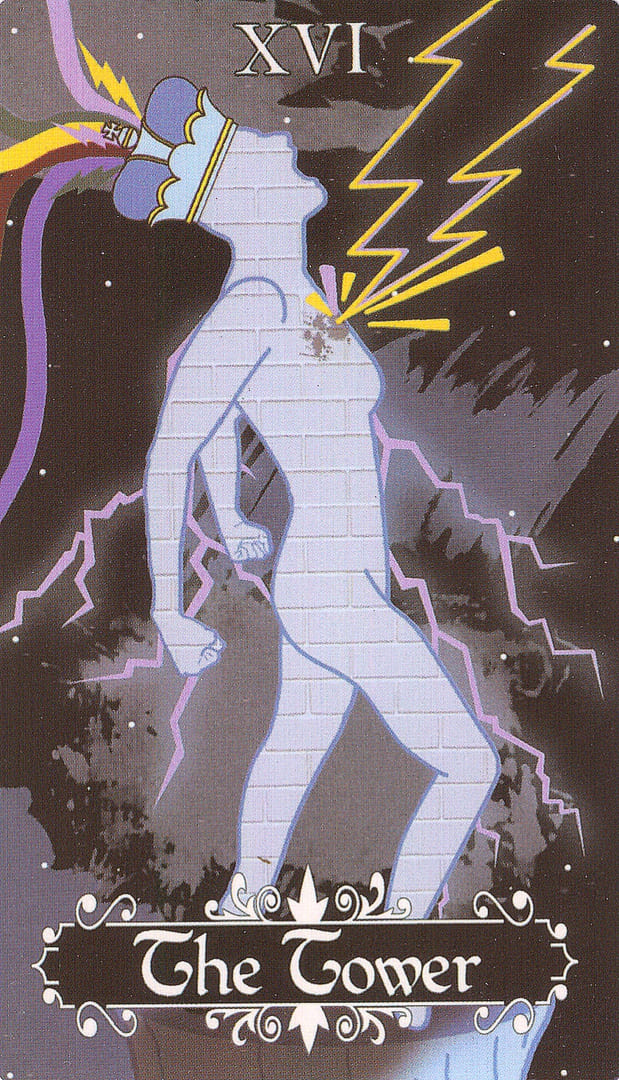
The Tower represents a significant upheaval in life, often involving sudden change, chaos, and loss, prompting a necessary reconstruction of one's identity and foundation. It encapsulates themes of creation, destruction, and the potential for rebuilding from the remnants of turmoil. While challenging, the card emphasizes the importance of faith and honesty during tough transitions, ultimately leading to greater clarity and opportunity for growth. The inverted position indicates premonitions of disaster or deceptive appearances masking deeper issues that need to be confronted.
The Star

The Star represents hope, beauty, and restored faith after difficult times. It acts as a healing balm, bringing renewal and balance, encouraging individuals to accept kindness and refocus on beauty after hardship. This card signifies the start of emotional rejuvenation, reminding us that while not everything may be perfect, there is potential for healing and positivity. In its inverted position, however, The Star suggests feelings of hopelessness and loneliness, reflecting the isolation following despair.
The Moon
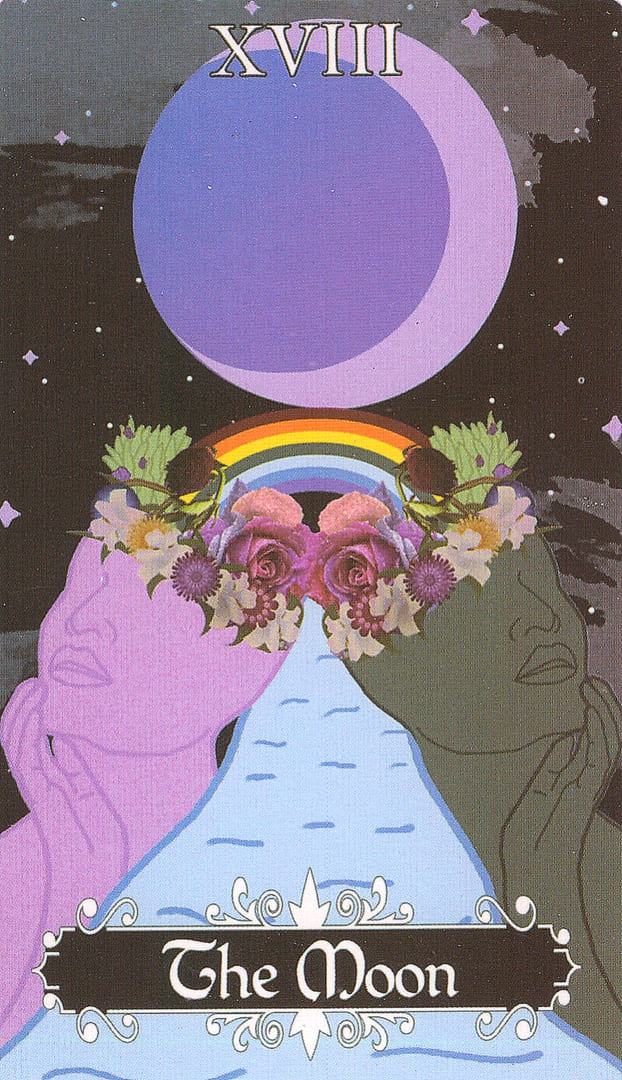
The Moon card symbolizes intuition and deep, often uncomfortable emotions. It highlights the inevitability of fear and anxiety, warning of potential danger and urging caution. This card represents the primal instincts that alert us to threats, emphasizing the importance of listening to these feelings. In its inverted position, The Moon reflects mental health struggles and a complete loss of clarity to fear, suggesting a need for professional help or a reevaluation of one’s mental state.
The Sun
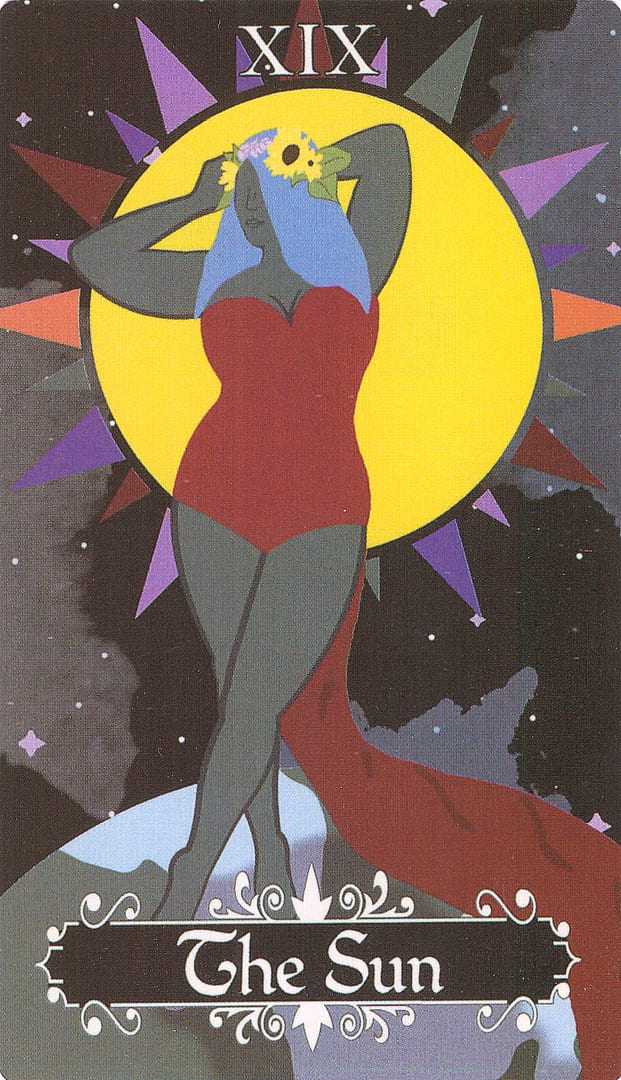
The Sun card signifies happiness, warmth, and illumination. It represents the joy that comes from friendships and the healing power of light in revealing truth and beauty. This card encourages us to face our shadows and recognize the beauty surrounding us, leading to personal growth and clarity. Conversely, when inverted, it suggests delays or unmet expectations, yet indicates that everything will ultimately be alright.
Judgement
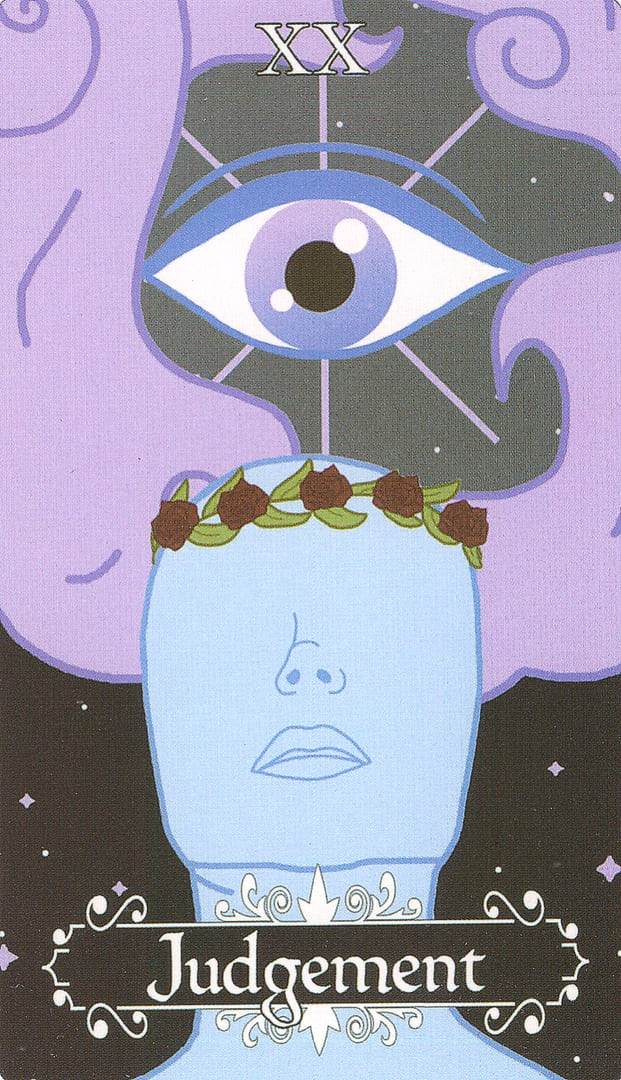
The Judgement card represents a powerful moment of reflection and self-acceptance. It challenges us to confront our past mistakes and flaws, recognizing that these experiences contribute to our growth and authenticity. While it signifies a crossroads where we can choose to grow or remain complacent, the inverted Judgement warns against self-judgment and projecting negativity onto others. Ultimately, embracing our flaws and making peace with our past is essential to moving forward.
The World

The World card symbolizes transformation, achievement, and the culmination of hard work. It represents stability and persistence, highlighted by the imagery of the fixed astrological signs and the wreath of achievement. This card signifies the joy of reaching a significant milestone and the beginning of a new journey. In its inverted position, it warns of the uncertainties and possibly negative transformations one might face, reminding us of the importance of the journey itself.
Wands
Ace of Wands

The Ace of Wands signifies new beginnings, creativity, and inspiration. It represents the universe offering you a chance to harness your inner power and take bold actions towards your goals. However, it also comes with a sense of responsibility, reminding you that how you wield this power can lead to fortunate outcomes or unintended consequences. When inverted, this card warns of restless, self-destructive energy that can result when one fails to focus that creative impulse.
Two of Wands

The Two of Wands signifies a yearning for adventure and exploration but also reflects a sense of hesitation and indecision. The figure in the card is deliberative, suggesting that while the desire to explore exists, one's current circumstances may hold them back. When inverted, the card warns of confusion and disorganization, indicating a need to pause and reconsider plans to avoid mistakes that stem from overconfidence or excessive indecisiveness.
Three of Wands

The Three of Wands represents readiness for the future as the individual moves away from the past and embraces new opportunities. It signifies optimism, vision, and anticipation of success, often arising when there is a desire for change or adventure. Conversely, when inverted, it indicates stagnation and obstacles that prevent progress, suggesting a need to reevaluate one's current situation or plans.
Four of Wands
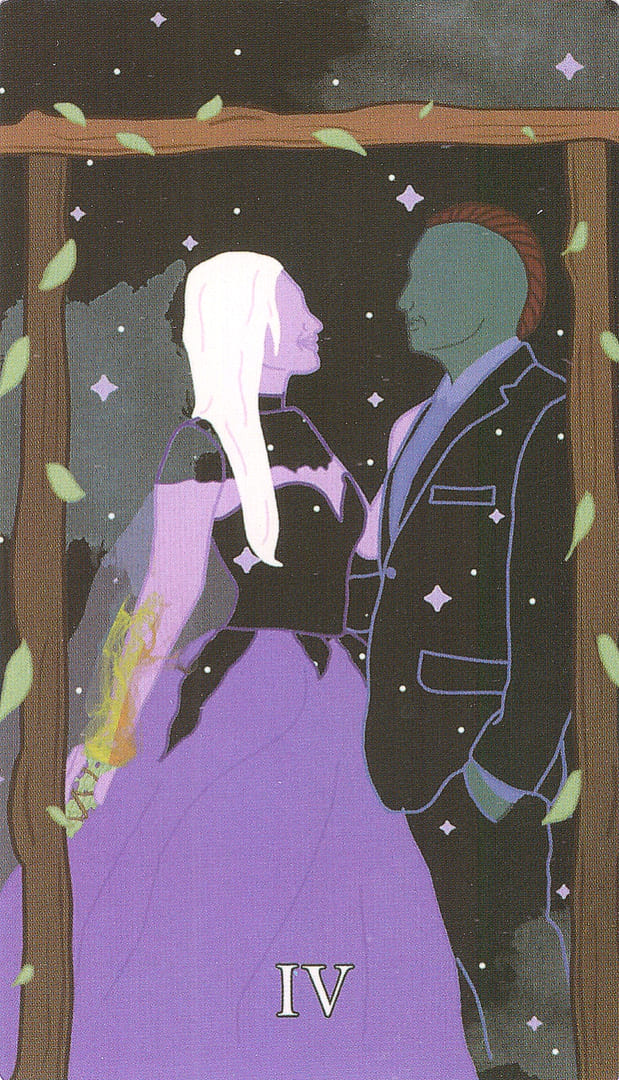
The Four of Wands represents celebration, joy, and the excitement of completion and union with family and friends. It embodies the happiness found in shared moments and serves as a reminder to enjoy the present. However, when inverted, it signifies delays and false starts, indicating exhaustion from thwarted plans and unexpected setbacks.
Five of Wands
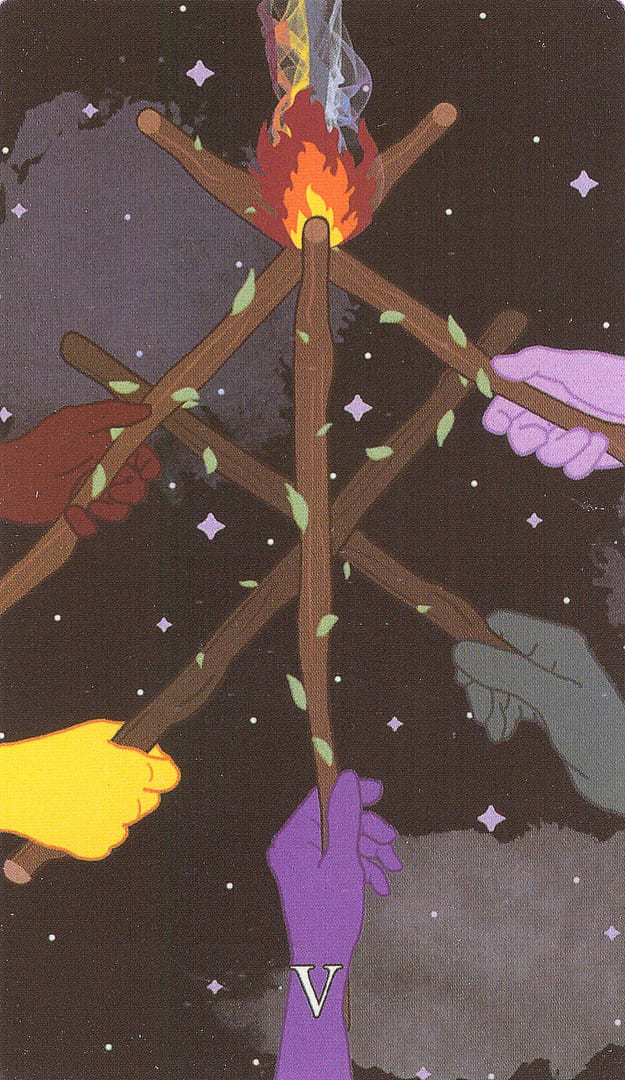
The Five of Wands represents frustration and competition. It depicts a struggle where individuals are surrounded by obstacles and are unable to communicate or collaborate effectively. In competition, it suggests that all parties are equally matched, and success depends on effort and strategy. Inverted, it indicates a choice to disengage from conflict and seek peace instead.
Six of Wands

The Six of Wands represents victory, recognition, and self-confidence. It symbolizes public acknowledgment of achievements, similar to a triumphant celebration of one's accomplishments. However, this card also carries a reminder to maintain humility and continue pursuing further goals, as the journey is not yet complete. When inverted, it cautions against overconfidence and reminds one to focus on the greater good rather than self-absorption.
Seven of Wands
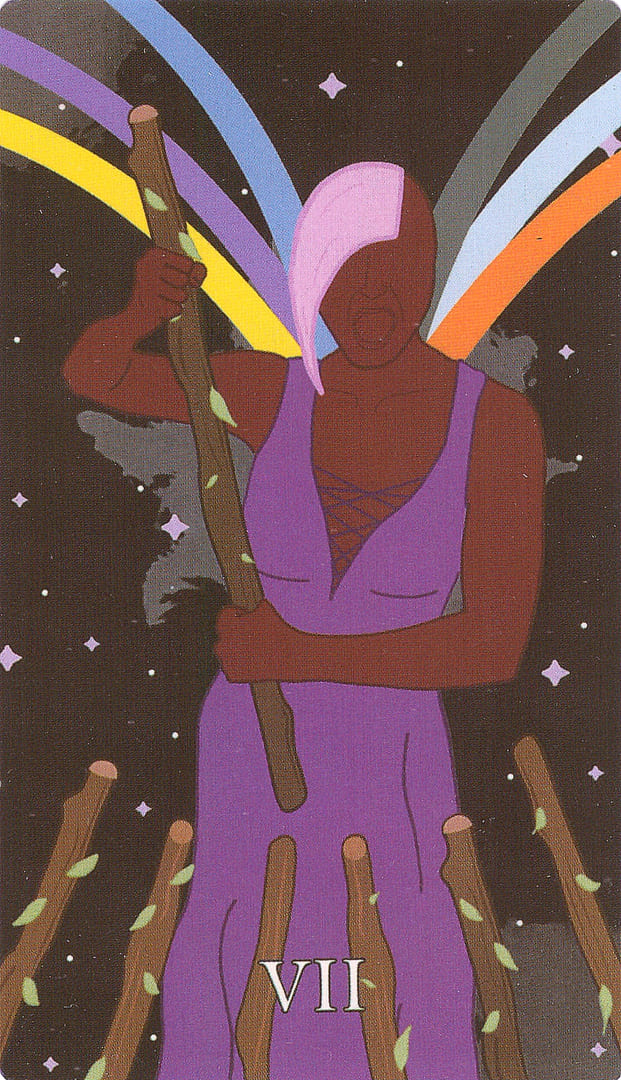
The Seven of Wands signifies taking a stand and defending your position against external challenges. It embodies themes of tenacity, courage, and the need to establish boundaries against negativity and interference from others. The card emphasizes the importance of standing firm in your convictions and the consequences of allowing toxic influences into your life. Reversed, it may represent vulnerability and being targeted by the challenges of the world.
Eight of Wands
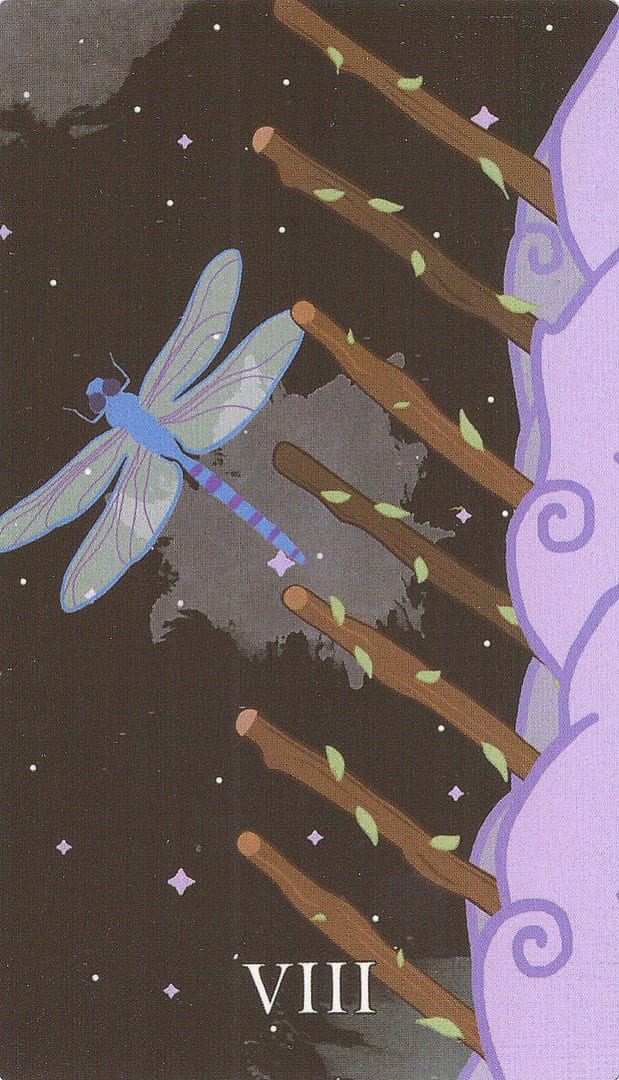
The Eight of Wands embodies a moment of release and potential for growth. This card signifies the onset of new beginnings and the courage to take action, despite the possibility of failure. It emphasizes the importance of hope and the possibility of transformation through change. When inverted, it suggests the presence of obstacles and the need to adjust plans accordingly.
Nine of Wands

The Nine of Wands signifies the importance of self-protection and resilience after facing challenges. It emphasizes the need for healing and reassessment of trust, while also highlighting the support from friends. This card reflects perseverance in the face of adversity, indicating that one may feel worn out yet remains steadfast. Inverted, it warns against paranoia and excessive defensiveness that can hinder one's ability to live fully.
Ten of Wands
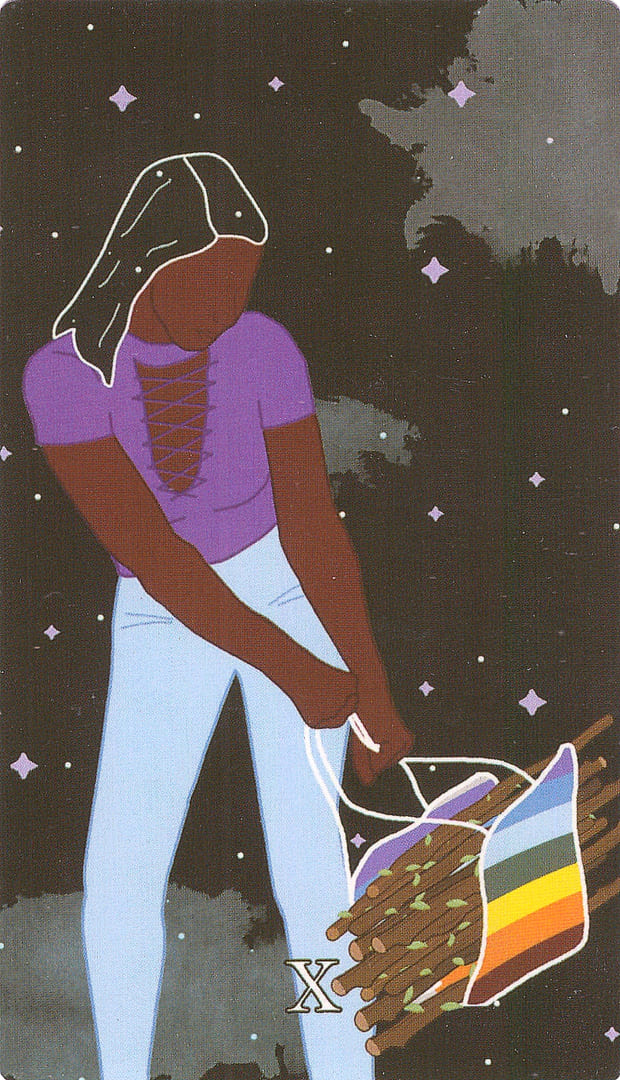
The Ten of Wands symbolizes burdens and stresses that one carries, often feeling overwhelmed and fatigued. The card emphasizes the importance of acknowledging one's own limitations and the need to let go of unnecessary obligations and emotional weight. It calls attention to the dangers of prioritizing others' expectations over personal well-being and joy. The inverted meaning suggests a readiness to release old wounds and resentments, highlighting the transformative potential of acknowledging and letting go of these burdens.
Page of Wands

The Page of Wands represents opportunity, adventure, and optimism. This card embodies a youthful spirit, full of creativity and enthusiasm, but also signifies a novice phase where the individual may not yet know how to fully harness their potential. When inverted, however, this card suggests a loss of self-esteem and a shift towards negativity and aggression.
Knight of Wands
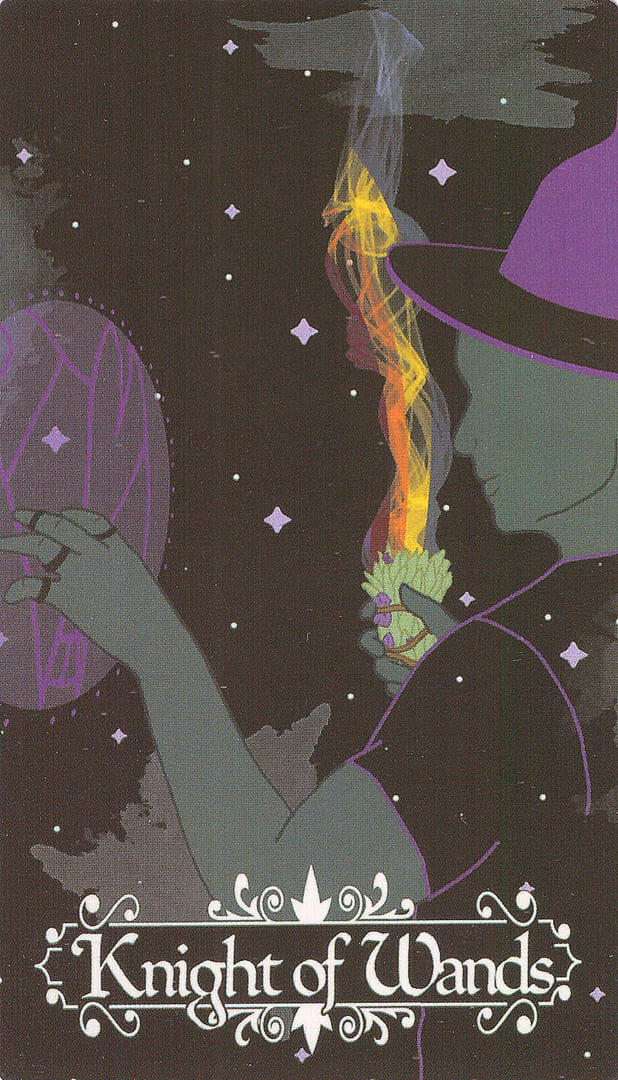
The Knight of Wands embodies confidence, enthusiasm, and a strong desire for growth. He is a charming and passionate individual who charges forward, even in uncertainty. However, his impulsive nature can sometimes lead to recklessness and unintended consequences. When inverted, he represents impulsivity and a lack of direction, often acting on base impulses without considering the repercussions.
Queen of Wands

The Queen of Wands embodies warmth, humor, and growth, representing a vibrant energy full of confidence and opportunities for joy. She is strong and capable, commanding respect while guiding others through tough times, yet she doesn't tolerate foolishness. However, when inverted, she can reflect selfishness and aggression, indicating a fierce attitude that demands recognition and respect.
King of Wands

The King of Wands represents control, influence, and the ability to manage challenges with confidence and passion. This card symbolizes a leader who initiates action and inspires others, showcasing qualities of creativity and assertiveness. When drawn, it suggests being an agent of change and overcoming obstacles with ease. Inverted, this card may indicate narcissistic tendencies and a lack of empathy, portraying someone who is self-centered and dismissive of others' feelings.
Cups
Ace of Cups

The Ace of Cups represents the essence of emotion and signifies new beginnings filled with bounty and blessings. This card is about potential, new love, and positive emotional energy. However, when inverted, it indicates chaos in emotions and the need for individuals to focus on their own lives rather than engaging in drama or gossip.
Two of Cups

The Two of Cups represents partnership, trust, and mutual support, making it a positive card for relationships. It symbolizes a strong connection between individuals who support each other and work as a true team. In contrast, when inverted, it signifies discord and potential disconnection, highlighting pain and unresolved issues in relationships.
Three of Cups

The Three of Cups represents friendship, community, and celebration. It signifies strong bonds and love within a group, often reflecting a joyous gathering or support system. Conversely, when inverted, it indicates strained relationships and awkward social dynamics, highlighting the discomfort that can arise in group settings.
Four of Cups

The Four of Cups symbolizes contemplation and discontent, suggesting a period of introspection where one may be waiting for the right opportunity or partner to appear. It emphasizes the importance of aligning with what resonates personally, and acknowledges feelings of boredom and apathy when faced with unsatisfactory choices. In its inverted position, it highlights the need to overcome complacency and take action to reshape one’s life.
Five of Cups

The Five of Cups signifies themes of regret, sorrow, loss, and the emotional weight of unfulfilled possibilities. It embodies the grief of what could have been, often reflecting on past relationships and missed opportunities. However, it also encourages a shift in perspective to recognize the remaining positives and the potential for a new beginning. Ultimately, it invites individuals to embrace the present and move toward a more hopeful future.
Six of Cups

The Six of Cups signifies nostalgia, joy, and the embrace of childhood magic. It reminds us to cherish the innocent pleasures of life and the comfort of happy memories. This card also highlights the importance of maintaining a sense of wonder in the face of life's challenges. However, when inverted, it warns against clinging to the past and immaturity, urging individuals to grow and move forward in their lives.
Seven of Cups

The Seven of Cups reflects the tension between fantasy and reality, emphasizing the importance of taking action to turn dreams into reality. It warns against being trapped in wishful thinking and encourages stepping out of complacency to pursue one's desires. In its inverted position, it alerts to the temptation of seeking shortcuts or dishonest means to attain goals, highlighting the risks associated with such behavior.
Eight of Cups
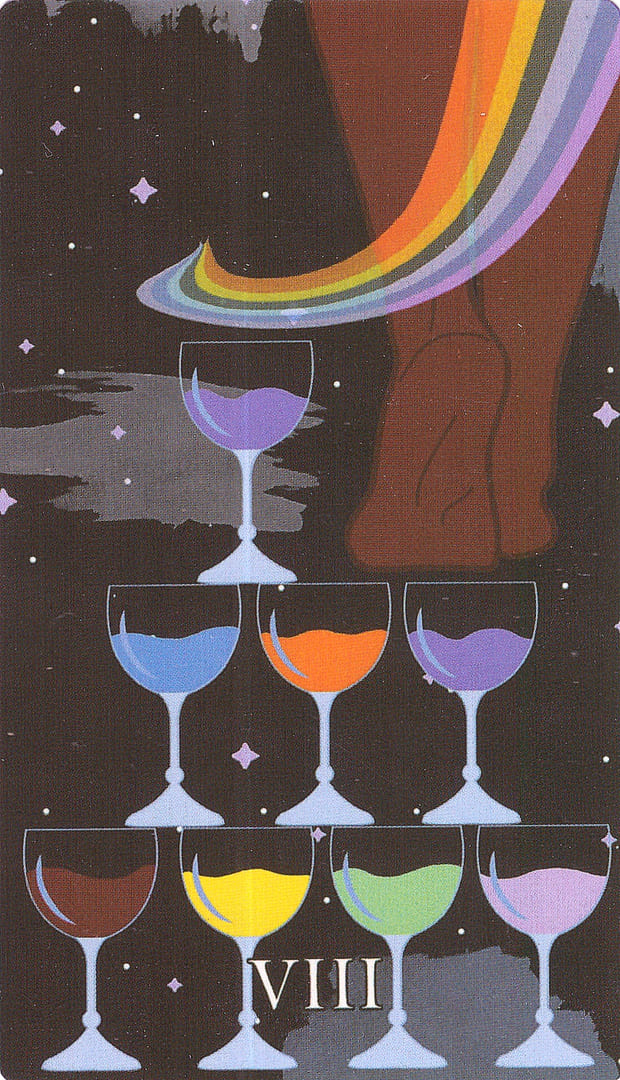
The Eight of Cups represents the need for moderation and the risk of overindulgence, whether it's in vices or responsibilities. It's a wake-up call to reconnect with important truths in life before seeking redemption. Inverted, the card suggests feelings of drifting and lack of direction following significant life changes or tragedies, leading to a sense of hopelessness.
Nine of Cups

The Nine of Cups symbolizes contentment and satisfaction with one's life and blessings. It emphasizes the importance of gratitude for what one has, rather than material wealth. When inverted, it reflects greed and a shallow focus on possessions rather than emotional fulfillment. This card highlights the joy of being fulfilled and reminds us to appreciate what we have.
Ten of Cups

The Ten of Cups symbolizes blessings, celebrations, and the fulfillment of wishes, often representing a moment of idyllic happiness. However, it also prompts reflection on the future and personal goals. While it suggests a time of achievement, it can warn against complacency and emphasize the importance of communication and connection within relationships. The inverted Ten of Cups indicates near happiness, highlighting unresolved issues and missed opportunities for deeper fulfillment.
Page of Cups

The Page of Cups represents art, inspiration, love, lust, and passion. This card embodies a spirit of surprise and creativity, encouraging one to embrace their emotions and express them in various aspects of life. In its inverted position, it signifies intense love that can lead to self-esteem issues and exhaustion, often associated with writer's block and emotional turmoil.
Knight of Cups
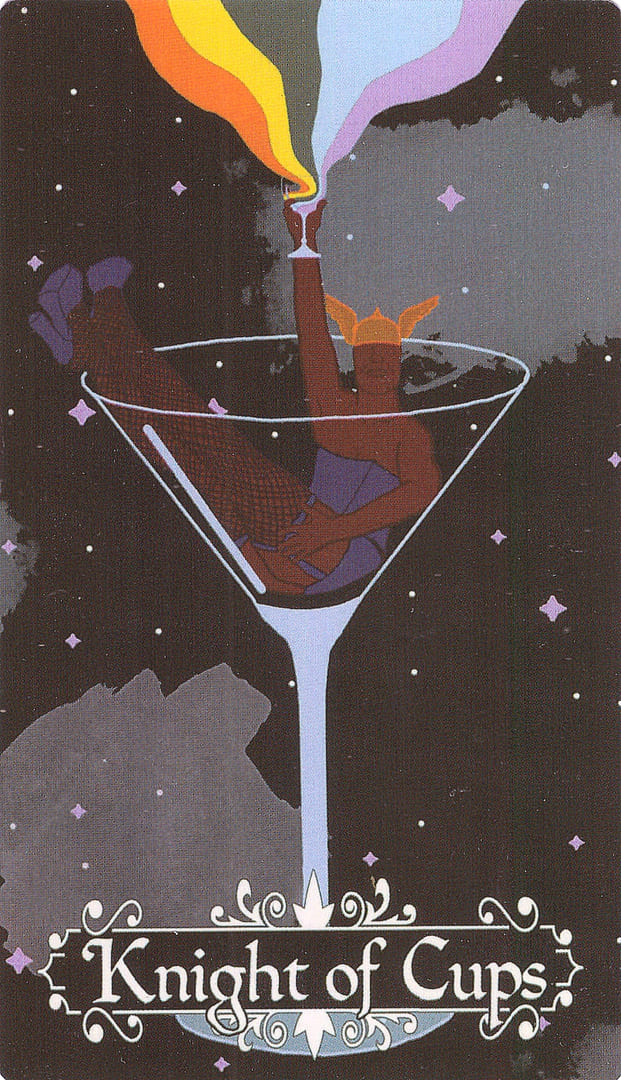
The Knight of Cups embodies a romantic, sensitive, and passionate individual. He may present a sad demeanor that leaves a lasting impression on others. When inverted, this card signifies moodiness and emotional instability, representing a person who can shift from thrill to introspection rapidly. Despite the emotional turmoil, there is an underlying genuineness and loyalty in their feelings.
Queen of Cups
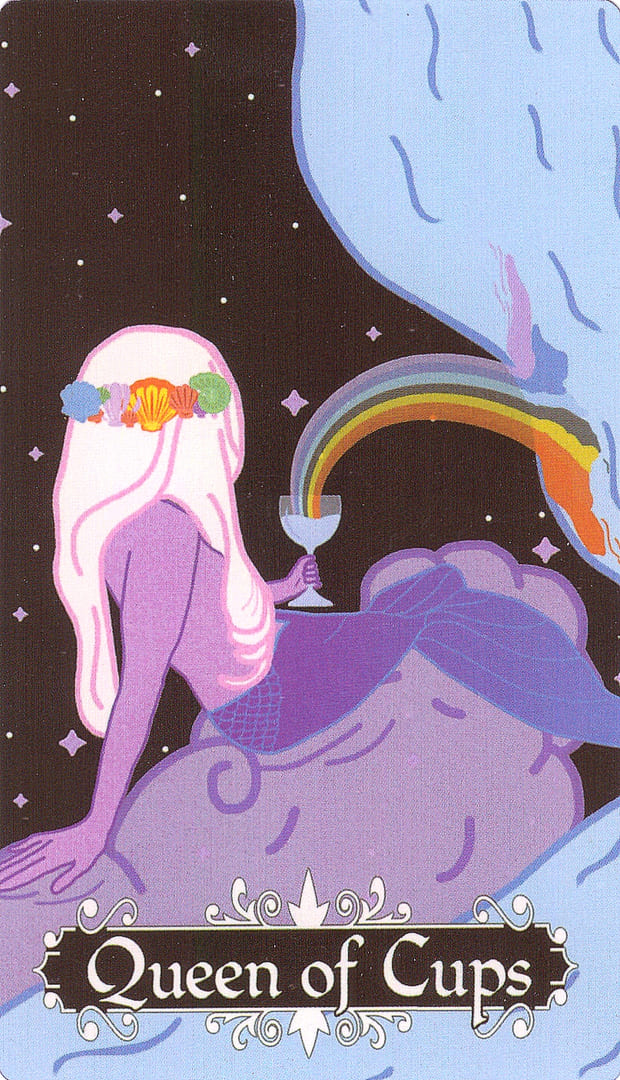
The Queen of Cups represents emotional depth, kindness, and empathy. She is in touch with her feelings but maintains a boundary to protect herself from becoming overwhelmed by others' emotions. However, she can struggle with insecurity and can hold grudges, showing a tender side that is vulnerable to emotional pain.
King of Cups

The King of Cups represents emotional maturity, compassion, and kindness. He is capable of navigating through emotions without being overwhelmed, and he invests deeply in relationships. However, when inverted, he can become emotionally manipulative, letting his feelings cloud his judgment and sometimes acting out of moody or hurtful tendencies.
Swords
Ace of Swords

The Ace of Swords represents clarity of thought, quick decisions, and the cutting away of illusions to reveal the truth. It symbolizes intellect and the ability to navigate complex situations with certainty. When inverted, it warns of potential accidents, missed opportunities, or errors in communication, highlighting the need for caution in handling ideas and words.
Two of Swords

The Two of Swords represents solitude and the importance of introspection. It highlights the difference between being alone and feeling lonely, emphasizing that solitude can lead to self-discovery and clarity. The card also warns that when inverted, it may signify mental imbalance and the impact of external negativity on one's thoughts.
Three of Swords

The Three of Swords symbolizes deep emotional pain and loss, often indicating heartbreak, betrayal, or tragedy. It suggests a significant and painful transition, impacting the individual's soul. Inverted, it implies a healing process where grief begins to lessen, but warns against becoming stuck in sorrow. This card emphasizes the need to acknowledge pain and begin a journey toward recovery and realignment.
Four of Swords

The Four of Swords signifies a period of rest and reflection after hardship. It encourages you to take a break from overthinking and allow yourself to heal. When inverted, it warns against overworking and ignoring your body’s needs, indicating a need for change to regain balance.
Five of Swords
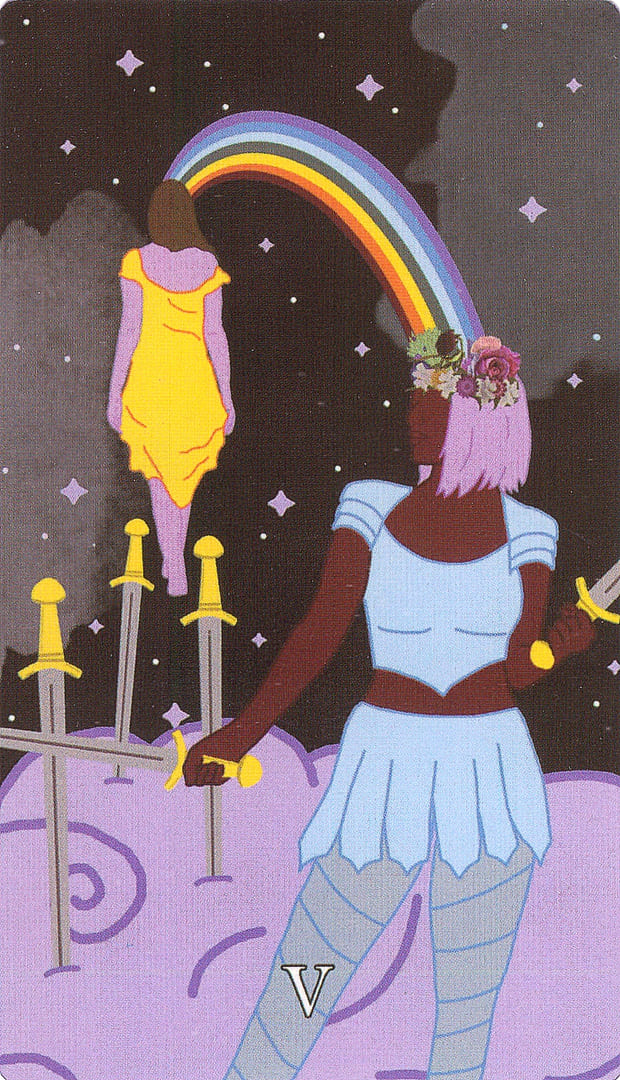
The Five of Swords represents self-centered thoughts that hinder your perception of others and the greater good. It highlights the importance of intent, showing that sometimes tricky behavior is necessary for self-advocacy. When inverted, it prompts you to release lingering resentment, as it only weighs you down and does not serve your best interests.
Six of Swords

The Six of Swords represents a journey from troubled waters to a place of peace and calm. It symbolizes a conscious decision to move away from what no longer serves us, highlighting the importance of acceptance and the potential for change. In contrast, when inverted, it warns of being stuck due to past baggage that hinders progress, urging a release from burdens to embrace new possibilities.
Seven of Swords

The Seven of Swords represents deceit and the consequences of dishonesty, primarily emphasizing the lies we tell ourselves. It highlights how these lies can corrode our self-esteem and hinder our personal growth. The card warns that the truth will eventually emerge, regardless of attempts to conceal it. When inverted, it focuses on internal dishonesty and self-deprecation, resulting in emotional and mental constraints that prevent true progress.
Eight of Swords
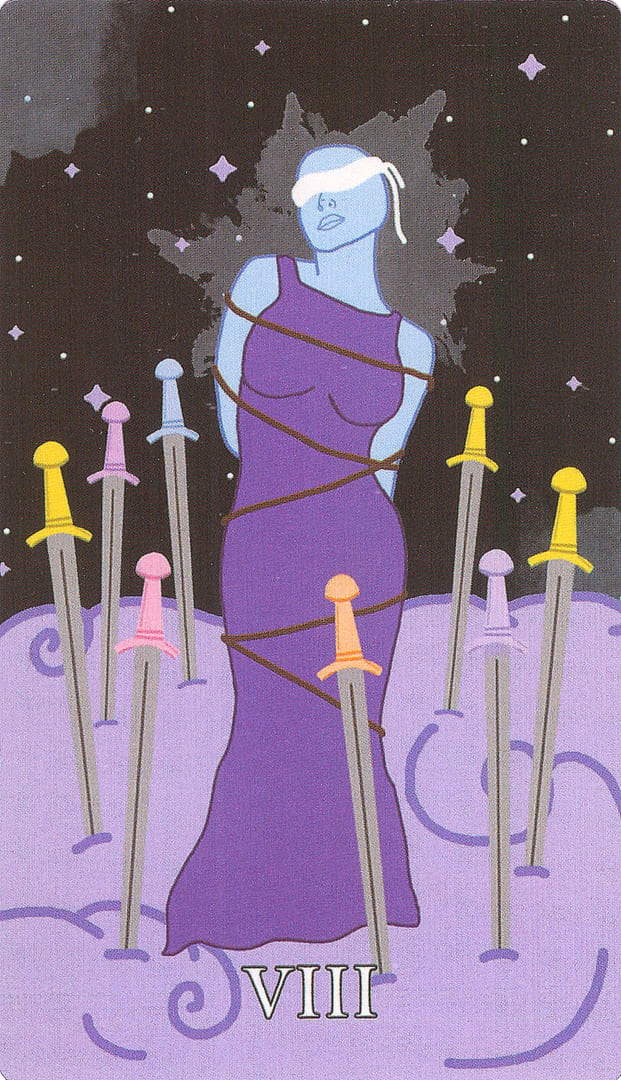
The Eight of Swords represents a feeling of being trapped by one's own fears and anxieties. It depicts a woman bound and blindfolded, surrounded by swords, symbolizing how internal struggles can paralyze an individual. When inverted, the card signifies release and freedom from these self-imposed restrictions, illustrating a journey towards self-acceptance and liberation from toxic relationships or situations.
Nine of Swords
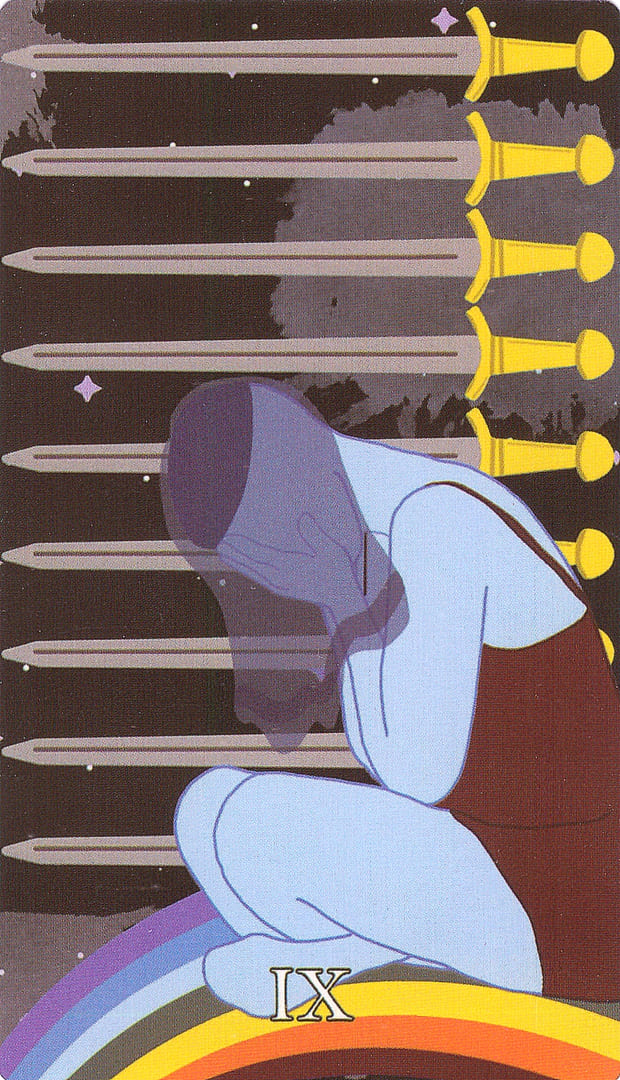
The Nine of Swords represents intense anxiety and sleeplessness, reflecting a mind overwhelmed by worries and fears about the future. It signifies the struggles with uncontrollable outcomes and the exhaustion that accompanies these thoughts. When inverted, this card deepens the meaning, indicating a state of depression rather than mere sadness, where hopelessness and emotional pain take center stage.
Ten of Swords

The Ten of Swords signifies reaching rock bottom, often reflecting pain, defeat, and exhaustion. While it represents a painful ending, it also holds potential for change and healing. The card encourages self-reflection and recognizing the validity of feelings, allowing space for healing before rising again. It suggests understanding and confronting internal negativity rather than dismissing it.
Page of Swords
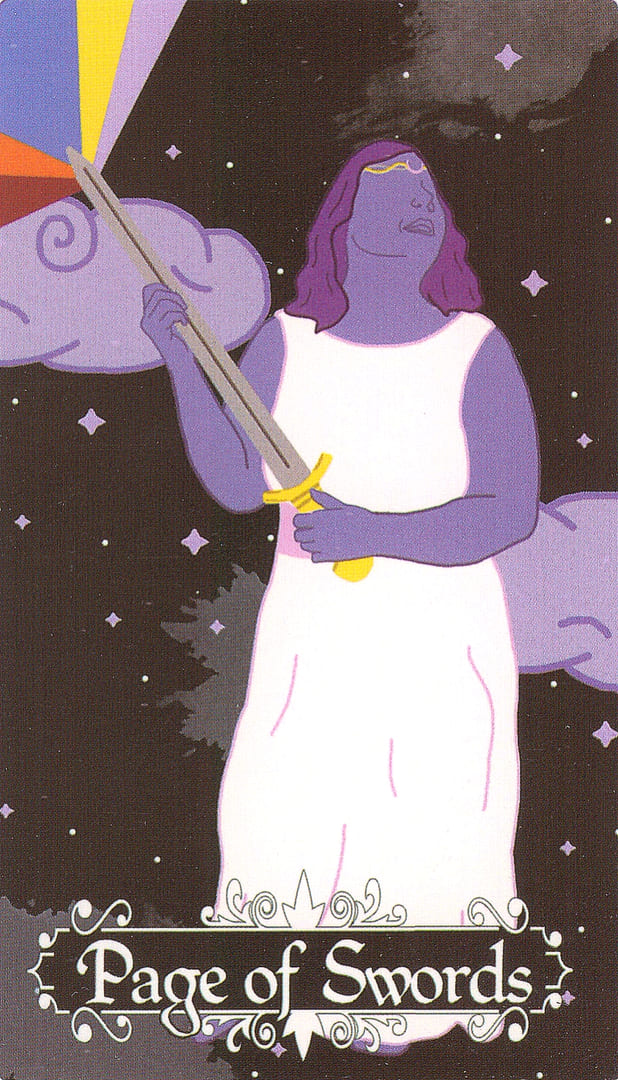
The Page of Swords embodies a burst of energy coupled with curiosity and a lack of direction. This card signifies initiative and a sharp intellect, but also cautions against thoughtlessness and hasty words. In its inverted position, it highlights the dangers of sharp speech and the potential for self-harm through careless communication.
Knight of Swords

The Knight of Swords represents a dynamic and intellectual personality, perpetually on the move and eager to challenge himself and others. However, this card also highlights a lack of forethought, with a penchant for impulsiveness that can lead to recklessness. In its inverted position, the Knight of Swords suggests impatience and struggles in utilizing available resources effectively, further emphasizing a tendency towards carelessness and absent-mindedness.
Queen of Swords

The Queen of Swords represents intelligence, independence, and clarity, cutting through emotions to focus on the truth. She embodies strength and fairness, wielding her sharp tongue with precision and authority. However, when inverted, this card signifies self-doubt, lack of clarity, and the potential harm of negative words. It serves as a warning to be mindful of the impact of one's words and actions.
King of Swords

The King of Swords represents a strong and just leader who rules fairly and relies on intelligence over emotions. He embodies balance, delivering responsibility with a firm hand, much like a king uses a sword to knight allies or execute foes. However, the inverted King of Swords reveals a darker side, showing qualities of manipulation and abuse, transforming a leader into a figure of fear and intimidation.
Pentacles
Ace of Pentacles
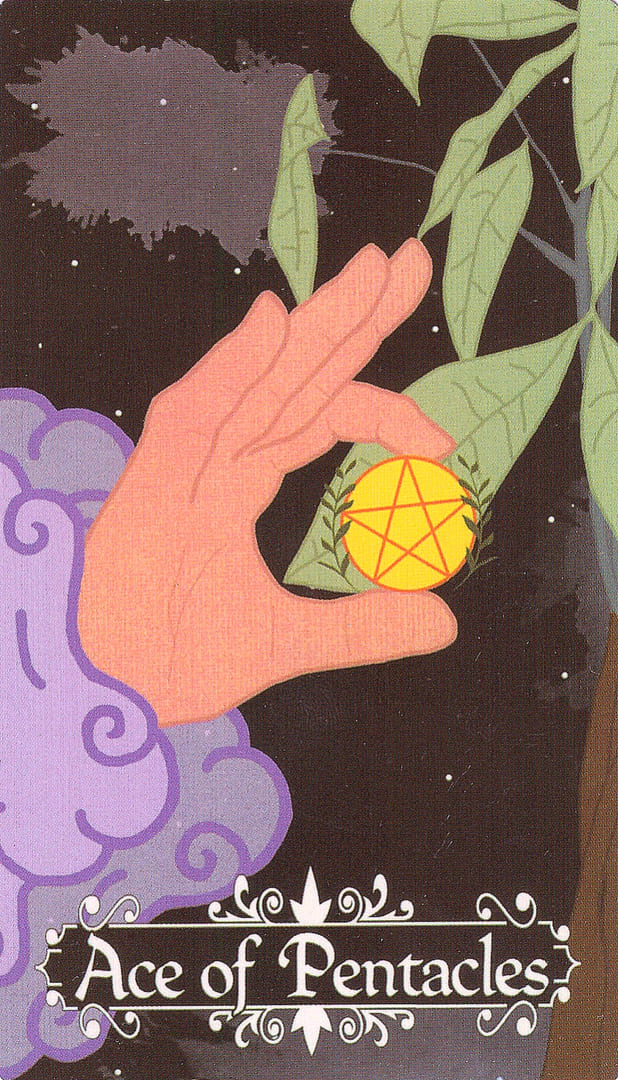
The Ace of Pentacles symbolizes grounding, stability, and prosperity. It represents the essence of the earth element and serves as a magical tool for protection and abundance. This card denotes financial security and the welcoming of growth and good fortune. In its inverted position, it signifies anxiety and the loss of security or connections, illustrating the stress that can accompany financial instability.
Two of Pentacles

The Two of Pentacles signifies a state of joyful juggling, where one manages responsibilities, finances, and relationships adeptly, despite surrounding chaos. The card represents balance, suggesting the importance of knowing what to hold tight and what to let go. Conversely, when inverted, it indicates a loss of control, leading to instability in various aspects of life and suggesting the need for a reset.
Three of Pentacles

The Three of Pentacles symbolizes teamwork and collaboration, emphasizing the importance of working together towards a common goal. It represents support in business, friendships, and family matters, highlighting the achievements that come from collective efforts. Conversely, when inverted, it signifies competition and lack of cooperation within a group, often indicating office drama or stagnation in career advancement.
Four of Pentacles

The Four of Pentacles represents the importance of protecting your own resources and well-being before being able to help others. It highlights the tension between possessions and self-care, illustrating that holding onto material items tightly can stem from fear and anxiety. Conversely, when inverted, it indicates selfishness, hoarding, and a resistance to change. It suggests a struggle with loss and fear that can manifest in unhealthy attachments to belongings.
Five of Pentacles

The Five of Pentacles signifies hardship, struggle, and a feeling of being lost or disconnected. It often represents difficult times such as job loss or emotional turmoil, but also suggests that relief and support are available just within reach. When inverted, the card indicates a positive change on the horizon, where one can finally begin to rise from the lows experienced. Prayer and intent are important aspects guiding the way towards recovery.
Six of Pentacles

The Six of Pentacles symbolizes generosity, both spiritual and financial, emphasizing the importance of giving without judgment and receiving without humiliation. It represents the ebb and flow of community support and highlights that true generosity encompasses more than just monetary assistance. The inverted meaning warns against the risks of debt and the impact of diminishing others, suggesting that taking from oneself or others can lead to a more difficult future and decreased personal light.
Seven of Pentacles

The Seven of Pentacles represents the themes of hard work, patience, and the rewards of diligence. It's about the fulfillment that comes from putting in effort and waiting for the results, contrasting with the frustration of impatience. In its inverted position, the card cautions against seeking immediate gratification without contributing to the process, highlighting the importance of long-term thinking over short-term rewards.
Eight of Pentacles

The Eight of Pentacles represents dedication, skill-building, and hard work in pursuit of a goal. It signifies a period of focus, particularly for those starting new ventures like jobs or educational programs. The card emphasizes the importance of honing one’s craft and being discerning about the quality of one’s work. In its inverted position, it indicates a lack of direction and effort, suggesting stagnation and aimlessness.
Nine of Pentacles

The Nine of Pentacles symbolizes gratitude, confidence, and self-appreciation, representing the rewards of hard work and perseverance in one's life. This card illustrates a woman at peace in her garden, embodying a life of luxury without avarice or insecurity. Conversely, when inverted, it warns against overworking and losing sight of personal relationships and well-being in pursuit of financial success.
Ten of Pentacles

The Ten of Pentacles signifies abundance and the sharing of wealth, which can be emotional, spiritual, or financial. It emphasizes the importance of family legacy and inheritance but warns against losing oneself in the expectations and needs of others. The inverted position of the card conveys loss, loneliness, and financial stress, highlighting the fragility of security and relationships.
Page of Pentacles

The Page of Pentacles represents a thoughtful and introspective individual who is learning to embrace his true self. This card embodies groundedness, innocence, and a playful energy but can also warn of the pitfalls of immaturity when that innocence is exploited. In its inverted position, it signifies a lack of focus and grounding, leading to careless behavior and distractions.
Knight of Pentacles

The Knight of Pentacles represents a person who is grounded, reliable, and hardworking but can be shy and unengaging. He values honor and thoughtful action but may struggle with motivation and change. Inverted, this card reflects stagnation and intra-personal conflicts such as jealousy and moodiness, emphasizing the challenges of inaction.
Queen of Pentacles

The Queen of Pentacles embodies the essence of nurturing and care, representing both spiritual and material wealth. She is a warm, loving spirit that connects us with home, family, and honesty. In her inverted position, the card reflects a sense of disconnection, highlighting neglect of loved ones due to distractions or overcommitment to work.
King of Pentacles
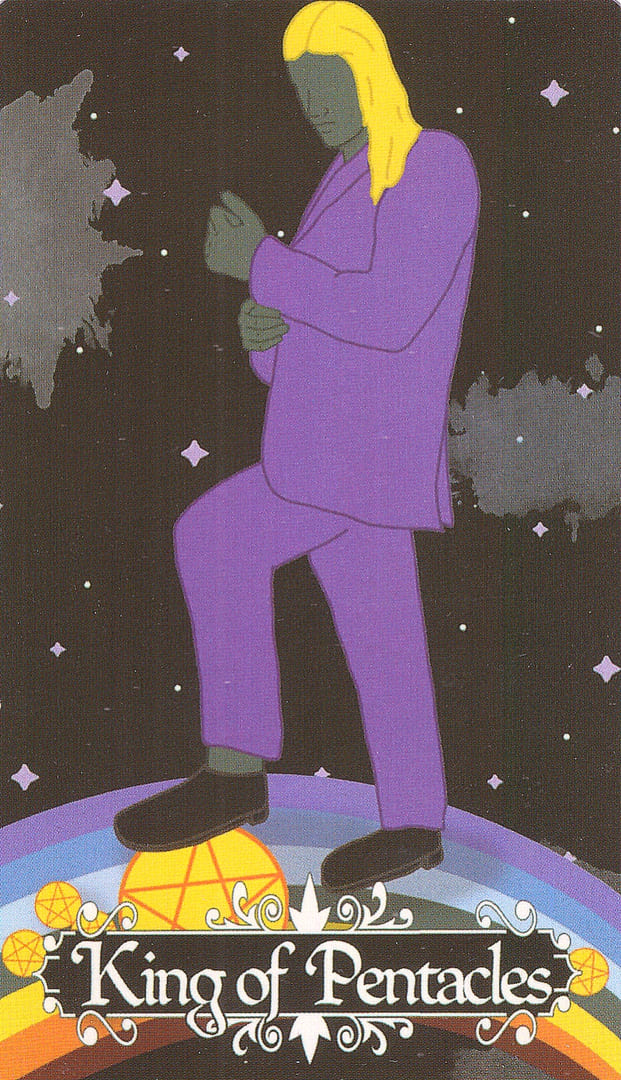
The King of Pentacles embodies a grounded and conservative energy, possessing an intense presence and strong work ethic that earns him respect. He symbolizes stability, security, and a connection to the material world, aligning with his surroundings. However, in his inverted form, he may represent being too focused on the material, leading to a lack of awareness and understanding of the broader situation around him.
Reading Tips for The Cosmic Coven Tarot
Fiona Horne designed this deck to be used, not just admired. Here is how to let its witchcraft-infused energy deepen your readings.
Set sacred space before you shuffle. This deck responds to intention. Light a candle, burn some herbs, or simply take three conscious breaths and state your question aloud. The Cosmic Coven Tarot was born from ritual practice, and even a small act of preparation shifts the energy of a reading from casual to potent.
Follow the celestial cues. Moon phases, stars, and cosmic bodies appear throughout the artwork for a reason. When you notice a full moon behind a card, consider themes of completion and illumination. A crescent moon signals beginnings and potential. Let the sky in the card tell you about timing and energy flow.
Trust the witch in you. This deck assumes you have intuition and invites you to use it. Before reaching for a guidebook, sit with the image. Notice what draws your eye — the herbs, the crystals, the posture of the figure, the quality of light. Your first impression is your inner witch speaking, and she usually knows what she is talking about.
Work with the elements deliberately. The four suits map directly onto the four elements of witchcraft practice. When a reading is dominated by one element, the deck is telling you where the energy is concentrated. Three Cups cards and a Major Arcana? The work is emotional and deeply internal. Wands everywhere? Something needs to be acted on — now, not later.
Frequently Asked Questions
How many cards are in The Cosmic Coven Tarot?
The Cosmic Coven Tarot contains 78 cards: 22 Major Arcana and 56 Minor Arcana across four suits. Each card blends traditional tarot symbolism with witchcraft imagery and cosmic energy.
Who created The Cosmic Coven Tarot?
The deck was created by Fiona Horne, a well-known witch, author, and media personality, with illustrations by Adrienne Trafford. It merges modern witchcraft practice with celestial tarot archetypes.
Is The Cosmic Coven Tarot good for beginners?
Yes. The deck follows standard Rider-Waite-Smith structure, making it accessible to anyone familiar with tarot basics. The witchcraft symbolism adds intuitive depth without requiring prior knowledge of the craft.
Do I need to practice witchcraft to use this deck?
Not at all. The witchcraft elements enrich the imagery and invite a deeper connection to nature, cycles, and personal power, but the deck reads beautifully as a standalone tarot regardless of your spiritual background.