Cosmic Cycles Tarot: All 78 Card Meanings Explained
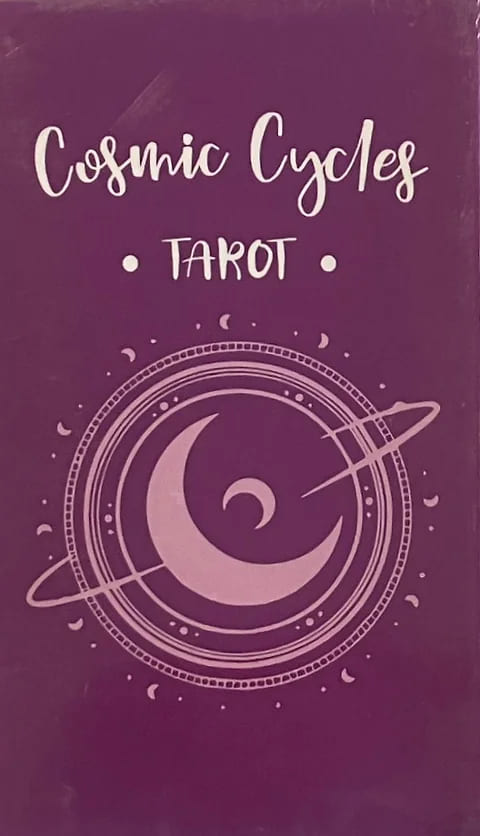
Some tarot decks whisper. Others paint. The Cosmic Cycles Tarot maps the stars.
Created by Martina Razo with celestial artwork by Miriam E.G., this 78-card deck weaves astrology directly into the fabric of tarot. Every card carries planetary rulers, zodiac correspondences, and cosmic imagery that connect the archetypal journey of the Major Arcana and the everyday stories of the Minor Arcana to the actual rhythms of the sky. The art style is lush and celestial — deep blues, glowing moons, swirling galaxies, and figures that feel suspended between the earthly and the divine. It is a deck that takes traditional Rider-Waite-Smith symbolism and lifts it into orbit.
What makes the Cosmic Cycles Tarot special is not just the beauty — it is the philosophy. Razo designed the deck around the idea that tarot and astrology are two languages describing the same truths. The Fool is not only innocence and new beginnings; he is also Uranus energy breaking free. The Empress is not only abundance; she is Venus in full bloom. If you already speak astrology, this deck will feel like coming home. If you don’t, it becomes a gorgeous gateway into a richer understanding of both systems.
How the Deck Is Organized
The Cosmic Cycles Tarot follows the classic 78-card tarot structure:
- Major Arcana (0–XXI): The 22 cards of cosmic turning points — soul lessons, planetary influences, and the transformative energies that shape your deepest evolution. When a Major Arcana card appears, the universe is delivering a message you need to hear.
- Wands: The suit of fire. Passion, creativity, ambition, and the drive to pursue what sets your spirit ablaze.
- Cups: The suit of water. Emotions, love, intuition, and the currents that flow through relationships and the inner world.
- Swords: The suit of air. Thought, truth, conflict, and the mental clarity that comes from honest examination.
- Pentacles: The suit of earth. Material reality, finances, career, and the patient cultivation of lasting abundance.
Each suit runs from Ace through Ten, followed by four court cards — Page, Knight, Queen, and King — for 14 cards per suit and 56 Minor Arcana total.
Major Arcana
The Fool

The Fool symbolizes a fresh start or the beginning of a life journey, encouraging one to take a leap of faith towards new opportunities. It also advises caution against recklessness, suggesting that while it's okay to indulge in spontaneity, one should be mindful of potential hazards to avoid unnecessary setbacks.
The Magician

The Magician tarot card symbolizes the realization of potential and the use of personal power to achieve goals. It represents a time filled with opportunities and synchronicities, suggesting that with all elements in place, now is the time to act boldly. High expectations may lead to surprising outcomes, indicating the unleashing of one's full potential through the symbolic magic of The Magician.
The High Priestess

The High Priestess symbolizes a deep connection to intuition and the higher self. It encourages trusting one's inner voice and being open to messages or symbols from guides. The card suggests a time of introspection, where connecting to the past, present, and future can reveal crucial information for making smarter decisions.
The Empress

The Empress symbolizes feminine energy, beauty, and the art of nurturing and creation. It encourages embracing one's confidence and inner glow, sharing this positive energy with others, and being an inspiration. Emphasizing motherly qualities, it represents a beacon of inspiration and gratitude.
The Emperor

The Emperor tarot card represents masculine energy, leadership, and authority. It stresses the importance of firmness in decisions and discipline in one's life. It symbolizes taking charge, enforcing rules, and providing rewards. This card encourages hard work, leadership, and the need to be clear and direct in communication.
The Hierophant

The Hierophant tarot card symbolizes seeking guidance, mentorship, and peace of mind through spirituality, tradition, and established societal structures. It highlights the importance of having a mentor or guide for valuable insights and advice, regardless of one's specific religious beliefs. The Hierophant represents adherence to values, traditions, and the influence of society and its institutions.
The Lovers

The Lovers card symbolizes a deep, harmonious relationship between partners, highlighting a balanced and equal contribution from each. It represents finding one's soulmate, where the connection feels dramatic and fated by destiny.
The Chariot

The Chariot represents progress, momentum, and the consequential unlocking of new paths. It signifies that the energy surrounding the individual is urging them to take action, indicating that significant progress or a fresh direction is within reach. It also emphasizes self-confidence, personal drive, and the importance of trusting one's instincts as the individual has prepared the way forward.
Strength

The Strength tarot card symbolizes the need for inner strength, courage, and resilience to overcome challenges. It highlights the importance of determination, patience, and the capacity to face tough situations with a courageous spirit. This card encourages us to muster all our strength to push through difficulties and emerge stronger.
The Hermit

The Hermit signifies the importance of solitude, reflection, and detachment from the daily distractions of life. It encourages taking a break, possibly in nature, to recharge and gain new perspectives. This card highlights a learning period that benefits from silencing the mind and minimizing social media interaction, promoting a deeper understanding of one's self and surroundings.
Wheel of Fortune

The Wheel of Fortune signifies the ever-changing cycle of life, marking a pivotal point between old and new phases. It represents the concept of karma and the idea that luck and fortune are about to shift, suggesting a significant change of circumstances. When drawn, this card indicates an end to current cycles and the beginning of new ones, reminding the reader that they have the power to change their fate based on their actions.
Justice

The Justice card symbolizes the importance of fairness, truth, and law. It suggests the need for an open mind and sensible thinking when making decisions, emphasizing that every action has consequences. It represents accountability, highlighting that justice, while blind to biases, ultimately discerns the truth.
The Hanged Man

The Hanged Man signifies the importance of noticing and embracing different perspectives in various situations. This card suggests that the answers we seek may often be in plain sight, yet we overlook them due to our limited viewpoint. It highlights the value of pauses and contemplation, urging us to consider alternative angles and solutions.
Death

The Death card signifies undergoing significant transformations and the end of a cycle, marking the loss of the former self or aspects of one's life. It represents the natural process of shedding what no longer serves us, thus making room for rebirth and new beginnings. Embracing the changes and letting go of grudges are essential steps toward evolving and transforming into a better version of oneself.
Temperance

The Temperance card emphasizes the importance of finding balance and harmony within oneself. It suggests that imbalances in our body and life, caused by stress, poor diet, and lack of sleep, need to be addressed. By taking things slow and committing to healthy habits, we can ensure our body, spirit, and mind work together in harmony.
The Devil

The Devil tarot card encapsulates the essence of negativity and the consequential entrapment within one's vices. It portrays a scenario of self-abuse and destruction, symbolized by the act of getting drunk and the resultant chaos. The card warns of the emergence of negative energies, potentially molding a person into a selfish abuser or a narcissist. It serves as an admonition to be vigilant of one's vices, urging individuals to refrain from transforming them into addictions.
The Tower

The Tower represents sudden and massive changes, often likened to destruction that leads to reconstruction. It highlights the unavoidability of certain disasters in various aspects of life such as relationships, finances, and security. The card suggests focusing on planning for the aftermath rather than resisting the inevitable changes.
The Star

The Star tarot card symbolizes hope, inspiration, and the fulfillment of wishes. It signifies that the universe is aligning to manifest one's thoughts and desires into reality. The card encourages choosing thoughts wisely, as it is a time when the individual's energy is highly in tune with the universe's, empowering them to shine.
The Moon

The Moon tarot card symbolizes secrets, illusions, and the hidden aspects of oneself that one might not be ready to confront or reveal. It reflects the idea of wearing masks to project confidence while hiding true feelings or fears. This card suggests a time when these illusions might be unmasked, either allowing one to see through others' facades or having one's own facade seen through.
The Sun

The Sun symbolizes happiness, clarity, and positivity. It brings hope after dark times, shining a light on the path towards joy. It represents what is visible and conscious, highlighting the potential for joy in one's life.
Judgement

The Judgement card symbolizes a crucial turning point in one's life, where past actions and decisions influence future success. It encourages the individual to make significant choices, utilize talents for personal and communal benefit, and signifies the transition into a new phase of life with responsibility and maturity.
The World

The World tarot card signifies the completion of a cycle, achievement, and fulfillment. It represents a period of success and satisfaction where one feels blessed and content with what they have accomplished. This card also suggests the possibility of travel and exploration.
Wands
Ace of Wands

The Ace of Wands symbolizes the beginning of pursuing passions and interests, whether through the arts, traveling, or occupation. It represents a spark of interest in a new hobby or direction, encouraging not to give up even if initial efforts don't go smoothly. The card emphasizes the start of a cycle and the potential for growth and exploration.
Two of Wands

The Two of Wands symbolizes the moment of choice between two paths or destinations, depicting the opportunity and necessity to plan for future endeavors. It stresses the importance of foresight and preparation before embarking on a new journey, with the reminder that careful planning can avert potential problems.
Three of Wands

The Three of Wands symbolizes the accomplishment of a phase of careful planning and preparation, embarking on a journey that leads to new surroundings. It stresses the significance of exploration, settling, finding resources, and expanding connections in the new phase of one's journey. The card suggests there is no turning back and emphasizes the need to fulfill the objectives that motivated the journey.
Four of Wands

The Four of Wands signifies a period of reunions, joyful gatherings, and celebrations centered around home and family. It highlights the importance of a sturdy foundation, both in terms of physical structures like houses and emotionally within relationships. The card encourages focusing on loved ones and re-establishing connections that may have been neglected.
Five of Wands

The Five of Wands symbolizes disagreements and ego clashes within a team. These conflicts are a result of team members focusing on their personal interests rather than the collective goal, leading to tension and arguments. The card advises giving each team member a chance to speak and finding a consensus to overcome these issues.
Six of Wands

The Six of Wands signifies recognition, accomplishment, and community support for your efforts and contributions. It emphasizes that your ideas and ventures are celebrated by those around you, urging you to accept their cheers and suggestions. Despite potential resistance, this card is a reminder of progress towards your goals.
Seven of Wands

The Seven of Wands symbolizes standing one's ground against opposition and defending one's achievements. It highlights the challenges of dealing with jealousy and insecurity from others who envy your position. Maintaining ignorance of such negativity can be a strategic response, reducing stress and enabling focus on personal progression.
Eight of Wands

The Eight of Wands symbolizes rapid movement and the act of being taken by surprise by the pace of events. It indicates a period where delays are overcome, and things happen ahead of schedule, necessitating preparedness for increased workload. It advises clearing one's schedule to make the most of this swift energy, either to complete ongoing projects or to commence new endeavors.
Nine of Wands

The Nine of Wands signifies perseverance and endurance despite hardships. It symbolizes a person at the brink of exhaustion, facing additional challenges before the end of a difficult journey. It encourages finding support and reassures that the end of difficulties is near, urging to hold on a bit longer.
Ten of Wands

The Ten of Wands symbolizes the accumulation of stress and burdens that are self-imposed or a result of overcommitment. It warns against the dangers of trying to handle too much by oneself, suggesting the need to delegate or ask for assistance to alleviate the strain. It emphasizes the importance of taking time to address issues rather than rushing through them.
Page of Wands

The Page of Wands is a symbol of new beginnings, creativity, and the pursuit of adventure. She is characterized by her love for nature, dislike for delays, and an innate curiosity that drives her to explore and start new projects. Despite her enthusiasm, her challenge lies in her tendency to embark on too many ventures without focusing on completion. She embodies the spirit of independence and discovery but needs to learn the value of dedication to fully realize her potential.
Knight of Wands

The Knight of Wands is a symbol of dynamic and bold energy, motivated by the desire to complete tasks and achieve mastery in various activities. He is adventurous and always on the move, seeking extreme experiences to fight off boredom. However, his reckless pace and tendency to overwork can lead to exhaustion. The card highlights the importance of focused energy and determination, but also warns against the risks of burnout and impatience.
Queen of Wands

The Queen of Wands tarot card represents a figure of passionate creativity and determination. With a career as her top priority, she excels in her field, particularly in design, earning accolades for her work. She is an effective communicator, knows how to merge her ideas with others to create something unique, and strives to maintain a balance between her professional and personal life. Her character is influenced by the ambitious personalities seen in home design reality TV shows.
King of Wands

The King of Wands represents mastery in leadership and a deep understanding of creativity and intensity in culinary arts. He embodies the essence of passion in cooking, showcasing his ability to inspire and lead his kitchen with expertise and vision. Despite being temperamental and uncompromising, he is an adept leader who values family dinners and acts as a role model for younger generations. His techniques and secrets in the kitchen reflect his dedication to his craft.
Cups
Ace of Cups

The Ace of Cups symbolizes a new beginning in the realm of emotions and relationships. It suggests the breaking of barriers that have previously prevented one from expressing feelings or accepting love. When this card appears, it indicates readiness for emotional openness and the initiation of meaningful relationships or deeper commitments. One is filled with love and seeks to find someone to share it with.
Two of Cups

The Two of Cups represents the beginning of a new relationship filled with potential, commonality, and sparks flying. It symbolizes not only romantic but also platonic and business relationships that are grounded in mutual trust and agreement. It suggests that any new partnership formed under this card is destined and will be characterized by a strong connection.
Three of Cups

The Three of Cups embodies celebration, friendship, and social connections. It emphasizes the joy found in meeting friends face-to-face, highlighting the importance of personal interaction in strengthening bonds and understanding the growth and changes in others. The card encourages reaching out and genuinely connecting with people.
Four of Cups

The Four of Cups symbolizes missed opportunities and the act of rejecting or overlooking offers, whether intentionally or due to other preoccupations. It encourages reflection on what is presented before dismissing it, as it might represent a significant chance for improvement or progress that should not be regretted later.
Five of Cups

The Five of Cups symbolizes disappointment, forgiveness, and the process of moving on from one's past mistakes. It suggests that despite feelings of failure and isolation, one should focus on the opportunities for amending errors and seeking the support of loved ones. It reassures that mistakes are a natural part of growth and that acceptance and forgiveness from both oneself and others are within reach.
Six of Cups

The Six of Cups embodies a journey into the past, evoking memories and nostalgia. It signifies the importance of reliving fond memories, perhaps through reuniting with old friends, revisiting meaningful places, or rediscovering cherished items from one's childhood. It serves as a reminder of one's origins and the pure, unadulterated joy of youth and companionship.
Seven of Cups

The Seven of Cups symbolizes the confusion and difficulty in decision-making due to an abundance of options. It serves as a warning against confusing wants with needs and advises against spending beyond one's means. The card encourages focusing on a selected goal and avoiding distractions from other tempting but potentially unfeasible ideas.
Eight of Cups

The Eight of Cups symbolizes the difficult decision to leave behind a comfortable but unfulfilling situation in pursuit of something more meaningful. This card reflects a pivotal moment of choosing personal fulfillment over existing attachments, acknowledging that such decisions can be bittersweet as they may cause sadness to those left behind.
Nine of Cups

The Nine of Cups symbolizes contentment and fulfillment. It highlights the importance of appreciating one's accomplishments and the support of those around. It suggests that true happiness comes from valuing what we have, rather than possessing expensive items. The card also encourages indulging in life’s pleasures and celebrating one’s achievements as a form of recognizing one's worth and hard work.
Ten of Cups

The Ten of Cups symbolizes strong bonds in family relationships that have been built and strengthened over time. It reflects the joy and fulfillment that come from being valued by each family member and the mutual success and happiness celebrated together. This card suggests gathering with loved ones to acknowledge and honor these bonds.
Page of Cups

The Page of Cups represents a messenger of love, creativity, and positive news. Characterized by a big heart, this card embodies the essence of giving, creativity, and emotional expressiveness, albeit with a tendency to be a bit immature or overly sensitive. The Page of Cups appreciates the simple joys in life, like musicals and pets, and has a dislike for negativity, such as bullies. The image of pottery making on the card symbolizes the endless possibilities of creation and imagination.
Knight of Cups

The Knight of Cups is a charismatic and poetic individual, much like a bartender with a flair for music and socializing. He moves towards love and connections with a steady pace, often willing to break boundaries to help others. Though seen as a knight in shining armor, his tendency to be clingy and take on the role of a savior unwelcomely can be his downfall. The card illustrates his charm and caring nature, but also hints at the need for balance in his approach to relationships and assistance.
Queen of Cups

The Queen of Cups symbolizes nurturing, motherly support, and an overflowing heart of love. She is empathetic and compassionate, making others feel at ease with her presence. While she is selfless, caring for others immensely, the card reminds her of the importance of self-care. The illustration of her in her organized office, preparing crowns, signifies her dedication and the significant role of teachers in shaping lives.
King of Cups

The King of Cups symbolizes emotional balance and control, as well as the ability to remain calm and composed under pressure. This card represents a person who is dependable and observant, offering advice and support to those in need. Despite his skills in managing his emotions and helping others, he can sometimes become detached due to the overwhelming nature of his responsibilities. The King of Cups is a skilled counselor who uses meditation and positive surroundings to manage stress.
Swords
Ace of Swords

The Ace of Swords symbolizes the invitation to embrace a challenge that demands logic and critical thinking. It suggests that by accepting and wielding the sword of intellect, one can find clarity and solutions to problems. The card also indicates overcoming miscommunications and finding the right words to express oneself effectively.
Two of Swords

The Two of Swords symbolizes a moment of decision-making fraught with hesitation and conflict, often because the options available come with significant downsides. It speaks to the consequences of inaction, emphasizing the importance of removing one's metaphorical blindfold to seek a potential resolution that benefits all parties involved.
Three of Swords

The Three of Swords symbolizes the acute pain of heartbreak, betrayal, and suffering. It represents moments when words or actions deeply wound our hearts, reminding us of painful memories and bitter experiences. However, it also suggests the importance of confronting these painful emotions for healing to begin, encouraging us to 'pull out the swords' and fully experience our feelings to move forward.
Four of Swords
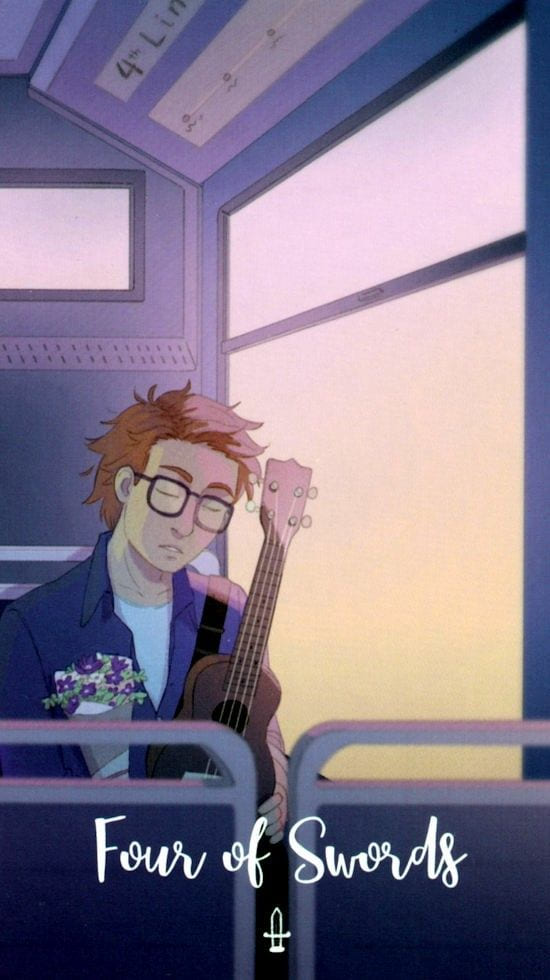
The Four of Swords signifies the necessity of rest, reflection, and recuperation. It symbolizes a period of healing from heartbreak or fatigue, advising against making significant decisions during this time. A good rest is recommended as a means to clear the mind and consider the next steps more thoughtfully.
Five of Swords

The Five of Swords represents a situation marked by conflict and competition where the outcome leaves no one truly satisfied. It suggests that victories achieved by disregarding the feelings or well-being of others can lead to strained or severed relationships. The card advises caution in actions and words, highlighting the importance of choosing battles wisely to maintain valuable connections.
Six of Swords

The Six of Swords symbolizes a necessary and sometimes painful transition from a challenging situation to potential new beginnings. It reflects the movement away from past troubles towards unknown but possibly happier circumstances. It also emphasizes the importance of letting go of past baggage and embracing change with hope.
Seven of Swords

The Seven of Swords symbolizes the presence of deceit, trickery, and the need for caution. It suggests that either you or someone around you harbors malicious intentions, often involving betrayal or subterfuge. The card serves as a warning to stay vigilant and be aware of the actions of others, possibly indicating the presence of a deceitful individual in your life.
Eight of Swords

The Eight of Swords symbolizes feeling trapped or imprisoned by one's own thoughts and insecurities. It indicates a situation where every decision seems to lead to a dead end, highlighting the influence of anxiety and self-doubt. However, it also suggests that this captivity is an illusion that can be overcome by removing the blindfold of fear and seeing life from a clearer perspective.
Nine of Swords

The Nine of Swords symbolizes overwhelming anxiety, fear, and distress. It represents a point where negative emotions and mental turmoil peak, leading to a state of panic or a panic attack. The card advises finding relief by breaking away from confining situations, suggesting the therapeutic value of going outside and seeking solace in nature.
Ten of Swords

The Ten of Swords represents a point of significant pain and betrayal that feels insurmountable, leading to a feeling of being completely defeated and broken. It symbolizes the culmination of negative thoughts or actions that have been building up, finally reaching a breaking point. However, it also implies that this low point can lead to a sense of numbness to the pain and eventually becoming immune to it, suggesting a potential for recovery and moving past the hurt.
Page of Swords

The Page of Swords represents a messenger of truth, constantly in search of clarity and direction. This card symbolizes an open-minded and critical thinker, yet someone who can be opinionated and compulsive. It emphasizes curiosity, intelligence, and the ability to engage in meaningful conversations and debates. The Page of Swords is innovative, able to think outside the box, and dedicated to mastering her skills, particularly symbolized through her ice skating.
Knight of Swords

The Knight of Swords symbolizes racing thoughts and impulsive decision-making, often leading to reckless and risky behaviors. Known for being sharp-witted yet brusque, this card represents a figure who charges headfirst into situations without thorough consideration, which can lead to trouble or conflicts from poorly thought-out actions. The card urges careful thought and the consideration of consequences before taking action.
Queen of Swords

The Queen of Swords symbolizes truth, justice, and a sharp wit. She advocates for honesty and utilizes her intellect to navigate through challenges, always standing up against injustice. Her knack for spotting dishonesty makes her selective in her battles, but fiercely protective of those she chooses to defend. This card encourages clarity of thought and expression, calling for intellectual examination rather than emotional reaction.
King of Swords

The King of Swords represents an authoritative figure who values logic and order above all. He is seen as someone who is intellectually driven, innovative, and tactical, yet can appear aloof and serious. This card suggests mastery over logical thinking and the importance of maintaining trust and respect in leadership. The King of Swords signifies a person who uses their intellect and authority to protect and serve the community effectively.
Pentacles
Ace of Pentacles

The Ace of Pentacles is a symbol of a new financial opportunity that can lead to career advancement and security. It suggests that one's efforts and investments could significantly pay off, potentially through a company bonus, investor support, or even unexpected winnings. The card advises wise spending and investment to potentially double one's finances, emphasizing the importance of making the most out of the seed money received.
Two of Pentacles
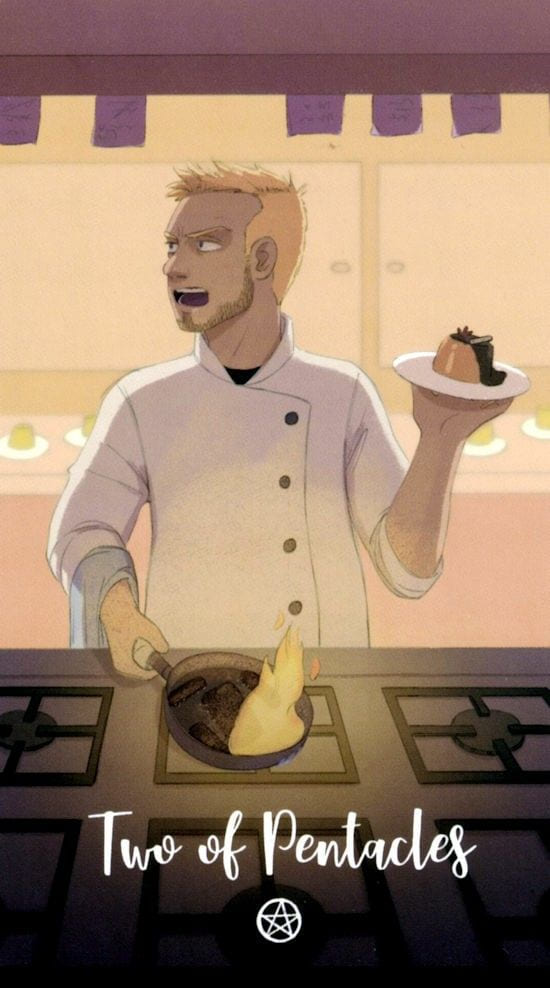
The Two of Pentacles represents a period of juggling finances and responsibilities, indicating a time of busy and stressful energy. It suggests that taking on multiple tasks or jobs might seem manageable at first, but the sustainability of such efforts is questionable. The card advises recognizing one's limits and considering the long-term implications of overcommitting.
Three of Pentacles

The Three of Pentacles represents collaboration, teamwork, and the importance of combining skills for success. It suggests that one's efforts are amplified with the help of others and highlights the need to work with specialists to achieve the best results. It also emphasizes that success comes from the collective effort rather than individual endeavors.
Four of Pentacles

The Four of Pentacles suggests caution in financial matters, emphasizing the importance of saving, budgeting, and being mindful of expenditures. It indicates a period where money may feel scarce, requiring a careful evaluation of finances, potentially pointing to a need to cut back on costs or, conversely, a realization that one can afford to spend a little.
Five of Pentacles

The Five of Pentacles points to a period of hardship, financial loss, and isolation. It suggests the downfall from a comfortable lifestyle due to various unexpected events such as accidents or disagreements, leading to a state of financial instability. The card advises the need for creativity and persistence to overcome this difficult time, despite the lack of support from others.
Six of Pentacles

The Six of Pentacles represents the act of giving and receiving aid. After the struggles seen in the Five of Pentacles, this card signifies that help is on its way, potentially from various sources like friends, banks, or charities. In its reversed position, it suggests that others may be seeking your assistance, indicating a situation where helping could be risky, but also emphasizing that good deeds often get reciprocated.
Seven of Pentacles

The Seven of Pentacles symbolizes a period of reflection and assessment after hard work. It represents the moment of looking back on one's efforts and achievements, evaluating their worth and considering the direction forward. It suggests that if the outcomes are not as expected, it might be time to explore new paths.
Eight of Pentacles

The Eight of Pentacles symbolizes dedication to perfecting a craft or skill, especially when one is passionate about their career or hobby. It emphasizes the importance of continuous improvement, raising one’s abilities to a higher value in a competitive society. This card encourages surpassing expectations through hard work and dedication.
Nine of Pentacles

The Nine of Pentacles represents comfort and independence in one's career and lifestyle. It signifies a time when one has accumulated enough savings to indulge in personal luxuries, such as a new wardrobe or a relaxing day at the spa. It emphasizes the importance of taking personal time to enjoy and maximize resources, reminding us that life isn't solely about work but also about enjoyment and self-sufficiency.
Ten of Pentacles

The Ten of Pentacles signifies reaching a peak in career and financial success, allowing one to provide for their family and celebrate with friends. It represents the rewards of hard work, investment, and patience, emphasizing the importance of acknowledging those who have supported one's journey.
Page of Pentacles

The Page of Pentacles symbolizes the initial stages of pursuing a passion, particularly in relation to art and business. It highlights the importance of thriftiness, resilience, and the ability to make the most out of every opportunity. Despite the possibility of facing challenges, the card encourages investing in oneself and the pursuit of uniqueness in a competitive environment. Through dedication and learning from both successes and mistakes, one finds their market and begins a promising career.
Knight of Pentacles

The Knight of Pentacles symbolizes steady progress towards goals, embodying dedication, meticulous planning, and a disciplined approach to achieving success. With a focus on perfection of skills through rigorous practice and repetition, this card suggests the importance of patience, strategy, and steadfast commitment. It represents someone who is detail-oriented and methodical, willing to take the time needed to ensure success, even if progress is slow.
Queen of Pentacles

The Queen of Pentacles embodies independence, financial acumen, and a luxurious lifestyle. She transitioned from a sheltered life to self-made success, learning the importance of financial independence and business acumen along the way. Her journey teaches the value of hard work, family loyalty, and generosity towards employees and charities. She represents material success and the sharing of wealth, while cautioning against materialism.
King of Pentacles

The King of Pentacles represents financial stability, philanthropy, and a knack for investing and marketing. Born into luxury and pressured into a business path, he forged his own way to success, desiring to pursue acting and becoming a self-made success story. His financial acumen allows him to support his family generously, yet he emphasizes their need for independence and responsible living. The card celebrates his success and outlines his character as financially savvy, generous, but also strict.
Reading Tips for the Cosmic Cycles Tarot
Martina Razo designed this deck to bridge two of the oldest divinatory systems in the world, and the rewards come to those who engage with both layers.
Start with what you know. If you are a tarot reader first, read the cards as you normally would — the traditional meanings are fully present. Let the astrological correspondences add texture gradually rather than overwhelming your initial impressions. If you are an astrologer first, use the planetary and zodiac associations as entry points and let the narrative imagery of the cards expand your interpretation.
Notice the celestial details. The cosmic imagery in this deck is not decorative — it is informational. Planetary symbols, zodiac glyphs, and celestial bodies woven into the art connect each card to specific astrological energies. Over time, these details will deepen your readings by adding layers of timing and cosmic influence.
Let the cycles speak. The deck’s name is its philosophy. Life moves in cycles — lunar, solar, seasonal, planetary. When you draw cards from the Cosmic Cycles Tarot, consider where you are in your own cycles. Are you in a beginning phase or an ending? Waxing or waning? The deck responds beautifully to readers who frame their questions in terms of natural rhythms.
Trust the art. Miriam E.G.’s illustrations reward contemplation. Before jumping to keywords, sit with the image. Notice the colors, the celestial bodies, the posture of each figure. The visual language of this deck often communicates nuances that words alone cannot capture.
Explore the Cosmic Cycles Tarot in Elvi
Want to experience the Cosmic Cycles Tarot in a live reading? Elvi, our AI tarot companion, offers AI-powered readings with this stunning deck and many others. Pull cards, explore spreads, and let the celestial wisdom of the Cosmic Cycles Tarot guide your journey — anytime, anywhere, right from your phone.
Frequently Asked Questions
How many cards are in the Cosmic Cycles Tarot?
The Cosmic Cycles Tarot contains 78 cards: 22 Major Arcana and 56 Minor Arcana. Each card integrates astrological symbolism with traditional tarot meanings.
Who created the Cosmic Cycles Tarot?
The deck was created by Martina Razo with celestial artwork by Miriam E.G. Published by Hay House. It bridges astrology and tarot in a visually stunning way.
Do I need to know astrology to use this deck?
No. The deck works perfectly as a standard tarot deck. But if you know astrology, the planetary and zodiac correspondences on each card add an extra layer of depth to your readings.
What makes this deck different from other tarot decks?
Its deep integration of astrological symbolism. Each card carries zodiac signs, planetary rulers, and celestial imagery that connect tarot archetypes to cosmic cycles and celestial timing.