Deviant Moon Tarot: All 78 Card Meanings Explained
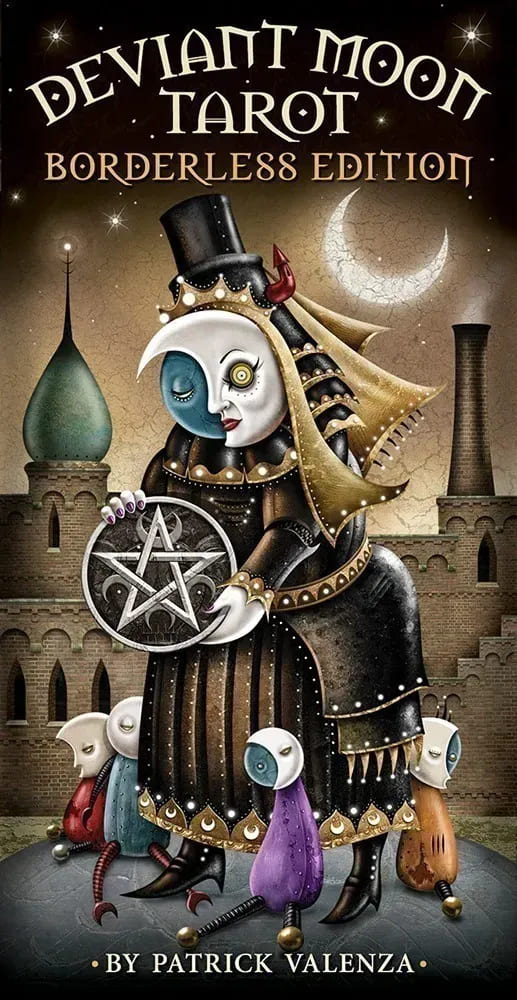
The Deviant Moon Tarot by Patrick Valenza is a deck that crawled out of a fever dream and refused to leave. Its figures wear crescent moon faces on elongated, puppet-like bodies. Behind them, photographs of real abandoned buildings — psychiatric hospitals, crumbling factories, weathered cathedrals — merge with hand-painted surrealist landscapes to create a world that feels like walking through someone else’s nightmare, beautiful and unsettling in equal measure.
This is not a deck that holds your hand. It pulls you into shadow, into the parts of yourself that only emerge at night. Every card in the Deviant Moon Tarot hums with lunar energy, grotesque beauty, and the kind of truth that can only be spoken in the dark. If you’ve been drawn to this deck, you already know why.
This guide covers the meaning of every single card — all 22 Major Arcana and 56 Minor Arcana — through the surreal, gothic lens that makes this deck unforgettable.
How the Deck Is Organized
The Deviant Moon Tarot follows the standard 78-card structure:
- Major Arcana (0–XXI): 22 cards tracing the Fool’s Journey through a moonlit, surreal underworld
- Wands: Fire energy — passion, ambition, creativity, distorted through angular industrial landscapes
- Cups: Water energy — emotions, relationships, intuition, flowing through nocturnal dreamscapes
- Swords: Air energy — thought, conflict, truth, cutting through fog and delusion
- Pentacles: Earth energy — money, work, material reality, grounded amid architectural decay
Patrick Valenza follows the Rider-Waite-Smith tradition in structure, so any standard tarot reference works alongside this deck. But the imagery is entirely his own — a collage of real-world ruins, hand-drawn grotesques, and a pervasive lunar atmosphere that transforms familiar archetypes into something alien and deeply personal.
Major Arcana
The Fool

The Fool symbolizes the beginning of a journey with a blend of innocence, naivety, and a fearless approach to life. In its upright position, it represents the potential and courage to take action without overthinking, embodying a carefree and adventurous spirit. When reversed, it suggests hesitation, uncertainty, and missed or poorly chosen opportunities.
The Magician
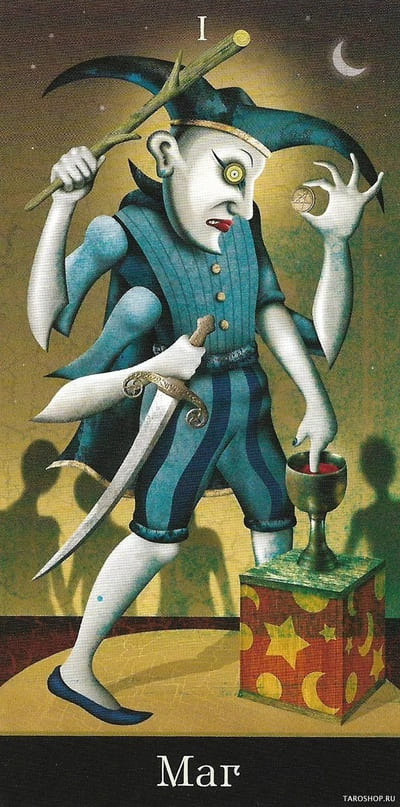
The Magician symbolizes immense talent and mastery, representing the use of creative potential and the exploration of one's abilities. It emphasizes the importance of skilled hands and extraordinary talent. In its reversed position, it warns of misusing talents or intentions, showing a lack of imagination, confusion, and an inability to learn new skills.
The High Priestess

The High Priestess sits over the city as a winged guardian, protecting her knowledge, attainable only through life's challenges. Upright, she symbolizes supreme knowledge, intuition, and wisdom beyond years, embodying mastery and learnedness. Reversed, she represents indifference, concealment of true feelings, and a lack of insight.
The Empress

The Empress tarot card symbolizes femininity, fertility, and motherhood. She is depicted as a strong female figure, sitting on a throne in her garden, holding a flower that originates from her body, embodying her connection with nature and her status as a Goddess of fertility. The upright position of The Empress signifies fertility, motherhood, and a strong female presence. In contrast, the reversed position suggests infertility, marital infidelity, and domestic discord.
The Emperor

The Emperor tarot card symbolizes strong leadership, ambition, and the quest for new conquests. Upright, it represents a powerful masculine figure characterized by leadership skills, ambition, and dignity. In contrast, when reversed, it suggests incompetence, weakness, and indecision, indicating a lack of the strong leadership qualities associated with the Emperor.
The Hierophant
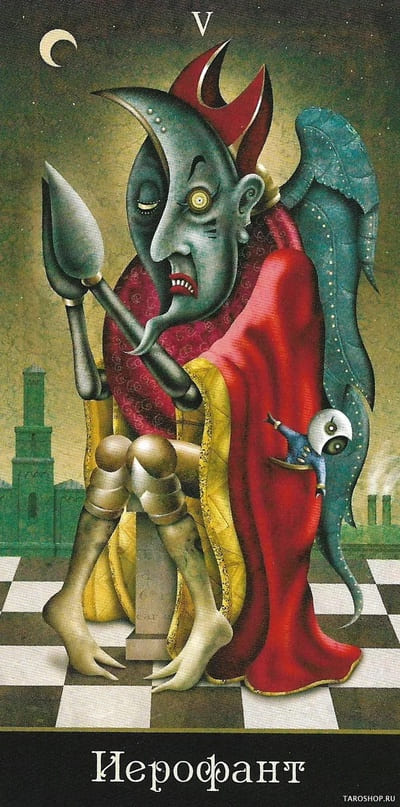
The Hierophant signifies more than spirituality; it suggests that religion dominates people similar to how the Hierophant keeps a puppet in his pocket. Upright, it means divine inspiration, mercy, conformity, and control over spiritual needs. In reversed position, it translates to unconventional ways, impotence, and bad advice.
The Lovers

The Lovers tarot card symbolizes deep love, passion, and harmony in its upright position, reflecting a powerful bond and alignment between two people. Conversely, when reversed, it signifies separation, conflict, and discord, suggesting challenges in relationships that lead to disconnection and parting.
The Chariot

The Chariot symbolizes the journey into the unknown, armed with resilience and experiences from overcoming difficulties. Upright, it signifies readiness for adventure and exploration. Reversed, it indicates failed plans and insufficient strategies.
Strength

The Justice card reflects the search for balance, fairness, and truth, both in oneself and the external environment. It underscores the presence of strong character, honesty, and sincerity in its upright position. Conversely, when reversed, it signifies the existence of bias, prejudices, and conflicts arising out of unfairness or corruption.
The Hermit

The Hermit represents withdrawal from the world into solitude, a meaningful quest for internal understanding and hidden knowledge. Despite the physical solitude, it symbolizes that we are never completely alone as we cannot escape from ourselves. When upright, it emphasizes solitude, exile, and the search for secretive knowledge. In its reversed position, it suggests reintegration into society, becoming more social, and sharing information.
Wheel of Fortune

The Wheel of Fortune signifies a pivotal change or events that are out of our control. In its upright position, it represents fate, destiny, fortune, and unexpected events. When reversed, it signifies an unexpected outcome or misfortune.
Justice

The Strength card signifies incredible personal power and the capability to tame wild aspects of our nature. Upright, it suggests strength, power, and endurance. Reversed, it warns of defeat and surrender. The card indicates a journey of careful control and balance to ensure that what is tamed doesn't ultimately overpower the tamer.
The Hanged Man

The Hanged Man tarot card symbolizes a period of indecision, missed opportunities, and the need to let go in order to move forward. When upright, it suggests a time of waiting and allowing time to pass. In reverse, it represents wasted time, insufficient progress, and a feeling of being stuck in life.
Death

The Death card symbolically represents change, metamorphosis, and the conclusion of a cycle. It signifies the inevitable transformation and the natural cycle of birth, death, and rebirth. In its upright position, it points to changes and endings but also to loss. When reversed, it warns of turbulent changes and difficult circumstances.
Temperance

Temperance represents balance, patience, and the harmonious blending of opposites. In its upright position, it signifies patience, balanced flow of energy, and the fruitful merging of differing elements to achieve new results. When reversed, it points to conflict, unsuccessful combinations, discordance, and excess.
The Devil

The Devil card embodies chaos, material enslavement, and the darker aspects of human nature. It represents oppression and the obsession with desires in its upright position. In the reversed position, it indicates unyielding pursuit of material gain, greed, and mind control.
The Tower

The Tower tarot card embodies sudden and catastrophic changes. Upright, it represents heavy or sudden changes, loss, accidents, upheaval, downfall, and traumatic events. Reversed, it symbolizes the inability to break free from a negative cycle, redundancy, and possibly termination of employment.
The Star

The Star tarot card symbolizes hope, inspiration, and spiritual clarity. It depicts a figure pouring water, surrounded by seven stars which bring hope to the land. Upright, it signifies renewed faith, good fortune, and fulfillment of life’s pleasures. In reverse, it highlights self-doubt, stale creativity, and a lack of inspiration.
The Moon

The Moon tarot card symbolizes the powerful influence it casts over the city, manipulating minds as if they were marionettes. Upright, it signifies brainwashing, dark influences, deception, illusion, and subconscious control. Reversed, it hints at avoiding reality, peculiar forces, incorrect thoughts, hallucinations, lies, and despair.
The Sun

The Sun tarot card symbolizes unity, successful social relationships, joy, and happiness. In its upright position, it signifies friendship, engagements, and joyful times. When reversed, it indicates loneliness, unstable relationships, separation, and parting.
Judgement

The Judgement card symbolizes rebirth, a call to a new life or purpose, summoned by the divine. It prompts reflection, evaluation, and absolution from past actions, indicated by bodies rising from their graves at the angel's call. Upright, it denotes new beginnings, awakening, and reliance on others’ actions. Reversed, it represents fear of death, guilt, delays, and regret.
The World

The World symbolizes the completion of a journey or cycle, marking a triumphant victory hard won and the successful overcoming of hardships. It represents a young mermaid who has traveled the world, changed by her experiences, surrounded by a snake forming a circle by eating its tail, and the animals she encountered on her path. In reverse, it signifies unfinished projects, failed attempts, disappointment, and collapse.
Wands
Ace of Wands
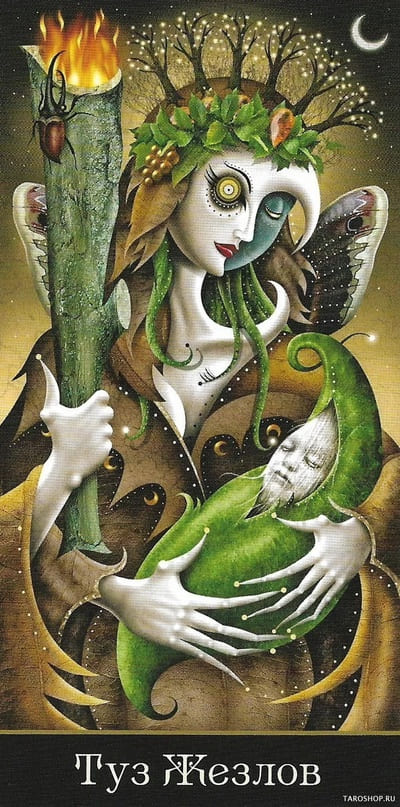
The Ace of Wands symbolizes the beginning of all good things, embodying creation, passionate love, birth, and a new life full of potential. It suggests the imminent onset of a fruitful period. However, in its reversed position, it warns of indifference, energy loss, passivity, and delays in plans or travels.
Two of Wands

The 2 of Wands symbolizes the pioneering use of energy towards a single goal, illustrating the initial steps in a creative or collaborative endeavor. Upright, it represents creative energy use, idea collection, and focused effort on a unified goal. Inverted, it signifies a lack of creativity, scattered focus, and separation.
Three of Wands

The Three of Wands symbolizes the anticipation and patience in awaiting the fruits of one's labor. It embodies the journey and effort put into nurturing and cultivating new life or ideas, highlighted by the imagery of a pregnant woman waiting for the wands to bloom under the moon's nurturing glow. Upright, it represents a period of reflection on past efforts and hopeful expectation for reward. In reverse, it signifies a lack of focus, poor guidance received, and mistakes made.
Four of Wands

The Four of Wands tarot card symbolizes stability, strong foundations, and the joy of starting a new home or phase in life. It speaks to the importance of having a solid foundation to build upon, especially in relationships and domestic life. When reversed, it suggests instability, an unstable partnership, or the end of a relationship.
Five of Wands

The Five of Wands symbolizes conflict, competition, and struggle arising from differing viewpoints. Upright, it indicates confrontations, legal troubles, and disputes with neighbors. Reversed, it suggests resolving conflicts through negotiation, using differences to one's advantage, and reaching agreements.
Six of Wands

The Six of Wands symbolizes grand changes, a victory, and the appearance of a new champion bathed in moonlight, bringing fortune to all present. In its upright position, it represents positive transformations, improvements, and success. In its reversed position, it indicates delays, unsatisfactory outcomes, futile efforts, and an inability to adapt.
Seven of Wands

The Seven of Wands symbolizes overcoming challenges and emerging victorious in conflicts, representing endurance, resilience, and the capacity to overcome obstacles. The card suggests a victory in struggles, signifying triumph in competitions and the resolution of disagreements. Conversely, when reversed, it indicates self-doubt, loss, and a lack of faith in one's abilities, hinting at unresolved conflicts and the presence of significant challenges.
Eight of Wands

The Eight of Wands embodies swift action, hasty decisions, and important news when upright. When reversed, it represents stagnation, jealousy, envy, and sorrow within the household.
Nine of Wands

The Nine of Wands symbolizes resilience, pause for reflection amid strife, and the light of hope and perseverance igniting within. It represents a moment of contemplation during a challenging time, emphasizing the importance of willpower and the desire to continue fighting. In reverse, it suggests surrender, insurmountable circumstances, and a lack of motivation or willpower.
Ten of Wands

The 10 of Wands symbolizes the burdens and responsibilities one carries after a period of hard work. While it indicates a sense of oppression and immense stress, it also suggests the individual's ability to bear the heavy load. Conversely, when reversed, it represents loss, instability, inability to maintain balance, and actions that are treacherous or deceitful.
Page of Wands

The Page of Wands indicates a phase of creative thinking, genius, and inventiveness when upright. In contrast, it reflects poor judgment, indecisiveness, and folly when reversed. This card symbolizes approaching life's challenges with youthful optimism and energy, despite the potential dangers involved.
Knight of Wands

The Knight of Wands symbolizes boldness and readiness to face difficulties head-on, but also warns of the potential conflicts caused by impulsiveness and hasty decisions. Upright, it suggests impulsive behavior, rash decisions, and unexpected journeys. Reversed, it indicates unforeseen disruption, sudden changes of plans, and various delays or interruptions.
Queen of Wands

The Queen of Wands epitomizes confidence, allure, and an indefatigable spirit, attracting admiration from all she meets. Upright, she represents an appealing and persistent woman, sincere and self-assured. In reverse, she symbolizes vengeance, infidelity, and a vindictive nature.
King of Wands

The King of Wands represents a guiding figure who leads with wisdom and compassion, inspiring others through his actions. Upright, this card symbolizes a fatherly figure, a loving and married man, and a wise leader. When reversed, it indicates a harsh, stern nature, lacking in compassion, intolerant, and can represent a strict and cruel parent.
Cups
Ace of Cups

The Ace of Cups symbolizes immense pleasure, fullness of spirit, and beautiful life situations when upright. This card suggests sharp and unhappy changes, loss of love, and stagnation when reversed. Its imagery of an angel lovingly rocking a golden cup embodies a warm spirit that revitalizes the cup's contents, inviting the moon to partake in its potion.
Two of Cups

The Two of Cups signifies the formation of a new, harmonious partnership symbolized by two lovers raising their cups to celebrate their union. In its upright position, it speaks of love, harmonious partnership, and unification. When reversed, it warns of insincere love, broken relationships, and conflicting interests.
Three of Cups

The Three of Cups represents the joy of overcoming adversity through mutual support and celebration. It signifies victory over challenges and the importance of cherishing moments of happiness. In its upright position, it highlights problem-solving, celebration of victory, and joy. In the reversed position, it indicates illness and loss of life's pleasures.
Four of Cups

The Four of Cups symbolizes discontentment and apathy despite success, highlighting a sense of dissatisfaction with one's life and its gifts. In its upright position, it indicates unhappiness, apathy, and disappointment. When reversed, it brings a fresh perspective, with new hopes and dreams rekindling interest in life.
Five of Cups

The 5 of Cups symbolizes imperfection and disappointment in relationships, often portraying regret and loss. Yet, it also holds a message of hope as two cups remain upright, suggesting that love and reconciliation are possible despite the challenges. In its reversed position, it signifies the renewal of relationships and rekindling of old bonds.
Six of Cups

The Six of Cups symbolizes childhood memories and nostalgia, representing a longing for the past and the warmth of positive recollections. It also points towards the materialization of memories. When inverted, it shifts focus towards the future, hinting at upcoming events and situations.
Seven of Cups

The Seven of Cups symbolizes imagination, dreams, and the allure of fantasies when upright. In contrast, its reversed position suggests the importance of setting realistic goals, seeking undeniable facts, and trusting only in what can be seen.
Eight of Cups

The 8 of Cups symbolizes a period of transition where one decides to leave behind outdated scenarios and paths, aspiring for a more fulfilling future. When upright, it suggests changing plans, ending attempts, avoiding old methods, and seeking improvement. In the reversed position, it denotes clear insight, risk, and persistence.
Nine of Cups

The Nine of Cups symbolizes material success, wishes coming true, and overall well-being in its upright position, whereas when reversed, it indicates financial difficulties, imperfection, and vanity.
Ten of Cups

The Ten of Cups symbolizes joyous reunions, domestic bliss, and family devotion within a loving and peaceful environment. The image of a family embracing a wounded soldier returning home under ten cups raised above the full moon highlights the themes of celebration and unity. Conversely, when reversed, it indicates family disputes, ended relationships, and a break from routine, suggesting a temporary disruption in harmony.
Page of Cups

The Page of Cups symbolizes a thoughtful or dreamy personality characterized by compassion and gratitude. This card embodies the spirit of assistance and the rewards it brings, like the pearl given in gratitude by the fish. In its reverse, it cautions against selfishness, deceit, or laziness, emphasizing the darker aspects of an otherwise nurturing character.
Knight of Cups

The Knight of Cups represents hope and the quest that changes both the seeker's body and soul. In the upright position, it symbolizes the birth of ideas, romantic tendencies, and the introduction of new opportunities. The reversed position indicates a rapid escape, deceit, and a duplicitous nature.
Queen of Cups

The Queen of Cups symbolizes kindness, caring, and devotion. She is a figure of rich imagination and leadership. When reversed, the card suggests unreliability, indecisiveness, and deceit.
King of Cups
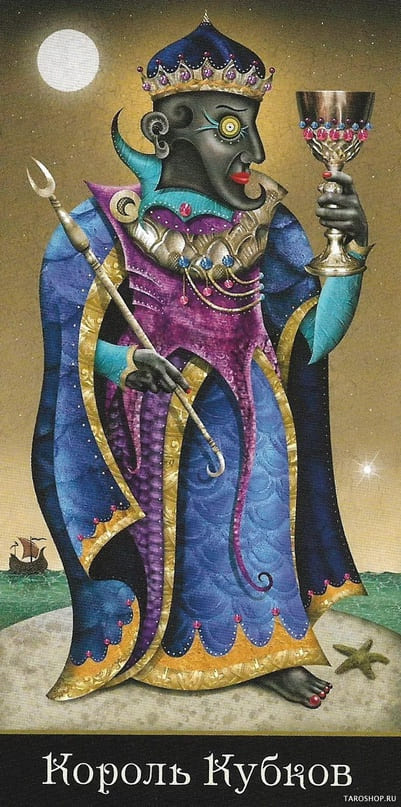
The King of Cups represents insightful leadership, benefiting from intuition and creative potential. The card signifies artistry, innovative leadership, and open-mindedness in its upright position. In reverse, it suggests dishonesty, lack of creativity, and a difficult personality.
Swords
Ace of Swords
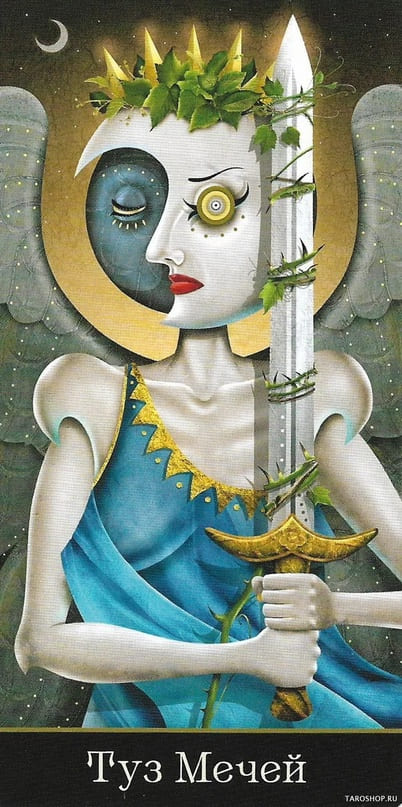
The Ace of Swords symbolizes the triumph that comes from inner strength and resilience in the face of adversity. It suggests power, victory, and determination in upright position, while cautioning against misuse of power, tyranny, and destruction when reversed.
Two of Swords

The Two of Swords symbolizes a stalemate, an impasse where two forces of equal strength and skill find themselves unable to proceed or retreat, resulting in a temporary rest before the final confrontation. It underscores the need for balance and perhaps a moment of truce before decisive action. In its reversed position, it suggests the presence of deceit or betrayal.
Three of Swords

The Three of Swords symbolizes heartbreak, betrayal, and the pain associated with loss and separation. Upright, it represents disappointment, breakup, and turbulent relationships, along with a longing for a missing love. When reversed, it indicates extreme sadness, the loss of a loved one, and emotional suffering.
Four of Swords
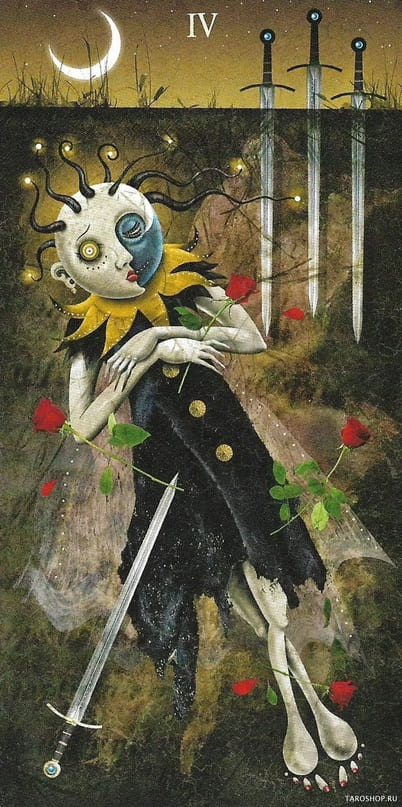
The Four of Swords symbolizes a period of rest, withdrawal, and contemplation, as depicted by a dreaming girl whose visions keep four roses blooming, while three swords mark the place of her rest, and a fourth lies buried by her side. In its upright position, it suggests the need for refuge, retreat, and turning inward, often signifying recovery and temporary exile from everyday affairs. Reversed, it indicates emerging from seclusion with renewed energy, returning to everyday life, and engaging actively with the world.
Five of Swords

The Five of Swords symbolizes dishonest victory, unethical tactics, and taking pleasure in others' sufferings. It depicts a foreign soldier who disrespects the king and humiliates him with his tactics, suggesting that some battles are unwinnable and not worth fighting. The reverse position indicates the exposure of a false friend and a reduced likelihood of defeat.
Six of Swords

The Six of Swords symbolizes a journey from turmoil to peace, suggesting a phase of transition and moving beyond hardships. Upright, it represents a journey from bad to good, finding solace after challenges. Reversed, it indicates being stuck in difficulty, unable to move away from adversity.
Seven of Swords

The Seven of Swords symbolizes ill-conceived endeavors and the futility of certain actions, represented by a harlequin attempting a dangerous trick with swords. In an upright position, it signifies failure, weak attempts, and careless planning. Reversed, it suggests well-thought-out plans and useful advice.
Eight of Swords

The Eight of Swords symbolizes a state of being trapped or restricted, under the influence of external forces or self-imposed limitations. In its upright position, it indicates bondage, being under control, and restrictions. When reversed, it signifies freedom, the ability to think independently, and liberation from previous constraints.
Nine of Swords

The Nine of Swords symbolizes anxiety, worry, nightmares, and the inability to find peace or sleep. In its upright position, it represents stress, unhappiness, and despair. However, when reversed, it suggests an improvement in health and a more optimistic outlook.
Ten of Swords

The 10 of Swords symbolizes a grim situation reaching its nadir, often indicating betrayal, loss, or an ultimate low point. In its upright position, it suggests absolute ruin, deep sorrow, and a state of physical and mental turmoil. The reversed position, however, hints at a situation beginning to improve, slight relief from difficulties, or a pause in adversity.
Page of Swords

The Page of Swords represents a young, insightful, and intuitive individual who is susceptible to uncovering hidden truths and secrets. Although often underestimated due to youth, this card signifies sharp intellect and the role of a secret keeper. In the reversed position, it warns of deceit, dishonesty, and false friendship.
Knight of Swords

The Knight of Swords embodies bravery and a readiness for adventure, but also warns of potential recklessness. Upright, the card signifies a courageous yet impulsive individual, quick to act and respond, though sometimes lacking tact. In the reversed position, it indicates a bully, hooligan, or someone prone to impulsive and quarrelsome behavior.
Queen of Swords

The Queen of Swords symbolizes loneliness, sadness, and the burdens that come with power. In its upright position, it suggests a state of solitude, anxiety, and sorrow, often representing someone bearing heavy responsibilities. Reversed, it signifies cruelty, deceit, and malicious character.
King of Swords

The King of Swords represents a figure of authority who employs the power of will and intellect to lead. Directly, it indicates leadership, control, and logical judgment, emphasizing the use of intellect over emotions. When reversed, it signifies brutality, unfair judgment, and selfishness, warning against the misuse of power and intellect.
Pentacles
Ace of Pentacles

The Ace of Pentacles represents the convergence of material wealth and spiritual harmony, embodied by the image of a dragon holding a mystical pentacle. It signifies perfection, balance, prosperity, and ambition in its upright position, whereas, in the reversed position, it warns of false happiness, sadness despite wealth, and the squandering of resources.
Two of Pentacles
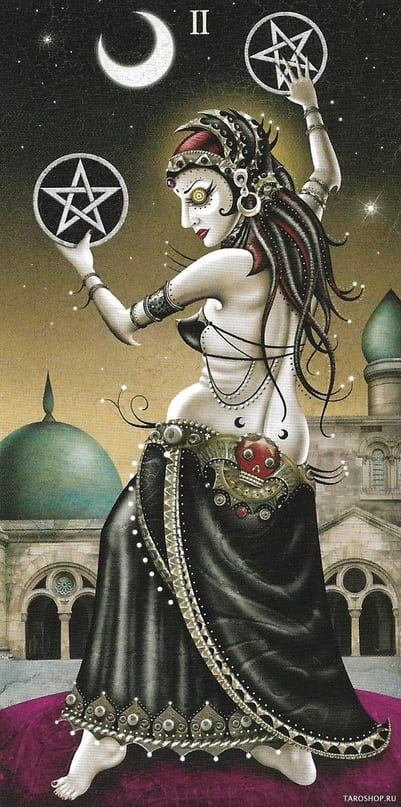
The Two of Pentacles symbolizes the delicate balance between different aspects of one's life, achieved through hard work and focus. It emphasizes the ability to juggle multiple tasks simultaneously, while pointing out the risk of losing balance and priorities when reversed.
Three of Pentacles

The Three of Pentacles symbolizes artistry, teamwork in a creative environment, and the harnessing of individual skills for a common goal. Upright, it emphasizes collaboration, art, and expertise. Reversed, it indicates mediocrity, ordinariness, and a lack of skill or professionalism.
Four of Pentacles

The Four of Pentacles symbolizes an extreme reluctance to let go of material possessions and wealth, often to the detriment of one's personal well-being or spiritual health. It suggests a preoccupation with material gain and security, possibly indicating greed or miserliness. The reversed position hints at financial delays and difficulties in business endeavors.
Five of Pentacles

The Five of Pentacles represents material hardship, lack of a home, and feeling lost or without support. It highlights a situation of poverty or a state of being a lost soul. Conversely, when reversed, it suggests better times ahead, new employment opportunities, and promising prospects.
Six of Pentacles

The Six of Pentacles signifies compassion and generosity, especially in a material or financial context. It emphasizes sharing wealth and the act of giving, reflecting a sincere burst of generosity. In its reversed position, it warns against hidden reserves, selfishness, and missed business opportunities.
Seven of Pentacles

The Seven of Pentacles symbolizes skill development, evaluation of progress, and growth of abilities. In its upright position, it represents a moment of pause to reflect on achievements and the blossoming of skills. When reversed, it indicates impatience, self-doubt, and minimal progress.
Eight of Pentacles

The Eight of Pentacles symbolizes dedication, attention to detail, and the pursuit of excellence in one's craft or work. It represents hard work and the pride that comes from mastering a skill. When reversed, it warns against negligence, laziness, and a lack of attention to detail.
Nine of Pentacles

The 9 of Pentacles symbolizes material wealth, independence, and a luxurious lifestyle represented by a wealthy woman walking through city streets with her pet. Upright, it indicates financial success and independence, along with a love for animals. Reversed, it hints at financial struggles, loss of property, and potential theft.
Ten of Pentacles

The 10 of Pentacles symbolizes the importance of family values and traditions, heritage, and a rich and prosperous home. It encourages sharing knowledge and wisdom within the family. In its reversed position, it warns against misfortune in family matters, potential loss of money, or home.
Page of Pentacles

The Page of Pentacles symbolizes a student or someone who is eager to learn, possessing a curious mind and appreciating the value of discoveries. However, in the reversed position, it represents someone resistant to new ideas, conservative, rebellious, and close-minded.
Knight of Pentacles

The Knight of Pentacles represents a figure of persistence, methodical efforts, and adherence to traditions. This card suggests a life of monotonous reliability, highlighting roles that are executed with consistent dedication. In its upright position, it embodies persistence, meticulousness, worldly concerns, and the support of traditions and rituals. Conversely, when reversed, it points to irresponsibility, a lack of motivation, contradiction, and inconsistency.
Queen of Pentacles

The Queen of Pentacles embodies a life of luxury and benevolence but lacks a connection with the needs of her people. She demonstrates misplaced generosity, believing that her acts of luxury will somehow benefit society. Upright, this card signifies luxury, benevolence, and philanthropy. Reversed, it indicates material dependency, unreliability, and weak social security.
King of Pentacles

The King of Pentacles is a symbol of material prosperity and financial expertise. This card represents a skilled merchant and investor, focused on material wealth rather than spiritual enlightenment. Upright, it signifies business acumen, wise investment, and proficiency in mathematics and finances. Reversed, it warns of deceit, fraud, and corruption.
Tips for Reading with the Deviant Moon Tarot
Let the Imagery Disturb You
This deck is not trying to make you comfortable. When a card unsettles you, pay attention — that discomfort is the message. The Deviant Moon speaks through atmosphere, and the images that haunt you longest often hold the deepest truths.
Use It for Shadow Work
The Deviant Moon Tarot was practically designed for exploring the unconscious. Use it for shadow work spreads, dream interpretation, and questions about hidden fears or repressed desires. This deck illuminates what you have been avoiding.
Study the Backgrounds
Valenza incorporated photographs of real abandoned buildings into every card. The crumbling walls, industrial ruins, and decaying architecture are not just decoration — they represent the structures in your life that are falling apart or being rebuilt. Notice what is collapsing and what still stands.
Read by Moonlight (Metaphorically)
This deck reads best when you approach it with your intuition fully engaged. Logic alone will not decode the Deviant Moon — you need to feel the cards as much as interpret them. Trust the first image that catches your eye and the first emotion that surfaces.
Explore the Deviant Moon Tarot in Elvi
You can read with the complete Deviant Moon Tarot inside the Elvi Tarot app. Every card comes with detailed meanings and personalized AI interpretations tailored to your specific question. Whether you are pulling a daily card, exploring a Celtic Cross, or diving into a shadow work spread, Elvi walks you through each card’s energy with context that is unique to your reading.
Try your first reading now — open the Elvi Tarot app and choose the Deviant Moon Tarot as your deck.
Frequently Asked Questions
How many cards are in the Deviant Moon Tarot?
The Deviant Moon Tarot contains 78 cards: 22 Major Arcana and 56 Minor Arcana across four suits — Wands, Cups, Swords, and Pentacles.
What makes the Deviant Moon Tarot unique?
Created by Patrick Valenza, this deck combines photographs of real abandoned buildings and architectural ruins with hand-drawn surrealist figures. The distinctive crescent moon faces, elongated bodies, and dreamlike landscapes create an atmosphere unlike any other tarot deck.
Is the Deviant Moon Tarot good for beginners?
The deck follows RWS structure, so standard meanings apply. However, its surreal imagery can feel intense for some beginners. It's best for readers who are drawn to shadow work, dream interpretation, or gothic aesthetics — and who enjoy decoding symbolic art.
Does the Deviant Moon Tarot follow Rider-Waite-Smith symbolism?
Yes, the deck follows the RWS system with standard numbering. Patrick Valenza reinterpreted each card through a surreal, lunar lens while preserving the underlying symbolism, making it compatible with any standard tarot guide.