Dreamscapes Tarot: All 78 Card Meanings Explained
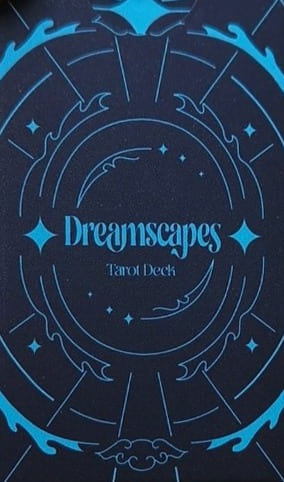
Some tarot decks speak to the rational mind. The Dreamscapes Tarot speaks to the part of you that dreams — the subconscious, the imaginative, the quietly knowing self that surfaces when logic steps aside.
Created by La Muci Design, this 78-card deck reimagines the tarot through a lens of surreal beauty and atmospheric wonder. Every card feels like a window into another world — soft-edged landscapes, luminous skies, figures dissolving into mist and starlight. The artwork doesn’t just illustrate tarot archetypes; it dreams them into being. Traditional symbolism is present, but it arrives wrapped in fog and moonlight, asking you to feel the meaning before you think it.
What makes this deck so compelling for both new and experienced readers is how naturally it bridges intellectual understanding and intuitive response. You can study the Dreamscapes Tarot through the lens of classical tarot meanings, and every card will hold up — but you can also simply sit with a card and let its dreamlike imagery do the work. The visual language of this deck is its own teacher.
How the Deck Is Organized
The Dreamscapes Tarot follows the classic 78-card tarot structure:
- Major Arcana (0–XXI): The 22 cards of life’s great turning points — soul lessons, archetypal energies, and the transformative moments that shape who you become. When a Major Arcana card appears, pay close attention.
- Wands: The suit of fire. Passion, creativity, ambition, and the spark that sets things in motion.
- Cups: The suit of water. Emotions, love, intuition, and the inner world of the heart.
- Swords: The suit of air. Thought, truth, conflict, and the clarity that comes from honest examination.
- Pentacles: The suit of earth. Material reality, work, health, and the patient building of something that lasts.
Each suit runs from Ace through Ten, followed by four court cards — Page, Knight, Queen, and King — for 14 cards per suit and 56 Minor Arcana total.
Major Arcana
The Fool
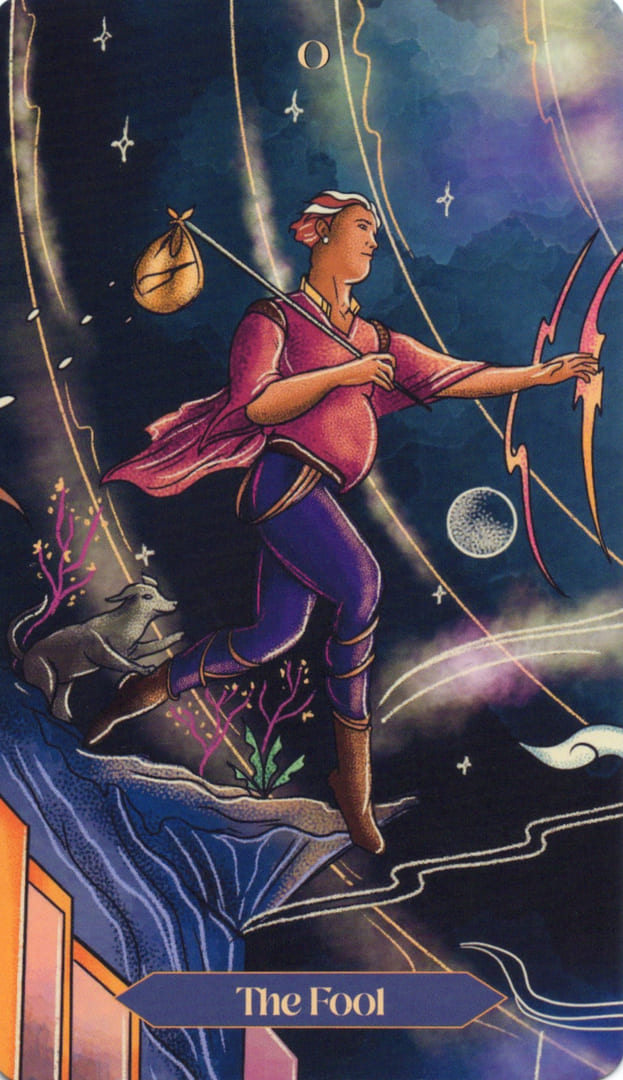
The Fool heralds fresh starts and the willingness to take a leap of faith into the unknown, framing life as an adventure. It indicates a new beginning filled with renewed energy and encourages optimism, playfulness, and openness to possibility. Upright, it invites light-hearted risk-taking and trust in potential; reversed, it cautions against hesitance, recklessness, or missed opportunities. Overall, the card advises adventurous confidence balanced with awareness to avoid careless risks.
The Magician

The Magician symbolizes manifestation, harnessing resourcefulness, and leveraging unique talents and skills to transform visions into reality. It signals new possibilities and urges the use of originality, inventiveness, and inner resources to shape circumstances. As the master of reality, the card emphasizes the power of thoughts and beliefs in creating outcomes. Reversed, it warns of misuse or neglect of talents, feelings of ineffectiveness, and cautions against manipulation of power.
The High Priestess

The High Priestess embodies intuition, inner wisdom, concealed knowledge, and the depths of the subconscious. She reminds you that many answers lie within and encourages transcending pure rational thought to connect with your soul. As a guardian figure, she bridges the conscious and subconscious and enhances psychic or intuitive perception. Reversed, the card warns of a disconnection from inner guidance, ignored gut feelings, and potential confusion or misdirection.
The Empress

The Empress represents nurturing, abundance, and the fertile, life-affirming aspects of femininity and creativity. She embodies the motherly archetype—signaling growth, pleasure, and a productive period when what has been sown begins to flourish. The card also touches on material comforts and possessions, suggesting it may be a favorable time to invest in things that bring joy. Reversed, the Empress warns of neglect, overindulgence, or creative blockages and calls for balance, self-care, and renewed nurturing to restore abundance.
The Emperor
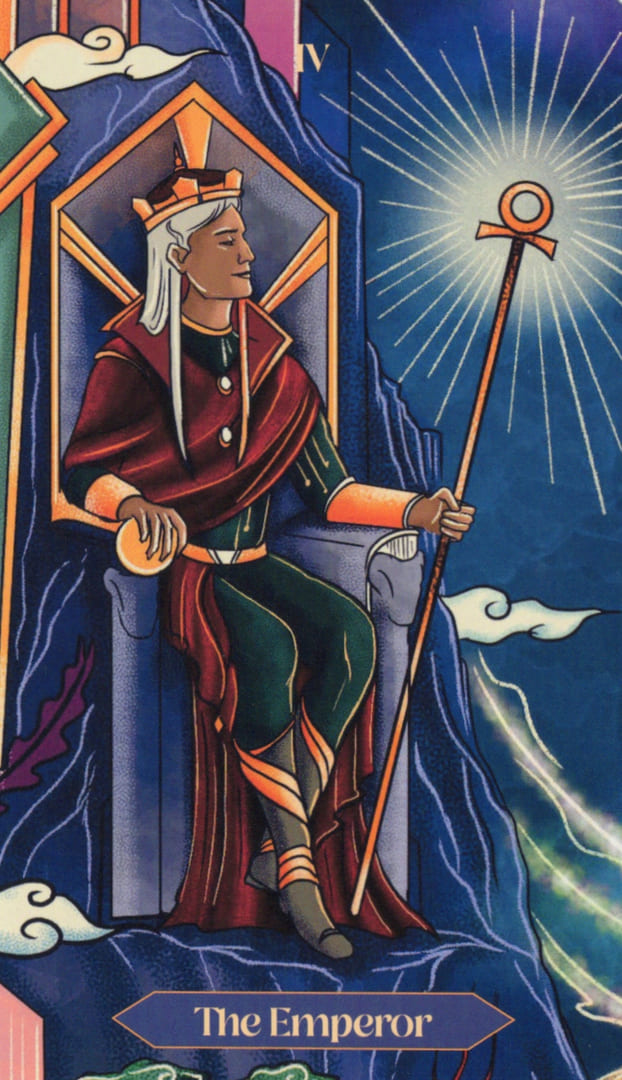
The Emperor represents authority, stability, structure, and the masculine archetype of leadership. He acts as a fatherly figure of wisdom and grounded energy who offers guidance drawn from experience. The card encourages individuals to harness their inner assertiveness and to establish clear structures and boundaries. When reversed, it warns of misused or absent authority, potential chaos, and difficulties asserting oneself or maintaining proper guidance.
The Hierophant

The Hierophant symbolizes tradition, conformity, structured belief systems, and a commitment to established social and cultural values. It invites seeking guidance or connection with the divine and reminds the seeker they are supported by a higher source. The card encourages turning to trusted figures for support during challenging times and exploring life’s deeper meanings while aligning with spiritual values. Reversed, it signals disconnection from spiritual guidance or tradition and urges reassessment, openness to diverse viewpoints, and avoidance of rigid conformity.
The Lovers
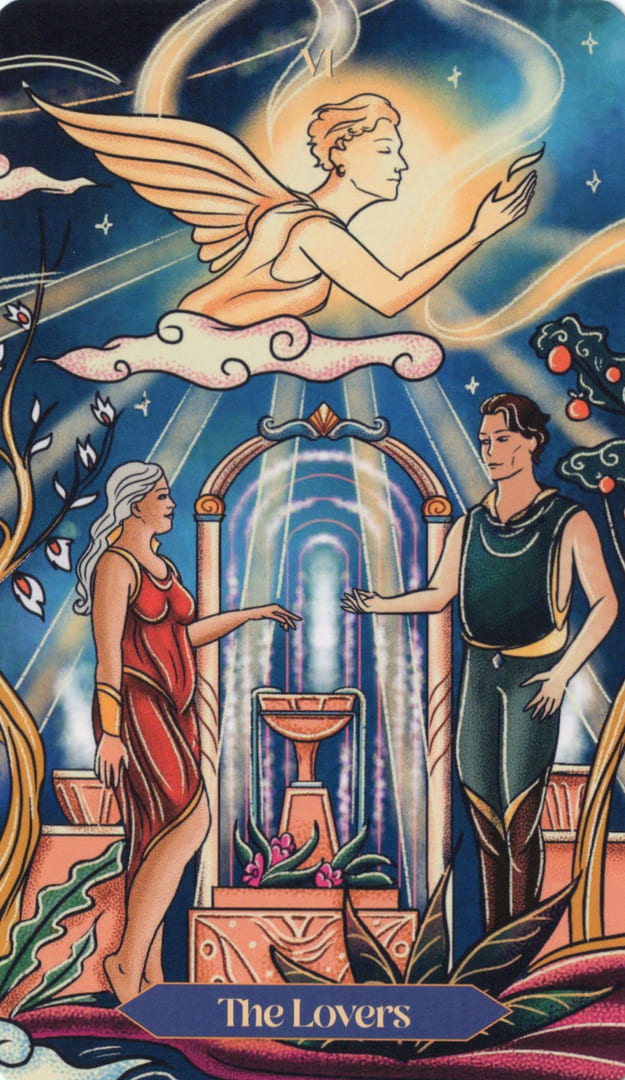
The Lovers represents meaningful connections, choices, and the blending of masculine and feminine energies. It points to deep emotional bonds in romantic, platonic, or familial relationships and can signal the potential for reconciliation after separation. When reversed, it warns of conflicts, disharmony, or difficulty making partnership-related decisions and calls for reassessment. The card encourages valuing authentic connections and harmonizing internal dualities to guide relationship choices.
The Chariot

The Chariot represents mastery, resolve, and driven focus to overcome obstacles and achieve success through disciplined effort and concentrated energy. It embodies courage, willpower, and determination, urging decisive action and faith when facing challenges that test one's character. With perseverance, outcomes tend toward positive results and can promote both spiritual and material growth. Reversed, the card warns of lack of direction or control, stagnation, and setbacks that undermine motivation and progress. It serves as a caution to reassess goals, regain focus, and prevent external challenges from derailing ambition.
Strength

Strength represents inner resilience and the quiet courage that comes from compassion and self-confidence. It emphasizes using understanding and emotional wisdom to master primal urges rather than force. The card advises confronting and understanding the root causes of anger, frustration, or fear before taking action, promoting a centered and thoughtful approach. Reversed, it warns of vulnerability, self-doubt, or hidden insecurities that must be addressed to restore effective emotional management.
The Hermit

The Hermit represents a period of introspection, solitude, and spiritual exploration where retreating for contemplation is beneficial. It encourages practices like meditation, deep thinking, journaling, and the search for inner insight. When upright, it signals gaining clarity through reflection; when reversed, it warns of avoidance, fear of inner work, or unhealthy isolation. Overall, the card advises balancing solitude for self-understanding with awareness to avoid prolonged withdrawal.
Wheel of Fortune

The Wheel of Fortune signifies transformation, cycles, destiny, and the impermanent ebb and flow of life. It highlights change, karma, and the cyclical patterns that can make the world feel tumultuous and unpredictable. The card urges maintaining inner equilibrium and emotional stability to navigate life's ups and downs without getting entangled in drama. Reversed, it warns of resistance to change or being caught off-guard and recommends adaptability, recognizing temporary challenges, and avoiding unnecessary stress.
Justice

The Justice card centers on fairness, balance, truth, and lawful or karmic consequences, urging ethical and reasoned choices. It calls for personal responsibility and the restoration of harmony in imbalanced situations, often indicating a favorable outcome in legal or fairness-related matters. Reversed, it warns of injustice, dishonesty, or avoidance of accountability and may signal a distorted view of right and wrong. The card prompts reassessment of actions and encourages seeking fairness while avoiding manipulative behavior.
The Hanged Man
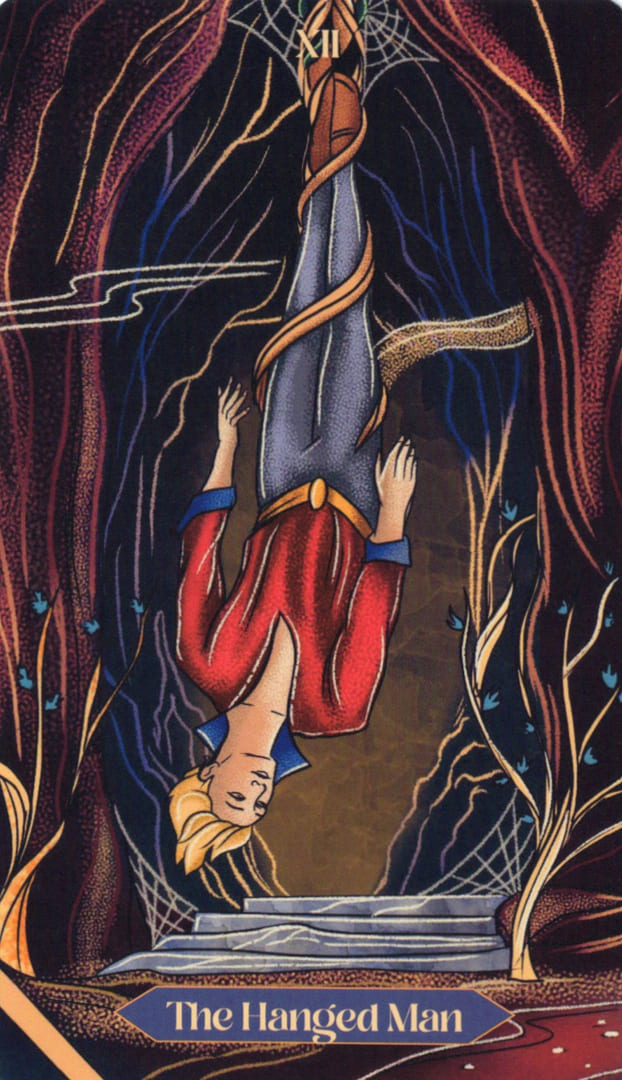
The Hanged Man signifies surrender and deliberate release of ego and material attachments to gain new perspectives. It indicates a period of pause or suspension that invites patience, introspection, and reflection to learn important lessons. The card encourages embracing this stillness as an opportunity for inner transformation and reframing of current circumstances. Reversed, it warns of resistance to change and clinging to old patterns that prevent progress, urging release and openness to necessary transformation.
Death

The Death card signifies profound transformation and the end of a chapter, clearing the way for renewal and new beginnings. It encourages releasing old patterns, relationships, or situations that no longer serve personal growth. Although endings and transitions can be daunting, they often lead to positive outcomes and deeper healing. When reversed, the card warns of resistance to change, stagnation, or an unwillingness to let go, prompting necessary confrontation of lingering issues.
Temperance

Temperance represents equilibrium, moderation, and the alchemical blending of opposing elements to create harmony. It encourages self-care, pause, and rejuvenation so one can maintain inner balance and better support others. When reversed, it warns of imbalance, impatience, or extreme behavior and the difficulty of finding a middle ground. As guidance, it prompts reevaluation of priorities, seeking moderation, and avoiding overextension.
The Devil

The Devil signifies temptation, materialism, addictive behaviors, and detrimental attachments that obstruct growth. It embodies the shadow self, including limiting beliefs and the inner critical voice that makes us feel inadequate or unable to pursue aspirations. The card urges confrontation and challenge of these internal saboteurs because such beliefs can distort true potential. Reversed, it indicates breaking free from self-imposed limitations, liberation from negative patterns or oppressive influences, and an opportunity to embrace a healthier mindset.
The Tower
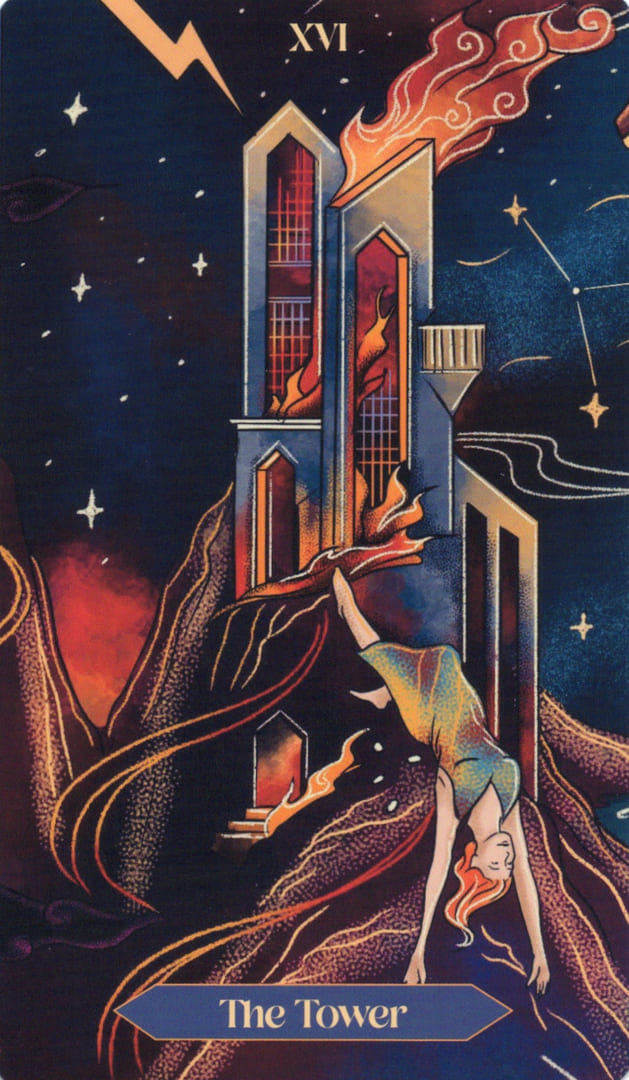
The Tower signifies sudden, often disruptive change that dismantles unstable structures to make way for reconstruction and renewal. Its energies can be unsettling and shocking, but they expose weak foundations and create opportunities to build something more robust. Upright, it urges release of what no longer serves and acceptance of necessary upheaval for growth. Reversed, it warns that resisting or avoiding change can prolong discomfort and prevent needed rebuilding.
The Star

The Star symbolizes hope, inspiration, rejuvenation, and good fortune. It indicates that aspirations may be on the brink of materializing or that aspects of life are poised to bring fulfillment and joy. After turbulent or difficult times, The Star signifies a resurgence of hope and optimism for what lies ahead. Reversed, it can suggest doubt, diminished hope, disconnection from aspirations, or setbacks, prompting reassessment and renewed inspiration.
The Moon
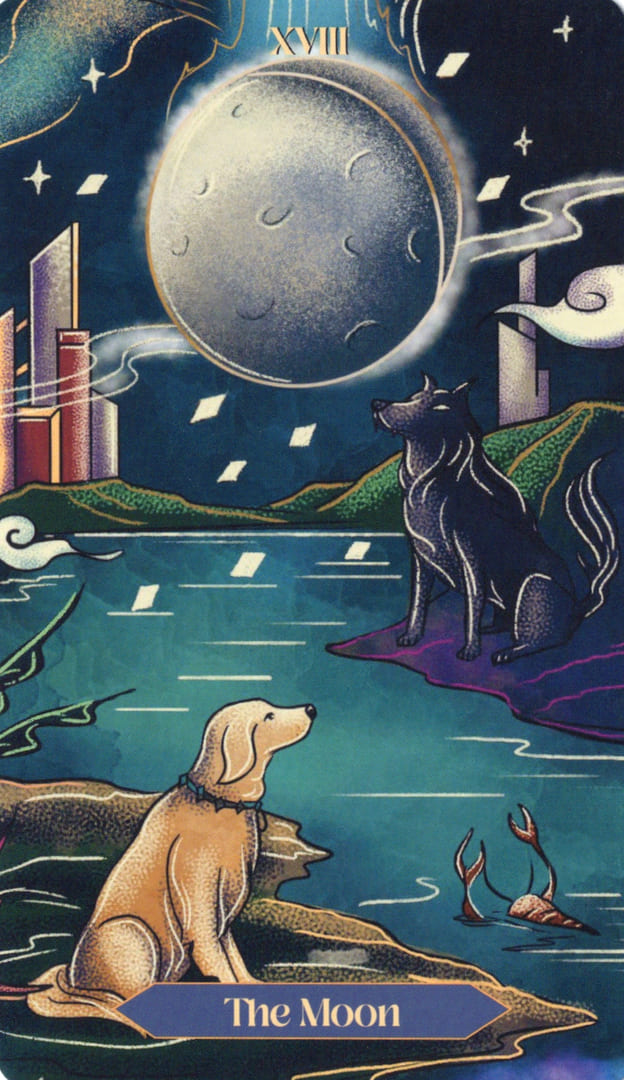
The Moon represents the realm of the subconscious, signaling illusions, enigmas, and buried emotions that influence perception. It encourages exploration of hidden fears and uncertainties to better understand how they shape beliefs and decisions. In its reversed position it warns of confusion, deception, or avoidance of truths, urging the seeker to face realities and uncover motives. Overall, the card calls for introspection, cautious discernment, and penetrating beyond surface appearances to find clarity.
The Sun

The Sun card represents joy, success, and renewed vitality, indicating that positive outcomes and happiness are on the horizon. It emphasizes clarity, confidence, and authentic self-expression, linked to the solar plexus chakra. In readings it often signals an end to hardship and the arrival of abundance and optimism. When reversed, The Sun cautions about temporary setbacks, diminished optimism, or confusion, advising inner strength and perseverance. Overall, this card invites embracing the present with hope and self-assurance.
Judgement

Judgement symbolizes rebirth, renewal, and a spiritual awakening that calls one toward a greater purpose. It represents transformation and a pivotal moment offering a fresh start and an opportunity to deepen self-awareness and move beyond old wounds and self-imposed limitations. The card urges cleansing of past energies, forgiveness of past wrongs, and embarking on a renewed path. Reversed, it warns against avoiding necessary change, lingering regrets, and reluctance to face the past, signaling a need to confront challenges and commit to self-improvement.
The World
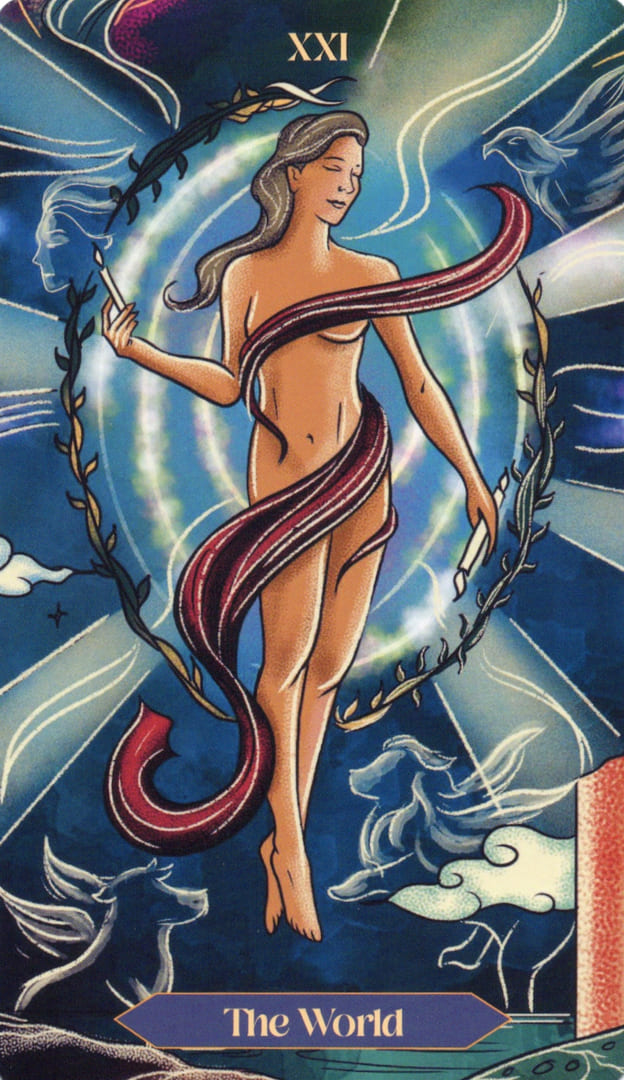
The World signifies fulfillment, achievement, and a sense of completion as one cycle ends and another begins. It points to realized goals, milestone accomplishments, and a deeper understanding of one's place in the universe. Reversed, it warns of delays, incompleteness, or resistance to moving forward, indicating unresolved issues or lingering challenges. The card encourages seeking closure, addressing obstacles, and preparing consciously for the next chapter while honoring the completion achieved.
Wands
Ace of Wands

The Ace of Wands heralds new beginnings, creative inspiration, and a surge of vitality that motivates bold action. It signifies personal growth, fresh ideas, and the confidence to move forward and plant aspirations with belief. Practical actions like cleansing your space or using crystals may amplify this energized momentum. Reversed, it warns of stagnation or creative blocks, prompting reassessment of goals and exploration of alternative perspectives to reignite passion.
Two of Wands
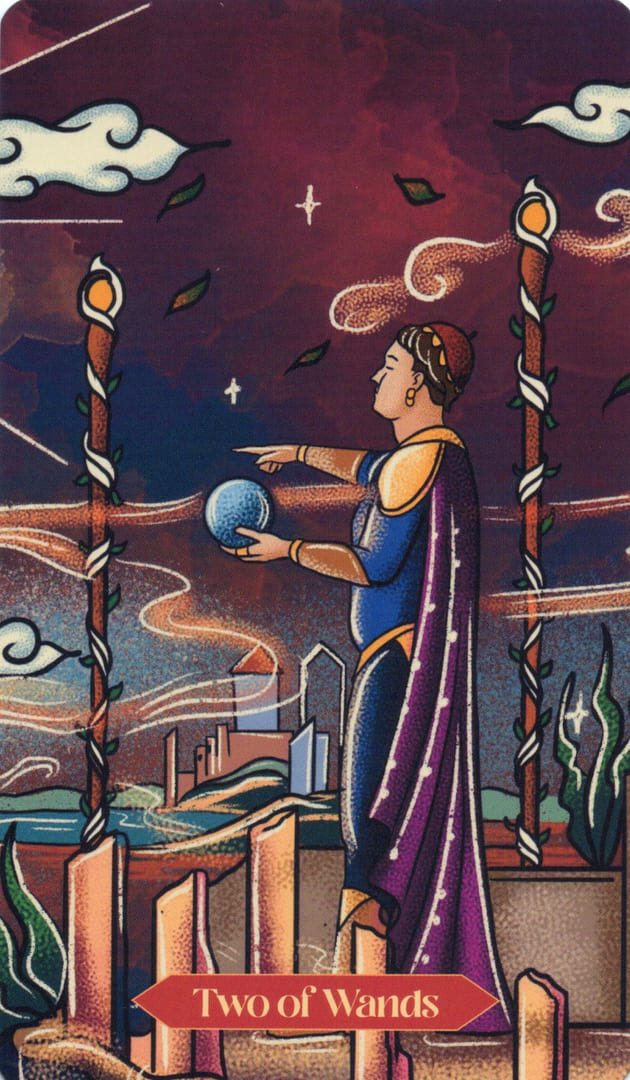
The Two of Wands represents decision-making, planning for the future, and initiating actions to realize goals. It emphasizes exploration, research, and strategic groundwork as necessary steps before launching ventures. The card also points to potential opportunities, particularly in business or real estate, and the need to balance options. Reversed, it highlights hesitation, feeling stuck in planning, and delays caused by indecision, prompting reassessment and decisive action.
Three of Wands

The Three of Wands represents advancement, expanding horizons, and development that follows initial efforts and collaboration. It encourages clarifying your vision and defining precisely what you wish to achieve, since many opportunities can be manifested. It signals positive progress in projects and the opening of new avenues for growth, urging continued forward movement with a clear strategy and focus. Reversed, it warns of missed opportunities, lack of vision, or delays and recommends reassessing goals, addressing setbacks, and exploring new approaches.
Four of Wands
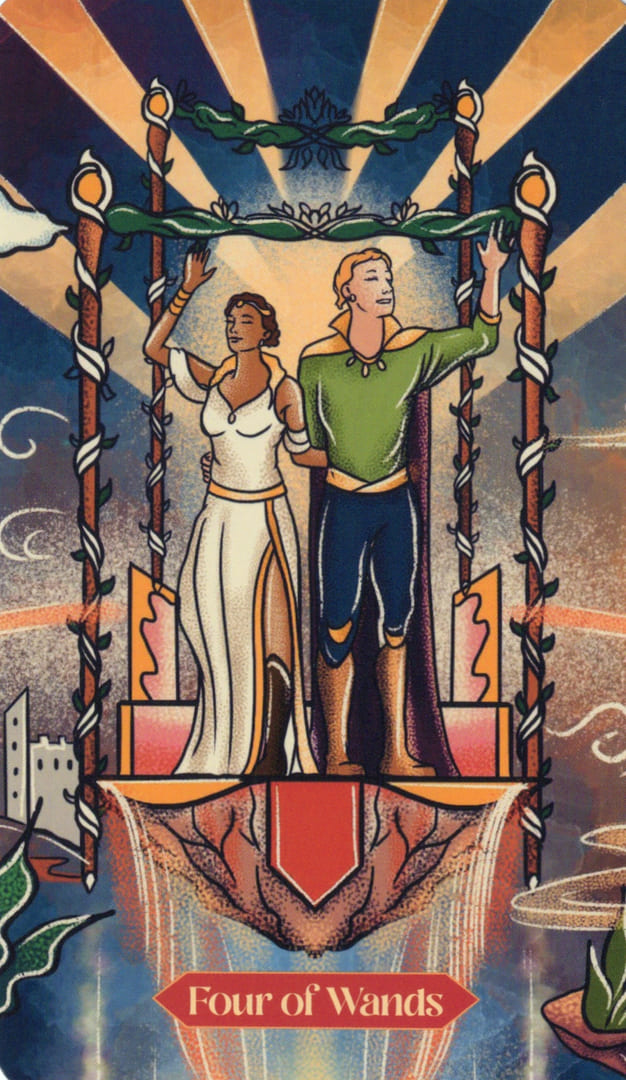
The Four of Wands signifies celebrations, unity, and the completion of important goals, inviting a period of rest and recognition. It represents joyful reunions, relaxation, and pride in accomplishments, often accompanied by potential rewards or promotions. Reversed, the card warns of delays, tension, or restlessness that disrupts harmony and planned celebrations. Overall, it encourages savoring achievement while addressing any relational or environmental issues to restore security and contentment.
Five of Wands
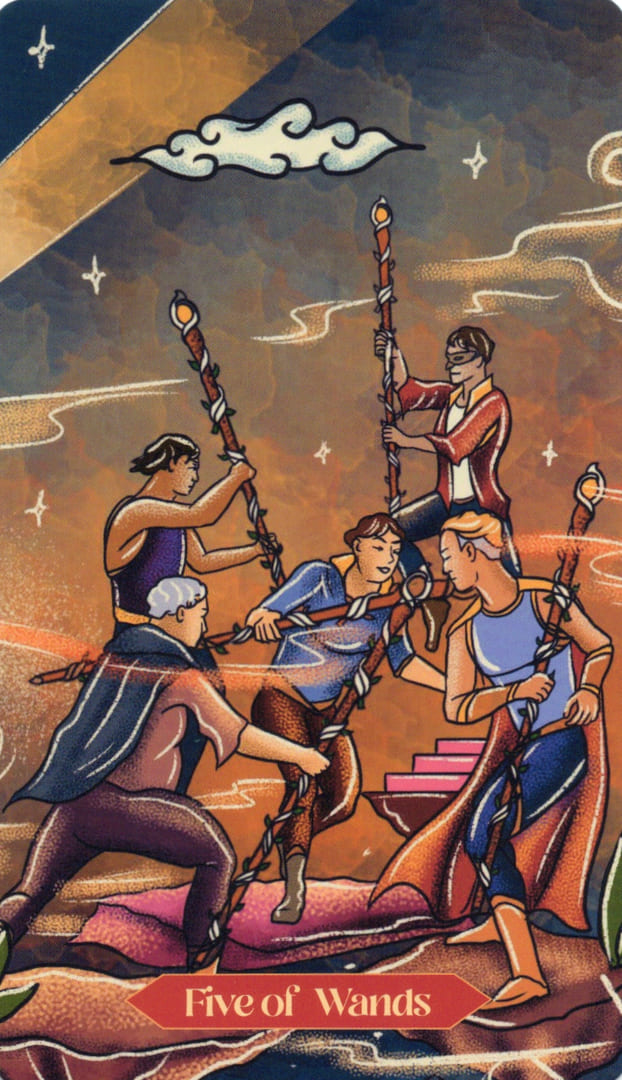
The Five of Wands represents rivalry, discord, and disorder where competing interests create tension. It indicates persistent obstacles, delays, and opposition that can thwart plans. The card urges open communication, active listening, and seeking unity and collaboration as a way to navigate and reconcile conflicts. Reversed, it suggests resolution, reduced competition, and restored harmony through cooperation.
Six of Wands

The Six of Wands signifies triumph, public recognition, and a surge of self-confidence following achievement. It encourages embracing your talents and celebrating accomplishments openly while reminding you that it is acceptable to shine. That self-assurance should be balanced so it does not harm relationships or love, and the card often heralds pleasant acknowledgment from others. Reversed, it warns of insecurity, lack of recognition, or setbacks that undermine self-worth and suggest an overreliance on external validation.
Seven of Wands
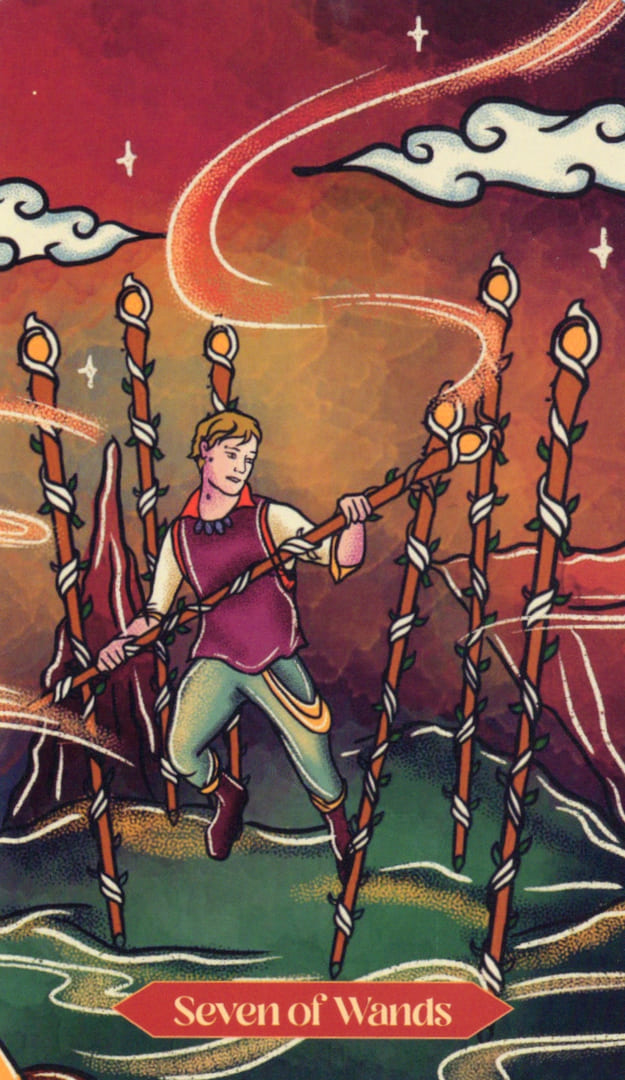
The Seven of Wands represents adversity, determination, and the need to assert and defend one's position. It emphasizes integrity, competition, and protecting one’s achievements against external challenges or envy. The card encourages upholding principles and choosing the path of integrity even when faced with opposition. Reversed, it warns of vulnerability, feeling overwhelmed, or compromising values and advises reassessing strategies and avoiding unnecessary confrontations.
Eight of Wands
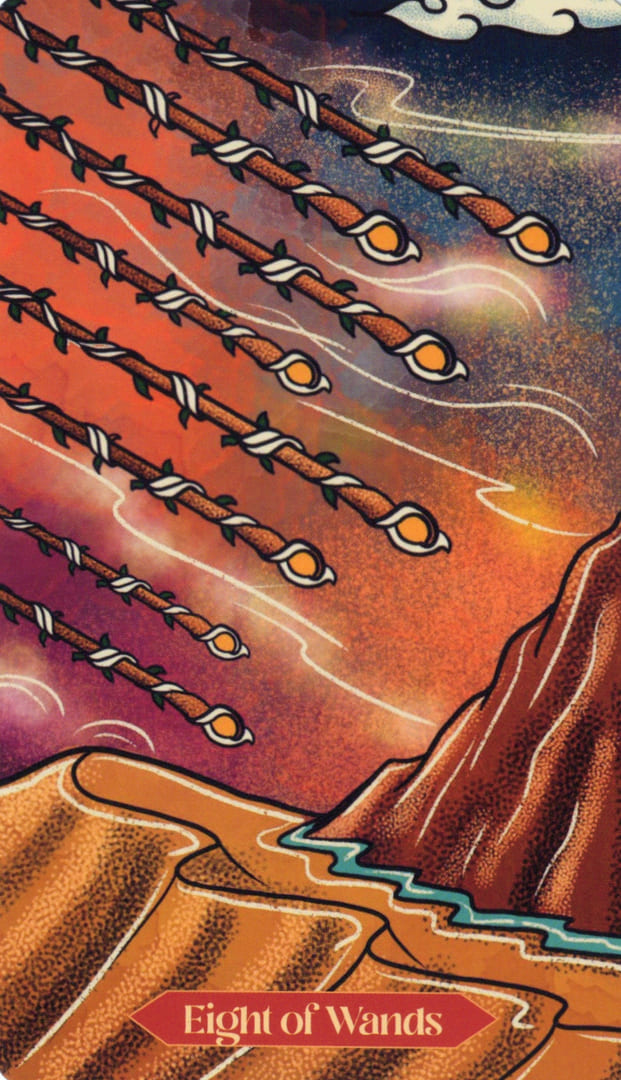
The Eight of Wands signifies swift advancement, enhanced communication, and broad expansion, indicating a period of rapid growth and progress across multiple areas of life. It points to momentum and action, where previously stalled projects gain rapid forward motion and the querent is urged to address avoided tasks and establish consistent routines to increase productivity. Maintaining focus, determination, and attention to priorities helps harness this energy effectively rather than becoming overwhelmed by pace or distraction. Reversed, the card warns of delays, obstacles, or feeling swamped by change, advising reassessment of approach, careful prioritization, and caution against rushing decisions without due consideration.
Nine of Wands
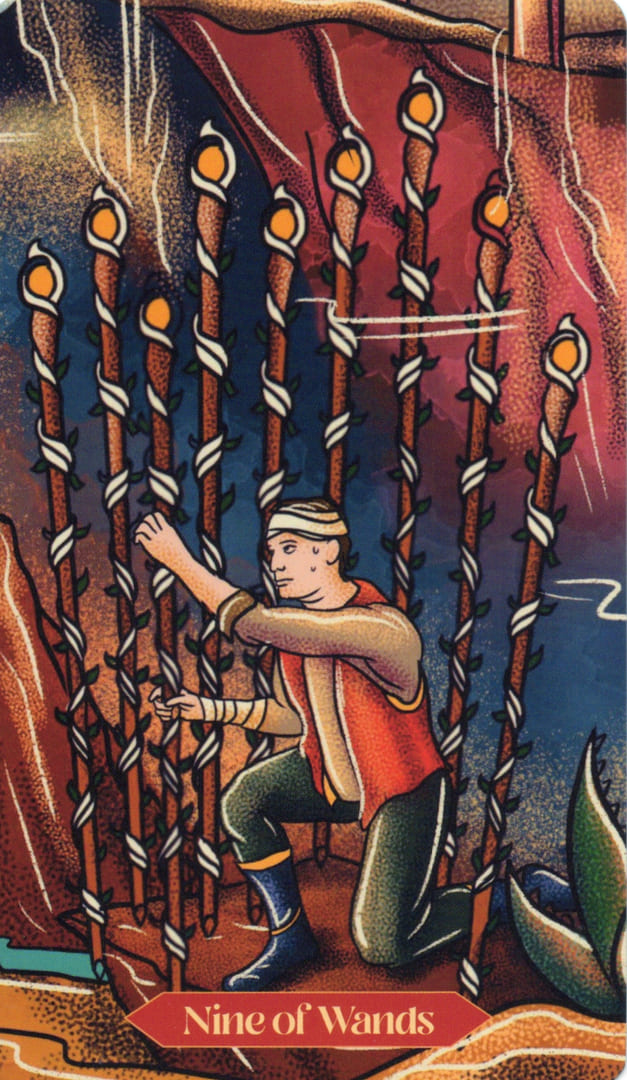
The Nine of Wands represents tenacity, endurance, and resilience in the face of ongoing challenges. It highlights boundaries and determination, often appearing when a person feels fatigued or constantly on guard after repeated setbacks. The card advises maintaining principles, protecting achievements, and persevering because resolution or victory is within reach. Reversed, it warns of weakened defenses, vulnerability, and the risk of giving up under persistent pressure.
Ten of Wands
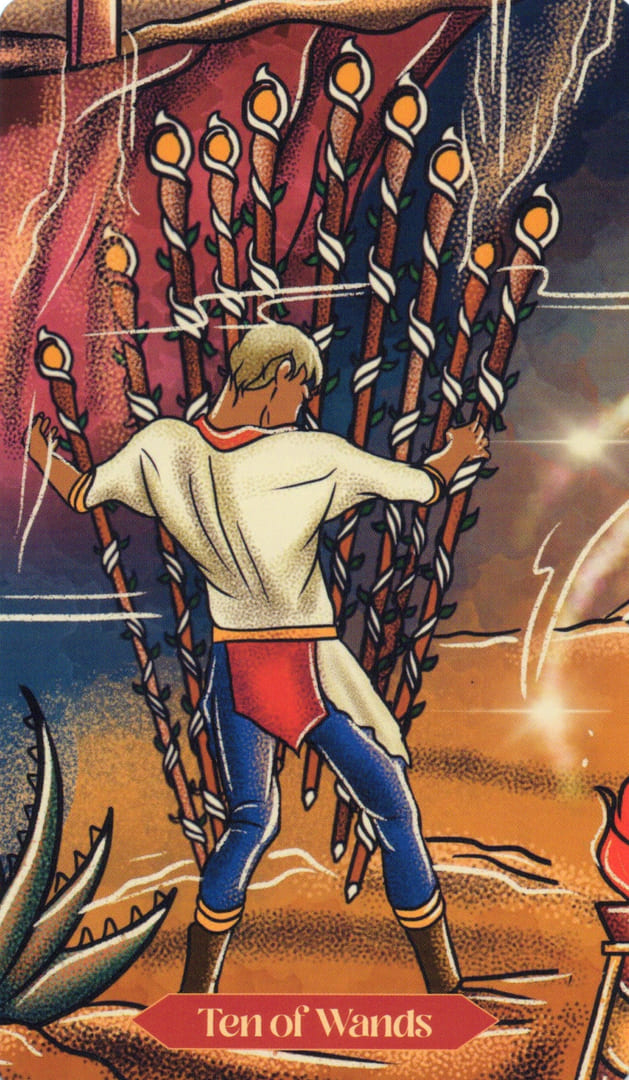
The Ten of Wands signifies heavy burdens, obligations, and the strain of carrying too many responsibilities. It highlights a period of overwhelm where the querent may be stretched thin by external demands or self-imposed expectations. The card urges reevaluation of tasks, sharing responsibilities, and setting boundaries to prevent exhaustion. Reversed, it warns against refusing help or failing to delegate, which deepens stress and burnout.
Page of Wands
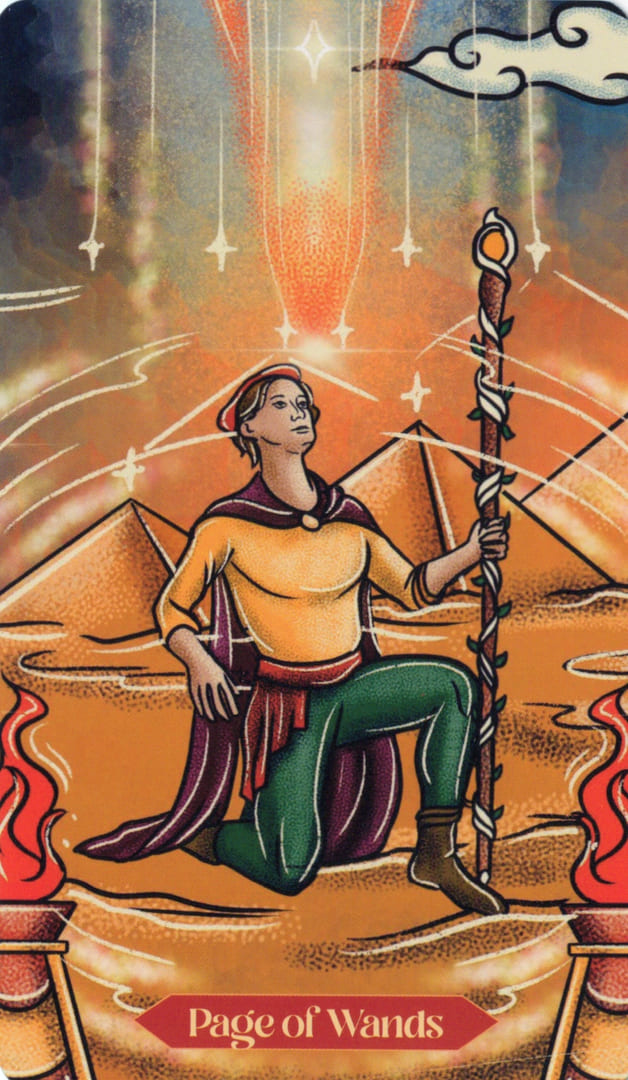
The Page of Wands heralds enthusiasm, curiosity, and the spark of new creative ventures. It represents motivation, exploration, and excitement that open doors to fresh possibilities and innovative projects. This card encourages harnessing untapped potential through inspired ideas combined with structured plans and grounded effort. Reversed, it cautions against hesitation, lack of direction, or fleeting inspiration that can delay progress and disconnect one from their passions.
Knight of Wands

The Knight of Wands symbolizes passion, drive, and a thirst for adventure, signaling an energetic pursuit of goals and creative projects. It denotes enthusiasm, determination, and a readiness to push beyond familiar boundaries in service of one's ambitions. Upright, it encourages bold action, confidence, and a proactive approach to opportunities. Reversed, it warns against recklessness and impulsivity, advising tempering enthusiasm with practicality and foresight to avoid setbacks.
Queen of Wands

The Queen of Wands embodies confident, magnetic leadership and an innovative, independent spirit. She represents personal growth through courage and resilience after facing challenges and rejection. Upright, she signals assertive guidance, charisma, and unapologetic authenticity. Reversed, she may point to self-doubt, controlling behavior, or a focus on appearances over inner values.
King of Wands

The King of Wands represents visionary leadership, enthusiasm, and the drive to pursue ambitious goals. He embodies competence forged by past challenges, giving the capacity to inspire and assemble others toward a shared vision. In readings, it often signals confident decision-making and decisive action in service of long-term objectives. Reversed, it warns of potential arrogance, misuse of authority, or domineering behavior and advises balancing assertiveness with empathy.
Cups
Ace of Cups

The Ace of Cups heralds a fresh emotional beginning, bringing renewal, affection, and spiritual contentment. It indicates emotional well-being, creative expression, and the possibility of new relationships or partnerships. This card suggests a positive flow of energy that fosters camaraderie, deep connection, and fulfillment. When reversed, it points to emotional blockages, disconnection, or difficulty expressing authentic feelings.
Two of Cups

The Two of Cups signifies connections, unions, and unity, indicating a phase of shared affection and mutual rapport. It represents harmony in relationships, balance, and open communication, often symbolized by two hearts intertwined and suggesting a rewarding, mutually enriching bond in love, friendship, or business partnerships. The card can point to an upcoming engagement or marriage. When reversed, it warns of discord, imbalance, misunderstandings, and challenges in forming or maintaining meaningful connections.
Three of Cups

The Three of Cups signifies celebration, camaraderie, and communal bonds, indicating moments of happiness and social interaction. It points to gatherings with loved ones, lighthearted fun, and joyous activities such as parties or intimate nights in. Reversed, it warns of overindulgence, superficial connections, or misplaced priorities that favor short-term pleasures over deeper relationships. The card encourages reflection on genuine connections and reassessing social commitments to align with true values.
Four of Cups
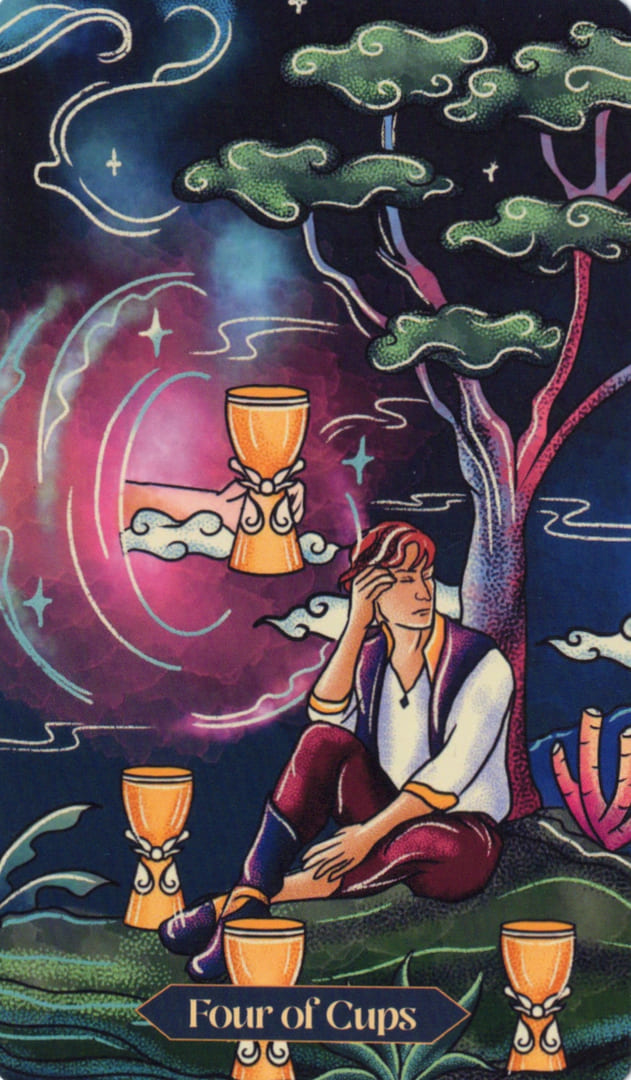
The Four of Cups signals a period of reflection, reevaluation, and emotional withdrawal often born from boredom or disappointment. It shows the querent may be disconnected from routine and unmotivated, overlooking opportunities that are present. These missed chances can stem from past hurts or a belief they don't fit long-term goals. In reverse, the card urges openness to offers, releasing fixation on lack, and taking steps toward growth.
Five of Cups
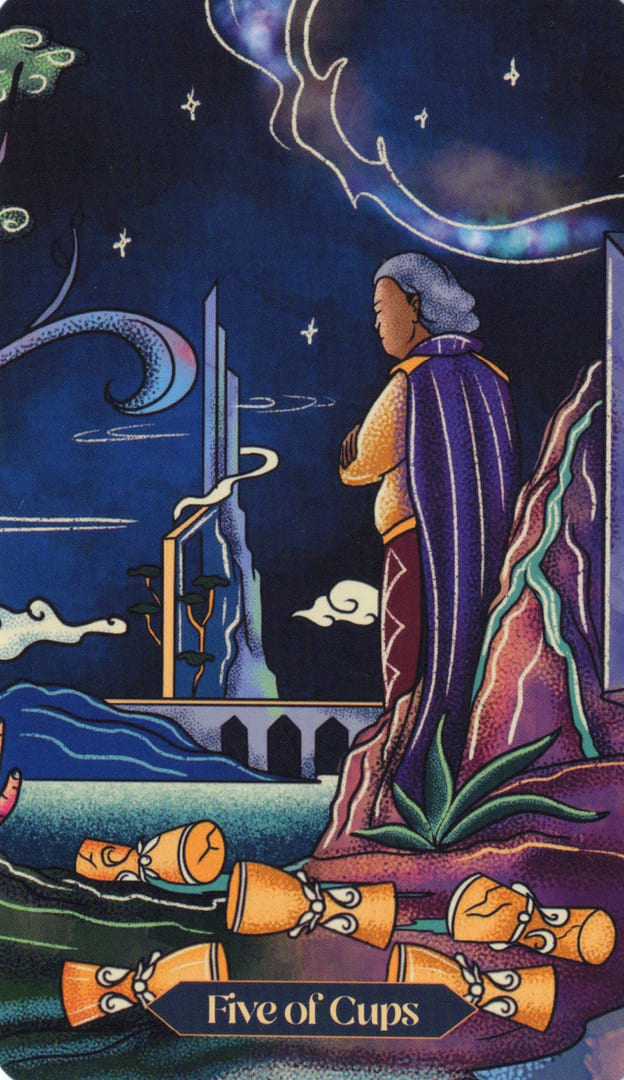
The Five of Cups indicates sorrow, regret, and the need to grieve losses while acknowledging what's gone. It highlights dwelling on past hurts and self-pity but reminds the querent that these emotions are natural and require time to process. Reversed, the card signals a turning point toward healing, acceptance, and the ability to let go of regrets. It encourages shifting perspective to notice remaining possibilities and to embrace new opportunities for growth and happiness.
Six of Cups
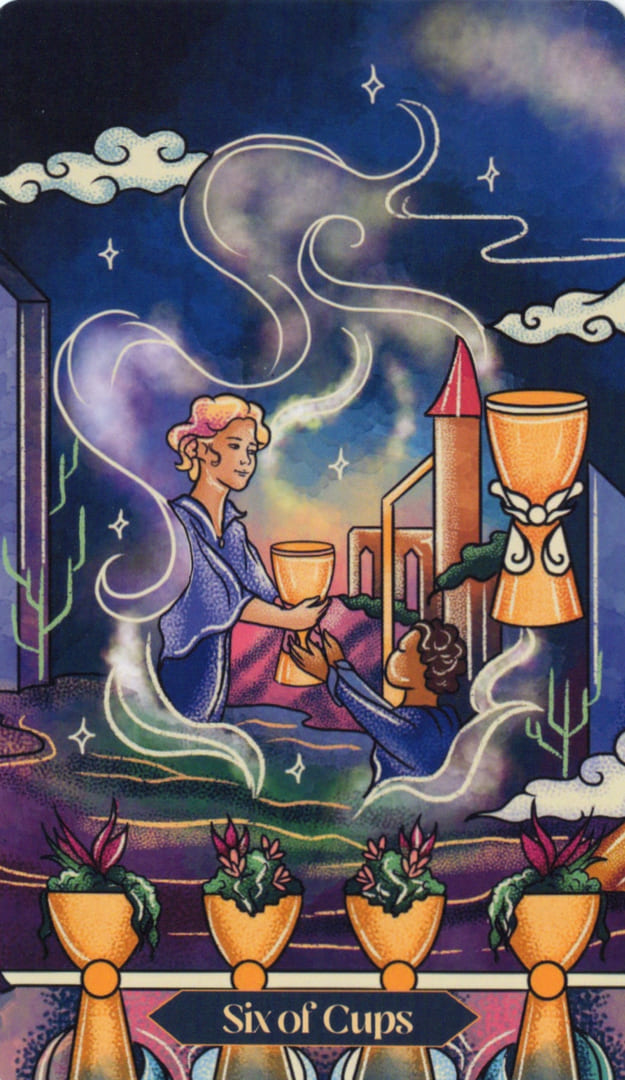
The Six of Cups symbolizes reminiscence and nostalgia, bringing forward memories of early years and childlike joy. It invites the seeker to reminisce about moments that evoke happiness and innocence and to reconnect with activities that ignite youthful enthusiasm. The card highlights the value of finding joy in simpler times and heartfelt reflection. Reversed, it cautions against becoming overly fixated on the past or idealizing it to the point that present opportunities and personal growth are hindered.
Seven of Cups
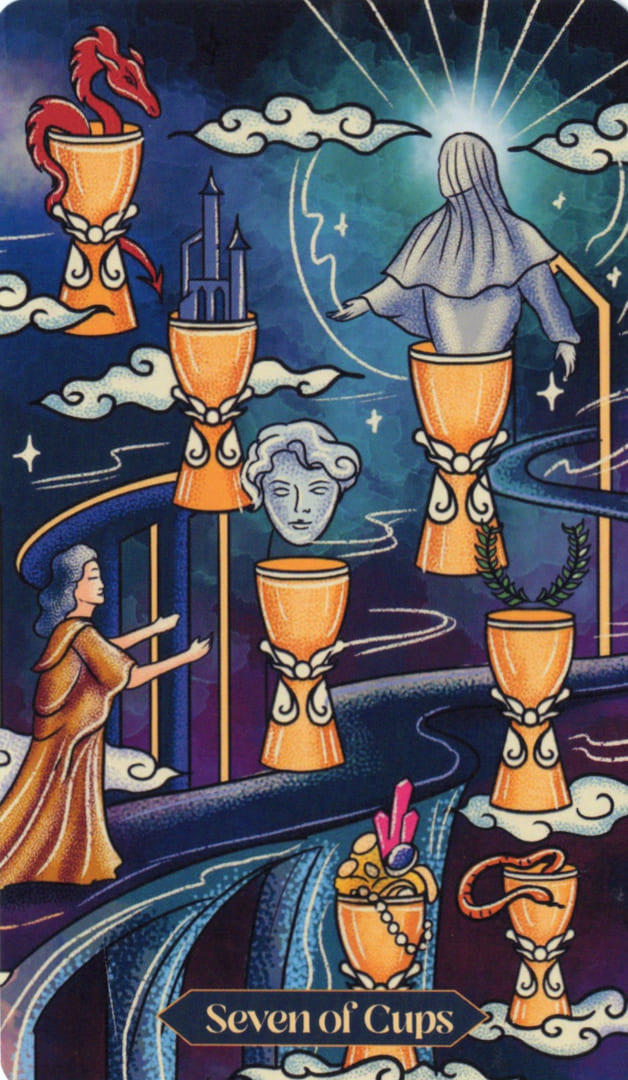
The Seven of Cups highlights creativity, imagination, and a wealth of options or possibilities. It warns that not all choices are as they appear and emphasizes the need to distinguish genuine opportunities from mere fantasies or deceptive illusions. The card advises making decisions grounded in clear intentions, principles, and practical assessment rather than whimsy. When reversed, it indicates overwhelm from too many choices or getting lost in unrealistic fantasies and urges prioritization, clarity, and practical decision-making.
Eight of Cups

The Eight of Cups symbolizes departure, relinquishment, and transition, urging a detachment from current situations to pursue emotional satisfaction elsewhere. It points to living in alignment with one's truth and instincts and often prompts walking away from jobs, relationships, or friendships that lack fulfillment. Although the querent may worry about causing pain to others, the card indicates that deep down they recognize the choice is right for their well-being. Reversed, it warns of hesitation to move on—stemming from fear of change or reluctance to confront inner truths—which can lead to prolonged discontent or stagnation.
Nine of Cups
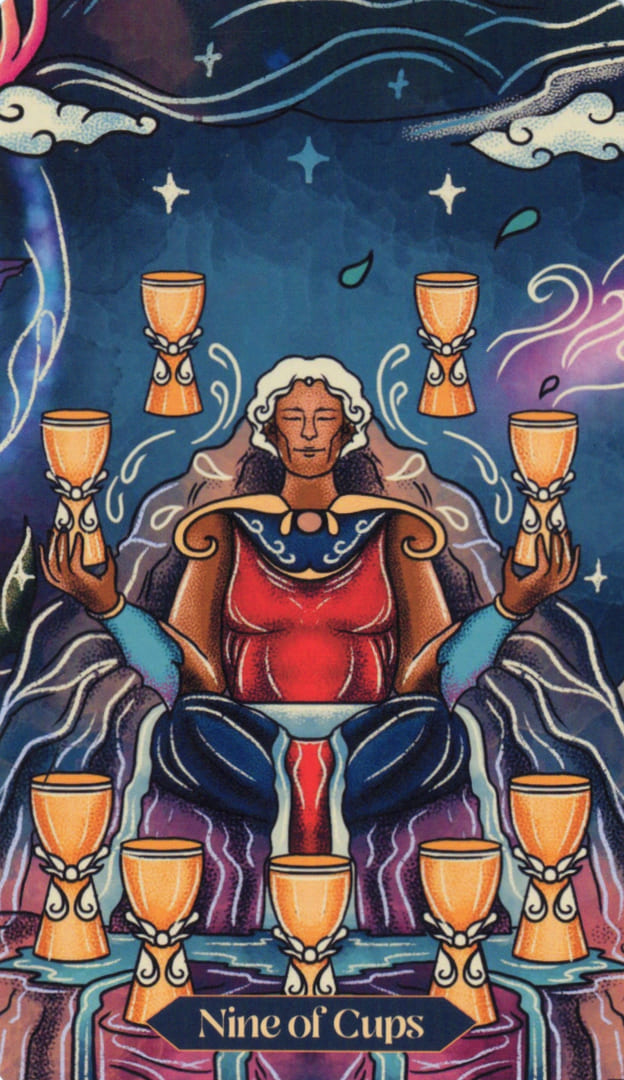
The Nine of Cups signifies emotional fulfillment, contentment, and the realization of heartfelt desires, indicating a period of prosperity and satisfaction. It points to accomplishments and enjoyment of life's abundant joys across relationships, work, or personal milestones. In readings it often marks attainment of long-held aspirations or a time of deep gratitude. Reversed, it warns against excess and imbalance, advising moderation so one is not consumed by desire.
Ten of Cups

The Ten of Cups represents deep emotional fulfillment, family harmony, and lasting joy within close relationships. It highlights unity, contentment, and a sense of completeness achieved through supportive bonds. Upright, it points to a harmonious home life and strong connections among loved ones; reversed, it warns of discord, unmet expectations, or emotional distance that need addressing. The card encourages open communication and active effort to restore or maintain relational harmony.
Page of Cups
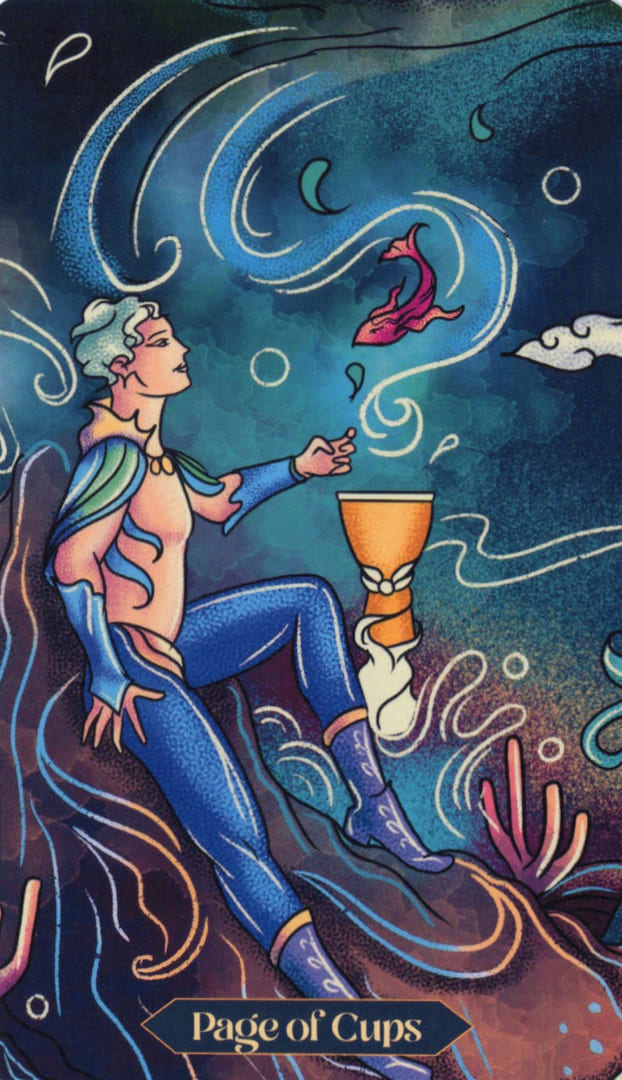
The Page of Cups represents emotional depth, artistic inspiration, and a gentle call to introspection and openness to new experiences. It encourages creative expression, intuition, curiosity, and the pursuit of new beginnings through artistic or spiritual exploration. The card invites the reader to delve into creativity and self-expression without allowing the inner critic to overshadow the process. Reversed, it warns of suppressed creativity, hesitation, and self-doubt, urging the individual to address internal barriers and reconnect with their innate curiosity and creative potential.
Knight of Cups

The Knight of Cups symbolizes romance, creativity, and artistic inspiration, encouraging the pursuit of heartfelt aspirations. This archetype is poetic and intuitive, seeking to express emotions and foster love while advancing creative endeavors guided by inner feeling. Drawing this card suggests embracing the heart's desires and actively working to bring one's vision to fruition. Reversed, it warns of being overly influenced by emotion, impulsiveness, or idealistic pursuits that cloud judgment and calls for clarity and balance before major decisions.
Queen of Cups

The Queen of Cups symbolizes emotional depth, intuition, and compassionate sensitivity, encouraging balanced emotions and supportive connections. She embodies feminine empathy and urges the querent to honor and express their full range of feelings to deepen relationships and self-understanding. This sensitivity is presented as a profound gift that fosters deeper connections and empathy toward others' struggles. Reversed, the card warns of emotional imbalance or over-sensitivity that can cloud judgment, lead to decisions not grounded in reality, and cause misunderstanding or disconnection.
King of Cups

The King of Cups embodies emotional equilibrium, maturity, and intuitive wisdom, guiding one to use empathy and intuition when addressing challenges and relationships. It indicates the ability to harmoniously balance emotions and intellect, maintaining composure during interpersonal conflicts. The card encourages approaching disagreements with compassion and understanding while also emphasizing the need to set and uphold personal boundaries. Reversed, it warns of emotional turmoil, suppression of feelings, and a lack of emotional control that can lead to conflicts or misunderstandings.
Swords
Ace of Swords

The Ace of Swords represents new intellectual beginnings, clarity of thought, and decisive insight. It signals an opportune time to embark on ventures, make clear-headed decisions, and apply mental prowess toward goals. With commitment and perseverance, this card promises success, triumph, and the reclaiming of personal power. Reversed, it warns of confusion, mental blockages, misuse of intellect, and the hazards of hasty or overconfident choices.
Two of Swords
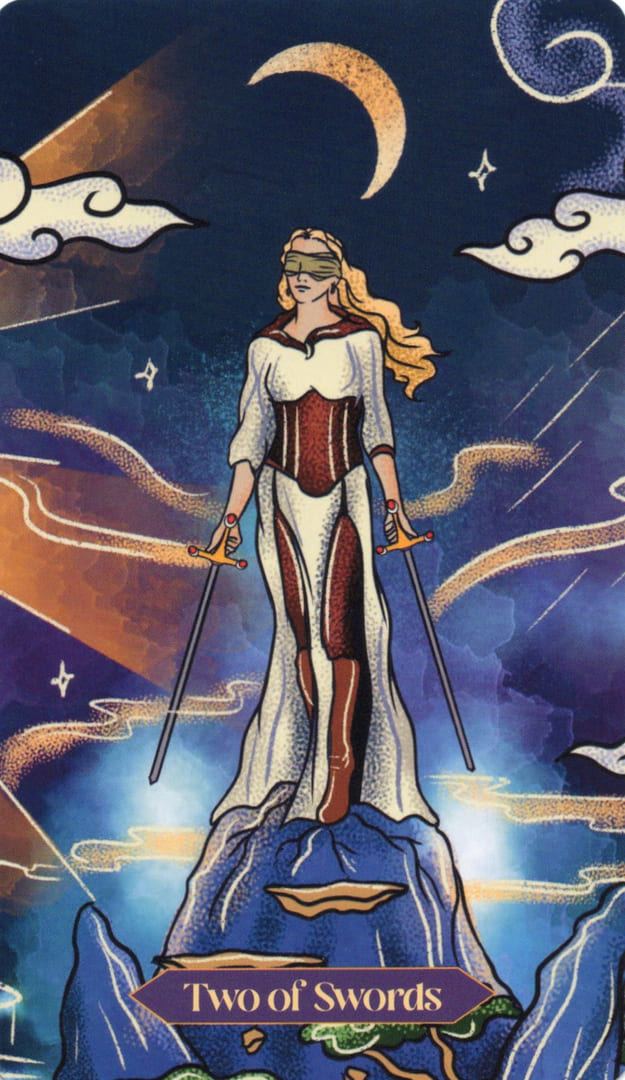
The Two of Swords signifies indecision, inner turmoil, and standstills that call for finding equilibrium and choosing in line with one's core principles. It reflects a pivotal moment of being torn between options and emphasizes careful consideration and reliance on intuition. The card highlights challenges in making clear choices across relationships, career, and personal matters, urging clarity before action. Reversed, it warns against prolonged avoidance and encourages addressing issues directly, trusting intuition, and fostering clear communication to resolve conflicts.
Three of Swords
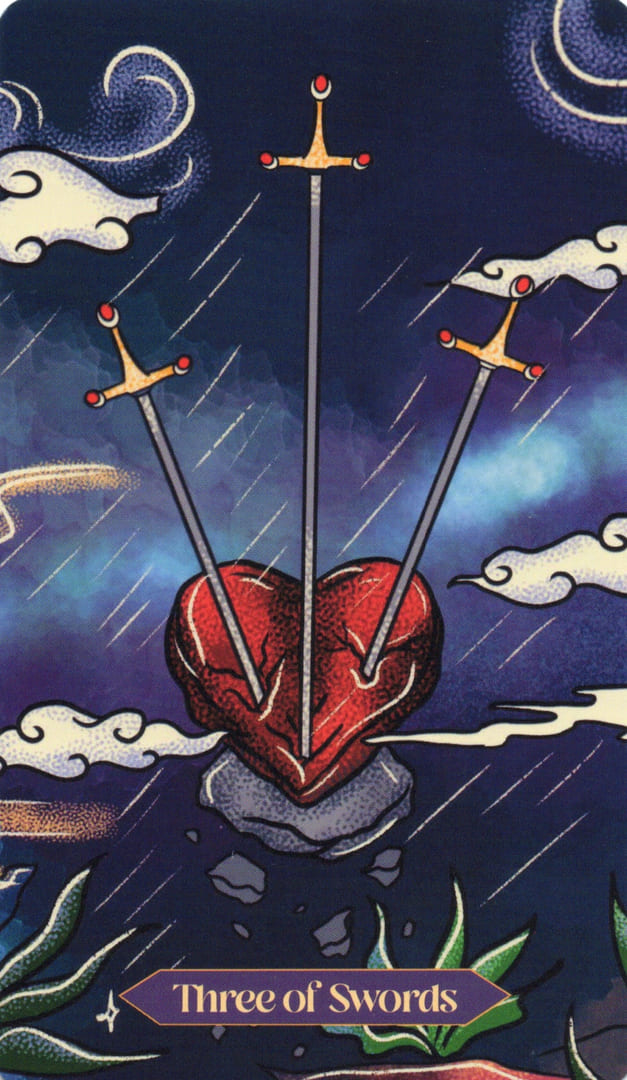
The Three of Swords represents emotional anguish, sorrow, and mourning brought on by heartbreak, betrayal, or the breakdown of communication. It points to a difficult period where grief and rejection are felt deeply and the imperative is to confront and recover from past hurts. In readings it often signals the end of a relationship or a painful rift that forces emotional reckoning. Reversed, the card indicates the beginning of healing, reconciliation, and a gradual release of old wounds that allows for closure and hope.
Four of Swords

The Four of Swords calls for a period of rest, solitude, and reflection to replenish energy and regain clarity. It indicates a need to pause from stress or intense activity and focus on self-care and inner peace. When recovering from betrayal or major challenges, the card advises stepping back to grieve and process emotions before moving forward. Reversed, it warns against avoiding necessary rest and emotional healing by staying busy or resisting the opportunity to recover.
Five of Swords

The Five of Swords points to disagreements, deception, and interpersonal strain that may require confronting difficult truths. It warns of feelings of loss, hurt, or procrastination after clashes and urges reflection on one's role in the conflict. The card encourages setting aside pride to make amends where relationships matter and to release toxic connections when necessary. Reversed, it signals a readiness to reconcile, take responsibility, and actively pursue harmony instead of ongoing avoidance.
Six of Swords

The Six of Swords signifies a transition away from difficult circumstances toward greater clarity and a brighter future, highlighting change, progression, and release from past constraints. It suggests the querent is in a phase of transformation that may affect relationships, career, or living situation and that embracing the discomfort will lead to forward movement. Reversed, the card warns of resistance to change, clinging to unproductive or hurtful patterns, and feeling stuck by emotional or psychological barriers. The guidance is to trust the process of moving on, allow necessary change, and seek the clarity that awaits on the horizon.
Seven of Swords
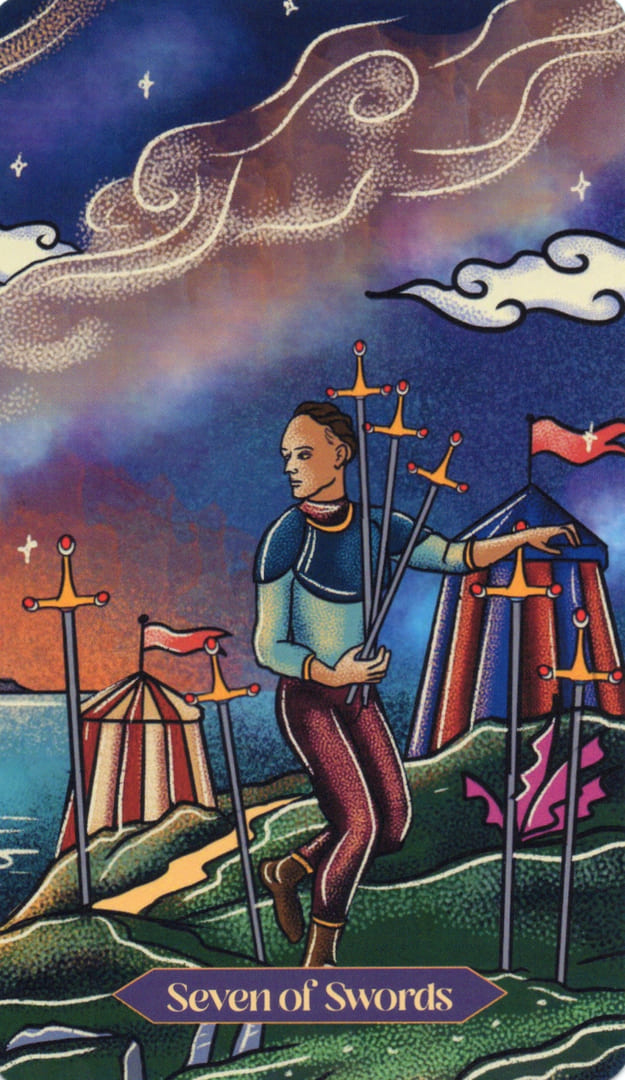
The Seven of Swords signals deception and treachery, urging vigilance against deceitful actions and concealed intentions from oneself or others. It also highlights a sense of heavy burden and the need for strategic thinking, suggesting unresolved issues may be trailing behind. Reversed, it warns of potential deceit or manipulation and a temptation to employ underhanded tactics. The card advises maintaining honesty and integrity, avoiding shortcuts and cunning methods in favor of straightforwardness.
Eight of Swords

The Eight of Swords signifies feelings of entrapment and self-imposed limitation, often stemming from negative perceptions and stuck thinking. It highlights a sense of helplessness yet suggests that pathways and solutions exist even when obscured. The card urges challenging limiting mindsets and reclaiming agency to navigate forward. Reversed, it can indicate breakthroughs, newfound clarity, and emerging freedom while warning against premature optimism that overlooks real obstacles.
Nine of Swords

The Nine of Swords depicts intense anxiety, sleeplessness, and inner turmoil driven by fears and limiting beliefs. It highlights suffering that often originates from one's inner saboteur or shadow and may manifest as depression or unsettling dreams. The card advises seeking assistance, confronting and reflecting on these fears rather than suppressing them. Reversed, it indicates a gradual easing as the querent begins to address and resolve those anxieties, but cautions against ignoring unresolved feelings.
Ten of Swords

The Ten of Swords signals painful endings, betrayal, and a low point after repeated hurts, indicating that a difficult chapter has concluded. It highlights the necessity of releasing victimhood and letting go of the past in order to move forward. Though the imagery and circumstances feel final, the card implies that things can only improve from here and that grief and fear are natural responses. In reversed position, it emphasizes recovery, reflection, and the potential for renewal as the individual heals from scars of betrayal.
Page of Swords

The Page of Swords represents inquisitiveness, alertness, and a period of intellectual discovery where fresh encounters yield new insights. It emphasizes communication, innovation, and the drive to share ideas, urging confidence and steady progress despite inevitable challenges. This card invites lowering defenses, overcoming fear of judgment, and showcasing one's talents with resolve. Reversed, it warns of hesitancy, miscommunication, or misjudgments and calls for clearer planning and more careful communication.
Knight of Swords
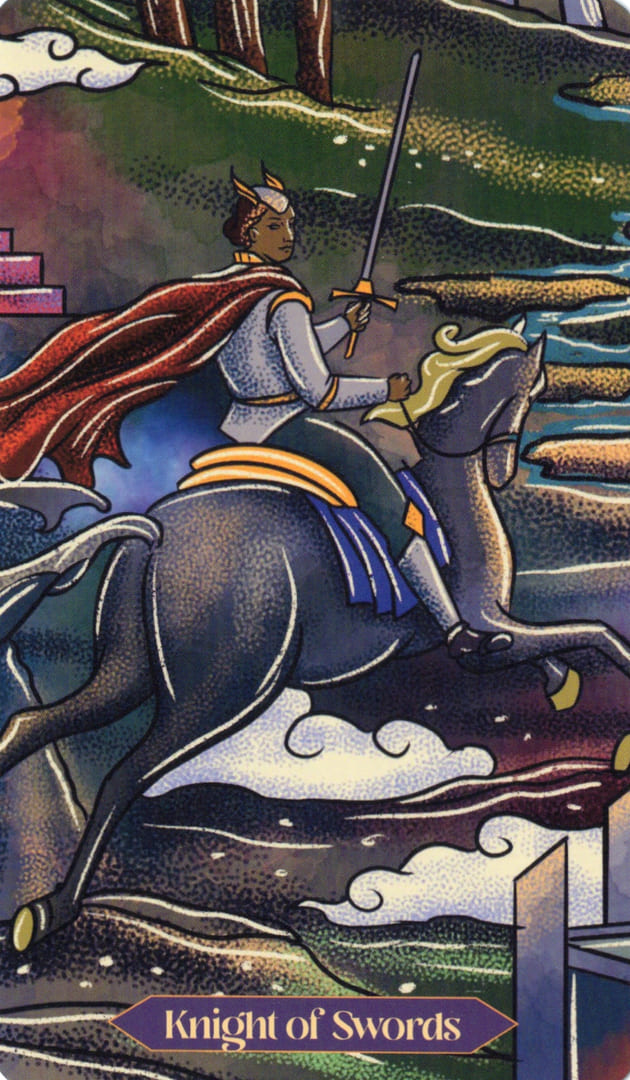
The Knight of Swords signifies swift energy, ambition, and decisive mental clarity, urging rapid progress and strategic action. It encourages methodical movement with a clear plan while reminding you to slow down and appreciate the journey to avoid sacrificing fulfillment for productivity. In reversed position it warns against recklessness, impulsive choices, and the oversights that come from charging ahead without caution. Overall, it balances drive and intellect with the need for deliberate pacing and thoughtful consideration.
Queen of Swords

The Queen of Swords represents sharp intellect, clear perception, and decisive thinking. She embodies strength, insight, and the need to establish and maintain healthy boundaries. In readings she signals a phase of impartial judgment, effective communication, and confronting obstacles with reason. Reversed, she warns of unclear thought, overly harsh criticism, or boundaries that are either too rigid or too lax, which can lead to misunderstanding or isolation.
King of Swords

The King of Swords represents leadership, authority, and clear intellectual judgment, urging an objective, logical approach to decisions and conflicts. It highlights articulate communication and the value of listening and consulting experts when necessary, and recommends stepping back for perspective. The card cautions against becoming overly rigid or basing decisions on mere assumptions. Reversed, it signals close-mindedness, stubbornness, hasty judgments, lack of clarity, and a tendency to overlook crucial details.
Pentacles
Ace of Pentacles

The Ace of Pentacles heralds new beginnings, especially in material, career, or physical realms, signaling potential for financial growth and increased security. It emphasizes seizing concrete opportunities and starting projects aligned with personal values to manifest abundance and enhance self-worth. When upright, it predicts tangible prosperity and satisfaction; when reversed, it warns of missed chances, financial setbacks, or undervaluing existing resources. The card advises careful prioritization, long-term planning, and avoiding impulsive decisions to ensure sustained stability and fulfillment.
Two of Pentacles

The Two of Pentacles represents equilibrium, flexibility, and the need to juggle multiple responsibilities while maintaining harmony. It highlights relationships, balance, and the necessity of adapting to change, encouraging trust in the process. When upright it reminds the seeker to manage shifting demands with grace and adaptability. Reversed, it warns of overwhelm and disorganization, urging a reassessment of priorities and the pursuit of stability through clearer management of tasks.
Three of Pentacles

The Three of Pentacles emphasizes collaboration, practical skill, and shared achievement, signaling a time when teamwork and complementary abilities produce tangible results and recognition. It points to growth in expertise and career advancement through focused cooperation and applied craft. When reversed, it warns of stalled collaborations, misaligned efforts, or insufficient development of skills that undermine outcomes. The card encourages reassessment of one's approach to teamwork and skill development to restore progress and attain shared goals.
Four of Pentacles

The Four of Pentacles warns of clinging to possessions, material concerns, and anxieties about loss that can block genuine abundance. It highlights a scarcity mindset around money and invites a review of one’s relationship with finances. The card encourages reassessing belief systems and implementing new habits or a financial plan rather than mismanaging resources through overspending or excessive hoarding. Reversed, it signals excessive resistance to change or being overly conservative financially and urges openness to opportunities and release of restrictive money beliefs.
Five of Pentacles

Five of Pentacles signals financial hardship, scarcity, and feelings of diminished self-worth that can make achieving goals feel out of reach. It highlights the importance of seeking assistance and support during times of adversity and addressing a scarcity mindset. The card urges cultivating self-confidence, recognizing one's resourcefulness, and believing in personal capabilities. In reversal, it indicates recovery from financial strain, improved self-esteem, and a shift toward optimism and new opportunities.
Six of Pentacles
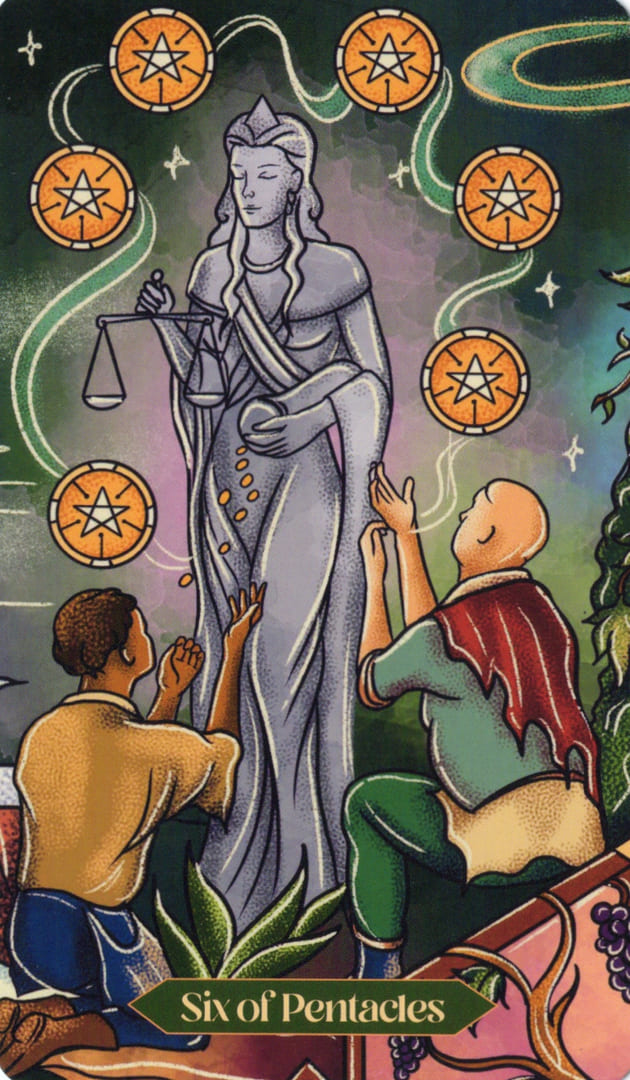
The Six of Pentacles signifies generosity, charity, and the balanced flow of resources between people. It highlights financial harmony and the positive karma that arises from sharing abundance with others. Reversed, it warns of reluctance to give, stinginess, or a scarcity mindset that disrupts healthy exchanges. The card advises introspection on attitudes toward giving and receiving, encouraging a balance between generosity and self-preservation while recognizing our interconnectedness.
Seven of Pentacles
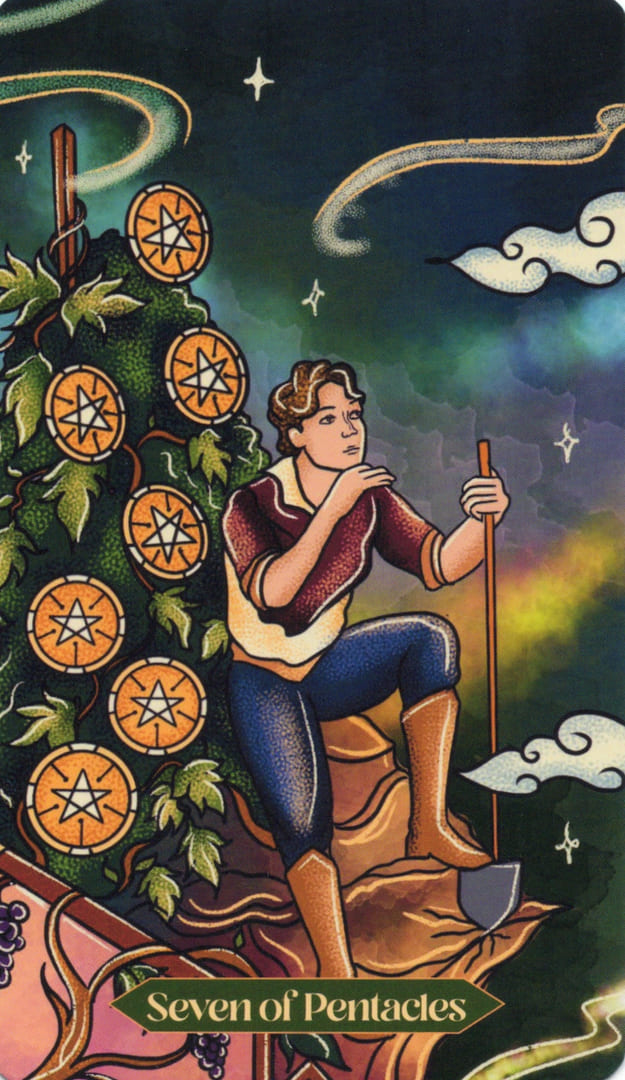
The Seven of Pentacles points to patience, cultivation, and anticipation, advising a pause to evaluate progress toward long-term goals. It emphasizes long-term vision, sustainability, and the need to appreciate gradual progress even when results are not yet apparent. The card encourages reflection on the efforts invested and recognition of incremental gains while maintaining commitment to the plan. Reversed, it warns of impatience or stagnation and urges reassessment of goals, energy allocation, and seeking feedback to realign efforts.
Eight of Pentacles
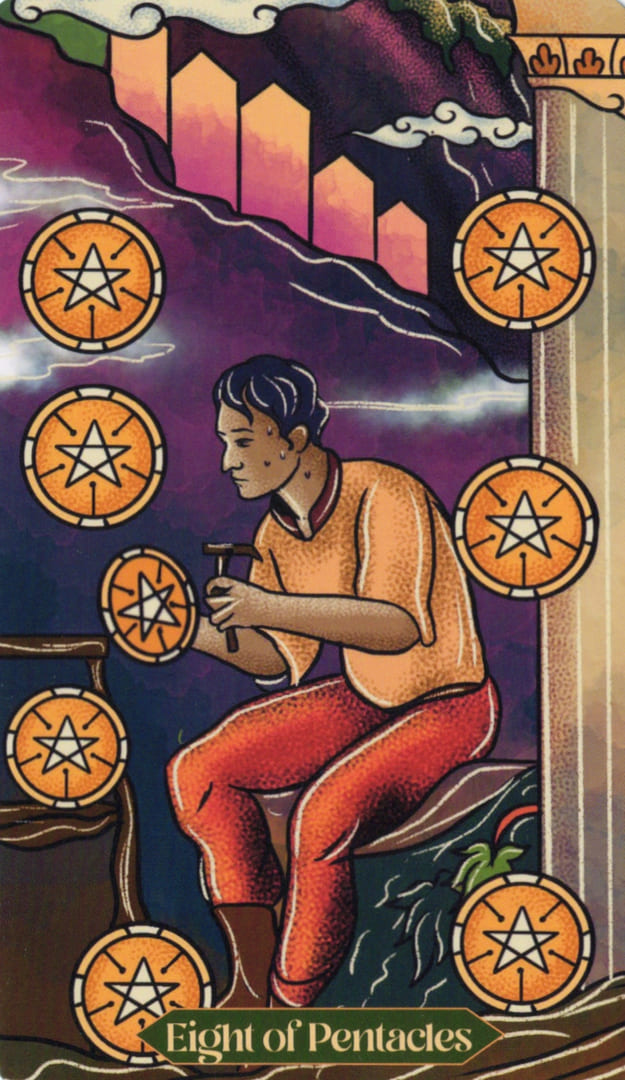
Eight of Pentacles signifies focused dedication and the pursuit of mastery, highlighting commitment to honing skills and expertise. It emphasizes continuous learning, perseverance, and the potential to build a fulfilling career or financial path through concentrated effort. The card can indicate a fresh start or an opportunity to elevate one's professional or financial standing. Reversed, it warns of stagnation, neglect, or overlooking details and advises reassessing priorities, seeking guidance, and refocusing.
Nine of Pentacles

The Nine of Pentacles symbolizes prosperity and self-sufficiency, indicating a phase of relishing rewards from hard work and feeling secure and fulfilled. It represents material security, enjoyment, and financial freedom, reminding the reader to relish the fruits of their labor. Whether it's indulging in travel, enjoying gourmet meals, or enhancing one's living space, this card emphasizes the importance of savoring life's pleasures. Reversed, the Nine of Pentacles can indicate financial insecurity, overindulgence, or an inability to appreciate achievements, advising the reader to rethink priorities and maintain balance between material and emotional life.
Ten of Pentacles

The Ten of Pentacles symbolizes prosperity, heritage, and kinship, pointing to a phase of enjoying financial abundance and establishing enduring roots for future generations. It represents legacy, accomplishment, and the culmination of sustained hard work that has brought the querent to a pinnacle or important milestone. The card encourages pausing to consider one's legacy and the impact one wants to leave on the world. Reversed, it warns of familial conflict, financial setbacks, or feelings of disconnection from one's roots and suggests reassessing relationships, finances, and long-term commitments to ensure alignment with true values.
Page of Pentacles

The Page of Pentacles signifies a curious, practical individual eager to learn and develop tangible skills. It heralds new beginnings, career shifts, or entrepreneurial ventures fueled by passion, drive, and a strong motivation to achieve goals. This card emphasizes a thirst for education and hands-on experience as foundations for growth. Reversed, it warns of hesitation, overwhelm, or a lack of commitment that can stall projects, urging persistence, enthusiasm, and patience.
Knight of Pentacles
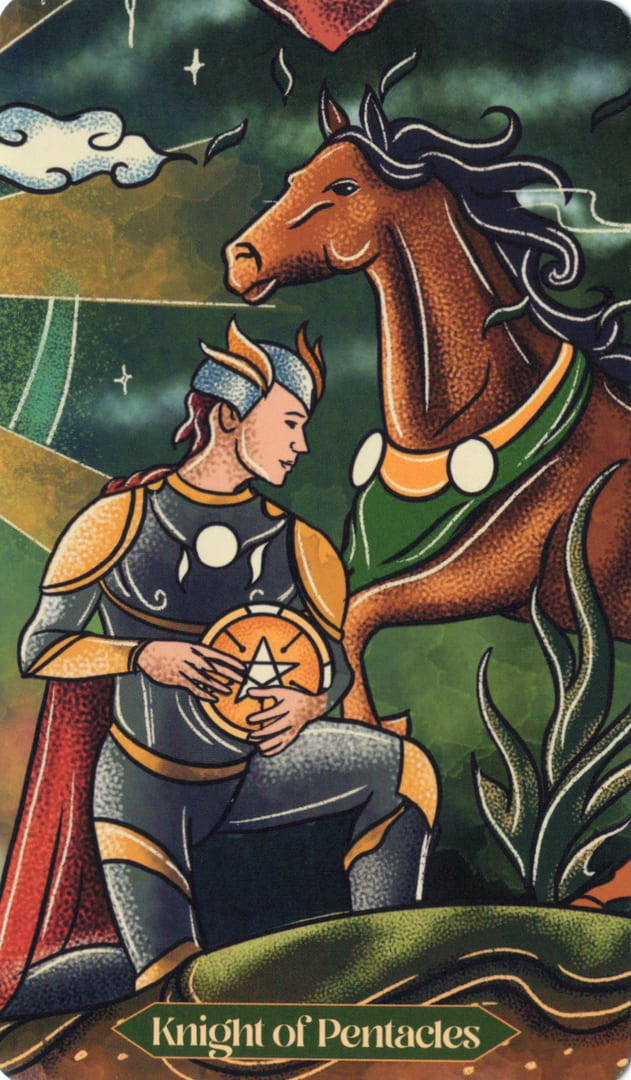
The Knight of Pentacles represents an earnest, reliable figure committed to pragmatic tasks and steady progress toward goals. It emphasizes hard work, methodical planning, consistency, and the importance of established habits that can bring results sooner than expected. In practical matters and projects it urges dedication, routines, and persistence. Reversed, it warns of procrastination, excessive rigidity, or feeling stuck, and encourages reassessing priorities, staying flexible, and exploring alternative approaches.
Queen of Pentacles
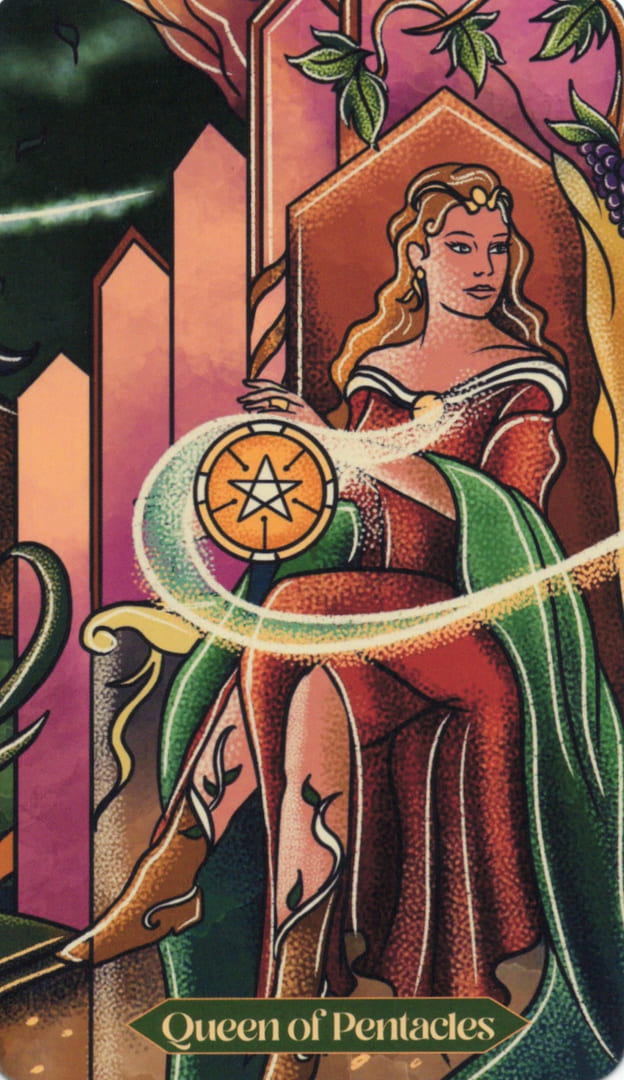
The Queen of Pentacles embodies a caring, pragmatic, and motherly energy centered on home, comfort, and material well-being. She represents generosity, security, and practical wisdom rooted in the present and gratitude for cultivated abundance. This archetype also signifies independence and success that follows sustained effort, with the promise that hard work is about to yield rewards. Reversed, the card warns of neglect—of responsibilities, self-care, or emotional needs—or of becoming overly possessive or materialistic at the expense of well-being.
King of Pentacles

The King of Pentacles signifies prosperity, worldly success, and the practical management of material resources. He embodies stability, patience, loyalty, and mastery over financial matters, often indicating the successful completion of projects or investments. This card encourages grounded, disciplined stewardship and confidence in bringing plans to fruition. Reversed, it warns of overemphasis on materialism, financial misalignment, overspending, or becoming overly rigid in approach.
Reading Tips for the Dreamscapes Tarot
La Muci Design created this deck to be experienced as much as read. The surreal artwork rewards those who let themselves drift into each image before reaching for memorized definitions.
Let the atmosphere guide you. Before consulting any meaning, sit with the card’s mood. Is the scene calm or restless? Bright or shadowed? The emotional tone of the Dreamscapes Tarot often communicates the core message faster than any keyword list.
Notice what feels familiar. Surreal imagery works by reminding you of things you can’t quite name — half-remembered dreams, feelings without words, places you’ve never been but somehow recognize. When a card triggers that sensation, follow it. That recognition is your intuition speaking.
Work with the color palette. La Muci Design’s use of color is deliberate and expressive. Warm tones signal active, outward energy; cool tones suggest introspection, emotion, and the subconscious. When a card’s colors surprise you — warmth where you expected coolness, or the reverse — that contrast is part of the reading.
Trust the dream logic. Not everything in this deck will make literal sense, and that’s the point. Dreams communicate through symbol, mood, and juxtaposition rather than linear narrative. If a card’s imagery feels contradictory or puzzling, sit with the tension — often the most important insight lives in exactly that space between what you see and what you expected to see.
Frequently Asked Questions
How many cards are in the Dreamscapes Tarot?
The Dreamscapes Tarot contains 78 cards: 22 Major Arcana representing life's major spiritual themes, and 56 Minor Arcana divided into four suits — Wands, Cups, Swords, and Pentacles.
What makes the Dreamscapes Tarot unique?
Created by La Muci Design, the Dreamscapes Tarot features ethereal, surreal artwork that transforms traditional tarot symbolism into dreamy landscapes and otherworldly scenes. Its soft, painterly aesthetic invites readers into a meditative, imaginative space.
Is the Dreamscapes Tarot good for beginners?
Yes. While the artwork is richly layered, the deck follows the standard 78-card structure with familiar card names and suit assignments. Beginners will find the evocative imagery helpful for building intuitive connections with each card.
How should I interpret the dreamy imagery in readings?
Let the surreal landscapes and atmospheric tones speak to your subconscious. Notice the colors, light, and mood of each card before consulting traditional meanings. The Dreamscapes Tarot rewards intuitive reading — trust what you feel before analyzing what you know.