The Fountain Tarot: All 78 Card Meanings Explained
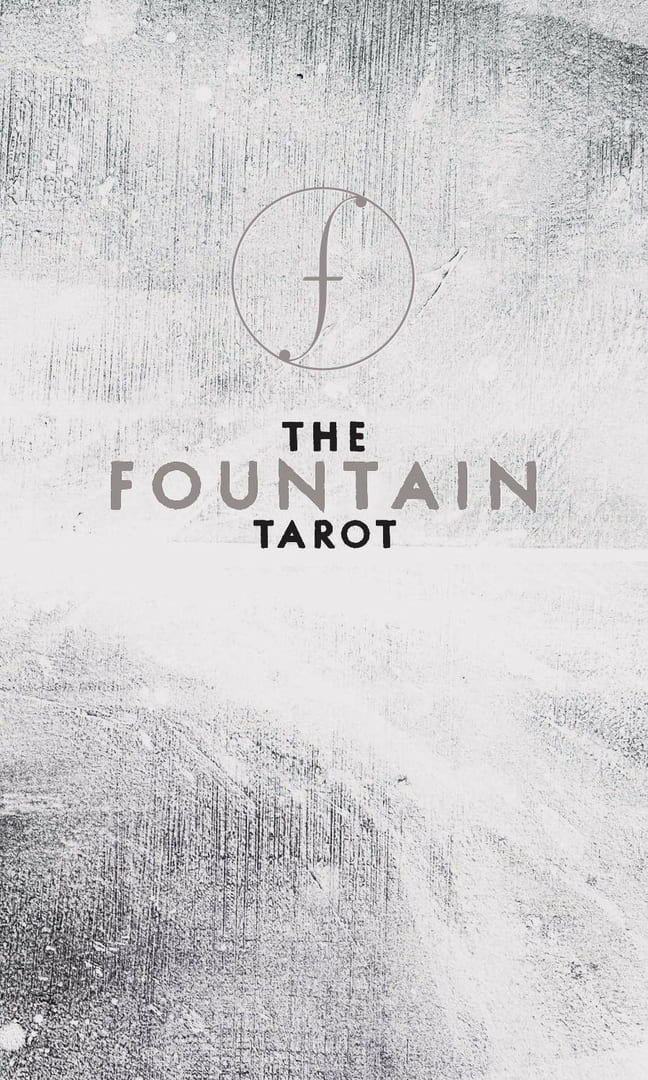
Some tarot decks illustrate tradition. Others break it apart and reassemble it as something entirely new. The Fountain Tarot does the latter with the confidence and precision of a gallery-quality oil painting, and the result is one of the most visually striking independent decks ever published.
Created by artist Jonathan Saiz, writer Jason Gruhl, and designer Andi Todaro, The Fountain Tarot replaces the familiar medieval iconography with luminous, contemporary fine art. Saiz’s original oil paintings inhabit a signature world of silver-blues, soft golds, and atmospheric light that feels like looking through water toward the surface. Human figures appear in states of stillness, motion, ecstasy, and surrender. There are no castles, no thrones carved with rams’ heads, no medieval landscapes. Instead there are bodies moving through space, light breaking across skin, and vast internal landscapes made visible.
The guidebook by Jason Gruhl matches the art in ambition. Each card’s meaning is written as a short contemplative essay rather than a keyword list, weaving personal insight with spiritual philosophy. The language is warm and direct, encouraging you to sit with each image and let it speak before reaching for definitions. This is a deck that rewards slow looking and quiet listening.
How the Deck Is Organized
The Fountain Tarot follows the classic 78-card tarot structure:
- Major Arcana (0–XXI): The 22 archetypal cards tracing the soul’s journey from innocence through mastery. These represent life’s great turning points, deep spiritual lessons, and the forces that shape who you become.
- Wands: The suit of fire. Passion, creativity, willpower, and the drive to bring vision into action.
- Cups: The suit of water. Emotions, love, intuition, and the inner world of feeling and connection.
- Swords: The suit of air. Thought, truth, conflict, and the clarity that honest examination demands.
- Coins: The suit of earth. Material reality, work, health, finances, and the patient cultivation of lasting stability.
Each suit runs from Ace through Ten, followed by four court cards — Page, Knight, Queen, and King — for 14 cards per suit and 56 Minor Arcana total.
Major Arcana
The Fool

The Fool symbolizes a fresh start and boundless innocence, representing a newly born soul embarking on an adventurous journey. Open-hearted, unformed, and eager to discover, he approaches life with childlike excitement and limitless curiosity. Though joyful and oblivious at times, he would be wise to seek and accept counsel from others. This card encourages stepping outside the norm for self-discovery while following the inner voice of the true Self.
The Magician

The Magician reveals the elemental tools of creation and reminds you that new ventures require more than skill—they demand faith and a willingness to harness a magical energy. It encourages you to speak your desires aloud and will them into existence through disciplined action and surrender. By combining imagination, self-confidence, and focused willpower, you become the bridge between the earthly and the divine, turning possibilities into reality. When reversed, these energies can be blocked or corrupted, manifesting as apathy, carelessness, irresponsibility, or deceit.
The High Priestess
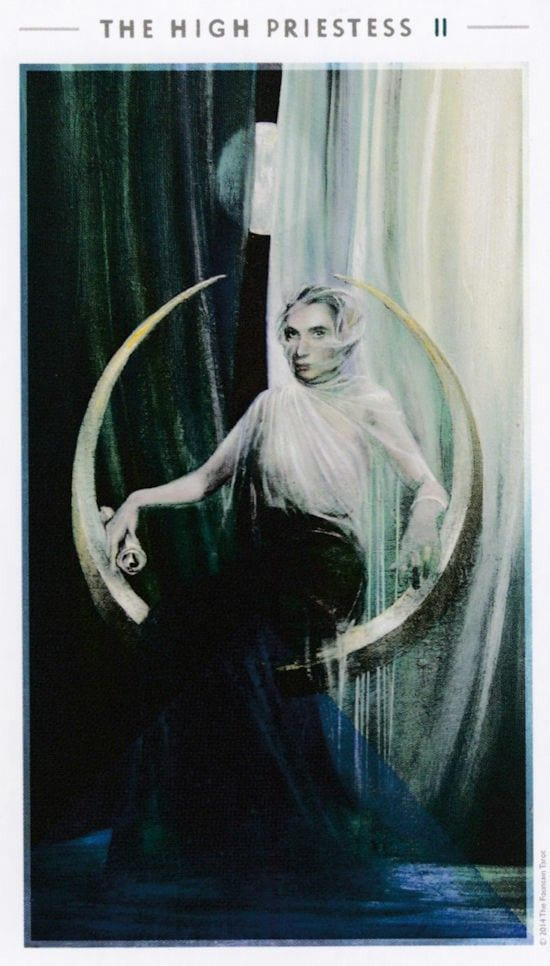
The High Priestess invites inward exploration and the cultivation of quiet, solitary wisdom through trusting personal experience rather than external answers or organized religion. She embodies veiled wisdom—a liminal space where opposites meet and intuitive thoughts arise and expand. Listening to her stillness grants strength and conviction for future actions and supports spiritual evolution and deep knowing. Reversed, the card warns of vanity, shallow or zealous attitudes, a disconnect from spiritual intuition, and ignorance.
The Empress
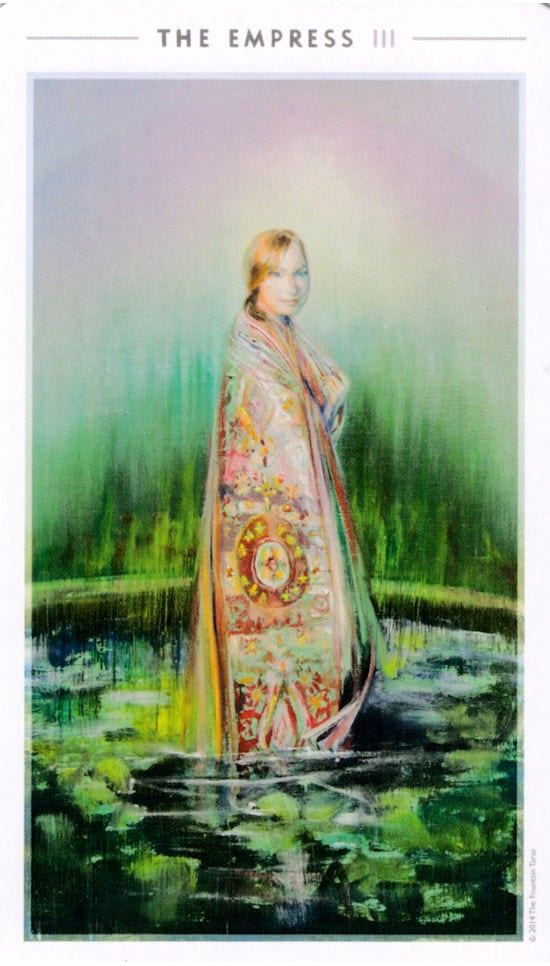
The Empress represents fertile, abundant creation and the nurturing, maternal power that supports growth. She invites you to tend your new projects and relationships with love, patience, and sensual presence, trusting the rich soil will yield abundance if carefully cared for. She embodies the cycles of life, death, creation, and destruction, offering safety and encouragement to begin and act. Reversed, her energy can indicate blocked fertility, dissatisfaction, anxiety, uncertainty, or infidelity.
The Emperor
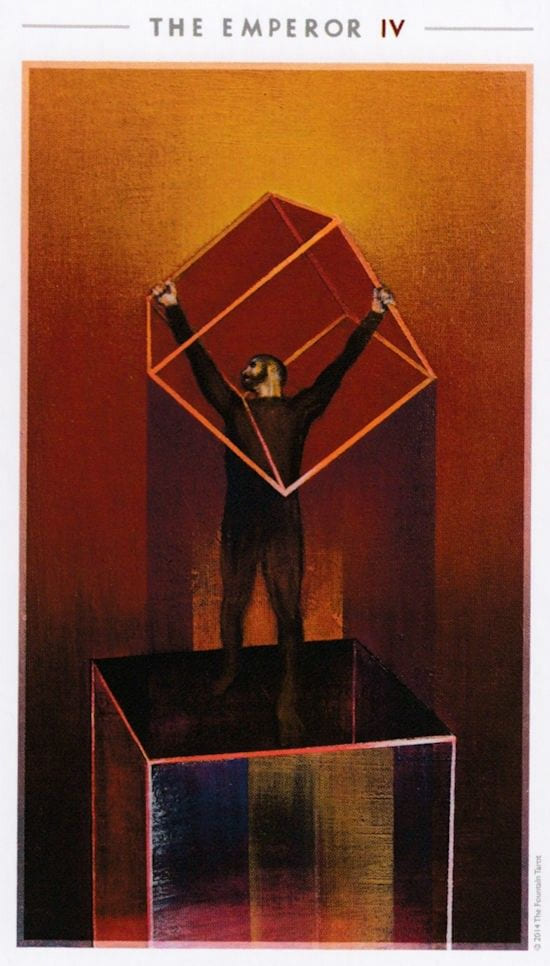
The Emperor embodies fatherly authority and the imposition of order through intelligence, foresight, and decisive action. He represents the creation of structure from chaos, requiring mature coordination, planning, and bold fearlessness to achieve grand aims. The card advises exerting control, defining limits, and trusting one’s abilities to lead, protect, and execute plans skillfully. In reversal the Emperor warns of misuse of power, ineffectiveness, fragmentation, egotism, and immaturity that undermine leadership.
The Hierophant
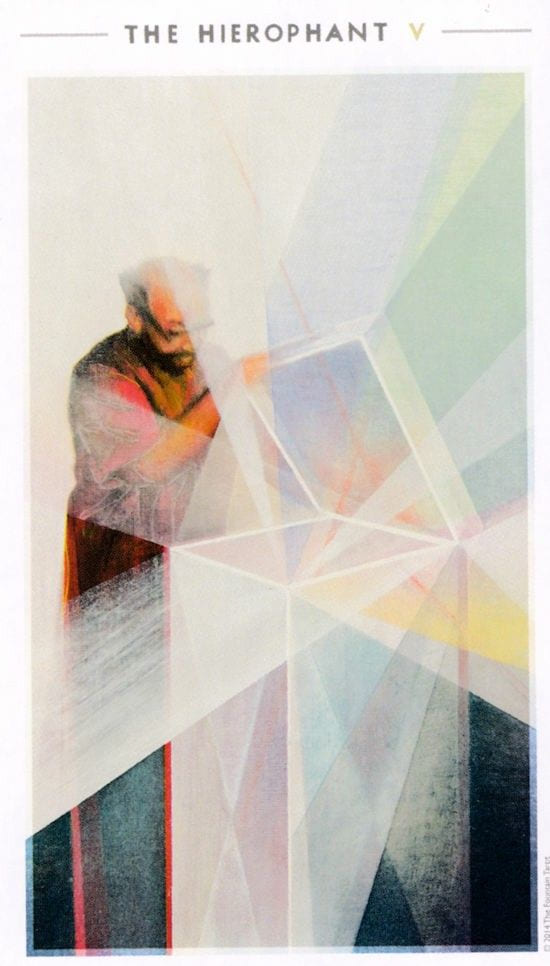
The Hierophant represents traditional wisdom, spiritual guidance, and the role of a trusted advisor within a community. He serves as a bridge between cherished beliefs and daily practice, urging honest assessment of whether convictions translate into actions. His counsel fosters inner harmony but can come with stubbornness, and when reversed this may show as rigidity or rejection of tradition. The card encourages seeking truth, compassion, and guidance while remaining open to necessary change.
The Lovers

The Lovers signifies a deep, often inexplicable recognition of oneself in another person or place, suggesting spiritual reunion and restored balance. It emphasizes a pivotal choice between following the head or the heart, with the potential for transformative, lifelong joy when one chooses love. The card extends beyond mere romantic passion to encompass magical unions, fulfillment of desires, and trust in one’s heart. It also warns that love may be inconvenient or painful at times, requiring courage and integrity to realize its rewards.
The Chariot
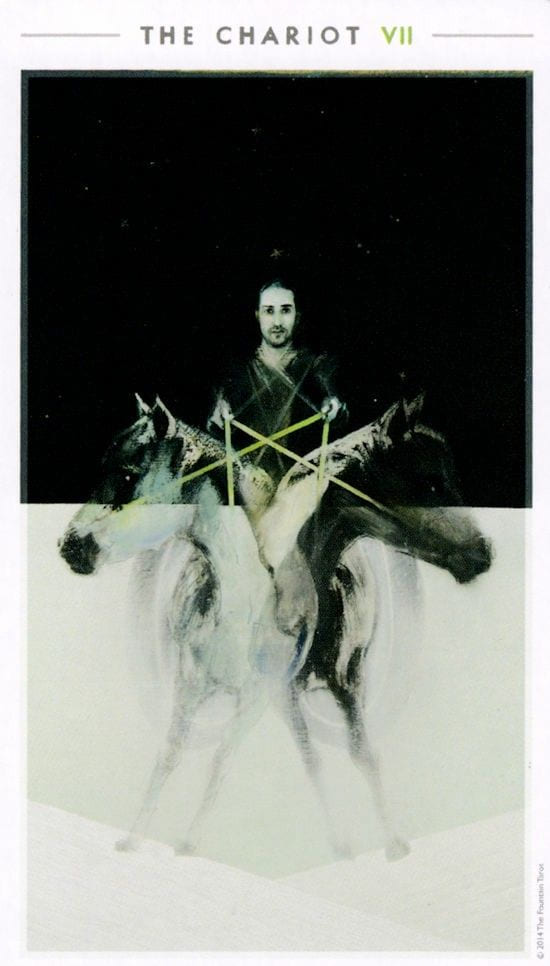
The Chariot symbolizes harnessing opposing forces through focus, unshakable determination, and intense will. Surrounded by contradiction, the charioteer channels concentration and confidence to conquer all difficulty—intellectual, emotional, spiritual, and physical. The card points to triumph over obstacles, steady resolve, renewed motivation, harmony, and an inner search for truth while navigating complexity and restoring balance. It can also indicate a voyage or journey. Reversed, it warns of failure, unresolved conflict, collapse, dissolution of dreams, apathy, and resignation.
Strength

Strength speaks to harmonizing peaceful and fiery energies within the self, using courage and inner discipline to tame and redirect passion. The imagery of a woman caressing a lion shows integration rather than suppression, inviting a partnership between gentleness and raw power. When mastered, these forces fuel determination and propel objectives to unexpected heights. Reversed, the card warns of passions running amok, abuse or loss of courage, and disharmony that undermines conviction.
The Hermit

The Hermit represents a deliberate withdrawal into solitude to listen to the inner voice and explore the depths of the self. In quiet observation, time falls away and the seeker wanders where the soul leads, uncovering what hides in shadow. This process can be disorienting or shocking, but embracing the truths found there is necessary for peace. Reversed, the card warns of carelessness, rigid patterns, and a lack of inward attention that obscures guidance.
Wheel of Fortune

Wheel of Fortune signifies that life is unpredictable and that change is inevitable and necessary, often arriving without personal intent. It is impersonal—sometimes you are summiting the mountain, and sometimes trudging through the valley—and the card advises accepting random encounters with change without judgment or evaluation. When upright, this card generally indicates favorable odds, including unexpected change, good fortune, luck, happiness, unforeseen joy, resolution of a concern, and forward movement. When reversed, it warns of bad luck, harmful patterns of behavior, unexpected disturbance, reversal of fortune, or failure.
Justice

Justice emphasizes fairness, objectivity, and the impartial weighing of material and spiritual choices. It calls for rational, levelheaded assessment and responsibility for the consequences of your actions. Outcomes are determined by what is needed in reality rather than by wishful thinking, and they may or may not be to your liking but will be fair. The card urges examination of motives, identification of raw truths, and the restoration or creation of balance through clear judgment.
The Hanged Man
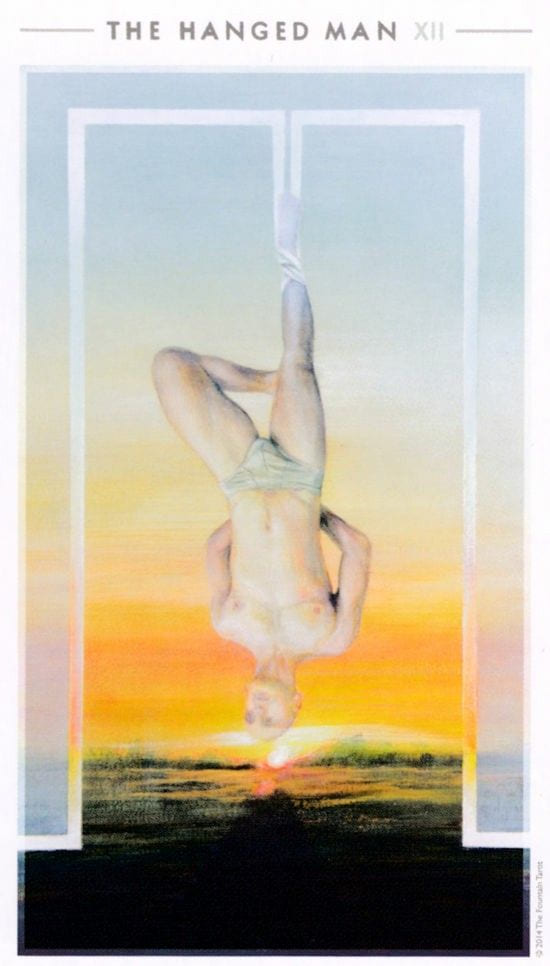
The Hanged Man signifies a voluntary suspension that invites a radical change of perspective and deep self-examination. By surrendering the ego and known ways of being, one enters a liminal space where clarity and spiritual insight arise and cannot be unlearned. This card encourages trusting the process of letting go and receiving the peace and truth revealed through sacrifice. Reversed, it warns of resisting change, clinging to identity, or failing to commit to meaningful growth.
Death

Death signals an inevitable ending that brings a profound invitation to transform. It often requires mourning and acceptance as a form of release, describing a purification process that makes room for new life. The imagery of the spectral horse and the cold silence underscores the inevitability and starkness of the change. If resisted, this energy can produce paralysis, fear, and being adrift; embracing the transition opens the path to a new future.
Temperance

Temperance calls for patient, quiet awareness and inner listening, inviting integration and harmony between the physical and spiritual. It suggests that opposites can be blended rather than forced into an either/or choice, creating alchemy when impatience and rigid perceptions are set aside. The card emphasizes conscious moderation and the 'middle way' as a path toward balance as needs evolve over time. Reversed, Temperance can indicate confusion, disharmony, or forced decisions arising from competing interests.
The Devil

The Devil card points to powerful, ambiguous forces of desire, indulgence, and bondage that are not inherently evil but can be fearsome and sometimes dangerous. It asks for extreme honesty and assessment of what is actually needed—whether surrender, commitment, or restraint—to determine whether these energies lead to growth and freedom or to addiction and bondage. The card warns of undisciplined behavior, loss of Self, codependency, and being limited by shoulds and doctrines. Reversed, it indicates removed obstacles, controlled energy, emancipation, and a clear direction.
The Tower

The Tower signals a sudden collapse of a structure—literal or ideological—that has become ostentatious, complicated, and beyond its usefulness. It represents unexpected deviation, the bankruptcy of beliefs and ways of being, and the painful release of self-deception and inflated superiority. Though the change is often harsh and long-lasting, it restores balance by removing what was inessential and relieving built-up pressure. In reverse, the card warns of clinging to patterns, refusal to change, delusion, and continued losses that prevent reconstruction and growth.
The Star
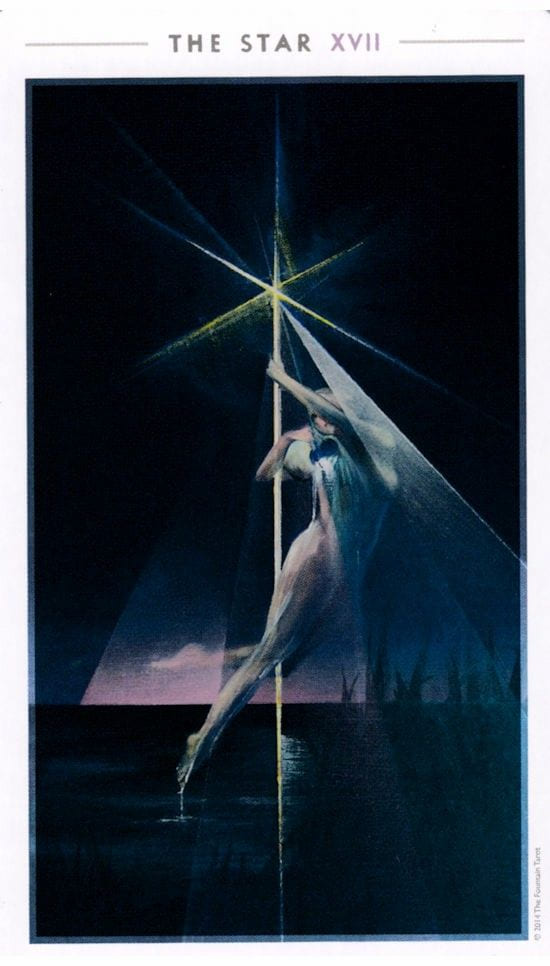
The Star signals a period of rest, healing, and renewed hope, acting as a guiding light and compass when you are lost. It reassures that everything is in order and unfolds in its own time, inviting you to use calm to identify and commit to what matters. The card points to possibilities and promising potential futures, urging persistent focus and trust in its guidance even when you falter. Reversed, the Star warns of self-pity, setbacks, imbalance, apathy, despair, or excessive pride that hinder growth.
The Moon
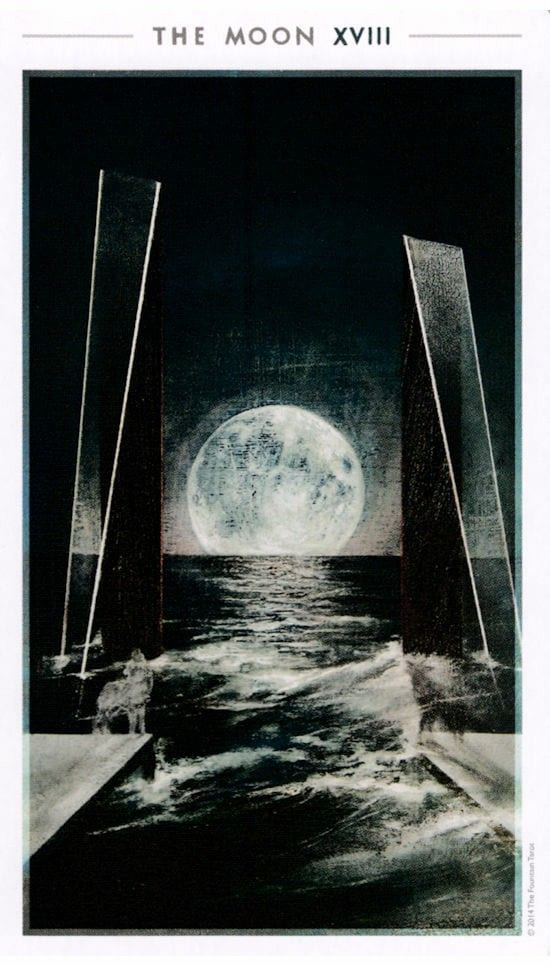
The Moon represents a journey into the unconscious where mystery, illusion, and danger obscure clear footing. It signals confusion and deception—often seductive and familiar—while pressing you to move or risk being lost in shadow. At the same time it invites surrender to intuition, patient meditation, and creative insight to release and reveal profound truths. Reversed, it warns of instability, impatience, denial, or barren stillness that blocks honest psychic work.
The Sun

The Sun signifies radiant joy, clarity, and a profound sense of unity and peace. It heralds moments of total comprehension and arrival, inviting a renewed relationship with yourself and the world marked by wonder, curiosity, and appreciation. This card indicates confidence in both earthly and spiritual realms and an inner illumination that frees you from duality and brings lightness and discovery. In reverse it cautions about separation, disconnection, limited advancement, loneliness, and an ambiguous future.
Judgement

Judgment calls you to come to terms with your past, fostering healing and renewing your ability to love purely, flow freely, and transcend your struggles. It is an internal voice and invitation that requires intention and the bravery to uncover and arouse enshrined memories so they can rise up fully exposed. If you accept the invitation you can face and forgive those memories, release the past, and move on, experiencing rejuvenation, a definitive decision, an altered view, and new purpose. Reversed, the card points to disconnection, willful stubbornness, indecision, addiction, martyrdom, and spiritual cowardice.
The World
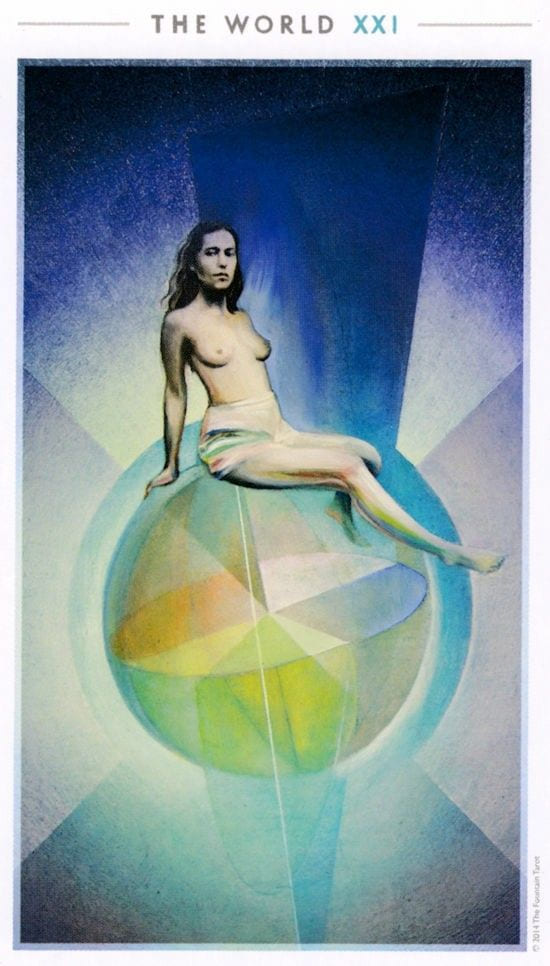
The World signifies the completion of a major cycle and the integration of mind, body, and spirit. It represents mastery, a paradigm shift from novice to expert, and the attainment of wholeness and ease. This card conveys peace of mind, certain success, and the satisfaction of having gained skills through effort and grace. Reversed, it warns of partial success, disappointing outcomes, fear of one's own power, or lack of fortitude.
Wands
Ace of Wands

The Ace of Wands signifies a sudden gift of fiery passion and enthusiasm that energizes new beginnings and creative drive. It represents a hot flash of focused intention, will, and determination to create or even destroy in service of transformation, giving you strength and inspiration to move your goals forward. Because it is an ace, the opportunity is brief — you must find your courage and act quickly to seize it. Reversed, the card warns of dull motivation, thwarted plans, a lazy spirit, and uncertainty that can block forward momentum.
Two of Wands

The Two of Wands signals a moment of decision between two viable paths, each with potential but only one that can be fully developed given your energy. It urges timely action—delaying risks losing the opportunity. Trust your instincts, follow what brings you joy, and choose boldly knowing you shape yourself through your choices. When reversed, this card warns of fear, hesitation, stagnation, or being dominated by others, which can lead to hollow or failed outcomes.
Three of Wands

The Three of Wands represents focused effort to manifest objectives, showing a figure who must sometimes push energy outward and other times pull it inward to attract desired outcomes. Strength and focus are the first glimpses of achievement while foresight and business acumen guide practical decisions. Long-term prosperity depends on patience, attentiveness, and nimbleness as you balance action with receptivity. Reversed, the card warns of negligence, naive expectations, disappointment, unrewarded work, or failure in a business venture.
Four of Wands

The Four of Wands signals joyful celebration and the completion of a project, phase, or rite of passage, often achieved with the help of others. It marks a milestone and invites you to pause and honor the shared accomplishment before moving on to new challenges. The card emphasizes that collective effort can produce results greater than solitary work and encourages taking time to enjoy success. Reversed, it can indicate postponed celebrations, disharmony, or dissatisfaction that undermines the sense of achievement.
Five of Wands

The Five of Wands represents tension, competition, and chaotic conflict where multiple forces or desires vie for control. It highlights instability and competing approaches, asking you to choose whether to engage boldly or withdraw wisely. The card suggests harnessing chaotic energy—either in yourself or others—to overcome obstacles and stand strong. Reversed, it warns of inaction, petty complications, and the need to return to strong guiding principles.
Six of Wands
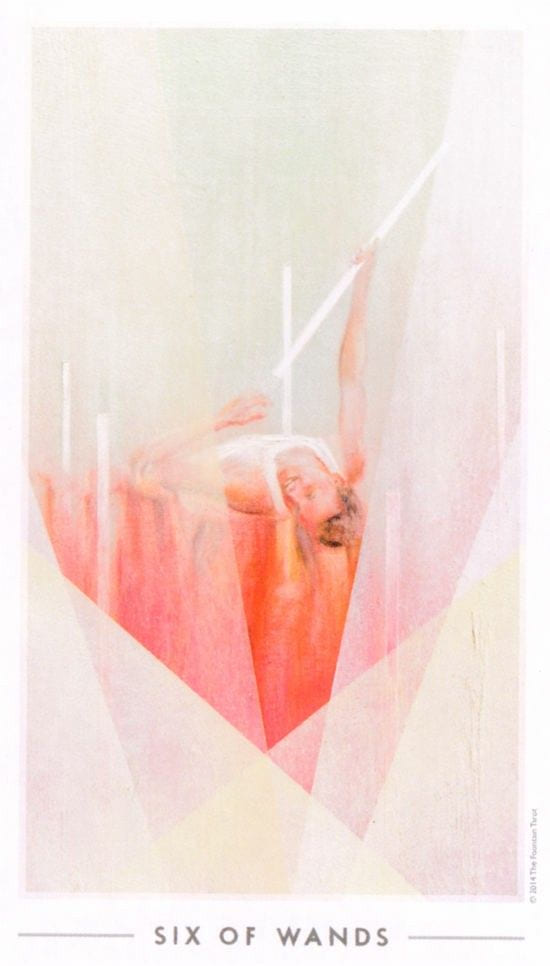
The Six of Wands signifies a public victory and restored balance, where recognition and praise bring renewed hope and motivation. It celebrates champions and the reciprocal energy between leader and admirer that elevates potential and charisma. The card advises enjoying success and the communal celebration while remaining cautious of becoming addicted to admiration. Reversed, it warns of excessive pride, false praise, betrayal, fear, and disloyalty that can undermine achievement.
Seven of Wands

The Seven of Wands shows a lone man attacked in broad daylight by six wands, clearly outnumbered but standing with quiet certainty and determination. The attackers include faces he recognizes as friends and colleagues, suggesting feelings of betrayal or opposition from familiar sources. From his higher position he holds the advantage and is capable of defending his ground, symbolizing unshakable conviction, bravery, and triumph against the odds. Reversed, the card warns against acquiescence, hesitation, and indecision that can lead to loss or missed opportunity.
Eight of Wands
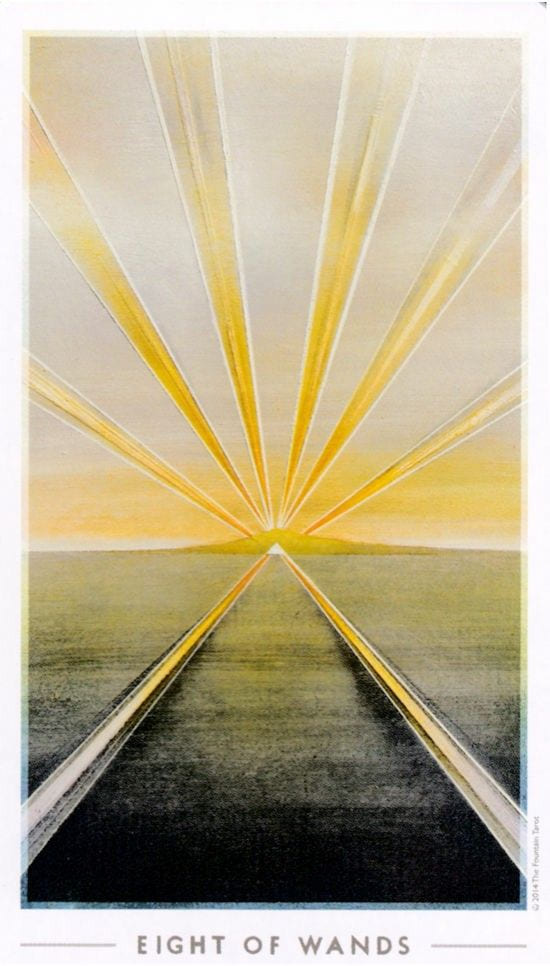
The Eight of Wands signals swift movement, rapid developments, and impending conclusions; momentum carries you quickly toward your goal. It suggests mobility after stagnation and an explosion of potential, driven by singular purpose and nimble handling. The card advises vigilance as you approach completion—progress can accelerate mistakes if you lose focus. In reversal, the energy is blocked, showing delay, inertia, emotional upset, or strained relationships that impede forward motion.
Nine of Wands
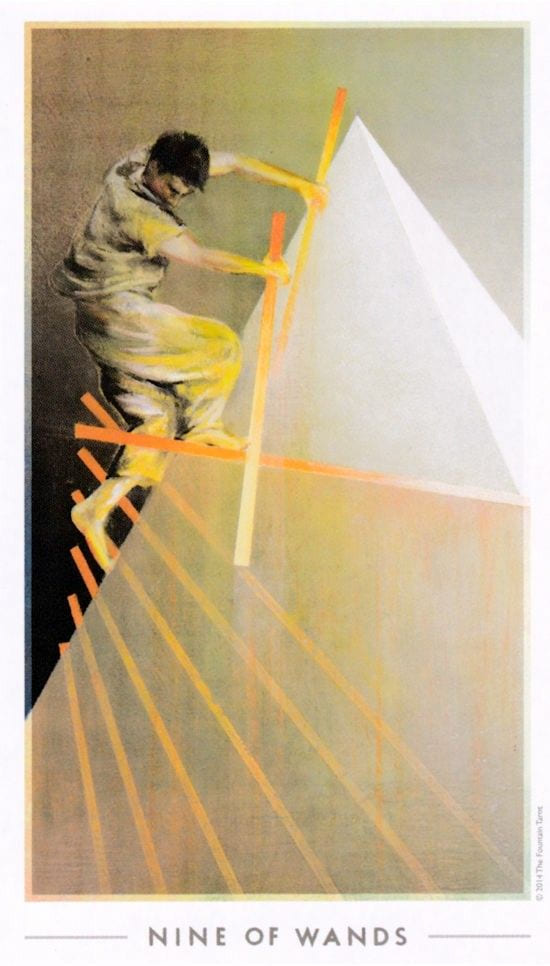
The Nine of Wands represents a final push toward completion after sustained effort, when success becomes likely and a resilient energy has been released. It recognizes that each challenge imparts wisdom while taking a toll, leaving you stronger but in need of restoration. The card advises savoring achievements, replenishing energy, and reflecting on lessons learned because new challenges will arrive. Reversed, it warns of impeding setbacks, obstacles, adversity, or wasted energy that undermine progress.
Ten of Wands
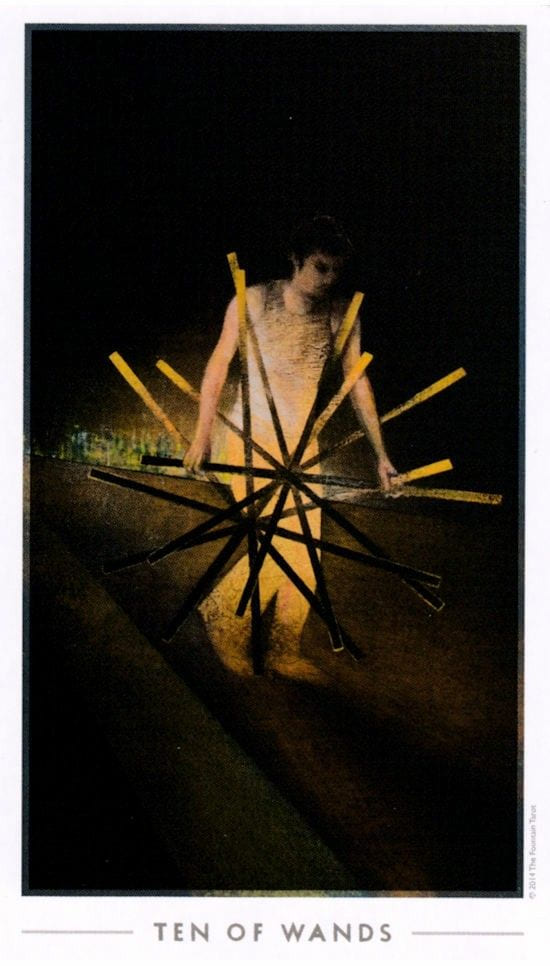
The Ten of Wands depicts success that has become burdensome as you struggle to carry too many responsibilities. You are expending a great deal of energy to hold everything together, and your original spirit and creativity are being drained by obligations. The card urges you to recognize the imbalance, reconnect with your passions, and apply the lessons of your efforts to restore balance. Reversed, it can indicate insincerity, cynicism, irresponsibility, or the blaming of others.
Page of Wands
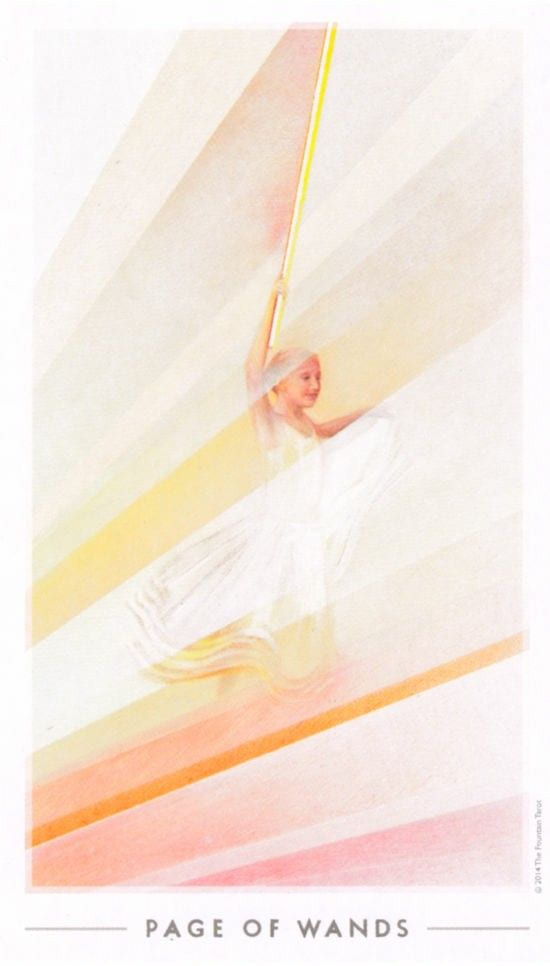
The Page of Wands represents a youthful, enthusiastic energy and fresh perspectives that herald new beginnings and creative impulse. She is eager for adventure and dramatic in expression, often drawing attention through theatrics. Though bright and optimistic, she lacks confidence and can appear immature or self-conscious, requiring time and compassion to mature. Reversed, the card can indicate bad news, disloyalty, indecision, or instability that undermines the positive potential.
Knight of Wands

The Knight of Wands represents a passionate, bold, and dramatic energy that moves quickly and decisively. He is a determined, youthful seeker whose enthusiasm and fierce loyalty drive adventurous pursuits, journeys, or changes in residence, and he helps move things into action. At his best he shows controlled action amid rapid change and passionate persistence, but his impulsivity and overbearing manner reveal a need for kindness. Reversed, the card signals relationship conflict, narcissism, bullying, discord, and unreliability.
Queen of Wands
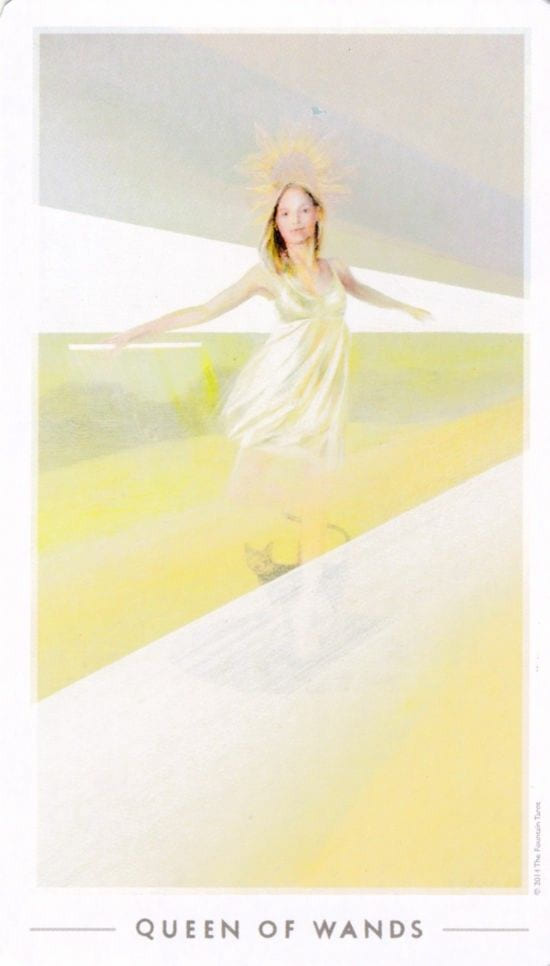
The Queen of Wands embodies warmth, charisma, and generous, playful energy that draws others in. She is vivacious, fiercely independent, and guided largely by instinct, inspiring most people even if a few find her intimidating. She loves life and is motivated by seeing others grow, offering gifts without expecting repayment. Reversed, her strengths can tip into overbearing behavior, jealousy, self-doubt, unpredictability, or inflexibility, where passion becomes a fault.
King of Wands

The King of Wands embodies a passionate, visionary leader who turns the impossible into the probable and inspires others to join in pursuit of possibility. He commits wholeheartedly to goals—whether spiritual or physical—and motivates those around him through confidence and enthusiasm. Action and adventure energize him, and the process of striving often matters as much as the outcome. In reversal, this dynamic energy can tip into arrogance, impulsiveness, immaturity, and impatience, warning against unchecked ego and rash decisions.
Cups
Ace of Cups

The Ace of Cups represents the emergence of a new emotional connection and overflowing emotional abundance. It is a fleeting gift or beginning—whether spiritual or earthly—that offers opportunity for growth and the expression of love. The imagery emphasizes balance in giving and receiving, nourishment, empathy, and trust in one's emotions. Reversed, it warns of unreciprocated feelings, dissatisfaction, instability, and false or tainted affection.
Two of Cups

The Two of Cups signifies a deep, powerful connection and unmistakable synergy between two energies; it can be between potential lovers, friends, strangers, or a person and an experience. When such spirits unite, the universe feels personal and new possibilities or magic may be created. This beautiful moment requires action, and what you do with it is up to you. In reverse, the card warns of loss of balance, separation, a closed heart, apathy, misplaced passion, or misunderstanding.
Three of Cups

The Three of Cups celebrates communal bonds, joyful gatherings, and the rejuvenating love shared among family and close friends. It calls you to acknowledge your community and revel in the support of those who know you, especially after solitary achievements. This card signifies celebration, fulfillment, healing, culmination, and unexpected joy or good fortune. Reversed, it cautions against overindulgence, decadence, ingratitude, loss of contentment, or termination of connections.
Four of Cups
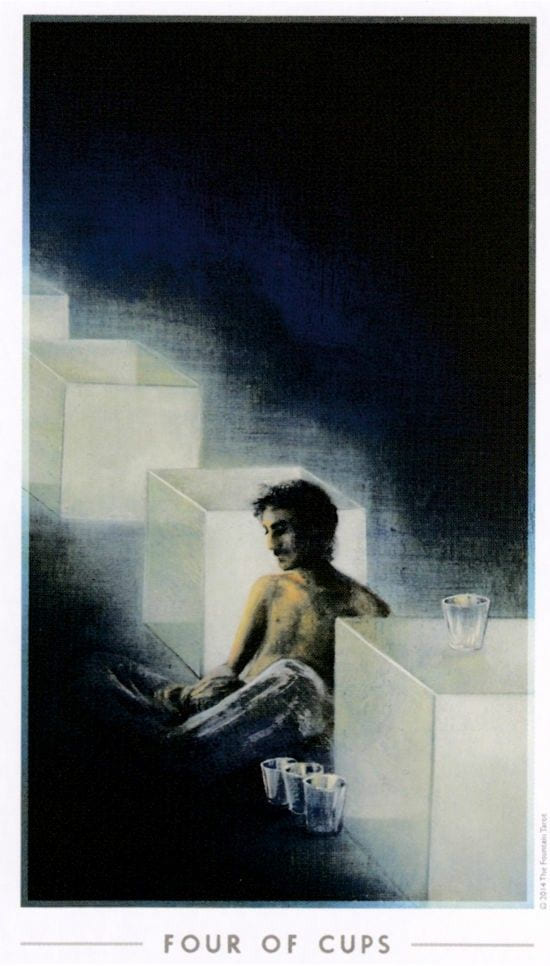
The Four of Cups depicts a figure sunk in brooding disillusionment and emotional stagnation, unable to appreciate the abundance around him. It signals listlessness, self-reflection that tips into melancholy, and a narrowed perception that obscures alternatives. The card urges shaking off self-pity so that previously overlooked options and bounty become visible again. In reversal, it points to taking action, seeing new possibilities, fresh relationships or experiences, and breakthroughs in self-awareness.
Five of Cups

Five of Cups represents the pain of loss and the necessity of fully feeling sorrow in order to move beyond it. It emphasizes significant but partial loss, despair, and regret, and warns against losing oneself in wallowing and agitation. The card advises being thoughtful and gentle with grief so the past remains present but does not overwhelm, keeping one foot on solid ground. In reversal, it signals emotional growth, a new experience of equilibrium, new partnerships, and a more hopeful, cheerful future.
Six of Cups
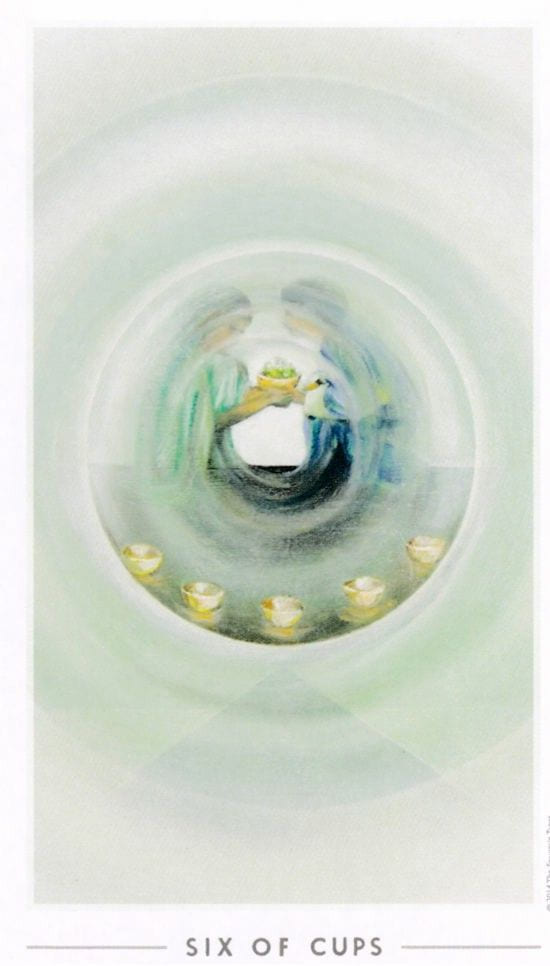
Six of Cups evokes warm memories and simple pleasures, representing a persistent happiness from the past that can be revived in the present. It often points to a connection—sometimes to a feminine person or object—that renews feelings of joy and innocence. The card is a gentle reminder to approach life with openness and to appreciate beauty in small, immediate moments, though these experiences may provide temporary relief and can idealize the past. In reversal, the card can indicate a new beginning, a promising future, or renewal.
Seven of Cups

The Seven of Cups depicts being overwhelmed by choices and caught in a mist of fantasies and possibilities. It warns that indulging in daydreams and distraction can muffle your inner voice and prevent decisive action. To grow, you must commit to a choice and take action, understanding that the path will change and unfold you but will move you forward. Reversed, the card signals renewed determination, decisive action, and skillful handling of the unexpected as you align with your true self.
Eight of Cups

The Eight of Cups depicts leaving behind an unfulfilling situation to pursue deeper emotional or spiritual fulfillment. It signifies a deliberate choice to abandon material comforts or familiar relationships in search of new paths and inner truth. The card emphasizes courage, humility, and certainty of purpose as one ventures into the unknown. Reversed, it warns of being stuck, resistant to change, or indulging in avoidance and cynicism.
Nine of Cups
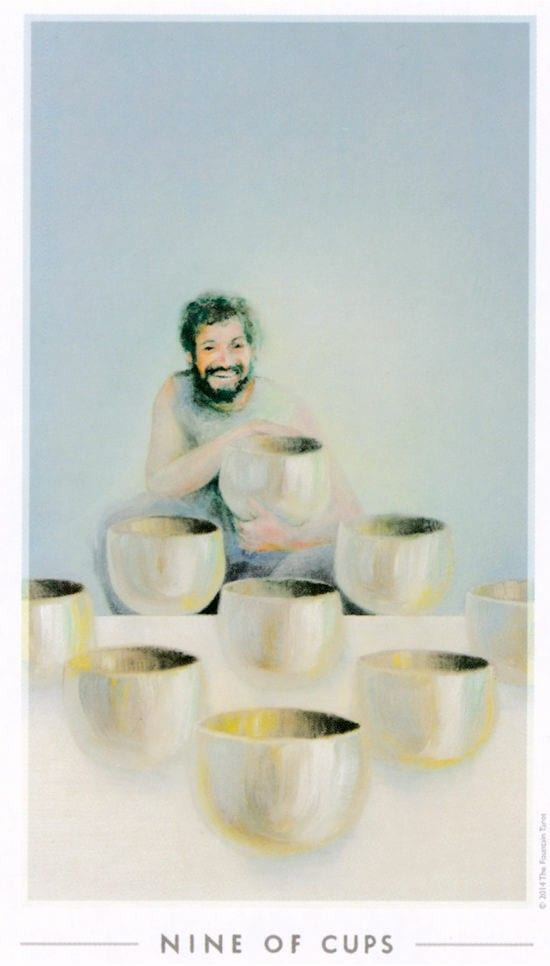
The Nine of Cups depicts a man surrounded by nine cups who invites others to share in his joy, symbolizing emotional fulfillment and the fruition of wishes. Often called the wish card, it emphasizes contentment, satisfaction, and the reciprocal nature of giving and receiving. The figure reflects on the choices that led to this abundance and offers gratitude, encapsulated in the phrase "Joy shared is happiness returned." The card encourages celebrating blessings by welcoming others and sharing resources in an abundant, communal spirit.
Ten of Cups

The Ten of Cups signifies harmonious, trusting relationships and emotional fulfillment, especially in romance and home life. It honors the struggles and victories of partnerships and highlights empathy, emotional maturity, and a commitment to building something that honors all involved. The card points to interconnectedness, well-earned blessings, and abundant joy within a contented home. Reversed, it warns of friction, disharmony, strained or lost relations, conflict, and grief.
Page of Cups
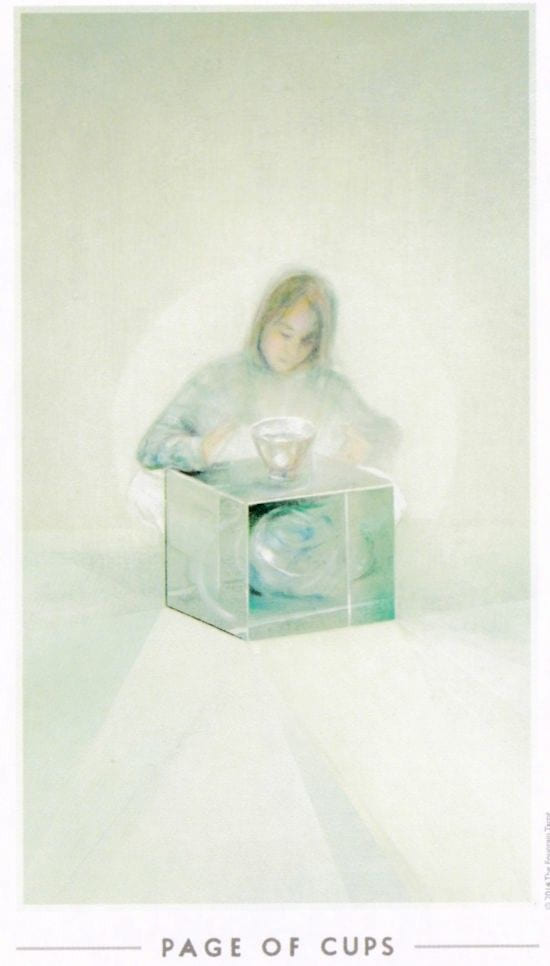
Page of Cups represents the dawning of spiritual awareness and imaginative growth, often expressed in a youthful or childlike manner. It signals messages, new developments, wonder, and sensitive or artistic inclinations, and can even indicate pregnancy or birth. The card acknowledges emotions and thoughts that may be immature or naive yet hold glimpses of deeper truth that will illuminate the spirit. In reversal, it cautions against deception, immature love, distractibility, and indiscretion that can derail these nascent potentials.
Knight of Cups

The Knight of Cups embodies passionate idealism and romantic imagination, often caught between innocence and maturity. He tends to live in his head, enamored with ideas and concepts more than practical realities, which can lead to theatrical behavior and unwitting self-indulgence. He is loyal, intuitive, and may bring invitations or opportunities, but his convictions can be immature and his moods changeable. Reversed, the card cautions against trickery, hypocrisy, unreliability, and selfish manipulation.
Queen of Cups
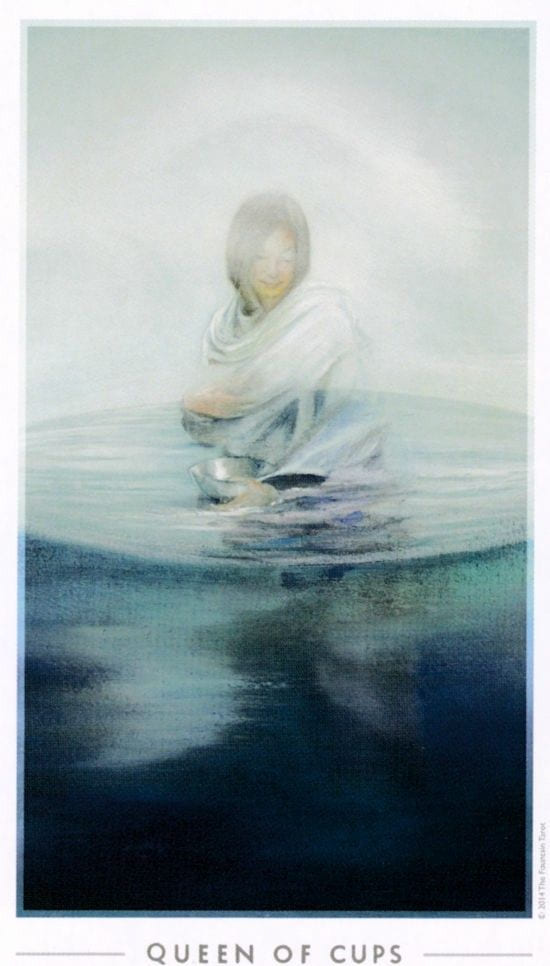
The Queen of Cups embodies warm, devoted, and compassionate motherly energy, deeply attuned to others' emotions and needs. She anticipates needs and resonates with thoughts and feelings, offering steadfast belief and encouragement. Having experienced pain and failure, she carries empathy and insight, holding dreams safely in her heart. The card emphasizes supportive devotion, emotional understanding, and nurturing guidance. The provided text lacks formal extended sections for Meaning and Reversal, so specific reversed guidance is not available.
King of Cups

The King of Cups represents steady, gentle emotional authority and compassion that remains calm amid chaos. He values empathy, artistic expression, and deep devotion to family and relationships, serving as a protective and fair father figure. He can inspire loyalty and bring others to your cause through kindness and dignity. Reversed, his warmth can become deception, emotional distance, manipulation, excessive sentimentality, or an explosive temper.
Swords
Ace of Swords

The Ace of Swords represents raw mental power and a piercing clarity that can cut through confusion to reveal truth and insight. It heralds a rare opportunity for a fresh approach or sudden understanding that can lead to long-term success when combined with determination and ambition. The card advises close attention to words and thoughts, reminding you that knowledge grants power but requires reflection to avoid delusion. Reversed, it warns of mental obstacles, excessive force, denial, shame, or catastrophic misuse of intellect.
Two of Swords

The Two of Swords indicates an inner conflict between heart and mind and highlights strategies that are unsustainable and precarious. You may be managing the situation skillfully but are approaching exhaustion, and the stalemate cannot be held indefinitely. The card urges you to pause, take inventory, and work through repressed emotions and denial rather than continuing to waste energy. In reversal, the stalemate may conclude, but there is also a risk of trickery, deception, or dishonesty.
Three of Swords

The Three of Swords signals impending heartbreak: a piercing truth or occurrence will abruptly change your life amid a cold, stormy atmosphere. Although it will hurt and may produce emotional numbness, there is often a sense of relief in hindsight because you might have seen it coming. This painful revelation often involves separation, betrayal, or loss in matters of the heart. Despite the immediate pain, these experiences catalyze personal growth by forcing honest reassessment, though reversals can show confusion, refusal, or over-intellectualizing of feelings.
Four of Swords

The Four of Swords signals a need for rest and quiet reflection after a difficult period. It encourages withdrawing from noise and stilling the mind to reconnect with your true voice and invite new perspectives. This pause won't make problems disappear but creates space for recuperation, humility, and fresh ideas. Reversed, the card warns of mounting stress, harmful persistence, and being overwhelmed by busyness.
Five of Swords
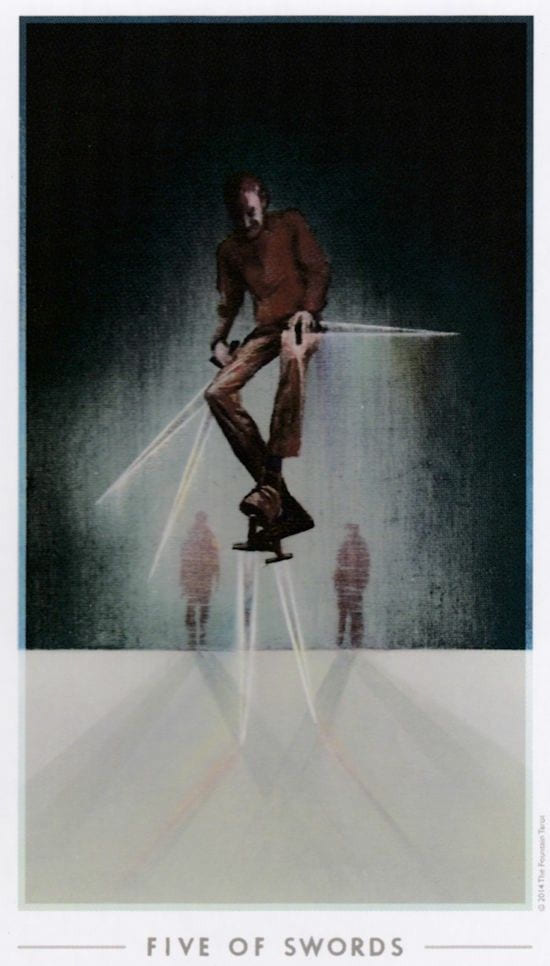
The Five of Swords warns of a tainted victory where winning comes at the cost of relationships and personal integrity. The figure's smirk and the defeated people in the background symbolize alienation and dishonorable behavior that can follow short-sighted gains. This card points to bullying, manipulation, and profit at others' expense, often resulting in humiliation and backlash. The guidance is to broaden your perspective, honor your principles, and prioritize long-term integrity over hollow success.
Six of Swords
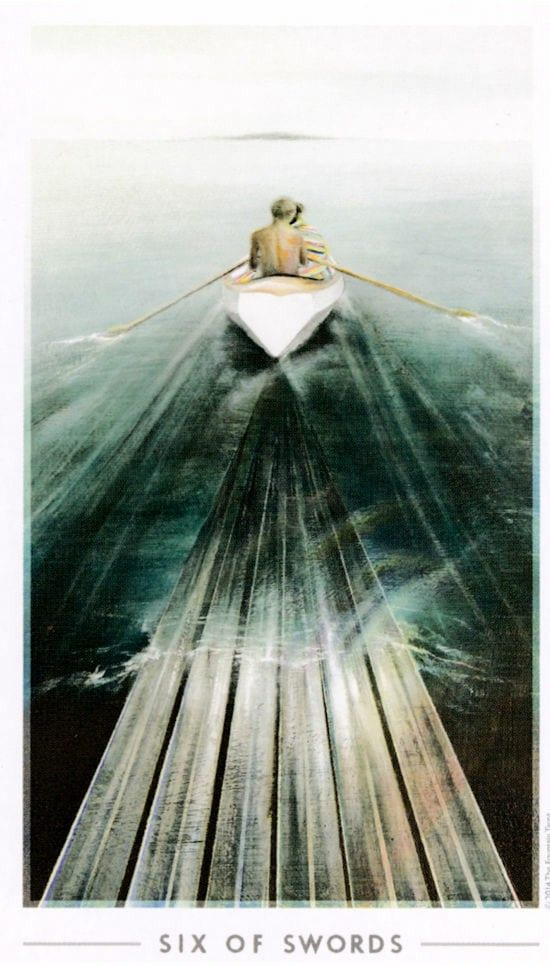
The Six of Swords signifies a transition away from difficulty toward a calmer, more stable future, often with the assistance of others. It highlights the courage to seek help and leave murky, draining circumstances behind, enabling healing and renewed perspective. The card suggests that although transitions can feel disorienting, the worst obstacles are behind you and safe passage is available. In reversal, it warns of old patterns, stubborn self-reliance, or delays that block progress and postpone necessary decisions or journeys.
Seven of Swords
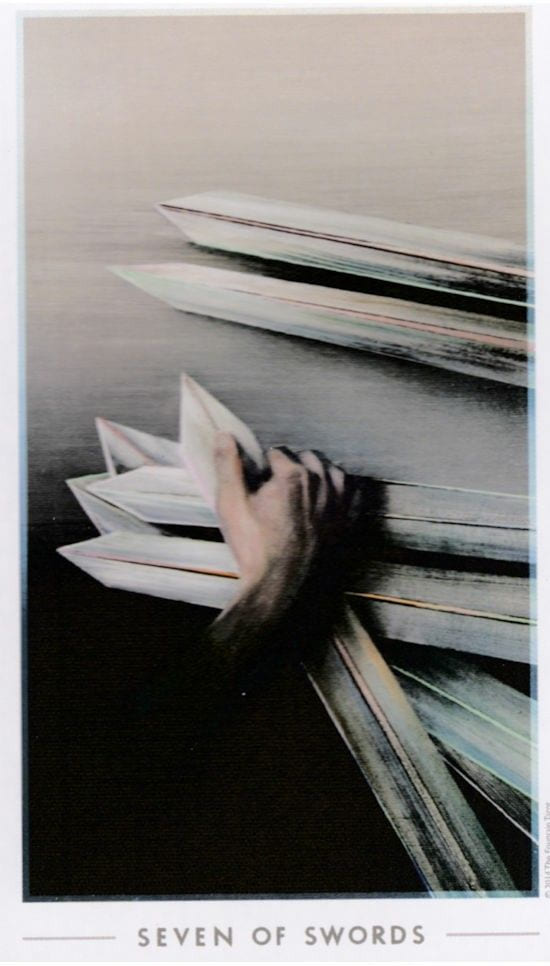
The Seven of Swords signals a situation where risk and hidden motives play a central role, and its moral valence depends on surrounding circumstances. It can indicate deceit, betrayal, or stealthy behavior, but also courage and innovative risk-taking. The card warns that partial success and unexpected complications are likely, so be clear about your objectives and motives. Mind your values when taking bold actions, as grabbing the blades may achieve goals but can also cause loss or damage. In reversal it can point to good counsel, a push toward justice, or lingering uncertainty.
Eight of Swords

The Eight of Swords depicts a woman who feels mentally trapped by fear, doubts, and imagined obstacles. It highlights that these constraints are often self-imposed and largely illusory—the blindfold can be transparent and the swords are not truly binding. The card urges opening your eyes to reality, acknowledging pain, and finding the courage to move forward. By shifting focus from fear to action, you can release regret and regain freedom and self-trust.
Nine of Swords

The Nine of Swords depicts acute anxiety, nightmares, and a mind overwhelmed by fears and regrets. Its imagery points to worries that may be imagined or exaggerated, piling up until they feel like a crushing reality. The card urges distinguishing between real threats and mental constructions, because peace depends on separating fact from fantasy. In reversal it can indicate movement toward logic, contentment, and diligence, or warn of lingering rumor and doubt.
Ten of Swords

The Ten of Swords depicts a painful ending and the need for surrender, symbolized by a figure pierced and the sun signaling the close of one cycle and the hesitant promise of another. It indicates that a conversation, belief, or way of being has outlived its usefulness and should be released to allow healing. Letting go—even if it feels like betrayal or loss—creates liberation and space for new possibilities and self-forgiveness. While reversed readings can point to momentary benefit, pride, or self-righteousness, the upright message is about final release and renewal.
Page of Swords

The Page of Swords represents bold curiosity, sharp intellect, and a youthful eagerness to learn and speak the truth. This card signifies a mental risk-taker who uncovers hidden information and brings fresh, insightful perspectives. It often heralds important or unexpected news and an ability to innovate intellectually. Reversed, it warns of ill-preparedness, fraud, vulnerability, or an inability to cope with surprises and the harm of childish cruelty.
Knight of Swords

The Knight of Swords represents intellectual agility, boldness, and restless, youthful energy that charges toward mental challenges and rapid solutions. He pursues ideas with passion and purity of intent, often achieving creative and swift success, though sometimes by taking impulsive or risky actions. This card highlights analytic agility, tenacious idealism, and a propensity for hasty action and cunning. Reversed, the Knight's force can become apathy, arrogance, unreliability, or an overindulgence in trivialities.
Queen of Swords
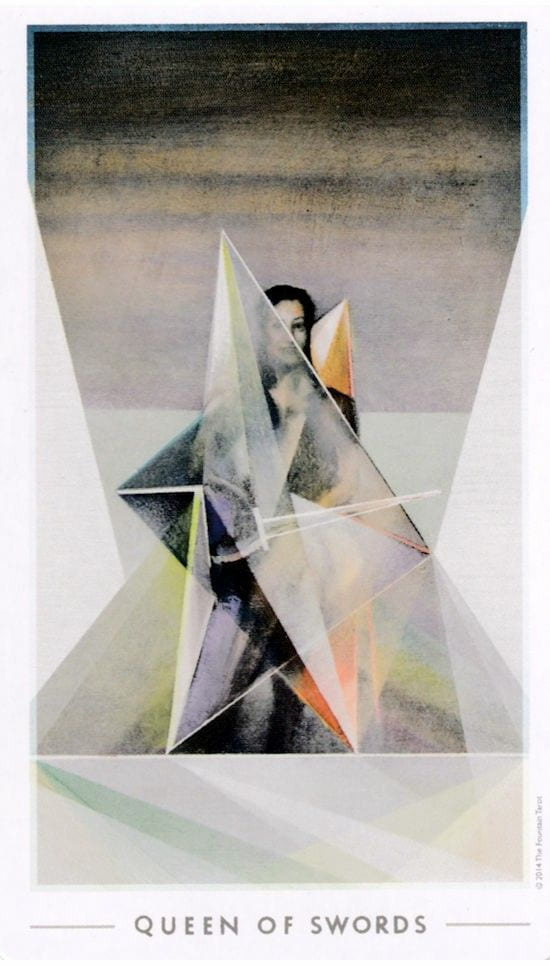
The Queen of Swords represents clear-eyed wisdom born from both joy and sorrow, offering candid, fact-based insight. She nurtures ideas and conversations with disciplined self-reliance and guarded strength, favoring truth over warmth. Her counsel can cool emotions with poise and a smile, and she expects loyalty and respect in return. Reversed, this energy can turn cruel, intolerant, petty, or gossipy, using intellect to harm rather than heal.
King of Swords

The King of Swords represents a person who has reached the height of professional life, embodying wisdom, integrity, and authoritative intellect. He combines analytical clarity and fairness, earning trust through sound judgment even when decisions are harsh. Though sometimes perceived as cold, his ability to foresee consequences makes him an indispensable ally and counselor. When you accept objective, equitable guidance—whether favorable or not—you will benefit from his counsel.
Pentacles
Ace of Pentacles

The Ace of Coins heralds material and physical abundance, presenting a fresh opportunity to create tangible prosperity. It acts as a foundational burst of energy that enhances and supports surrounding cards. This card emphasizes nourishment, contentment, and the importance of staying grounded while pursuing new material or practical ventures. When reversed, it warns of excess, spiritual poverty, anxiety, or instability that can accompany wealth without balance.
Two of Pentacles

The Two of Coins shows a person juggling two commitments amid a swiftly flowing current, maintaining a precarious balance that is temporary and unsustainable. Clarity is compromised and there is a risk of exhaustion from keeping up both responsibilities. The card invites examination of where you are expending energy to maintain balance and suggests considering relinquishing one goal to restore stability. Reversed, it warns of too many choices, paralysis, and a shaky foundation resulting from indecision or inadequate discipline.
Three of Pentacles

The Three of Coins signals a developing dream taking root through craftsmanship and collaboration. It highlights the coming together of inspiration, funding, and expertise to create something unique and refined, whether as a group of individuals or as characteristics within one person. The card emphasizes thoughtful planning, a balance of resources and skill, and that craftsmanship is rewarded when elements are well aligned. In reversal, it warns of wastefulness, egotism, incompetence, mediocrity, disorganization, and prioritizing profit over workmanship.
Four of Pentacles

The Four of Coins points to material security achieved at the cost of joy and openness. A once-whimsical idea has become frozen and forgotten, and saving has become an end in itself rather than a means to something meaningful. Although finances are secure, a tight grip on resources restricts life’s flow and produces immobility and emptiness. This card urges examination of one’s rigid relationship with money and the values that drove saving; in reversal it suggests release, renewed clarity of values, and a return to generosity and connection.
Five of Pentacles

The Five of Coins depicts material hardship, exclusion, and the embarrassment of physical need, emphasizing the experience of poverty and isolation. It calls attention to losses in finances, health, or relationships and the tendency toward self-pity or excessive pride that can deepen suffering. At the same time, it frames adversity and exile as opportunities to accept reality, learn from the present moment, and identify actual resources available. In reversal, the card suggests renewed courage, impending opportunities or positive change, and an evolution of spirit leading to peace of mind.
Six of Pentacles

The Six of Coins highlights the exchange between giving and receiving and the balance of prosperity within relationships. It emphasizes learning to give without judgment and to receive without shame, recognizing that assistance is part of life. The card calls for awareness of one’s place in the cycle of generosity so harmony can be restored through action and a generous heart. It also suggests change in circumstances and the return of favors tied to reciprocity and stability.
Seven of Pentacles

The Seven of Coins emphasizes patient resolve and careful assessment of long-term work and investments. It shows a farmer evaluating the fruits of labor, reminding you that results require time, steady effort, and thoughtful planning. The card counsels continued diligence even when reward feels imminent, as some outcomes must ripen on their own schedule. Reversed, it warns that impatience can destroy hard work, leading to failed ventures, financial loss, or increased vulnerability.
Eight of Pentacles

The Eight of Coins emphasizes dedicated craftsmanship, where focused attention and the integration of heart, head, and hands lead from competence to mastery. It encourages slowing down to appreciate the details and to take pride in work done for its own sake, not for external approval. The card signals diligence, openness to learning, and new opportunities that emerge through sustained effort. Reversed, it warns against doing the bare minimum, poor discipline, exploitation, and arrogance.
Nine of Pentacles

The Nine of Coins celebrates personal accomplishment and the peaceful rewards of disciplined effort. It signifies self-mastery, independence, and a cultivated, comfortable life born of steady work. The card encourages you to enjoy and reflect on the stability and refined pleasures you have created. Reversed, it warns of instability, loss of security, deception, and creeping self-doubt that can undermine your achievements.
Ten of Pentacles

The Ten of Coins represents the culmination of effort into lasting abundance, showing prosperity in both material and spiritual realms. It emphasizes stability, family ties, devotion, and the establishment of a legacy or bequest. This card invites gratitude and reflection on the life stages that shaped this mature harvest. Reversed, it cautions against chance, financial or emotional loss, taking bad risks, and encountering unfavorable odds.
Page of Pentacles

The Page of Coins represents a practical, enthusiastic youth eager to test curiosity and find her way in the world. She is grounded, prepared, and ready to get her hands dirty, combining seriousness with awe and a love of adventure and new ideas. In matters of finance or health she suggests a practical, well-prepared approach and may indicate a message or new opportunity. Reversed, the card warns of lacking foresight and follow-through, impracticality, opportunism, immaturity, flightiness, or bad news.
Knight of Pentacles

The Knight of Coins represents a methodical, practical approach to action and dedication. He values gathering facts, details, and strong rationale to avoid surprises, preferring to avoid conflict. Upright, he indicates favorable news regarding income, methodical and organized work, practicality, dependability, a serious but pleasant demeanor, and possible travel. Reversed, he warns of carelessness, laziness, lack of motivation, stagnation, work problems, and possible deceit.
Queen of Pentacles

The Queen of Coins is a self-confident, sensual guardian of the material realm who creates and sustains a lush, functional environment. She embodies generosity, financial security, resourcefulness, independence, and practical luxury, offering compassionate counsel to trust one's abilities. Her appreciation for beauty is grounded in usefulness for herself and her loved ones, and she nurtures with steady dedication. Reversed, her virtues can tip into mistrust, irresponsibility, lack of self-worth, or a desire for unearned gain, signaling the need for balance and integrity.
King of Pentacles

The King of Coins embodies traditional values, practicality, and disciplined stewardship of resources. He is grounded, cautious, and skilled in business, favoring order and common sense over risk or trends. His steadfastness and self-reliance make him dependable and able to foster growth and both material and spiritual wealth. When imbalanced or reversed, that same focus can become stubbornness or excessive materialism, leading to reckless decisions or a neglect of the spiritual.
Reading Tips for The Fountain Tarot
Jonathan Saiz’s paintings reward a slower, more contemplative approach to reading than many modern decks demand. Here are some ways to deepen your practice with this deck.
Sit with the art before reaching for meanings. The oil paintings in this deck are dense with emotion and movement. Before consulting any guidebook or memorized definition, spend time simply looking at the card. Notice where the light falls, what the figure’s body is doing, and what emotion rises in you. That first impression is often the most accurate reading.
Let the silver-blue palette guide your intuition. Saiz’s signature color world is not decorative — it creates a consistent emotional atmosphere that connects every card. When a card breaks from this palette with warmer tones or sharper contrasts, pay attention. The visual temperature of each card carries meaning.
Read the body language. The figures in The Fountain Tarot communicate through posture, gesture, and physical tension more than through traditional symbols. A turned shoulder, an outstretched hand, a figure curled inward — these physical cues often tell you more about a card’s message than the objects surrounding it.
Honor the deck’s contemplative pace. This is not a deck that shouts. The Fountain Tarot speaks in the quiet voice of introspection, meditation, and slow realization. Give your readings space to breathe, and resist the urge to rush toward conclusions. The answers here reveal themselves gradually, like light moving across the surface of water.
Frequently Asked Questions
How many cards are in The Fountain Tarot?
The Fountain Tarot contains 79 cards: the standard 78-card tarot structure (22 Major Arcana and 56 Minor Arcana across four suits) plus one additional card unique to this deck. The Minor Arcana suits are named Wands, Cups, Swords, and Coins.
What makes The Fountain Tarot different from other tarot decks?
The Fountain Tarot features original oil paintings by Jonathan Saiz rendered in a luminous, contemporary fine-art style with a signature silver-blue palette. Rather than recycling medieval symbolism, every card is reimagined through a modern, emotionally resonant lens that emphasizes inner experience and spiritual depth.
Is The Fountain Tarot good for beginners?
Yes. While the artwork is abstract enough to reward experienced readers, the accompanying guidebook by Jason Gruhl provides clear, poetic interpretations for each card. The imagery is emotionally intuitive, making it easier for beginners to connect with the cards on a feeling level before studying traditional meanings.
Why does The Fountain Tarot use Coins instead of Pentacles?
The creators chose the name Coins to return to the suit's original roots in the Tarot de Marseille tradition, where the earth suit was called Denari (coins). The meanings align with the Pentacles suit in Rider-Waite-based decks — material reality, work, health, and practical achievement.