Is Tarot Reading a Scam? What's Real, What's Not, and How to Tell the Difference
The short answer
No, tarot is not a scam — but some people who offer tarot readings absolutely are.
That’s the honest answer, and it’s more nuanced than either the true believers or the hardcore skeptics want to hear. Tarot as a practice has genuine psychological value. Tarot as an industry has real predators. Understanding the difference is the whole point of this article.
What tarot actually is
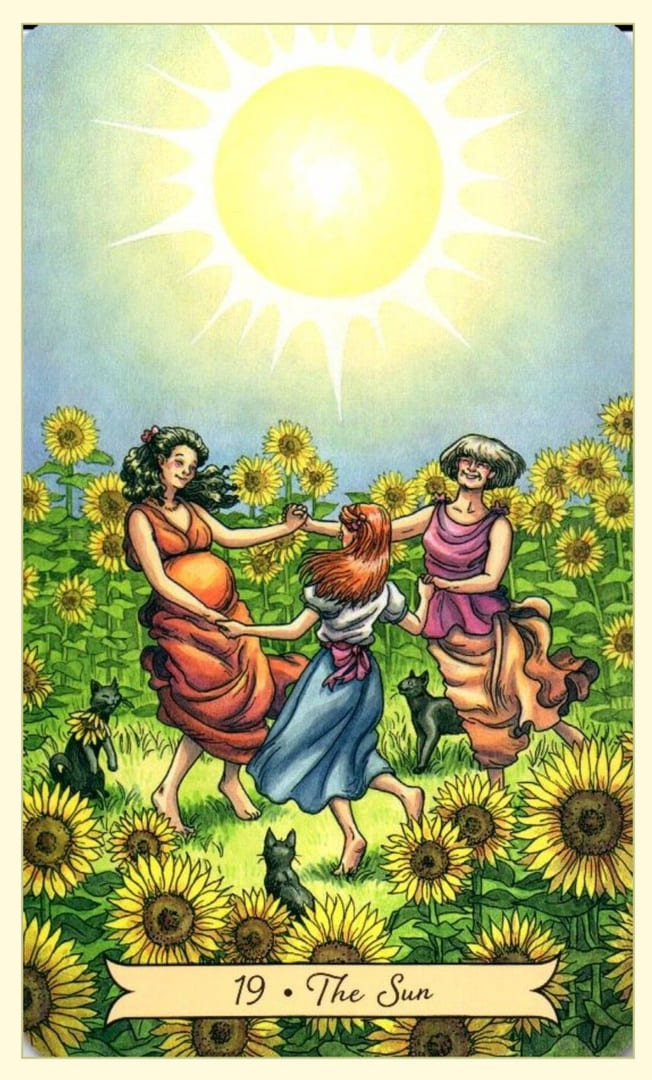
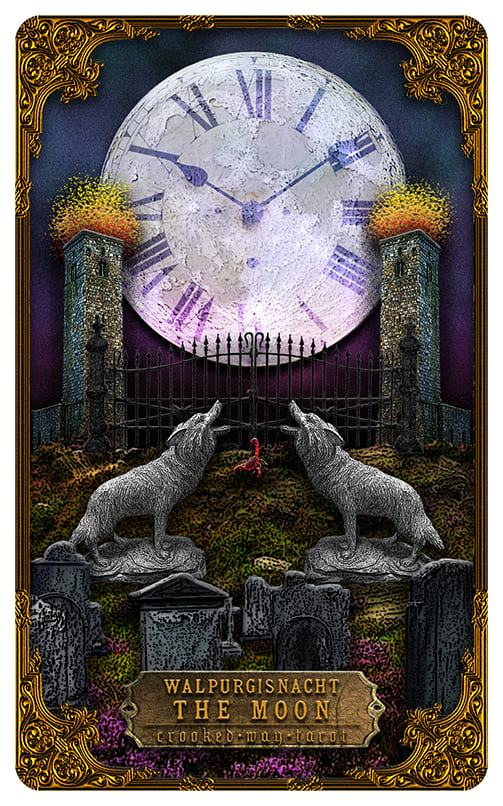
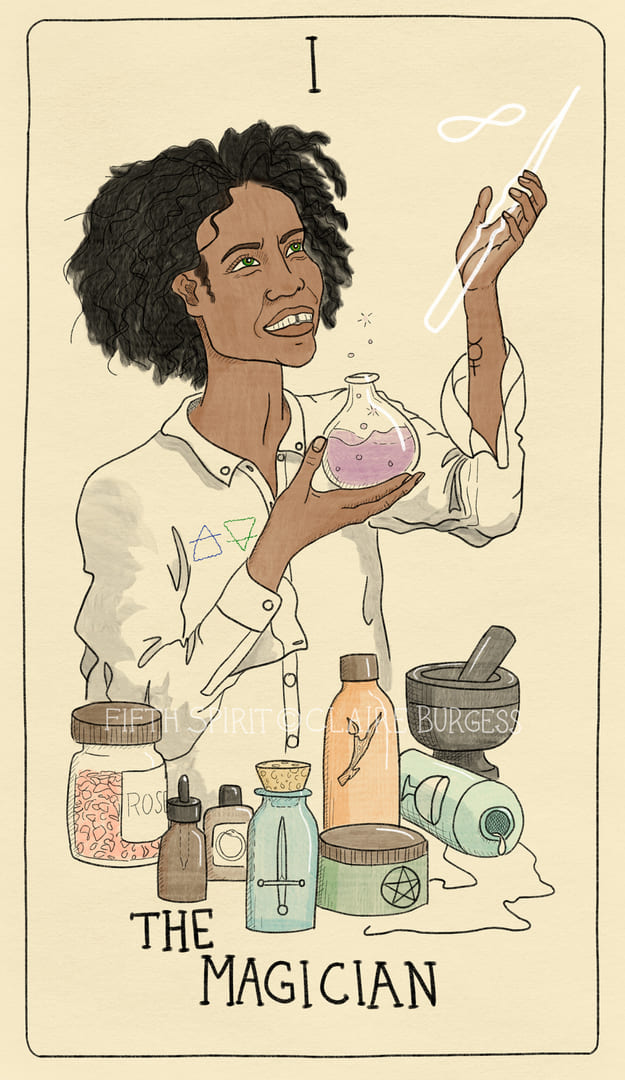
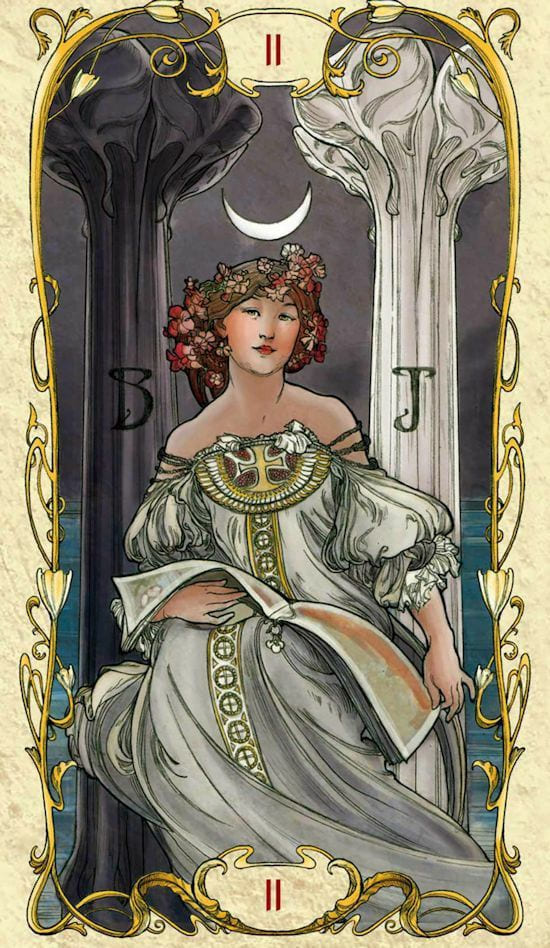
Let’s clear something up first: tarot cards are 78 images printed on cardstock. They don’t have supernatural powers. They don’t channel spirits. They don’t know your phone number, your ex’s name, or next week’s lottery numbers.
What they do is something more interesting and more useful: they provide a structured framework for self-reflection.
Each of the 78 cards represents a universal human experience — love, loss, ambition, fear, new beginnings, painful endings, moments of clarity, periods of confusion. When you pull cards and think about how they relate to your situation, you’re essentially having a guided conversation with yourself about things you might not have consciously examined.
This isn’t magic. It’s psychology. And it works.
Think of it this way: If a friend asked you “what does this situation remind you of?” and showed you a picture of a woman sitting alone in a garden surrounded by abundance, you’d start thinking about self-sufficiency, comfort, independence. The image triggers reflection. That’s what tarot does — at scale, with a structured system of 78 images that cover the full range of human experience.
Why readings can feel eerily accurate
If tarot is “just cards,” why do readings sometimes feel like the reader is looking into your soul? Several well-documented psychological mechanisms explain this:
The Barnum effect — Named after P.T. Barnum, this is our tendency to accept vague, general statements as uniquely personal. “You have a need for people to like and admire you” applies to virtually everyone, but it feels like it was written just for you. Many tarot interpretations are broad enough to resonate with most people’s situations.
Pattern recognition — Humans are extraordinary pattern-matchers. We see faces in clouds and stories in random data. When cards are drawn and a reader presents a narrative, your brain actively searches for connections to your life. You’ll find them — not because the cards are prophetic, but because you’re very good at finding meaning.
Confirmation bias — You remember the reading that predicted your breakup. You forget the three that predicted nothing useful. Over time, the “hits” accumulate in memory while the “misses” fade, creating an inflated sense of accuracy.
Genuine self-reflection — Here’s the part skeptics often miss: sometimes readings feel accurate because they actually prompt real insight. When you sit with an image of the Five of Cups and think about loss, you might access feelings you’ve been suppressing. The card didn’t “know” — but it created space for you to know.
Cold reading skills — Experienced readers (honestly or not) pick up on body language, clothing, age, tone of voice, and emotional reactions. A skilled reader can make very specific-sounding statements based on observation, not mysticism.
What tarot can legitimately do
Here’s where I’ll defend tarot against the blanket “it’s all fake” dismissal. When used honestly, tarot can:
Help you think through decisions — Having a visual framework to explore options can genuinely clarify thinking. “What am I afraid of?” “What’s blocking me?” “What would happen if I took this path?” Tarot gives you structured prompts for questions you might not ask yourself otherwise.
Access emotions you’re avoiding — Sometimes you need a gentle push to face what you’re feeling. A card depicting heartbreak might give you permission to admit you’re grieving. A card showing abundance might help you realize you’re not appreciating what you have. The cards are mirrors, not crystal balls.
Provide comfort during uncertainty — When life feels chaotic, the act of sitting down, shuffling cards, and reflecting can be genuinely calming. It’s a ritual of paying attention — to yourself, to your situation, to your feelings. That ritual has real psychological value.
Offer a shared language for difficult conversations — “The Tower came up in my reading” is sometimes easier to say than “I’m terrified that everything is falling apart.” Tarot imagery gives people a vocabulary for experiences that are hard to express directly.
Support therapeutic work — Some therapists actually incorporate tarot or tarot-like tools into their practice. The symbolic imagery helps clients access material they might resist discussing directly. This is a recognized, if niche, therapeutic technique.
What tarot cannot do
And here’s where I’ll agree with the skeptics. Tarot cannot:
- Predict specific future events — No card can tell you that you’ll meet your soulmate on March 15th or that you’ll get the job at the interview next Tuesday.
- Tell you what another person is thinking or feeling — The cards reflect your projections and hopes about others, not their actual inner state.
- Diagnose medical conditions — Any reader who claims cards can identify diseases is dangerous and irresponsible.
- Remove curses, hexes, or negative energy — This is the single biggest tarot scam. If anyone tells you that you’re cursed and they can fix it for a fee, walk away immediately.
- Replace professional help — Tarot is not a substitute for therapy, medical advice, legal counsel, or financial planning. It can complement these things, but never replace them.
- Give you certainty — Life is uncertain. Anyone offering absolute certainty through any method — tarot, astrology, psychics, algorithms — is selling something.
Red flags: how to spot a tarot scam
Not all tarot readers are equal. Here’s how to identify the ones who are genuinely problematic:
“You have a curse/dark energy” — The classic scam. They “detect” something negative attached to you and offer to remove it — for escalating fees. This preys on fear and can drain thousands of dollars from vulnerable people. It is always a scam. Always.
Guaranteed specific outcomes — “He WILL come back to you.” “You WILL get the promotion.” Any reader claiming to guarantee specific future events is lying. Tarot doesn’t work that way, and honest readers know this.
Creating dependency — “You need to come back every week” or “only I can help you with this.” Legitimate readers empower you to make your own decisions. Scam readers create emotional dependency to keep you paying.
Fear-based urgency — “If you don’t act now, terrible things will happen.” This is a pressure tactic, not insight. Real readings help you think clearly, not panic.
Refusing transparency — Not explaining their process, getting angry at questions, claiming their methods are “secret.” Good readers are happy to explain how they work.
Charging exorbitant fees for “special” services — A standard reading has a standard price. If someone starts adding “special candles,” “energy clearing sessions,” or “protection rituals” at premium prices, be very skeptical.
Preying on grief or crisis — Targeting people who have recently lost loved ones, gone through breakups, or are in health crises. Vulnerability is not an invitation for exploitation.
What honest tarot practice looks like
For contrast, here’s what a legitimate, ethical tarot practice involves:
- Transparency about what tarot is and isn’t — Honest readers tell you upfront that they’re offering reflection and guidance, not prophecy.
- Empowerment over dependency — A good reading should make you feel more capable of handling your life, not more dependent on the reader.
- Clear pricing with no upsells — You know what you’re paying for before the session starts. No surprise “curse removal” fees.
- Respect for boundaries — No diagnosing medical conditions, no claiming to contact dead relatives (unless you specifically sought a mediumship reading), no pressuring you to make life decisions based solely on cards.
- Encouraging professional help when appropriate — “This sounds like something worth discussing with a therapist” is something a good reader will say.
- Acknowledging uncertainty — “The cards suggest…” not “the cards say you must…”
The middle ground most people miss
The debate about tarot usually gets stuck between two extremes: “it’s completely real and mystical” vs. “it’s completely fake and stupid.” Both positions miss the point.
Tarot is a tool. Like any tool, it can be used well or poorly, honestly or dishonestly. A hammer can build a house or break a window. The hammer isn’t the problem — the person holding it is.
Millions of people worldwide use tarot as part of their self-care practice — alongside therapy, journaling, meditation, and other reflective tools. They don’t think cards are magic. They think the process of sitting down, drawing cards, and reflecting on symbolic imagery helps them think more clearly about their lives. And for most of them, it does.
You don’t have to believe in anything supernatural to find value in tarot. You just have to be willing to sit with an image and ask yourself: what does this make me think about? What am I feeling? What have I been avoiding?
The cards don’t have the answers. But they’re very good at helping you find your own.
My honest take
I’ve been reading tarot for years. Here’s what I’ve learned:
The best tarot readings I’ve ever done didn’t predict anything. They helped people see what they already knew but weren’t ready to admit. The woman who drew the Tower and finally acknowledged that her marriage was over — the cards didn’t end her marriage. They gave her a safe space to face what she’d been avoiding for months.
The worst thing in the tarot world isn’t skepticism — it’s exploitation. People who use beautiful, meaningful cards to prey on vulnerable people’s fears and emptied wallets. They give all of us a bad name, and they deserve every bit of criticism they get.
Tarot isn’t a scam. But if someone is using it to scare you, control you, or drain your bank account — that person is a scammer, and you should trust your gut about that even more than you trust the cards.
How to approach tarot wisely
If you’re curious about tarot but cautious (which is healthy), here’s how to engage with it responsibly:
- Start with self-reading — Get a deck and pull cards for yourself. No reader needed. See what the images make you think about.
- Set realistic expectations — You’re looking for reflection and clarity, not prophecy.
- Research readers before paying — Look for reviews, clear pricing, and ethical disclaimers on their website.
- Trust your gut — If a reading makes you feel anxious, dependent, or afraid, something is wrong with the reader, not with you.
- Keep professional help professional — Use tarot for self-reflection. Use doctors for health, lawyers for legal issues, therapists for mental health.
- Remember: you have the power — The cards suggest; you decide. Always.
Frequently Asked Questions
Is tarot reading real or fake?
Tarot is real as a psychological and reflective tool — it helps you explore your thoughts, feelings, and options through symbolic imagery. It's not real as a supernatural prediction device that magically knows your future. The value is genuine; the mechanism is human, not mystical. Think of it as structured self-reflection, not fortune-telling.
How can I spot a tarot scam?
Red flags include: claiming to remove curses for a fee, insisting you'll suffer if you stop paying, pressuring urgency ('you must act now'), guaranteeing specific outcomes ('he WILL come back'), refusing to let you record the session, and creating emotional dependency. Legitimate readers empower you; scammers create fear.
Can tarot predict the future?
Not in the way most people mean. Tarot can highlight patterns, tendencies, and likely outcomes based on your current path — similar to how a therapist might say 'if you keep doing this, here's what usually happens.' But it can't tell you exactly what will happen on a specific date. The future isn't fixed, and anyone claiming certainty is overselling.
Why do tarot readings sometimes feel accurate?
Several factors: pattern recognition (tarot imagery maps to universal human experiences), the Barnum effect (we relate to statements that feel personal but apply broadly), confirmation bias (we remember the hits, forget the misses), and genuine self-reflection (the cards prompt you to think about things you've been avoiding). The accuracy often comes from you, not the cards.