Light Seer's Tarot: All 78 Card Meanings Explained
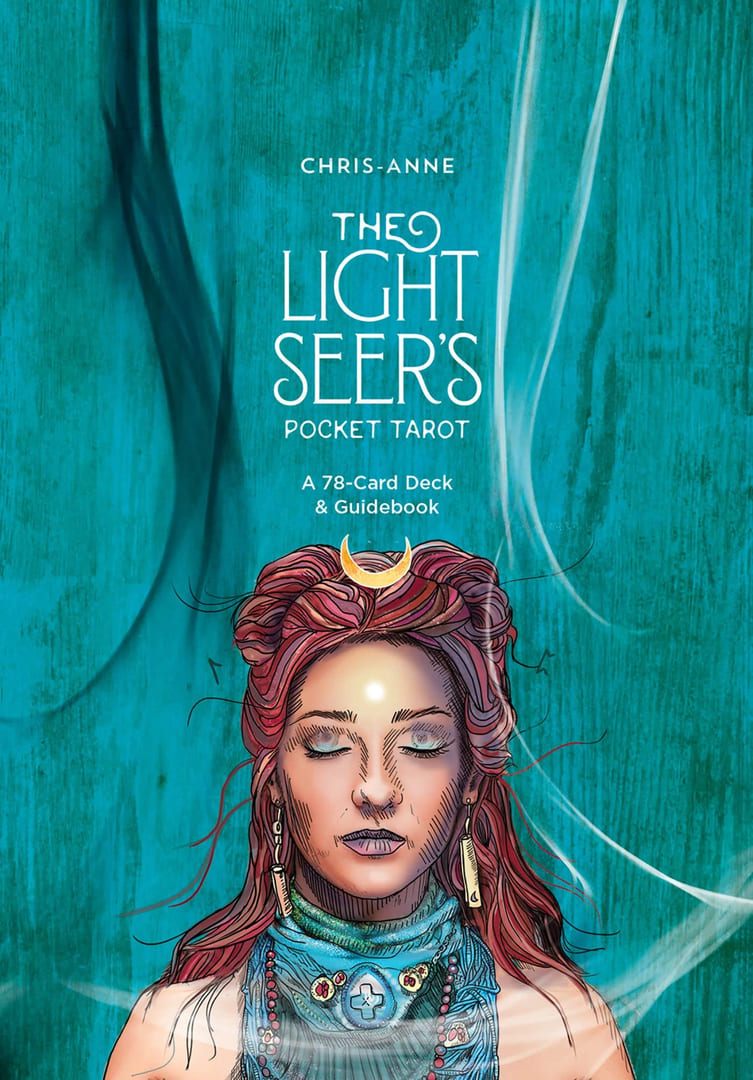
There are decks that follow tradition, and then there are decks that reimagine it. The Light Seer’s Tarot does both — and that’s why it has become one of the most beloved modern tarot decks in the world.
Created by artist and intuitive Chris-Anne, this 78-card deck replaces medieval imagery with contemporary, diverse figures — meditators, travelers, dancers, dreamers — rendered in a luminous, watercolor-meets-digital style that feels alive with movement and light. The artwork doesn’t just illustrate tarot symbolism; it breathes fresh air into it. A young woman leaps fearlessly off a cliff for The Fool. A figure wrapped in golden energy channels The Magician’s creative will. Every card invites you to see yourself reflected in the scene.
What truly sets this deck apart is its philosophy of duality. Chris-Anne designed each card to carry both a “light” meaning — the empowering, expansive energy — and a “shadow” meaning — the blocked, challenged, or unconscious energy. These aren’t “good” and “bad.” They’re two sides of one truth. A card’s shadow meaning isn’t something to fear; it’s an invitation to look more honestly at where you are and what needs attention. This makes the Light Seer’s Tarot an exceptionally powerful tool for personal growth, self-reflection, and intuitive development.
How the Deck Is Organized
The Light Seer’s Tarot follows the classic 78-card tarot structure:
- Major Arcana (0–XXI): The 22 cards of life’s great turning points — soul lessons, archetypal energies, and the transformative moments that shape who you become. When a Major Arcana card appears, the universe is speaking loudly.
- Wands: The suit of fire. Passion, creativity, ambition, and the spark that gets things started.
- Cups: The suit of water. Emotions, love, intuition, and the inner world of the heart.
- Swords: The suit of air. Thought, truth, conflict, and the clarity that comes from honest examination.
- Pentacles: The suit of earth. Material reality, work, health, and the patient building of something that lasts.
Each suit runs from Ace through Ten, followed by four court cards — Page, Knight, Queen, and King — for 14 cards per suit and 56 Minor Arcana total.
Major Arcana
The Fool

The Fool signifies new beginnings, potential, and adventure, embodied with enthusiasm, innocence, and optimism. It warns against overconfidence, impulsiveness, and lack of experience, depicted as a shadow side of its meaning. The card encourages embarking on a soul's journey with a child-like optimism and taking a leap of faith into the unknown, trusting in the universe's guidance and support.
The Magician
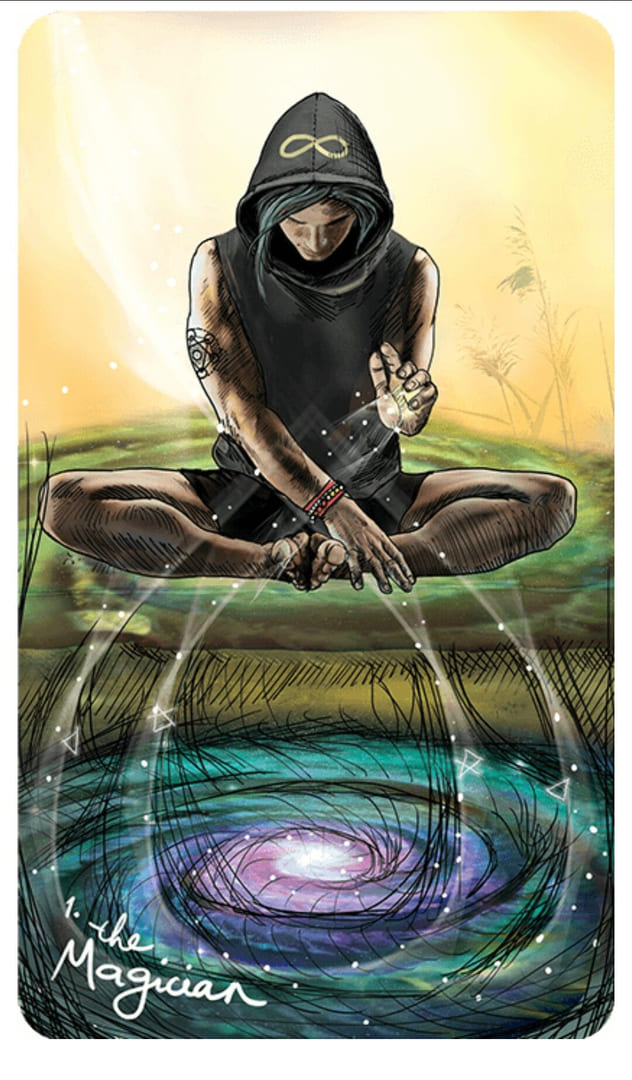
The Magician tarot card symbolizes mastery, inherent talents, and the manifestation of power. It carries a powerful message about the potential within and around us, urging us to awaken the magic flowing through our veins by focusing our energy, intentions, desires, and actions. It also warns of the repercussions of unused potential, hidden talents, dubious intentions, manipulation, egoism, and neglected creative energy.
The High Priestess
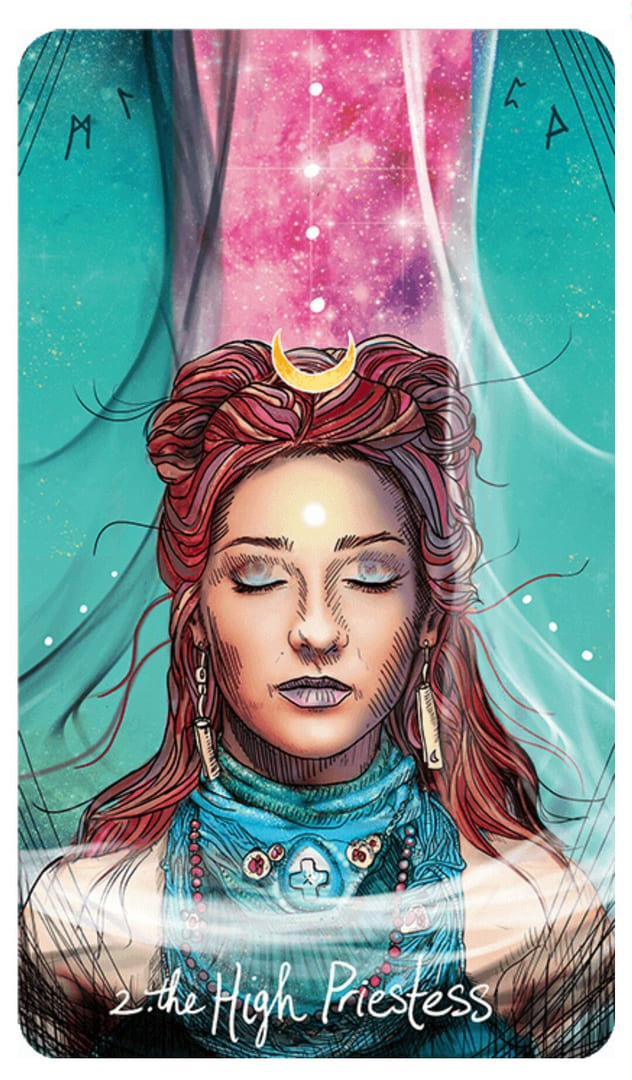
The High Priestess symbolizes the connection with the subconscious and the divine, emphasizing intuition, dreams, and insightful visions. It highlights the value of meditation and self-analysis for spiritual growth, while also cautioning against ignoring internal guidance and the dangers of secrets or deceit. The card serves as a bridge between the physical world and the spiritual realm, advising to pay attention to intuitive feelings and the subconscious mind.
The Empress

The Empress symbolizes fertility, a positive outcome, and unconditional love. It embodies the divine feminine principle, offering protection, nurturing, and abundance. The card encourages bringing dreams into reality through creativity and shares its generosity readily. On the flip side, it warns against infertility, emotional overload, and materialism. It represents a period of healing and inspiration, advising to nurture one's soul and to gracefully pursue one's calling.
The Emperor

The Emperor tarot card symbolizes divine masculine energy, authority, power, and leadership. It represents ordered, strategic, and analytical thinking, as well as the initiative and advancement in one's career. In its shadow aspect, it warns against uncontrolled force, excessive pragmatism, rigidity, selfishness, and a desire to control everything. Becoming your own emperor means harnessing endless possibilities for success, solving problems related to authority, control, and willpower. It encourages flexibility, awareness of one's energetic boundaries and motives, and finding ways to benefit others while building your empire.
The Hierophant

The Hierophant card symbolizes tradition, spiritual leadership, enlightenment, and awakening. It represents a bridge between the divine and the seeker, suggesting the importance of formal education, new paradigms, and embracing new orders or perspectives. The shadow aspect warns against obsolete systems, dogma, abuse of power, and egoistic leadership. It encourages finding one’s divine truth, expanding consciousness within one’s belief framework, and being open to new spiritual teachers and inner wisdom.
The Lovers

The Lovers tarot card symbolizes a critical choice regarding love and relationships. It suggests the emergence of a deep connection when two souls intertwine, indicating the need for trust and sincerity to nurture this bond. The card highlights the importance of self-love and maintaining one's integrity within a partnership, warning against dependency, manipulation, and unmet expectations.
The Chariot

The Chariot symbolizes victory, determination, and control over opposing forces. It encourages forward momentum with willpower and resolve, highlighting the importance of direction, focus, and not overlooking others' needs. It cautions against inaction, underlining the necessity for self-discipline and the wisdom of carefully choosing one's path to ensure success without harming others.
Strength

The Strength card symbolizes courage, tranquility, influential leadership, and compassionate healing of heart and mind. It suggests facing challenges or uncertainties with calmness, reminding the need for self-control and alertness to avoid destructive impulses. It emphasizes that true strength lies in serenity and not in overt aggression or force. The card encourages standing firm in beliefs and desires, sharing the gift of unconditional love, and being a beacon of inspiration and strength to others.
The Hermit

The Hermit symbolizes the journey of inner reflection and solitude, encouraging the seeker to find their spiritual guide within themselves, away from the distractions of daily life. It emphasizes the importance of solitude in spiritual awakening and finding deep inner wisdom. However, it also warns against excessive isolation, which may lead to feelings of disconnection and melancholy, suggesting a balance between solitude and maintaining connections with others.
Wheel of Fortune

The Wheel symbolizes the cyclical nature of fate, destiny, and karma. It heralds a turning point where one must be ready to embrace change, acknowledging both the positive aspects like luck and divine blessings, and the challenges such as unforeseen failures and the necessity of releasing control. This card encourages an open mindset to seek out new opportunities that lead to personal growth and enlightenment, while reminding us of the constant flux in life and the beauty of our experiences within it.
Justice

The Justice card stands for natural law, balance, karma, truth, and wisdom. It highlights the idea of cause and effect, urging individuals to learn from past experiences, good or bad. This card emphasizes fairness, honesty, and the importance of understanding the consequences of one's thoughts and actions. It advises impartiality in current situations, reevaluating realities, and shedding negative emotions, underlining that the path of truth is not black or white but always leads with love.
The Hanged Man

The Hanged Man tarot card signifies a period of voluntary pause, reflection, and surrendering to the universe's will, leading to enlightenment and the acquisition of new wisdom. It encourages letting go of what no longer serves you to make room for new perspectives and ideas. The card also warns against stagnation, self-destruction, and clinging to the undesired, highlighting the importance of embracing change and the divine wisdom that it brings.
Death

The Death card symbolizes the profound transformations and the endings that precede new beginnings. It emphasizes the need to embrace change, let go of the past, and step into a new phase of life with hope and readiness for rebirth. It represents a cycle of closure and renewal, encouraging the release of outdated beliefs or relationships to make way for new developments.
Temperance

Temperance symbolizes the alchemy of life, advocating for a blend of energies, harmony, moderation, and a balance between the masculine and feminine. It encourages patience, restraint, and focus on equilibrium to navigate through a world full of passions and distractions. The card warns against extremes, urging a 'middle path' for dynamic and nourishing energy flow aligned with one's alchemical goal.
The Devil

The Devil tarot card highlights the vices, addictions, and material temptations that bind us, emphasizing the need for liberation and introspection. It warns of the traps set by our own desires and illusions, underscoring the importance of recognizing and breaking free from unhealthy dependencies. Through acknowledgment of our shadow self and challenging the allure of superficial pleasures, meaningful growth and liberation can be achieved.
The Tower

The Tower tarot card speaks to the inevitability of change, illustrating both the chaos and the transformative potential inherent in unexpected events. It highlights a dichotomy between resisting change and embracing the reconstruction that follows upheaval. The card emphasizes the strength and dynamism that can emerge from periods of disruption, suggesting that such times, although challenging, offer opportunities for significant personal growth and a reevaluation of one's life path.
The Star
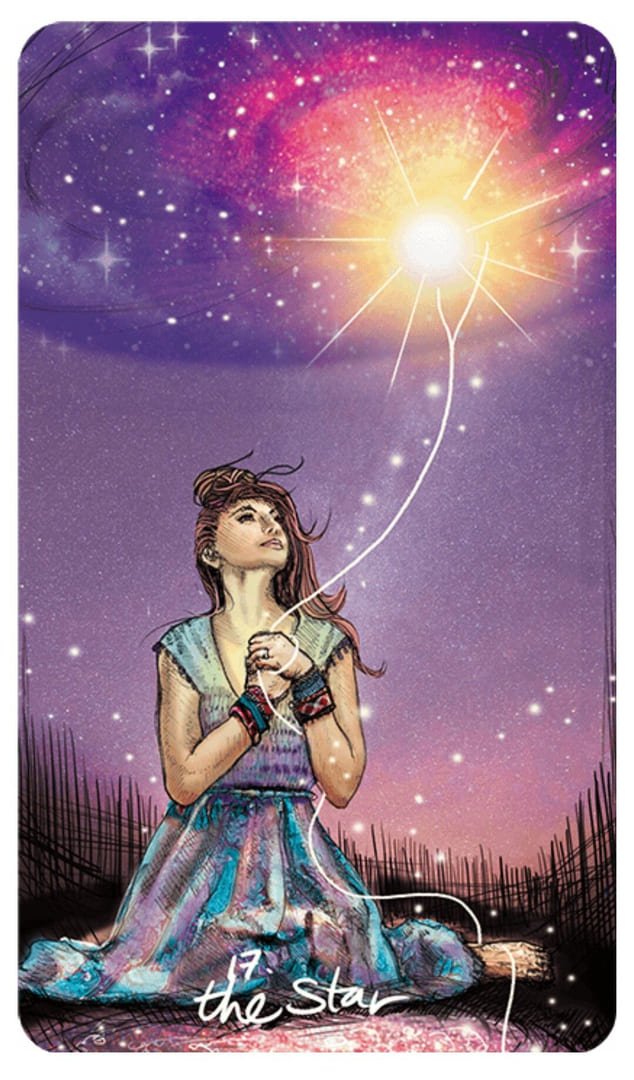
The Star tarot card symbolizes hope, inspiration, and the fulfillment of wishes, suggesting that one is on the right path toward healing and realization of dreams. It emphasizes self-realization, the blessings of the universe, and the alignment of one's destiny with greater missions and opportunities for growth. The card also warns against losing faith, harboring unrealistic hopes, and missing out on opportunities, urging individuals to let go of past traumas and limiting beliefs to embrace a future filled with inspiration and love.
The Moon

The Moon tarot card embodies illusions, the concealment of truth, and the unknown, urging introspection and overcoming one's fears through intuition. On the shadow side, it signifies fears blocking one's path, an inability to differentiate between reality and illusion, leading to mental confusion and anxiety. It calls for finding solace in darkness, listening to one's intuition, and embracing inner wisdom to rise above uncertainties and fears, revitalizing one's creative spark.
The Sun
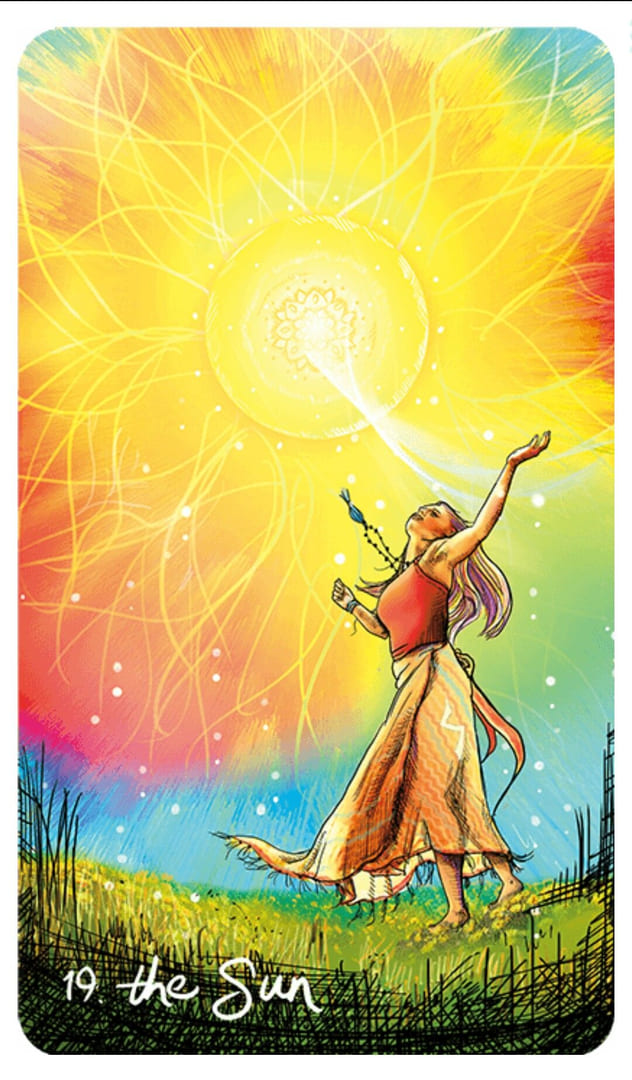
The Sun Tarot card symbolizes joy, success, abundance, and self-realization. It embodies creativity, positivity, love, and the realization of dreams, as well as inner beauty. It highlights the importance of shedding negative thoughts and embracing confidence. This card promises bliss and inspiration, urging individuals to let others bask in their warmth and charisma. It's a sign that events are unfolding splendidly, encouraging the shedding of feelings of inadequacy to find one's shining confidence.
Judgement

Judgement symbolizes self-realization, spiritual awakening, and redemption, highlighting the importance of self-acceptance and the shedding of masks to embrace one's true essence. It encourages looking beyond judgement, either from oneself or others, and to understand that true approval comes from within. Embracing one's full potential requires honesty, self-forgiveness, and an acknowledgment of one's light and shadow, without hiding from the world.
The World

The World signifies completion, joy, fulfillment, success, and a harmonious alignment between the inner spiritual realm and the outer reality. It heralds a time to enjoy the fruits of one's efforts, marking the end of a significant phase or project with prosperity and satisfaction. Even when faced with delays or unfinished tasks, The World remains a positive sign, indicating potential for blissful conclusions and a vast reservoir of positive energy awaiting.
Wands
Ace of Wands
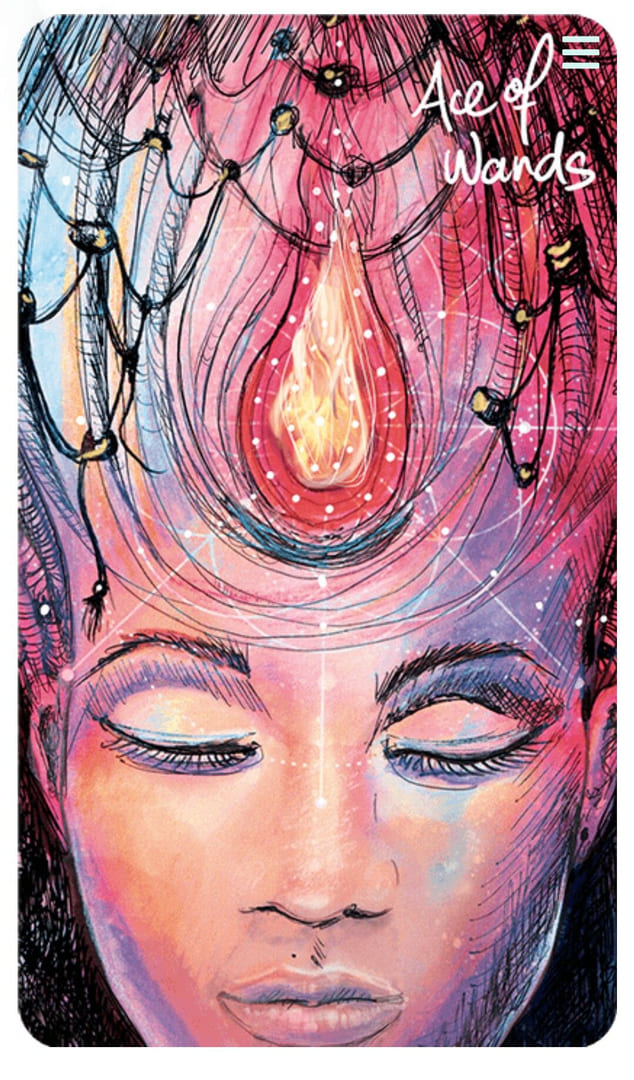
The Ace of Wands represents the birth of new ideas, the seed of potential, the arrival of inspiration, and intense creativity. It symbolizes the interconnectedness of all things and the ability to manifest anything. Conversely, it also indicates a lack of inspiration, creative blocks, and the need for rest, suggesting that it might be a good time to seek new sources of inspiration.
Two of Wands

The Two of Wands represents planning for the future, achieving progress, and having the choice between comfort zones and new adventures. It stands for activation and opportunity but also warns against the fear of taking the next step, feelings of being stuck in the past, and doubts about one's abilities.
Three of Wands

The Three of Wands symbolizes manifested energy, anticipation of the outcomes of one's efforts, emerging opportunities, business triumphs, clarity of ambitions, continuous improvement, and progress in the right direction. Alternatively, it can signify the end of difficulties, a lack of dreams, approaching fear that blocks movement, delays, and collapsing business expectations.
Four of Wands

The Four of Wands tarot card signifies celebration, prosperity, an important event or milestone, bringing people together for a common purpose, kinship, and stability in home and relationships, sometimes indicating marriage. On the flip side, it represents forgetting to appreciate simple things, events not meeting expectations, being caught up in drama, a lack of harmony, and feelings of insecurity.
Five of Wands

The Five of Wands represents both the positive and negative aspects of competition and conflict. It suggests ambition, challenges, and the motivation to excel, alongside brainstorming and mental rivalry. On the flip side, it warns against the pitfalls of over-competition, group disputes, and the tendency to shy away from conflict to one's own detriment, highlighting the need for collaboration.
Six of Wands
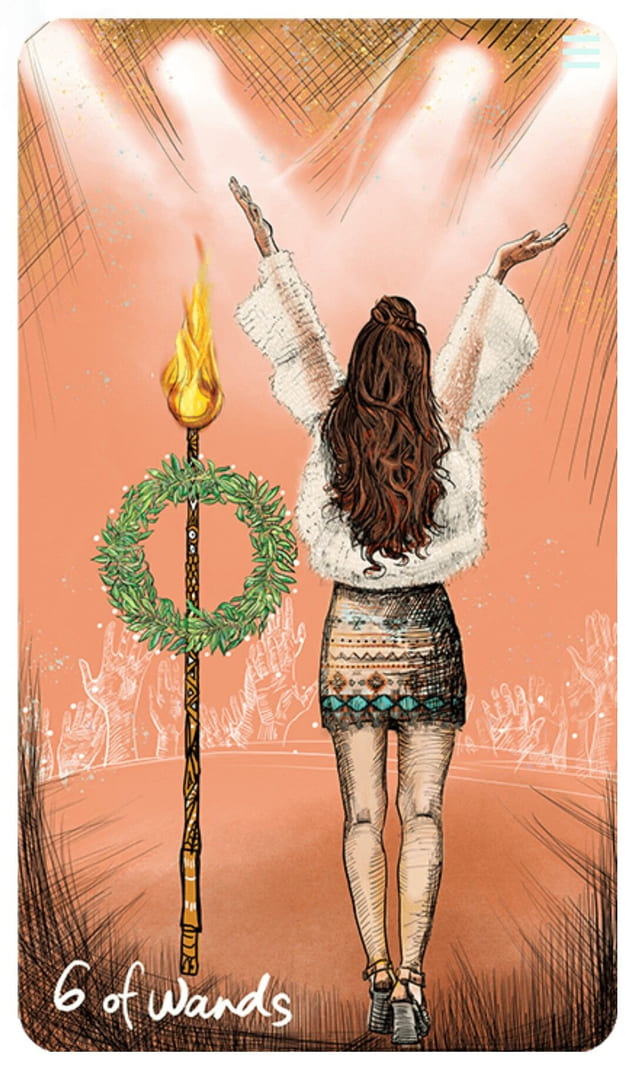
The Six of Wands represents both the light and shadow aspects of success and leadership. On the bright side, it signifies leadership, achievements, visibility, influence, victory, optimism, and the ability to inspire others. On the shadow side, it indicates misunderstandings, pessimism, a lack of connection, and a lack of grace.
Seven of Wands

The Seven of Wands embodies dynamic energy, advancement, and the defense of one's ideas with a creative and pioneering approach, coupled with a sense of vulnerability. It suggests the bold dissemination and expression of one's thoughts. Conversely, it speaks of self-defense, offensive actions, misunderstandings, the need for energetic boundaries, grounding, and self-protection against slander.
Eight of Wands

The 8 of Wands symbolizes rapid movement, quick decisions, and the arrival of positive news in its light aspect, while its shadow aspect points to instability, delays, and a lack of direction, leading potentially to burnout and canceled plans.
Nine of Wands

The 9 of Wands symbolizes resilience, defiance, and the final push towards victory despite the anticipation of challenges ahead. It encourages holding one's ground and preparing for what is to come. On the flip side, it advises openness towards others, letting go of past conflicts, and the importance of completion.
Ten of Wands

The Ten of Wands symbolizes the burden of carrying too much responsibility, oppression, and being close to a successful outcome. It encourages understanding why one takes on so much and suggests the need to prioritize, let go of others' expectations, and learn to ask for help.
Page of Wands

The Page of Wands symbolizes explosive creativity, infectious enthusiasm, and the abundance of ideas. It encourages new beginnings, the freedom to dream, and the energy for creative ventures. It also warns against limiting beliefs, creator's fear, and the challenges in manifesting new ventures. It's a call to embrace youthful and wild creative energy, to allow ideas the space to develop before rushing to share them, and to pursue imagination freely, finding inspiration and potential in the unrestrained indulgence of dreams.
Knight of Wands
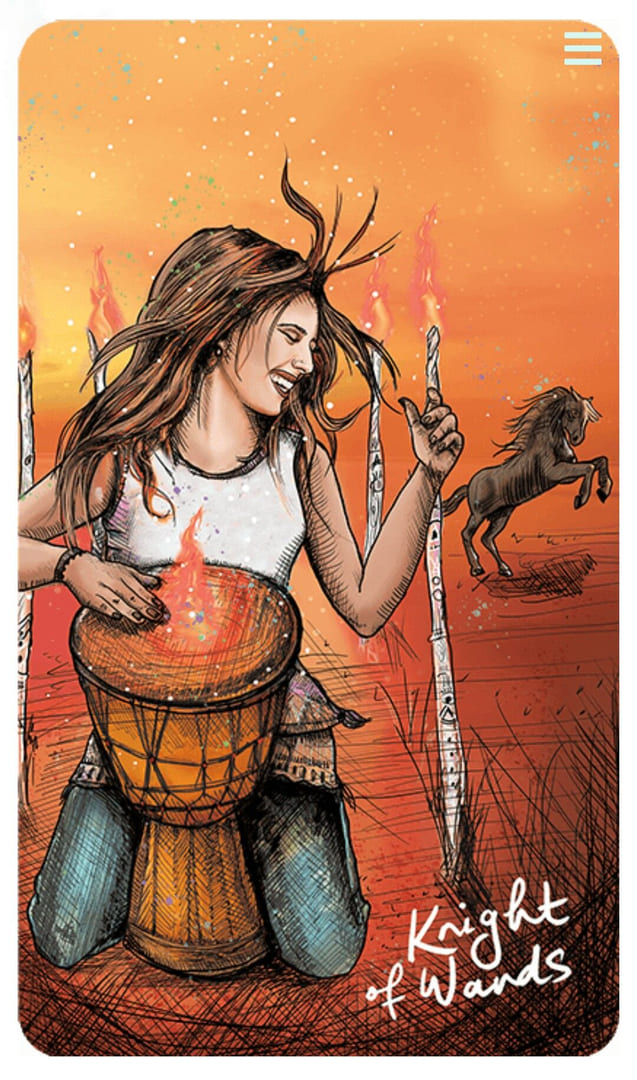
The Knight of Wands symbolizes charisma, passion, spontaneity, and the pursuit of dreams, marked by rapid energy, enthusiasm, and bravery. It encourages inspired actions and adventure seeking but warns against unfocused energy, recklessness, and the need for greater self-awareness.
Queen of Wands

The Queen of Wands symbolizes creativity, passion, determination, and confidence. It encourages expressing joy and courage and assisting others, embodying the power of the inner queen. The card also warns against jealousy, fear of risk, and dishonesty with oneself, suggesting it's time to boost self-confidence and disregard others' opinions. The Queen's fiery charisma and confidence are palpable, urging to embrace the spotlight in life, laugh, and be grateful.
King of Wands
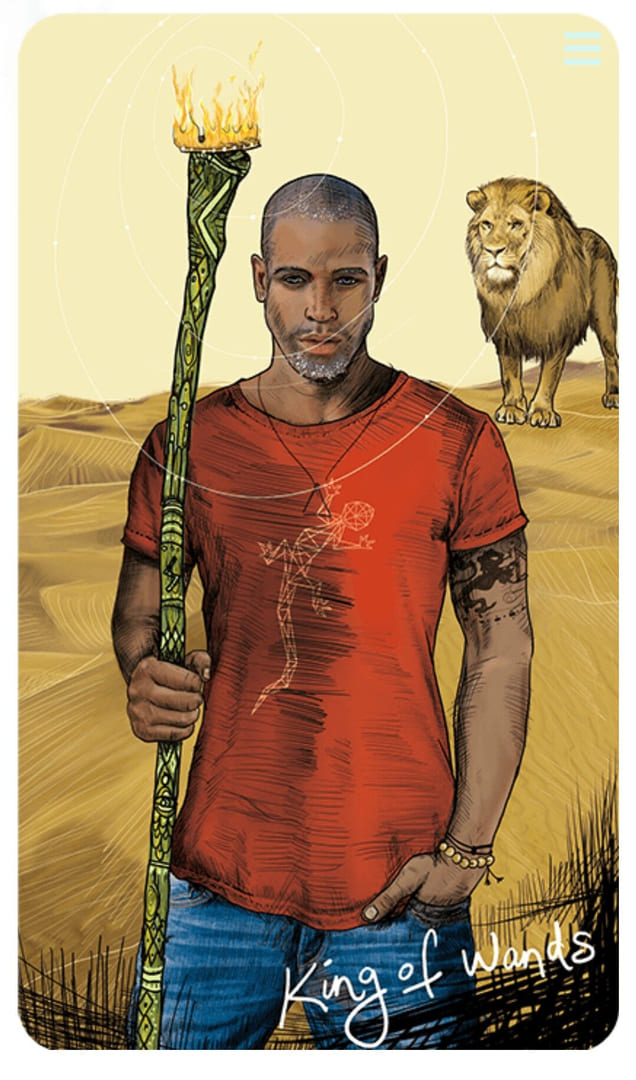
The King of Wands symbolizes an enterprising spirit, a natural leader with a creative outlook, and immense potential. It suggests success fueled by passion and innovation but warns against excessive ambition, impatience, and a lack of compassion. It encourages expressing big ideas and seeking assistance when bogged down by details, while advising to keep arrogance and unrealistic expectations in check.
Cups
Ace of Cups

The Ace of Cups symbolizes the beginning of new relationships, emotional awakenings, and the seeds of love and hope. It represents joy, positive outcomes, unity, bliss, and creativity. On the flip side, it suggests a time to cultivate self-love and be careful not to suppress emotions, opening oneself to the possibility of love.
Two of Cups

The Two of Cups symbolizes romantic partnerships, soulmates, friendship, passion, and joyful connections, often indicating a union such as marriage. It represents the duality of consciousness in love. The shadow aspect of the card includes emotional blockages, disharmony, broken unions, and the need to heal past trauma.
Three of Cups

The Three of Cups represents the joy and abundance found in community and friendship. It symbolizes close bonds, celebrations, and accomplishments shared with others. On the flip side, it also warns of the necessity to appreciate one's contributions to relationships, heal old wounds, and address conflicts or misunderstandings.
Four of Cups

The Four of Cups speaks to a period of meditation, disappointment, and undervaluing what one already possesses, leading to apathy and boredom. It warns of the dangers of focusing too much on the negative, promoting pessimism and a fixation on scarcity. The card suggests the opportunity to return to practices of gratitude to counter these challenges and reminds of missed opportunities for abundance.
Five of Cups

The Five of Cups reflects sorrow, disappointment, and heartbreak, emphasizing the importance of self-compassion and healing. It suggests a period to cultivate more self-love, avoid suppressing emotions, and the need to release past traumas. The card warns against clinging to old narratives that prevent emotional growth and healing.
Six of Cups

The Six of Cups symbolizes nostalgia, reunions, and harmony. It underlines the importance of the personal themes, the inner child, and self-reflection. On the flip side, it also signifies mourning past decisions, the need for forgiveness towards others and oneself, letting people in, and releasing sorrow and guilt.
Seven of Cups

The Seven of Cups symbolizes the realm of choices and opportunities, urging caution against fantasies and illusions. It stands for the temptation of being swayed by allurements and highlights the challenge of making decisions without having a clear understanding. On the shadow side, it represents being paralyzed by indecision, the fear of making the wrong choices, and the overwhelming feeling that comes with the plethora of options.
Eight of Cups

The Eight of Cups symbolizes the process of leaving behind what no longer serves you and embracing the pursuit of new endeavors. It points to a time of letting go, experiencing a sense of abandonment or disappointment that propels you towards seeking something better. On the flip side, it also warns of the regret that may follow leaving, the feeling of being stuck in one's current reality, and the fears that block progress, highlighting a potential for escape from reality and avoidance.
Nine of Cups

The Nine of Cups symbolizes the realization of dreams, gratitude, and abundance when viewed in a positive light. It represents gifts from the Universe and aligning with one's true purpose by utilizing all gifts. On the flip side, it reflects delayed satisfaction, unfulfilled desires, complacency, undisclosed dreams, and greed as obstacles on one's path, alongside a misunderstanding of life's simple pleasures and a need to find a boost for positivity and optimism.
Ten of Cups

The Ten of Cups symbolizes the fulfillment and emotional contentment found within harmonious relationships, close-knit family bonds, and a sense of communal love and spiritual connections. It represents the joy of having one's heart open and extended, achieving a level of completeness. On the flip side, it could suggest misunderstandings, disharmony, or conflicts within relationships, indicating a need for deeper connections or hinting at delays.
Page of Cups

The Page of Cups symbolizes dreaminess, clairvoyance, creativity, and inspiration from unexpected directions. It represents a time of magic and synchronicities, encouraging an open and joyful heart. However, it also warns against ignoring signs, being overly sensitive, and blocking creative impulses. The card invites embracing the wonder of the moment, staying open to inspiration from unusual sources, and cautioning against being too sensitive or trying to control the process too much.
Knight of Cups

The Knight of Cups symbolizes the classic romantic, an intensely passionate soul, creativity, and an open heart. It represents a longing for connection, being in love with the idea of love itself, and chivalry. However, it also warns against ignoring signs, emotional lock-down, jealousy, whims, and negative emotions that can block spiritual growth and lead to disappointment. It invites one to embrace romance, honesty, vulnerability, and to create art, music, love, and a masterpiece of life.
Queen of Cups
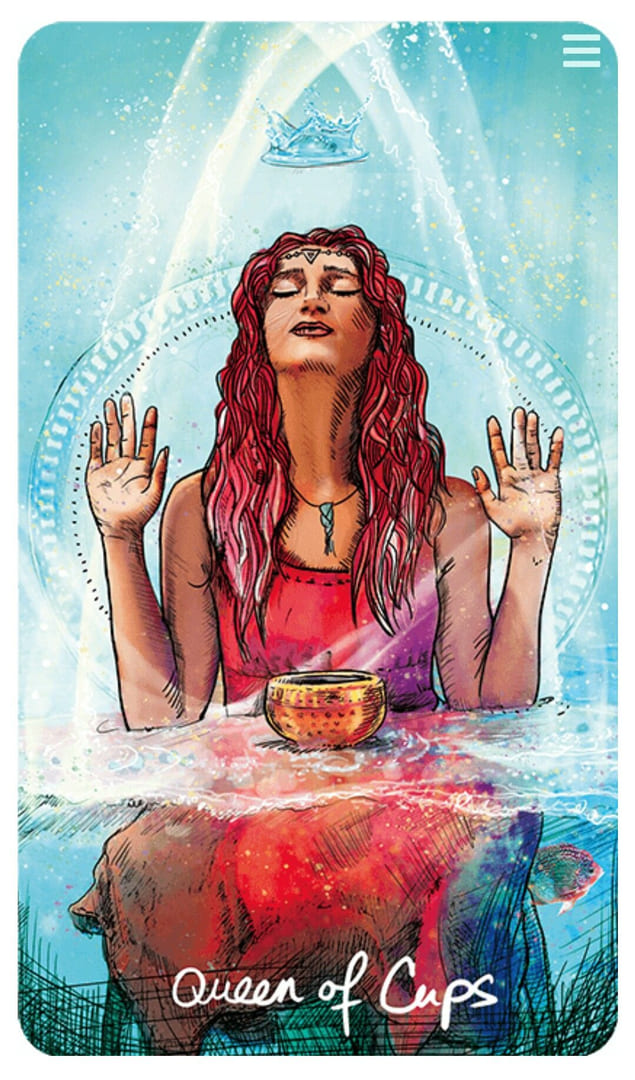
The Queen of Cups symbolizes intuitive understanding, emotional intelligence, and compassion. She embodies empathy, sensitivity, and the strength found in vulnerability, guiding actions to be driven by the heart. The card also urges the need for emotional healing and listening, warning against emotions' suppression, insecurity, melodrama, and the responsibility to own one's feelings. It encourages embracing both the light and shadow aspects of life to appreciate its true beauty.
King of Cups
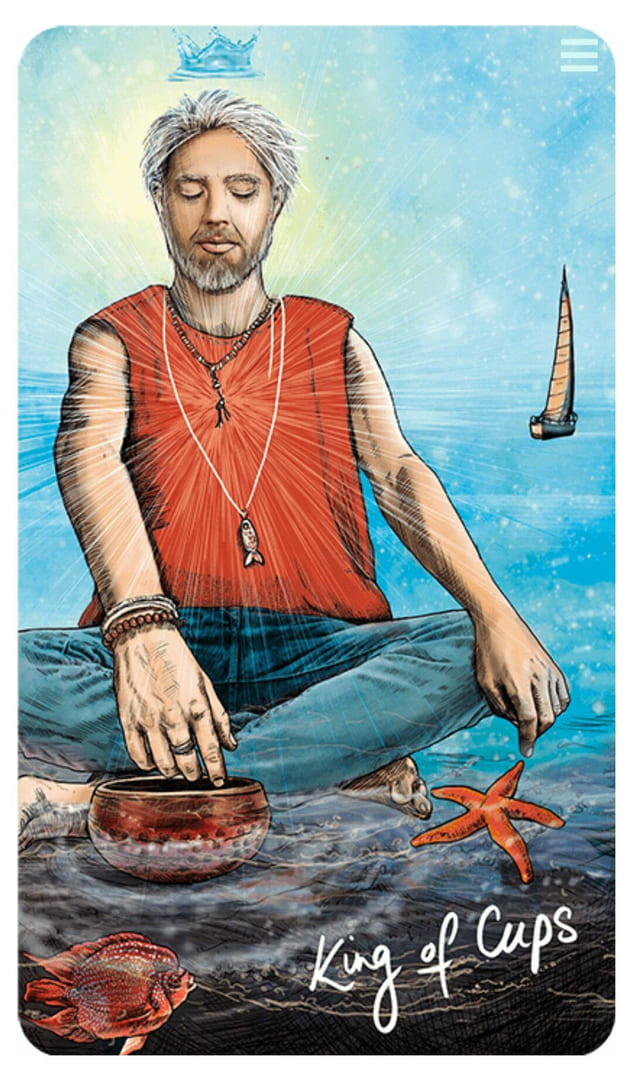
The King of Cups symbolizes love, emotional intelligence, patience, and wisdom. He signifies stability, balance, creativity, and diplomatic leadership qualities. This card represents a supportive, caring character with the ability to guide through emotional landscapes with maturity. However, when shadowed, it points to a tendency towards dramatic, closed-off, or volatile behavior, encouraging a deeper understanding of one's subconscious and self-care.
Swords
Ace of Swords
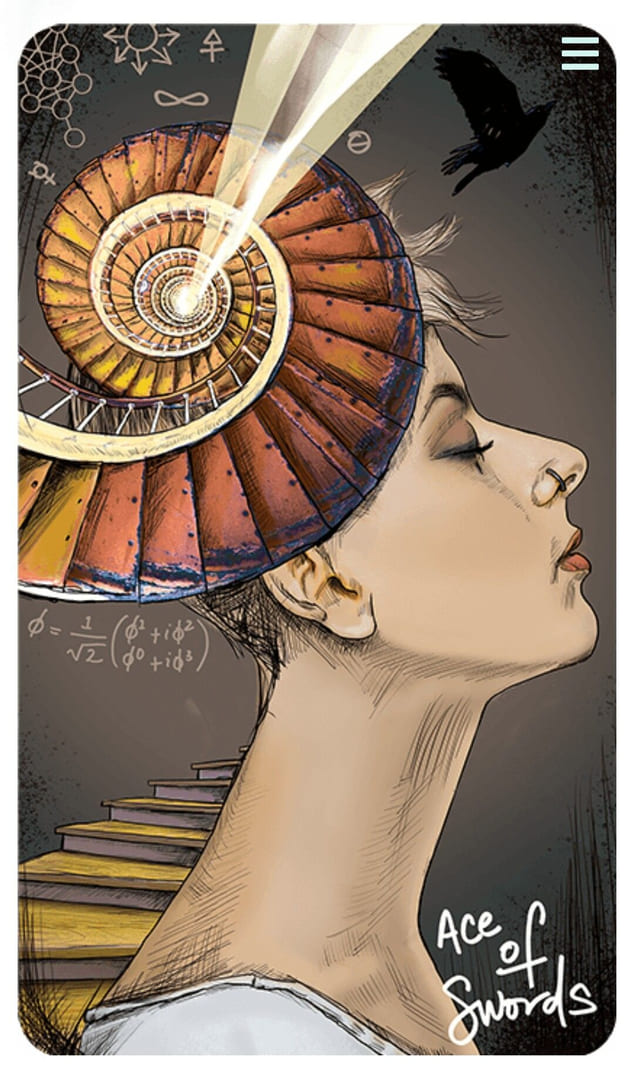
The Ace of Swords tarot card symbolizes the arrival of new ideas, clarity of thought, and the revelation of truth. It represents a moment of 'aha', new awareness, and higher states of consciousness, leading to success and triumph. On the flip side, it can also indicate excessive analysis, stagnation, clouded judgment, and withholding truth.
Two of Swords

The Two of Swords symbolizes a deadlock, facing a difficult choice between opposing ideas or paths, and the necessity to choose the best course of action. On the flip side, it represents anxiety about the unknown, feeling caught between a rock and a hard place, and fear of commitments.
Three of Swords

The Three of Swords symbolizes the heartache of separation, loss, and grief, but also highlights the potential for healing and renewal of inspiration. Its shadow side reflects a refusal to accept loss, the need for healing, and being stuck in grief, failing to recognize one's role in the circumstances.
Four of Swords

The 4 of Swords indicates a period of rest, self-care, and introspection, suggesting a need to pause and recharge one's energy. It advises taking a break to heal, love oneself, and analyze one's thoughts and feelings. On the flip side, it warns against the dangers of burnout, stagnation, and the long-term consequences of not taking enough time for rest and recuperation.
Five of Swords

The Five of Swords symbolizes conflict and loss, either by taking advantage of unfair situations or by facing challenges that test one's skills and self-confidence. This card is associated with both the negative aspects of victory, such as deceit and guilt, and the potential for personal growth through overcoming adversity.
Six of Swords

The 6 of Swords symbolizes transitions, healing, and moving beyond past traumas with the support of others, indicating a time for personal evolution and ideally timed actions. It warns of the struggles in accepting help, resisting change, and the difficulty of moving past the weight of previous experiences during these transitions.
Seven of Swords

The Seven of Swords signifies trickery, stealth, and strategy. It reminds us of the importance of honesty, both with oneself and others, and cautions against taking more than one's fair share. It encourages strategizing and being grateful for what one has, while also warning against deceit and self-deception.
Eight of Swords

The Eight of Swords symbolizes a feeling of being trapped but suggests the potential for liberation by opening one's eyes to the truth and realizing more opportunities than previously thought. On the flip side, it warns against playing the victim, feeling helpless, refusing to accept the truth, being pessimistic, and using past experiences as excuses.
Nine of Swords

The Nine of Swords symbolizes anxiety, nightmares, and depression, indicating a time of fear but also the potential to find courage. It highlights the importance of focusing on security and the positive aspects of one's life. In its shadow aspect, it represents paranoia, deeply rooted fears, and self-doubt, suggesting it is an optimal time for seeking healing and clarity.
Ten of Swords

The Ten of Swords signals painful endings, crisis, and substantial loss, hinting at betrayal or a backstab under its brighter prophecy. However, it also opens the door to deep healing, resilience, and change. Its shadow prophecy speaks of failure, resistance to the inevitable, and an unwillingness to release negative emotions, narrating a tale rooted in lack and helplessness but sometimes pointing towards recovery.
Page of Swords

The Page of Swords symbolizes restless energy, curiosity, a thirst for knowledge, and intellectual pursuits. It encourages one to remain inquisitive and open to learning, emphasizing honest exploration and the joy of sharing ideas. Beware of the shadow aspects like arrogance, gossip, and dishonesty, which represent actions not aligned with genuine discovery or growth. Approach interactions with openness, ready to learn and share sincerely.
Knight of Swords

The Knight of Swords symbolizes haste, strategic decision-making, and intelligence. It represents ambition, determination, and the pursuit of perfection. On the flip side, it signifies unfocused energy, impatience, and the risks of being overly aggressive. This card encourages the harnessing of one’s mental power and decisiveness to achieve success, while also warning against the potential for harm due to impulsive actions.
Queen of Swords
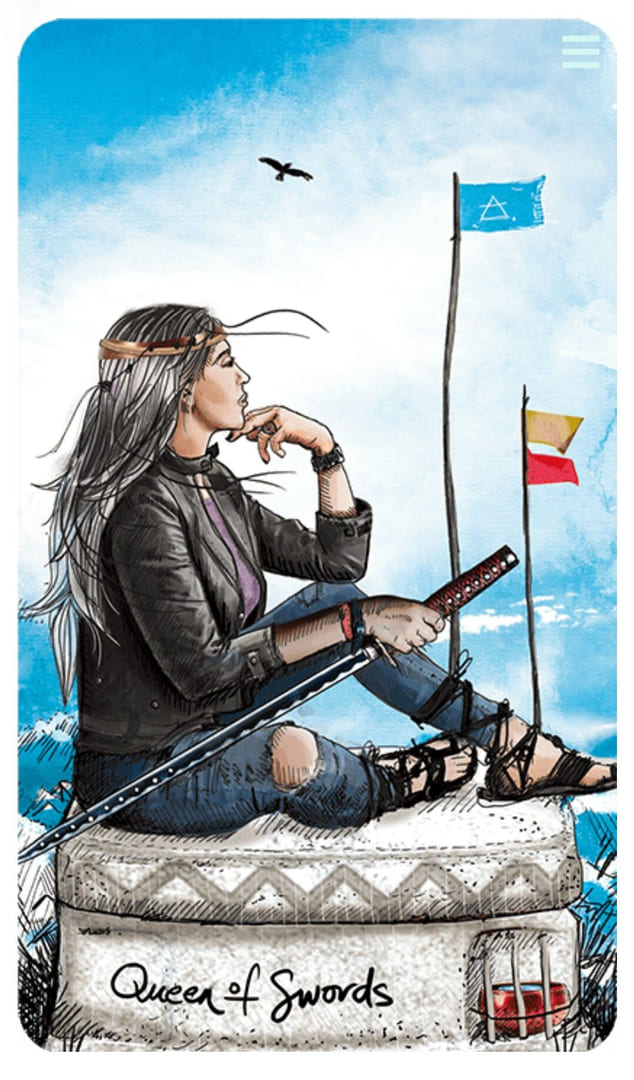
The Queen of Swords represents an intellectual leader characterized by clarity, honesty, and analytical thinking. She encourages direct communication, logical reasoning, and unbiased perspectives. While her approach can sometimes seem cold or harsh, it emphasizes the importance of compassion and empathy in conveying difficult truths. This card advises to avoid gossip and to place value on truth and evidence above emotional biases.
King of Swords

The King of Swords represents intellect, logic, clear thinking, and leadership, emphasizing the importance of truth, evidence, and combining mental and spiritual quests. It suggests being a strong communicator and having the courage to follow one's path with a methodical and confident authority. The card warns against manipulation, arrogance, and excessive control, advising to use knowledge not for advantage over others but for honest help. Embracing logical thinking along with emotional and spiritual energy leads to comprehensive success.
Pentacles
Ace of Pentacles

The Ace of Pentacles symbolizes the beginning of new ventures or tasks, sowing seeds for the future, and great potential for success. It signifies ambition, prosperity, a gift, and the alignment of material and spiritual aspects. On the flip side, it reminds us to establish a solid foundation for our dreams to prevent financial losses and missed opportunities, and warns against excessive greed and losing sight of the bigger picture.
Two of Pentacles

The Two of Pentacles represents the duality of managing life's ups and downs with grace, balancing multiple aspects of one's life, and juggling responsibilities to maintain harmony. In its shadow aspect, it warns of imbalance, disharmony, overcommitment, and the need to prioritize and slow down.
Three of Pentacles

The 3 of Pentacles symbolizes the power of collaboration, community, learning, and teamwork. It encourages the exchange of ideas and listening to one another to achieve unparalleled outcomes. Conversely, it also warns against the challenges of working with others, such as ego clashes, selfishness, and mistrust in the team's abilities, hinting at the need for mutual respect and openness.
Four of Pentacles

The Four of Pentacles speaks to the balance of security and generosity. On one hand, it represents stability, thrift, and success, signaling a need for greater openness and charity. On the other, it warns against hoarding, attributing too much importance to wealth, and missing opportunities to act benevolently towards others in need.
Five of Pentacles

The Five of Pentacles signifies financial struggles or health issues, feelings of loneliness or exclusion, and concerns about safety, calling for seeking help when needed. It suggests the possibility of removing energy blocks related to wealth and health. Its shadow side points to a scarcity mindset, feelings of helplessness, being stuck, and resistance to positivity, yet hints at hope with light at the end of the tunnel.
Six of Pentacles

The 6 of Pentacles emphasizes the balance between giving and receiving, suggesting themes of charity, generosity, and financial progress. It encourages being in the flow of abundance and awakening to the cycle of material prosperity. Conversely, its shadowed aspect warns against the pitfalls of imbalance, such as over-giving, hoarding, lack of compassion, judgment of others' roles in life, selfishness, and obstructing the flow of prosperity.
Seven of Pentacles

The Seven of Pentacles reflects a moment for pause and reflection, a state of gratitude, and reassessment of one's journey. It signals patience to reap the fruits of one's labor and encourages perseverance. Conversely, it warns against giving up too soon, impatience, loss of faith, failure to achieve, and disappointment in expected rewards.
Eight of Pentacles

The Eight of Pentacles signifies the mastery of skills and the joy derived from dedication to one's work. It suggests a methodical progress towards achieving the soul's purpose through patience and determination. In its shadow aspect, it warns against the pitfalls of perfectionism, the risk of burnout, and the loss of joy in one's work, advocating for continuous learning and avoidance of shortcuts at the expense of personal growth.
Nine of Pentacles

The Nine of Pentacles embodies both spiritual and material satisfaction, personal achievements, peace, and successful endeavors, indicating a moment of enjoying the fruits of one's labor. Alternatively, it warns about the risk of feeling lonely despite material success, the urge to reassess one’s relationship with work, potential financial delays, and the pressure to appear more successful than one is.
Ten of Pentacles

The 10 of Pentacles represents both spiritual and material prosperity, highlighting themes of generosity, wealth, and the construction of a legacy. It emphasizes traditional views on wealth and predicts positive outcomes. Conversely, it warns against the pursuit of luxury for status, suggests a need to share wealth, and cautions about potential financial losses or delays.
Page of Pentacles

The Page of Pentacles symbolizes the manifestation of opportunities, new beginnings, and good news. It embodies ambition, skills, education, and financial possibilities, marking new career paths and connections. However, its shadow side warns against evasion, lack of progress, and the experience of past mistakes. The card encourages harnessing the practical magic of thoughts and the energy of the earth to shape dreams into reality, emphasizing the importance of being in the right place at the right time for manifesting one's dreams.
Knight of Pentacles

The Knight of Pentacles symbolizes persistence, hard work, and pragmatism, highlighting the importance of steadfastness and security in achieving material wealth. It warns against excessive material focus, workaholism, and the dangers of stagnation. This card encourages enjoying the process of growth and ensuring foundational stability while embracing expansion and avoiding being trapped by resistance or excess conservatism.
Queen of Pentacles

The Queen of Pentacles symbolizes abundance, material wealth, and the cherishment of family and community ties. It encourages stepping into abundance from the shadows holding you back, focusing on financial stability, self-care, and generosity. It warns against financial stress, egocentrism, and imbalance between work and home life. Embrace nature for tranquility and power, and use your resources wisely to bring stability to your situation.
King of Pentacles

The King of Pentacles represents material abundance, patience, and determination. It symbolizes a confident and benevolent leader who provides comfort and safety to others, promoting personal growth. Achieved goals, prosperity, and success are central themes. The shadow side warns against an obsession with wealth, striving for status, and greed, highlighting the importance of balancing material and spiritual realms.
Reading Tips for the Light Seer’s Tarot
Chris-Anne designed this deck to be read intuitively, and the artwork rewards those who take the time to really look at each card before reaching for memorized meanings.
Embrace both light and shadow. The dual-meaning system isn’t about good news versus bad news. It’s about seeing the full truth of a situation. When a card’s shadow side appears in a reading, treat it as information — a flashlight pointed at something that needs your attention, not a punishment.
Let the figures tell their stories. The diverse, contemporary characters in this deck are one of its greatest strengths. Notice their body language, their expressions, their surroundings. Are they moving toward something or away from it? Joyful or contemplative? The human element in the Light Seer’s Tarot often communicates more than traditional symbolism alone.
Pay attention to the light itself. Chris-Anne’s signature use of luminous, glowing light isn’t just aesthetic — it’s symbolic. Where the light falls in a card, where shadows gather, and how the figure relates to both are all part of the reading. Light here represents awareness, and shadow represents what hasn’t yet been seen.
Trust your first impression. This deck was created to bridge the gap between traditional tarot wisdom and personal intuition. If a card strikes you a certain way before your mind catches up with “the official meaning,” honor that feeling. The Light Seer’s Tarot was built for readers who trust their inner knowing.
Explore the Light Seer’s Tarot in Elvi
Want to experience the Light Seer’s Tarot in a live reading? Elvi, our AI tarot companion, offers AI-powered readings with this stunning deck and many others. Pull cards, explore spreads, and let the luminous wisdom of the Light Seer’s Tarot guide your journey — anytime, anywhere, right from your phone.
Frequently Asked Questions
How many cards are in the Light Seer's Tarot?
The Light Seer's Tarot contains 78 cards: 22 Major Arcana representing life's major themes, and 56 Minor Arcana in four suits — Wands, Cups, Swords, and Pentacles.
What makes the Light Seer's Tarot unique?
Created by Chris-Anne, it features modern, diverse, and inclusive artwork that reimagines traditional tarot through a contemporary lens. The deck emphasizes both light and shadow aspects of each card, making it ideal for personal growth and intuitive reading.
Is the Light Seer's Tarot good for beginners?
Absolutely. It's one of the most popular beginner decks worldwide. The modern imagery makes traditional symbolism more accessible, and Chris-Anne's guidebook provides both light and shadow interpretations for each card.
What is the difference between light and shadow meanings?
Light meanings represent a card's empowering, positive energy. Shadow meanings reveal the card's challenging or blocked energy — not 'bad' outcomes, but areas where growth and awareness are needed. Together they give a complete picture.