Red Flags in Tarot: Cards That Warn You About a Toxic Person
When the cards try to warn you
Here’s something I’ve learned from years of reading: the cards don’t judge people. They don’t label someone as “toxic” or “safe.” What they do is show you dynamics, patterns, and energies — and some of those patterns are ones you should pay very close attention to.
This article is about those patterns. The cards that consistently appear when someone isn’t who they seem, when a dynamic is heading somewhere harmful, or when your own boundaries are about to be tested in ways you’re not ready for.
A few things before we start: tarot cards are not lie detectors. They don’t point at someone and say “bad person, run.” What they do is illuminate dynamics — and it’s up to you to decide what to do with that information. Sometimes the “red flag” is about the other person. Sometimes it’s about the dynamic between you. And sometimes — honestly — it’s about you.
The major red flag cards
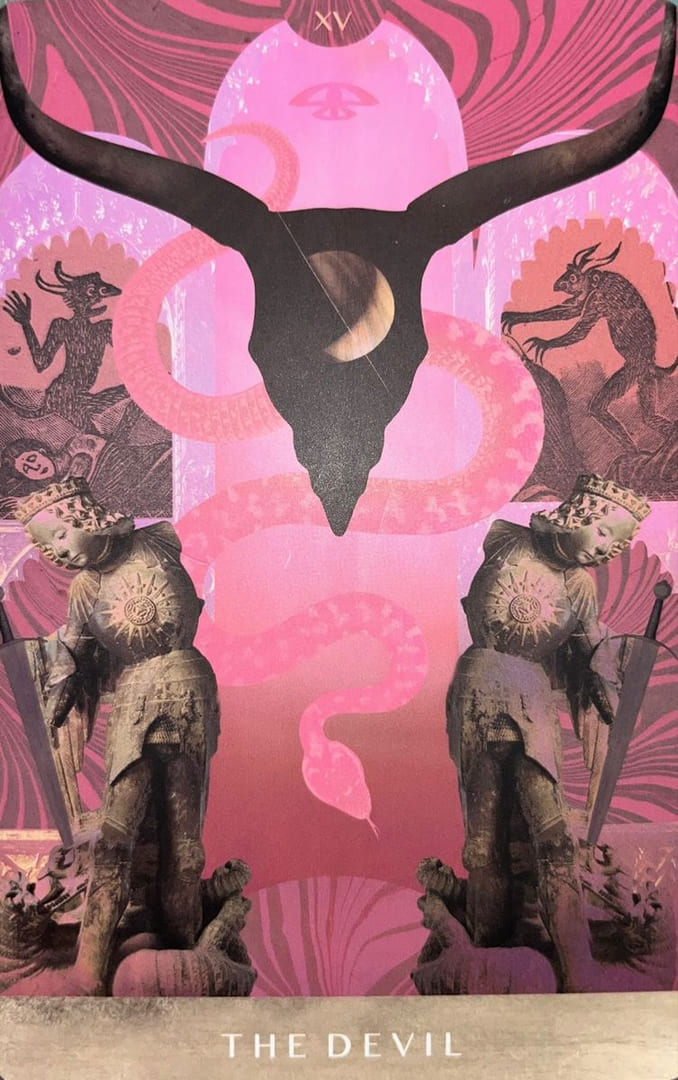
The Devil (XV). The biggest red flag in the deck, and the most misunderstood. The Devil doesn’t mean someone is evil. It means someone (or the dynamic itself) is operating through control, manipulation, or unhealthy attachment. In relationship readings, The Devil shows a bond that feels impossible to break — not because of love, but because of dependency. The chains in the card are loose. You can take them off. The question is whether you will.
What to watch for in real life: love-bombing followed by withdrawal, making you feel like you can’t survive without them, isolating you from friends and family, using intimacy as a tool of control.
Seven of Swords. Sneaking, lying, taking what isn’t theirs. The Seven of Swords in a relationship reading is someone who operates behind your back. Not necessarily dramatically — sometimes it’s small lies that accumulate, information strategically withheld, or a persona that doesn’t match who they are in private.
What to watch for: stories that don’t add up, a different personality around other people, protectiveness over their phone, a pattern of “forgetting” to mention things.
Five of Swords. Winning at all costs. The Five of Swords person doesn’t care about resolution — they care about winning. Every disagreement becomes a battle, and they’d rather destroy the relationship than admit they’re wrong. This card shows a dynamic where one person consistently gains at the other’s expense.
What to watch for: arguments that never reach resolution, being made to feel stupid or wrong for having feelings, a partner who keeps score, conversations that always end with you apologizing even when you’re not sure what you did.
Reversed Emperor. The Emperor upright represents structure, authority, and healthy leadership. Reversed, he becomes a tyrant — controlling, rigid, demanding obedience rather than earning respect. In relationship readings, the reversed Emperor is often a person who uses power and authority to dominate their partner.
What to watch for: rigid rules about your behavior, punishing you for independent decisions, monitoring your finances or social connections, “my way or the highway” as a relationship philosophy.
Reversed Knight of Cups. The charmer whose charm is a weapon. Upright, this knight is romantic and emotionally open. Reversed, he’s all performance — saying the perfect things, creating grand romantic gestures, and meaning absolutely none of it. The reversed Knight of Cups is the person who future-fakes, love-bombs, and treats relationships as conquests.
What to watch for: too much too fast, declarations of love before they actually know you, grand gestures that feel performative rather than genuine, disappearing once the chase is over.
The Moon. Not a red flag about a person, but about a situation. The Moon says: you can’t see clearly. Something is being hidden, or your own fears are distorting your perception. In relationship readings, The Moon warns that things are not what they seem — but it doesn’t tell you exactly how.
What to watch for: a persistent feeling that something is “off” even though you can’t pinpoint what, gaslighting (being told your perception of events is wrong), secrecy presented as privacy.
Ten of Swords. Betrayal, being stabbed in the back, a situation that has already gone too far. The Ten of Swords in a reading about someone you’re considering getting involved with is the cards saying: this will end badly. Not “might” — will. The damage here isn’t potential; it’s built into the dynamic.
What to watch for: people who’ve left a trail of broken relationships behind them, patterns of blame where every ex was “crazy,” a history that raises more questions than it answers.
Cards that are NOT red flags (despite what you’ve heard)
Death. Death is transformation, not toxicity. A person associated with Death is going through change — which can be uncomfortable but isn’t inherently unhealthy.
The Tower. The Tower disrupts, but disruption isn’t always bad. Sometimes a Tower person is someone who shakes up your comfortable patterns in ways that actually help you grow. Context matters.
Three of Swords. Yes, heartbreak. But heartbreak isn’t a red flag about a person — it’s a warning about a situation. Sometimes good people cause pain. The Three of Swords asks you to prepare emotionally, not to avoid someone entirely.
Any reversed card. Reversals add nuance. A reversed Empress could mean someone struggling with self-care, not someone who’ll harm you. Don’t treat reversals as automatic warnings.
How to read red flags without paranoia
The line between “listening to warnings” and “seeing threats everywhere” is important, and I want to help you walk it:
Look for patterns, not individual cards. One Devil card in one reading doesn’t mean your partner is toxic. The Devil appearing in every reading you do about this person, combined with the Seven of Swords and the Five of Swords — that’s a pattern worth taking seriously.
Check your own energy first. If you’re reading from a place of fear, trauma, or anxiety, the cards will reflect that. Not because they’re “wrong,” but because your energy influences what shows up and how you interpret it. Ground yourself before reading about someone else.
Ask better questions. Instead of “is this person toxic?”, try:
- “What dynamic is developing between us?”
- “What do I need to know about this connection?”
- “Where are the potential challenges in this relationship?”
These questions give the cards space to show the full picture.
Don’t read about people who aren’t present. This is controversial, but I believe it matters: reading about someone without their knowledge is ethically grey. The cards you pull will be filtered through your perception of that person, not through who they actually are.
A five-card spread for relationship safety
When you need to check the health of a connection:
- The energy this person brings. What do they add to your life?
- The energy this person takes. What does this connection cost you?
- What’s hidden. What you’re not seeing about this person or dynamic.
- Your boundaries. Where your boundaries need strengthening.
- The trajectory. Where this connection is heading if nothing changes.
Cards 2 and 3 are the most important. If what they take (card 2) outweighs what they bring (card 1), and what’s hidden (card 3) is concerning — the spread is waving a flag.
The hardest red flag to read
It’s the one about you.
Sometimes the “toxic person” in the reading is the dynamic you’re creating. Sometimes the cards aren’t warning you about them — they’re warning you about your own patterns: choosing unavailable people because emotional availability scares you, ignoring warning signs because loneliness feels worse than harm, mistaking intensity for intimacy.
The Devil card has two figures chained. Not one. Both are trapped. Both have agency. Both can leave.
If you keep pulling red flag cards about different people, the common denominator isn’t the people. It’s the pattern of selection. And that pattern lives in you.
This isn’t blame. It’s power. Because if the pattern is yours, you can change it. If the pattern were only about other people, you’d be helpless. You’re not helpless. You never were.
Trust yourself more than the cards
The best red flag detector you have isn’t a tarot deck. It’s the feeling in your gut that brought you to this article in the first place.
You already know when something is wrong. The cards just help you take that knowing seriously — to stop minimizing, stop making excuses, stop rationalizing red flags into orange ones.
If the cards are telling you what your body already knows, listen. Not to the cards. To yourself.
The cards are wise. But so are you.
Frequently Asked Questions
What tarot cards are red flags in a relationship reading?
The Devil (control, addiction, unhealthy attachment), Seven of Swords (deception), Five of Swords (winning at your expense), reversed Emperor (tyranny), and reversed Knight of Cups (false charm) are common red flags. But context matters — a single 'warning' card in an otherwise positive spread is not the same as multiple warning cards telling a consistent story.
Does The Devil card always mean a toxic person?
No. The Devil can represent any unhealthy attachment — to substances, habits, beliefs, or dynamics. In relationship readings, it often points to a dynamic where both people are trapped in a pattern, not necessarily to one person being 'evil.' The question The Devil asks is: what are you chained to, and are those chains real or self-imposed?
Can tarot warn me about someone before I get hurt?
Tarot can show you patterns and energies present in a situation, which can serve as early warnings. But tarot works best as a mirror for your own intuition — if you're pulling warning cards about someone, chances are your gut was already sending you the same message. The cards help you take those feelings seriously.
What should I do if my tarot reading shows red flags?
Pay attention to the pattern, not just individual cards. If multiple readings about the same person consistently show warning cards, that's significant. Reflect on whether you see those patterns in real life too. Set boundaries, trust your instincts, and don't use the cards to talk yourself out of what you already know.