Review: The Alchemical Tarot — Alchemist's Path
This isn’t an everyday deck. The moment I picked it up, I could feel it asking for attention — not the casual “let’s see what today looks like” kind, but the “sit down, think, open the book” kind. And that’s exactly its strength.
The Alchemical Tarot is a serious deck for serious questions. When I need to understand a process, not just get an answer, this is the one I reach for.
First Impressions
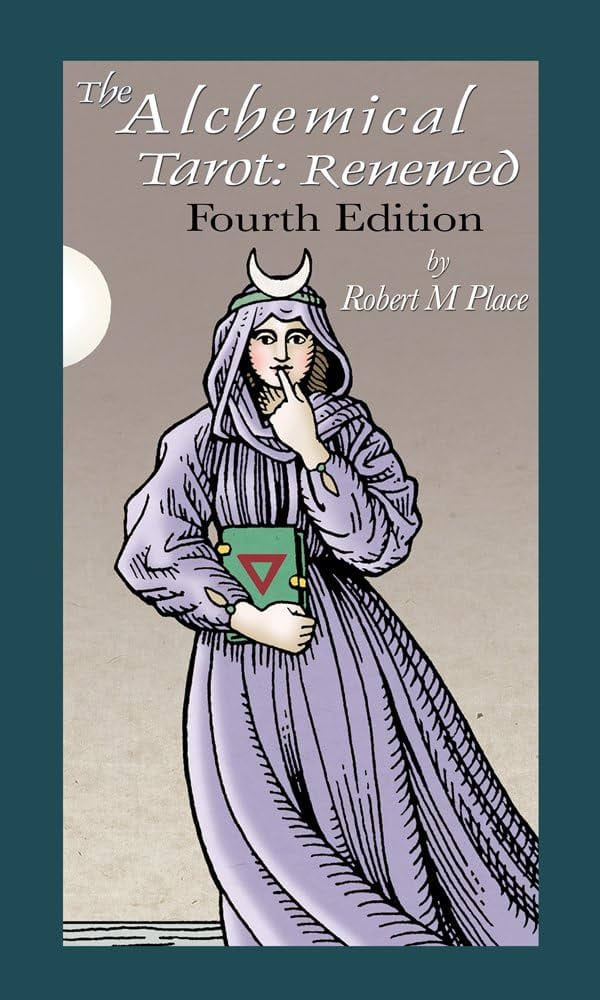
The first thing you notice is the palette. Not loud, not cheerful, not dark. Muted watercolor tones on an antique paper background — like you’ve opened a page from a 16th-century alchemical manuscript, and those pages have started speaking back to you.
The second is the count. 80 cards instead of the usual 78. An additional Veritas (Truth) card and a second Lovers variant showing the Red King and White Queen. It feels strange at first, but then you realize: these aren’t extra cards. They’re the key to the whole system.
The third thing is the silence. This deck doesn’t shout. It waits for you to come to it rather than performing for your attention. I respect that.
About the Deck
The Alchemical Tarot was created by Robert M. Place, an American artist and scholar of Western esoteric traditions. The first edition appeared in 1995; today the deck is in its 7th “Reimagined” edition — completely redrawn after thirty years of working with the original cards.
The idea came to Place in August 1987 while he was studying an alchemical image of the Philosopher’s Stone. He had a flash of insight: the Fool’s journey through the Major Arcana and the alchemical Great Work are the same story told in two languages. Eight years of study later, the deck was born.
The companion book is co-written with Rosemary Ellen Guiley, a respected researcher of magic and the occult. It’s the rare case of a genuinely useful guidebook — it explains the history of alchemy without dogma and shows how each card corresponds to a specific stage of the Magnum Opus.
80 cards total: 22 Major Arcana plus Veritas, 56 Minor Arcana, and a second Lovers. The suits are Coins (Earth), Cups (Water), Swords (Air), and Staffs (Fire).
Visual Style
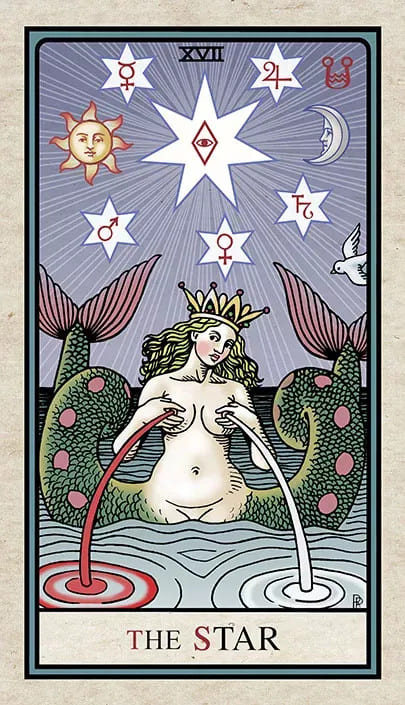
The style is what sets this deck apart from everything else on the market. No trendy illustration, no digital smoothness. Place draws as if he’s actually working in a 17th-century atelier.
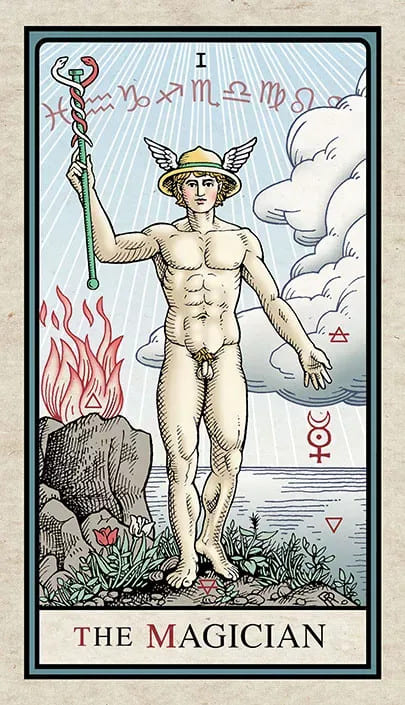
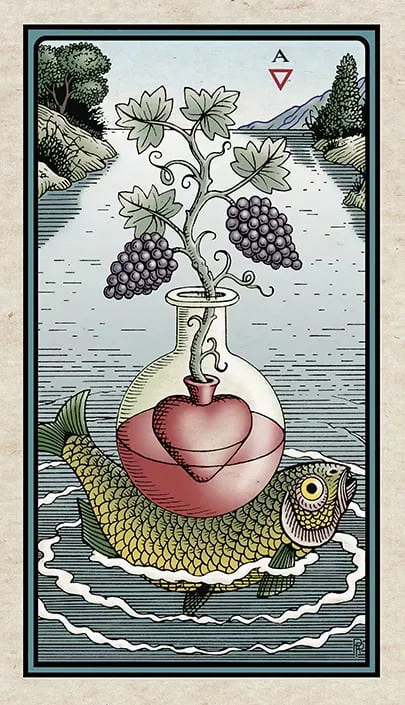
The cards use a watercolor-manuscript technique: transparent layers of pigment on warm antique paper. Details are finely drawn, the lines confident but never harsh. Recurring alchemical symbols appear throughout — retorts, furnaces, the Sun and Moon, the Red King and White Queen, pelicans, ravens, ouroboros.
The mood is contemplative. The cards aren’t dark, but they aren’t light either. It’s the mood of someone working on something important who knows it will take time.
Core Themes
The Great Work as a structure for life. The Magnum Opus is four stages of transformation: Nigredo (dissolution, death of the old), Albedo (purification, light), Citrinitas (illumination of mind), and Rubedo (completion, the red gold of the soul). Each Major Arcana card corresponds to a specific stage of this process. The World card is the Philosopher’s Stone itself.
The soul as matter. Alchemy was never literally about turning lead into gold. It was always a metaphor: lead is our raw, unconscious material, and gold is what we can become. The deck holds this idea in every card.
Duality and the union of opposites. The Red King and White Queen appear again and again. Sulphur and Mercury, fire and water, sun and moon. It’s all about how two opposing principles have to meet for something new to be born. That’s why there are two versions of the Lovers — it’s not a quirk, it’s the heart of the system.
Truth as the goal. The 22nd arcanum, Veritas, isn’t there by accident. It says: all the stages of the Great Work lead not just to completion, but to the truth about yourself. That’s a deeply alchemical idea — that working on matter and working on yourself are inseparable.
Favorite Cards
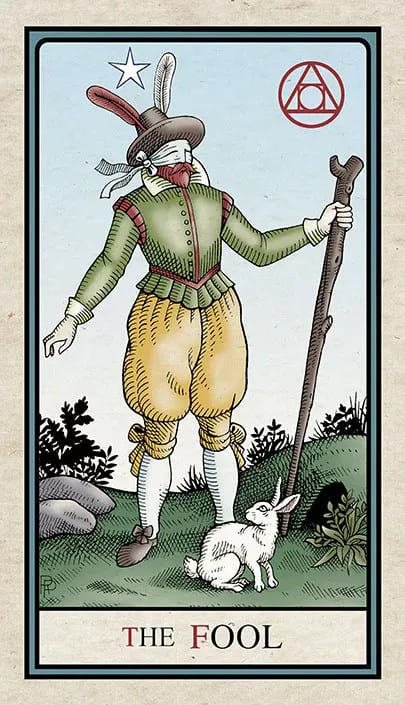
The Fool — a figure in Renaissance dress (green doublet, yellow breeches, red-plumed hat) with a white blindfold over the eyes. In one hand, a gnarled wooden staff. At his feet, a small white rabbit — not a dog as in Rider-Waite, but specifically a rabbit. This matters: in alchemical tradition, the rabbit symbolizes swift impulses running ahead of reason. In the sky, a white star and a red triangle (the salt-sulphur-mercury triad). The Fool isn’t walking toward a cliff — he’s taking the first step into the laboratory, and his own ignorance is his ally. No knowledge yet, no fear yet.
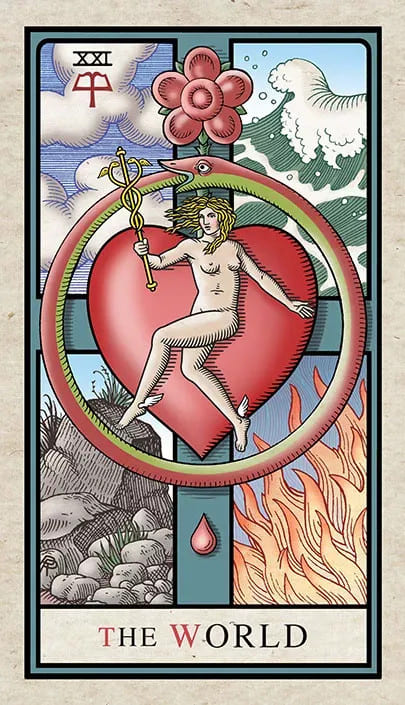
The World — a nude female figure dancing inside a red heart-shaped vessel. This is literally the Philosopher’s Stone — red, central, alive. A green ouroboros (a serpent biting its tail) encircles her, symbolizing the closed cycle. In the background, the four elements are visible: mountains, water, clouds, flames. In her hand, a caduceus. This isn’t just “the end of the journey” — it’s a qualitatively new state. The woman is the Quintessence, the Fifth Element, the Soul of the World.
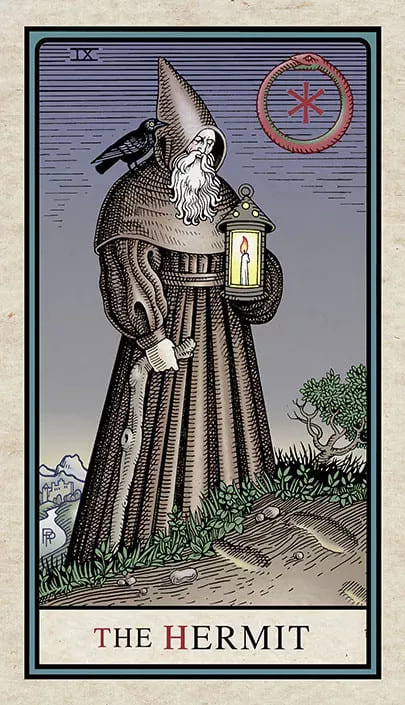
The Hermit — an elderly man with a long beard, wearing a dark cloak and the pointed cap of an alchemist. He holds a lantern with a single flame. A black raven perches on his shoulder. In the sky, an ouroboros with a red star inside. The landscape is dim, with light visible through the mountains. This is the image of a real alchemist-sage: not a pious hermit, but a scholar working alone with symbols. The raven isn’t a grim omen — it’s the companion of Nigredo, the first black stage. When this card comes up for me, I know: lock yourself in, study, meditate. Don’t run to people for answers.
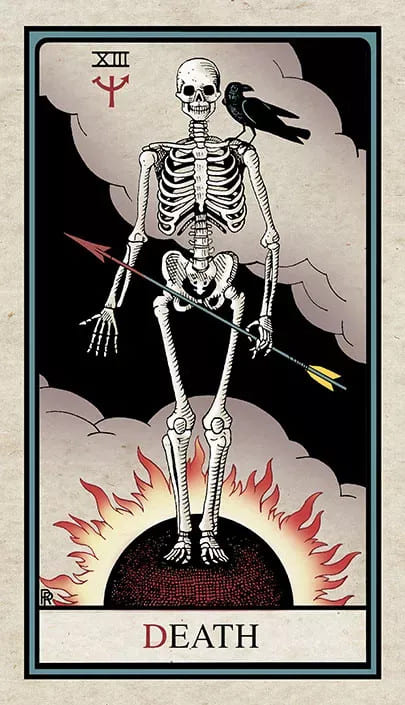
Death — a skeleton standing on a blackened sphere surrounded by flames. An arrow in hand. A raven on the shoulder, again. The sky is dark and stormy. This is straight alchemical Nigredo: the stage of decomposition, when matter (and we ourselves) must break down to transform. The black sphere is the alchemist’s retort, where putrefactio happens. The card is harsh, but not frightening. It reminds us that death in alchemy isn’t an end — it’s a condition for renewal.
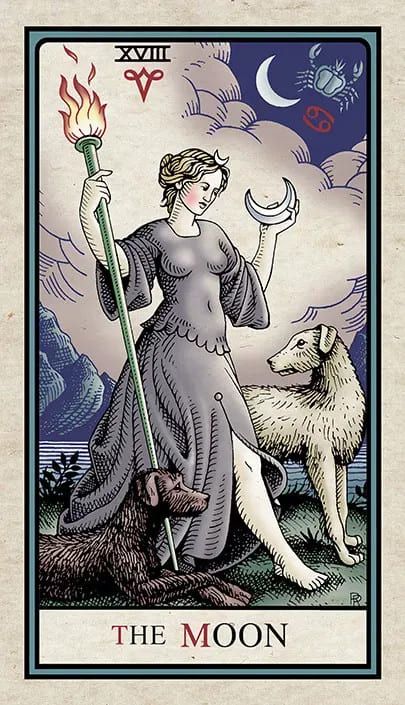
The Moon — the goddess Diana in grey robes, holding a burning torch and a crescent moon. Two hounds at her feet. In the sky, the phases of the moon, the sign of Cancer. Behind her, a calm lake. Here the Moon isn’t anxiety and deception, as it often is in Rider-Waite — it’s introspection and intuition. Diana is the goddess of the hunt, of night, of clean water; her white Stone is Albedo, the second stage of the Great Work, when the first light emerges from the darkness of Nigredo.
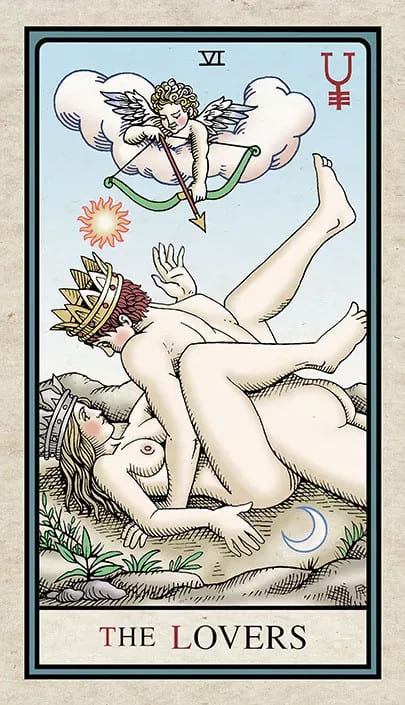
The Lovers — one of the boldest images in the deck. The Red King (a crowned man) and the White Queen (a woman with a crescent) are shown in a literal act of union. Above them, Cupid with a green bow, and the symbols of sun and moon. This isn’t a shy allegory — it’s a direct depiction of the alchemical Coniunctio, the sacred marriage of opposites. In alchemy, this is exactly how the Philosopher’s Stone is born: two principles have to meet not in the mind but in the body, not symbolically but actually. The deck doesn’t shy away from this theme, and that earns it extra respect.
How to Work with This Deck
Not for daily pulls. Seriously. This deck is too dense for surface-level questions. I’ve tried — you get a lecture every morning. Better to use it for specific work.
Transformation spreads. When you’re in the middle of a big internal change — a divorce, a loss, a rethinking of your path — this deck speaks the language the moment needs. It doesn’t rush and it doesn’t soothe; it names the stage you’re in.
Shadow work. The alchemists weren’t afraid of the shadow — they called it Nigredo and worked with it as raw material. If you’re already doing shadow work, this deck gives you a map: you are here, this is your stage, here’s what comes next.
Symbolic study. The deck demands reading. The 200-plus-page companion is not a bonus — it’s a necessary tool. Place has also published a free 105-page PDF explaining all the symbolism; it’s worth finding online.
Card meditation. Just lay out a few cards and look. No question, no spread. The images here function as true alchemical emblems — they work through long contemplation.
Who Is This Deck For
Experienced readers. If you can already read Rider-Waite confidently and want something deeper, this is it. But not as a first deck — more like a third or a fifth.
Those interested in Western esotericism. Hermeticism, alchemy, Rosicrucianism, Jungian psychology — the deck speaks all these languages. If the tradition interests you, it will open up fast.
People in transition. When you know something is ending but you can’t yet see what’s beginning. The alchemical model helps you hold your mind inside what’s happening: this is a stage, it has a name, it will have an end.
Who it may not be for: beginners (too much symbolism), lovers of the light and mystical (this deck is intellectual, not emotional), and those seeking modern inclusive aesthetics (this is still a European Renaissance tradition, with all of its limitations).
Deck Pairings
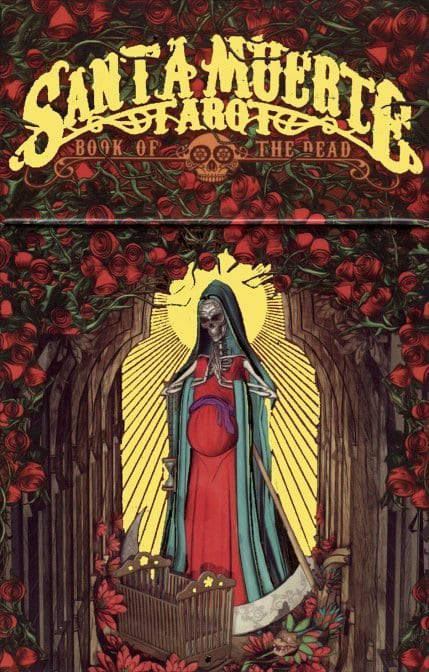
Santa Muerte Tarot — another serious deck with philosophical weight. Where The Alchemical speaks about the Great Work, Santa Muerte speaks about accepting death as a guide. Together they make a powerful duo for shadow work.
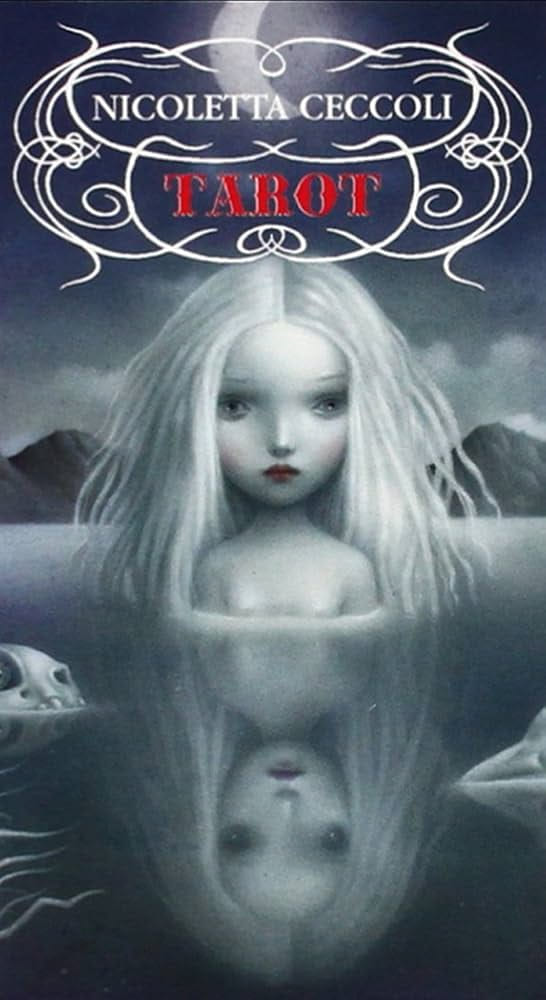
Nicoletta Ceccoli Tarot — a different register, but a similar intellectual depth. The Alchemical is the masculine, academic approach; Ceccoli is the feminine, symbolic one. They complement each other well for inner-world work.
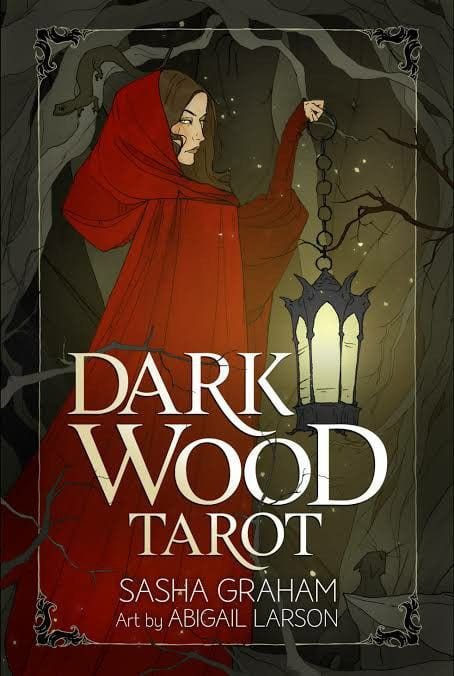
Dark Wood Tarot — if The Alchemical Tarot gives you structure (stages, processes, substances), Dark Wood gives you atmosphere. Together they cover both “what’s happening” and “what it feels like.”
Try this deck in our Telegram bot — it’s available for readings right now.
Frequently Asked Questions
Is The Alchemical Tarot good for beginners?
Not really. This deck assumes a working knowledge of classic tarot and at least some familiarity with alchemy. Start with Rider-Waite-Smith and come back to The Alchemical Tarot when you want depth rather than quick answers.
How many cards are in The Alchemical Tarot?
80 cards — the standard 78 plus two versions of the Lovers card and an extra 22nd Major Arcana called Veritas (Truth). The suits map to classical alchemical elements: Coins (Earth), Cups (Water), Swords (Air), Staffs (Fire).
What are the main themes of The Alchemical Tarot?
The central theme is the Magnum Opus — the alchemical Great Work. The Fool's journey to the World mirrors the soul's transformation through four stages: Nigredo (black), Albedo (white), Citrinitas (yellow), and Rubedo (red). Best suited for deep inner work and shadow practice.
Who created The Alchemical Tarot?
Robert M. Place, an American visionary artist and scholar of Western esotericism. First published in 1995, the deck is now in its 7th edition (Reimagined). The companion book was co-written with Rosemary Ellen Guiley, a respected researcher of magic and the occult.