Shadowscapes Tarot: All 78 Card Meanings Explained
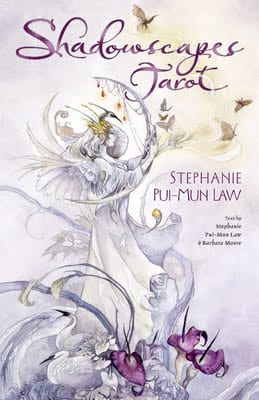
The Shadowscapes Tarot by Stephanie Pui-Mun Law is one of the most visually stunning tarot decks ever created. Every card is a luminous watercolor painting teeming with mythological creatures, faeries, branching trees, and spiraling ocean waves — a world where folklore breathes and nature itself tells stories. With companion text by Barbara Moore, this deck follows the Rider-Waite-Smith tradition while wrapping each archetype in imagery drawn from Celtic legend, Japanese mythology, and the universal language of the natural world.
Whether you just brought this deck home or you have been reading with it for years, this guide walks through all 78 cards — every Major Arcana and every Minor Arcana — so you can understand the meaning behind each breathtaking illustration.
How the Deck Is Organized
The Shadowscapes Tarot follows the standard 78-card structure:
- Major Arcana (0–XXI): 22 cards tracing the Fool’s Journey through archetypal turning points, rendered here as mythic encounters with dragons, phoenixes, and otherworldly beings
- Wands: Fire energy — passion, creativity, will, and transformation
- Cups: Water energy — emotions, intuition, love, and the depths of the heart
- Swords: Air energy — intellect, conflict, truth, and hard-won clarity
- Pentacles: Earth energy — material reality, work, abundance, and grounded growth
Stephanie Pui-Mun Law preserves the Rider-Waite-Smith framework faithfully, so any standard tarot reference works alongside this deck. The difference is in the visual language: where the RWS deck uses straightforward scenes, the Shadowscapes uses layered fantasy paintings rich with symbolic flora, fauna, and spirits. Strength is card VIII, Justice is XI — traditional ordering throughout.
Major Arcana
The Fool

The Fool represents new beginnings and adventures, urging you to leap into the unknown with eagerness and passion. It embodies the spirit of recklessness and instinctive actions that precede thoughtful deliberation. This card highlights the dichotomy between blind faith and wisdom rooted in rationality, encouraging you to trust in the infinite possibilities ahead.
The Magician
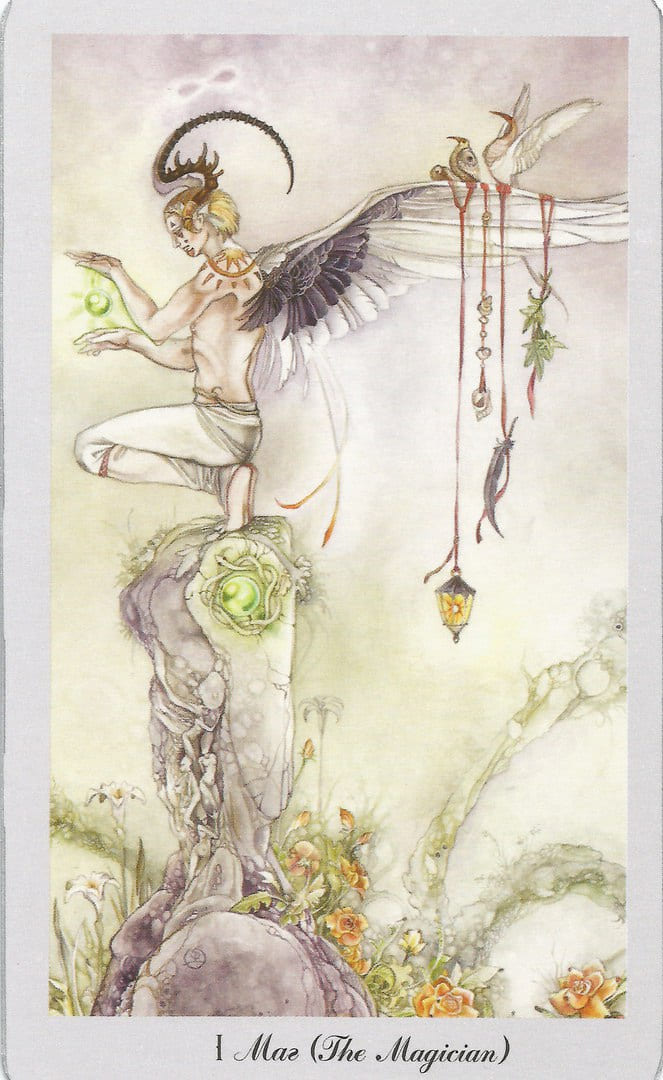
The Magician represents originality, creativity, mastery, willpower, self-respect, and dexterity. It signifies the perception of the spiritual world and the ability to make it a reality, using elements symbolizing fire, water, air, and earth.
The High Priestess
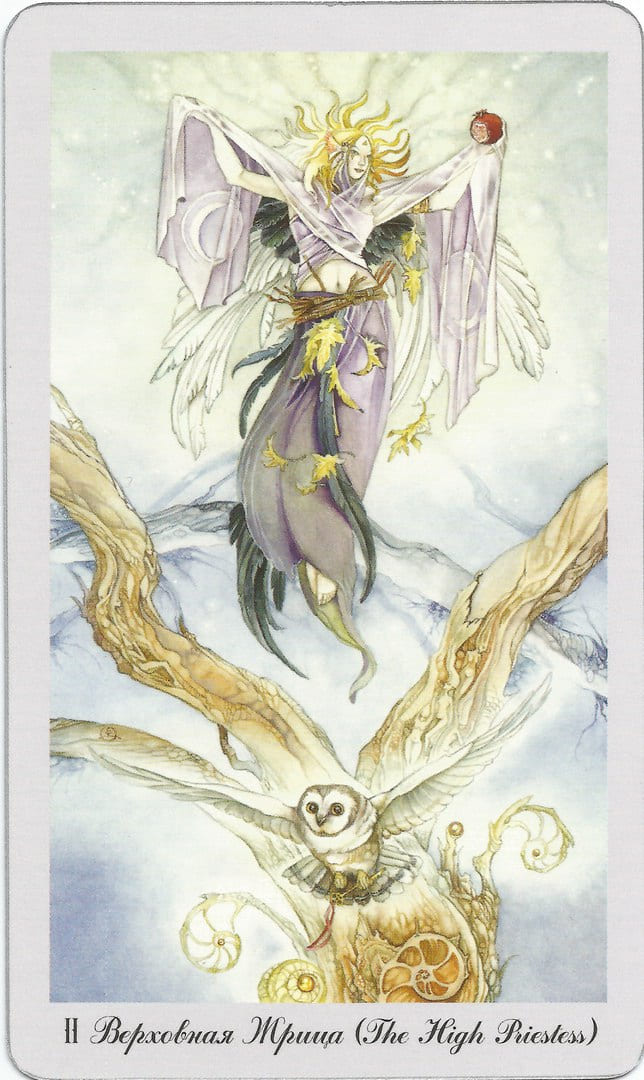
The High Priestess is a symbol of wisdom, knowledge, intuition, purity, and chastity. She represents the feminine mysteries, connecting the earthly and celestial realms. The imagery of the owl, moons, and pomegranate reflects cycles, hidden truths, and duality of life and death.
The Empress

The Empress represents creativity, generosity, magnanimity, patience, and love. She symbolizes abundance, wealth, emotional experiences, and a connection to nature. As a creator and mother figure, she nurtures and symbolizes the essence of life itself.
The Emperor

The Emperor signifies authority, order, and leadership. He represents the establishment of law and control from chaos, embodying strength and a solid foundation. The imagery reflects a ruler who governs with confidence and maintains structure through his willpower.
The Hierophant

The Hierophant represents the deep roots of tradition, rituals, and the pursuit of spiritual knowledge. As a keeper of ancient wisdom and ceremonies, he helps bridge the sacred and the mundane. He embodies calmness, self-control, and the role of a teacher who guides others in uncovering mysteries.
The Lovers
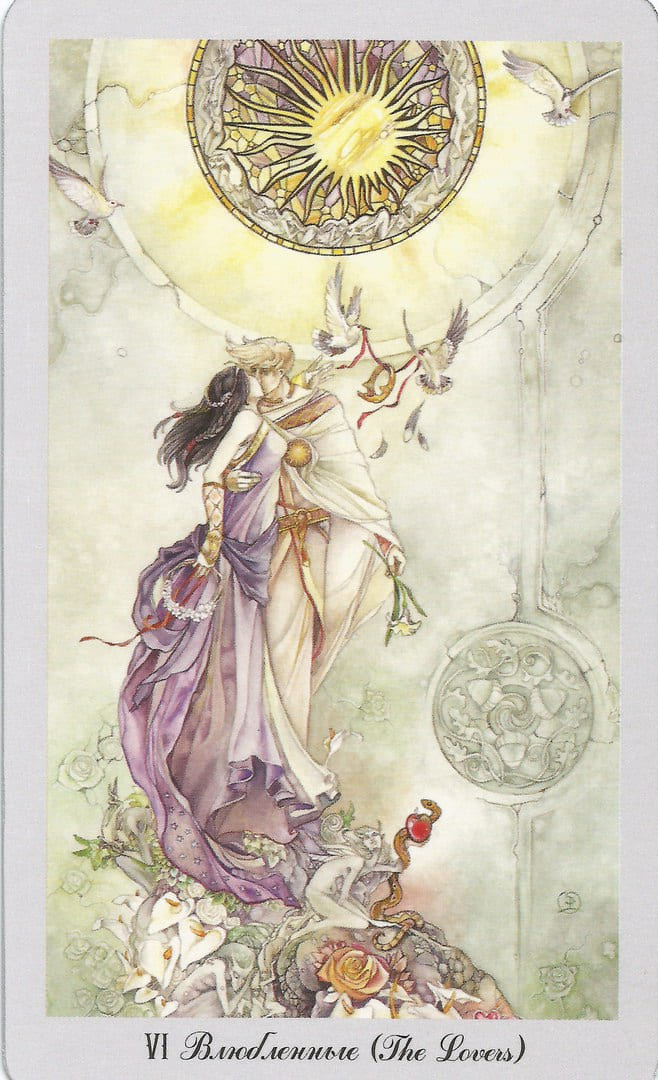
The Lovers card signifies union, balance, and the blending of energies. It represents love, desire, and the merging of heart and mind. This card can also symbolize significant choices and the struggle between innocence and temptation.
The Chariot
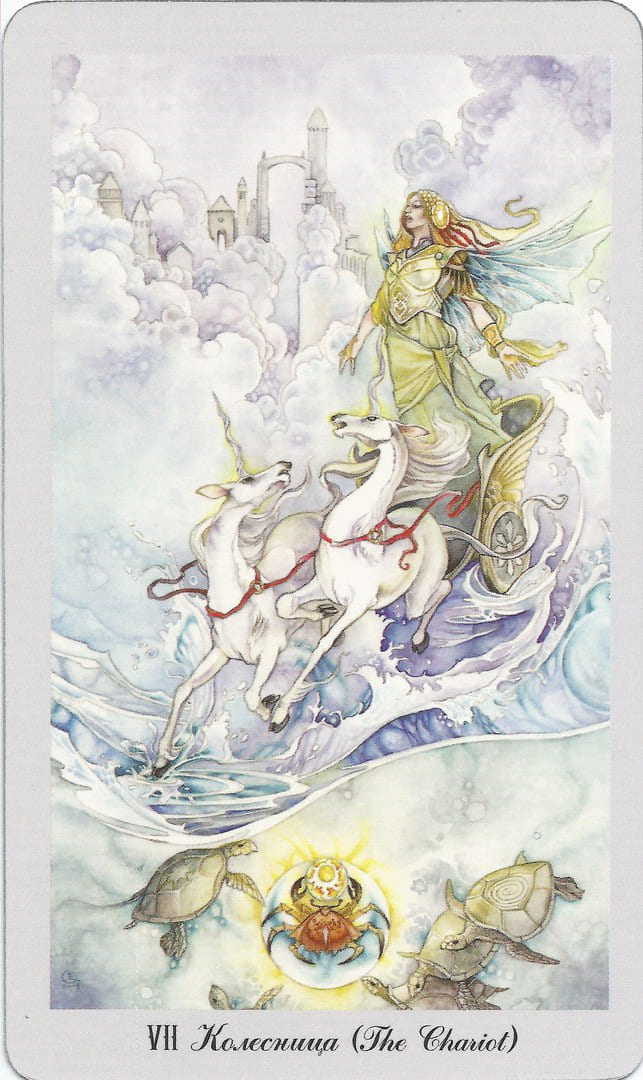
The Chariot signifies triumph over circumstances, victory, the concentration of will and intention, and self-control. It symbolizes taking the reins of power and navigating through a dynamic environment with unwavering confidence. Success involves overcoming challenges and advancing with faith along a delicate path where pressure and tension are constant.
Strength

Strength represents courage, calm self-control, patience, compassion, persuasion, and gentle control. It emphasizes the management of impulses to control anger and raw power. The card suggests unwavering intention and perseverance will lead to the desired outcome. Different types of strength are highlighted, from raw physical power to the flexible resilience of bamboo.
The Hermit

The Hermit represents an introspective person seeking solitude, often one who removes themselves from the world to give or receive guidance. This card suggests wisdom through introspection and the revelation of mysteries through the understanding of one’s own mind.
Wheel of Fortune
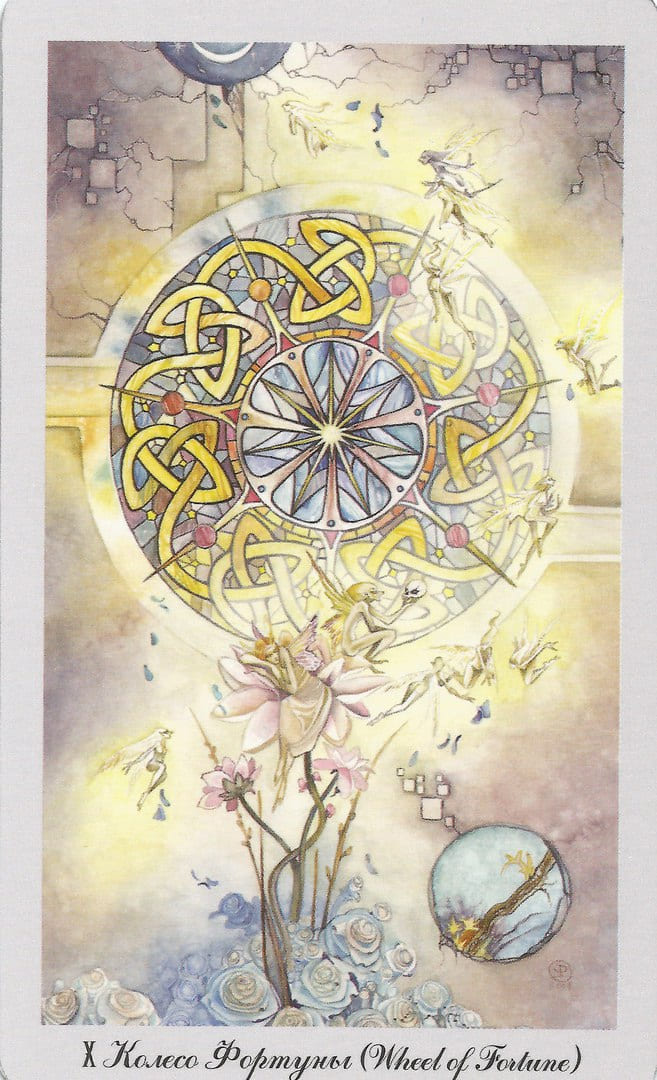
The Wheel of Fortune represents the intertwining threads of life, change, destiny, and cycles. It reflects the endless and inevitable nature of events that influence our lives. Understanding that life is a series of ups and downs helps in navigating through its challenges.
Justice
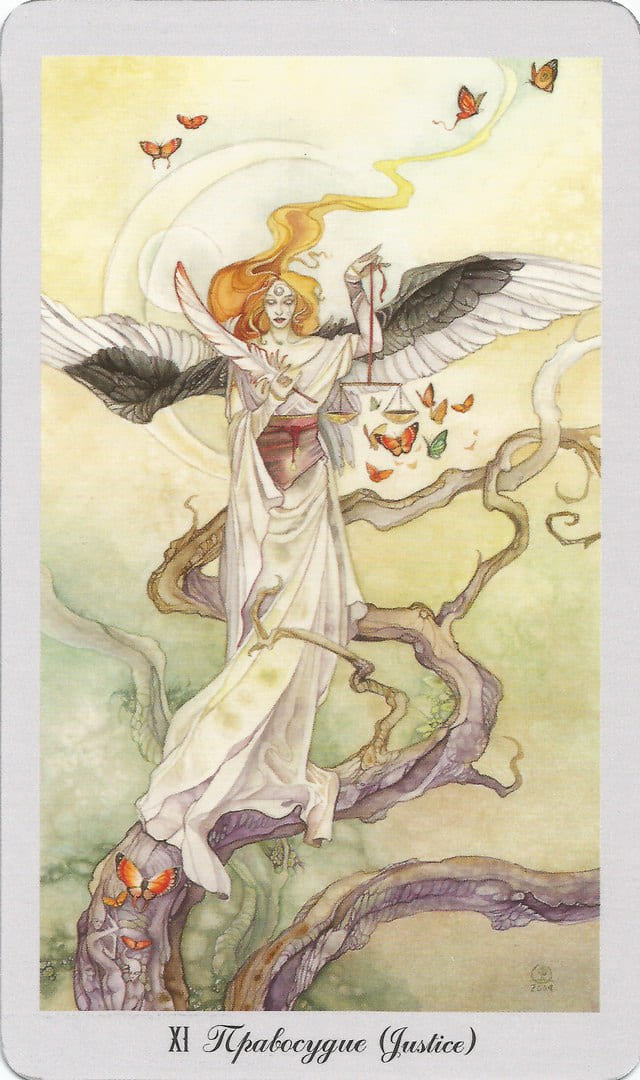
The Justice card represents balance, harmony, and the weighing of decisions with complete awareness. It emphasizes objective resolution, taking responsibility, and understanding the consequences of actions. It is a call for meditation on morality, duty, and truth, ensuring fair and balanced outcomes.
The Hanged Man

The Hanged Man signifies letting go and surrendering to life's experiences, leading to emotional liberation. Accepting situations without control, it implies temporary inactivity and self-sacrifice for greater rewards. Encourages a shift in perspective, prompting to see things in a new light.
Death

The Death card symbolizes closing the door to the past and opening a door to the future, embracing a transition period, and experiencing change. It signifies letting go of the old and unnecessary, submitting to relentless forces, and rapid transformations. The card reflects the ancient story of the phoenix, embodying death, rebirth, and continuity.
Temperance

Temperance represents harmony and balance, emphasizing the importance of equilibrium between opposing forces. It signifies the blending of opposites and demonstrates how opposite energies can coexist in rhythmical synchronization. This card suggests a profound healing through self-control and moderation, urging the tempering of extremes for achieving a unified whole.
The Devil

The Devil tarot card represents a loss of independence, harmful habits, and enslavement to material desires. It symbolizes a state of feeling trapped and having limited choices. However, it also suggests the possibility of liberation by looking beyond material restrictions and temptations.
The Tower

The Tower signifies catastrophe, unexpected change, crisis, and emotional release. It represents a significant blow to the ego and the collapse of illusions. It marks a necessary disruption to the status quo, often through violent upheaval, leading to a fresh, clear perspective and the reevaluation of long-held beliefs.
The Star

The Star card symbolizes the restoration of hope, faith in the future, and inspiration. It represents finding a quiet, serene place within oneself and maintaining equanimity amidst turmoil. The card emphasizes the guiding light of the stars, symbolizing guidance and hope, and encourages the release of doubts and fears into the night's embrace.
The Moon
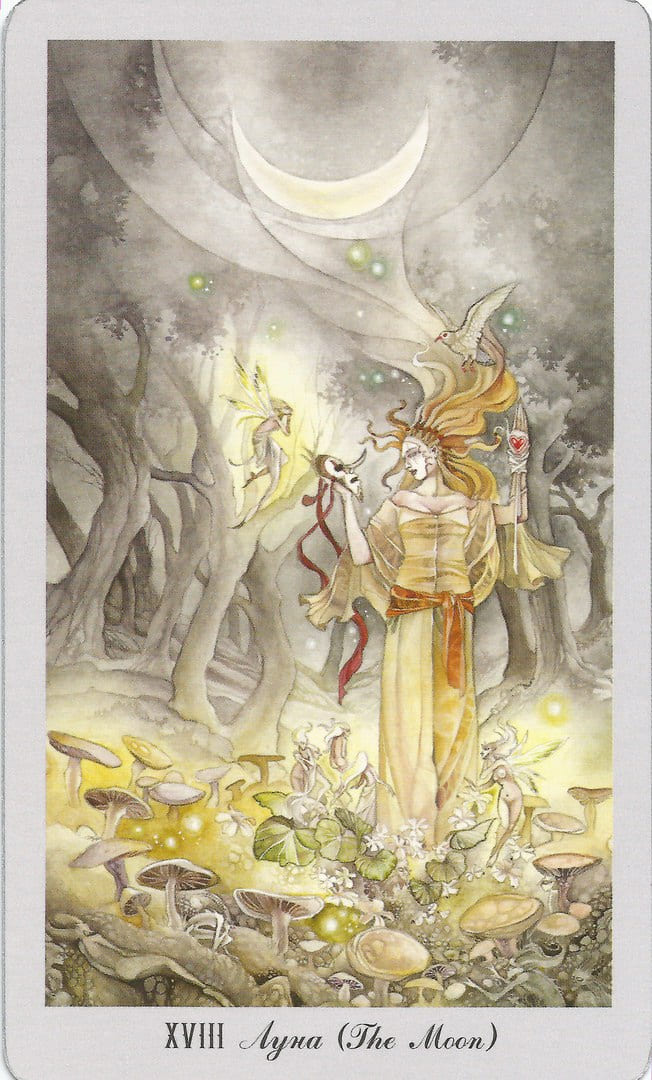
The Moon represents fears, anxieties, illusions, and disorientation but also the pursuit of fantasy and dreams. It highlights the dangers of getting lost in illusions, but if approached with understanding, it offers a rare glimpse into the inspiring magic of the unknown. The Moon guides to the mysteries beyond the ordinary and is a source of both darkness and light.
The Sun
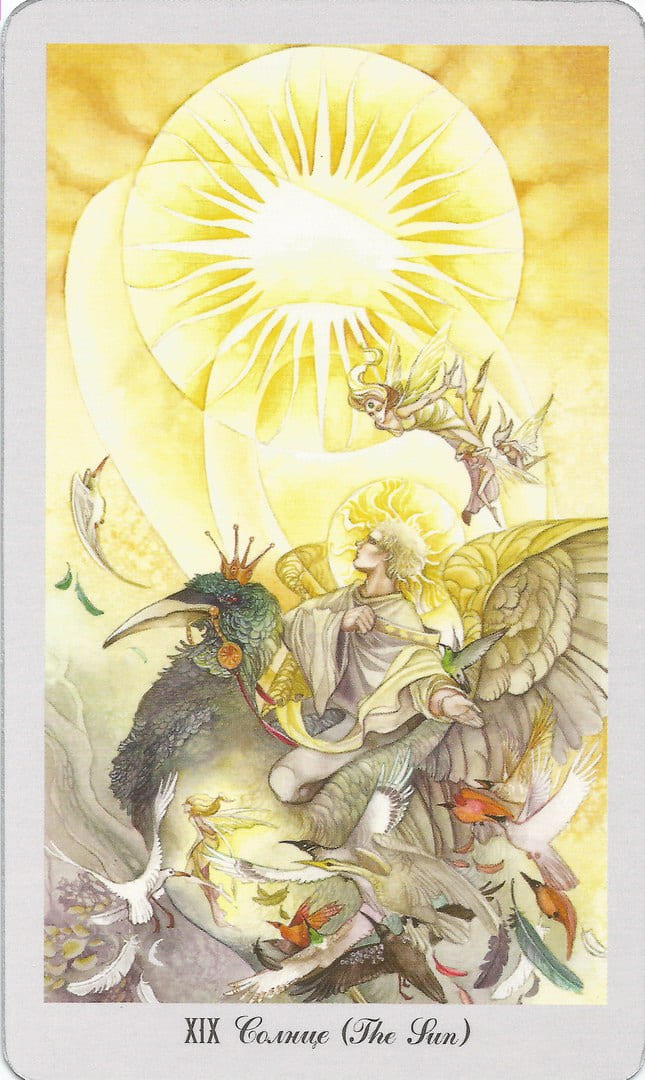
The Sun symbolizes enlightenment, vitality, fame, and a radiant joy that infuses all aspects of life. It represents confidence, clarity of vision, and health, with the light of the day illuminating one's path. Historically, it has been a symbol of life, growth, and the divine energy of gods and goddesses.
Judgement
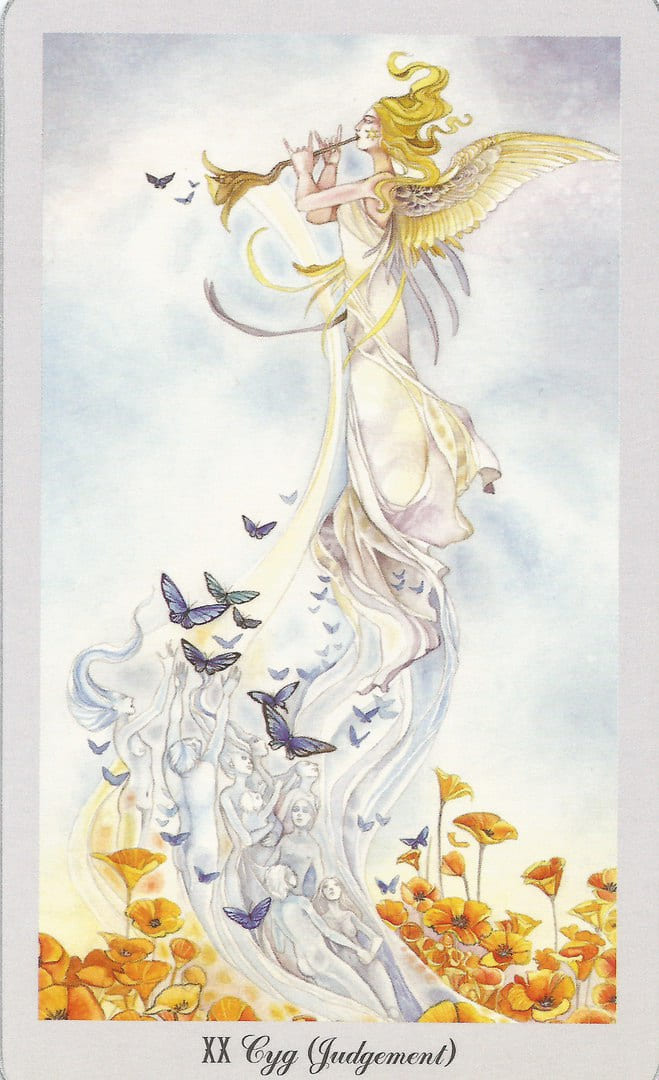
Judgment represents the arrival of a time to evaluate one's life decisions. It emphasizes the importance of understanding actions and their consequences, seeking forgiveness, and moving forward renewed. Transition, rebirth, and the fresh start that follows after a thorough self-assessment are central themes.
The World

The World card represents satisfaction, peace of mind, and the culmination of efforts towards fulfilling a goal. It signifies successful outcomes, the achievement of balance, and the sense of completion after hard work. Ultimately, it embodies the realization of dreams and prosperity.
Wands
Ace of Wands
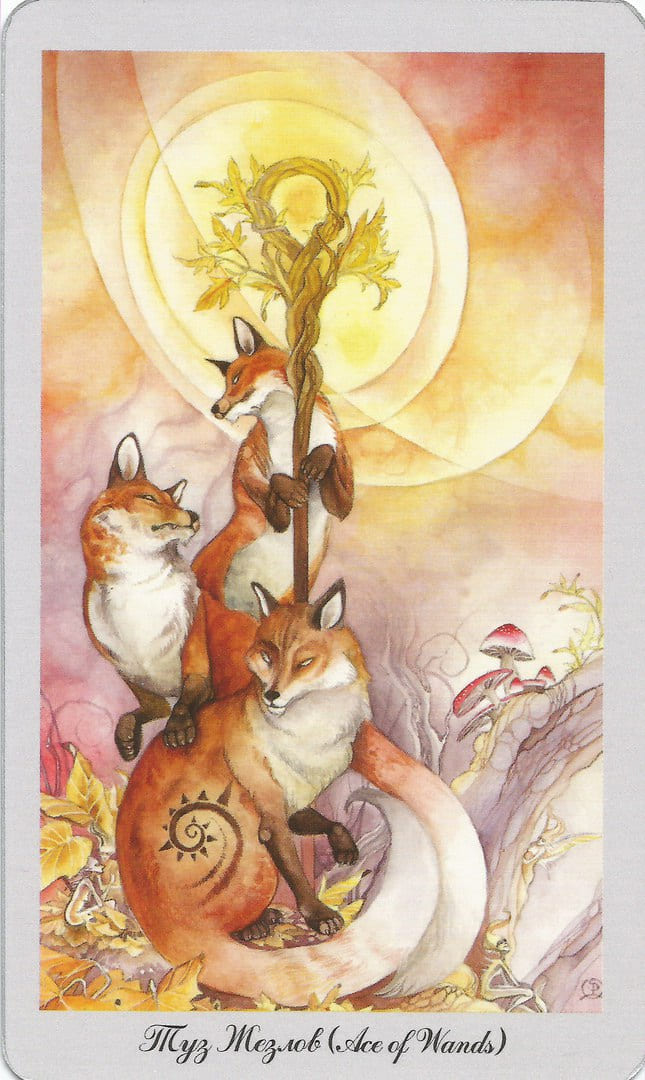
The Ace of Wands signifies a burst of creative energy, excitement, and the onset of new adventures. It urges you to seize the moment with courage and confidence, as an opportunity for growth and inspiration.
Two of Wands

The 2 of Wands represents personal power, authority, and courage. It's a time to be brave and resourceful, taking charge of your destiny. Yet, one must be cautious not to let the intoxication of power cloud judgment and reason.
Three of Wands

The Three of Wands invites you to explore and expand your horizons. It encourages you to look at situations from a broader perspective and to express your leadership qualities. It symbolizes the potential that awaits discovery and the courage to take the next step into the unknown.
Four of Wands
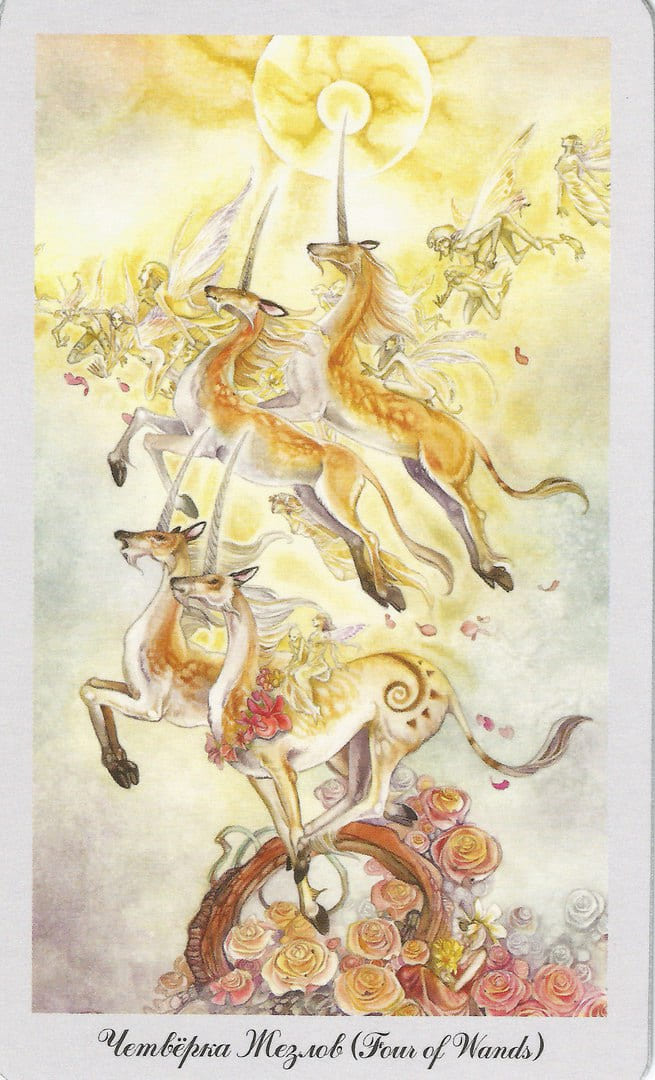
The Four of Wands signifies celebration and the attainment of early achievements, filling the atmosphere with hope and joy. It encourages embracing moments of harmony and peace, while also maintaining the prosperity achieved through ongoing efforts. The card emphasizes the need to keep the flame of success burning and to enjoy the freedom it brings.
Five of Wands
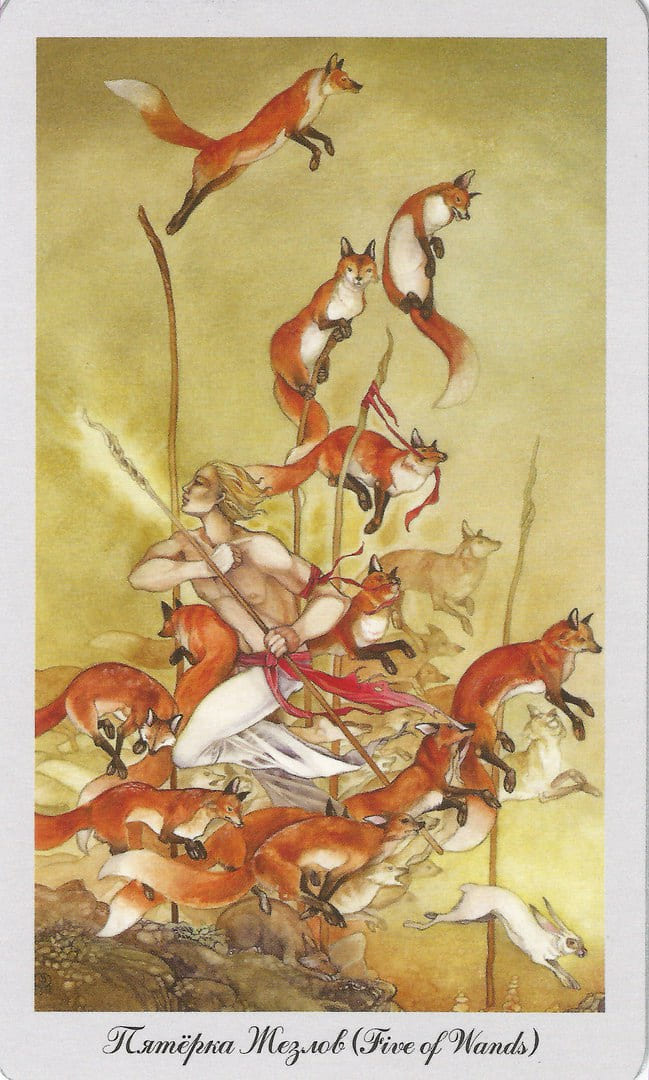
The 5 of Wands depicts a scene of intense struggle and competition, symbolizing the obstacles and conflicts that challenge one's progress. Despite the chaos, these challenges invigorate and test one's strength and determination. The card encourages facing these hurdles with renewed energy rather than despair, recognizing the hidden strengths that emerge through adversity.
Six of Wands

The Six of Wands symbolizes victory and triumph. A person will overcome many obstacles to reach the top. However, beware of pride and fatigue that may accompany undisputed victory and not getting lost in one's own importance.
Seven of Wands
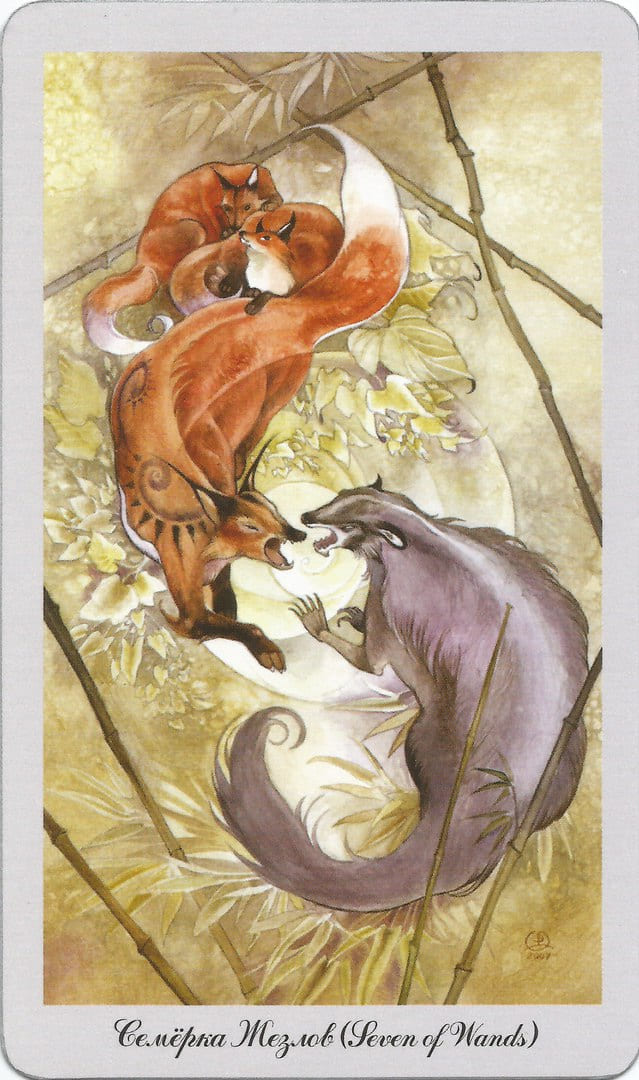
The 7 of Wands symbolizes taking a stand and defending what you believe in. It represents the courage to face difficulties head-on and the resilience to remain steadfast, much like a bamboo that bends but does not break. This card evokes themes of necessity-driven bravery and absolute faith in your cause, making your efforts more intense and robust.
Eight of Wands
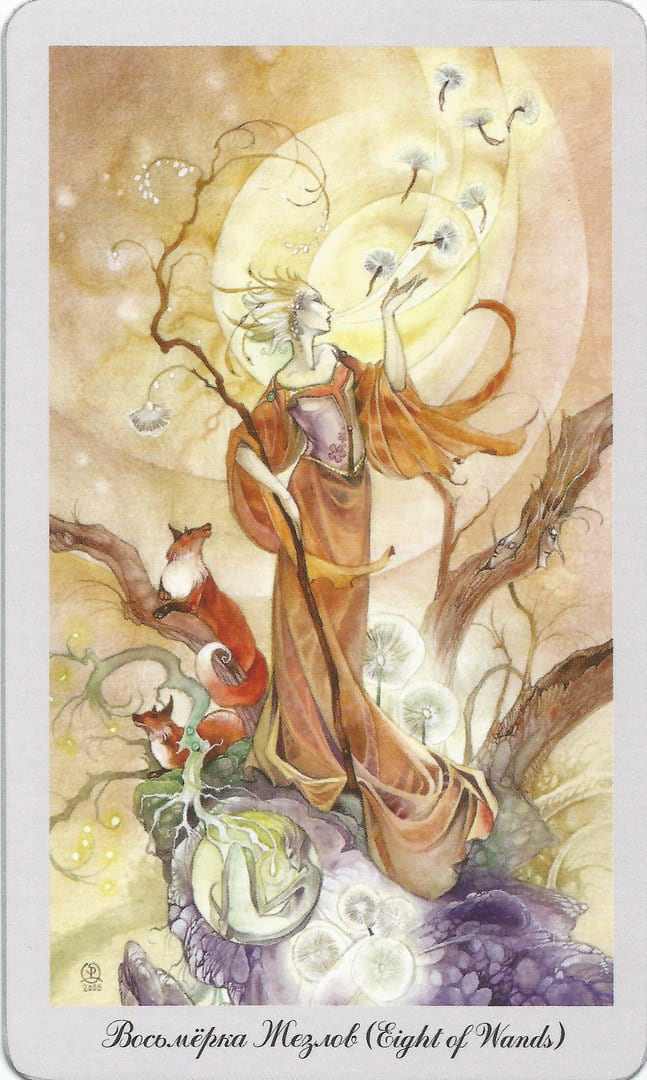
The 8 of Wands symbolizes the beginning of a long journey towards a goal. It represents the quick progress towards a significant achievement, driven by hope and momentum.
Nine of Wands

The Nine of Wands emphasizes vigilance and the need to keep one's strength in reserve, always being prepared for any eventuality. It focuses on maintaining inner strength and relentlessness, especially when faced with unanticipated challenges. The card acknowledges that the toughest challenge can be to stay sharp and strong when solutions don't come easily.
Ten of Wands

The 10 of Wands signifies being overburdened and taking on too many responsibilities. It highlights the challenges of carrying heavy loads and the difficulty in maintaining balance. However, it also denotes the inner strength and determination to endure and thrive despite overwhelming demands.
Page of Wands

The Page of Wands represents creativity and passion, characterized by wit, charisma, and honesty in expressing opinions. It calls for action, initiative, and seeking opportunities even outside of one's comfort zone. The message is to embrace these opportunities with excitement and determination.
Knight of Wands
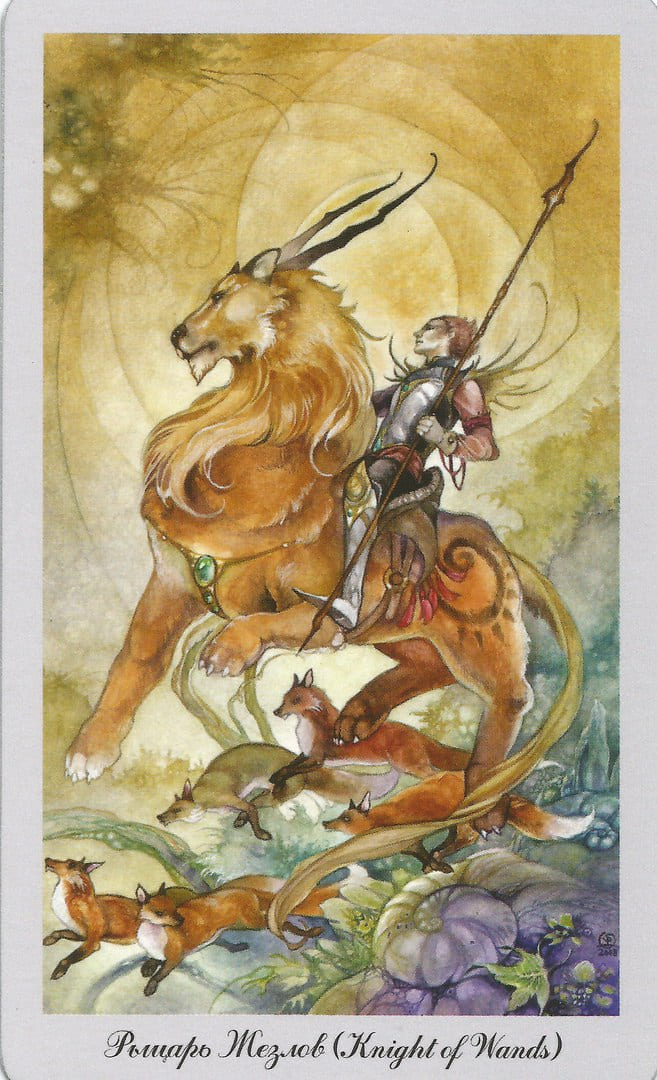
The Knight of Wands symbolizes change and progress toward a goal. He embodies courage, passion, and an adventurous spirit. His presence can often spur competition and conflict, driven by his confident and sometimes impulsive nature. While his intentions are pure and heroic, his reckless drive may lead to unintended consequences.
Queen of Wands

The Queen of Wands exudes warmth, charisma, and confidence. She captivates those around her with her optimistic energy and mastery. While her allure can sometimes lead to manipulative tendencies, she typically guards against such impulses. Her presence commands attention and admiration, radiating vitality and creativity.
King of Wands
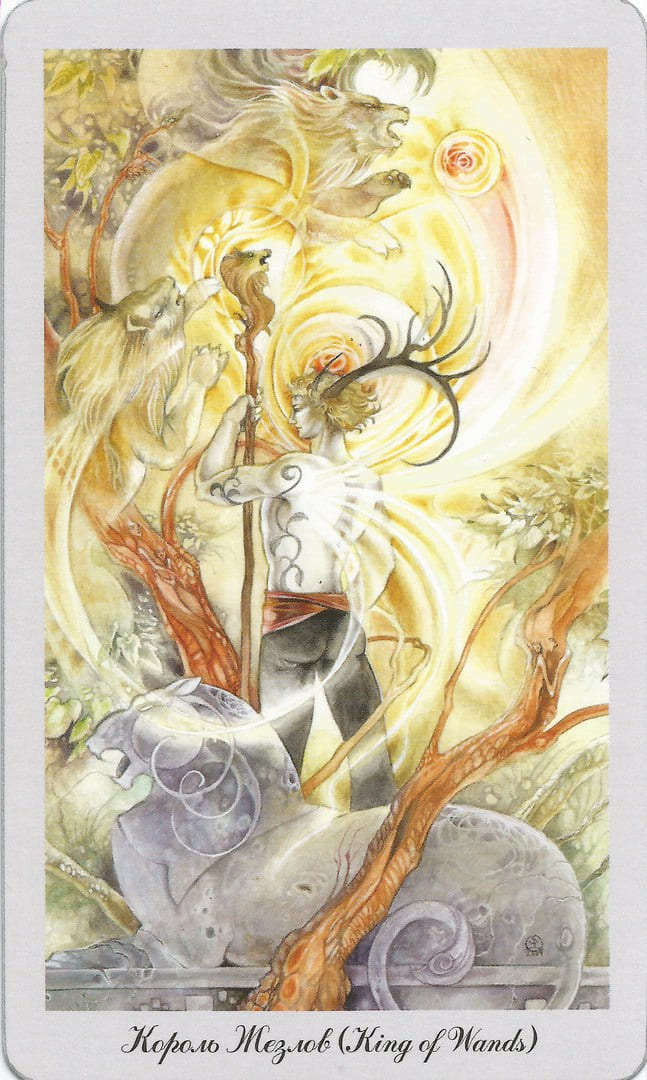
The King of Wands is a charismatic ruler who commands the environment with his willpower and charm. He is a beacon of light and inspiration, naturally assuming a mantle of authority. His inner spirit is fierce and courageous, akin to a lion, guiding him to pursue his desires with confidence and grace.
Cups
Ace of Cups

The Ace of Cups represents the initial spark of emotions, compassion, and love. It symbolizes potential and the beginnings of an emotional journey. It encourages you to trust in your intuition and embrace new emotional connections. This card signifies a rich emotional experience that starts as a small ripple and grows into a powerful wave of feelings.
Two of Cups

The Two of Cups symbolizes the creation of a bond, a union, or partnership. It speaks to the fusion of opposites and the potential for connection. It represents relationships that evolve like a living organism, where strong aspects provide stability and weaker connections fade away.
Three of Cups

The Three of Cups encourages celebration, dance, and song. Friendship is a key element, and social interaction depends on others while fostering unity and teamwork.
Four of Cups

The Four of Cups signifies a deep focus on oneself, introspection, and becoming lost in one's own worries and dreams. It warns that you may lose sight of the outside world and feel as though it has turned grey. However, the external world offers much if you take the time to look beyond your own reflection.
Five of Cups

The Five of Cups represents a deep sense of regret, loss, and sorrow. It indicates a rejection of pleasure and a preoccupation with past grief and foregone opportunities. The card advises reflection on emotional pain and the eventual need to let go and move forward.
Six of Cups

The 6 of Cups reminds us of childhood innocence, good intentions, noble aspirations, simple joy, and pleasures. It urges us to recall the unbiased childhood perspective and cast away the limitations imposed by time, life's complexities, and responsibilities.
Seven of Cups

The 7 of Cups represents indulging in fantasies. It indicates the presence of many options, making it a daunting task to choose the right path. Some desires are achievable, while others are not. It warns of the temptation to follow alluring but potentially destructive paths.
Eight of Cups
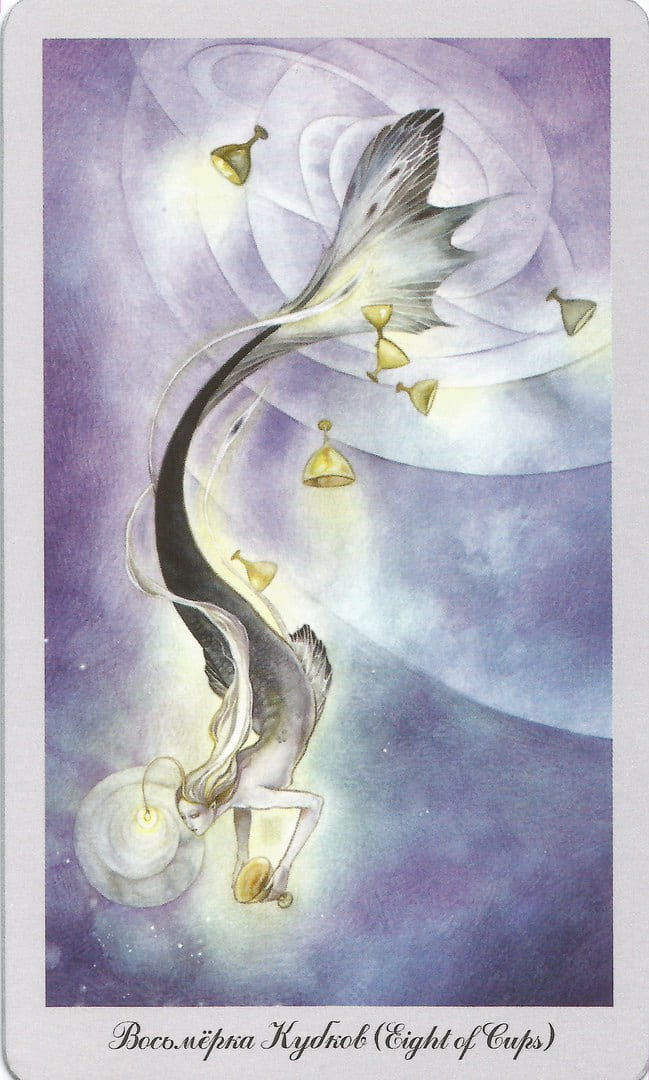
The Eight of Cups invites a journey of introspection and spiritual exploration. It encourages turning away from the material world to seek deeper truths in the spiritual realm. This card calls for embracing the softer, more fluid elements of life, allowing old burdens to dissipate in order to discover new insights and peace.
Nine of Cups

The 9 of Cups signifies sensual pleasures, fulfillment, and the realization of desires. It symbolizes health, prosperity, and happiness, with a future filled with abundance and generosity.
Ten of Cups

The 10 of Cups symbolizes ultimate serenity and peace, along with family support and bonds which are essential for enjoying life's blessings. It represents success and happiness, bringing emotional satisfaction that transcends mere physical or material pleasure. This moment of bliss, though seemingly eternal, needs nurturing to sustain its presence.
Page of Cups

The Page of Cups represents a sentimental and romantic soul seeking peace and inspiration. It depicts a journey for introspection, capturing the delicate essence of sunlight and tranquility. The card symbolizes tapping into one's inner voice, imaginative thoughts, and the yearning to believe in the impossible.
Knight of Cups

The Knight of Cups is a romantic and idealistic figure who follows his dreams and intuition. He is an artist, musician, and poet on a mystical journey. His quest is guided by the pursuit of the Holy Grail, embodying perfection and truth. His heart and emotions lead him through unknown and enchanted lands.
Queen of Cups
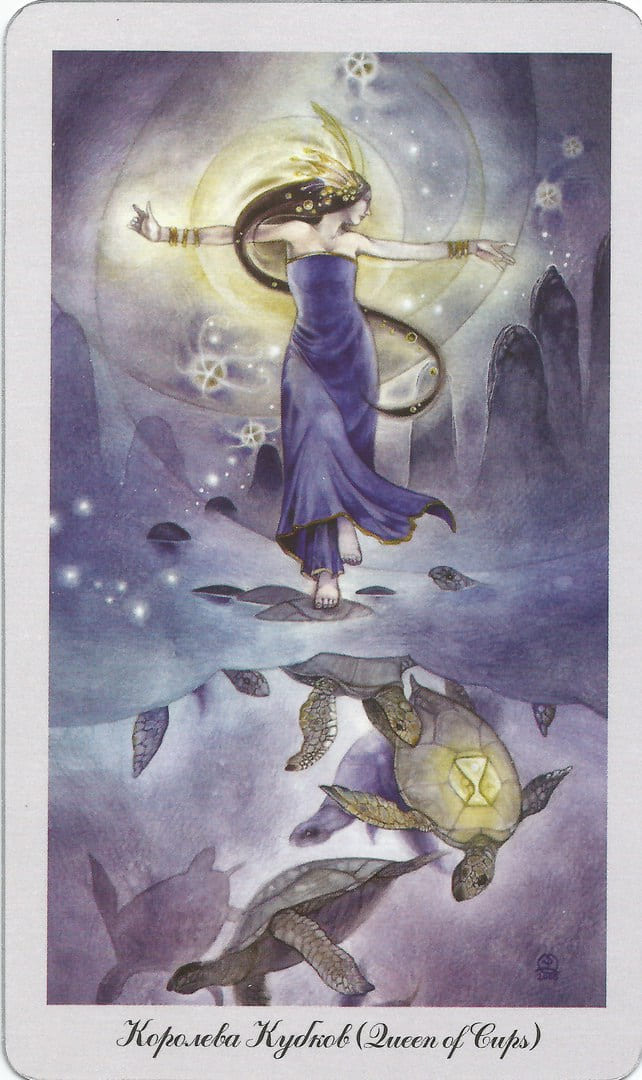
The Queen of Cups embodies the bonds of creativity, guided by intuition and heartfelt wisdom. She dances with the changing tides of life, drawing strength from the ocean's depths and celebrating with ancient sea creatures. She thrives in the realms of the subconscious and artistic expression, seamlessly moving between realities and finding joy in communion with otherworldly forces.
King of Cups

The King of Cups embodies wisdom, understanding, and patience. He guides with calmness and embodies knowledge through the ages. A protector like the seahorse, he offers healing and care, teaching the balance of emotions and understanding the needs of others.
Swords
Ace of Swords

The Ace of Swords symbolizes the beginning of something new, bringing clarity and justice to cut through obstacles. It represents both the intellectual strength to achieve clarity and the raw force that can be used with anger and arrogance. It highlights duality and the power to influence the world through willpower.
Two of Swords

2 of Swords signifies a stalemate or impasse where neither side is willing to compromise. It represents a rigid balance and avoidance of truth. To move forward, one must open their eyes and heart, embracing giving as much as taking.
Three of Swords

The Three of Swords signifies sorrow and a broken heart, a sense of loneliness and isolation. It speaks to betrayal and emotional pain but also the necessity of overcoming and purging this anguish to heal and rise again.
Four of Swords

The Four of Swords suggests taking a moment of rest and recuperation. It symbolizes a need for meditation and inner cleansing. While this is a temporary break, it is crucial for mental clarity before confronting further challenges. Embrace the serenity and draw strength for the future.
Five of Swords

The 5 of Swords symbolizes discord and conflict of interests, often presenting a moral dilemma about the rightness of the battle one is fighting. It encapsulates the atmosphere of strife, where clear alternatives might highlight self-interest and the perception of being opposed by the world.
Six of Swords

The Six of Swords represents moving away from difficulties and finding a chance for recovery after hardship. It's a symbol of overcoming despair and seeking a way to rise above confusion brought on by significant changes.
Seven of Swords
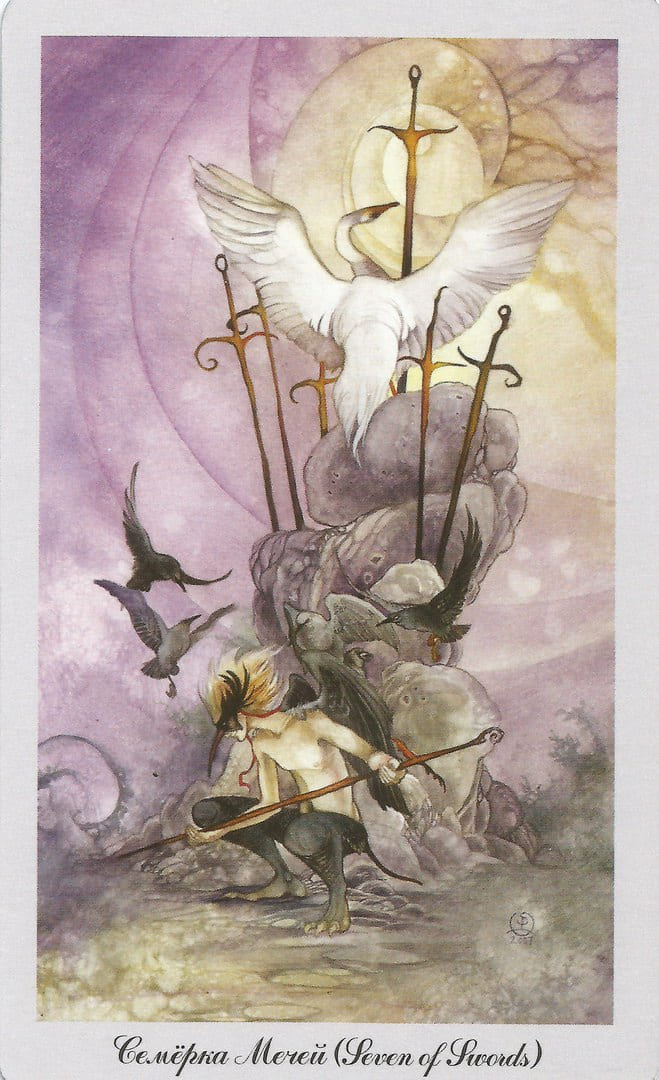
The 7 of Swords symbolizes an attempt to flee from responsibility, representing deceit and dishonesty. The card conveys themes of theft, manipulation, and mistrust, leading to a pessimistic worldview. It serves as a warning about the consequences of unethical actions and the resulting insecurity and suspicion.
Eight of Swords
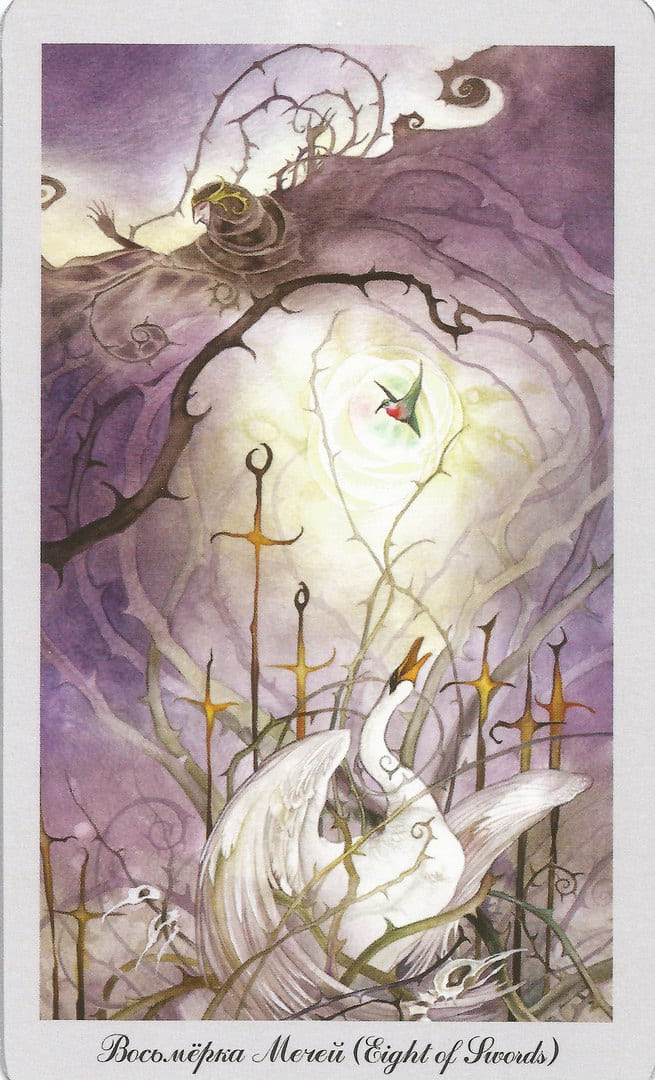
The 8 of Swords signifies feeling trapped and restricted, overwhelmed by circumstances. It encourages not to waste energy on minor issues. There is always a way out, achievable through calm reassessment.
Nine of Swords
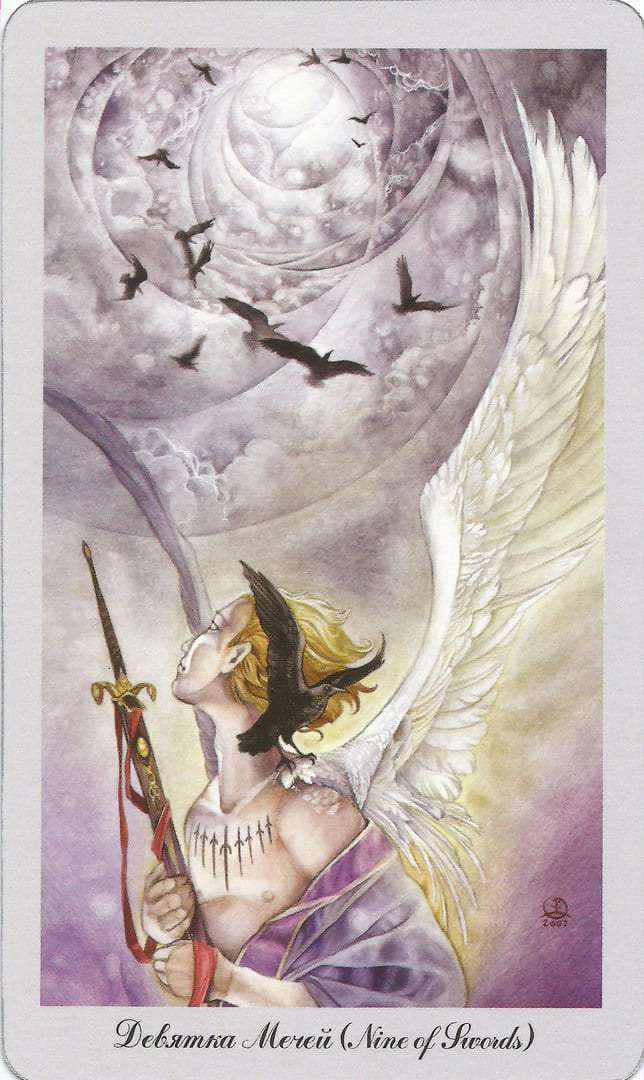
The 9 of Swords signifies a tumultuous period of internal torment, fear, guilt, and regret. It depicts a moment of profound vulnerability where one's soul faces its inner demons. The key to overcoming these challenges lies within, urging self-understanding and the courage to release oneself from fear and doubt.
Ten of Swords

The 10 of Swords symbolizes failure, misfortune, a heavy burden, destruction, and the end of illusions. It often suggests circumstances beyond one's control, leading to an unmanageable and spiraling descent, where the best one can do is to acknowledge the downfall and learn from the failures.
Page of Swords
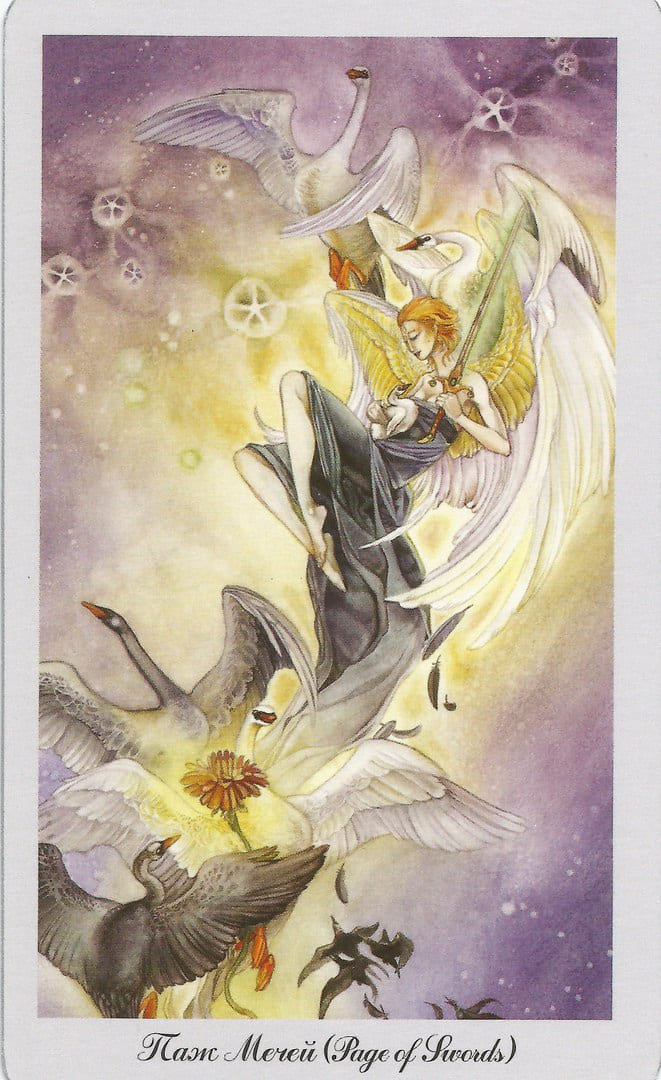
The Page of Swords embodies honesty and truthfulness, characterized by a vigilant and analytical nature. It represents a protective and guiding force, with a focus on logical decision-making over emotional responses. This card encourages embracing new and uncharted territories with a clear and purposeful mind.
Knight of Swords

The Knight of Swords represents a brave hero who charges into conflict to defend his beliefs. He is direct and relentless in his pursuit of goals, often lacking tact and prudence. He is emotionally detached and dominated by his unyielding determination. As a dominant personality, he inspires others and leads them through chaos with unwavering focus and clarity.
Queen of Swords

The Queen of Swords cuts through lies and deception to get to the heart of the truth. She represents honesty, inner knowledge, and clear vision. This card signifies a sharp, loyal, humorous, and straightforward individual respected for their accurate perceptions and life experience.
King of Swords

The King of Swords stands as a paragon of strength and morality, holding power over life and death. He is a leader driven by wisdom and the pursuit of truth, balanced by ancient knowledge and vigilant guardians. This card symbolizes the fusion of intellect and action, embodying royal authority and timeless wisdom.
Pentacles
Ace of Pentacles

The Ace of Pentacles signifies an opportunity for prosperity, abundance, and stability. It symbolizes promise of wealth and health, flourishing rewards for hard work, and the manifestation of dreams through patience and effort. The card emphasizes that success requires more than dreams; it needs dedication and consistent nurturing.
Two of Pentacles

The 2 of Pentacles symbolizes balance, juggling, and adaptability. It encourages dealing with challenges with a positive attitude but warns against taking on too much. It emphasizes flexibility and the ability to change direction easily.
Three of Pentacles

The Three of Pentacles symbolizes teamwork, collaboration, and achieving elevated goals through combined efforts. It highlights competence, surpassing expectations, and the importance of patience, planning, and compromise in cooperative endeavors.
Four of Pentacles

The 4 of Pentacles embodies the spirit of possessiveness and control, creating self-imposed limitations. It depicts someone financially secure but spiritually constrained by material concerns. Letting go of this selfishness can bring more happiness than the accumulation of wealth has provided.
Five of Pentacles

The 5 of Pentacles indicates a time of spiritual need, material problems, insecurity, and hardship. There is a sense of neglect of bodily needs, feelings of exile and exclusion, and loss. However, salvation is near if you can forge connections and overcome mental and physical blockades.
Six of Pentacles

The 6 of Pentacles symbolizes periods of dependency between those who have and those who do not. It depicts the symbiotic nature of generosity, illustrating how the giver and receiver both benefit. Ultimately, it represents a self-sustaining cycle of support and renewal, akin to the Ouroboros symbol.
Seven of Pentacles

The 7 of Pentacles signifies a moment of contemplation and decision-making about whether to reap the rewards of your efforts or to let things mature further. It represents a time of evaluation, choice, and gratitude for the efforts put in.
Eight of Pentacles

The 8 of Pentacles represents mastery, patience, and attention to detail. It signifies being deeply absorbed in a project, seeking knowledge, and following higher wisdom through practical experience. Success often requires the hands-on application of intelligence and skill to bring a task to completion.
Nine of Pentacles

The 9 of Pentacles represents the balance of material and spiritual aspects. It signifies material wealth and improvement, self-reliance, and belief in one's abilities. It reflects understanding and acknowledgment of one's existing wealth.
Ten of Pentacles

The 10 of Pentacles is about enjoying wealth, desiring stability brought by financial security, and appreciating the luxury and fortune that has befallen you. It represents the pinnacle of earthly achievements, the result of prolonged efforts finally coming to fruition, and becoming accustomed to a stable and favorable situation and position.
Page of Pentacles

The Page of Pentacles signifies dormant opportunities, dreams of success, and the ability to master material comfort and stability. This card brings a message of potential growth and prosperity. It encourages trustworthiness, diligence, and enjoyment of physical pleasures while emphasizing the importance of thoughtful actions.
Knight of Pentacles

The Knight of Pentacles is methodical, dependable, and focused on his goal. He is conservative and prefers tried and tested methods over the unknown. He is patient, diligent, and unwavering in his pursuit. His determination and perseverance make him incredibly effective in reaching his objectives.
Queen of Pentacles

The Queen of Pentacles embodies nurturing and care for others, overflowing with generosity and warmth. She offers unwavering support, sharing her strength derived from nature and the Sun's energy. She signifies loyalty, trust, and confidence in her material standing and life's position.
King of Pentacles
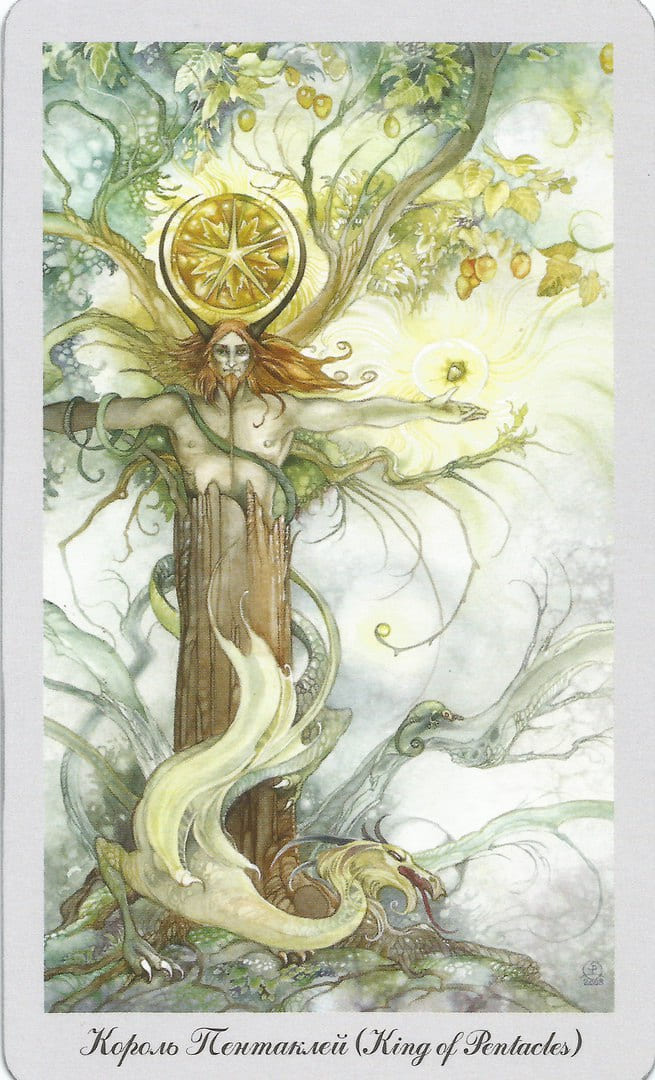
The King of Pentacles represents a person of entrepreneurial spirit and diverse talents. Known for his Midas touch, everything he engages in prospers. He draws strength from the deep roots of stability, sharing his wealth and success generously. This card signifies reliability, support, and successful endeavors.
Tips for Reading with the Shadowscapes Tarot
Spend Time with the Art
Every card in this deck is a complete painting. Before reaching for memorized meanings, sit with the image. Notice the creatures — foxes, owls, dragons, mermaids — and the way branches spiral, water flows, and light falls. The artwork itself is the message. Let it speak before your mind does.
Use the Companion Book
Barbara Moore’s companion text was written specifically for this deck, and it provides rich mythological context that enhances each card’s meaning. If a card confuses you, the book often explains the specific legend or nature symbol Law was referencing. It is worth the read.
Let Mythology Guide You
The Shadowscapes draws from Celtic, Asian, and classical mythology. If you recognize a creature or symbol — a phoenix, a kitsune, a selkie — let your knowledge of that myth inform the reading. This deck rewards readers who bring their own folklore to the table.
Trust the Emotional Tone
The watercolor palette creates an immediate emotional atmosphere in each card. Some cards feel warm and golden; others feel cool and twilight-blue. That emotional tone is intentional. If a card makes you feel uneasy or uplifted before you consciously interpret it, honor that response. Your first feeling is usually the truest one.
Explore the Shadowscapes Tarot in Elvi
You can read with the complete Shadowscapes Tarot inside the Elvi Tarot app. Every card comes with detailed meanings and personalized AI interpretations tailored to your specific question. Whether you are pulling a daily card, exploring a Celtic Cross, or diving into a custom spread, Elvi walks you through each card’s energy with context that is unique to your reading.
Try your first reading now — open the Elvi Tarot app and choose the Shadowscapes Tarot as your deck.
Frequently Asked Questions
How many cards are in the Shadowscapes Tarot?
The Shadowscapes Tarot contains 78 cards: 22 Major Arcana and 56 Minor Arcana across four suits — Wands, Cups, Swords, and Pentacles.
What makes the Shadowscapes Tarot unique?
Illustrated by Stephanie Pui-Mun Law with companion text by Barbara Moore, this deck features stunning watercolor artwork inspired by fairy tales, world mythology, and the natural world. Every card is a miniature painting filled with hidden details and symbolic creatures.
Is the Shadowscapes Tarot good for beginners?
The deck follows Rider-Waite-Smith structure, so standard meanings apply. However, the highly stylized art may require spending time with the companion book. It's ideal for intermediate readers or beginners who connect strongly with fantasy imagery.
Does the Shadowscapes Tarot follow Rider-Waite-Smith symbolism?
Yes, it follows the RWS tradition with Strength as VIII and Justice as XI. The symbolism is conveyed through mythological and nature-based imagery rather than the traditional Rider-Waite scenes.