Soul Cards Tarot: All 78 Card Meanings Explained
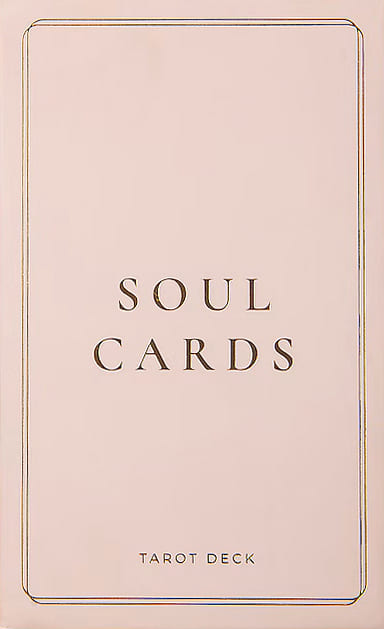
Not every deck needs to be dramatic. Some of the most powerful readings happen with cards that feel like a quiet conversation with someone who genuinely cares — and the Soul Cards Tarot is exactly that kind of deck. With its soft pastel palette, contemporary figures, and warm blush-pink tones, this deck strips away the intimidation that some people feel around tarot and replaces it with something that feels like a gentle hand on your shoulder.
The Soul Cards Tarot takes the traditional 78-card structure and dresses it in modern, emotionally intelligent illustration. The figures are contemporary people — not medieval royalty or mythological beings — captured in quiet, meaningful moments. A woman sits alone with her thoughts. Someone stands at a window watching the rain. Two people reach for each other across a table. Every card feels like a scene from real life, rendered in the softest possible light. This is a deck for readers who believe that tenderness is a form of strength.
How the Deck Is Organized
The Soul Cards Tarot follows the classic 78-card tarot structure:
- Major Arcana (0–XXI): The 22 cards of life’s most significant passages — rendered here as intimate, human moments rather than grand mythological tableaux. These are the turning points felt in the heart, not just witnessed in the world.
- Wands: The suit of fire. Passion, inspiration, creative energy, and the quiet determination that keeps you moving forward even when the path is unclear.
- Cups: The suit of water. Emotion, love, connection, and the full spectrum of the heart — from joy to grief to the gentle in-between.
- Swords: The suit of air. Thought, clarity, honesty, and the difficult truths that must be faced with compassion rather than cruelty.
- Pentacles: The suit of earth. Daily life, material comfort, health, and the slow, patient work of building a life that feels like home.
Each suit runs from Ace through Ten, followed by four court cards — Page, Knight, Queen, and King — for 14 cards per suit and 56 Minor Arcana total.
Major Arcana
The Fool

The Fool signals the start of a journey or a new cycle, embodying optimism, spontaneity, and limitless potential. Upright, it encourages stepping into the unknown with light-heartedness, play, and faith rather than meticulous planning. Reversed, it reflects hesitation, fear of failure, or resistance to beginning despite readiness. Across orientations it advises releasing the need for control, trusting life's timing, and embracing a childlike openness to experience.
The Magician

The Magician signals new possibilities and calls the asker to use their talents, originality, and inventiveness, reminding them to tap into their resourcefulness and the power of thought and belief. As ruler of reality, it indicates strong energy and the capacity to control circumstances and succeed in business or financial undertakings. It can also suggest an important man entering the asker's life as a friend, counselor, or business partner. Reversed, the card warns of limiting thoughts and beliefs and urges the asker to review their motivations and mental state, reconnecting with intuition and the higher-self before actualizing full potential.
The High Priestess

The High Priestess signifies dreams, knowledge, and intuition, urging the asker to trust inner wisdom and seek answers within. She serves as a guardian between the conscious and subconscious, guiding reconnection with core nature and psychic or intuitive senses while encouraging compassion, empathy, and stillness. Reversed, the card indicates the need to look inward when external opinions or rational doubts override intuition and when personal needs have been neglected. The guidance is to retreat, reflect, listen quietly to inner knowing, and reconnect with the self.
The Empress
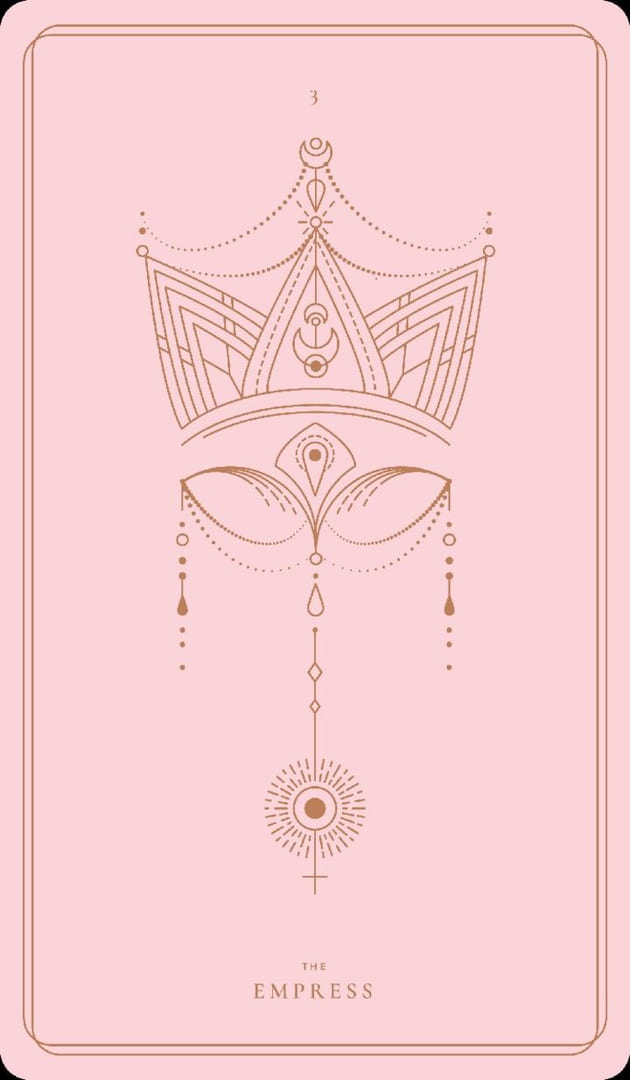
The Empress represents the mother figure of the tarot, embodying love, nurture, creativity, and material abundance. Upright, she signals growth, fertility, productive phases, supportive relationships, smooth transitions, and a favorable time to invest in beauty and comfort. Reversed, she calls for inward care, self-forgiveness, and reclaiming confidence when creativity or security feels blocked. Overall, she advises patience, self-compassion, careful planning, and trust that abundance and support are available.
The Emperor
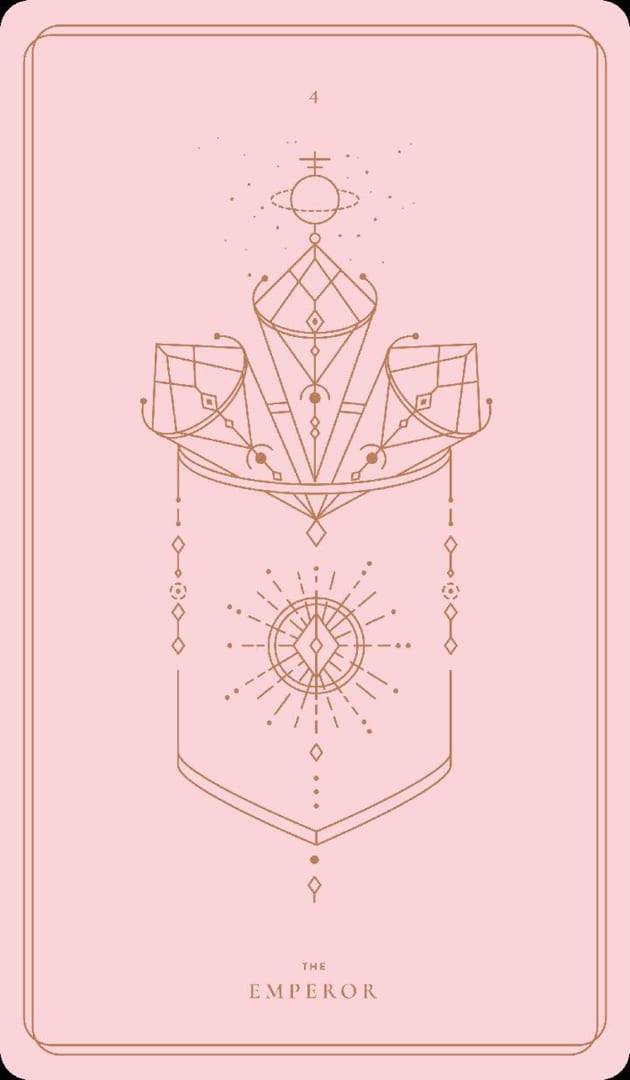
The Emperor represents authority, stability, and disciplined leadership, acting as a father figure who offers wisdom and grounded guidance earned through experience. Upright, he encourages assertiveness, firm boundaries, logical reasoning, and may indicate career advancement such as a new job or promotion. Reversed, the card highlights a lack of commitment or self-discipline, avoidance or procrastination, and the need to face reality and take decisive action to build confidence. It can also point to conflicts or boundary issues with a boss, partner, father figure, or other masculine authority, prompting reflection and protection of one's boundaries.
The Hierophant
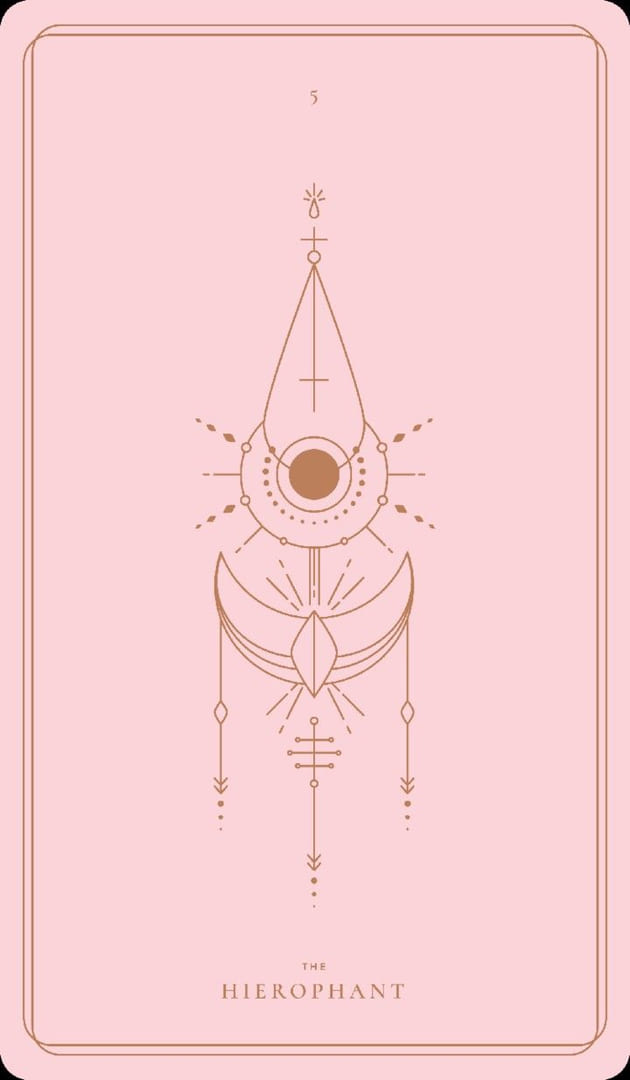
The Hierophant invites connection with the divine and signals support from a higher source, encouraging the seeker to seek guidance and deepen spiritual values. Upright, it recommends following tradition, reaching out to respected counselors or friends for support, and avoiding big risks in favor of a safer route. Reversed, it urges breaking free from conventions, consulting one’s inner wisdom, and resisting pressure to conform so the seeker can become their own teacher. It also points to reconnecting with spiritual truths and rituals, tuning into intuition, and trusting the higher self.
The Lovers

The Lovers signifies deep connection, relationships, and love, pointing to emotionally strong bonds across romantic, platonic, or family dynamics. It also represents duality and choice, indicating moments when one must choose between paths while staying aligned with personal values. Reversed, the card can point to conflict, poor communication, or feelings of unworthiness, yet these strains present opportunities for growth and healing. The card ultimately encourages self-love, forgiveness, and compassionate decision-making to restore or strengthen harmony.
The Chariot

The Chariot upright symbolizes courage, willpower, and tenacity, urging decisive action and faith when facing challenges. It promises positive resolution and growth, and can specifically relate to strained relationships or financial struggles where self-control and persistence are needed. Reversed, the card indicates obstacles, blockages, or waning motivation and advises reevaluation, possible pause, or redirection of efforts. It also warns against over-control and recommends surrendering to the flow to regain true command and support.
Strength

Strength represents inner fortitude, resilience, and the power of self-confidence, compassion, and gentle action. Upright, it encourages confronting the roots of anger, frustration, or fear and moving forward from a centered, balanced place, emphasizing mental and emotional endurance. It reassures that the asker has what they need within themselves to overcome adversity, depression, or physical challenges and that things will improve. Reversed, it signals a loss of self-belief, depletion, or anxiety, and advises reconnecting with past moments of courage, journaling, and finding healthy outlets for intense emotions.
The Hermit
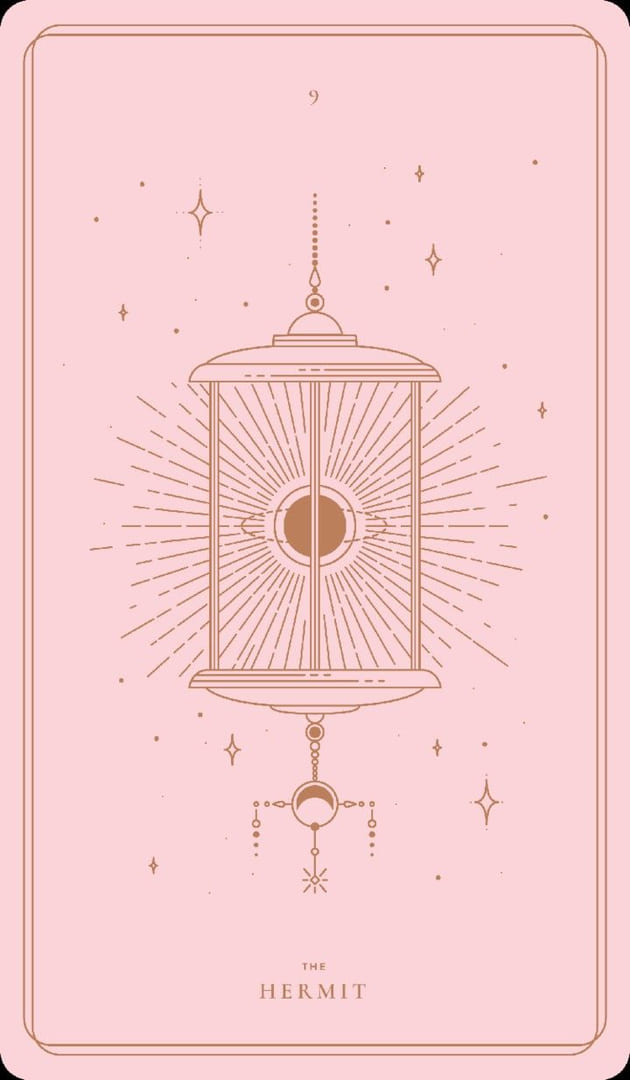
The Hermit signifies a time for introspection, retreat, and inner work, inviting the asker to make space for meditation, contemplation, and journaling. It reminds them that answers to life's challenges are often found within and encourages confronting and releasing repressed feelings to feel lighter. Externally, the card advises patience and keeping options open until more information or perspectives emerge. Reversed, it warns of excessive isolation and urges the asker to reconnect with others and share the insights gained during quiet reflection. By vulnerably engaging with their support network, the asker can receive encouragement and support.
Wheel of Fortune

The Wheel of Fortune signifies major change and the cyclical nature of life, reminding the seeker to maintain inner balance as external circumstances shift. It emphasizes karma: the energy and actions we put into the world will return to us, so mindfulness is advised. This card can herald the start of a new chapter and encourages optimism and faith that the Universe supports your path. Reversed, it points to stalled progress or repeating patterns that signal a wound needing attention, and healing through acceptance and forgiveness can break the cycle.
Justice

Justice represents truth, law, balance, and accountability, urging fair decisions and the restoration of harmony when imbalance or conflict appears. Upright, it encourages facing facts objectively, taking responsibility, and can signal a positive resolution in disputes as well as harmonious new relationships or partnerships. Reversed, it can indicate feelings of unfairness or moral conflict but also highlights karmic forces and the opportunity to make amends and choose how to respond. Overall, the card guides toward impartiality, personal accountability, and alignment with a larger order of justice.
The Hanged Man
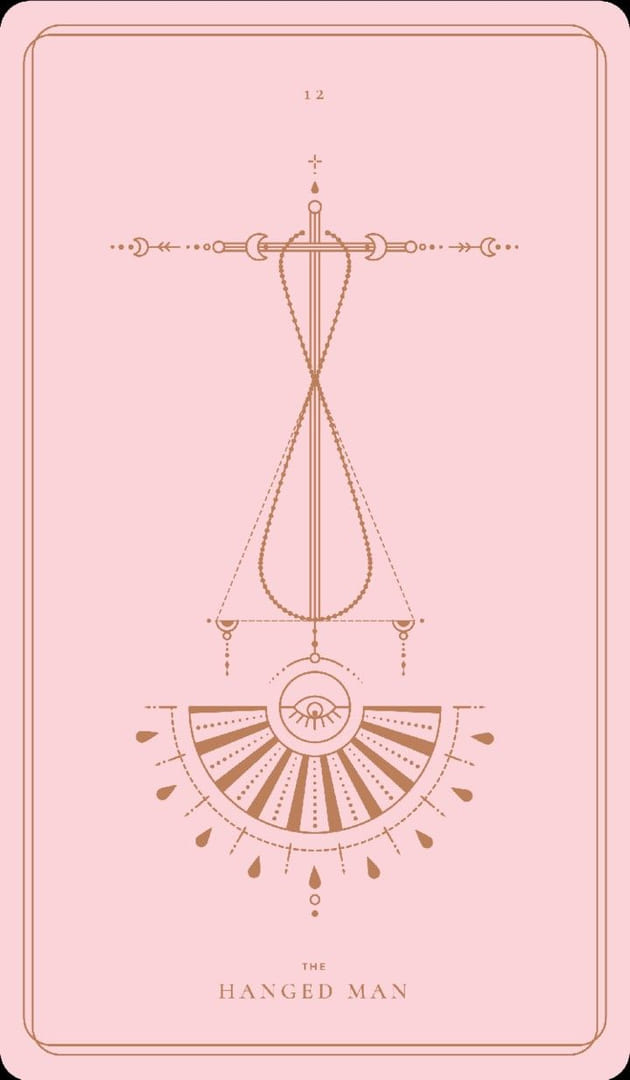
The Hanged Man indicates a period of pause or suspension where patience and reflection are required, suggesting lessons can be learned from current delays. It calls for a shift in perspective toward spiritual or heart-centered wisdom and acknowledges that pursuing true calling may require sacrifice to reach greater goals. Reversed, the card highlights feeling stuck but emphasizes that the asker has the power to free themselves and enact change. It also urges letting go of relationships, habits, or thought patterns that no longer serve, reassuring the asker that universal support is available for making a strong shift.
Death

The Death card signifies deep transformation, endings that clear the way for rebirth, and the chance to leave the past behind. Upright, it indicates a period of significant change—possibly in relationships, career, or mindset—and encourages releasing old traumas and fear of new beginnings. Reversed, it warns of resisting necessary endings and holding on to what no longer serves, blocking growth. Ultimately the card promises that although transitions can feel overwhelming, they lead from darkness into light and open new opportunities.
Temperance

Temperance symbolizes balance, alchemy, and moderation, urging the querent to practice self-care and seek inner equilibrium. Upright, it encourages avoiding extremes, resting when depleted, and following a centered, steady path while embracing and owning one’s talents. The card recommends sustainable planning and measured effort to achieve goals so you can remain replenished and of service to others. Reversed, it warns of imbalance, overindulgence, obsessive thoughts, and excessive stress, calling for surrender, restoration, and careful self-evaluation as a path to healing and realignment.
The Devil

The Devil represents the shadow self—limiting beliefs and an inner critical voice that stall progress and diminish self-worth. It calls the asker to bring those hidden thoughts into awareness, take responsibility for their feelings, and avoid projecting onto others. The card can also indicate strong sexual attraction or bonding, inviting safe and enriching exploration of that side. Reversed, it signals a diminishing hold of those shadows, the potential for breakthrough, and the need to release fear and embrace vulnerability and open communication. Overall, it urges confronting inner saboteurs to reclaim power and authenticity.
The Tower
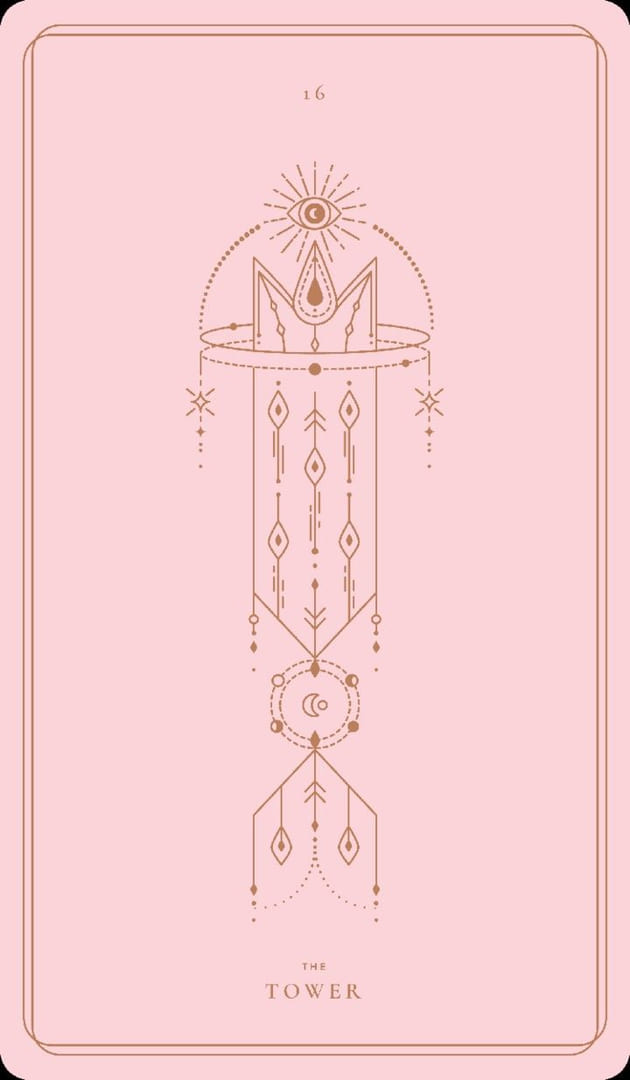
The Tower signifies sudden, often jarring change that exposes weak foundations and invites rebuilding and healing. It indicates an opportunity to release old traumas and fully acknowledge feelings, allowing a fresh start. Though disruptive, these changes clear the way to build something stronger and more sustainable. Reversed, the card points to intense personal transformation and spiritual growth, suggesting the asker is weathering the storm and preparing to rebuild on firmer ground.
The Star
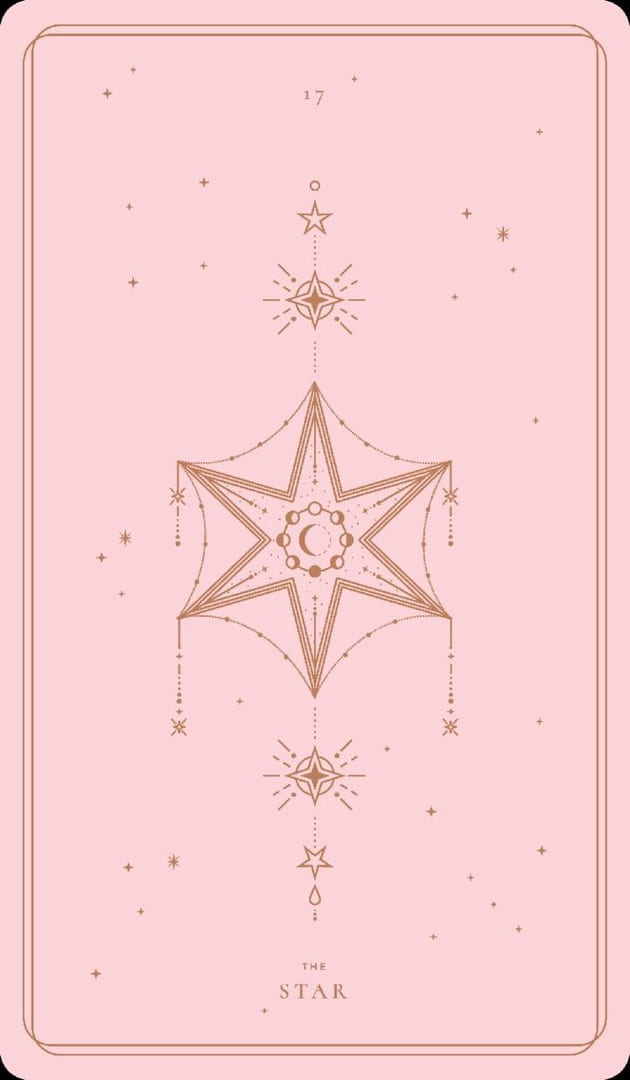
The Star signifies renewed hope, good fortune, and the approaching realization of a heartfelt dream or satisfaction in a specific area of life. It indicates relief and peace following recent turmoil, with gained wisdom and a period of reprieve ahead. The card urges reconnection with one's True North and life purpose, encouraging the sharing of gifts to benefit others. Reversed, the Star warns of weariness, loss of faith or confidence, and calls for healing by re-engaging with joyful, soul-nourishing activities to restore spiritual center and purpose.
The Moon

The Moon represents the power of the subconscious and urges the seeker to explore hidden fears and the thoughts steering their perceptions, often through attention to dreams. It emphasizes connecting with the moon's cycles—using the new moon for intention-setting and the full moon for release—and cautions about possible miscommunication or travel errors. Reversed, the card encourages following intuition over pure logic, signals that fears and anxiety are being worked through, and suggests clarity and healing are approaching. It also points to emotional matters in intimate relationships or with the mother, indicating issues surfacing for healing and advising patience and dream journaling.
The Sun

The Sun represents joy, vitality, and the return of light after difficulty, encouraging self-confidence and presence. Upright, it foretells happiness, abundance, and successes in love, family, and career. It is linked to the solar plexus chakra, emphasizing personal radiance and optimism. Reversed, it urges reconnection with joy, gratitude, and childlike openness while practicing kindness to renew enthusiasm.
Judgement

The Judgement card symbolizes transformation, spiritual rebirth, and a new beginning, offering the asker a chance to clear past energy, forgive, and start anew. It calls for connecting with the higher self and combining intuition with rational lessons learned when making future decisions. Upright, it often signals positive outcomes for projects and potential new positions as a result of hard work. Reversed, it warns of delay, self-doubt, or feeling stuck, and encourages reflection, self-forgiveness, and tuning into one's deeper purpose.
The World
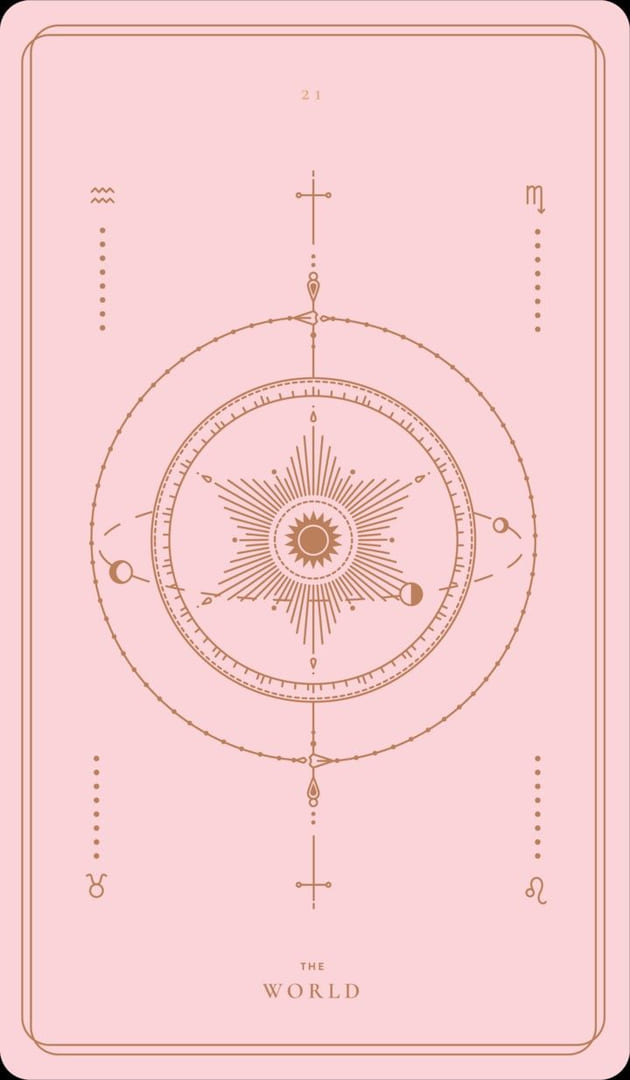
The World represents completion, accomplishment, and the successful end of a major life phase, inviting reflection and gratitude. It acts as a rite of passage that celebrates what has been achieved and encourages honoring the journey while opening the door to new beginnings and broader horizons, including travel or relocation. Reversed, it often points to procrastination, unfinished business, or reluctance to close chapters, signaling the need to identify open energetic tabs and bring things to conclusion. The reversed card also urges a wider perspective and trust in the unfolding journey, suggesting that hindsight will reveal the purpose of the current challenges.
Wands
Ace of Wands

The Ace of Wands heralds a fresh beginning, creative breakthroughs, and strong personal potential, urging the asker to act on inspiration and plant seeds for their goals. It indicates abundant ideas, motivation, and the confidence needed to move forward, and may coincide with a new phase of personal or spiritual development such as therapy or further study. Practically, small daily steps and supportive rituals (like crystals or cleansing a workspace) can help manifest these dreams. Reversed, the card shows blocked momentum: passion and ideas are present but the asker may feel stuck, lacking direction or focus. The guidance is to reconnect with passion, take gradual steps without fixating on the outcome, and allow clarity to emerge over time.
Two of Wands

The Two of Wands represents planning, choices, and the urge to explore new ideas, calling for research and long-term, step-by-step action to build a solid foundation. It can signal upcoming opportunities in business or real estate and often presents a decision between two opposing paths, asking the seeker to balance head and heart while tuning into intuition. Upright, it emphasizes exploration, strategy, and inner guidance with supportive universal energy. Reversed, it points to indecision, worry about the future, and a lack of practical planning; it invites stepping back, distinguishing what can be controlled, revising plans from a calm place, and reflecting on core priorities.
Three of Wands

The Three of Wands signals expansive possibility, clear vision, and momentum toward long-term goals, encouraging the asker to define what they want to manifest and proceed with a focused strategy. It can indicate opportunities to expand experience through travel, adventure, or new horizons. Reversed, it warns of stalled progress, disappointment, or a tendency to play it safe, suggesting the need to reassess plans and address unforeseen obstacles. The card advises cultivating acceptance in the present, restrategizing as needed, and seeking outside expertise to support forward movement.
Four of Wands

The Four of Wands celebrates milestones, joyful reunion, and a well-earned period of rest and pride after achievement. It emphasizes family, homecoming, and the potential to lay down roots, bringing contentment and security. Reversed, it can indicate a failure to acknowledge accomplishments or to take time to celebrate, and advises recognizing progress and continuing effort rather than letting perfectionism block completion. Additionally, when reversed it may point to insecurity or transition in the home or close relationships, signaling a need to address instability and restore a sense of safety.
Five of Wands
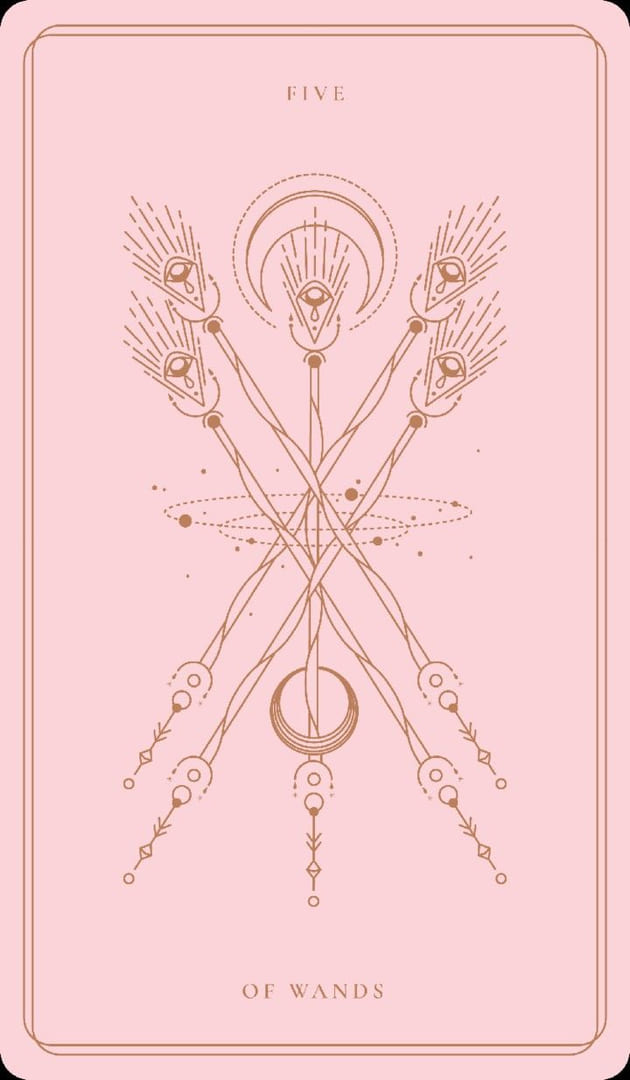
The Five of Wands signals disharmony, conflict, and competitive tension that disrupt plans and cause delays. Upright, it urges honest dialogue, active listening, and the humility to extend an olive branch to restore harmony while staying vigilant about details. Reversed, it denotes the end of conflict and a move toward compromise, but also warns against avoiding necessary conversations and losing oneself in comparison. Overall, success comes through patience, diplomacy, and focusing on one's own path.
Six of Wands
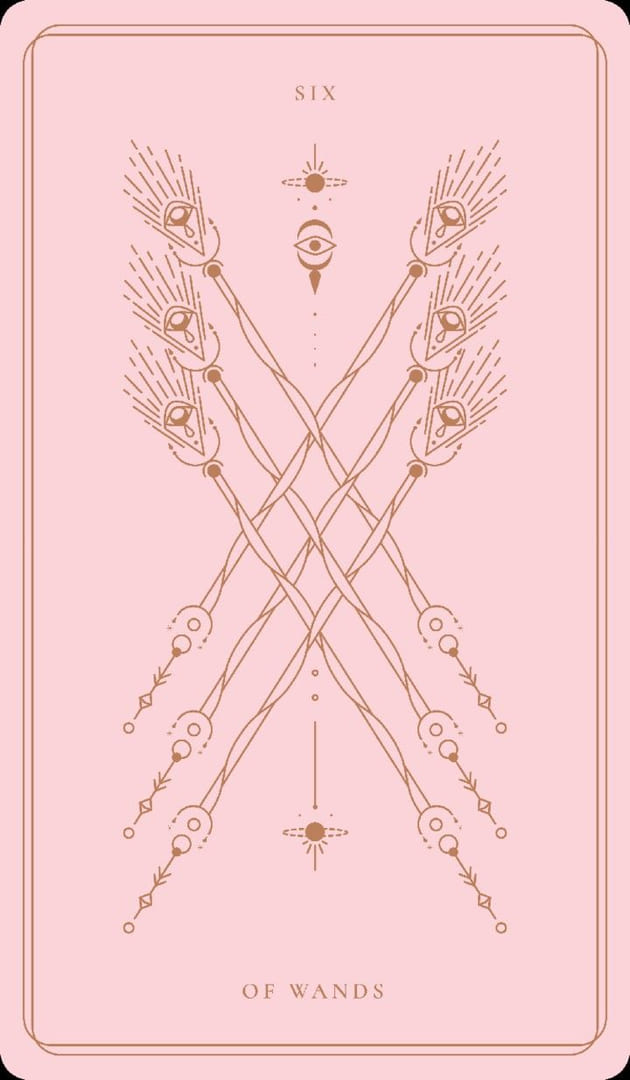
The Six of Wands upright signifies achievement, public recognition, and growing self-confidence, encouraging the asker to embrace and share their gifts. It urges belief in one's unique life purpose and promises continued success if they persist toward their dreams. Reversed, the card calls for inward validation rather than measuring worth by society's standards, recognizing that external acknowledgment may not reflect true significance. It can also indicate a temporary loss of confidence, prompting reflection on past growth and resilience.
Seven of Wands
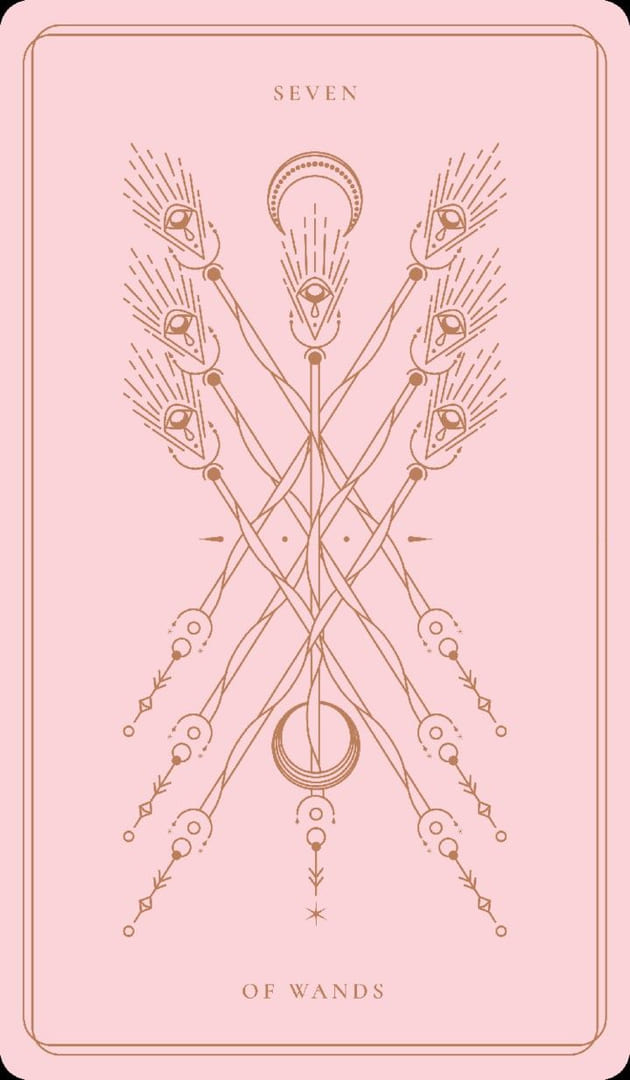
The Seven of Wands upright emphasizes integrity, protection, and standing firm amid competition or external pressures. It urges taking the high road, setting boundaries, and leading by example while acting from stillness and inner peace. Practically, it recommends value-aligned action and having a risk management plan to foresee potential issues. Reversed, the card describes carrying heavy burdens, isolation, and a lack of support, and suggests vulnerability and asking for help. It can also warn of yielding under external pressure and advises examining whether one is staying true to personal beliefs and values.
Eight of Wands

The Eight of Wands signifies rapid forward movement, momentum, and the need for decisive action when stalled projects begin accelerating. It heralds unexpected opportunities and encourages the asker to seize momentum with focus, self-belief, and productive routines. Reversed, it points to overwhelm, scattered attention, and the necessity to pause, breathe, and prioritize tasks one at a time. The reversed position also advises patience, avoiding distractions, and steady progress toward long-term goals.
Nine of Wands
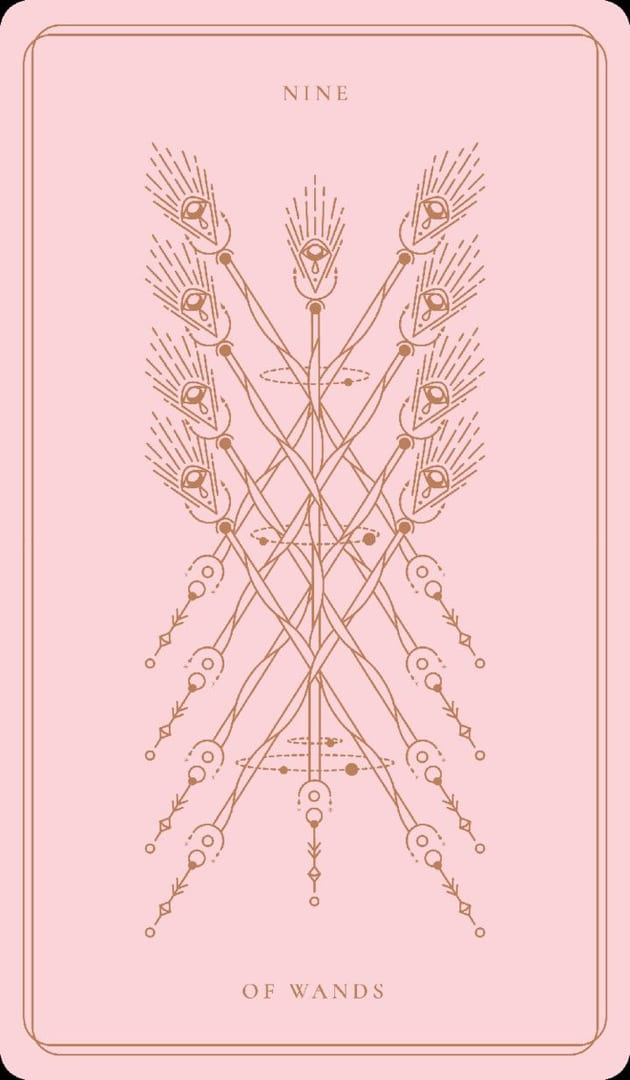
The Nine of Wands speaks to boundaries, resilience, and the courage to stand firm after enduring hardships. Upright, it urges staying true to oneself, protecting what has been built, and avoiding drastic changes while recognizing that the finish line is near. Reversed, it highlights limiting beliefs and a victim mindset, encouraging a review and reframing of one's perspective for growth. Overall, the card calls for strengthened resolve, faith in guidance, and perseverance toward a positive outcome.
Ten of Wands

The Ten of Wands symbolizes burdens, responsibility, and feeling overworked; it appears when the asker is carrying too much and defining self-worth by productivity. It reminds the asker to be gentle with themselves, recognize limits, and that the cycle is completing so the weight will soon lessen. The card advises letting go of tasks that are not theirs to carry and embracing self-care, relaxation, and enjoyment of hard-earned rewards. Reversed, it highlights chronic overwork and the need to delegate, release unnecessary responsibilities, and reconnect with joy and playfulness.
Page of Wands
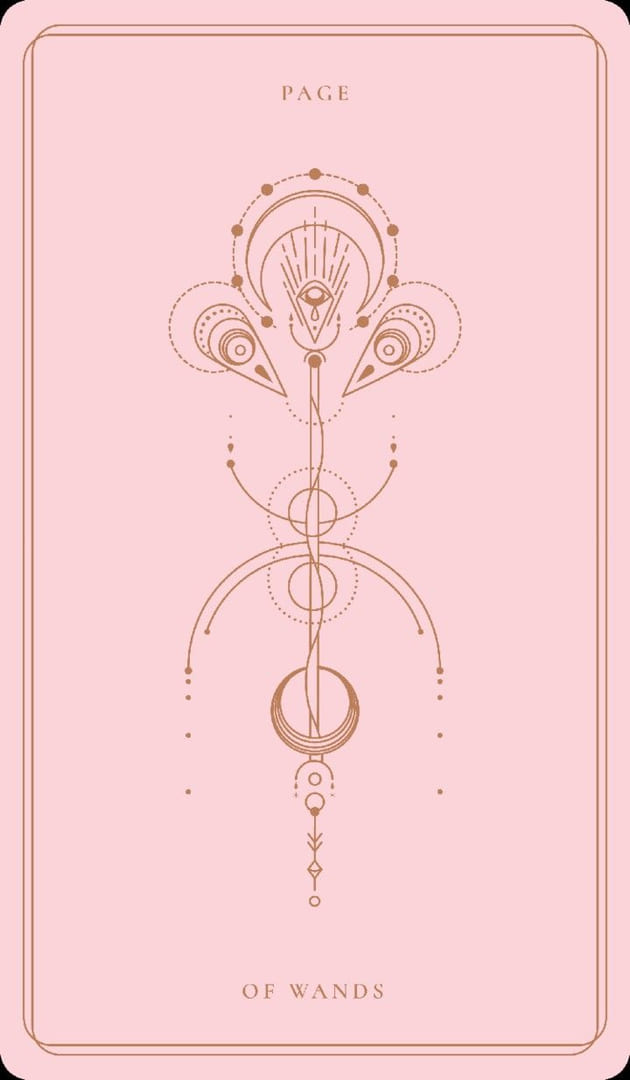
The Page of Wands signals fresh creativity, enthusiasm, and the emergence of new ideas, urging the seeker to pursue ambitions with a concrete plan and grounded action. It also highlights a spiritual awakening in which truths begin to reveal themselves, prompting curiosity and the desire to learn or seek mentorship. When reversed, the card points to stalled initiatives, lingering fear from past disappointments, and uncertainty about how to move forward. The guidance is to adopt a disciplined, methodical approach—break projects into steps, trust your potential, and persist with patience and belief in yourself.
Knight of Wands

The Knight of Wands heralds adventure, passion, and forward motion, often signaling a period of creative pursuit and bold action. It encourages embracing spontaneity, travel, and breaking routines to expand horizons. Reversed, it points to pent-up creative energy, confusion about how to channel motivation, and indecision about next steps. It also indicates that internal work has been done and now must be applied—look inward to translate lessons into forward movement and overcome impasses.
Queen of Wands
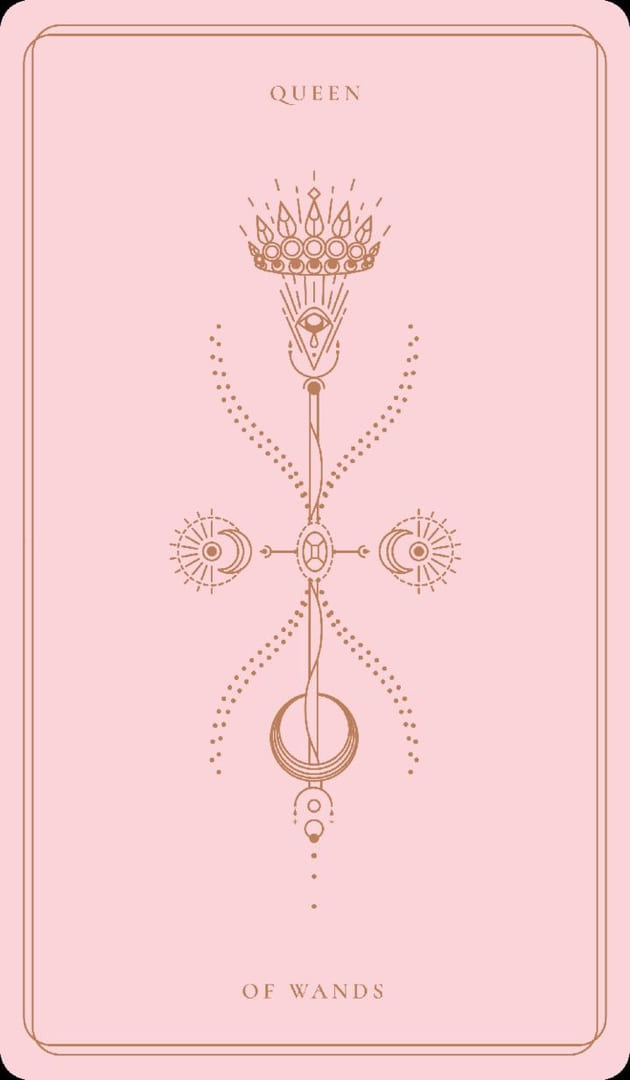
The Queen of Wands represents self-confidence, independence, courage, and charismatic leadership forged through challenge and rejection. Upright, she encourages the querent to recognize their growth, step into the spotlight, share their voice, and form new connections without fear of judgment. Reversed, the card points to low self-confidence, withdrawal, and fear of rejection, urging the querent to stop hiding and let others see their light. Overall, the card calls for embracing personal power and taking courageous, outward steps to share one's gifts.
King of Wands

The King of Wands embodies vision, competence, and seasoned leadership born from hardship and perseverance. Upright, it affirms the asker's ability to influence, inspire, and step confidently into leadership while trusting their intuition. Reversed, it points to imposter syndrome and self-doubt after taking on leadership or projects. The card encourages letting go of perfectionism, setting realistic expectations, and working methodically with others to achieve goals.
Cups
Ace of Cups

The Ace of Cups heralds new emotional beginnings, representing love, renewal, emotional wellbeing, and creative expression. It often indicates the start of a relationship, partnership, or a deep, fulfilling friendship, and encourages sharing one’s gifts with compassion. The card can also signal fertility or the birth of a new project or creation. Reversed, it points to emotional blockage, repression, or fear of vulnerability that hampers expression and connection. It advises practices of self-love, creative engagement, journaling, and risking openness to restore emotional flow.
Two of Cups

The Two of Cups signifies harmony, mutual attraction, and balanced partnerships, indicating fulfilling unions in love, friendship, or business. Upright, it encourages open communication, accountability, and expressing appreciation to strengthen bonds, and may herald engagements or new blossoming relationships. Reversed, it points to disconnection or imbalance, prompting self-acceptance and reflection on whether needs are being met. It can also signal the need for boundaries or even walking away, and invites the asker to trust their intuition.
Three of Cups

The Three of Cups represents celebration, friendship, and communal joy, encouraging the asker to gather with loved ones and enjoy lighthearted activities. It asks us to examine the energy we bring to interactions and to express our charisma to uplift those around us. Reversed, it can indicate isolation, overwhelm, or strained friendships and urges reconnection with sources of pleasure and social support. Creatively, the reversed card may suggest a project is better undertaken independently, while overall the card promises positive outcomes after hardship and highlights the healing power of shared joy.
Four of Cups
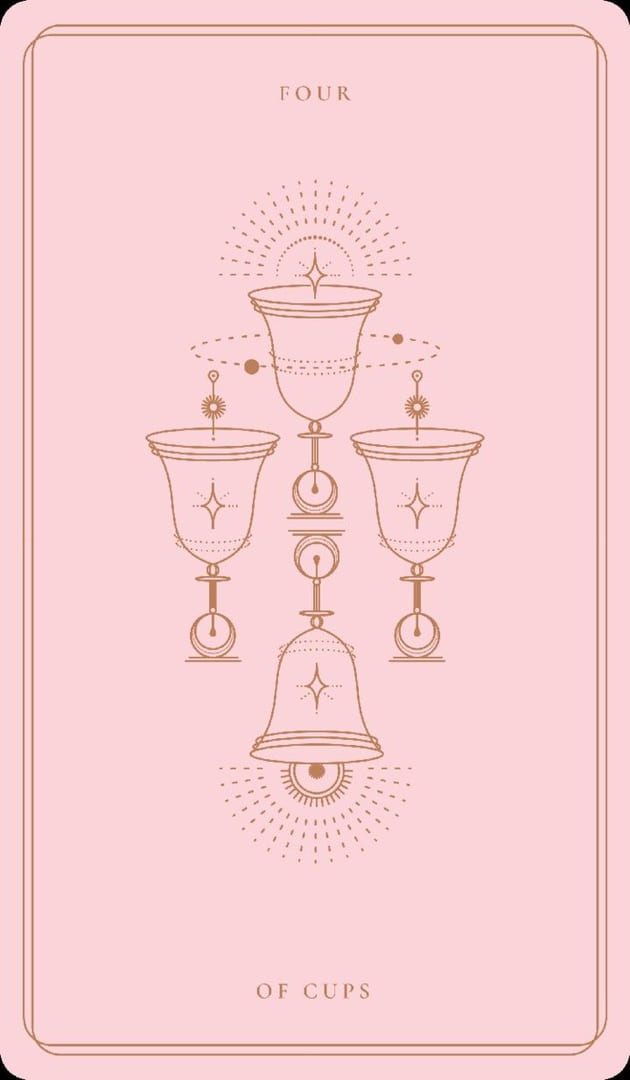
The Four of Cups indicates boredom, withdrawal, and emotional blockage, where the asker may feel dissatisfied with routine and shut off from opportunities. It suggests past hurt or a sense that options don't align with larger goals is causing resistance to receiving gifts. The card invites immersion in the present, gratitude for immediate blessings, and reflection on what truly motivates the asker to realign with their inner vision. Reversed, it urges opening up to support, allowing others in, and recognizing that much of what is sought may already be nearby.
Five of Cups
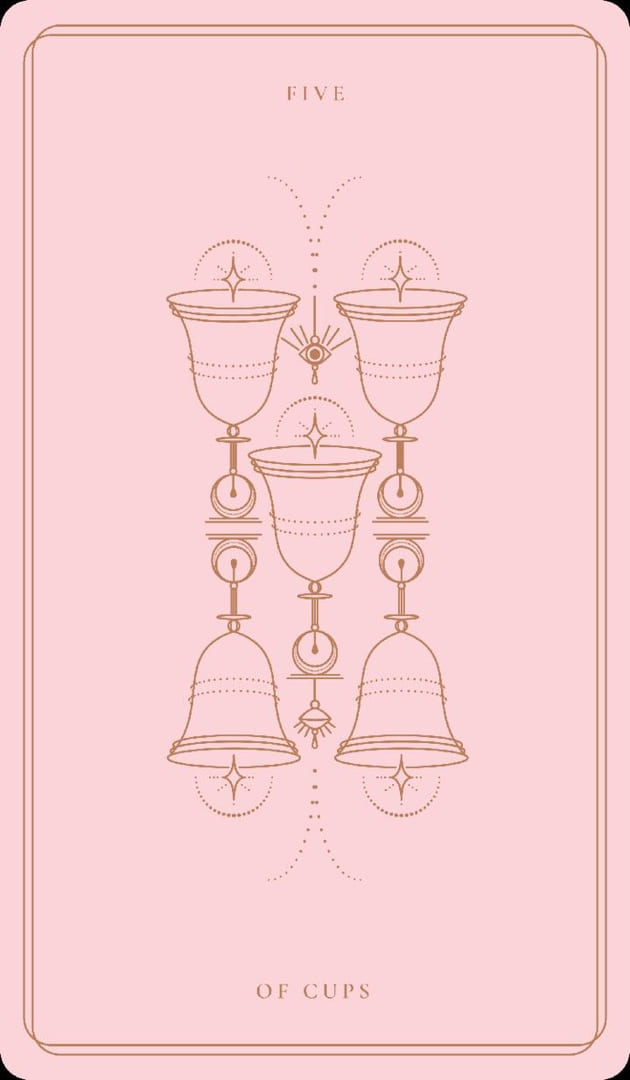
The Five of Cups reflects self-pity, loss, and regret after a challenging experience or separation, leaving the asker focused on past hurt. It acknowledges the necessity of grieving while warning against prolonged wallowing and encourages noticing present blessings and looking toward the future. Reversed, the card invites a broader perspective, suggesting setbacks may redirect the asker and contain opportunities for growth. It emphasizes learning from the past, finding the silver lining, and practicing self-forgiveness to move forward.
Six of Cups
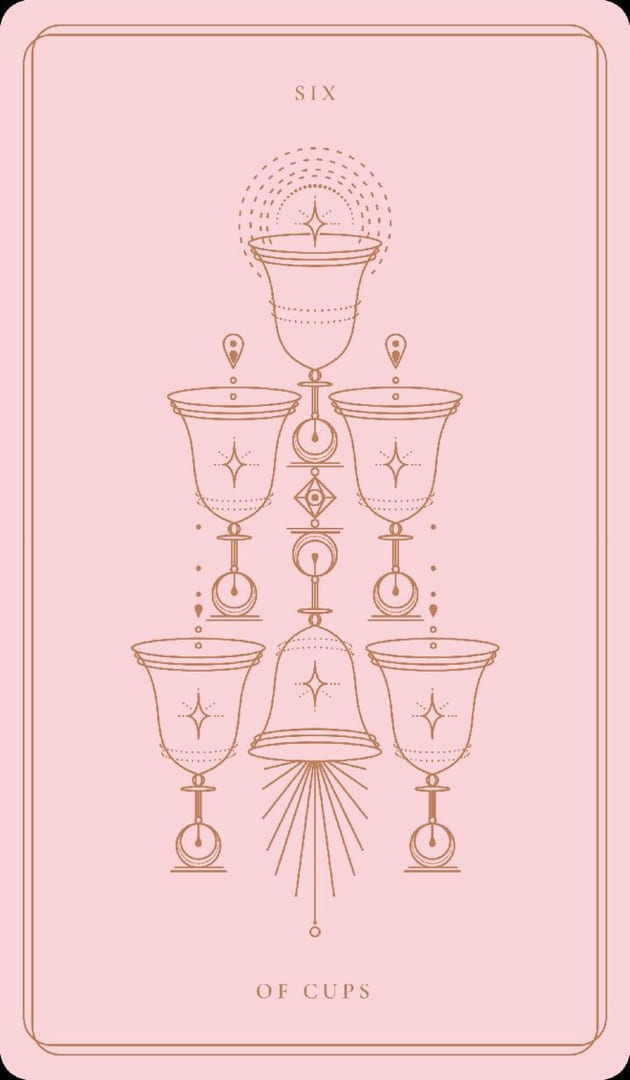
The Six of Cups centers on nostalgia, childlike joy, and revisiting happy memories to reclaim a sense of wonder and play. Upright it encourages the asker to engage in activities that bring freedom and to connect with children or people from the past who may return with positive influence. Reversed it warns that past experiences or traumas may be dictating the present and that healing requires facing memories rather than repressing them. The card advises creating new meaning from past stories, seeking support if needed, and avoiding dwelling so much on the past that present opportunities are missed.
Seven of Cups
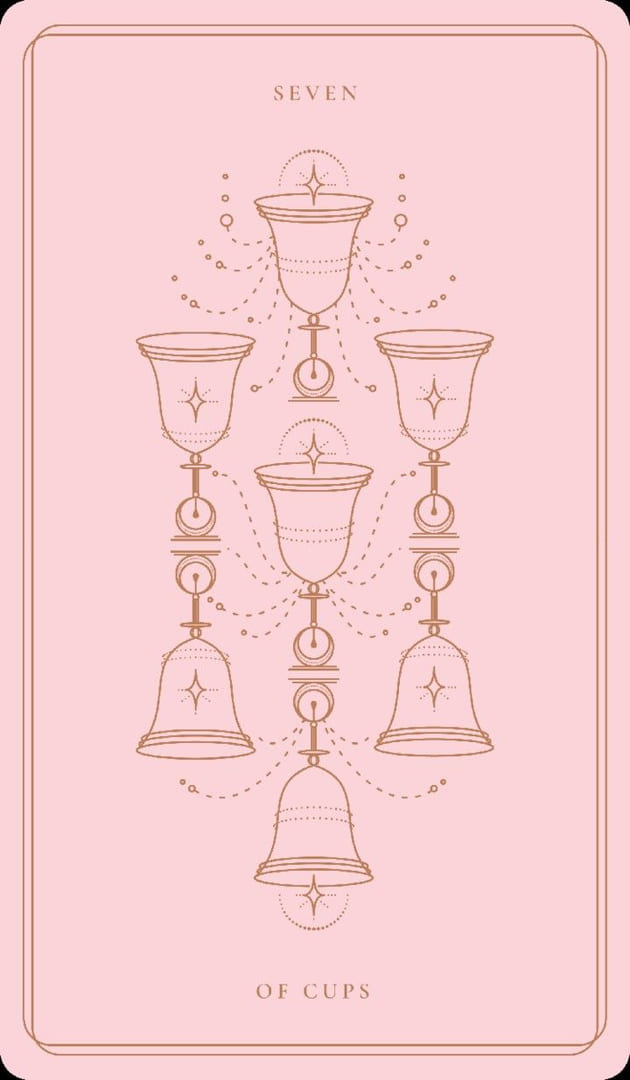
The Seven of Cups speaks to imagination, fantasies, and a wealth of possibilities that can leave the seeker dazzled by options. Upright, it urges careful evaluation of those visions and measured, grounded action to turn a chosen path into reality. Reversed, it highlights confusion, feeling trapped, or procrastination, and reminds the seeker that more options exist than they perceive. In either position the card encourages reconnecting with clear objectives and taking practical steps forward, even if they must begin with small measures.
Eight of Cups

The Eight of Cups calls for leaving unsatisfying situations and following inner truth and intuition, even when change is difficult. Upright, it signals that the seeker has the strength to walk away from unfulfilling jobs, relationships, or friendships to make space for more meaningful beginnings. It encourages trusting instincts and accepting the discomfort of endings as necessary transitions, reminding the seeker they will be supported during the in-between. Reversed, it warns of stagnation and choosing false security over emotional fulfillment, urging reconnection with intuition and the courage to take the leap.
Nine of Cups

The Nine of Cups symbolizes appreciation, fulfilled dreams, and life's pleasures, indicating achievement and contentment in relationships, career, or other areas. It promises material and emotional satisfaction and invites savoring life's pleasures, sometimes heralding the start of a sensual romance or engagement. Upright, it encourages gratitude, noticing beauty, and practices like journaling to amplify positivity and abundance. Reversed, it signals a lack of fulfillment or subtle emptiness from pursuing outward success, prompting reflection on what truly matters and reconnection with others.
Ten of Cups

The Ten of Cups signifies happiness, family unity, and personal fulfillment, indicating harmony and alignment within relationships and domestic life. It suggests the querent is experiencing a happy home life or strong connection with loved ones and may indicate marriage or moving in with a partner. The card also urges appreciation of the abundance and beauty created in daily life and encourages expressing love and gratitude. Reversed, it points to disconnection or discord in relationships, offering an opportunity for growth if needs are expressed, common ground is sought, and one reflects on living in alignment with personal truth and values.
Page of Cups
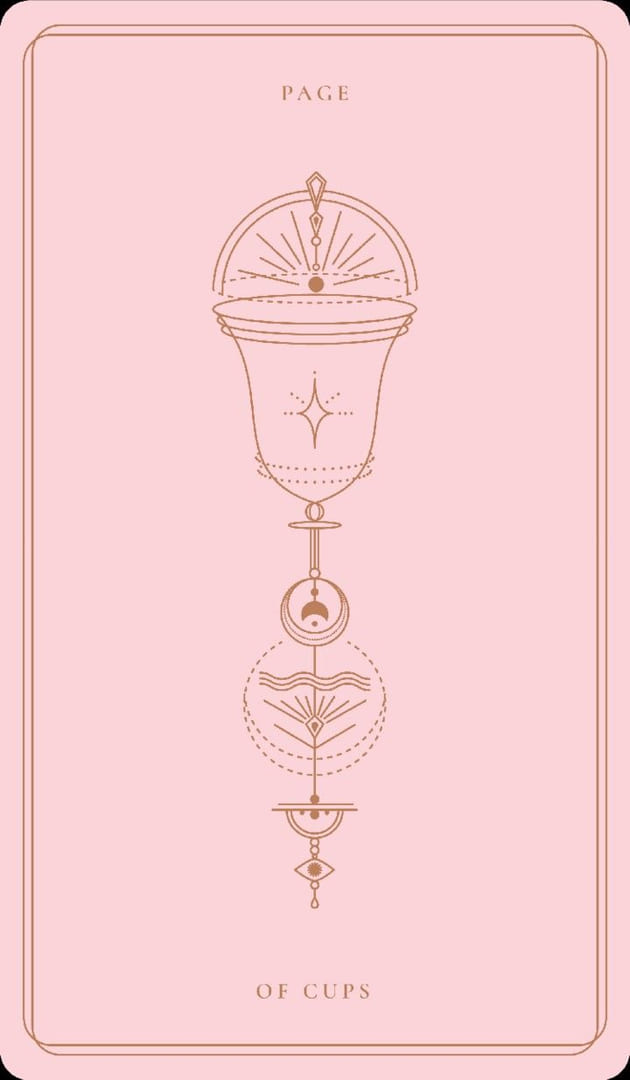
The Page of Cups encourages creative expression, curiosity, and reconnecting with the inner child, signaling new beginnings and exploration. It urges the asker to trust their intuition, follow synchronicities, and explore artistic or spiritual avenues without letting the inner critic interfere. Reversed, it indicates self-doubt, fear of sharing creative ideas, and creative blocks tied to perfectionism. The card advises reconnecting with initial joy and passion, being fearless, and sharing ideas with others while following your own path.
Knight of Cups
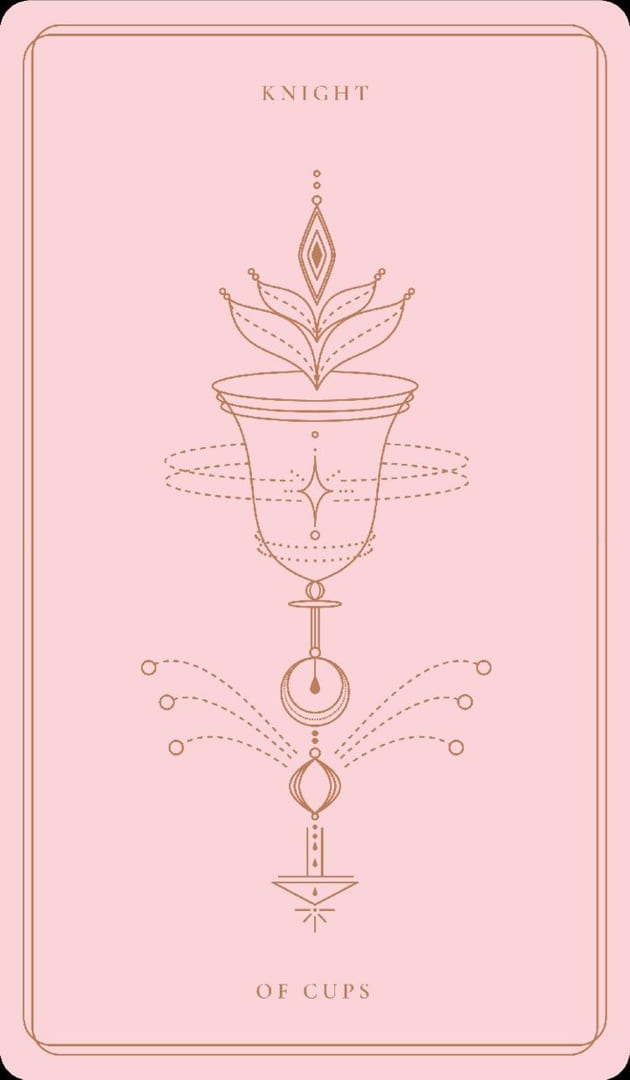
The Knight of Cups symbolizes romance, creativity, beauty, and a poetic, emotionally attuned approach to life. Upright, it indicates following one's heart, pursuing creatively inspired projects, and being encouraged to lead based on intuitive emotions while expressing vulnerability to deepen connection. The card can signal that the querent is on the right path and should embrace emotional honesty and artistic impulse. Reversed, it warns of being overwhelmed by emotion, allowing feelings to drive decisions, and suggests taking a step back to release heavy emotions and reassess needs before acting.
Queen of Cups

The Queen of Cups centers on emotions, femininity, and deep intuition, urging the asker to honor sensitivity as a strength. She embodies empathy and compassion for herself, the ecosystem, and others, encouraging honest feeling and emotional expression. Upright, the card advises trusting inner wisdom and standing strong in one’s truth despite outside opinions. Reversed, it calls attention to emotional self-care, the need to listen to intuition, and finding healthy outlets to release bottled-up feelings.
King of Cups

The King of Cups embodies emotional intelligence, maturity, and balanced compassion, encouraging a union of head and heart in relationships while maintaining personal boundaries. It urges the asker to feel emotions fully rather than repress them, as allowing feelings to move through leads to forgiveness and transformation. Reversed, the card points to emotional instability, moodiness, or difficulty staying steady during life changes, and suggests inner work such as meditation or journaling to restore centeredness. It can also warn of an emotionally manipulative person—often male—in the asker's life, recommending compassionate yet firm boundaries.
Swords
Ace of Swords

The Ace of Swords heralds a new intellectual beginning, indicating fresh thoughts, ideas, and the potential for victory when met with hard work and dedication. It emphasizes reclaiming personal power and taking decisive control of one's future, including a balanced approach to love and relationships. Reversed, it suggests an exploratory phase where ideas have not yet manifested and calls for introspection to gain clarity before sharing plans. The card advises being decisive while taking small steps toward larger goals and remaining true to one's intuition.
Two of Swords

The Two of Swords describes a period of transition and being between two worlds or choices, often involving relationships, jobs, or moves. Upright, it advises following intuition, communicating clearly, and accepting uncertainty while trusting a better future will emerge. Reversed, it highlights feeling stuck, unclear, or lacking information when forced to choose, which can pertain to relationships, family, or career dilemmas. Ultimately the card emphasizes that the asker already has inner resources and intuition to guide the decision, and that clarity will soon arrive if they take action.
Three of Swords

The Three of Swords signifies tension, heartbreak, and emotional pain often arising from relationship endings, miscommunication, betrayal, or grief. It reminds the asker that pain is part of the human experience and can crack us open, enabling growth, greater joy, and personal transformation. Upright, it encourages finding meaning, forgiveness (including self-forgiveness), and the recognition that things will be OK; it can also point to medical matters from injections to operations. Reversed, the card urges letting go of lingering hurt, fully feeling and releasing emotions when ready, and addressing negative self-talk and limiting beliefs that contribute to suffering.
Four of Swords

The Four of Swords calls for reflection, solitude, and recuperation, signaling the need to rest and prioritize self-care after periods of hard work. It advises stepping back to process feelings—particularly after betrayal or challenge—rather than distracting oneself with new activities or relationships. Reversed, the card similarly warns of frantic energy, stress, anxiety, and the risk of running on empty, emphasizing that we cannot serve others when depleted. It encourages concrete restorative actions such as short getaways, social media detoxes, meditation, journaling, nature walks, or long baths. Overall, tending to one's inner state is presented as a vital act of self-love and a prerequisite for renewed productivity.
Five of Swords

The Five of Swords warns of conflict, feelings of loss, and the need to take accountability for one's role in disputes. Upright it can indicate arguments, hurt feelings, pride, or procrastination that requires organization and commitment to dispel anxiety. Reversed it often signals difficulty moving on, ongoing power struggles, and an opportunity for closure by releasing anger or bitterness. The card encourages making amends when appropriate, choosing to release resentment as its own triumph, and practicing patience through small, consistent steps toward stalled projects.
Six of Swords

The Six of Swords signifies transition and the need to move away from past pain toward a calmer future, asking the asker to accept discomfort and trust the unfolding path. It can indicate changes in relationships, work, or living situation, as well as a literal move or solitary journey that serves growth. Reversed, it warns of feeling stuck, procrastination, or clinging to the past out of fear, urging the asker to act and embrace inner courage. Ultimately the card encourages release of victimhood, embracing change, and stepping into one's strength to reach a more harmonious place.
Seven of Swords
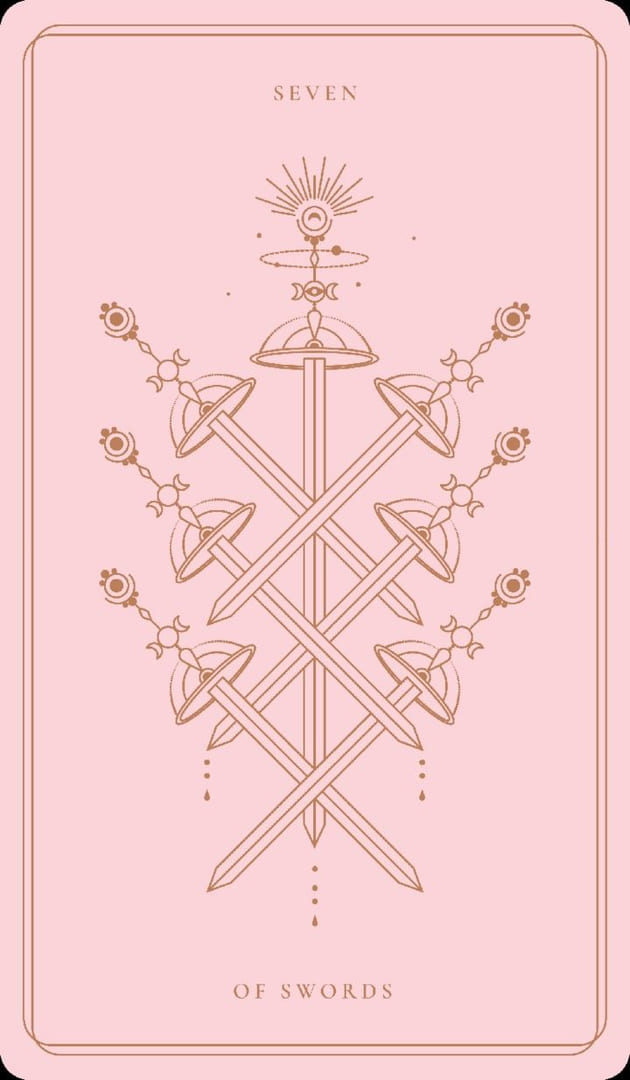
The Seven of Swords points to burdens, deception, and the need for strategic thinking, often indicating betrayal or a shadow that must be released. It affirms the asker's foresight, resourcefulness, and skills to overcome obstacles, with positivity on the horizon. Reversed, the card urges living more honestly, addressing guilt or shame, and coming clean when necessary. It also advises being street smart in business and attending to self-worth through affirmations, journaling, and reflection.
Eight of Swords

The Eight of Swords signifies feeling trapped by fear, unworthiness, or a victim mentality and believing there are no escape routes. It urges the seeker to recognize that the situation is not as dire as imagined and to remove the blinders that limit perception. Reversed, the card emphasizes that the greatest barrier is negative self-talk and self-sabotage, and that inner resources already exist to move forward. It calls for healing work—through therapy, coaching, journaling, or energy practices—to break ingrained thought patterns and begin anew.
Nine of Swords

The Nine of Swords signifies anxiety, worry, and limiting beliefs that can cause sleepless nights and depressive feelings, often rooted in the asker's inner saboteur or shadow. It encourages examining the origins of these beliefs, reaching out for support, and recognizing that the situation is not as dire as it seems. Reversed, the card still points to anxiety and being stuck in spirals of limiting beliefs, inviting reflection, journaling, and possibly professional help to break patterns of unworthiness. It can also indicate progress, acknowledging hard work to break subconscious cycles and celebrating how far the asker has come.
Ten of Swords

The Ten of Swords depicts painful endings, betrayal, and the sense of having received a final blow after a series of difficult experiences. It acknowledges sadness and fear while urging the release of victimization and the desire for pity so healing can begin. Reversed, it warns against repressing grief and holding resentment, and calls for honest emotional expression to release old wounds. Ultimately, the card signals that the worst is over and that breakthrough and a more peaceful, fulfilling phase lie ahead.
Page of Swords

The Page of Swords signals communication, curiosity, and the drive to innovate and move projects forward. It encourages sharing ideas publicly with confidence and determination while acknowledging setbacks are part of the process. The card also warns to proceed with open eyes regarding contracts or conversations about the seeker. Reversed, it calls for careful review of how one uses language—words carry long-lasting effects—and urges releasing fear of public expression to share valuable knowledge now.
Knight of Swords
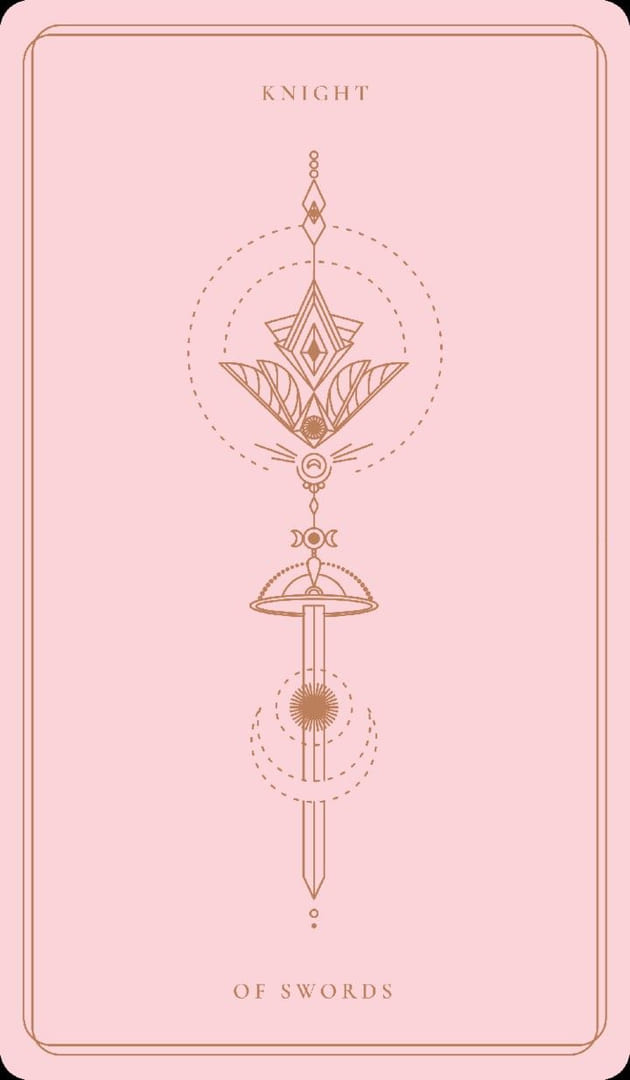
The Knight of Swords symbolizes swift energy, ambition, and determined action, urging forward movement toward goals. Upright, it indicates focus, strength, and the readiness to manifest plans, while cautioning to slow down and enjoy the journey by using a decisive, methodical plan. Reversed, it warns of scattered energy or rushing into decisions without a plan and advises aligning mind, body, and spirit before acting. It also emphasizes connecting with one's inner voice and ensuring life is harmonized and prioritized over mere productivity.
Queen of Swords

The Queen of Swords embodies strength, intellectual power, perceptivity, and clear boundaries, urging honest self-expression and precise discernment. Upright, she encourages stepping into personal power, setting boundaries, and confidently sharing one's voice, with gradual progress leading to renewed pride and resilience. Reversed, the card warns that unchecked emotions or over-investment in relationships may cloud judgment and advises cultivating objectivity and calm decision-making. It also cautions against excessive isolation and reminds the seeker to ask for support or collaborate toward common goals.
King of Swords

The King of Swords embodies logic, reason, and authority, urging clear, objective judgment and strong communication. Upright, it calls for perspective-taking, careful information-gathering, and, when necessary, seeking professional advice rather than acting on assumptions. It warns against rigidity and jumping to conclusions. Reversed, it focuses on integrity in the use of power, reminding the asker to align authority with their deeper purpose and to avoid ego-driven control. It can also point to someone misusing power in the asker's life and stresses setting boundaries without dramatic confrontation.
Pentacles
Ace of Pentacles

The Ace of Pentacles heralds new material beginnings, abundance, and financial opportunity, urging the seeker to take initiative on projects aligned with their values. Upright, it promises prosperity, personal fulfillment, and manifestations like gifts, raises, or other material blessings, amplified by gratitude. Reversed, it indicates delays, structural flaws in plans, or internal blocks such as limiting beliefs and anxiety that hinder progress, suggesting a review or external advice. It also warns to be cautious with budgeting and to avoid taking on large financial obligations until stability returns.
Two of Pentacles

The Two of Pentacles highlights themes of balance, relationships, and the need to juggle multiple responsibilities with flexibility. Upright, it signals multitasking, unexpected changes, and a reminder to trust the process while bringing more organization and self-care into daily routines. Reversed, it warns of overwhelm and advises stepping back to center oneself, adopting mindful practices, and creating concrete organizing strategies like budgets or to-do lists. Ultimately the card calls for evaluation of commitments to ensure they align with personal values while maintaining a flexible, good-humored approach.
Three of Pentacles

The Three of Pentacles emphasizes skill development, teamwork, and the practical implementation of goals. Upright, it indicates that collaboration and complementary skills will help the seeker achieve greater success, and that expanding knowledge can advance their career. It also promises that hard work and perseverance will be rewarded, whether financially or through deep satisfaction and pride. Reversed, it warns of disharmony, feeling undervalued or unmotivated within group dynamics, and invites evaluation from a higher perspective as an opportunity for personal growth.
Four of Pentacles

The Four of Pentacles focuses on your financial mindset, urging a review of beliefs and habits around money to avoid scarcity thinking or overspending. It encourages reassessing the systems that govern your finances and possibly implementing new habits or a plan while warning against letting material concerns dominate life. Upright, it can also indicate a hard-won sense of security and contentment. Reversed, it advises releasing excessive control, surrendering outcomes after doing your part, and emphasizing gratitude over material attachment.
Five of Pentacles

The Five of Pentacles signals financial stress, a scarcity mindset, and diminished self-esteem, often reflecting fear about job loss or an inability to make ends meet. Upright, it urges fostering self-belief, recognizing resourcefulness, and practicing gratitude to invite positive shifts. Reversed, it indicates progress and incoming support, encouraging belief in one’s self-worth and reassessment of draining relationships or energies. The card calls for connecting to personal power, appreciating non-monetary abundance, and working on a healthier money mindset to improve circumstances.
Six of Pentacles

The Six of Pentacles upright signifies financial harmony, charity, and generosity born from sharing abundance with others. It suggests positive karma and may indicate good financial news, such as an inheritance or a generous gift, with an encouragement to share prosperity with loved ones. Reversed, the card warns of imbalance where generosity is exploited or giving is not reciprocated, prompting a review of draining relationships. It also emphasizes the need for self-care and reclaiming resources, suggesting the asker treat themselves to restorative comforts.
Seven of Pentacles

The Seven of Pentacles emphasizes long-term vision, sustained effort, and careful assessment of progress. It acknowledges steady cultivation of goals and invites the asker to pause and appreciate progress while planning for future growth. Reversed, it warns that investments—of time, energy, or resources—may not be yielding returns and calls for re-evaluation or decisive action. Overall, the card encourages patience, strategic planning, and honest self-reflection to determine whether to persist, adjust, or let go.
Eight of Pentacles

The Eight of Pentacles signifies mastery, diligent work, and a commitment to honing skills to advance career and finances. It encourages immersive learning and being fully present in each task, promising long-term success if goals are followed through. Reversed, it warns of tunnel vision, perfectionism, and attempts to overly control outcomes, suggesting a need to step back and reassess approach. It also advises rest and rebalancing if work focus is harming other areas of life, urging alignment with inner wisdom.
Nine of Pentacles

The Nine of Pentacles signifies material security, enjoyment, and financial freedom, encouraging the asker to savor the fruits of their labour and cultivate an abundant mindset that shapes their external world. It invites appreciation of life’s finer things—travel, good food, or making a home more beautiful—and suggests fulfillment through translating inner abundance into outward circumstances. Upright, it can also promise that better times and new beginnings are approaching, especially after periods of transition or domestic difficulty. Reversed, it urges honest evaluation of what no longer aligns with one’s self-worth, releasing attachments to relationships, jobs, or possessions used to fill a void, and letting go of limiting personal narratives to make space for healthier growth.
Ten of Pentacles

The Ten of Pentacles upright signifies legacy, accomplishment, and financial abundance after sustained effort, encouraging reflection on the lasting impact you want to make and the foundations to build for future rewards. It also highlights family ties, deep bonds, and a happy home life, and can be a positive omen for growing a family. Reversed, the card warns of losing sight of the big picture, becoming overly focused on finances, or feeling insecure after recent challenges. It reminds the asker that contentment and security can be found within, and urges awareness of what can and cannot be controlled.
Page of Pentacles

The Page of Pentacles signals new beginnings, a passion for learning, and the practical motivation needed to start projects or change careers. Upright, it emphasizes enthusiasm, patience, and commitment to developing skills and manifesting goals. Reversed, it warns of losing sight of one’s purpose, feeling scattered, and lacking focus or excitement. It advises reinvigorating creativity without attachment to outcomes and examining important life lessons that are arising for review.
Knight of Pentacles

The Knight of Pentacles signifies steady, methodical effort, discipline, and the value of reliable routines and planning. It encourages consistency and commitment during projects and suggests that practical, tried-and-tested approaches will help goals come to fruition, sometimes sooner than expected. Challenges and mistakes are framed as important learning milestones rather than failures. Reversed, the card warns against losing focus, perfectionism, or stagnation, urging flexibility, renewed discipline, and small changes to regain momentum while trusting that the path is supported.
Queen of Pentacles

The Queen of Pentacles symbolizes grounded, mothering energy, generosity, and material security, inviting appreciation for abundance that has been manifested. Upright, she encourages compassion toward oneself, attentive care of household and others, and enjoying the fruits of long-term effort. The card also represents independence and success after sustained work, offering a chance to relax and indulge in self-care. Reversed, the Queen points to turning nurturing inward—tending to mental, physical, and financial wellbeing—and reminds the seeker to create peaceful spaces, practice gratitude, and allow others to provide care.
King of Pentacles

The King of Pentacles symbolizes worldly success, financial abundance, and practical mastery over material affairs. Upright, he represents grounded patience, loyalty, and the fruition of projects through disciplined effort and planning; celebrate achievements and practice gratitude while choosing quality over quantity. Reversed, the card prompts reflection on one's relationship with money, warning against rigidity or overemphasis on wealth that neglects other life areas or reflects such influence in others. It advises decisive clarity, realistic planning, and breaking goals into manageable steps to regain balance and commit to meaningful objectives.
Tips for Reading with the Soul Cards Tarot
Match the deck’s gentleness. This deck speaks softly, and it reads best when you meet it at that frequency. Rather than asking hard yes-or-no questions, try open-ended ones: “What does my heart need to hear today?” or “Where can I be kinder to myself?” The Soul Cards Tarot gives its deepest answers to its most vulnerable questions.
Notice the body language. The contemporary figures in this deck communicate through posture and gesture more than through traditional symbolism. A turned shoulder, an outstretched hand, a figure looking down or gazing outward — these physical details are the deck’s primary language. Read the figures the way you would read a close friend across a coffee table.
Use it for self-care readings. The pastel energy of this deck makes it a natural companion for self-care rituals. A morning card pull with the Soul Cards Tarot sets a gentle, intentional tone for the day. A weekend spread can become a check-in with your emotional health. This deck thrives in intimate, personal practice.
Trust the warmth. If a card makes you feel held, comforted, or quietly understood, that response is accurate. The Soul Cards Tarot was designed to create emotional safety in readings. Even its more challenging cards — the Tower, the Ten of Swords — carry a softness that says: this is hard, and you will get through it.
Explore the Soul Cards Tarot in Elvi
Want to experience the gentle wisdom of the Soul Cards Tarot in a live reading? Elvi, our AI tarot companion, offers AI-powered readings with this beautiful pastel deck and many others. Pull cards, explore spreads, and let the Soul Cards Tarot hold space for your journey — anytime, anywhere, right from your phone.
Frequently Asked Questions
How many cards are in the Soul Cards Tarot?
The Soul Cards Tarot contains 78 cards: 22 Major Arcana and 56 Minor Arcana across four suits — Wands, Cups, Swords, and Pentacles. The deck follows the traditional tarot structure with a soft, modern aesthetic.
What makes the Soul Cards Tarot unique?
The Soul Cards Tarot stands out with its gentle, pastel-toned palette and contemporary illustration style. The figures feel modern and relatable — real people in quiet, emotionally resonant moments rather than dramatic mythological scenes. The soft pink and blush color scheme creates a warm, approachable energy throughout the deck.
Is the Soul Cards Tarot good for beginners?
Yes, it is excellent for beginners. The deck follows Rider-Waite-Smith structure faithfully, and the gentle, clear imagery makes each card's meaning easy to grasp intuitively. The approachable aesthetic removes the intimidation factor that some traditional decks carry.
What style of readings does the Soul Cards Tarot work best for?
This deck excels at relationship readings, self-care check-ins, emotional exploration, and daily pulls. Its warm, nurturing energy makes it particularly well-suited for gentle guidance and heart-centered questions rather than blunt or predictive readings.