Swirls of Light Tarot: All 78 Card Meanings Explained
What if tarot did not need human figures to speak? Swirls of Light Tarot answers that question with 78 cards made entirely of luminous energy — and the answer is breathtaking.
This deck strips away every representational element of traditional tarot — no robed figures, no medieval landscapes, no symbolic props — and replaces them with swirling patterns of light, color, and motion. Each card is a field of radiant energy that expresses its archetype through pure visual sensation. The Fool is not a young traveler at a cliff edge; it is the feeling of standing at the edge, rendered in light. The Tower is not a crumbling building; it is the shock itself, captured as a burst of fractured luminescence.
What makes Swirls of Light Tarot remarkable is how well it works. By removing familiar visual anchors, the deck forces you to engage with tarot at the level of feeling rather than thought. You cannot look up what a robed figure holding a cup means — there is no robed figure. There is only light, and your response to it. That response is the reading.
How the Deck Is Organized
Swirls of Light Tarot follows the standard 78-card tarot structure:
- Major Arcana (0–XXI): The 22 archetypal energies of the soul’s journey — expressed here as pure fields of light and movement, each with its own distinct visual frequency.
- Wands: The suit of fire. Rendered in warm, dynamic swirls — the energy of passion, will, creativity, and forward motion.
- Cups: The suit of water. Flowing, cool-toned patterns — the energy of emotion, intuition, love, and the inner world.
- Swords: The suit of air. Sharp, angular light patterns — the energy of thought, clarity, conflict, and truth.
- Pentacles: The suit of earth. Dense, grounded luminous forms — the energy of material reality, work, health, and stability.
Each suit runs from Ace through Ten, followed by Page, Knight, Queen, and King — 14 cards per suit and 56 Minor Arcana total.
Major Arcana
The Fool

The Fool represents new beginnings, innocence, and the thrill of adventure. It signifies a leap into the unknown, guided by trust and creative courage. The card cautions against naivety and encourages awareness of one's surroundings while embarking on journeys. It reminds us that both missteps and triumphs hold valuable lessons. At its core, The Fool invites us to embrace possibility with an open heart but also with a mindful approach.
The Magician

The Magician represents the power of will and intention, symbolizing the ability to manifest ideas into reality. Positioned in a sunlit clearing, the figure embodies a harmonious blend of mind, heart, body, and material readiness, suggesting that attention and concentration are key to success. However, caution is advised, as scattered focus or misused tools can lead to trickery and unfulfilled potential. This card encourages trust in one's skills and ethical use of resources, highlighting the importance of clarity in communication and action.
The High Priestess

The High Priestess represents a threshold of inner knowing and intuition, urging a balance between receptivity and discernment. She symbolizes patience, discretion, and the unveiling of secrets that require time and inner clarity. When energy is blocked, stagnation occurs, leading to a disconnect from guidance. The card encourages listening to the subtle language of dreams and symbols while being cautious of silence transforming into secrecy.
The Empress

The Empress symbolizes growth, comfort, and abundance, representing a fertile environment where ideas and relationships can flourish. While she encourages nurturing and creation, there is a warning against excessive dependence or indulgence that can hinder independence and creativity. This card reminds us to respect natural boundaries and the timing of growth. It encourages listening to our senses and finding balance between giving and receiving.
The Emperor

The Emperor embodies ordered power and authority, symbolized by his crown, scepter, and orb. He represents structure, protection, and the ability to make clear decisions, but he also warns against the pitfalls of stubbornness and inflexibility. This card emphasizes the importance of integrity and compassion in leadership, and raises questions about authority and how it is administered. When confronted by its shadow, it encourages a reevaluation of control and invites a return to trust and understanding.
The Hierophant

The Hierophant symbolizes structured learning, tradition, and guidance through established institutions and rituals. It encourages communal belief and stability during chaotic times, yet also warns against blind conformity and the suppression of individuality. This card embodies the relational aspect of guidance, highlighting the necessity for personal questioning amidst dogma. It invites reflection on whether authority fosters wisdom or imposes control, urging a balance between honoring tradition and following one's inner voice.
The Lovers

The Lovers card symbolizes a profound connection and choice in relationships, emphasizing love, partnership, and the bonds that unite individuals. It highlights the significance of alignment between heart and action, encouraging clear communication and the courage to choose love. The card also warns of potential temptations and the responsibilities that accompany attachment. Whether indicating new love or a moral decision, it calls for integrity and self-reflection to ensure that love serves as a bridge, not a constraint.
The Chariot

The Chariot symbolizes determination, control, and the ability to harness opposing forces to achieve victory. It conveys a message of disciplined progress and mastery over impulses, representing the journey toward success through focused will. However, it also warns against impatience and aggression, which can lead to loss of control. The balance between guiding and dominating is crucial to ensure the path remains a triumph rather than a struggle.
Strength

The Strength card represents a quiet mastery born of compassion, highlighting the beauty of strength that soothes rather than crushes. It signifies the importance of patience, courage, and gentle discipline in overcoming fears and leading with kindness. When reversed, it warns against brittle pride or confusion between meekness and true strength. The card ultimately encourages compassionate authority and the cultivation of resilience, balancing gentleness with fierceness.
The Hermit
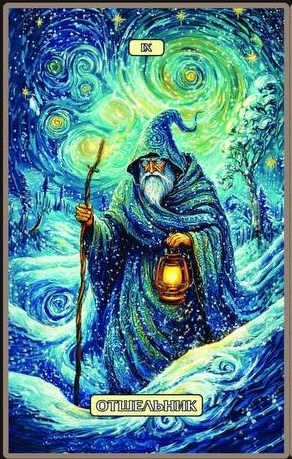
The Hermit symbolizes a journey of introspection and solitude, where inner guidance illuminates the path forward. The card represents finding clarity through withdrawal, using solitude as a space for reflection and truth. However, it also warns against excessive isolation that can lead to stagnation and fear. The Hermit invites a candid evaluation of one's motives and the bravery to face darkness with the light of understanding.
Wheel of Fortune
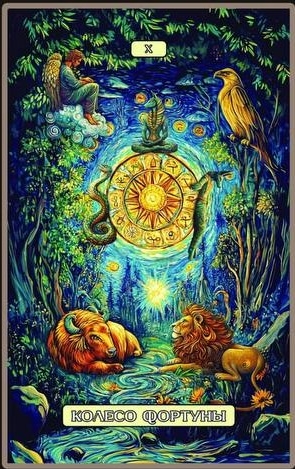
The Wheel of Fortune represents the cycles of life and the ebb and flow of luck, change, and fate. It highlights how periods of fortune can suddenly shift into challenges, reminding you to accept the ups and downs with gratitude and readiness. The imagery stresses the importance of timing and the natural forces at play in your life. This card encourages you to embrace cycles, learn from setbacks, and cultivate patience as you navigate through life's experiences.
Justice

The Justice card embodies the qualities of authority, balance, and accountability. It urges honest evaluation of situations, with a call for measured decisions and responsibility for one's actions. The representation of impartiality warns against bias and evasion, emphasizing the importance of integrity. When this card appears, it signifies the need for clarity in judgments, whether personal or legal, promoting the idea that fairness and truth lead to liberation and resolution.
The Hanged Man

The Hanged Man symbolizes a pause for reflection, often achieved through surrender or suspension. This card represents the tension between patient renunciation and the dangers of stubbornness or avoidance. Clarity arises from stillness, yet inaction can lead to stagnation. The key is understanding when to embrace solitude and when to untie oneself from self-imposed constraints.
Death

The Death card represents transformation and the inevitability of change. It signifies the end of one phase and the beginning of another, encouraging you to embrace necessary shifts in your life. While change can bring discomfort, it paves the way for renewal and new opportunities. This card urges you to let go of the past to allow for growth and new beginnings, highlighting the importance of honoring transitions and memories.
Temperance

The Temperance card symbolizes the art of blending and finding harmony between opposites. It encourages patience and the careful balancing of intuition and reason for healing and reconciliation. The imagery prompts deliberate change rather than upheaval, inviting a focus on moderation and compromise. If the reading reflects imbalance, the card urges a return to temperance, remeasuring mixtures to restore equilibrium.
The Devil

The Devil represents temptation, addiction, and the bindings of desires and agreements made in the past. It urges individuals to recognize what holds them captive and to truly feel the weight of those entanglements. In its upright position, the card reflects feelings of helplessness and manipulation, while in reverse, it signals the beginning of liberation and the realization that one's cage was partially self-made. The imagery serves as a mirror for honesty and encourages small acts of defiance to reclaim personal power and appetite.
The Tower

The Tower represents sudden upheaval and revelation, often forcing a collapse of outdated structures to reveal deeper truths. This card embodies the liberation that comes from destruction, urging a radical change in perspective. While it may signal fear and chaos, it also encourages rebuilding on stronger foundations. Reversed, it warns of stagnation and the dangers of resisting necessary change, emphasizing the importance of facing truths and allowing for transformation. Ultimately, The Tower invites you to confront what must be dismantled to achieve clarity and strength.
The Star

The Star represents quiet replenishment and the gentle return of light after darkness. It emphasizes the importance of small, steady acts of inspiration and hope, alongside the guidance of a central star symbolizing creativity and renewal. However, it warns against misplaced idealism and the potential for hope to turn into passivity if not tended to. The card encourages both open-hearted giving and grounded care, reminding us that light returns when nurtured by faith in consistent actions.
The Moon

The Moon signifies a journey through the subconscious, where intuition and fear play significant roles. It encourages awareness of dreams and subtle signals while warning of confusion and illusions. As you navigate shifting perceptions, maintaining a steady inner light is crucial. The card suggests patience and highlights the potential for unexpected revelations from within the depths of the mind.
The Sun

The Sun embodies clarity, celebration, and the joy of being fully seen, symbolizing success, vitality, and creativity. It encourages a bright, undeniable truth but also warns against excessive optimism and unchecked ego. When its energy is balanced, happiness arises from openness and honest strides. This card reminds us to express ourselves wholeheartedly while tempering exuberance with humility to ensure the light nurtures rather than scorches.
Judgement
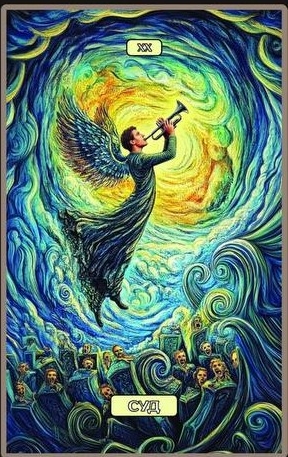
Judgement signifies a powerful awakening and a call to action, urging individuals to confront their past choices and embrace transformation. The card represents an opportunity for renewal, clarity, and reconciliation, often manifesting as a moment of reckoning. While it can inspire liberation and positive change, it may also highlight fears and avoidance of necessary decisions. Ultimately, Judgement challenges you to respond with courage and accountability as you navigate your path forward.
The World

The World card symbolizes completion, fulfillment, and integration. It depicts a graceful woman dancing within a floral wreath, representing the culmination of journeys and projects. The four creatures at the corners signify the balance of intellect, instinct, spirit, and strength, all essential for true success. While this card celebrates achievement, it also warns against clinging to endings, urging an openness to new cycles and continued growth. Even in reversal, it invites a redefinition of success and prepares one for future endeavors.
Wands
Ace of Wands

The Ace of Wands represents the inception of new ideas, creativity, and ambition. It signifies a moment where inspiration ignites, urging you to act on your plans with clear intention. However, it also serves as a caution against impulsiveness without grounding, highlighting the importance of commitment and follow-through. Embracing this card's energy can lead to significant opportunities and growth.
Two of Wands

The Two of Wands represents a moment of contemplation and planning for the future. The solitary figure stands on a terrace, considering both what has been achieved and the possibilities that lie ahead. This card embodies foresight, ambition, and the courage to take action while weighing risks and rewards. Conversely, it warns of the dangers of indecision and fear, highlighting the importance of making informed choices and owning one's path.
Three of Wands

The Three of Wands signifies standing at the edge of new possibilities, where foresight and leadership begin to bear fruit. It reflects a period of patience and active expectation as ventures move outward towards success. However, it also warns of potential delays and the need for adaptability in strategy as one navigates unexpected challenges. Observing developments with keen awareness is crucial for ensuring that promises are fulfilled and future opportunities are seized.
Four of Wands

The Four of Wands symbolizes celebration and community, marking a transition from a wild state to a place of safety and achievement. It represents shared milestones and the warmth of togetherness after hard work. However, this card also acknowledges potential instability beneath the surface, suggesting that despite outward appearances of community, there may be unresolved issues at play. Whether it indicates joy or caution, it invites reflection on the true nature of one's relationships and the stability of one's foundations.
Five of Wands

The Five of Wands signifies a lively contest filled with creative competition and debate, urging individuals to engage boldly in challenges. This card highlights the potential for cooperation stemming from rivalry, transforming chaos into productive collaboration. However, it also warns of scattered efforts and ego-driven conflicts that may lead to frustration and stagnation. Whether diving into the fray or setting boundaries, the card encourages a spirited response, advocating for clarity and learning from conflicts. Ultimately, it suggests that friction can foster skill and unity if approached with courage and humor.
Six of Wands

The Six of Wands represents triumph, public recognition, and the joy of accomplishment. It illustrates the importance of leadership and the support of allies in achieving success. However, it also serves as a cautionary note against ego and fragile victories, urging individuals to reflect on their inner satisfaction and motives as they accept praise. The card encourages humility and the sharing of credit while emphasizing the necessity of integrity in leadership.
Seven of Wands

The Seven of Wands signifies standing your ground against challenges with courage and assertiveness. It emphasizes the importance of stamina and strategy in facing opposition, highlighting the honor in defending your position. However, it also warns of the risks of overextension and exhaustion when fighting on multiple fronts. In reverse, it suggests feelings of overwhelm and missed opportunities for strategic retreats or alliances. This card urges you to choose your battles wisely, conserve your strength, and approach conflicts with a balanced strategy.
Eight of Wands
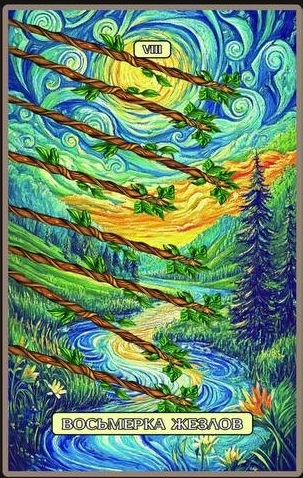
The Eight of Wands signifies swift movement and progress, representing messages, travel, and decisions that advance situations with remarkable speed. It reflects momentum and energies aligning for a plan to take flight, but also serves as a caution against rushing, as haste can lead to mistakes and miscommunications. This card encourages decisive action when the path is clear and suggests recalibration during moments of delay. Whether upright or reversed, it highlights the importance of direction, intentionality, and embracing the flow of events.
Nine of Wands

The Nine of Wands symbolizes resilience and perseverance in the face of adversity. Depicting a lone defender, it emphasizes the importance of holding the line and the lessons learned from past struggles. However, it also warns against stubbornness and the exhaustion that can come from clinging to battles. This card encourages honesty about one's limits and suggests that both courage and acceptance of help are vital for moving forward.
Ten of Wands
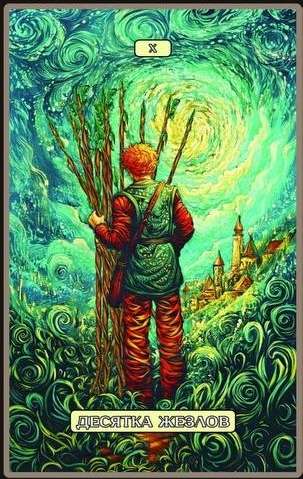
The Ten of Wands depicts a lone figure burdened by ten wands, symbolizing the weight of responsibilities and obligations. This card emphasizes the struggle of carrying heavy loads, suggesting that although completion is near, it may come at a great personal cost. It warns against taking on too much alone, highlighting the fine line between diligence and overexertion. Reversed, it may indicate the necessity of delegation or the danger of neglecting one's duties, pointing to a need for discernment in managing responsibilities.
Page of Wands

The Page of Wands represents a young traveler full of excitement and curiosity, poised to explore new ideas and begin fresh journeys. With a budding staff in hand, he embodies the potential and vitality of new beginnings, though his enthusiasm may require tempering with careful planning. The card encourages awareness of the surrounding signs and an openness to learning as he progresses. If energy feels stalled, it may indicate a need to reignite creativity or refine skills. Ultimately, this card invites you to embrace your curiosity and transform beginnings into meaningful experiences.
Knight of Wands

The Knight of Wands represents boldness, immediate action, and passionate pursuit, characterized by a rush of energy that propels plans forward. This card symbolizes courage and the thrill of adventure, but it also warns against recklessness and impulsive decisions that can lead to unfinished tasks. It encourages channeling enthusiasm into focused direction and careful timing to ensure success. Ultimately, it emphasizes the importance of movement and skillfully managing one's fiery energy.
Queen of Wands
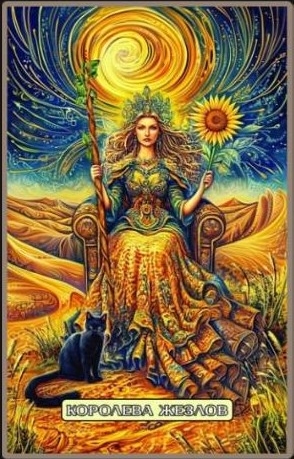
The Queen of Wands embodies warmth, authority, and creative power, inviting you to lead with confidence and passion. Her presence suggests a magnetic charm that encourages initiative and fosters an environment of creativity and encouragement. However, this energy can also turn to impatience and jealousy if not kept in check. The card prompts you to balance bold authenticity with empathy and self-respect, ensuring that your passion is aligned with integrity.
King of Wands

The King of Wands signifies a dynamic leader who embodies creativity and entrepreneurial spirit. He marks his path with confidence and inspires others to join him. While he exhibits authority with warmth, his energy must be balanced with humility to prevent arrogance or impatience. In reversed positions, this card warns against scattered plans and the dangers of overstepping in relationships.
Cups
Ace of Cups
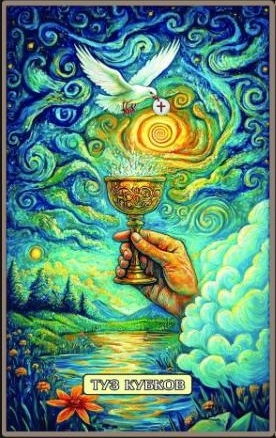
The Ace of Cups represents a miraculous offering of emotional beginnings and the potential for love, spiritual nourishment, and creativity. It encourages open-heartedness and acceptance, signaling moments of generosity and compassion. If its energy is blocked, it serves as a reminder to address withheld feelings and the inability to embrace joy. Overall, this card invites presence, receptivity, and trust, promising healing and renewed purpose through emotional expression.
Two of Cups

The Two of Cups symbolizes mutual attraction, partnership, and the beginnings of a meaningful connection. It depicts a moment where two individuals come together in a shared promise, whether it be in friendship, romance, or reconciliation. However, it also warns against potential pitfalls, where miscommunication can lead to codependency or unmet expectations. The card emphasizes the importance of honesty and reciprocity in relationships and encourages nurturing the bond being formed.
Three of Cups
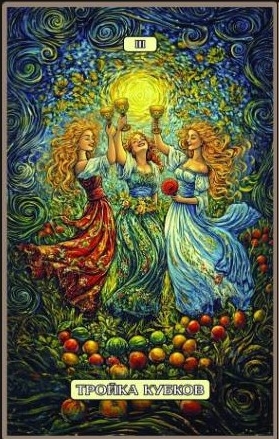
The Three of Cups depicts a joyful celebration among friends, symbolizing camaraderie, abundance, and shared emotional support. It signifies gatherings, collaborations, and the enjoyment that comes from mutual recognition and teamwork. However, it also serves as a caution against excess and superficial connections that may overshadow underlying discord. This card invites reflection on inclusivity and the true nature of joy within the community.
Four of Cups

The Four of Cups depicts a moment of introspection and contemplation. A figure sits in solitude, facing the potential of a fourth cup offered to them while feeling the weight of dissatisfaction and the need for reevaluation. This card symbolizes the fine line between necessary stillness and stagnation, urging a shift in posture to embrace new opportunities. Reversed, it suggests sudden openness or warns against hasty reactions without sufficient inner reflection.
Five of Cups

The Five of Cups depicts a solitary figure mourning over three overturned cups, symbolizing loss and grief. The two remaining cups remind the figure that not everything is lost, suggesting paths to recovery and healing. The turbulent sky and lapping waves illustrate the changes in emotions that accompany such experiences. This card invites reflection on attachment and the choices one makes in the face of sorrow, emphasizing the importance of turning towards what remains rather than fixating on losses.
Six of Cups

The Six of Cups evokes nostalgia, kindness, and the joy of reconnection with the past through shared memories. It symbolizes moments of tenderness and the warmth of childhood, encouraging healing through gentle acts and the pleasure of giving. However, it also warns against the dangers of clinging to an idealized past or childhood fantasies, which can hinder personal growth. The card invites reflection on when to cherish memories and when to embrace new experiences in adulthood.
Seven of Cups

The Seven of Cups represents a moment of reflection, where one is faced with multiple alluring options symbolized by seven floating cups, each holding different allurements. It serves as a reminder that while imagination can inspire creativity and exploration, it may also lead to confusion and distraction if one does not approach choices with clarity and discernment. The card urges you to distinguish between illusion and reality, to recognize your true desires, and to make choices that align with your authentic self. By focusing on what genuinely matters, you can transform dreams into reality and avoid being overwhelmed by possibilities.
Eight of Cups
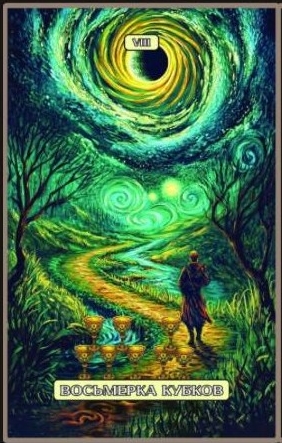
The Eight of Cups represents a journey towards deeper meaning, indicating a necessary farewell to comfort and familiarity when they no longer serve the heart. The card captures the essence of courageous departure and the complex emotions of regret and relief. It highlights the importance of following one's inner knowing, even when the path feels solitary. However, it also warns of the hesitation to embrace change, underscoring the risk of leaving unresolved issues behind or clinging to the familiar out of fear of the unknown.
Nine of Cups
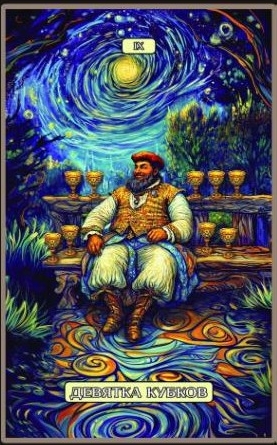
The Nine of Cups signifies a moment of emotional abundance and fulfillment, represented by a figure enjoying the fruits of his desires. It serves as a reminder to relish simple pleasures while being aware of the potential for complacency. When upright, it signifies wishes coming true and a sense of social ease. When reversed, it suggests that beneath the surface satisfaction, there may be unmet desires or overindulgence. Ultimately, it encourages generosity and self-reflection to ensure deeper connections beyond mere accomplishments.
Ten of Cups

The Ten of Cups represents happiness, harmony, and emotional fulfillment within family and community. It depicts a picturesque scene of joy, shelter, and belonging, symbolizing the beauty of shared experiences and contentment. However, it also serves as a reminder that such joy can be fragile, and underlying tensions may exist. The card urges an awareness of both the abundance in life and the need for authentic care to maintain harmony.
Page of Cups

The Page of Cups represents youthful curiosity and the exploration of emotions. It symbolizes new ideas, creative sparks, and invitations to explore one's heart. The card encourages a blend of gentle wonder and discipline, reminding us to express feelings authentically while also remaining grounded. It highlights the importance of balancing openness with experience to avoid naivety and emotional turmoil.
Knight of Cups

The Knight of Cups represents a messenger of romantic pursuit and creative longing, symbolizing emotional exploration and a journey guided by feelings. He brings invitations, heartfelt ideas, and a promise of aesthetic beauty, though there is a caution against idealism that lacks stability. This card encourages following one's heart in relationships and artistic endeavors while warning of the potential for unreliability in sentiments. Ultimately, it embodies the balance between romantic possibilities and the need for discernment to avoid disillusionment.
Queen of Cups

The Queen of Cups symbolizes deep emotion, empathy, and intuitive understanding. She embodies tenderness and creative imagination, utilizing her emotional intelligence to support and steady others. However, she also cautions against excessive sensitivity and losing personal boundaries. Maintaining clear emotional definitions while offering support is essential, encouraging both kindness in action and practical care.
King of Cups
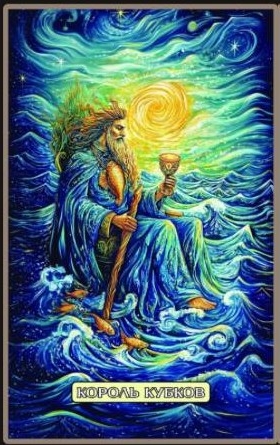
The King of Cups represents emotional maturity, wisdom, and compassionate leadership, embodying a steady presence amidst the tides of feeling. He encourages the management of one's emotions with care and generosity, guiding others with diplomacy and understanding. However, there is a warning against detachment or manipulation if his qualities are turned inward. Whether seen as an ally or a caution, he reminds you to be aware of your own emotional currents and to maintain kindness in your expressions.
Swords
Ace of Swords
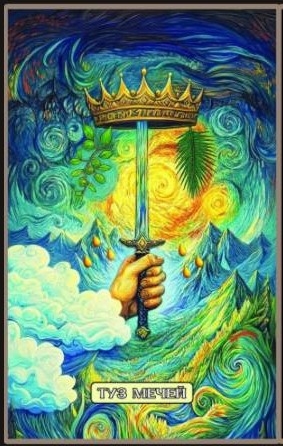
The Ace of Swords represents the birth of new ideas and clarity of thought, embedded in the power of truth and authority. The card signifies a moment of decisive communication and honest judgment that leads to possibilities and breakthroughs. However, with this clarity comes responsibility; it can either unite or divide depending on how it is wielded. When reversed, it warns of miscommunication and misuse of intellect, while also suggesting that overcoming setbacks can lead to deeper understanding. The key is to balance insight with compassion to foster connection rather than division.
Two of Swords

The Two of Swords represents a moment of inner conflict and a deliberate pause for reflection. The blindfolded woman symbolizes the need for intuition alongside reason, as she weighs her choices amidst stillness and protection. This card highlights the importance of honest assessment and acknowledges the risk of missed opportunities if avoidance takes over. Ultimately, it emphasizes finding balance between thought and feeling to make informed decisions that avoid recklessness or resignation.
Three of Swords
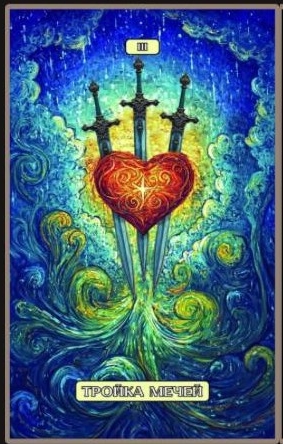
The Three of Swords symbolizes heartache, loss, and emotional clarity. It depicts a heart pierced by swords, representing the pain that accompanies sudden realizations or truths. While it signifies immediate grief, it also offers the promise of healing as time allows for understanding and compassion. The card suggests that acknowledging and processing pain is essential for eventual emotional recovery and growth.
Four of Swords

The Four of Swords invites a time of rest and contemplation, symbolizing the need for healing and mental clarity. It encourages a pause to collect thoughts and restore strength after battles. However, it also cautions against stagnation, urging one to balance necessary rest with readiness to rise and act when renewed. Attention to physical limits and restorative practices is essential for future success.
Five of Swords
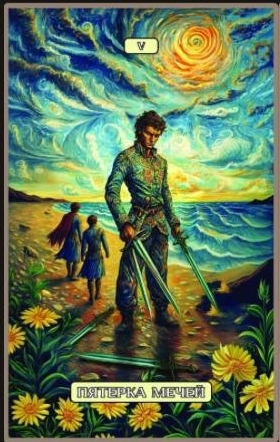
The Five of Swords depicts a lone man clutching swords while others retreat, symbolizing a conflict won but at a significant cost. It highlights the themes of victory intertwined with regret, warning against gloating and the hollowness of triumph that lacks reconciliation. The turbulent sky serves as a reminder that external success can mask inner turmoil. A key lesson is about boundaries and recognizing when it's wiser to surrender rather than pursue a petty victory, emphasizing the importance of honesty and humility for personal growth.
Six of Swords
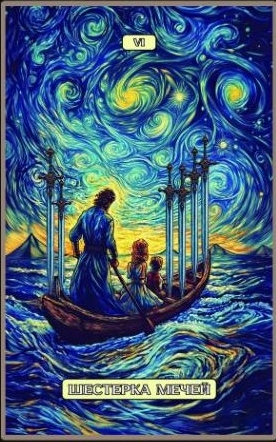
The Six of Swords depicts a crossing from troubled waters to calmer shores, symbolizing necessary transition and the relief of leaving something behind. It highlights a journey that can be burdensome, as evidenced by the swords representing unresolved issues. Upright, it signifies recovery, guidance, and travel, while reversed may indicate delays and lingering attachments to the past. The card emphasizes the importance of who guides you and what you carry along on this metaphorical voyage.
Seven of Swords

The Seven of Swords depicts a figure embodying both a strategist and thief, caught beneath a swirling night sky. This card symbolizes the balance between cleverness and cunning in navigating life's challenges, highlighting the importance of creative problem solving and discretion. However, it also warns of the moral weight of deceit and the potential consequences of evasion. Ultimately, it encourages reflection on whether one's actions enhance or undermine integrity, inviting the choice between continuing to flee or reconciling with one's responsibilities.
Eight of Swords

The Eight of Swords represents feelings of entrapment and limitation, often induced by circumstances or one's thoughts. The imagery of a bound woman surrounded by swords signifies the weight of fear and the sense of helplessness. However, the swords are mainly planted in the earth, suggesting that some obstacles are perceptual rather than absolute. By loosening the binds of stubbornness and questioning limiting beliefs, one can regain agency and discover new pathways forward.
Nine of Swords
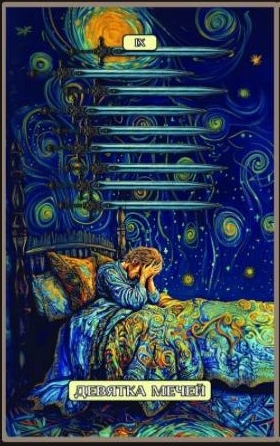
The Nine of Swords depicts the struggle with sleepless thoughts and anxiety that can plague the mind, often magnifying fears and sorrows. While upright, it reveals the need to confront these fears for healing, whereas reversed suggests a gradual release of burdens and the lightening of distress. This card emphasizes the importance of finding practical comforts and routines amidst sorrow. Ultimately, it urges compassionate reflection on one's inner turmoil and encourages seeking help to transform the oppressive weight of guilt into a path toward recovery and peace.
Ten of Swords
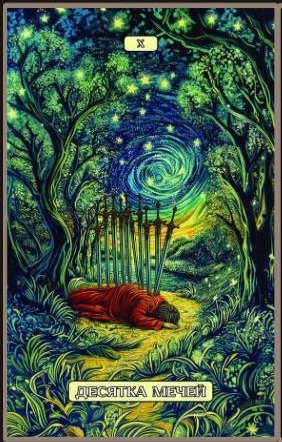
The Ten of Swords depicts a painful ending, symbolizing betrayal and the finality of a situation. It highlights the harsh truth that something irrevocable has occurred, leading to the necessity of acceptance and release from false duties. While resistance to this ending prolongs suffering, embracing it can open the path to recovery and transformation. This card emphasizes the importance of healing and moving forward after a dramatic fall.
Page of Swords

The Page of Swords represents a young figure filled with curiosity and quick intelligence. Standing on a hill, he wields his sword like a question, ready to engage with the world around him. His eagerness and adaptability help him navigate challenges, but there’s a potential for impatience and scattered thoughts. In reverse, the card advises a need for disciplined focus to ensure ideas are fully realized rather than superficially expressed.
Knight of Swords

The Knight of Swords signifies a powerful drive toward action and truth, characterized by swift thought and decisive communication. He embodies clarity and courage, pushing through hesitation, but this urgency can also lead to impatience and recklessness if left unchecked. This card encourages harnessing speed with strategy, advocating for a cause while maintaining awareness of the consequences of hasty actions. Balancing this energy allows for focused action, but failing to do so may result in dogmatism and unresolved issues.
Queen of Swords

The Queen of Swords embodies clarity, intelligence, and the transformative power of truth. She encourages a perspective that balances compassion with honesty, urging discernment in decision-making. While her sword can protect, it may also create emotional distance. The card serves as a reminder to temper truth with empathy to maintain humane insight.
King of Swords
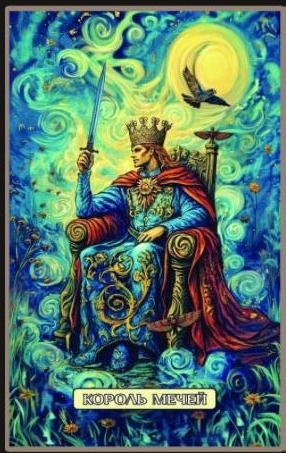
The King of Swords represents authoritative clarity, decisive planning, and principled counsel, embodying a fair and analytical mind. His presence encourages the use of intellect with ethics, promoting truthful speech and just actions in complex decisions. However, he also serves as a reminder of the potential for coldness and manipulation when intellect becomes rigid or domineering. The reversed position warns against arrogance and overthinking, reminding us to balance our analytical abilities with compassion and humanity.
Pentacles
Ace of Pentacles

The Ace of Pentacles symbolizes new beginnings in the material realm, offering opportunities for growth and prosperity. It represents the potential for tangible rewards through careful planning and stewardship. When upright, it encourages you to embrace new projects and partnerships that can lead to lasting abundance. However, if reversed, it warns against missed opportunities and the dangers of neglecting foundational aspects in pursuit of material gains.
Two of Pentacles

The Two of Pentacles represents the delicate balance of juggling responsibilities and adapting to life's constant changes. It symbolizes the rhythm amid chaos and the importance of flexibility and humor in managing various demands. When upright, it conveys resourcefulness and the ability to prioritize, while a reversal can indicate distraction and chaos from scattered attention. Ultimately, this card urges awareness of timing and the courage to simplify when life feels overwhelming.
Three of Pentacles

The Three of Pentacles represents collaboration, craftsmanship, and the importance of teamwork in achieving shared goals. It highlights the mastery of skills developed through training and the recognition gained from peers when efforts are aligned towards a common purpose. This card also serves as a caution against poor communication and ego clashes, emphasizing the need for humility and a return to foundational principles. Ultimately, it underscores that true value emerges from the dialogue between hands and minds, requiring patience, feedback, and mutual respect to build lasting structures.
Four of Pentacles

The Four of Pentacles illustrates a man holding onto his coins as a means of both protection and stability, revealing a complex relationship with material possessions. While it speaks to the careful stewardship of resources and the comfort of financial security, it simultaneously warns of the dangers of isolation and stinginess. The card encourages an honest reflection on whether the desire for control serves a life-affirming purpose or restricts growth. Acknowledge what truly matters, but consider the benefits of opening up to new opportunities.
Five of Pentacles

The Five of Pentacles depicts a scene of hardship, illustrating themes of material lack, exclusion, and companionship amidst struggles. It reflects financial strain, illness, and the feeling of loneliness in difficult times, while also reminding us that help and sanctuary may be closer than expected. The imagery suggests that while pride can hinder us from seeking aid, support can lead to recovery and rebuilding. It encourages awareness of those who stand with us and the importance of accepting small kindnesses as initial steps toward stability.
Six of Pentacles
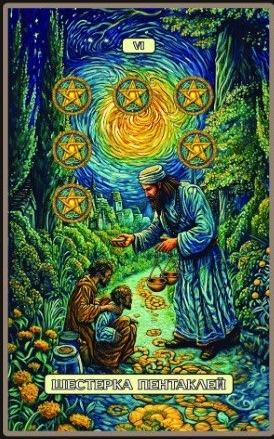
The Six of Pentacles symbolizes the dynamics of generosity, support, and the balance between giving and receiving. It depicts a well-dressed man extending aid to two ragged figures, reflecting the importance of measured generosity and fair exchange. This card highlights the potential for either uplifting or binding relationships, depending on the intentions behind the act of giving. It encourages you to consider who holds the balance in your life and to ensure that generosity fosters dignity rather than obligation.
Seven of Pentacles

The Seven of Pentacles represents a moment of reflection on the fruits of one's labor. It emphasizes the importance of patience, steady care, and realistic expectations in projects and relationships. This card invites you to celebrate your growth while also assessing if continued investment is wise. When reversed, it may indicate impatience or a need to reassess your efforts to avoid diminishing returns. Ultimately, it encourages honoring past labor and making informed choices about the future.
Eight of Pentacles

The Eight of Pentacles represents dedication to one's craft and the slow but steady journey toward mastery. It emphasizes the value of focused practice and the lessons learned through repetition, highlighting that improvement is achieved through careful, deliberate actions. However, it also cautions against becoming fixated on perfectionism, which can hinder joy and growth. Finding a balance between intense focus and broader purpose is essential for ongoing progress.
Nine of Pentacles

The Nine of Pentacles represents the fruits of labor, indicating a time of independence, material security, and cultivated luxury. It symbolizes satisfaction from well-made choices and celebrates the enjoyment of earned rewards. However, it also warns against the pitfalls of isolation and overattachment to possessions. The card encourages a balance between self-sufficiency and connection, urging you to appreciate what you have while remaining open to growth and support.
Ten of Pentacles

The Ten of Pentacles embodies themes of legacy, security, and the importance of family history. It represents the abundance that comes from shared resources and the strength of ancestral support, while also highlighting the burdens that wealth can impose. This card invites reflection on the balance between material stability and emotional connection, urging one to consider how inherited patterns impact future generations. Ultimately, it serves as a reminder to celebrate prosperity while also being mindful of the responsibilities that come with it.
Page of Pentacles

The Page of Pentacles symbolizes new beginnings and the pursuit of knowledge in practical matters. It represents a young individual eager to explore opportunities and take on responsibilities with a sense of curiosity and dedication. When upright, it encourages experimentation and methodical progress, while in reverse, it cautions against distractions and impatience that can hinder growth. Overall, it emphasizes the importance of grounding aspirations through steady effort and a commitment to learning.
Knight of Pentacles

The Knight of Pentacles represents responsibility, patience, and the diligent effort needed to turn small actions into significant outcomes. This card encourages a steady approach to work, emphasizing reliable labor and the importance of tending to what matters with commitment and discipline. However, it also serves as a warning against stubbornness and inertia, urging a balance between routine and innovation. The knight invites you to maintain your dedication while remaining open to opportunities for change and growth.
Queen of Pentacles
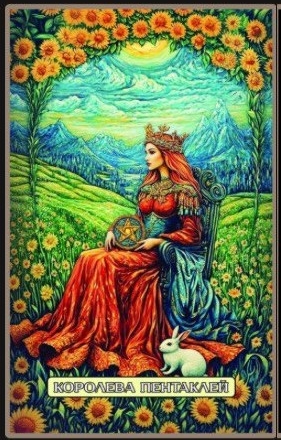
The Queen of Pentacles represents practical generosity, domestic skill, and a steady presence that transforms resources into comfort and beauty. She embodies the invitation to nurture projects, loved ones, and home with sensible care, but also warns of the dangers of overprotection and neglecting inner needs. This card emphasizes the importance of balance, suggesting that one should set gentle boundaries and care for themselves as they care for others. Prosperity is most effective when coupled with tenderness and clear-eyed practicality.
King of Pentacles

The King of Pentacles symbolizes stability, abundance, and wise stewardship of resources. He represents the mastery of practical skills and enjoying the pleasures of life while warning against the potential pitfalls of possessiveness and rigidity. His presence encourages an approach that balances strength with generosity, nurturing success through patience and prudent care. Whether upright or reversed, he invites a focus on integrity in managing one's resources, ensuring comfort does not become a constraint.
Reading Tips for Swirls of Light Tarot
This deck asks you to read with your body rather than your mind. The abstract imagery rewards sensation over analysis.
Feel before you think. When you turn a card, do not immediately try to name it or recall its meaning. Sit with the pattern of light for a breath. Notice where in your body you feel a response — chest, stomach, throat, hands. That physical sensation is the card’s message landing.
Use the color as your guide. Without representational imagery, color becomes the primary language. Warm hues carry active, expansive energy; cool hues carry receptive, reflective energy. The intensity and distribution of color within each card tells you how that energy behaves.
Read for energy, not events. Swirls of Light Tarot excels at revealing the emotional and energetic quality of a situation rather than predicting specific outcomes. Ask questions like “What energy am I carrying?” or “What frequency does this relationship vibrate at?” and the deck will meet you with precision.
Combine with meditation. Choose a card and gaze softly at the light pattern for five minutes. Let your eyes relax and the swirls become a focal point for meditation. This deck was made to be experienced as much as read — and the meditative approach often unlocks meanings that analytical reading misses.
Frequently Asked Questions
How many cards are in Swirls of Light Tarot?
Swirls of Light Tarot contains 78 cards: 22 Major Arcana and 56 Minor Arcana divided into four suits — Wands, Cups, Swords, and Pentacles — each running from Ace through King.
Who created Swirls of Light Tarot?
The deck was created by the artist collective known as Swirls of Light. Their approach translates tarot archetypes into luminous, abstract energy patterns rather than representational figures.
What makes Swirls of Light Tarot special?
Instead of human figures and traditional scenes, this deck uses swirling patterns of light, color, and energy to express each card's meaning. It bypasses the intellectual mind and speaks directly to the part of you that perceives energy, mood, and emotional frequency.
Is Swirls of Light Tarot good for beginners?
It works best for intuitive readers or beginners willing to trust their emotional responses over memorized meanings. The abstract style removes the safety net of familiar imagery and invites you to feel each card rather than decode it.