Tarot and Herbalism: Plants and Potions for Each Major Arcana Card
The green language of the cards
Long before tarot decks existed, people read plants. They read them for medicine, for magic, for guidance about the seasons and the spirit world. Herbalism is one of humanity’s oldest practices — a living language of roots, flowers, leaves, and bark that carries meaning as rich and layered as any card spread.
Tarot and herbalism grew from the same soil: the Western esoteric tradition, where everything is connected through correspondence. The same planetary energies that rule the Major Arcana also rule specific plants. The same elemental forces that define the four suits flow through botanical families.
This isn’t about replacing one practice with the other. It’s about letting them speak to each other — using a plant’s energy to deepen your experience of a card, or a card’s archetype to understand why a certain herb has always called to you.
How to use herbs in your tarot practice
Before we pair every card with a plant, here are four ways to bring herbalism into your readings:
Brew a reading tea. Choose a herb that matches your reading’s intention. Drink it while you shuffle and read. Chamomile for emotional questions, peppermint for clarity, rosemary for memory and past-life work.
Create a reading sachet. Fill a small cloth bag with dried herbs that support your practice — mugwort for intuition, lavender for calm, rose petals for heart-centered readings. Keep it with your deck.
Burn as incense. Dried herbs on a charcoal disc or in a fireproof bowl. Rosemary purifies the reading space. Mugwort opens psychic channels. Cedar grounds heavy energy.
Place on the spread. After laying out cards, place a small sprig or pinch of dried herb on a card you want to amplify or understand better. The physical presence of the plant creates a sensory anchor for your interpretation.
Herbal allies of the Major Arcana
0 — The Fool
Herb: Peppermint Why: Peppermint is fresh, stimulating, and clears the mind for new experiences. The Fool steps into the unknown with a clear head and an open heart — peppermint’s awakening energy matches that perfectly.
I — The Magician
Herb: Cinnamon Why: Cinnamon is a catalyst — it amplifies the power of anything it’s combined with. The Magician channels and amplifies universal energy into focused creation. Both are about making things happen through directed will.
II — The High Priestess
Herb: Mugwort Why: Mugwort is the diviner’s herb, used for centuries to enhance dreams, visions, and psychic perception. The High Priestess guards the threshold between conscious and subconscious — mugwort helps you cross it.
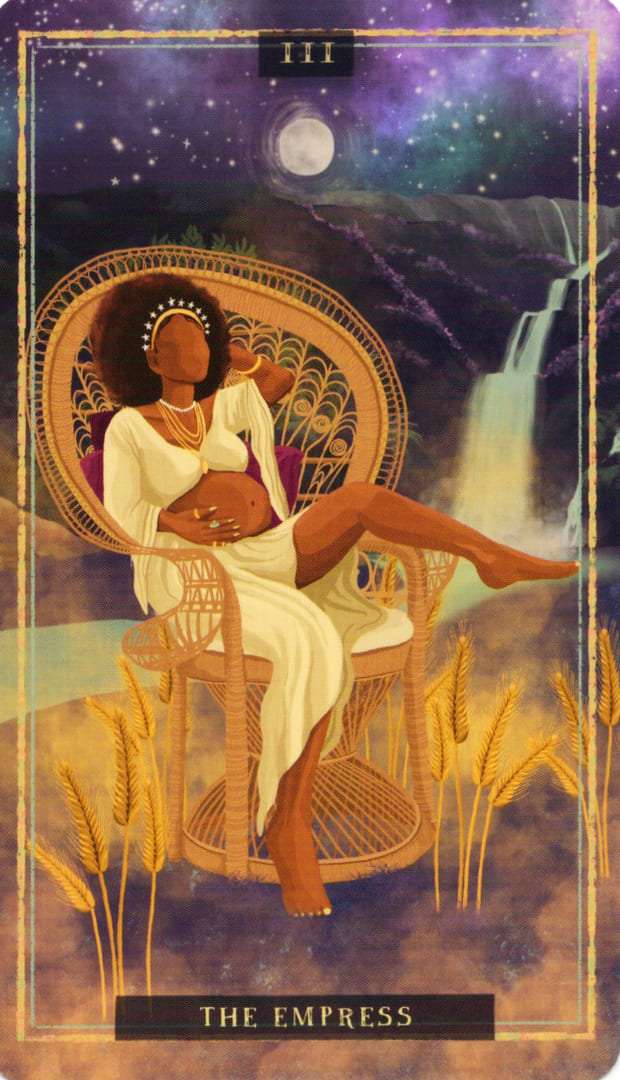
III — The Empress
Herb: Rose Why: Rose is the queen of all flowers — love, beauty, fertility, and sensual abundance in botanical form. The Empress is this energy in human form. Rose tea, rose oil, rose petals on the reading cloth — any form works.
IV — The Emperor
Herb: Ginger Why: Ginger is warming, strengthening, and commanding — it takes over any blend it’s part of, just as the Emperor takes command of any situation. It’s also grounding, connecting power to the physical body.
V — The Hierophant
Herb: Sage Why: Sage is the herb of wisdom — its very name comes from the Latin “salvare,” to save or heal. The Hierophant preserves sacred knowledge; sage preserves sacred space. Both are teachers.
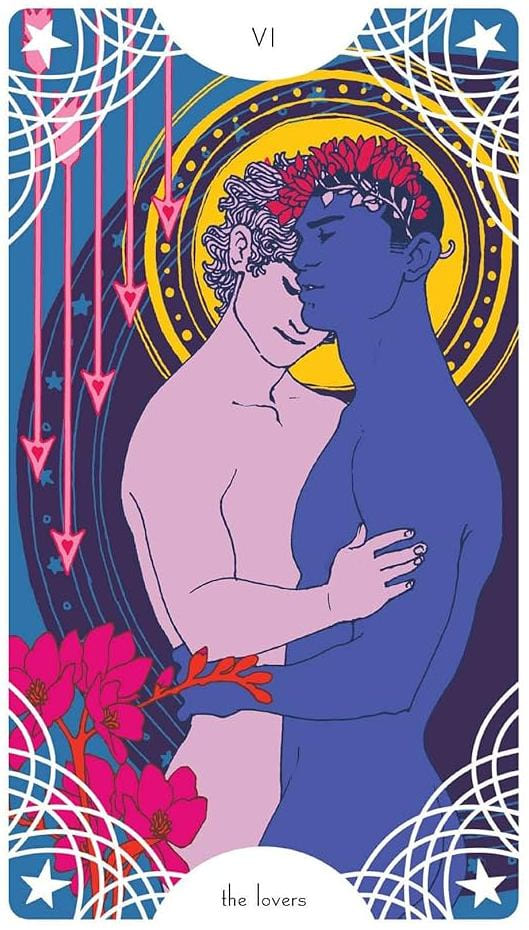
VI — The Lovers
Herb: Jasmine Why: Jasmine blooms at night and fills the darkness with intoxicating sweetness. It’s the herb of romantic love, attraction, and the vulnerability of opening your heart to another person. The Lovers’ energy made botanical.
VII — The Chariot
Herb: Bay laurel Why: Victors wore laurel wreaths. Bay laurel is the herb of triumph, willpower, and protection on the journey. The Chariot moves forward through opposing forces — bay laurel keeps the driver crowned with success.
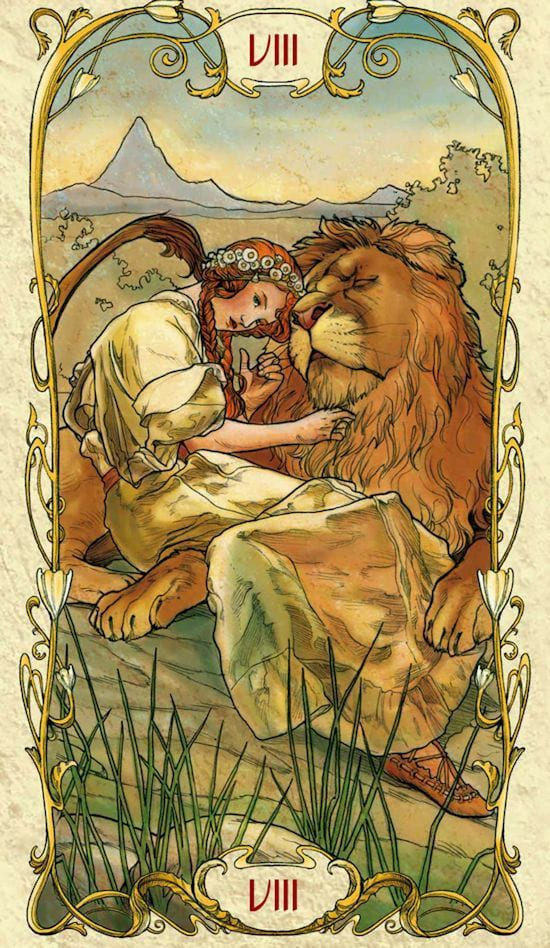
VIII — Strength
Herb: Chamomile Why: Chamomile is gentle but powerful — it calms anxiety, soothes inflammation, and brings peace without sedation. Strength in the tarot isn’t brute force; it’s the gentle hand on the lion’s jaw. Chamomile is that hand in herbal form.
IX — The Hermit
Herb: Frankincense Why: Frankincense has been burned in temples, monasteries, and meditation spaces for millennia. It’s the scent of solitary spiritual practice — the exact territory of the Hermit. Burn it when you need to go inward.
X — Wheel of Fortune
Herb: Dandelion Why: Dandelion is everywhere, adapts to anything, and its seeds scatter on the wind to take root wherever fortune carries them. It’s the weed that refuses to be suppressed — resilient, cyclical, and perpetually transforming.
XI — Justice
Herb: Thyme Why: Thyme was used in ancient courts and temples as a purifying herb associated with truth and courage. Justice demands honesty; thyme supports the courage needed to face truth and act on it.
XII — The Hanged Man
Herb: Blue lotus Why: Blue lotus is the herb of surrender, altered perspective, and spiritual insight gained through letting go. The Hanged Man sees the world upside down and discovers wisdom in the inversion — blue lotus facilitates that shift.
XIII — Death
Herb: Myrrh Why: Myrrh has been used in funeral rites across cultures for thousands of years. It’s the herb of transition, preservation, and honoring what has passed. Death in tarot is transformation — myrrh helps you grieve what’s ending so the new can begin.
XIV — Temperance
Herb: Lavender Why: Lavender balances — it calms without sedating, uplifts without stimulating. It’s the great harmonizer of the herbal world, matching Temperance’s art of blending opposites into something whole.
XV — The Devil
Herb: Black pepper Why: Sharp, intense, and impossible to ignore. Black pepper stimulates and confronts — it makes you pay attention. The Devil demands you look at your shadow, your attachments, your chains. Black pepper cuts through the fog of denial.
XVI — The Tower
Herb: Nettle Why: Nettle stings on contact — a sharp, sudden pain that actually carries deep nourishment (nettle is one of the most nutritious plants on Earth). The Tower destroys and rebuilds. Nettle burns and then feeds you.
XVII — The Star
Herb: Lemon balm Why: Lemon balm is the herb of gentle hope — it lifts spirits, calms anxiety, and creates a sense of peaceful possibility. After the Tower’s destruction, the Star offers healing. Lemon balm is that first sip of calm after the storm.
XVIII — The Moon
Herb: Passionflower Why: Passionflower calms the racing mind and brings vivid dreams. The Moon card is the landscape of the subconscious — dark, shifting, full of things half-seen. Passionflower helps you navigate that territory without drowning in anxiety.
XIX — The Sun
Herb: St. John’s Wort Why: Named for the summer solstice (St. John’s Day), this herb literally captures sunlight and turns it into medicine for darkness (it’s used for mild depression). The Sun card is joy, vitality, and the triumph of light. Same energy.
XX — Judgement
Herb: Angelica Why: The name says it all — angelica is the herb of higher calling, spiritual awakening, and the moment of reckoning when you hear the trumpet and choose to rise. Judgement’s energy in root form.
XXI — The World
Herb: Basil Why: Basil is sacred across cultures — in Hinduism (tulsi), in Mediterranean folk magic, in African spiritual traditions. It represents wholeness, prosperity, and sacred completion. The World card is the dance of fulfillment, and basil blesses that dance.
Herbs for the four suits
| Suit | Element | Key herbs |
|---|---|---|
| Wands | Fire | Cinnamon, ginger, cayenne, rosemary, bay laurel |
| Cups | Water | Chamomile, rose, jasmine, lemon balm, passionflower |
| Swords | Air | Peppermint, lavender, eucalyptus, thyme, sage |
| Pentacles | Earth | Basil, dandelion, nettle, comfrey, patchouli |
Starting simple
You don’t need a herb garden or an apothecary cabinet. Start with what you have in your kitchen:
- Chamomile tea before emotional readings
- Peppermint tea before readings requiring mental clarity
- A cinnamon stick near your deck for amplified intention
- Dried rosemary sprinkled on your reading cloth for purification
The plants have been waiting for you to notice them. They’ve been carrying the same archetypes the cards carry — just in a different language. Now you speak both.
Frequently Asked Questions
How are herbs and tarot connected?
Both tarot and herbalism work with archetypal energies. The Empress carries the energy of abundance and fertility — the same energy as basil, rose, and raspberry leaf. The Moon card deals in dreams and the subconscious — like mugwort and jasmine. These aren't arbitrary connections; they come from centuries of folk traditions where the same symbolic language was used for both plants and divination.
How do I use herbs during a tarot reading?
The simplest way: brew a tea from a herb that matches your reading's intention and drink it while you read. Peppermint for mental clarity, chamomile for emotional readings, rosemary for memory and past-life work. You can also burn herbs as incense, place dried herbs on your reading cloth, or keep a small sachet near your deck. The key is intentional pairing, not elaborate ritual.
Which herbs are best for enhancing tarot intuition?
Mugwort is the classic choice — it's been associated with divination and prophetic dreams for centuries. Lavender calms the mind and opens intuitive channels. Blue lotus (as tea) is traditionally linked to visionary states. Rosemary improves mental clarity and memory. Any of these used before or during a reading can help sharpen your intuitive perception.
Do I need to know herbalism to combine it with tarot?
No. Start simple — brew a cup of chamomile tea before a reading and notice if it changes the quality of your experience. That's tarot herbalism at its most basic. You can go deeper over time, learning about planetary correspondences and folk traditions, but even basic awareness of which herbs carry which energies adds richness to your practice.