What is Tarot? A Beginner's Guide to Cards, Meanings, and Your First Reading
I remember the first time I held a tarot deck — I was in my twenties and had absolutely no idea what I was looking at. Who are all these people? Why does Death not mean death? And the big one: how can shuffled cards possibly “know” anything?
If you’re at that same starting point right now — good. You’re in the right place.
Tarot isn’t fortune-telling (not really)
Let’s clear up the biggest misconception first. Tarot isn’t a crystal ball that reveals a fixed future. And it’s not a magical tool that only works for “gifted” people.
Tarot is a system of 78 cards filled with symbols and images that mirror the full range of human experience. Joy, loss, decisions, fear, love, change — it’s all in the deck. When you draw a card and look at it, the image helps you notice something you already know but haven’t consciously processed yet.
Essentially, tarot is a mirror. A very beautiful and surprisingly accurate one.
A brief history
The first tarot cards appeared in 15th-century Italy — and they were just playing cards for the nobility. The Visconti-Sforza deck (around 1440) is one of the oldest that survives today.
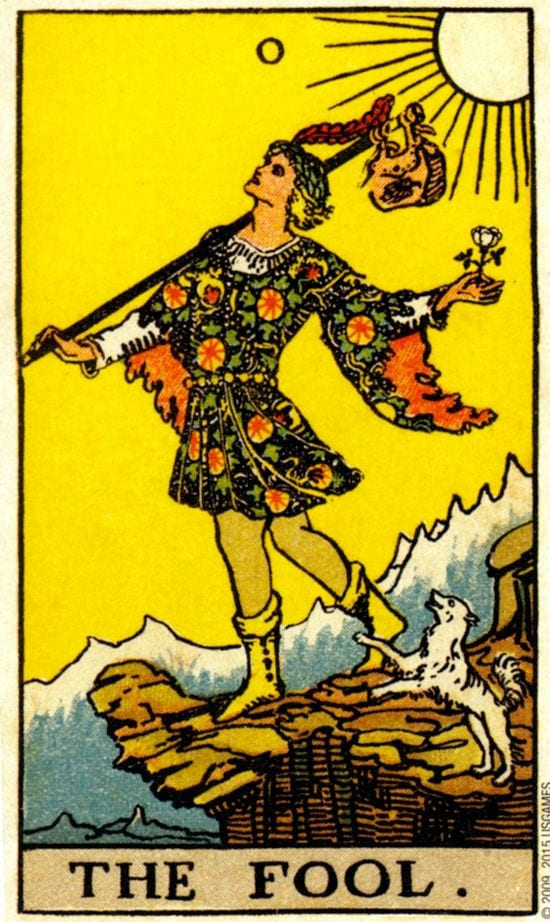
It wasn’t until the 18th century that mystics began finding esoteric meaning in the cards, connecting them to Kabbalah, astrology, and spiritual practices. The famous Rider-Waite-Smith deck you’ve probably seen — the one with the yellow backgrounds and detailed illustrations — came out in 1909. It became the foundation for most modern tarot decks.
What’s in a tarot deck
A standard tarot deck has 78 cards split into two groups.
The Major Arcana (22 cards)
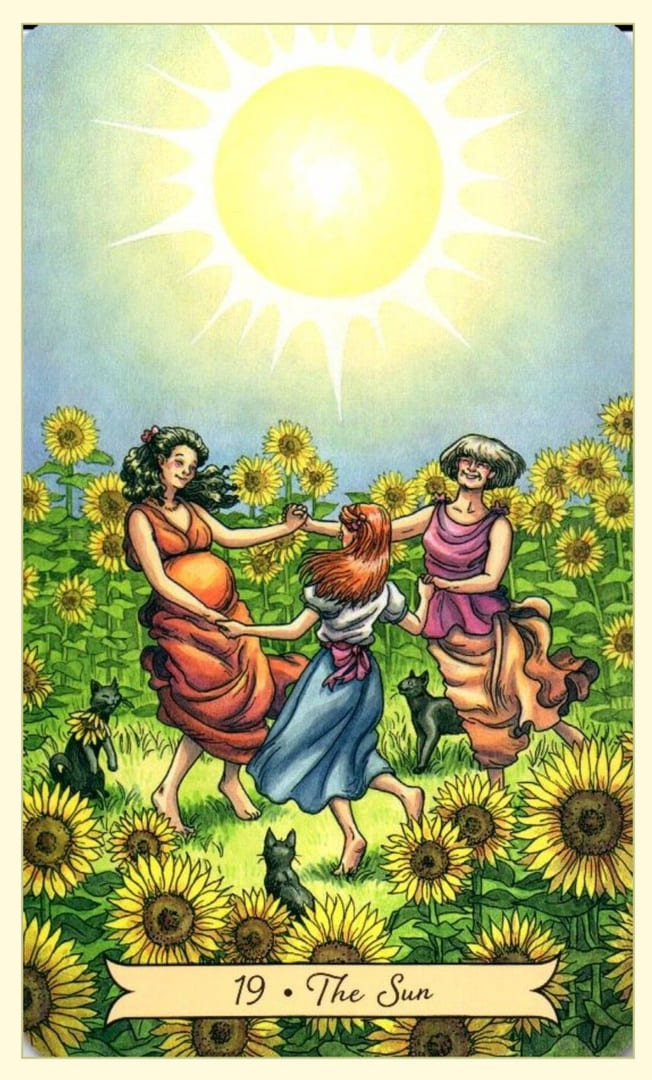
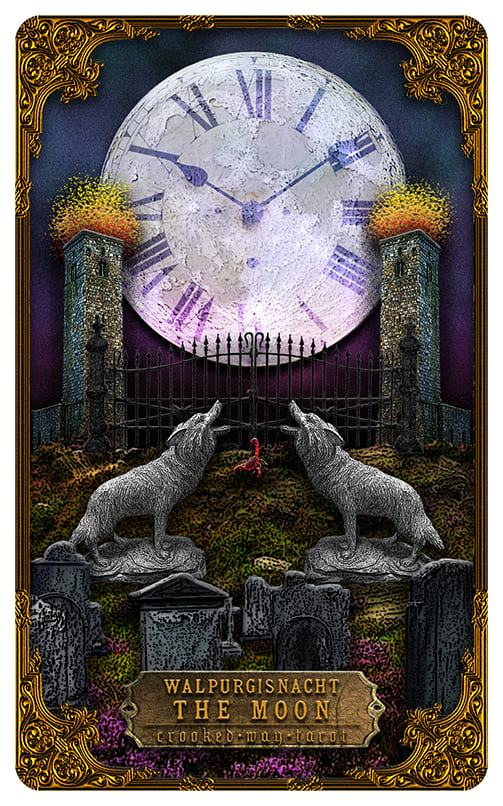
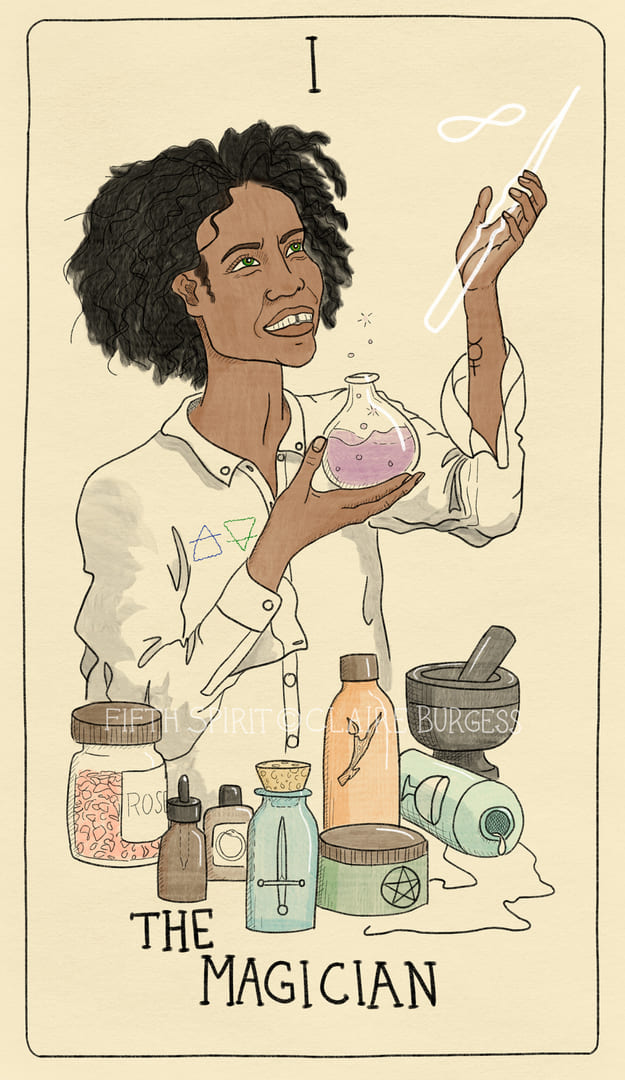
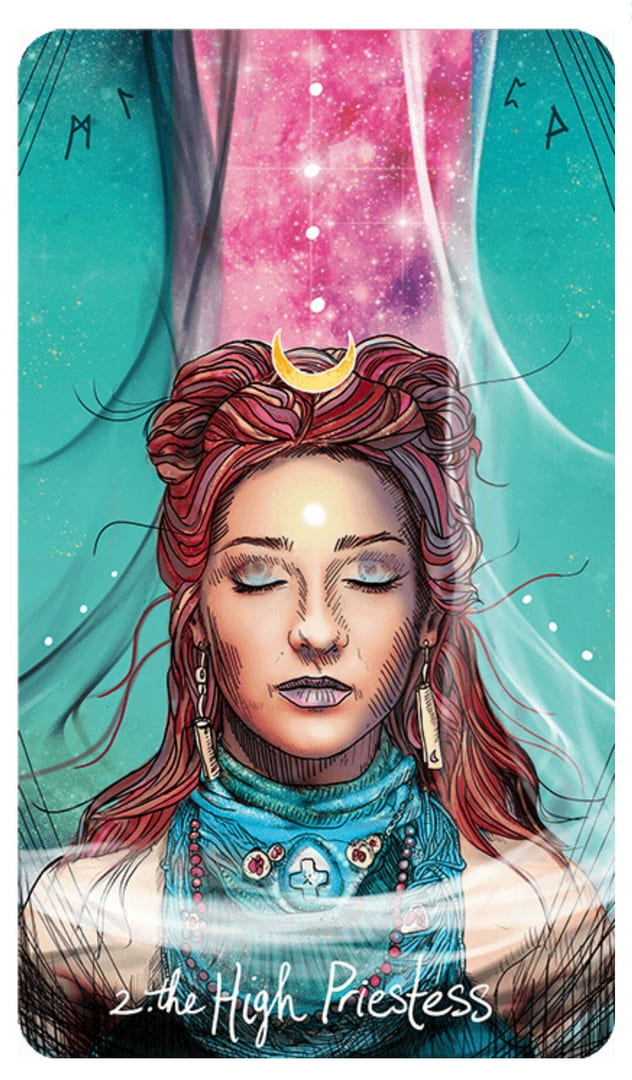
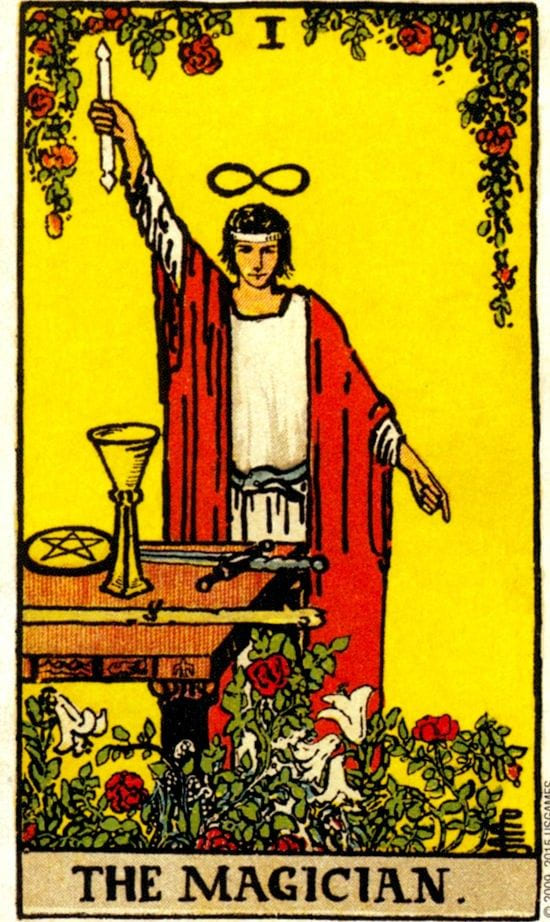
These are the “famous” cards: The Fool, The Magician, The High Priestess, The Empress, The Wheel of Fortune, The Tower, The Star, The Moon, The Sun… Each one represents a major life lesson or turning point.
When a Major Arcana card shows up in your reading, pay close attention. It’s speaking to something significant — not small stuff.
The Minor Arcana (56 cards)
Four suits, each with 14 cards (Ace through King):
- Cups — emotions, relationships, feelings, intuition
- Wands — creativity, energy, passion, action
- Swords — thoughts, communication, truth, conflict
- Pentacles — money, work, the body, material world
The Minor Arcana is everyday life. Situations we encounter daily. If the Major Arcana are the chapters of a book, the Minor Arcana are the sentences and paragraphs.
How does it actually work?
This is probably the most common question. How can cards I shuffled randomly mean anything?
There are different perspectives. Some believe in synchronicity — Jung’s concept that external events mirror internal states. Others think it’s the subconscious at work: you see in the card what you already feel but can’t articulate. And some people just say: “I don’t know how, but it works” 😊
After years of practice, I’ve come to a simple conclusion: it doesn’t matter that much why it works. What matters is that the cards help you ask yourself the right questions and see your situation from a different angle.
Tarot doesn’t predict a fixed future. It shows tendencies, energies, and possibilities. You create your own future.
Getting started: 4 simple steps
1. Choose a deck
The classic is the Rider-Waite-Smith (Smith-Waite). The illustrations are clear, easy to learn from, and most books reference it. But if you’re drawn to a different deck — go with what resonates. Your connection to the deck matters more than “correctness.”
2. Start with one card a day
No need to jump into a 10-position Celtic Cross right away. Every morning, draw one card and ask: “What do I need to know today?” In the evening, come back to it and reflect — how did the card show up in your day?
3. Keep a journal
Write down the date, your question, the card, and your first associations. After a month, you’ll see your understanding growing. You’ll also notice cards that keep coming back to you — those are your “working” cards.
4. Trust yourself
Book meanings are a starting point, not a rulebook. If a card stirs a specific feeling that doesn’t match the “official” meaning — trust your gut. Tarot is a dialogue, not a test.
Common fears
“What if I get Death/The Tower/The Devil?” — These cards scare beginners only. Death is about transformation and letting go of the old. The Tower is about unsustainable structures crumbling to make room for something real. The Devil is about addictions and illusions you’re ready to release.
“Do I need special abilities?” — No. Tarot is a skill that develops with practice. Like a musical ear or learning to cook. The more you work with the cards, the deeper you understand their language.
“Can I read for myself?” — Absolutely. Most tarot readers started by reading for themselves. One tip: ask open questions. Not “will I get married?” but “what do I need to know about my relationships right now?”
Try it right now
Here’s a simple exercise you can do even without a physical deck.
Look at The Fool card above in this article. What do you see? What feelings does the image evoke? Where is this person going? What’s in their bag? Why is the dog there?
Write down your thoughts. Then look up The Fool’s meaning — you’ll be surprised how much you already understood intuitively.
Frequently Asked Questions
What is tarot and how does it work?
Tarot is a system of 78 illustrated cards that mirror the full range of human experience. When you draw a card, its imagery helps you notice something you already know but have not consciously processed. Most readers see it as a tool for self-reflection rather than literal fortune-telling.
How many cards are in a tarot deck?
A standard tarot deck has 78 cards: 22 Major Arcana representing major life themes and turning points, and 56 Minor Arcana divided into four suits (Cups, Wands, Swords, Pentacles) representing everyday situations and energies.
Do you need special abilities to read tarot?
No. Tarot does not require psychic gifts — it requires curiosity, practice, and willingness to reflect honestly. Anyone can learn to read tarot. The cards work by prompting you to look at your situation from a different angle, which anyone can do.
What is the best tarot deck for beginners?
The Rider-Waite-Smith (also called Smith-Waite) deck is the most recommended starting point. Its fully illustrated scenes make intuitive interpretation easier, and the vast majority of tarot books and guides use it as their reference.
How long does it take to learn tarot?
With daily one-card practice, most people gain real confidence within 2-3 months. Full fluency — reading multi-card spreads without a reference guide — typically takes 6-12 months of consistent practice. You can do meaningful readings much sooner than that.