How Hollywood Gets Tarot Wrong: Debunking Movie and TV Myths
The scene you’ve watched a hundred times
A mysterious figure in a dark room. Candlelight. A deck of oversized cards spread on a velvet table. The querent reaches for a card. The reader’s eyes go wide. Close-up on the Death card. Ominous music.
You know this scene. Every horror movie, every thriller, every supernatural drama uses some version of it. And almost everything about it is wrong — from the atmosphere to the cards to the reading itself.
Hollywood doesn’t just misrepresent tarot. It has created an entire mythology around it that has almost nothing to do with how tarot actually works. These myths are so persistent that most people’s first understanding of tarot comes from fiction rather than reality.
Let’s dismantle them.
Myth 1: The Death card means death
This is the big one. It’s so embedded in popular culture that people who have never touched a tarot deck “know” that pulling the Death card means someone’s going to die.
The reality: The Death card (XIII) represents transformation, endings, and transition. It’s about things ending so new things can begin — a relationship concluding, a career changing, an old identity being shed. It’s the card of the caterpillar becoming a butterfly, not the card of the grim reaper.
In practice, readers see the Death card regularly. It’s one of 78 cards — it comes up roughly once every 78 draws. When it appears, experienced readers don’t gasp. They ask: “What’s transforming in your life right now?”
The irony is that the Death card is often welcome in a reading. If you’re stuck in a situation that needs to end, Death arriving is the cards saying: the change you need is already underway.
Myth 2: Tarot predicts a fixed future
In movies, a tarot reading reveals what will happen, and the rest of the plot is the character trying (and failing) to avoid that fate. The reading is prophecy. The future is sealed.
The reality: Most modern tarot practitioners don’t believe in a fixed, predetermined future. Tarot shows patterns, tendencies, and likely outcomes based on current energies. It’s more like a weather forecast than a prophecy — “conditions are favorable for rain” is not the same as “it will definitely rain.”
This is an important philosophical distinction. If the future were truly fixed, tarot readings would be pointless — why seek guidance about something you can’t change? The value of tarot is precisely that it illuminates possibilities and helps you make better choices.
Myth 3: The reader is always a mysterious outsider
Hollywood tarot readers are invariably old women in shawls, sitting in dimly lit parlors decorated with crystals and skulls. They speak in cryptic warnings. They are outsiders — marginal figures who exist at the edges of normal society.
The reality: Modern tarot readers are librarians, software engineers, therapists, students, stay-at-home parents, and retirees. They read in coffee shops, living rooms, and on video calls. They wear jeans and hoodies. They explain things clearly because a reading that the querent can’t understand is a failed reading.
The “mysterious fortune-teller” stereotype is rooted in centuries of prejudice against Romani people and other marginalized communities. It’s not just inaccurate — it perpetuates harmful cultural stereotypes while simultaneously making tarot seem inaccessible to ordinary people.
Myth 4: One card tells the whole story
Movies love the dramatic single card reveal. One card is drawn. It tells you everything. The reading is complete.
The reality: Professional readings typically use multiple cards in structured layouts called spreads. A Celtic Cross uses ten cards. Even a simple three-card spread uses three. Each position in the spread has a specific meaning (past, present, future, or obstacle, advice, outcome), and the cards interact with each other.
A single card draw can be meaningful — many readers do a daily single-card pull for reflection. But it’s a starting point for contemplation, not a complete reading. The richness of tarot comes from seeing how multiple cards relate to each other within a spread.
Myth 5: Reversed cards are always bad
When a movie shows a card appearing upside down, dramatic music swells. The reversed card is always worse than the upright one. It’s the “dark version.”
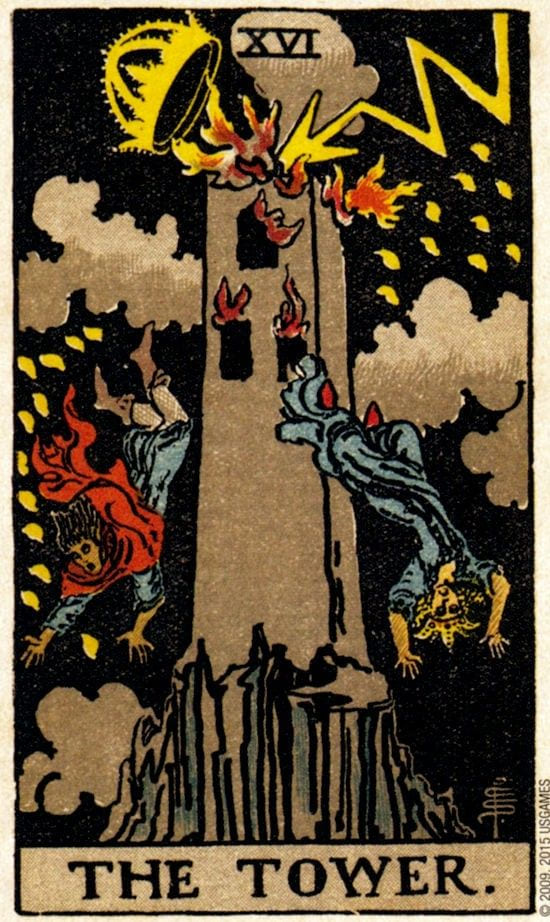
The reality: Not all readers even use reversals. Those who do interpret them in various ways — as blocked energy, internalized qualities, lessened intensity, or the shadow side of the card’s meaning. A reversed Sun might mean delayed joy, not catastrophe. A reversed Tower might mean internal upheaval rather than external crisis.
Some readers argue that reversed cards actually soften difficult meanings. The Ten of Swords reversed (sometimes interpreted as “the worst is over”) can be more welcome than the Ten of Swords upright.
Myth 6: Tarot is dangerous
Horror films especially love this one. The tarot reading opens a portal. The cards summon something. Bad things happen because someone dared to look into the future.
The reality: Tarot cards are printed cardboard. They don’t summon anything, open portals, or attract negative energy. They’re a tool for reflection and self-understanding, like journaling or therapy.
The “tarot is dangerous” myth has roots in religious opposition to divination. Various religious traditions have historically condemned fortune-telling practices, and Hollywood has translated this condemnation into supernatural horror. But the danger was always theological, not supernatural — the concern was about sin, not demons.
Myth 7: You need psychic powers to read tarot
Movies present tarot reading as a supernatural gift. The reader has “the sight.” They channel spirits. The cards are merely a focus for their extraordinary psychic abilities.
The reality: Tarot is a skill, not a superpower. It can be learned by anyone willing to study the symbolism, practice reading, and develop their interpretive abilities. Some readers describe their process as intuitive, but intuition isn’t psychic power — it’s the brain’s ability to process patterns and information quickly.
You don’t need to be “gifted” to read tarot. You need to be curious, willing to learn the symbolic language, and brave enough to sit with uncertainty. That’s it.
What Hollywood gets right (almost)
To be fair, movies get a few things approximately right:
The atmosphere matters. While you don’t need candlelight and velvet, many readers do create a calm, focused space for readings. Reducing distractions helps both reader and querent concentrate.
The cards are powerful. Not supernaturally powerful, but psychologically powerful. A good reading can genuinely change how someone sees their situation. The images work on the subconscious in ways that conversation alone sometimes can’t.
There’s something mysterious about it. Not in the spooky sense, but in the genuine sense — the experience of shuffling cards and having them reflect your situation with uncanny accuracy is something that continues to surprise even experienced readers.
Why the myths persist
Hollywood myths about tarot persist because they’re dramatically useful. A fixed future creates tension. A death prediction creates stakes. A mysterious reader creates atmosphere. These are storytelling tools, and they work as storytelling tools.
The problem is that people mistake the storytelling for reality. And that creates a barrier — people who might benefit from tarot stay away because they think it’s spooky nonsense, while people who do try it bring expectations that set them up for disappointment.
The real tarot is less dramatic than the movie version. It’s also more useful, more accessible, and more interesting. No candles required.
Frequently Asked Questions
Does the Death card mean someone will die?
No. The Death card represents transformation, endings, and major change — not physical death. In a reading, it typically means something in your life is ending so something new can begin. A relationship, a job, a phase of life, an old identity. Hollywood loves using the Death card as a dramatic death omen, but no experienced reader interprets it that way.
Can tarot predict the future?
Tarot doesn't predict a fixed, unavoidable future the way movies portray it. Most readers view tarot as showing likely outcomes based on current energies and patterns — trajectories, not certainties. You always have free will to change course. A reading shows where you're headed, not where you're locked into going.
Are tarot readers psychics?
Some identify as psychic, but most modern tarot readers work with symbolism, intuition, and psychological insight rather than claiming supernatural powers. A good reading doesn't require the reader to be 'psychic' — it requires skill in interpreting the cards' symbolism and applying it meaningfully to the querent's situation.
Is the Tower card always bad?
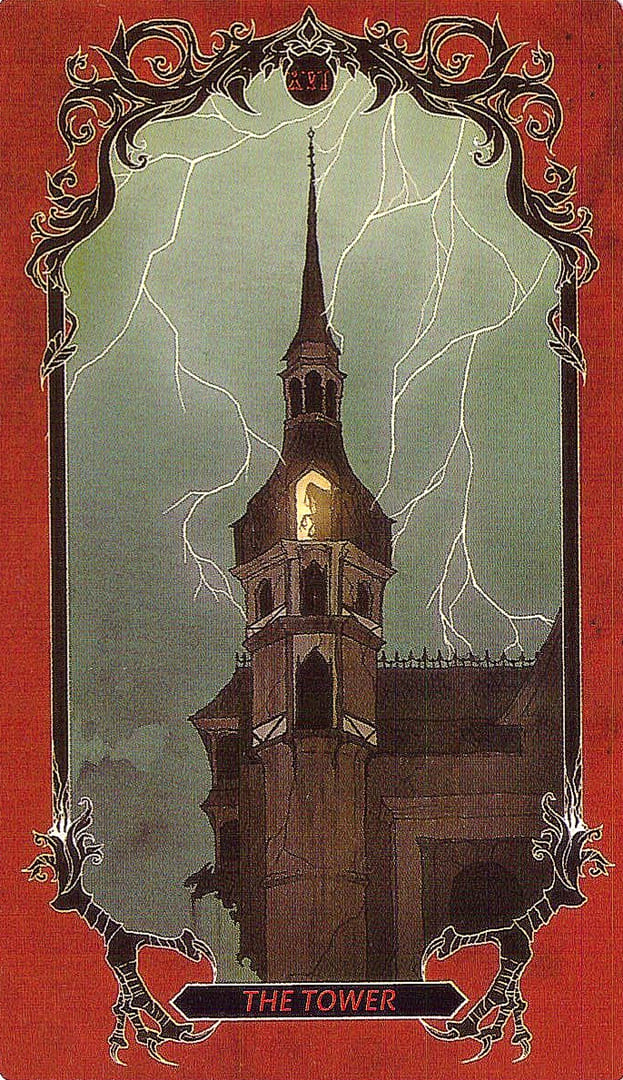
The Tower represents sudden disruption and the collapse of structures that weren't built on solid ground. It's uncomfortable, but it's not 'bad' — it's often necessary. In movies, the Tower is pure disaster. In reality, many readers consider it one of the most liberating cards because it clears away what was already unstable, making room for something authentic.