Using Tarot for Mindfulness: How a Daily Pull Can Ground You
The two-minute practice that changed my mornings
I used to wake up and immediately reach for my phone. Emails, messages, news — the world pouring into my brain before I’d even opened both eyes. It left me reactive before the day had technically started.
Then I moved my tarot deck to my nightstand.
Now the first thing I touch in the morning isn’t a screen. It’s a deck of cards. I shuffle for about thirty seconds — long enough for my hands to wake up and my mind to quiet down — and I pull one card. I look at the image. I sit with whatever feeling it brings. Sometimes I write a sentence in my journal. Sometimes I just nod and get up.
The whole thing takes two minutes. It has changed my relationship with my own mind more than any meditation app ever did.
What mindfulness actually means (and why tarot fits)
Mindfulness isn’t about emptying your mind. It’s about noticing what’s in there without immediately reacting to it. Observing your thoughts instead of being dragged by them. Creating a tiny gap between stimulus and response.
A daily tarot pull does this naturally. Here’s why:
It forces a pause. Between reaching for the deck and looking at the card, there’s a moment of stillness. You’re not consuming content. You’re not producing anything. You’re just present with a question and an image. In a world designed to keep you scrolling, that pause is radical.
It gives you something to focus on. One of the hardest parts of meditation is the lack of an anchor. Your mind wanders because there’s nothing to hold it. A tarot card is a visual anchor — rich with symbols, colors, figures, and stories. Your attention has somewhere to land.
It mirrors your inner state. Whatever you’re feeling — anxiety, hope, exhaustion, excitement — affects which details of the card you notice first. The same card looks different on a Monday morning when you’re dreading work versus a Saturday morning when you’re rested. The card hasn’t changed. You have. Noticing that is mindfulness.
It replaces judgment with curiosity. Instead of waking up and immediately evaluating your life (Am I productive enough? Am I behind? What do I need to fix?), you wake up and ask a question: What’s here today? That shift from evaluation to observation is the entire practice.
How to build a daily pull practice
The setup
You need three things: a deck, a flat surface, and sixty seconds.
That’s it. You don’t need a special cloth, a crystals arrangement, or incense. Those things are lovely if you enjoy them, but they’re not requirements. The simpler your setup, the more likely you are to do it every day. The goal is removing friction, not adding ceremony.
Keep your deck somewhere you’ll see it first thing. Nightstand, kitchen counter next to the coffee maker, bathroom shelf. Wherever your morning begins, that’s where the deck lives.
The pull
-
Breathe. Three breaths. Inhale through your nose, exhale through your mouth. This isn’t meditation — it’s a signal to your nervous system that you’re shifting from autopilot to awareness.
-
Shuffle. No technique required. Overhand, riffle, smoosh them around on the table — whatever feels right. Shuffle until your hands want to stop. You’ll feel it.
-
Ask. Not a specific question (unless you want to). Something open: What do I need to notice today? What energy is present? What’s asking for my attention?
-
Pull. One card. From anywhere in the deck. Don’t second-guess. Don’t put it back and pick another one.
-
Look. Before reading any meaning, look at the image for at least ten seconds. What do you see? What’s the first thing your eye lands on? What feeling does it create in your body?
-
Sit. Thirty seconds of just being with whatever the card brought up. No analysis yet. Just feeling.
-
Carry. Take the card’s energy into your day. You don’t need to remember the textbook meaning. Just hold the image loosely in your mind and notice when something in your day echoes it.
The evening reflection (optional but powerful)
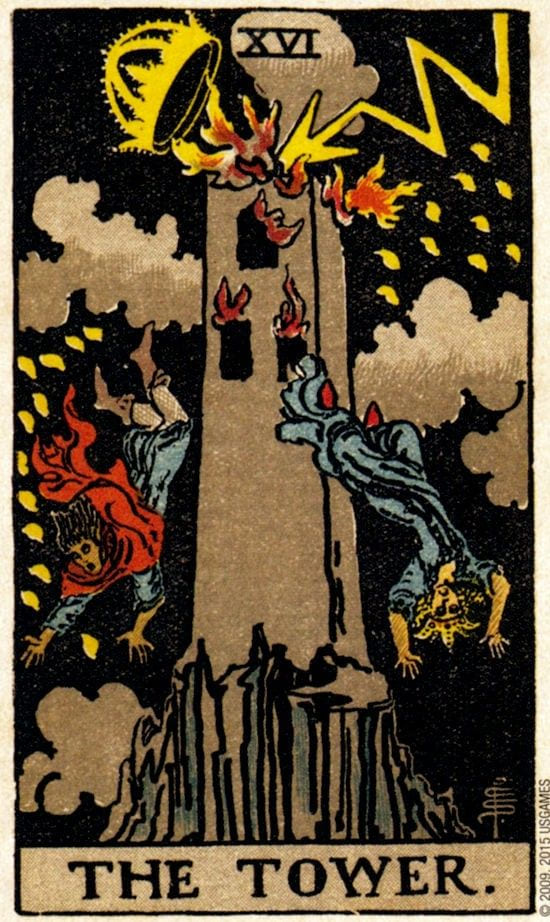
At the end of the day, look at your morning card again. Ask: Where did this card show up today? You’ll be surprised how often the connection is obvious. The Five of Pentacles on a morning when you felt financially anxious. The Three of Cups on a day when a friend called unexpectedly. The Tower on the afternoon your plans collapsed.
This evening reflection closes the loop. It trains your brain to recognize patterns between the cards and your lived experience. Over time, this connection becomes intuitive — you’ll start recognizing card energies in real time, without needing to pull.
The difference between daily pulls and readings
A daily pull is not a reading. This distinction matters because it changes how you interact with the card.
A reading answers a question. You sit down with a specific concern, lay out multiple cards in positions, and interpret the relationships between them. Readings are analytical. They require time, concentration, and interpretation skill.
A daily pull holds space. It’s not trying to answer anything. It’s offering a single image as a focal point for your awareness. You’re not analyzing — you’re receiving. The card isn’t advice. It’s a mirror.
When you approach your daily pull as a reading, you create pressure. What does this mean? Should I be worried? Is something bad going to happen? That pressure defeats the entire purpose. The mindfulness value of a daily pull comes from releasing the need to interpret and just being present with what appears.
If the Death card shows up on a Monday morning, a reading approach says: Something is ending. What’s changing? Should I be concerned? A mindfulness approach says: Transformation energy is present. I’ll notice where endings and beginnings show up today.
Same card. Completely different relationship with it.
Cards that deepen the mindfulness practice
Some cards are natural mindfulness teachers. When they appear in your daily pull, they’re invitations to go deeper.
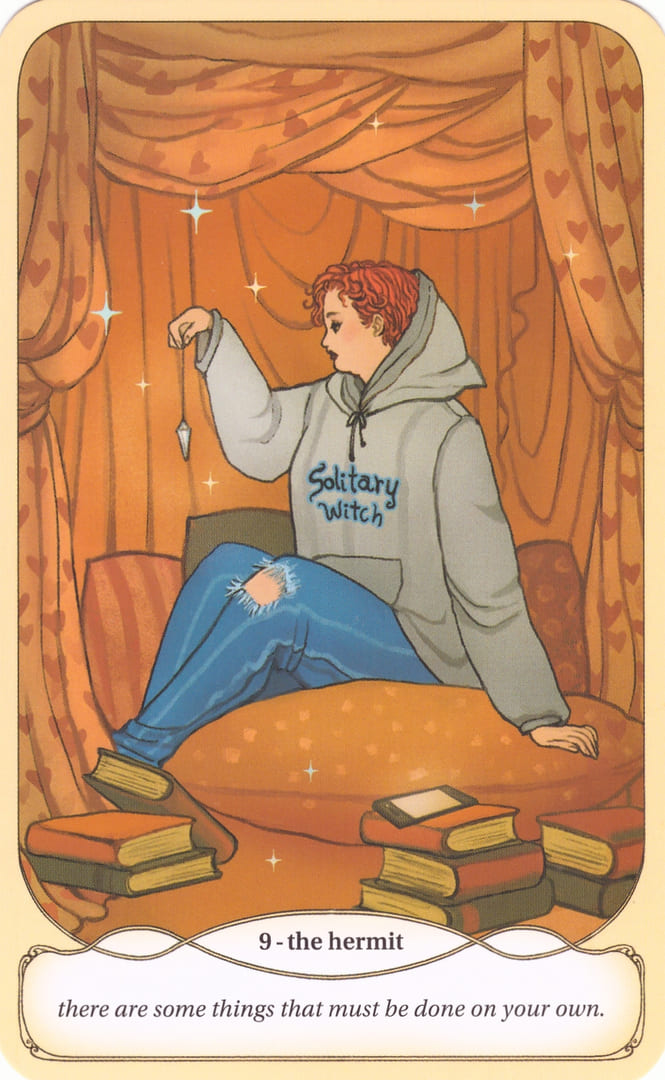
The Hermit. Solitude and inner wisdom. The Hermit as a daily pull says: find quiet today. Even five minutes of stillness. The answers you’re looking for aren’t out there — they’re in the silence you keep avoiding.
Temperance. Balance and patience. When Temperance appears, it’s a reminder to slow down. Pour carefully. Don’t rush the mixing of your energies. Let things blend at their own pace.
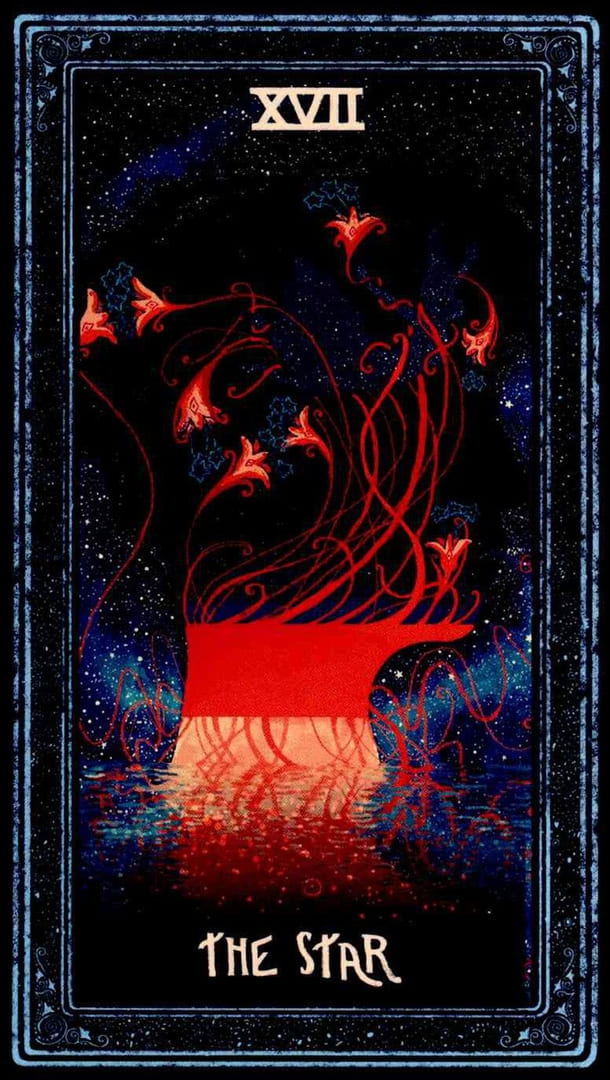
The Star. Quiet hope. The Star as a daily pull invites vulnerability — the willingness to be open and soft in a world that rewards being guarded. Notice where you’re holding tension and see if you can release it.
Four of Swords. Rest as practice, not as failure. When this card shows up, your mindfulness practice for the day might be doing less. Canceling something. Saying no. Letting silence fill the space where activity usually lives.
The High Priestess. Intuition and inner knowing. She’s the card of the gut feeling you ignore because you can’t explain it logically. When she appears, practice listening to the quiet voice underneath the loud one.
Two of Cups. Connection and mutual presence. When this card arrives, your mindfulness practice shifts outward — being fully present with another person. Not multitasking during conversation. Not planning your response while they’re still talking. Just being there.
What to do when you “don’t have time”
You do. You have two minutes. Everyone has two minutes.
But I understand the resistance. It’s not really about time — it’s about the discomfort of being still. We’re so addicted to input that even sixty seconds of quiet feels wrong, like we should be doing something productive.
The daily pull is productive. It’s producing self-awareness, which is the foundation of every good decision you’ll make today. It just doesn’t feel productive because nobody else can see it and it doesn’t generate a notification.
If the morning truly doesn’t work, pull a card at lunch. Pull one before bed. Pull one in the parking lot before walking into the office. The timing matters less than the consistency.
And if you miss a day, pull the next day. This isn’t a streak to protect. It’s a practice to return to.
Beyond the single card
Once the daily pull becomes habitual, you might naturally want to deepen the practice. Here are some variations:
Pull with a theme. Instead of an open question, focus on something specific: Show me my creative energy today. Show me my relationship energy. Show me where I’m resisting. Same one-card pull, but with a sharper lens.
Pull for body, mind, spirit. Three cards instead of one. Takes an extra minute. Gives you a fuller snapshot of your current state across three dimensions.
Pull and breathe. After pulling, set a timer for five minutes and breathe while looking at the card. This bridges daily pulls and formal meditation. The card gives your eyes a focus point while the breathing quiets your nervous system.
Pull and write. Stream-of-consciousness writing about the card for three minutes. No editing, no thinking, just writing whatever comes. This is Julia Cameron’s morning pages meets tarot — a powerful combination for people who think better on paper.
The compound effect
One daily pull means nothing by itself. A week of daily pulls starts to reveal patterns. A month shows you themes. A year gives you a map of your inner landscape that no therapist, friend, or self-help book could have drawn for you — because only you were there for every single morning.
The compound effect of this practice isn’t about becoming a better tarot reader (though that happens naturally). It’s about becoming a better observer of your own mind. And that changes everything downstream — your relationships, your decisions, your ability to sit with discomfort instead of running from it.
Two minutes. One card. Every morning.
Start tomorrow.
Frequently Asked Questions
How do I do a daily tarot pull?
Shuffle your deck while taking a few deep breaths. When you feel ready, pull one card from anywhere in the deck. Look at the image before reading any meaning. Notice your first reaction — that's the most honest data. Spend 1-2 minutes sitting with the card, then carry its energy into your day. That's it. No elaborate ritual needed.
Is a daily tarot pull the same as fortune-telling?
Not at all. A daily pull used for mindfulness isn't about predicting what will happen — it's about noticing what's already happening inside you. The card becomes a mirror for your current state, not a forecast. Think of it more like a journal prompt than a crystal ball.
What time of day is best for a daily tarot pull?
Morning works best for most people because it sets an intention before the day's noise begins. But evening pulls work too — they become a reflection practice instead of an intention practice. Some people pull in the morning and journal about the card at night. Find what fits your life and stick with it.
What if I keep pulling the same card every day?
Pay attention — that card is trying to tell you something you haven't fully absorbed yet. Repeated cards in daily pulls usually signal an unresolved theme or a lesson you're in the middle of learning. Instead of being frustrated, journal about it: what about this card's message haven't I acted on yet?