Why Your Tarot Reading Was Wrong: 7 Reasons It Didn't Come True
Let’s be honest about this
Not every tarot reading is accurate. Not every prediction comes true. Not every interpretation hits the mark.
I know that’s an unusual thing for a tarot reader to say. But I’ve been doing this long enough to know that pretending otherwise helps no one. If your reading felt off, wrong, or completely irrelevant — there’s probably a reason. And understanding that reason will make every future reading better.
So let’s break down the seven most common reasons a tarot reading goes sideways.
1. The question was too vague
This is the number one cause of unhelpful readings, and it’s the easiest to fix.
“What does my future hold?” is a terrible tarot question. Not because it’s a bad desire — everyone wants to know — but because it gives the cards nothing specific to work with. It’s like typing “stuff” into a search engine and being disappointed with the results.
Compare:
-
Vague: “What about my love life?”
-
Focused: “What pattern in my relationships keeps leading to the same outcome?”
-
Vague: “Will things get better?”
-
Focused: “What action can I take this month to improve my financial situation?”
The more specific your question, the more specific your answer. Tarot responds to precision.
2. You heard what you wanted to hear
This is painful to admit, but it happens constantly — to readers and clients alike.
You asked about your ex. The cards showed the Ace of Cups (new emotional beginning) and your heart leapt. “They’re coming back!” But the card was actually pointing to a new love — not a recycled one.
Confirmation bias is real, and tarot readings are especially susceptible to it. We see what we want to see. We interpret ambiguous imagery through the lens of our deepest hopes and fears.
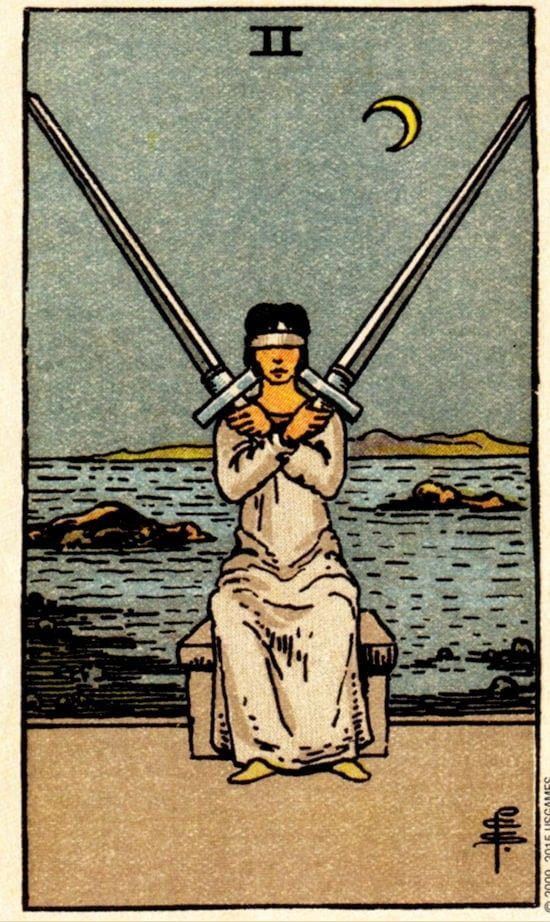
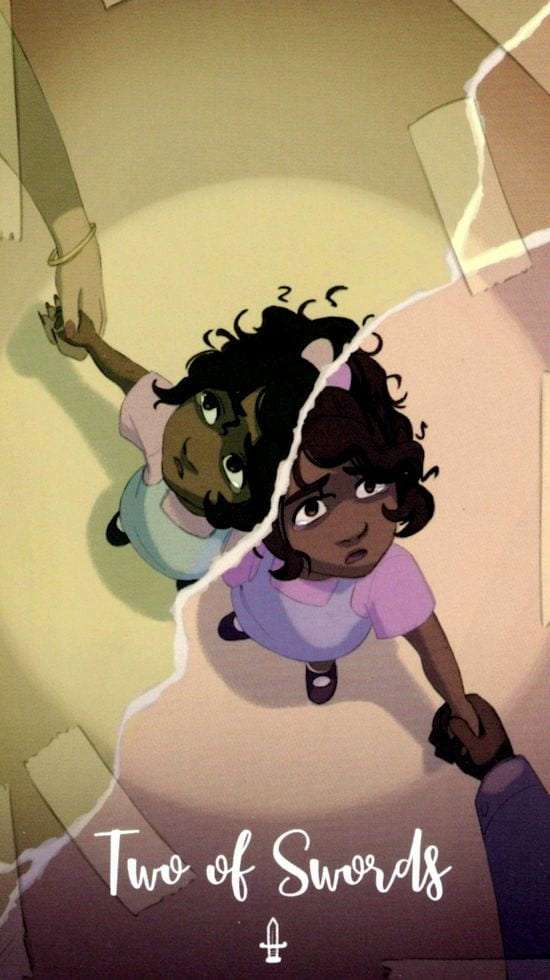
The Two of Swords — blindfolded, arms crossed, refusing to see. Sometimes we approach readings exactly like this: seeking answers but unwilling to actually receive them.
What to do: After a reading, write down the cards and their positions. Come back to them a week later with fresh eyes. You might see something completely different.
3. The reader wasn’t a good fit
Not every reader is good. And even among skilled readers, not every reader is right for you.
Some readers have styles that clash with what you need. Some are better at relationship questions than career ones. Some use intuition heavily; others rely on traditional card meanings. Some readers are genuinely unskilled but marketed well.
Signs a reader wasn’t the right fit:
- Everything they said was so general it could apply to anyone
- They seemed to be reading from a script rather than tuning into your question
- Their interpretation didn’t resonate with any part of your experience
- They made you feel worse, not clearer
What to do: A bad reading with one reader doesn’t mean tarot doesn’t work. It means that particular reading didn’t work. Try a different reader, or better yet, start learning to read for yourself.
4. You changed the outcome
This is actually the best reason a reading can be “wrong.”
Let’s say you got a reading that warned about burnout in your career. The cards showed exhaustion, overcommitment, eventual breakdown. It scared you. So you made changes — set boundaries, took a vacation, said no to extra projects.
The burnout never happened. Was the reading wrong?
No. The reading was a GPS warning: “At current speed, collision ahead.” You slowed down. The collision was avoided. The reading did its job — it just did it by being the wake-up call, not the prophecy.
Tarot shows likely outcomes based on your current trajectory. Change the trajectory, and the outcome changes too.
5. Your emotional state interfered
I never recommend doing readings when you’re in the middle of an emotional crisis. Here’s why:
When you’re desperate, anxious, or heartbroken, your energy is chaotic. Your ability to ask clear questions is compromised. Your capacity to hear difficult truths is reduced. And your tendency to project what you want onto the cards is at its peak.
I’ve seen it happen: a client asks about a breakup while sobbing, and every card gets filtered through “Will they come back?” The reading becomes a Rorschach test of their grief rather than genuine guidance.
What to do: If you’re in acute emotional pain, wait. Give yourself at least 24-48 hours to move through the worst of it before pulling cards. Journaling, talking to a friend, or even just sleeping on it can create enough distance for a clearer reading.
6. The timing was off
Tarot doesn’t operate on calendar time. When a reading suggests “soon” or shows the energy of movement, that doesn’t necessarily mean this week or even this month.
I’ve had readings that seemed wrong in the moment but made perfect sense six months later. The cards were right — they were just early. Or late. Or pointing to a different timeline than the one I was fixated on.
This is especially true for readings about other people. You can’t control when someone else decides to act, change, or show up.
What to do: Keep a tarot journal. Record your readings with dates and review them periodically. You’ll be surprised how many “wrong” readings turn out to be right — just not when you expected.
7. The reading reflected your fears, not your future
This is subtle but important. Sometimes what shows up in a reading isn’t what’s going to happen — it’s what you’re afraid will happen. Your fear energy is so strong that it dominates the spread.
You’re terrified of being alone, so every love reading shows isolation. You’re anxious about money, so every career spread screams scarcity. The cards aren’t predicting your future — they’re mirroring your anxiety.
How to tell the difference: If every reading on the same topic gives the same negative message regardless of when or how you ask, it might be reflecting a persistent fear rather than a probable outcome. This is especially true for self-readings.
What to do: Have someone else read for you on that topic. A reader who doesn’t carry your emotional charge can often see past the fear to what’s actually happening.
What to do when a reading feels wrong
Not every “wrong” reading is actually wrong. Before dismissing it, try these steps:
1. Sit with the discomfort
Sometimes a reading feels wrong because it’s pointing at something you don’t want to see. The most accurate readings are often the most uncomfortable ones. Give it time before deciding it missed.
2. Check your question
Did you ask what you really wanted to know? Or did you ask a surface question while hoping for a deeper answer? Misaligned questions produce misaligned answers.
3. Consider the metaphor
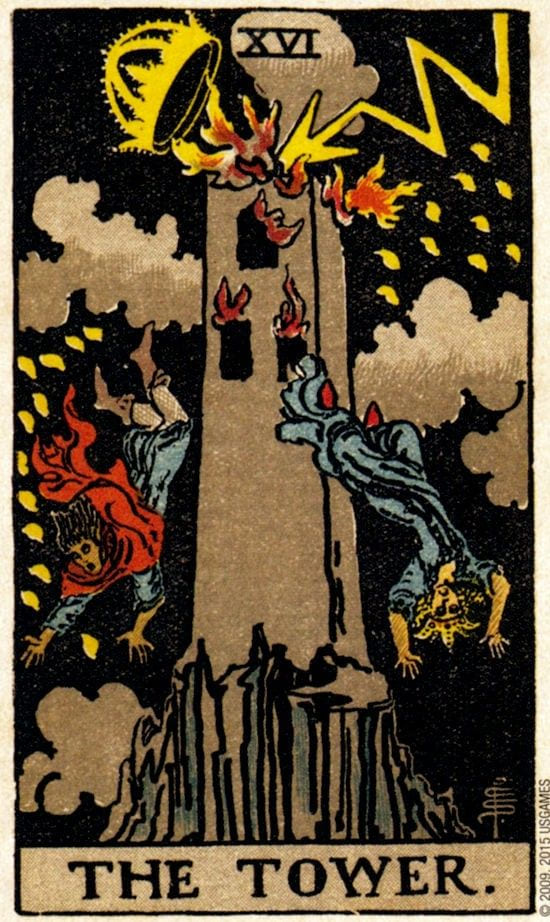
Tarot speaks in symbols, not literal events. The Death card doesn’t mean physical death — it means transformation. The Tower doesn’t mean your house will burn down — it means a structure in your life is collapsing. If you interpreted cards literally, the “error” might be in translation, not in the reading.
4. Journal and revisit
Write down the reading, your initial interpretation, and how you feel about it. Revisit in 2-4 weeks. Context changes, and meanings often reveal themselves with time.
5. Let it go if it truly doesn’t fit
Sometimes a reading just misses. That’s okay. Tarot isn’t a perfect system, and no reader is 100% accurate. One off reading doesn’t invalidate the practice any more than one wrong weather forecast invalidates meteorology.
The reading that taught me the most
The reading that changed my practice wasn’t one I got right. It was one I got wrong.
I told a client I saw a major relationship ending. She was devastated. Months later, she messaged me: no relationship ended. What actually happened was that she ended a pattern — a way of relating to partners that she’d been repeating for years. The “ending” was internal, not external.
I was right about the energy. Wrong about the form it would take. And that taught me the most important lesson in tarot: the cards show truth, but truth doesn’t always look the way we expect.
Your reading wasn’t necessarily wrong. It might just need a wider lens.
Frequently Asked Questions
Why was my tarot reading inaccurate?
Common reasons include asking vague questions, the reader misinterpreting cards, your emotional state influencing the reading, changes you made after the reading that altered the outcome, or the reading reflecting fears rather than likely outcomes.
Can tarot readings be wrong?
Yes. Tarot isn't infallible. Readings can miss the mark due to reader skill, question quality, emotional interference, or simply because tarot shows probable outcomes, not guaranteed ones. You always have free will to change your path.
Should I get another reading if the first one felt wrong?
Wait at least a few weeks before re-reading on the same topic. If a reading felt wrong, reflect on whether it might have touched a truth you weren't ready to hear. If you still feel it was off after honest reflection, the reading may have genuinely missed.
How do I get a more accurate tarot reading?
Ask specific, open-ended questions. Choose a reader you trust. Be honest about your situation. Read when you're calm, not desperate. And remember that accuracy improves when you treat tarot as guidance, not prediction.